What Constitutes High Humidity: A Complete Guide with Practical Solutions
High humidity means the air holds a lot of moisture. Indoor relative humidity above 60% counts as high. This level can cause mold growth and makes the air feel muggy.
Indoor humidity between 30% and 50% is usually best for comfort and health. Levels above 60% cause condensation and help dust mites thrive. Both can lower your home’s air quality.
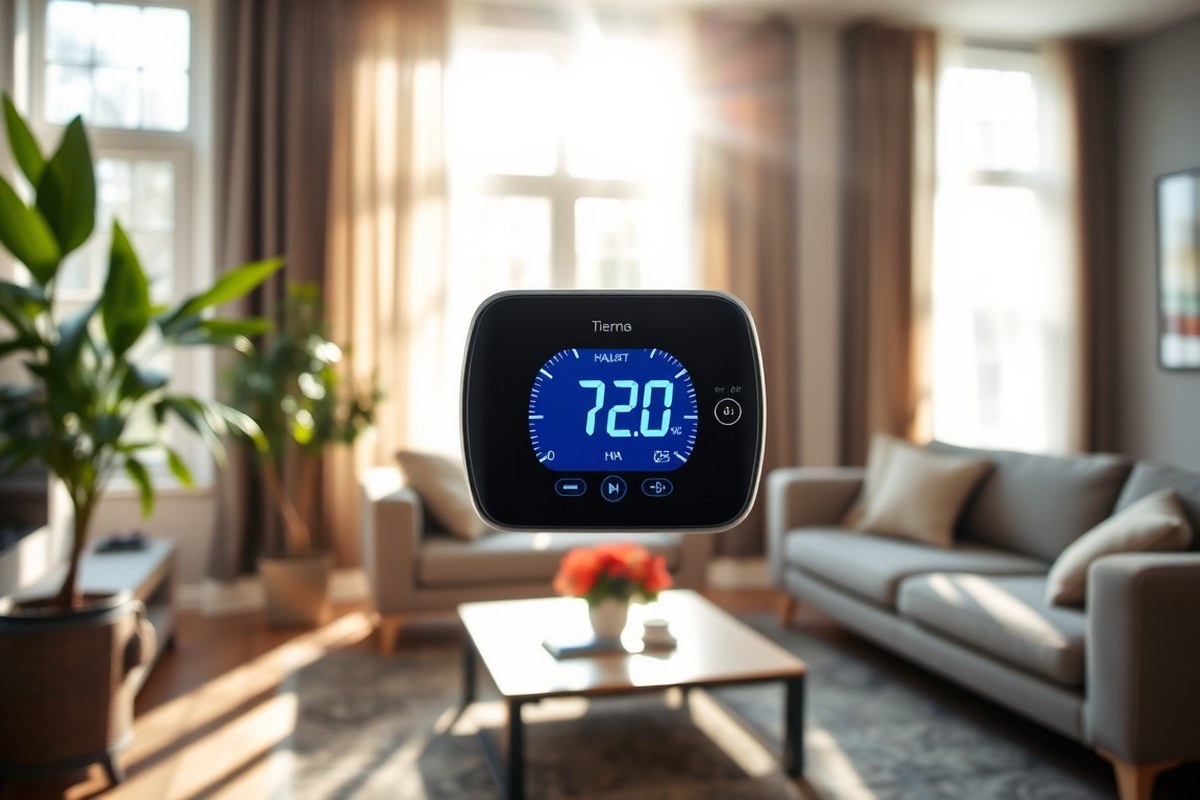
Start by measuring your home’s humidity with a reliable hygrometer. This helps you know how much moisture is in your indoor air. Outdoor humidity changes with temperature, but above 60% is still high.
High outdoor humidity makes warm air feel hotter by trapping heat near your skin. Watching outdoor humidity helps you prepare, especially if damp air worsens health problems.
Key Takeaways
- Indoor relative humidity above 60% is considered high humidity.
- Maintain indoor humidity between 30% and 50% for comfort and health.
- Use a hygrometer to check your home’s indoor humidity levels accurately.
- High indoor humidity encourages mold, condensation, and dust mite growth.
- Outdoor humidity above 60% still counts as high moisture in the air.
- High humidity feels more oppressive when combined with warm temperatures.
What Humidity Levels Are Considered High Indoors and Outdoors
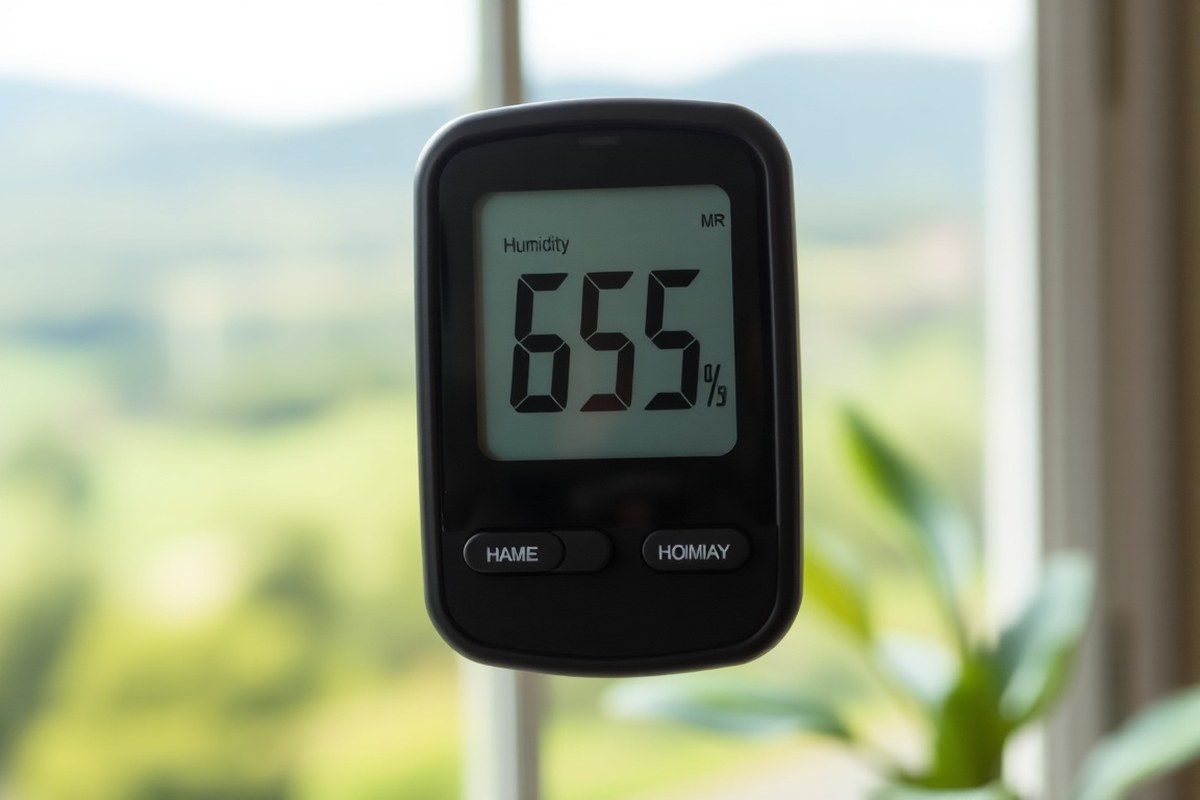
Indoor humidity levels above 60% relative humidity (RH) are generally considered high. Experts say indoor humidity should stay between 30% and 50%. This range keeps your home comfortable.
It also stops mold and dust mites from growing. Once humidity goes over 60%, problems like condensation and poor air quality become more likely.
Use a hygrometer to check your home’s humidity level. It shows how much moisture is in the air. Levels above 60% mean you should lower the humidity.
Outside humidity changes a lot during the day. Experts look at the dew point to spot high humidity. A dew point over 65°F means the air feels sticky.
Indoor humidity under 60% is safe. The best range is 30% to 50%. Outdoor humidity changes more and is measured differently.
Outdoors, dew points under 65°F are comfortable. Above 65°F indicate high humidity that feels uncomfortable. These numbers tell you when humidity might cause problems.
They show when air inside or outside feels uncomfortable. Use them to keep your home safe.
| Location | Measurement Type | High Humidity Threshold | Notes |
|---|---|---|---|
| Inside | Relative Humidity (RH) | Above 60% | Ideal range: 30%, 50%. Above 60% risks mold and condensation. |
| Outside | Dew Point Temperature | Above 65°F | Feels sticky and oppressive. Better indicator than RH. |
Indoor humidity is simpler to control, but outdoor dew point varies with weather patterns. Both measurements guide decisions on ventilation, dehumidifiers, or weather-related comfort. Keep these thresholds in mind to track when moisture levels get too high.
How Relative Humidity, Absolute Humidity, and Dew Point Differ
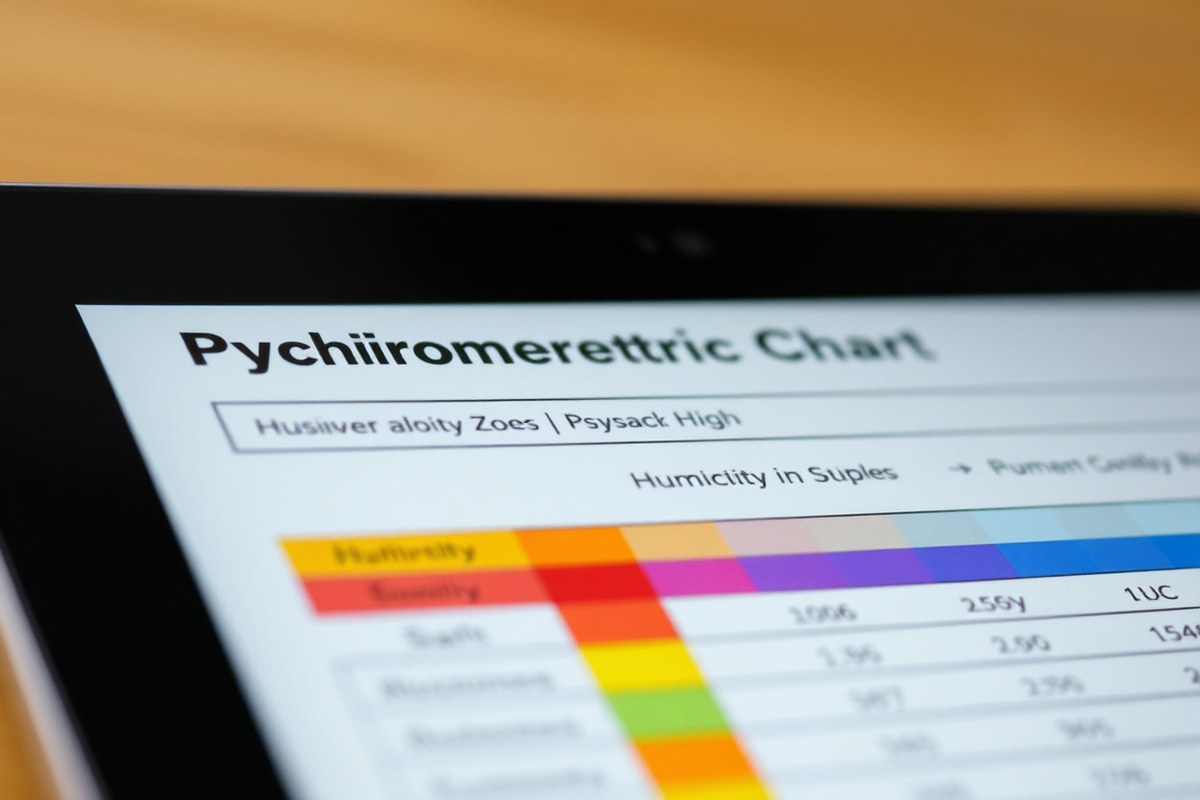
Relative humidity tells how much moisture is in the air. It shows the amount compared to the max air can hold. This changes with temperature.
It is a percentage. At 60% relative humidity, air holds 60% of its moisture limit.
This is based on the air’s current temperature. This explains why relative humidity changes with temperature even if the actual moisture doesn’t.
Absolute humidity shows the real water vapor in the air. It is measured in grams per cubic meter (g/m³). Temperature changes don’t affect this value.
Dew point means the air temperature when moisture starts to form liquid. It happens when air is fully saturated. It directly indicates how much moisture is in the air.
A higher dew point means more moisture, which is why a 70°F dew point feels oppressive. 50°F dew point feels comfortable.
Air at 30°F with a 30°F dew point is fully humid. It feels dry and crisp despite 100% relative humidity.
Meanwhile, 85°F air with a 70°F dew point feels hot and sticky, with lower relative humidity. Dew point helps you predict outdoor discomfort better than relative humidity alone.
Relative humidity varies during the day, highest near dawn and lowest mid-afternoon. That’s because temperature moves further from dew point as the day warms.
Absolute humidity measures actual water in the air, so it stays stable. It doesn’t depend on how much moisture air can hold.
| Metric | What It Measures | Example | Practical Use |
|---|---|---|---|
| Relative Humidity | How full air is with moisture (%) | 60% at 75°F | Tells comfort and risk of mold indoors |
| Absolute Humidity | Actual water vapor per volume (g/m³) | 10 g/m³ at 75°F | Shows moisture content regardless of temp |
| Dew Point | Temp where air saturates and condenses | 65°F dew point | Predicts outdoor muggy conditions |
Keep your indoor relative humidity between 30% and 50% to avoid mold and discomfort.
Signs Your Home Has High Humidity and Why It Matters
High indoor humidity shows up in clear ways you can see and feel. It also brings health risks and harms your home’s structure if left unchecked. Tracking these signs helps you act before serious problems begin.
Visible Signs of High Humidity
Sticky or damp surfaces inside your home often point to excess moisture in the air. Windows fogging up or gathering water droplets means indoor humidity is too high, especially in winter. You might notice peeling paint or wallpaper curling away from walls too.
A musty smell that sticks around is a common sign. It happens when mold starts growing in hidden places. You might not see it at first.
Mold spots themselves often appear around windows, in corners, or near leaks. Books and photographs may begin to warp or stick together as well.
- Condensation on windows or cold surfaces
- Peeling paint or wallpaper
- Musty odors throughout rooms
- Visible mold growth near window frames or corners
- Warped or damaged paper materials
Spotting these signs early means you can take steps before damage worsens. Aim to keep indoor humidity between 30% and 50% to avoid these problems.
Health Symptoms Related to Moist Air
High humidity makes air feel hotter and harder to breathe. Your body cools itself by sweating, but moist air slows this down. This discomfort can make you feel tired or restless, especially during sleep.
Moist air encourages mold, dust mites, and allergens that hurt breathing. Symptoms include coughing, wheezing, nasal congestion, and itchy eyes. People with asthma or allergies often see worsening symptoms when humidity rises above 60%.
Heavy, damp air can feel like breathing through a clogged tunnel. This slows airflow in your airways, making it tough to breathe deeply or clear mucus.
Spotting these signs means you should improve ventilation. Also, try lowering humidity in your home.
Risks to Home Structure and Belongings
The effects of humidity extend beyond comfort; they threaten your home’s safety. Damp air over time harms wood, drywall, and insulation, weakening your home’s structure. High humidity can lead to hidden mold growth inside walls and under flooring.
Condensation causes water damage around window frames and on ceilings. In winter, this is especially risky if humidity rises above 60%. Such moisture problems can lead to costly repairs if ignored.
- Warped or rotting wood supports and flooring
- Damaged drywall and paint bubbles or peeling
- Mold growth inside walls or under floors
- Weakened insulation reducing energy efficiency
- Rust or corrosion on metal fixtures
- Damage to books, photos, and other paper items
Maintaining indoor humidity between 30% and 50% helps protect your home’s structure. Using ventilation, dehumidifiers, or a trustworthy HVAC system keeps moisture under control.
Common Causes of High Indoor Humidity and How Temperature Affects It
Daily activities add a lot of moisture inside your home. Cooking on the stove, boiling water, and showering all release water vapor. Drying clothes indoors also pumps humidity into the air.
Leaks and damp areas in basements or crawlspaces raise humidity levels too. Cracked foundations or poor drainage let ground moisture seep into walls. Plumbing problems that drip or stay wet contribute to lasting humidity.
- Boiling water and cooking without ventilation
- Running showers and baths
- Drying laundry indoors without proper air flow
- Leaks around windows, roofs, or pipes
- Condensation on cold surfaces like pipes and windows
- Lack of exhaust fans in kitchens and bathrooms
- Plant soil and aquariums adding moisture
Outside weather affects indoor humidity a lot. Warm air can carry more moisture, so humid summer days raise indoor levels.
Cold air can hold less moisture. But when warm indoor air meets cold windows, it forms condensation.
Temperature changes affect how much moisture air holds. Warmer air absorbs more water vapor.
When air cools, it releases moisture as droplets or condensation. That’s why basements or shady rooms feel damper.
High temperatures paired with high humidity make you feel hotter. Sweat doesn’t evaporate well at 70% or above humidity. So your body struggles to cool down, which can feel uncomfortable or even dangerous.
To control indoor humidity, start by reducing moisture sources. Use exhaust fans during cooking and showers.
Air dry laundry outside or use well-vented dryers. Fix leaks fast and watch for condensation.
Running a dehumidifier helps, especially in basements or humid areas. Keeping your HVAC system well maintained improves air circulation and moisture control. Monitor humidity levels with an indoor hygrometer to know when extra action is needed.
How High Humidity Impacts Health, Comfort, and Cognitive Function
High humidity causes discomfort because it slows your body’s cooling process. Normally, your sweat evaporates and cools you down.
When the air holds too much moisture, sweat doesn’t evaporate well. So heat stays trapped inside your skin.
This trapped heat makes you feel sticky and hotter than the actual temperature. That’s why the “feels like” temperature, or heat index, can be much higher when humidity rises.
At over 60% humidity, many feel clammy and tired quickly. This happens even if the temperature is moderate.
Breathing humid air can worsen respiratory issues. People with asthma or allergies may notice more coughing and wheezing on humid days. Moist air makes mold grow well.
Mold releases spores in the air. These spores can cause allergies and skin rashes.
High humidity also increases tiny dust mites that irritate sensitive lungs. The extra moisture thickens mucus in your airways, making it harder to breathe. This can lead to stuffy noses, sneezing, or more frequent asthma attacks.
Cognitive function is affected because your body struggles to cool itself. When overheating slows your brain’s functions, you feel sluggish and less alert.
Studies show mental work gets tougher when humidity goes above 50%. This happens because dehydration and tiredness come sooner.
Your brain cells need stable temperatures to work best. Sweat evaporation failure raises your body temperature, clouding focus and memory. This discomfort can last until the surrounding air becomes drier and your body cools down again.
Running a dehumidifier indoors helps when humidity is above 60%. It boosts comfort and helps you breathe easier.
How to Accurately Measure and Monitor Indoor Humidity Levels
The easiest way to measure indoor humidity is with a good hygrometer. It gives you quick, accurate readings so you can manage comfort and prevent issues like mold. Following the right steps helps keep your readings reliable over time.
Choosing the Right Humidity Meter
Look for a digital hygrometer with a clear display. These usually cost between $10 and $15 and are accurate enough for home use. Avoid cheap, uncalibrated models since they can give unreliable results.
Some hygrometers also include temperature sensors. This feature helps you understand humidity relative to room temperature and dew point.
Higher-end devices can connect to smartphones and track data automatically. But are not necessary for most homes.
Proper Device Placement Indoors
Place your hygrometer away from windows, doors, or vents to get a stable reading. Avoid areas with direct sunlight or heat sources like radiators. A central room with typical furniture and airflow usually works best.
For thorough monitoring, check humidity in several key spots: near bathrooms, kitchens, and basements. These zones often have higher moisture. Moving your device occasionally or using multiple meters helps spot trouble before it spreads.
Routine Monitoring and Calibration Tips
Check humidity levels several times a day at first to find daily fluctuations. Once you know the pattern, weekly checks usually suffice. Keep levels between 30% and 50% relative humidity according to EPA and ASHRAE guidelines.
Calibrate your hygrometer every six months to ensure accuracy. You can test this with a salt test. Another way is to compare it to a nearby weather station’s data.
Both help check accuracy. A device that shows odd spikes needs replacing. This way, you avoid wrong choices about your home’s humidity.
Use this simple guide to measure and maintain your home’s humidity accurately:
- Buy a digital hygrometer with temperature measurement.
- Unpack and turn on the device, letting it adjust to room conditions for 1 hour.
- Place it in a central indoor area, away from direct heat or moisture sources.
- Record humidity readings at different times of day for several days.
- Compare readings to local weather station data or perform a calibration test.
- Adjust your HVAC, humidifier, or dehumidifier settings based on these readings.
- Repeat monitoring weekly, focusing on spots prone to high humidity.
- Recalibrate or replace the hygrometer every six months to maintain trustworthiness.
Effective Ways to Lower High Indoor Humidity Safely
Lower indoor humidity with good ventilation and a dehumidifier. Choose the right size unit. Change daily habits to keep humidity down.
Using these methods keeps moisture from building up and prevents discomfort and damage. The best approach varies by your home’s size, layout, and local climate.
Using Ventilation Effectively
Ventilation helps move moist air outside and brings in drier air. Running exhaust fans in kitchens and bathrooms while cooking or showering cuts down moisture fast. Opening windows for a few minutes each day can also improve airflow, especially during dry weather.
Using roof vents, attic fans, or whole-house fans helps if your home feels damp or stuffy. Ventilation may not help if outside air is very moist. This happens on hot, humid days.
It might add more moisture inside. You want air moving but not trapping humidity inside.
Selecting and Operating Dehumidifiers
Dehumidifiers remove moisture directly from the air and work best when ventilation isn’t enough. Measure your room to pick a dehumidifier with the right capacity. Small rooms need about a 20-pint unit.
Check the product specs before buying. Basements or crawl spaces may need 50 pints or more. Prices range from $150 to $400 depending on size and features.
Set the dehumidifier to keep indoor relative humidity below 50%. This helps reduce dust mites and mold growth.
Don’t run units too cold; keep room temps above 60°F to maintain efficiency. Empty the water collection bucket regularly or connect a drain hose for continuous use.
Behavioral Tips to Control Moisture at Source
You can prevent humidity buildup by changing how you use water indoors. Turn on fans during showers and cooking.
Dry clothes outdoors if possible since dryers add a lot of moisture inside. Fix leaks promptly since they add hidden wetness.
Keep lids on pots when boiling and use vent hoods that send air outside. Avoid overwatering houseplants and limit showers to 10 minutes to reduce steam. Check crawl spaces and basements for dampness and improve drainage around your home.
- Run exhaust fans during and 15 minutes after cooking or showering
- Open windows briefly on dry days for cross-ventilation
- Dry clothes outside or use a vented dryer
- Fix plumbing leaks and seal foundation cracks
- Use lids on pots and turn on range hoods
- Limit shower time to 10 minutes or less
- Avoid overwatering indoor plants
These habits stop moisture from accumulating and reduce the load on your dehumidifier or ventilation system. Consistency matters for lasting comfort and mold prevention.
Additional Tools Like Air Purifiers
Air purifiers don’t lower humidity. They help with mold spores or allergens in damp air. Use them to reduce airborne particles, not moisture.
Use a purifier with a HEPA filter and a dehumidifier together. This combo catches more particles in the air.
It improves your home’s air quality. This matters for people with allergies or respiratory issues linked to humidity.
Keep purifier filters clean to maintain airflow and effectiveness. In some cases, purifiers with activated carbon filters also remove odors caused by moisture. They work best in rooms where moisture problems persist despite ventilation and dehumidification.
Seasonal and Regional Variations in Humidity and Their Impact
Humidity changes throughout the year depending on the climate and season. Winters often bring drier air.
But cold weather can still have high humidity indoors from cooking or showers. Summer usually raises humidity levels, especially in warmer or coastal areas where outdoor moisture seeps inside.
Change your indoor humidity goals to match these changes. This helps keep you comfortable. It also stops mold or damage from happening.
In cold seasons, keep humidity closer to 30% to prevent condensation on windows. Warmer months call for 40% to 50% to balance moisture control and comfort. Hot, humid climates may need to stick around 40% to reduce dampness inside.
| Season | Cold/Dry Regions | Temperate Regions | Warm/Humid Regions |
|---|---|---|---|
| Winter | 30%, 40% | 30%, 45% | 40%, 50% |
| Spring | 35%, 45% | 35%, 50% | 40%, 50% |
| Summer | 40%, 50% | 40%, 50% | 40%, 50% |
| Fall | 35%, 45% | 35%, 50% | 40%, 50% |
Using a humidifier or dehumidifier helps you hit these targets. You’ll spend $30 to $400 on these devices depending on size. Run them as needed based on your local weather and indoor readings.
Leaving humidity too high can cause mold. Too low can make air dry and irritate your skin and throat.
Using a digital humidity meter helps track your home’s conditions through each season. Adjust settings following outdoor changes or when you see condensation or dryness inside. This way, you avoid damage to wood, paint, and your health risks.
Keep indoor humidity below 60% to avoid mold growth, especially in summer months.
Step-by-Step Action Plan to Control High Humidity at Home
Follow these steps to reduce high humidity and keep your home comfortable. Check your progress by monitoring humidity levels and looking for signs like less condensation or mold.
- Day 1: Use a reliable hygrometer to measure your indoor humidity. Note if it reads above 60%, which is high for most homes.
- Week 1: Fix any leaks or water problems you find. Success means no new water spots or damp smells after a few days.
- Week 2: Increase ventilation by opening windows or using exhaust fans, especially in bathrooms and kitchens. Your humidity readings should start to drop.
- Week 3: Run a dehumidifier in rooms with the highest humidity. Check that readings fall into the 30%-50% range.
- Month 1: Use air conditioning during warm, humid months to help control moisture. Notice if you feel less sticky and more comfortable indoors.
- Ongoing: Keep indoor plants moderate, and avoid drying clothes indoors. The air should feel fresher and less damp as a result.
Frequently Asked Questions
What Is the Numeric Threshold for High Humidity Indoors?
A relative humidity level above 60% indoors is considered high. This level can encourage mold and dust mite growth, affecting air quality in your home.
Does High Humidity Vary by Room or Building Material?
Humidity can differ by room based on ventilation and surfaces. Kitchens and bathrooms often have higher levels due to moisture sources.
Can Humidity Levels Fluctuate Throughout the Day?
Yes, indoor humidity changes with temperature and outdoor conditions. It often rises after showers or cooking.
Is There a Humidity Level That Feels Uncomfortable but Isn’t High?
Humidity between 50% and 60% can feel muggy but isn’t usually harmful. It might still feel sticky or warm.
How Fast Can Humidity Rise to a High Level Inside the Home?
Humidity can spike in minutes if a lot of moisture enters quickly. Poor ventilation makes this worse.
Does High Outdoor Humidity Always Lead to High Indoor Humidity?
Not always; good home ventilation and air conditioning keep indoor levels lower. Outdoor humidity is just one factor.
Wrapping Up
High humidity means moisture levels above 60% inside your home. It affects your comfort, health, and can cause damage if left unchecked. Start by measuring your home’s humidity and take action today to improve it.