Where to Get Cheap Plants: Best Places and Smart Ways to Save
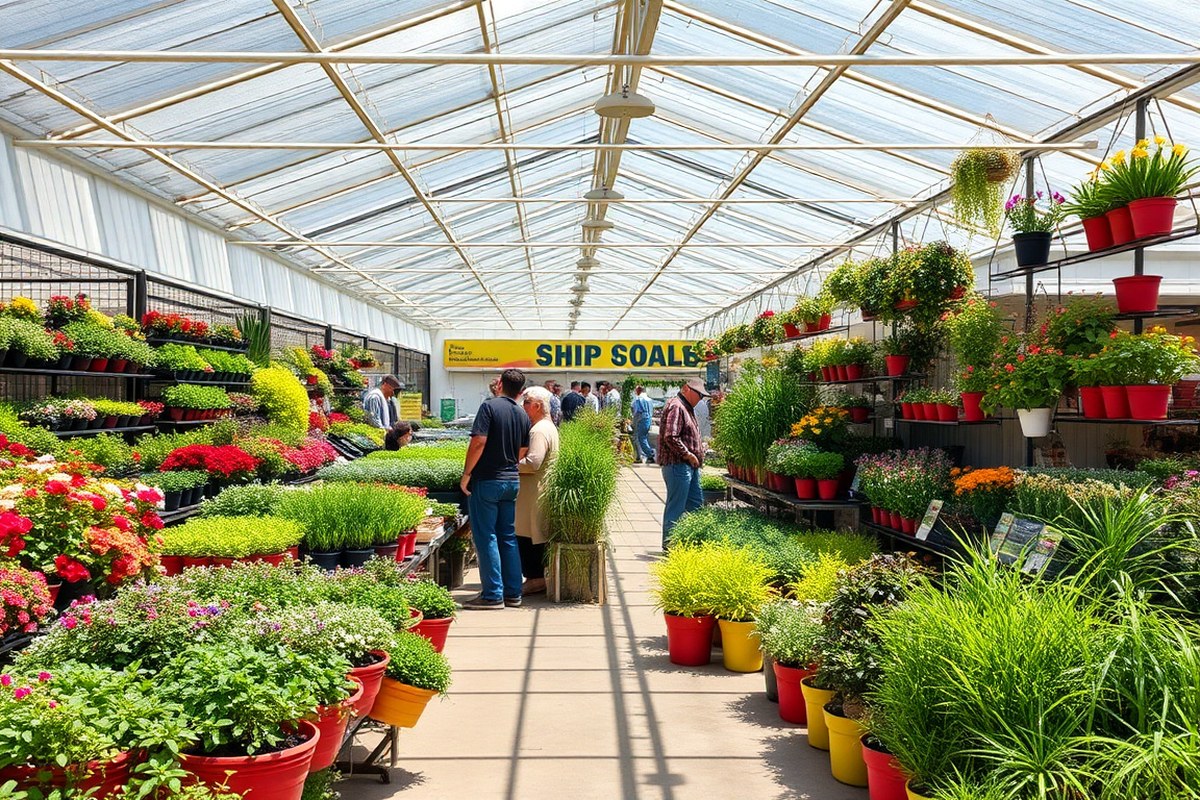
Wondering where to get cheap plants without hurting your budget? Local garden centers and online nurseries often offer great deals on common houseplants and perennials.
You can find small plants for $5 to $15. Some online sellers have prices under $5 for young plants and bulbs.
Starting with seed packets or bare-root plants cuts costs even more compared to buying full-grown plants. Seeds cost about $3 to $5 each.
Some bare-root plants go for under $5. These are great if you can wait for them to grow.
Watch for clearance sales in late summer to catch huge discounts on perennials and houseplants. You want healthy plants that look lively without paying too much. So keep an eye on plant condition rather than pot style or size at first.
Key Takeaways
- Check local garden centers for 4-inch plants priced $5 to $15.
- Buy bare-root plants and bulbs online for as low as $5 each.
- Start gardening from seed packets costing between $3 and $5.
- Shop clearance sales late summer for discounts up to 75% off.
- Look for healthy leaves and firm stems when picking cheap plants.
- Consider small starter plants like succulents, often $2 to $5 each.
Best Places to Get Cheap Plants Near You and Online
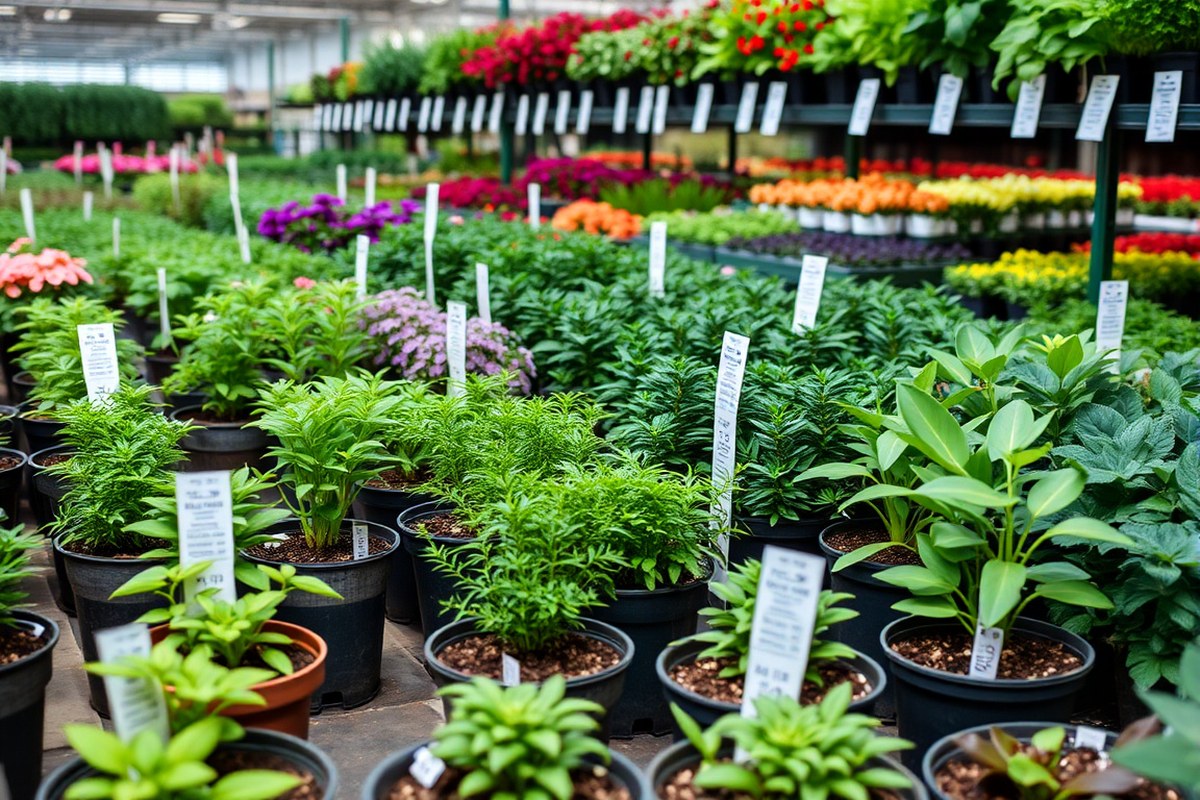
Look for local farmers markets and community garden shows to find cheap plants. These places often have locally grown plants at lower prices than big-box stores. You can expect small 4-inch plants for $5 to $15 and 6-inch ones under $30.
Local nurseries usually charge a bit more, but they offer a wider variety. Some even run deals like buy one, get one free on certain plants. Department store greenhouses sell good basic houseplants for under $20.
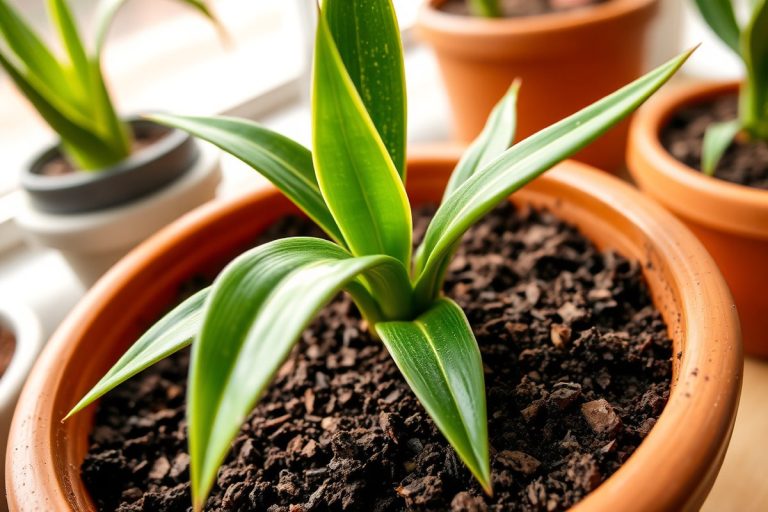
They carry popular types like snake plants and devil’s ivy. These plants fit most home spaces well.
Online plant nurseries give you access to better prices and more unusual choices. Many online sellers focus on plants hard to find nearby. They offer succulents, cacti, and even carnivorous plants.
This expands your buying options easily. Check for sellers that include free shipping with orders.
Make sure they pack plants carefully to avoid damage. Healthy plants arrive better this way.
| Source | Plant Range | Price Range | Plant Types | Notes |
|---|---|---|---|---|
| Farmers Markets | Basic perennials and houseplants | $5 – $30 | Locally grown, common varieties | Lower prices than big-box stores |
| Local Nurseries | Wider variety, perennials & houseplants | Higher than big-box | More uncommon plants | Occasional buy one, get one free deals |
| Department Store Greenhouses | Basic houseplants | Under $20 | Devil’s ivy, snake plants, calatheas | Good value for common houseplants |
| Online Nurseries | Unusual & specialty plants | $2 – $60+ | Succulents, carnivorous, rare species | Look for free shipping and careful packaging |
Succulents often sell for $2 to $5 online, making them an affordable option. Specialty nurseries like FCGardens offer rare carnivorous plants starting around $38.
Online sellers such as Bloomscape provide healthy, well-potted plants that arrive in good condition. Free shipping further reduces costs, helping you save more.
How to Use Seed Packets and Bare-Root Plants to Save Money
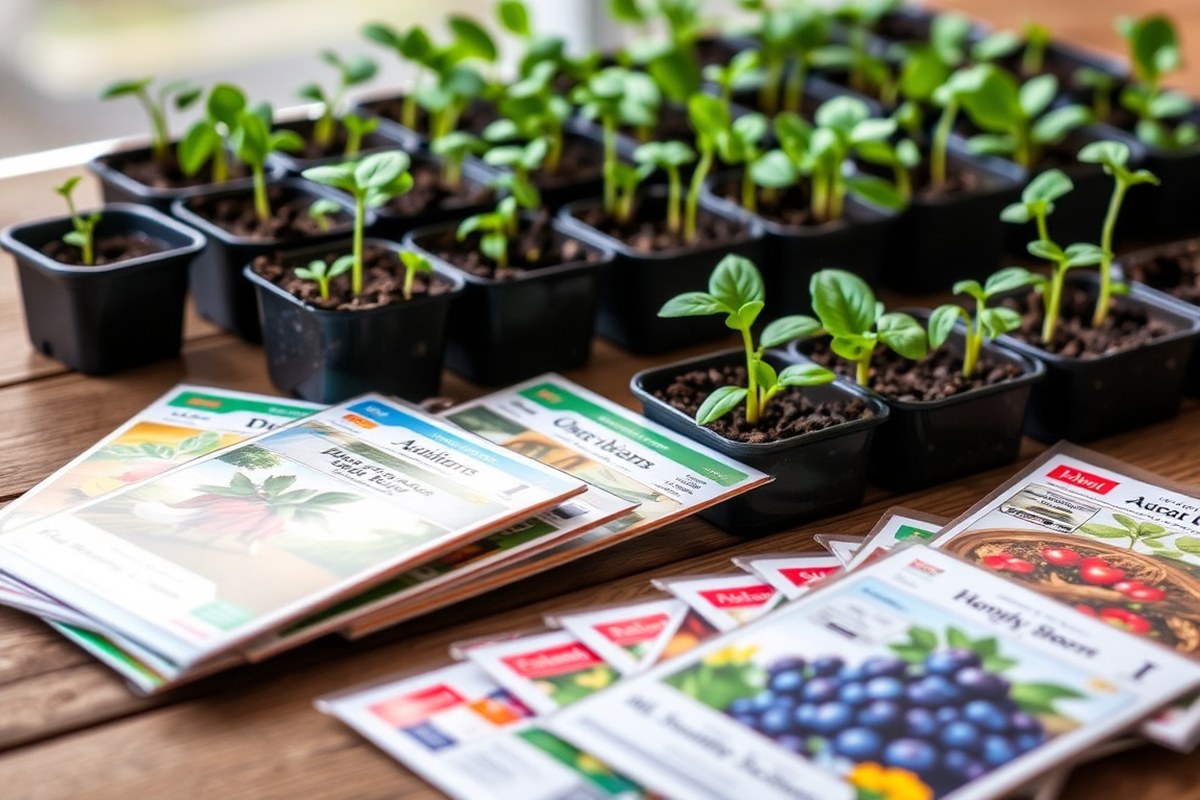
Seeds cost less than buying grown plants, often just a few dollars per packet. You can buy American Seed packets for about 50 cents each. Burpee seeds cost between $2 and $3 each.
Starter plants or nursery-grown ones can cost $10 or more. Seeds save you a lot if you want many plants.
Bare-root plants usually cost less than $5 each. You can get them from places like Michigan Bulb Company.
These come without soil, so shipping costs less. The downside is they need careful planting and watering immediately to avoid drying out or damage.
Seeds take longer to mature than starter plants. Most vegetables need 60 to 90 days to grow from seed to harvest.
Flowers might bloom in 8 to 12 weeks. This means you should start seeds indoors weeks before outdoor planting to avoid delays.
Starter plants cost more upfront but give you a head start on the growing season. For beginners who want quicker results or less hassle, this might be worth the extra money. Seeds require patience and attention to germination, light, and watering.
Store seed packets in a cool, dry spot. Start seeds in small pots or seed trays with light and water.
Choose seeds or bare-root plants depending on budget, space, and speed of growth. Seeds save money and let you grow many plants but need time and care.
Bare-root plants arrive light and cost less than pot-grown plants. Plant them quickly to avoid damage.
Pay attention to the seed packet’s instructions for temperature and watering to boost success. For bare-root plants, soak roots for a few hours before planting. Setting reminders during the first few weeks helps prevent drying or overwatering, which are common problems.
Finding and Participating in Plant Swaps and Community Exchanges
Plant swaps and community exchanges let you trade plants or cuttings without spending money. You bring your extra plants and take home new ones from other gardeners. It’s a cost-effective way to grow your collection and share plants you don’t need.
Where to Find Plant Swap Groups
Look for local garden clubs, community centers, or libraries that host plant swaps regularly. Social media groups like Facebook often list upcoming events in your area. Community gardens and farmers’ markets may also hold plant trading days you can join.
Checking bulletin boards at nurseries and garden stores can reveal flyers for plant swaps. Some neighborhood apps or websites might list these events too. The key is staying involved with local gardening communities to hear about swap meets.
How to Prepare Plants for Swapping
Plants should be healthy and free from pests or diseases before swapping. Wash dirt gently from roots or remove dead leaves. Pack plants in suitable containers that keep them moist and safe during transport.
Label each plant with its name and any care details. This helps others understand what they’re getting. Prepare cuttings with clean cuts and include rooting hormone if you want them to root easily.
Etiquette and Tips for Successful Exchanges
Bring plants in good condition and enough to share. Avoid swapping plants that are struggling or unhealthy. Be respectful and patient with other gardeners’ choices.
Offer cuttings or small plants if you don’t have extras to spare. Accept that sometimes you might trade for a plant you don’t know.
So ask questions before swapping. Bringing some tools like scissors or pruning shears helps during trades.
Online Platforms for Virtual Plant Swaps
Join Facebook groups dedicated to plant swapping in your region for virtual trades. Apps like Nextdoor also connect local gardeners for free plant exchanges. Check site rules on shipping plants, as some swaps are local pickup only.
List your plants with clear photos and descriptions. Arrange safe hand-offs or shipments with tracking when needed. Virtual swaps can expand your options but require more planning than in-person events.
- Search social media and local community boards for plant swap events.
- Contact organizers to confirm date, location, and rules to appear prepared.
- Choose healthy plant extras or cuttings to bring, ensuring they are pest-free.
- Label plants with names and care instructions for easy identification.
- Pack plants securely to avoid damage during transport.
- Arrive early and greet other gardeners to build connections.
- Trade fairly, offering plants of similar health and size in exchange.
- Ask questions about new plants before finalizing swaps to avoid surprises.
Timing Your Purchases for the Best Plant Deals
Plants often go on sale toward the end of summer and fall. Nurseries and garden centers clear out summer plants to prepare for cooler months.
Sales can offer discounts of 50% to 75% off. So this is a great time to grab perennials and annuals at lower prices.
Seed packets and starter plants also follow seasonal discounts. You can find seed packets on clearance for just 25 cents. These sales happen at the end of summer.
It’s a great time to stock up. Starter plants like Venus flytraps and sundews sell for a few dollars.
These prices are much lower than during peak growing times. You can save a lot then.
Spring often has good discounts on plants. Botanical gardens and universities hold plant events then. These events offer special savings.
These sales often have wide selections with reduced prices. Local plant workshops or community garden days have unique deals.
You can find sales not offered elsewhere. Attending helps you save money.
Clearance racks within garden centers often fill up after major holidays. Around Memorial Day, Fourth of July, and Labor Day, garden centers reduce prices to move inventory. Watch for bundle deals or marked-down plants that allow you to fill beds without overspending.
Local Facebook Marketplace groups and plant swaps sometimes mirror these sales cycles. Many gardeners offer cuttings or extra plants late in the season. They do this when clearing out their spaces.
You can get free or cheap plants. These options come with lower costs and few middlemen, creating extra savings.
Prices depend on your location and the type of plant. But you can expect big savings by timing your buys. Specialty perennials usually cost between $8 and $12 each before discounts.
Expect to pay these prices for most varieties. Discounts can lower that amount. After clearance, prices can be much lower, especially on slow-maturing or less popular varieties.
How to Spot Healthy Plants Without Overpaying
Cheap plants can still be healthy if you know what to check. Look close at the leaves, stems, and the soil before buying.
A healthy plant has bright green leaves without spots or holes. Stems should be firm, not mushy or brittle.
Roots are important but not always visible at markets or in online photos. In stores, gently lift the plant from its pot to peek at roots.
They should be white or light tan and fill the pot well. Avoid plants with dark, slimy roots, you’ll spot root rot that way.
Soil should feel moist, not soaked or dry. Good soil holds plants steady. Avoid plants with soil that’s totally dry or soaking wet.
When buying online, check if the vendor mentions packaging and shipping conditions. Plants from sellers like Wilson Bros Gardens arrive moist and healthy. This helps them survive the trip better.
- Choose plants without drooping or yellow leaves
- Look for firm, undamaged stems
- Check for fresh, lightly moist soil
- Ask about shipping methods when buying online
- Read reviews to spot reliable plant quality
- Avoid plants with holes or pests visible on leaves
- Be cautious of plants with dry or smelly root zones
Check if the plant matches your garden’s light and temperature needs. Some plants thrive in shade, others in sun. Plants shipped in poor packaging can suffer stress or damage.
Keep an eye on delays or bad reviews. A plant that arrives wilted may need a few days in shade and water to recover.
Quick tip: Ask the seller how plants are packed for shipping to avoid surprises.
Plants that self-seed, like marigolds, save money by producing future plants without new seeds. Buying a healthy plant upfront lets you grow more and avoid replacement costs. Remember, a cheaper price isn’t worth it if the plant dies quickly or spreads pests.
Propagating Plants Yourself to Expand on a Budget
Propagating plants yourself is the cheapest way to grow your garden. It lets you multiply plants from what you already have. This saves money and adds more greenery to your indoor and outdoor spaces.
Simple Leaf and Stem Propagation
Leaf and stem cuttings work well for many common plants. You’ll cut a healthy piece and root it in water or soil. This process gives you new plants that grow from these cuttings without buying more.
Some indoor plants, like pothos and philodendrons, root easily in water. Outdoor plants like coleus also respond well to this method. Follow these steps for basic stem propagation:
- Choose a healthy stem with at least 3-4 leaves.
- Cut 4 to 6 inches below a leaf node using clean scissors.
- Remove the bottom leaves to expose nodes.
- Place the cutting in a glass of water, submerging nodes only.
- Put it in bright, indirect light at 65-75°F.
- Change water every 2-3 days to prevent rot.
- Wait 2-4 weeks for roots to appear.
- Pot in soil once roots are 1-2 inches long.
Dividing and Layering Techniques
Dividing involves splitting plants with thick roots or crowns. Many perennials and houseplants like snake plants can be divided. It gives you several smaller plants from one.
Layering grows new plants from still-attached stems placed in soil. This works well for outdoor shrubs and vines.
Both methods reduce plant loss since new plants stay connected longer. They also need little equipment, just soil and pots.
Best Plants for Beginner Propagators
Easy starters include pothos, spider plants, and succulents for indoors. These plants root quickly with little fuss. Outdoor favorites like mint and rosemary are also simple to multiply.
Money plants and aloe vera offer attractive, low-maintenance options. They root well and thrive even if you forget sometimes.
Choosing hardy plants means higher success and fewer losses. They grow fast and tolerate common beginner mistakes.
Tools and Supplies Needed
You don’t need fancy tools to start propagating at home. Basic items include clean scissors or pruning shears. A glass or jar works for water rooting.
Potting soil and small pots help when moving cuttings to soil. Using rooting hormone can speed up success but isn’t required.
Make sure your tools are clean to avoid infections or mold. This simple routine avoids wasting time and plants.
Subscription Services and Clubs for Affordable Plants
| Subscription Service | Monthly Cost | Plant Type & Quantity | Shipping Cost | Notes |
|---|---|---|---|---|
| Succulent Club | $24.95 | Four 2-inch succulents | Usually included or low | Smaller plants keep shipping affordable |
| Nearly Native Nursery Club | Varies, around $20-$30 | Affordable native plants | $10-$15 depending on location | Low-maintenance, well-suited to local climates |
| Select Seeds Monthly | $15-$25 | Heirloom flowers and herbs seeds | $5-$12 based on order size | Great for gardeners wanting old-fashioned charm |
Getting plants through subscription services can save you money on your gardening hobby. Most monthly clubs send smaller starter plants. These smaller sizes help keep shipping fees low, usually adding around $5 to $15.
The succulent club, for example, charges $24.95 a month for four small succulents. These plants ship in compact packages, so shipping often costs less or is included. Living far from the nursery usually means shipping fees will be higher.
Some clubs, like Nearly Native Nursery’s, focus on native plants. They cost about $20 to $30 monthly, plus roughly $10 to $15 shipping. Getting natives means less work after planting because they fit your local soil and weather.
Subscriptions that provide seeds instead of plants usually cost less upfront. Select Seeds offers heirloom flower and herb seeds for $15 to $25 monthly.
Shipping depends on order size but often adds $5 to $12. Seeds cost less to send than live plants.
Before you subscribe, consider your climate and space. These clubs often group plants by sunlight needs or soil type on their websites. This helps you pick windows or balconies with right conditions and avoid plants that won’t thrive.
Keep in mind shipping costs may double the price for some plants. To avoid surprise costs, choose subscriptions that cover shipping fees. Also, watch delivery times; plants mailed poorly can arrive damaged.
Bonus Tips: Using Free and Alternative Sources for Plants and Seeds
You can get free plants through seed libraries and mail programs. These provide free seeds you can grow and return seed from your harvest. Community donations and local giveaways also help expand your garden at no cost.
Seed Libraries and Free Seed Mail Programs
Seed libraries let you borrow seeds like books, for free. You plant them, harvest, then save seeds to return next season. This keeps the program going and helps gardeners share plants locally.
You can find seed libraries at libraries, community centers, or online directories. Some offer mail programs where you request seeds and get them by mail at no charge. These programs often specialize in local or heirloom varieties suited to your area.
- Search online for “seed library near me” or use the Seed Savers Exchange network.
- Join your local library’s seed library to access regional seeds.
- Request seed variety catalogs from mail programs in early spring.
- Save seeds from your grown plants to return in fall or winter.
- Follow planting instructions carefully to ensure seed viability next time.
Always label seed packets with the variety and harvest date to keep track for returning them.
Community Garden Giveaways and Donations
Many community gardens host plant giveaways or share seedlings with neighbors. These events are great for finding free or low-cost plants. Donations may come from garden clubs, local nurseries, or fellow gardeners.
Check notice boards at community centers or follow local gardening groups online. You can also volunteer in gardens to get first access to extra plants or cuttings. Keep an eye out for yard sales where gardeners sell or trade plants cheaply.
- Join Facebook groups focused on neighborhood gardening.
- Volunteer at community gardens for seedling access.
- Attend plant sales hosted by clubs or local nonprofits.
- Ask friends or coworkers if they have plants to share.
- Watch local event calendars for gardening fairs and giveaways.
Check plants carefully for pests or disease before bringing them home to avoid garden problems later.
Finding Affordable Native and Specialty Plants
Native plant nurseries often offer affordable options for region-friendly species. These plants usually require less care and water. Specialty online nurseries also sell unique varieties at prices below big box stores.
Look at places like Nearly Native Nursery and Great Garden Plants for perennials that thrive locally. Buying bare-root plants instead of pots lowers costs while still delivering healthy plants. This helps keep your garden diverse and budget-friendly.
- Research native plant nurseries online for deals and shipping info.
- Choose bare-root plants shipped in early spring for best prices.
- Compare prices between specialty nurseries and local garden centers.
- Select plants known to perform well in your climate zone.
- Watch for sales or discounts during off-peak seasons.
Proper planting and watering after purchase ensures better growth and lowers replacement costs.
Using Grocery Stores and Dollar Stores for Seeds and Plants
Grocery and dollar stores sometimes sell seeds and inexpensive plants in spring. Though varieties may be limited, they can be surprisingly good for common flowers and herbs. Plants from these stores fit budgets tight on cash.
Seeds for annuals like marigolds, zinnias, and cilantro often self-seed in your garden. That means you only buy seeds once, stretching your investment over years. Check the seed packet for planting info and expected germination rates.
- Buy seed packets with plenty of seeds to increase sprouting chances.
- Inspect plants for sturdy stems and healthy leaves before buying.
- Choose varieties known for easy growth and self-seeding ability.
- Avoid plants with signs of disease or pest damage.
- Keep seeds sealed and stored cool and dry to maintain viability.
Dollar store seeds usually cost less than garden center seeds. Check the pack date before buying. Fresh seeds grow better and more reliably.
Step-by-Step Action Plan to Get Cheap Plants Started
You can start saving money on plants today by following these simple steps. Each step helps you find healthy plants without spending too much.
- Day 1: Visit local nurseries and check online marketplaces for sales. Note prices and plant conditions to compare.
- Week 1: Order seed packets or bare-root plants. Watch for shipping details and germination guides to get a good start.
- Week 2: Join community plant swaps or exchange groups. Share and acquire plants without paying full price.
- Month 1: Learn basic propagation techniques like stem cuttings. Check for new growth to confirm success.
- Month 2: Subscribe to a plant club if affordable. Track what you receive and how it fits your budget.
- Ongoing: Keep an eye on seasonal discounts and free sources like local garden giveaways. Confirm plant health before taking them home.
Frequently Asked Questions
Can I Find Cheap Plants at Big Box Stores?
Yes, big box stores often sell plants for $5 to $15. They usually stock common houseplants and perennials that fit most gardeners’ budgets well.
Are There Specialty Nurseries Known for Affordable Unusual Plants?
FCGardens offers affordable carnivorous and unusual plants online. They’re great if you want rare species without paying a lot locally.
Is It Cheaper to Buy Plants Online or at Local Nurseries?
Online sources like Michigan Bulb Company often have plants under $5. Local stores can be pricier but you save on shipping fees.
How Can Plant Swaps Help Me Get Cheap Plants?
Plant swaps let you trade free plants with others near you. It’s a cost-free way to add variety to your garden.
Can Starting Plants from Seed Really Save Money?
Seed packets cost about $3 to $5 and grow many plants. This saves money compared to buying mature plants but takes more time.
Do Plant Subscription Services Offer Good Deals?
Subscriptions give you plants at moderate prices with free shipping over $150. They suit hobbyists who want a steady supply.
The Bottom Line
Cheap plants don’t have to mean unhealthy ones. Start small with seeds or swaps and build your garden budget-friendly. Go find a local plant swap or order a few seed packets today.