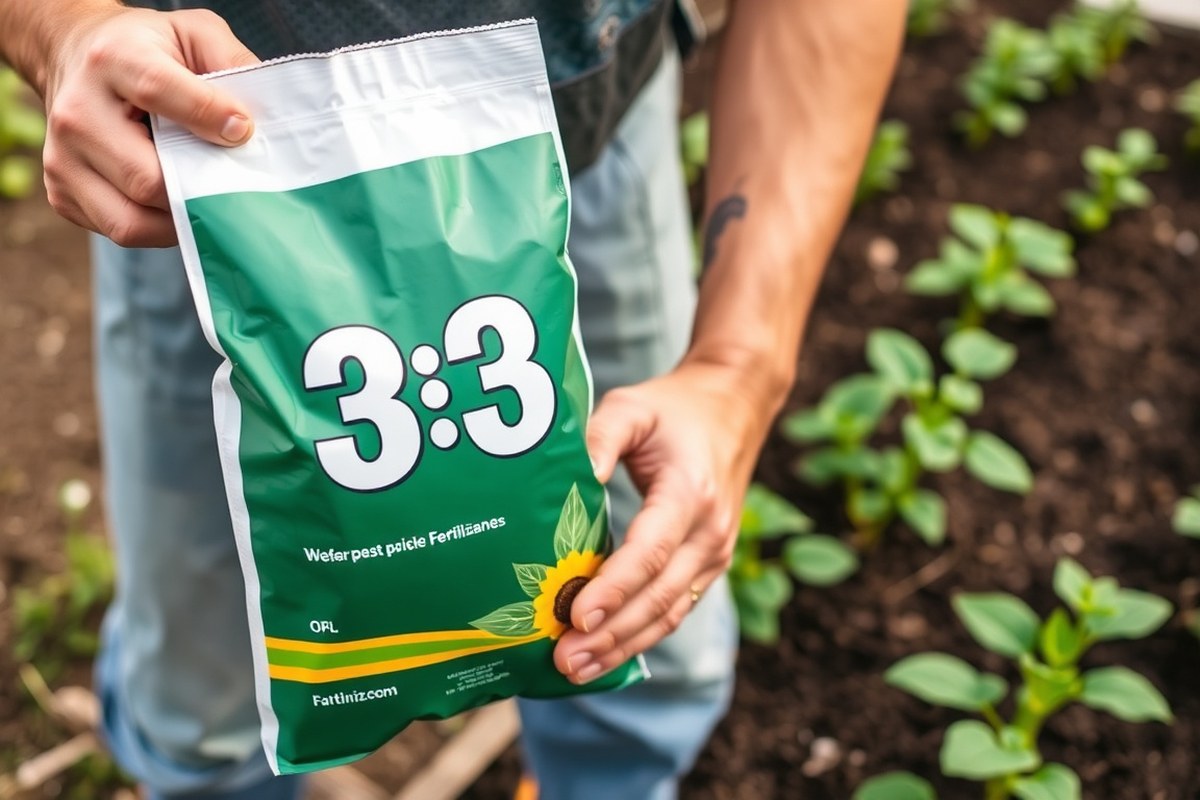
What Do the 3 Numbers on Fertilizer Mean? A Complete Guide for Gardeners
You probably wonder what do the 3 numbers on fertilizer mean. They show the percentage by weight of nitrogen, phosphorus, and potassium in the mix. For example, a 20-5-10 fertilizer has 20% nitrogen, 5% phosphorus, and 10% potassium.
Knowing those numbers helps you pick the right fertilizer for your plants’ needs. Nitrogen boosts leaf growth, phosphorus supports roots and blooms, and potassium strengthens overall plant health. The numbers tell you how much of each nutrient you get per bag.
Start by matching the fertilizer’s NPK numbers to what your soil and plants need. Watch watering times closely; always water plants within 24 hours after applying fertilizer. This helps nutrients reach roots and avoids burning leaves.
Key Takeaways
- The first number shows nitrogen content, which promotes leafy growth.
- The second number is phosphorus, key for strong roots and flowers.
- The third number is potassium, which helps plants resist disease and stress.
- A 10-15-10 fertilizer contains 10% nitrogen, 15% phosphorus, and 10% potassium.
- Choose a balanced 5-5-5 fertilizer when soil needs aren’t clear.
- Avoid applying fertilizer without watering it in within a day.
What Do the 3 Numbers on Fertilizer Labels Mean?
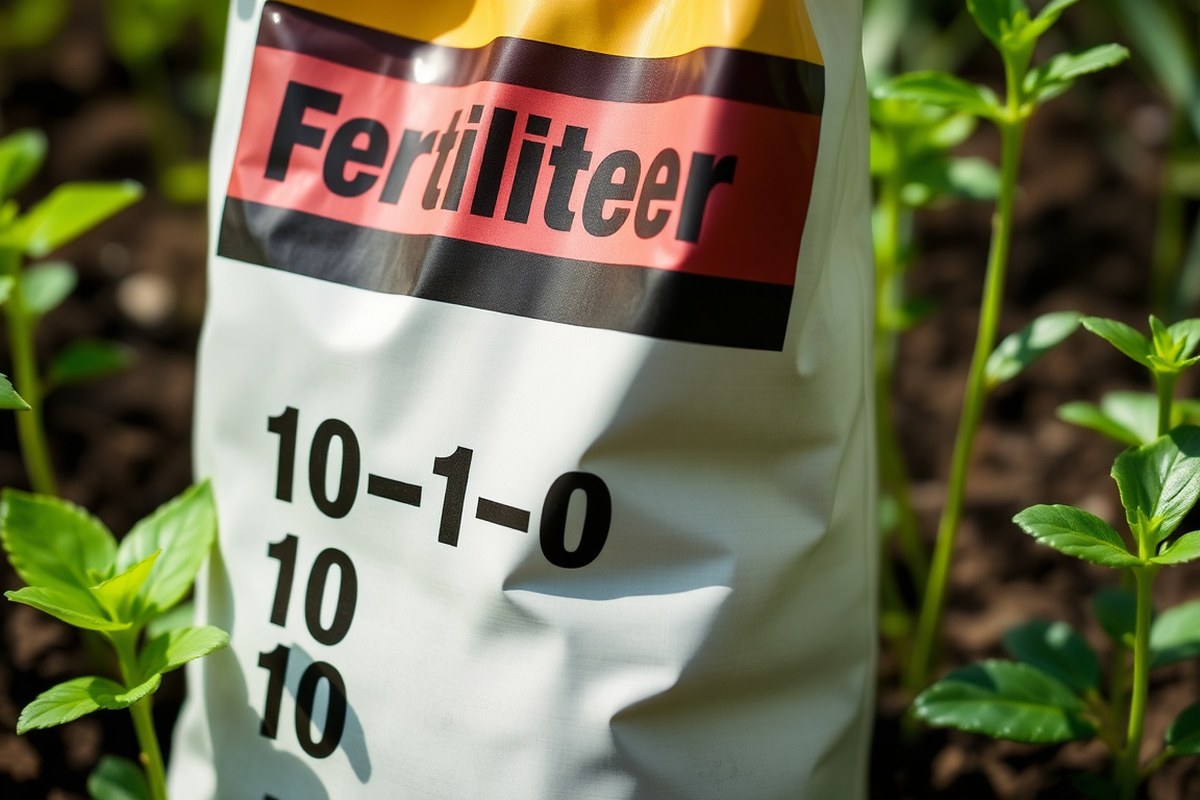
The three numbers on fertilizer bags show nutrient percentages. They represent nitrogen, phosphorus, and potassium by weight. A label reading 20-5-5 means 20% nitrogen is inside.
It also has 5% phosphorus and 5% potassium. These numbers show how much of each nutrient you add. That helps you feed your soil the right way.
Scientists know plants need at least 17 nutrients. But nitrogen, phosphorus, and potassium are the most important for growth.
Nitrogen helps leaves grow, phosphorus supports roots and flowers, and potassium builds overall strength. That’s why these three are always listed together on fertilizer packaging.
The numbers are given as percentages and also represent ratios. A 10-10-10 fertilizer contains 10% of each nutrient. It offers a balanced ratio of 1-1-1.
A bag marked 8-24-24 has less nitrogen. But it has double phosphorus and potassium for roots and flowers.
Picking fertilizer using these numbers helps you match the right mix to your plants’ needs. For 10 pounds of 20-5-5 fertilizer, you get 2 pounds nitrogen.
You also get half a pound each of phosphorus and potassium. Knowing this helps you avoid over or underfeeding plants.
These numbers also help compare products. A higher first number means more nitrogen and usually greener, leafier growth. A lower number there often fits blooms or fruits better.
Look at both percentages and ratios on the bag. This helps you pick fertilizer for your garden’s needs.
The exact nutrient amounts matter to your plants. Too much or too little can cause harm. Following fertilizer label instructions closely will help you get the best results.
The numbers give clear directions to feed plants well. They help avoid guesswork on how much fertilizer to use.
How Nitrogen, Phosphorus, and Potassium Affect Plant Growth
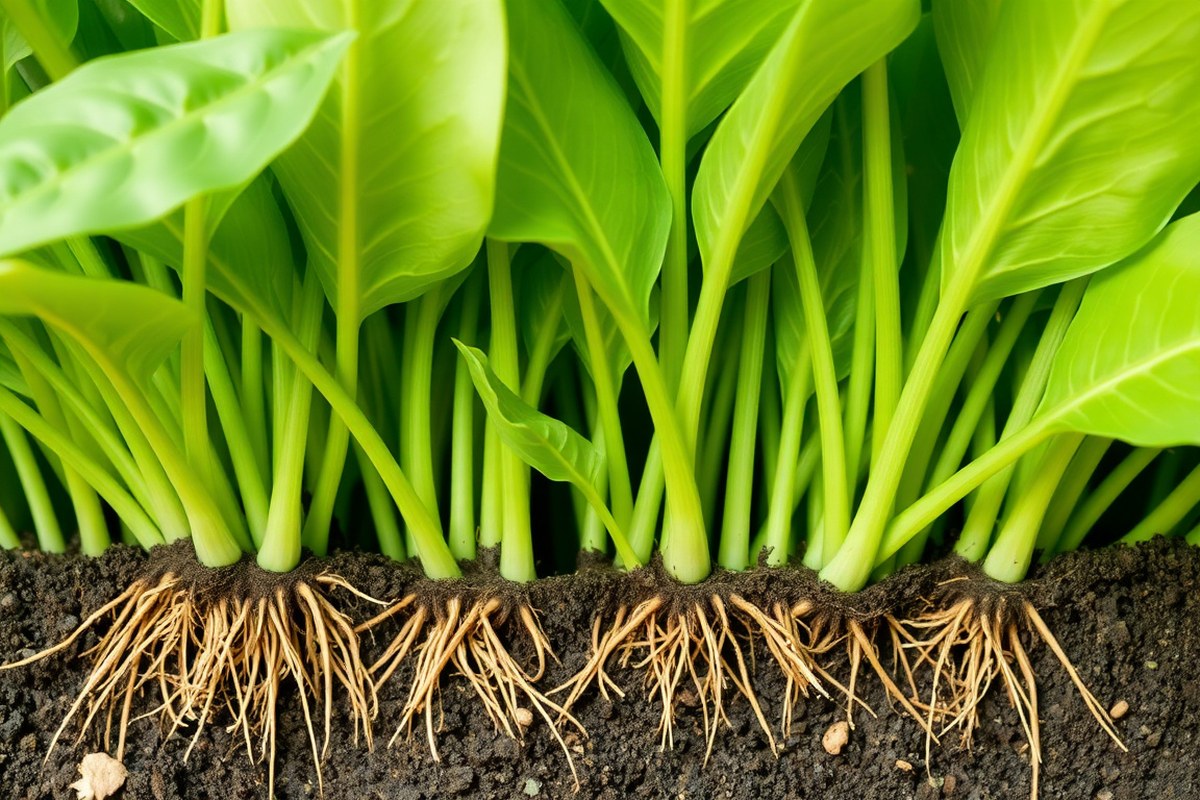
Plants need nitrogen, phosphorus, and potassium for different growth stages. Nitrogen helps leaves and stems grow. Phosphorus supports roots and flowers.
Potassium keeps plants strong and healthy. Deficiencies cause clear symptoms to watch for in your garden.
Nitrogen’s Role in Leaf and Stem Growth
Nitrogen is key for making leaves grow fast and stay green. It promotes rapid growth of the plant’s leafy parts and stems. Without enough nitrogen, new leaves look pale green.
Older leaves turn yellow starting from the bottom. This is a common sign of nitrogen deficiency.
Adding nitrogen-rich fertilizer speeds up leaf growth during spring and summer. Use fertilizers with 10 to 20 percent nitrogen for leafy vegetables. Lawns also need this to stay lush and green.
This range supports healthy leaf growth. Too little nitrogen causes stunted plants that look weak and yellow.
Phosphorus for Root and Flower Development
Phosphorus encourages strong root systems and helps flowers develop well. It’s important for fruit set and seed production. Plants low on phosphorus may have poor root growth and lose flowers early.
For fruiting or flowering plants, choose fertilizers with higher phosphorus. Look for about 10 to 15 percent phosphorus content. This helps support blooms and fruit development.
This nutrient also helps plants use sunlight better and boosts energy transfer within the plant. Without enough phosphorus, plants can struggle to bloom or produce fruits.
Potassium’s Impact on Stress and Disease Resistance
Potassium supports the plant’s overall health and helps fight stress like drought or pests. It regulates water movement and strengthens cell walls. Deficiency signs include wilted, scorched, or curled older leaves.
Use fertilizers with 5 to 15 percent potassium to improve plant vitality and resistance. Potassium also reduces disease problems and improves flower and fruit quality. Plants without enough potassium become weak and easily damaged.
Watch your plants regularly for yellowing leaves or dropped flowers. These symptoms often signal nutrient shortages you can fix by adjusting fertilizer.
How to Read and Interpret NPK Ratios on Fertilizer
The three numbers on fertilizer bags show nutrient percentages. They represent nitrogen, phosphorus, and potassium by weight. You can convert those percentages to actual nutrient amounts.
This helps you figure out how much fertilizer to apply. Understanding the difference between percentage and ratio helps you pick and apply the right fertilizer accurately.
Understanding Percentage vs Ratio
The numbers on a fertilizer label, like 10-20-10, show the exact percentage of each nutrient. This means the bag has 10% nitrogen, 20% phosphorus, and 10% potassium by weight.
Calling them a “ratio” can confuse people. The numbers are percentages, not proportions to each other.
A 10-20-10 fertilizer has twice as much phosphorus as nitrogen or potassium. But the actual nutrient amounts depend on the total weight of fertilizer you use.
Ratios sometimes compare these numbers to suggest nutrient balance. For example, 5-10-5 and 10-20-10 fertilizers have a 1:2:1 ratio. But they differ in concentration levels.
The first has half the nutrient percentages of the second. So you’d need to use twice as much to get equal nutrients.
Step-by-Step Nutrient Weight Calculation
To find out how much fertilizer you need, convert nutrient percentages to pounds. This gives the exact amount required. This helps you supply plants with the right amount of nitrogen, phosphorus, or potassium.
Follow these steps for an easy calculation:
- Identify the nutrient percentage on the bag (e.g., 20% phosphorus in 10-20-10).
- Decide the amount of nutrient you want to apply (e.g., 1 pound phosphorus per 1,000 sq ft).
- Divide 100 by the nutrient’s percentage (100 ÷ 20 = 5).
- Multiply that number by your desired nutrient weight (5 × 1 pound = 5 pounds fertilizer).
- Apply 5 pounds of the 10-20-10 fertilizer to supply 1 pound phosphorus.
This method works for nitrogen and potassium, too. The higher the nutrient percentage, the less fertilizer you need.
Using Ratios to Match Plant Nutrient Needs
Choose a fertilizer with an NPK ratio close to your plant’s needs. It doesn’t need to be an exact match. Ratios like 10-20-10 and 5-10-5 have the same nutrient balance but different strengths.
You can use the ratio to compare fertilizers easily. To give the same nutrient dose, use twice as much 5-10-5 fertilizer. Its percentages are lower than 10-20-10.
Check the label percentages first. Then calculate how much fertilizer fits your soil test or feeding plan. This saves you money and avoids nutrient overload that can harm your garden or lawn.
Choosing the Right Fertilizer NPK for Your Plants and Garden
Matching fertilizer NPK ratios to your plants helps them grow well. Lawns usually need high nitrogen for green, leafy growth. Vegetables, especially root types, often benefit from more phosphorus to boost roots and flowers.
Balanced fertilizers like 10-10-10 or 5-5-5 work when you don’t know exact soil needs. They support overall growth and keep plants healthy. Use these on houseplants or mixed flower beds to avoid missing key nutrients.
To get more leaves and stems, choose fertilizer with higher nitrogen than phosphorus or potassium. For example, a 25-5-10 ratio favors lawns and leafy vegetables. To boost root development, try higher phosphorus numbers like 10-30-10.
- Lawns: high nitrogen fertilizers such as 25-5-10 or 30-0-5
- Vegetables: moderate nitrogen with higher phosphorus, like 10-20-10
- Flowers and shrubs: balanced or slightly higher phosphorus, 10-10-10 or 10-15-10
- Houseplants: all-purpose balanced fertilizer, such as 5-5-5 or 10-10-10
- Root crops: aim for higher phosphorus to help root growth
- Leafy greens: select higher nitrogen for lush foliage
Soil testing gives the clearest picture of what nutrients your garden lacks. You get a detailed report showing nutrient levels and a fertilizer plan to fix them. This helps avoid overusing or missing nutrients, which can harm plants or waste money.
Adjust fertilizer use after testing by adding what’s missing. For example, if phosphorus is low, use a fertilizer richer in phosphorus. When soil nitrogen is high but plants look pale, add more potassium for better health.
Organic vs Synthetic Fertilizers: Differences in Nutrient Content and Release
Synthetic fertilizers usually have higher NPK numbers than organic ones. That means more concentrated nitrogen, phosphorus, and potassium in each dose. Organics usually have lower numbers.
Their nutrients come from natural sources. These mix with soil matter.
Organic fertilizers release nutrients slowly as microbes break down the material. This process can take several weeks to months. Synthetic fertilizers work fast.
They dissolve easily in water. Nutrients become available in days.
Organic products also boost soil health by adding beneficial microorganisms and organic matter. These improve soil structure, water retention, and pest resistance over time. Synthetic fertilizers don’t add soil benefits.
They give a quick nutrient boost. This helps plants that need it fast.
| Fertilizer Type | Typical NPK Range | Release Speed | Extra Benefits |
|---|---|---|---|
| Synthetic | 4-4-4, 10-10-10, or higher | Fast (days) | Immediate nutrient availability |
| Organic | 1-1-1 to 3-3-3 | Slow (weeks to months) | Improves soil health, adds microbes |
| Blended | Varies (e.g., 0-20-20, 8-24-24) | Varies with mix | Can combine fast and slow release |
Choose synthetic fertilizers when plants need quick growth or stress recovery. Use organics for long-term soil improvement and steady nutrient supply.
Sometimes gardeners blend both types to balance fast feeding and soil health. Your choice depends on what your plants need and how fast they grow.
Use soil tests to find your garden’s needs. Match fertilizer type and NPK levels carefully. Avoid overfeeding your plants.
Common Mistakes Interpreting Fertilizer Numbers and How to Avoid Them
One common mistake is focusing only on the size of the numbers. Higher numbers don’t always mean better results.
You need to match the fertilizer numbers to your plant’s specific needs. For example, using too much nitrogen can burn your grass or stunt flower growth.
Overfertilizing causes more harm than good. It can cause leaf burn or weak roots to develop.
After applying fertilizer, wait about six weeks before adding more to avoid buildup. Watering thoroughly right after fertilizing helps nutrients soak into the soil without concentrating on the surface.
Sometimes one number is zero, like in a 10-0-10 fertilizer. This means the product contains no phosphorus.
Using zero in the middle number is common for established lawns that don’t need phosphorus. Applying phosphorus when it’s not needed wastes money and can harm waterways.
- Check soil test results before picking fertilizer numbers
- Avoid using fertilizers with high nitrogen on plants that need little
- Wait six weeks between fertilizer applications
- Water the lawn or garden well after spreading fertilizer
- Skip fertilizers with zero in a number only when that nutrient is unnecessary
- Use balanced fertilizers like 8-8-8 only if all nutrients are needed equally
Don’t rely on numbers alone without knowing your soil or plant needs. Different plants and soil types demand different nutrients. Matching numbers to your garden’s conditions avoids wasting fertilizer money and protects your plants from harm.
How Soil Testing Informs Fertilizer Number Choice and Application
Testing your soil before choosing fertilizer saves money and prevents nutrient waste. A soil test reveals what nutrients your garden needs.
So you avoid over or underfeeding plants. Testing every 2 to 3 years helps track changes and keeps your garden healthy.
Steps to Collect and Send Soil Samples
Collecting soil properly ensures accurate test results. You’ll need clean tools and a bag to send samples to your local extension or lab.
- Use a clean trowel or soil probe to collect soil samples. Gather samples from 6 to 8 spots in your garden.
- Dig 4 to 6 inches deep to get good soil mix. This includes topsoil and root zone soil.
- Combine soil from all spots in a clean bucket and mix well.
- Take 1 to 2 cups of the mixed soil for testing. Put it in a clean plastic bag or soil test box.
- Label the bag with your name, address, and planting area.
- Fill out and include any forms provided by the testing lab.
- Send the sample to the testing center as directed. Note that results usually take around 3 to 4 weeks.
Interpreting Soil Test Results for NPK Needs
Soil testing results show nutrient levels, pH, and organic matter content. Look for nitrogen (N), phosphorus (P), and potassium (K) values to see what your soil lacks.
The lab may suggest specific nutrient amounts, often in pounds per 1,000 square feet. These recommendations help you pick fertilizer with the right NPK ratio.
Keep records of results and recommendations for future fertilizer. Track your soil health over time.
Adjusting Fertilizer Application Based on Test
Use the soil test to match fertilizer NPK numbers with your garden’s nutrient needs. For example, if nitrogen is low, choose a fertilizer with a higher first number.
Follow timing based on upcoming weather and plant growth stages. Adjust fertilizer amounts to avoid excess nutrients that can harm plants or the environment.
Tests can also suggest other amendments like lime if your soil pH is off. These adjustments improve nutrient uptake and plant health.
When and How to Apply Fertilizer Based on Its NPK Values
Fertilizer with higher nitrogen numbers needs careful timing. Apply it when plants start growing actively, usually in spring. This helps avoid burning your plant’s leaves and roots.
For example, lawns often benefit from nitrogen in early spring and late fall. But too much in summer can stress grass.
Phosphorus-heavy fertilizers suit root development, so apply them when planting seeds or new transplants. Potassium aids overall plant health and stress resistance.
So applying potassium-rich fertilizer before droughts or freezes helps the plants prepare. Slow-release fertilizers and bone meal work well here since they feed roots over weeks without burning.
How often you fertilize depends on the numbers on the bag and your plants’ needs. A fertilizer with high numbers (like 20-10-10) may only need applying once a season. Lower numbers (like 5-10-5) might be used every 4 to 6 weeks.
- Water the fertilizer in right after applying to prevent leaf burn.
- Use about 0.1 to 0.2 pounds of actual nitrogen per 1,000 square feet for lawns.
- Avoid fertilizing during extreme heat or drought to reduce plant stress.
- Apply in early morning or late afternoon to prevent evaporation and sun damage.
- Follow special fertilizer instructions carefully to avoid overfeeding your plants.
- For container plants, fertilize every 2 to 4 weeks as nutrients wash out quicker.
- Apply slower-release fertilizers less often, about every 2 to 3 months.
Watering is key to make fertilizer work well. After spreading fertilizer, give plants a good soak.
This helps nutrients dissolve and reach roots, reducing risks of fertilizer burn. Avoid heavy watering that causes runoff; that wastes fertilizer and harms the environment.
Besides timing, watch how much fertilizer you apply each time. Overfeeding clippings or leaves turn brown and dry.
Roots may get damaged, lowering your plants’ ability to take up water. Sticking to the label prevents these problems and saves money.
Never sprinkle fertilizer directly on dry plant leaves, especially in hot sun. This can cause leaf burn.
Step-by-Step Action Plan for Using Fertilizer NPK Numbers
Follow these steps to pick and apply fertilizer with the right NPK numbers. Check your plants’ growth and soil to adjust as needed.
- Before planting: Test your soil to learn its nutrient levels. Know which nutrients it needs most.
- Day 1: Choose a fertilizer with NPK numbers that match your soil test results. Pick higher nitrogen for leafy plants or higher phosphorus for blooms.
- Week 1: Apply the fertilizer evenly around your plants. Use a spreader or sprinkle by hand, following label rates.
- Day 14: Water your plants well after fertilizing. This helps nutrients soak into the soil and reach roots.
- Week 3: Watch your plants for steady green leaves and healthy growth. No burn marks means you applied the right dose.
- Month 1: Repeat soil testing if growth stalls or yellow leaves appear. Adjust fertilizer numbers or application as needed.
- Before next season: Use organic fertilizer for slow nutrient release. This works well if your soil is sandy or drains fast.
Frequently Asked Questions
What Do the Three Numbers on Fertilizer Labels Represent in Terms of Nutrient Percentage?
The three numbers show the percentage by weight of nitrogen, phosphorus, and potassium in the fertilizer. For example, 10-5-5 means 10% nitrogen, 5% phosphorus, and 5% potassium by weight in the product.
How Do the Numbers on Fertilizer Impact the Choice for Different Garden Plants?
Different plants need different NPK ratios for best growth. Knowing the fertilizer numbers helps you meet your plant’s needs.
Choose high nitrogen for leafy vegetables. This number guides your nutrient choice.
Can the Same NPK Numbers Be Found on Both Organic and Synthetic Fertilizers?
Organic and synthetic fertilizers can show the same NPK numbers. However, their nutrient release happens at different speeds.
This affects how plants get nutrients. Organics usually release nutrients slowly, while synthetics act faster.
Why Do Some Fertilizers Have Very High Nitrogen Numbers Compared to Phosphorus and Potassium?
High nitrogen fertilizers promote leaf and stem growth, ideal for lawns or leafy plants. Using them on flowering or fruiting plants can limit fruit production or flower development.
How Should the NPK Numbers Affect How Much Fertilizer You Apply to Your Lawn?
Apply fertilizer amounts based on the nitrogen number and your lawn size. Nitrogen drives growth. So higher nitrogen requires smaller amounts to avoid burning grass or wasting fertilizer.
Do Balanced Fertilizers with Equal NPK Numbers Work for All Types of Plants?
Balanced fertilizers like 10-10-10 suit general garden use but aren’t ideal for plants with specific needs. Adjust ratios based on plant type, growth stage, and soil conditions for best results.
Wrapping Up
The three numbers on fertilizer labels show nitrogen, phosphorus, and potassium percentages. These nutrients support different parts of plant growth. Start with soil testing to pick the right NPK ratio for your garden’s needs.

One Comment