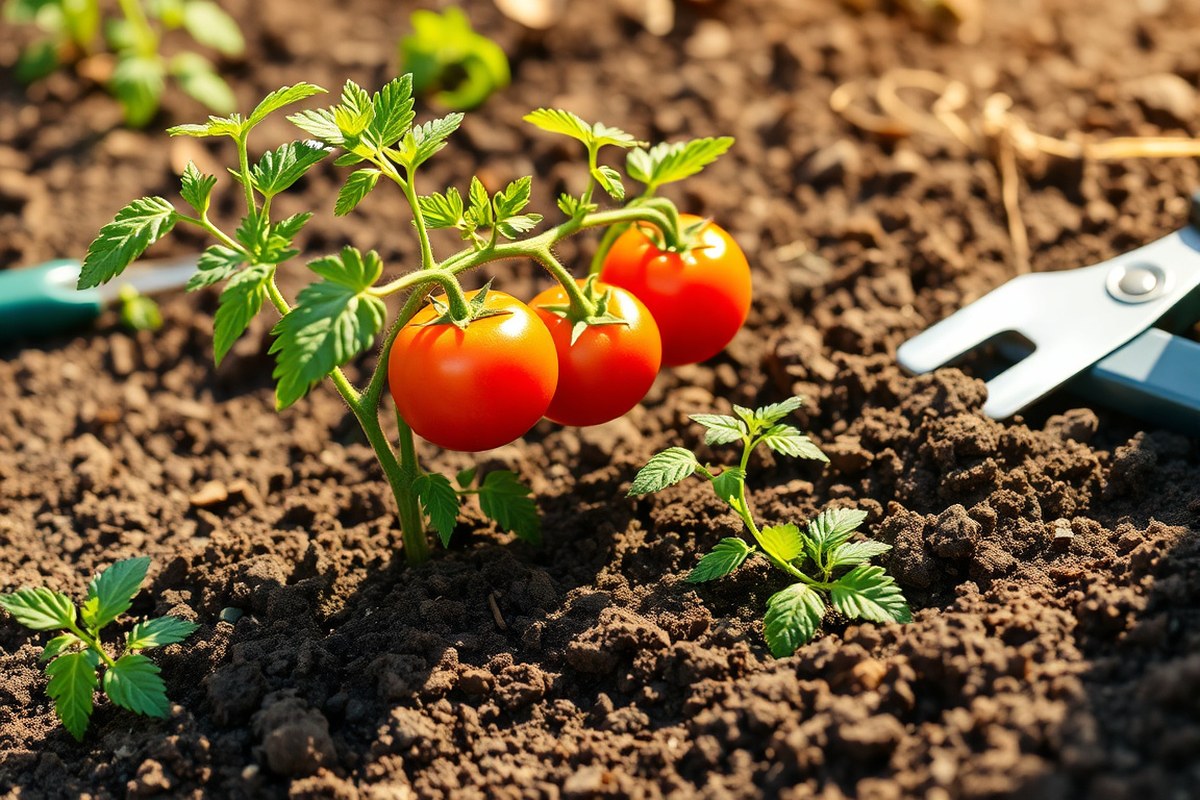
When Planting Tomatoes: Exact Timing and Tips for Best Growth
When planting tomatoes, wait until nighttime temperatures stay above 50°F. This keeps the soil warm enough for seedlings to grow strong. Planting too early can stunt growth or kill young plants.
Expect tomatoes to mature in 10 to 14 weeks after planting, depending on the variety. Plant 10 to 15 days after the last frost date, or wait up to four weeks. This lets the soil warm and helps protect plants from cold snaps.
Check soil temperature at 4 inches deep in the morning before planting. This gives a true sense of soil warmth, not just air temperature. Pick a spot with at least six hours of direct sun each day to help your tomatoes produce good fruit.
Key Takeaways
- Wait until nighttime temperatures remain above 50°F before planting tomatoes outdoors.
- Plant tomatoes 10 to 15 days after the last frost date to avoid cold damage.
- Check soil temperature at 4 inches deep in the morning to confirm warmth.
- Allow about 10 to 14 weeks for tomatoes to reach maturity after planting.
- Choose a planting site with at least 6 hours of direct sunlight daily.
- When soil stays cool, wait up to four weeks after the last frost. This delay ensures the soil warms enough for tomato roots. Cold soil can stunt young tomato plants.
When Is the Best Time to Plant Tomatoes Outdoors?
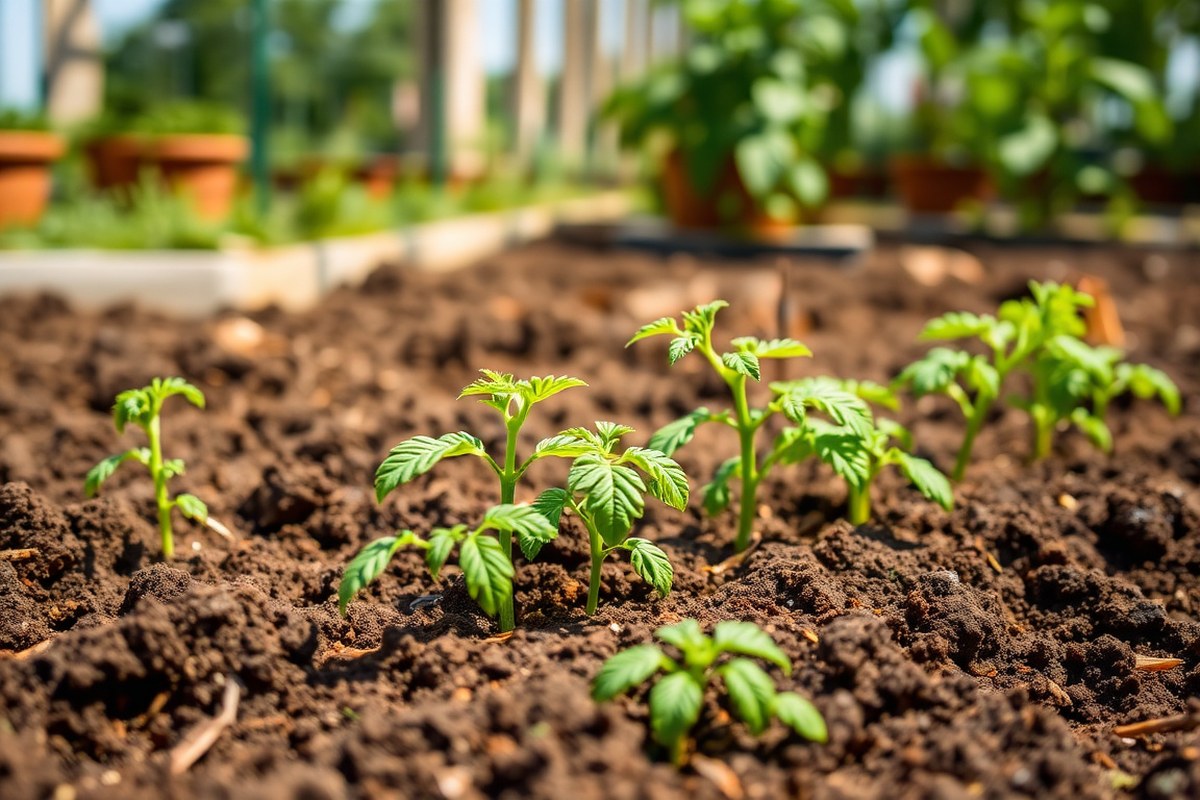
Tomatoes should go outside only after warm soil and air have settled in. Wait until the soil temperature reaches at least 60°F at 4 inches deep. Nighttime temperatures must stay above 50°F consistently to avoid cold damage.
Most experts say to plant tomatoes 10 to 15 days after your area’s last frost date. Sometimes, waiting up to four weeks helps if the soil is still cool. This delay lets the ground warm and protects young plants from late frosts.
Cold soil and frosty nights stunt growth or kill seedlings. Soil around 65 to 70°F encourages strong roots and faster growth. Night air above 59°F is even better but can vary by region.
Check your local frost dates, say, Seattle’s last frost averages April 4. But daytime temps only reach 55°F by early May.
So planting waits until soil warms. In warm climates, you can plant sooner, but still after frost risk.
Follow this step-by-step to know when to plant outdoors:
- Check your local last frost date from the extension service or gardening calendar.
- Measure soil temperature 4 inches deep with a soil thermometer. Wait for at least 60°F.
- Watch nighttime temperatures. Make sure they stay above 50°F for several nights in a row.
- Wait 10 to 15 days after the last frost before planting. If the soil is still cold, wait up to four weeks. This helps the plants start off better.
- Buy tomato transplants or start hardening off your seedlings about 7, 10 days before planting.
- Set plants outside on warm days to adjust before transplanting.
- Plant tomato seedlings outdoors only when all frost risk has passed and soil is warm.
Trying to plant earlier can lead to frost kill or slow growth. Rushing harms your chances for a good tomato harvest. Waiting for warm soil and night air helps plants thrive and produce more fruit.
How to Start Tomato Seeds Indoors at the Right Time
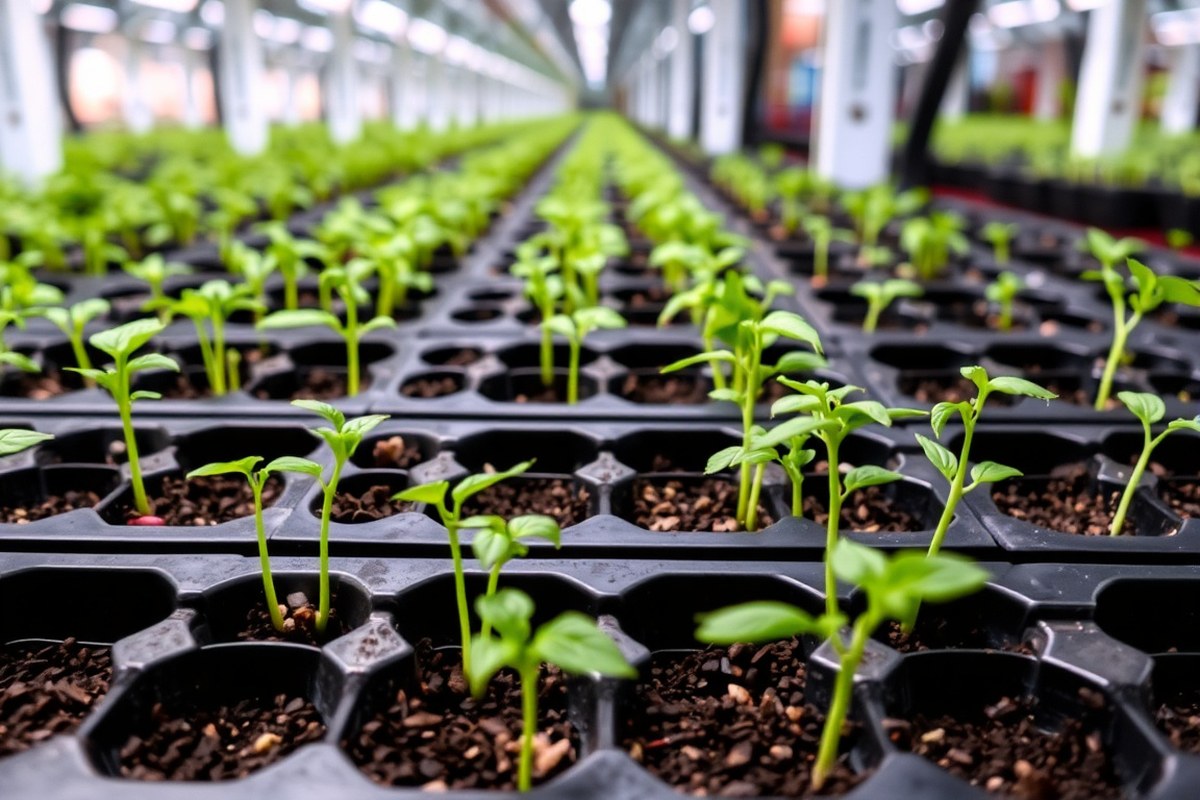
Start tomato seeds indoors about 6 to 8 weeks before your area’s last frost date. Keep them warm and well-lit to sprout quickly. Transplant seedlings once they have two true leaves and are sturdy enough to handle.
Ideal Sowing Timeline Relative to Frost Date
Count back 6 to 8 weeks from your last frost date. Use your average frost date to find the right time. This helps you know when to start sowing seeds.
If your last frost is April 15, start seeds earlier. Begin sowing between late February and early March.
This timing allows plants to grow before frost ends. Starting earlier, up to 12 weeks ahead, can work if you have space and grow lights.
Verify your area’s frost date with local extension services or garden centers. Starting too early can lead to leggy seedlings if light is poor. Waiting until about 6 weeks before frost balances seedling growth and readiness for outdoor planting.
Lighting and Temperature Conditions for Optimal Germination
Tomato seeds germinate best in steady warmth between 68 and 77°F (20 to 25°C). Maintaining this temperature speeds up sprouting to 6 to 10 days, depending on the tomato variety. Use a heating mat or a warm spot inside to keep this temperature steady.
Once sprouted, provide seedlings with 12 to 16 hours of bright light daily. Fluorescent or LED grow lights should be placed 2 to 3 inches above the seedlings. Without enough light, seedlings will stretch and weaken.
Potting and Thinning Seedlings Before Transplant
Move seedlings to bigger pots once they are about 2 inches tall. Make sure they have two true leaves first. Bigger pots give roots more space to grow.
Use a quality seed-starting or potting mix that drains well but holds moisture. Avoid heavy garden soil indoors.
Thin seedlings by snipping weaker ones at soil level to prevent crowding and improve air flow. Keep the strongest plants spaced about 2 to 3 inches apart in their pots. This step helps healthy growth until transplanting outdoors.
Too many seedlings in one container can stunt growth. Thin early to give your plants a good start.
Follow these steps to start tomato seeds indoors successfully:
- Check your last frost date to schedule sowing time.
- Fill seed trays or small pots with well-draining seed starting mix.
- Sow seeds about 1/4 inch deep, and lightly cover with soil.
- Keep trays warm, ideally 70 to 75°F, using a heating mat if needed.
- Provide 12-16 hours of light daily, adjusting grow lights as seedlings grow.
- Thin seedlings to one per cell once they have true leaves.
- Transplant seedlings into 3 to 4 inch pots when 2-4 inches tall.
- Harden off seedlings outdoors before final planting after frost ends.
How to Harden Off Tomato Seedlings Properly Before Planting
Hardening off means slowly getting your tomato seedlings used to outdoor weather. This process avoids shocking them when you plant outside. It takes about 7 to 10 days of gradual exposure.
Start with Short Outdoor Exposures in Mild Weather
Begin by putting seedlings outside for just an hour or two in gentle sunlight. Choose a calm day without strong wind or direct midday sun. Keep them in a sheltered spot with some shade during this first exposure.
This first step helps seedlings adjust from indoor warmth to cooler outdoor air. Avoid rushing it, as sudden changes can cause leaves to wilt or burn. Do this for 2 to 3 days before increasing time.
Increase Time and Sunlight Gradually over 7-10 Days
Add 1 to 2 hours more outside each day. Aim for 6 to 8 hours in direct sunlight.
Move seedlings into brighter spots during late morning or afternoon after the first few days. By day 7 to 10, leave them outside all day if weather stays mild.
Pay attention to temperatures: seedlings should stay above 50°F (10°C) at night. Below this, bring them indoors or cover them. A steady increase lets stems and leaves toughen to sun and wind.
Here is a simple step-by-step to follow:
- Day 1-3: Place seedlings outside 1-2 hours in shaded, wind-protected area.
- Day 4-6: Increase outdoor time to 3-5 hours with some direct morning sun.
- Day 7-9: Give 6-8 hours outside, including midday sun if temperatures are mild.
- Day 10: Leave seedlings out all day and night if no frost forecast.
Avoid Harsh Wind, Direct Midday Sun, or Cold Nights
Strong winds can dry seedlings quickly and break fragile stems. Always place seedlings where wind is blocked early on. A soft breeze is okay once the plants strengthen.
Too much midday sun on day one or two can cause leaf burn. Use a light shade cloth or move them into partial shade at noon. Cold nights below 50°F (10°C) need bringing seedlings indoors.
Watch seedlings carefully for drooping, discoloration, or slowed growth. Watch for stress signs.
Cut outdoor time and add more shade. That saves your seedlings from shock before planting.
What Soil and Sun Conditions Are Needed When Planting Tomatoes?
Tomatoes need soil that stays warm, ideally around 65 to 70°F for quick root growth. Check the soil temperature at 4 inches deep before planting.
When the soil reads below 60°F, wait or try a different planting method. Avoid planting in cold soil to prevent slow growth.
The soil pH should be between 6.0 and 6.8. This range makes nutrients more available to tomato roots. You can test your soil pH with a simple kit.
Adjust it with lime if the soil is too acidic. Use sulfur to lower alkalinity if needed.
Good drainage is a must to avoid root rot. Look for soil that doesn’t stay soggy after rain. Poor drainage needs attention.
Raise the planting bed for better water flow. Adding compost also helps improve drainage.
Mix 3 to 4 inches of compost into the soil before planting. Compost adds nutrients and helps keep moisture steady. Blend in a continuous-release fertilizer that includes calcium at planting.
This helps build strong stems. It also supports healthy fruit growth.
Choose a planting spot that receives full sun, at least 6 to 8 hours daily. Tomatoes need consistent sunlight to ripen well. In very hot climates, afternoon shade can help prevent sunscald on fruit.
For container planting, use a bucket at least 5 liters in size with drainage holes. Fill your container with a good tomato mix.
Place it where it gets at least six hours of sun each day. Deep pots of at least 12 inches work best.
Choosing Between Direct Sowing and Transplanting Seedlings
You can plant tomato seeds directly or transplant seedlings. Direct sowing works best in warm areas with a long growing season. Transplants give you a head start when the outdoor season is short or cooler.
Pros and Cons of Direct Seeding
Direct sowing skips the indoor growing step, saving time and space at home. Seeds usually sprout in 5 to 12 days if soil stays warm and moist.
But tomatoes need at least 60 to 85 days to mature. So direct sowing takes longer to get fruit.
Direct sowing is good in zone 10 or warmer zones, where soil stays warm early. Tomato seeds might fail in cold or unpredictable weather. Also, seedlings from direct sowing can be weaker and more vulnerable to pests or diseases.
Benefits and Challenges of Transplanting Seedlings
Transplants grow indoors or in a greenhouse until they reach 6 to 10 inches tall. This usually takes 3 to 4 weeks after germination. You can plant stronger seedlings outdoors once they have two to three pairs of true leaves.
Using transplants means tomatoes can fruit 4 to 6 weeks earlier than direct sowing. You get better control over temperature, watering, and pest protection when seedlings grow inside.
But you need time and space for pots. Seedlings can get root bound if not transplanted on time.
Timing Implications for Each Method
Sow seeds directly into soil once temperatures exceed 60°F in late spring. Begin seeds indoors 6 to 8 weeks before the expected last frost. This approach helps seedlings develop sturdily before transplanting outdoors.
Transplants let you plant tomatoes outdoors as soon as temperatures are suitable. Seedlings planted outdoors will flower and fruit sooner, often 60 to 85 days after transplanting. Direct seed tomatoes need up to 4 to 5 months from sowing to harvest.
Here’s a clear timeline comparison to help you decide:
| Stage | Duration |
|---|---|
| Sowing to Germination | 5, 12 days |
| Germination to Transplanting | 3, 4 weeks |
| Transplanting to Planting Out | 4, 6 weeks |
| Planting Out to First Harvest | 60, 85 days |
| Total Seed to Harvest | 4, 5 months |
Using transplants compresses the growing season by several weeks. Direct seeding needs a long frost-free period and warm soil to succeed.
Wait to plant seedlings outside until they grow true leaves. They need two or three pairs of these leaves first. Planting too soon can cause shock.
How to Space and Plant Tomato Varieties for Best Results
Space tomato plants based on their growth type. Indeterminate tomatoes, the tall vining kinds, need about 3 feet between plants.
Determinate tomatoes, which stay bushy and smaller, grow well with 2 feet spacing. This distance lets air circulate, reducing disease risk and helping fruits ripen evenly.
Plant tomatoes deeply to build strong roots. Dig a hole or trench deep enough to bury two-thirds of the plant’s stem. This makes roots grow along the buried stem.
It helps the plant get sturdier. The plant also takes in more nutrients and water. For most seedlings, that means placing only the top leaves above soil.
Trench planting works best for tall, leggy indeterminate varieties. Lay them horizontally in a shallow trench 6 to 8 inches deep. Cover most of the stem with soil before the top leaves.
This lets roots form along the whole buried stem. After about two weeks, the plant will start growing upright again.
Follow these steps to plant tomato seedlings. First, clear weeds and loosen the soil to about 12 inches deep. Next, space holes 24 to 36 inches apart for indeterminate plants.
For determinate plants, space holes 18 to 24 inches apart. Dig holes or trenches deep enough to cover most of the stem.
Then carefully place the seedling in the hole, making sure only the top leaves remain exposed. Finally, water the plants well to settle the soil around the roots.
Good spacing and deep planting give tomatoes room to grow and strong roots to feed on. Crowding can cause poor air flow and more disease. Shallow planting wastes the chance to develop those extra roots along the stem.
Trench planting works well to save long seedlings. It also gives indeterminate plants a strong start. This method helps in cooler climates or short seasons.
Signs It’s Too Early or Too Late to Plant Tomatoes
Planting tomatoes before the soil warms up can kill your seedlings. Wait until the soil temperature is at least 60°F for best results. The air should stay above 50°F at night to avoid frost damage.
Look for late frost warnings in your area. Frost can kill young tomato plants in one cold night.
In USDA Zone 5 or 6, plant tomatoes in late May or early June. Zones 9 to 12 can start as early as late February.
Signs of planting too early include wilting leaves and slowed growth. Seedlings might look stressed or yellowed. They could fail to develop strong roots or new leaves, showing poor health.
Planting too late cuts your growing season short. Your tomato plants may produce fewer fruits or might not ripen at all. Gardeners in cool climates face this risk more often than those in warm zones.
You see drooping stems or yellow leaves, cover seedlings with frost cloth. Move them to a spot with more sun. These steps can reduce shock but won’t reverse late frost damage.
For a simple rule, check your last frost date online and plant two weeks after that. Use a soil thermometer to measure ground warmth before planting. When planting seedlings, place them out in morning or late afternoon to reduce shock.
Plants that get too cold might pause growth and seem dull. Too-hot soil or air can dry roots quickly and cause wilting.
Signs of stress include curled leaf edges or brown patches. Adjust timing or cover plants to reduce these risks.
Tips for Extending the Tomato Growing Season with Timing
Plant tomatoes early in cool areas using protective covers. Use row covers, cloches, or cold frames for protection. These shields help keep plants warm.
These tools shield young plants from frost and chilly nights. Start seedlings indoors to keep them safe.
Move seedlings outside under covers when soil hits 55°F or more. This step helps avoid frost damage.
To keep tomatoes producing later into fall, prune plants by removing lower yellowing leaves. This improves air circulation and reduces disease risk. Also, give afternoon shade when daytime temperatures rise above 90°F. You can use shade cloth or place taller companion plants where they block harsh sun.
- Start seeds indoors 6-8 weeks before last frost date.
- Harden off seedlings gradually over 7 to 10 days.
- Use row covers to shield young plants from late cold snaps.
- Prune yellow or dead leaves from plants mid to late season.
- Provide afternoon shade when temperatures exceed 90°F.
- Harvest mature green tomatoes before first hard frost for indoor ripening.
- Avoid planting new tomatoes during midsummer heat spikes above 95°F.
Don’t plant tomatoes if the soil is below 50°F. Roots have a hard time growing in cold soil. Wait for warmer soil to plant safely. Hot midsummer spells often cause flowers to drop.
So delay planting or pause fertilizing during those weeks. Choose early-maturing varieties if you want fruit well before fall, especially in short-season zones.
Keep an eye on local frost dates and temperature swings. Protecting plants early and late can add weeks to your tomato season.
Using frost-safe methods can bring fruit 2-3 weeks earlier. You might also harvest 2 to 4 weeks later than usual. This extends your tomato season.
Using these methods saves money compared to buying multiple seed batches. Watch for signs of heat stress like leaf curling or drop to adjust shade or watering. Do not crowd plants; that invites disease and slows maturity.
Step-by-Step Action Plan for Planting Tomatoes
Follow these steps to plant tomatoes at the right time and conditions. Each step helps you check if you’re on track for a good harvest.
- 4 to 6 weeks before last frost: Start tomato seeds indoors. Seedlings should sprout in 5 to 10 days.
- 1 week before transplant: Begin hardening off seedlings. Move them outside a few hours daily, increasing time to full days.
- After last frost date: Check soil temperature. It should be above 60°F to plant tomatoes outdoors.
- Day of planting: Choose a sunny spot with well-drained, fertile soil. Plant seedlings deep enough to cover roots and some stem.
- After planting: Space plants about 18 to 24 inches apart depending on variety. Confirm spacing by measuring between each plant.
- 1 week after planting: Watch for signs of transplant shock like drooping leaves. Healthy stems and new growth show good adjustment.
- During growing season: Mulch and water consistently to keep soil moist. Check plants twice a week to catch any problems early.
Frequently Asked Questions
Can I Plant Tomatoes in Soil That’s Still Cool?
Tomatoes need soil temperatures above 50°F for good root growth. Cool soil slows growth and can stress plants. Wait until soil warms or use plastic mulch to warm it faster.
Is It Better to Plant Tomato Seedlings Deep or Shallow?
Plant tomato seedlings deep enough to cover the lower stem up to the first true leaves. This encourages roots to grow along the buried stem. Deep planting helps sturdier plants and better moisture uptake.
Should I Water Tomato Plants Right After Planting?
Yes, water tomato plants right after planting to settle the soil. This reduces transplant shock and helps roots establish quickly. Keep soil moist but not soggy during the first weeks.
How Close to the Last Frost Date Can I Plant Tomatoes?
It’s best to wait 10 to 15 days or more after the last frost. This avoids cold soil or air damage to plants. Soil should also feel warm before planting outside.
Can I Plant Tomatoes During Rainy Weather?
Avoid planting tomatoes in heavy rain, as wet soil can compact easily. Compacted soil harms roots and slows growth. Choose a dry day to plant, or wait a few days after rain.
Do Tomatoes Need Fertilizer at Planting Time?
Adding slow-release fertilizer at planting gives tomatoes a good start. Use a balanced fertilizer with nitrogen, phosphorus, and potassium. Avoid too much nitrogen to prevent lush leaves but few fruits.
Before You Go
Timing your tomato planting with soil and weather conditions boosts growth and yield. Start seeds indoors and harden them off before planting outside. Your next step is to check your local last frost date and prepare seeds today.


One Comment