How to Lower Humidity in House with AC: 8 Proven Strategies That Work
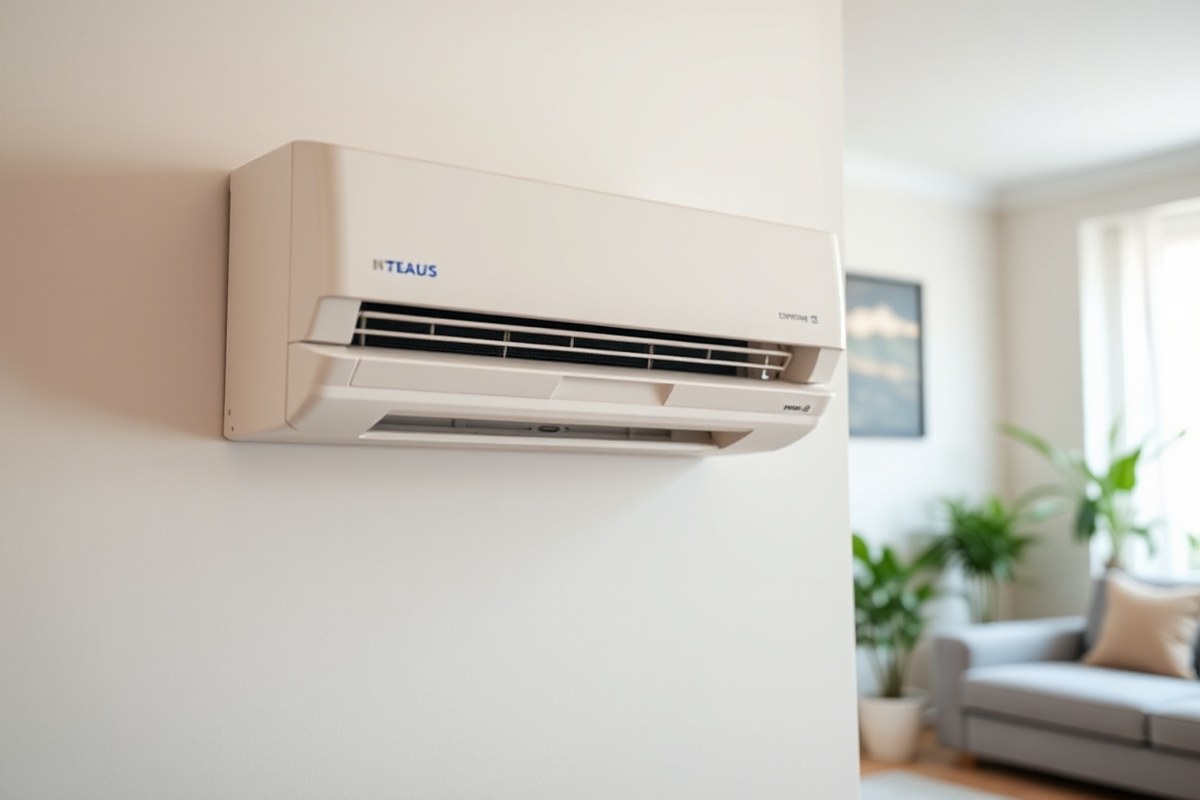
Knowing how to lower humidity in house with AC starts with smart use of your unit. Your air conditioner cools the air and pulls moisture out too. Running it properly keeps that moisture level comfortable and stops stickiness inside your home.
Set your thermostat to “auto” fan mode, not “on.This lets the AC run long enough to remove moisture. Then, it shuts the fan off.
This stops humidity from blowing back into your rooms. Check filters regularly so your AC can work at full strength.
Also, use exhaust fans in bathrooms and kitchens during activities creating moisture. Fix any leaks or drainage issues near your foundation to keep outside humidity from sneaking in. These simple steps help your AC manage indoor dampness better.
Key Takeaways
- Set your AC fan to “auto” to improve dehumidification efficiency.
- Regularly change air filters to maintain strong airflow and moisture removal.
- Run bathroom and kitchen exhaust fans during and after moisture-producing activities.
- Check and fix foundation drainage to stop outdoor humidity entering your home.
- Keep indoor humidity between 30% and 50% for comfort and health benefits.
- Older AC units may not control humidity well; consider an upgrade past 15 years.
1. How to Use Your AC Settings to Lower Indoor Humidity
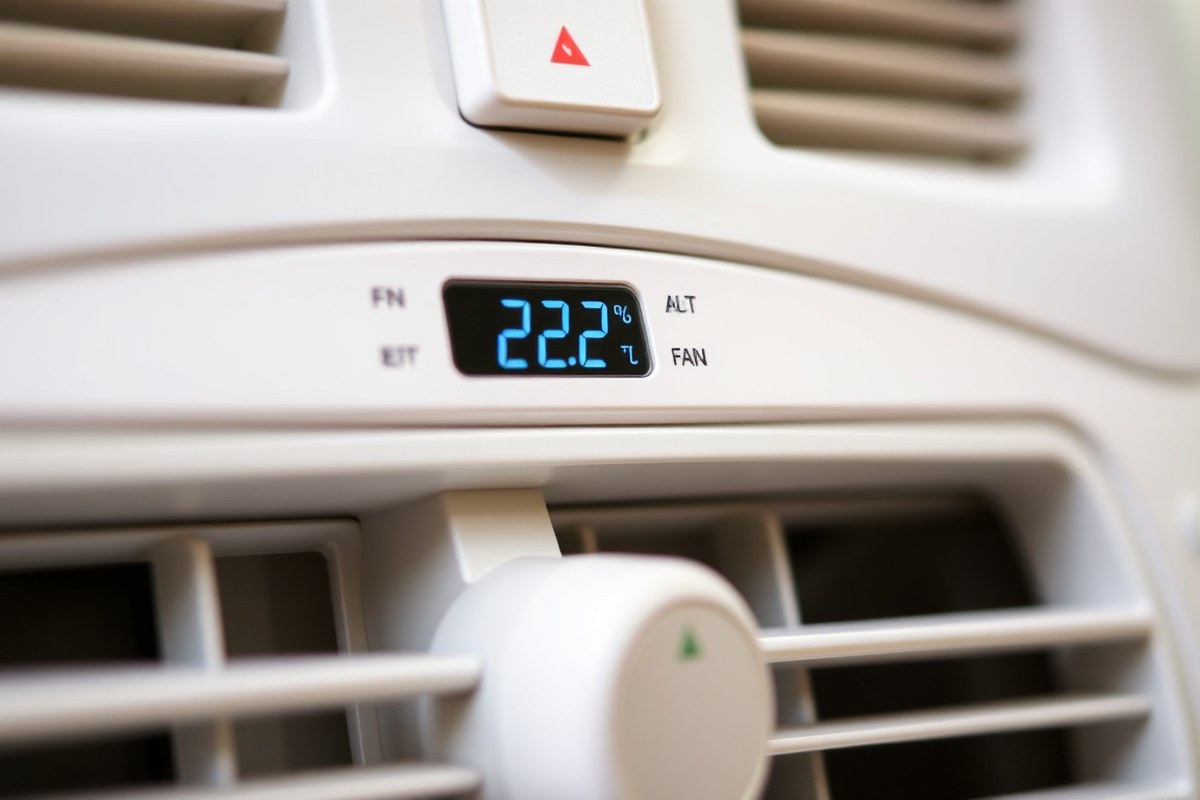
Your AC settings play a big role in cutting indoor humidity. Cooler temperatures draw more moisture out.
But running the thermostat too cold causes short cycling. Short cycles don’t give the air handler enough time to remove enough humidity.
The fan speed affects moisture removal, too. Running the fan on low means air moves slower over the evaporator coil. This lets the air cool down more and condense water vapor out better.
The common mistake is using fan-only mode. It moves air without cooling it and can make humidity worse.
Windows should stay closed when running your AC to lower humidity. Open windows let warm, moist air inside, undoing your AC’s moisture removal.
Closing windows traps indoor air in the system. So the AC can reclaim moisture properly.
Temperature matters a lot. Set your thermostat between 74 and 78 degrees Fahrenheit. This range encourages longer run times.
Long cooling cycles extract more moisture. Setting your AC too low makes the compressor turn on and off fast. This leaves humid air inside your home.
Here are practical steps to adjust your AC settings to cut humidity:
- Set thermostat to 74-78°F. This balance keeps your home cool and dry.
- Choose “auto” fan mode. The fan runs only when the compressor cools, maximizing moisture removal.
- Avoid “fan-only” mode. It won’t cool or dehumidify and can raise humidity.
- Keep windows and doors closed. This stops warm, humid air from entering while the AC runs.
- Lower fan speed if possible. Slower airflow lets the evaporator coil cool air better and collect more moisture.
- Use a smart thermostat if available. It can maintain steady cooling cycles for better moisture control.
- Check filter regularly. A clean filter ensures good airflow and efficient dehumidifying.
Follow these steps to make your AC run longer each cycle. It also helps remove more moisture from your indoor air.
Expect your home to feel less sticky and more comfortable. Skipping these can cause chillier but damp air or leave your home feeling muggy.
2. Maintain and Clean Your AC System for Better Moisture Control
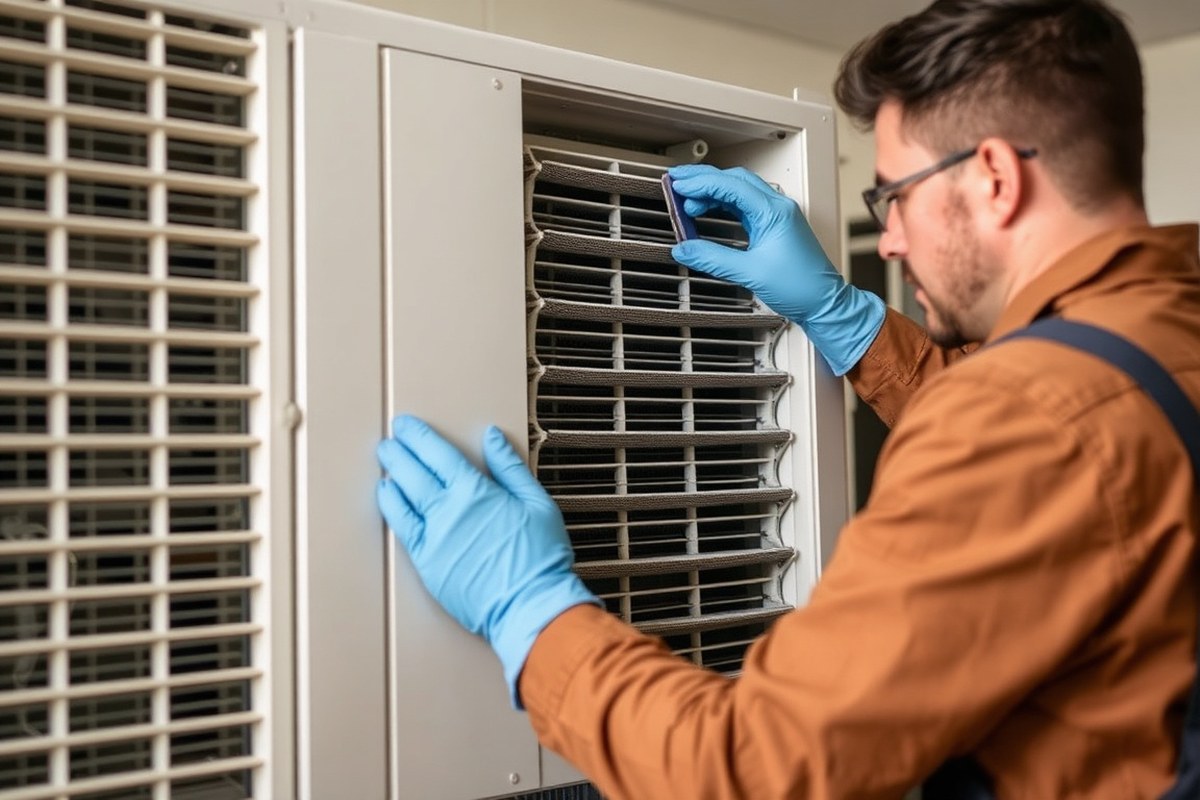
Your air conditioner’s ability to remove moisture worsens if parts get dirty or blocked. Dirty air filters trap dust and block airflow. This makes your system work harder.
It also uses more energy and runs less well. This reduces the time your AC spends removing humidity.
Evaporator coils also need to stay clean. Clogged coils prevent proper heat and moisture removal from the air.
Regular maintenance can help your AC control indoor humidity better. Replace or clean air filters every 1 to 3 months depending on use and dust levels.
Check evaporator coils for dirt and clean them at least once a year. Keep the drain pan clear to avoid water backup, which can increase humidity inside your home.
- Replace or clean air filters every 1 to 3 months.
- Inspect and clean evaporator coils once a year.
- Clear drain pan and condensate line to prevent clogs.
- Schedule annual professional tune-up to check refrigerant and airflow.
- Look for signs of moisture buildup or water leaks around the unit.
- Keep outdoor condenser unit free of leaves and debris.
A clogged drain pan or low refrigerant charge may stop your AC from controlling moisture. Professionals check these during a yearly tune-up, along with airflow adjustments and system settings. Your AC is over 10 years old or breaks down often.
Upgrading to a newer model helps a lot. New models control humidity better and save energy. Variable-speed ACs run longer and remove humidity more effectively.
Routinely cleaning or replacing your air filter can improve humidity control and save energy.
Maintaining your AC helps it run efficiently and remove moisture as designed. Skipping this can cause it to struggle and leave your home feeling sticky and uncomfortable. Keep your system clean and charged right.
This helps keep indoor air dry. Your home feels more comfortable during summer.
3. Improve Indoor Air Circulation to Help Your AC Remove Moisture
Improving indoor air circulation helps your AC remove moisture more efficiently. Better airflow moves humid air toward the AC coils for drying. You can use different fans to reach damp or stale spots.
Fans help air move in places that often stay wet. Try a few types to find which works best.
Ceiling Fans for Broad Air Distribution
Ceiling fans move air evenly across a room. This steady movement helps the AC’s evaporator coils remove moisture from the air. Running ceiling fans along with your AC allows air to circulate better, preventing humid spots.
Place ceiling fans near the center of rooms to encourage broad airflow. This reduces stagnant areas where humidity might settle.
Ceiling fans also make the room feel cooler. So you can raise the thermostat a few degrees.
Exhaust Fans in Bathrooms and Kitchens
Exhaust fans remove moisture at its source. Use them while cooking or showering to vent humid air outside your home. Running these fans for 20 minutes after these activities helps keep humidity lower indoors.
Placing exhaust fans correctly in kitchens, bathrooms, and laundry rooms reduces moisture buildup. This stops damp air from spreading to other rooms. They cost nothing extra to run if you already have them installed.
Portable Fans for Targeted Airflow
Portable fans, like tower or box fans, help air circulation in smaller or stuffy spaces. Tower fans produce vertical airflow and are great for corners or beside beds. Box fans push high volumes of air through windows or doorways to exchange indoor air.
Adding portable fans where humidity lingers, such as basements or laundry rooms, speeds drying. They typically cost between $20 and $100 and are easy to move as needed. Using them during humid spells reduces damp spots noticeably.
Different fan types fit different roles in humidity control. Here’s a quick look at what each fan does best and where to use it:
| Fan Type | Primary Role in Humidity Control | Best Placement |
|---|---|---|
| Ceiling Fan | Broad air distribution & wind chill | Center of the room |
| Tower Fan | Targeted cooling & vertical airflow | Corner or bedside |
| Box Fan | High-volume air exchange | Window sills or doorways |
Match fan type and location with your home’s problem spots. Consistent air movement helps your AC pull moisture from the air. Running exhaust fans and ceiling or portable fans together creates airflow paths for better dehumidifying.
4. Seal Air Leaks and Insulate to Prevent Humidity Intrusion
Air leaks let humid outdoor air sneak inside your home. This raises indoor moisture, making your air conditioner work harder to remove it. Insulation and sealing block this unwanted air, stopping moisture before it enters your rooms.
If humidity seeps in, your home feels stuffy and damp. You might spot water stains, mold, or a musty smell. Sealing cracks and gaps prevents this and helps keep your home cooler and drier.
Here’s a step-by-step list to seal air leaks and add insulation that cuts down humidity:
- Locate leaks around windows, doors, attic hatches, and electrical outlets.
- Use caulk or weatherstripping to seal gaps smaller than 1/4 inch.
- Fill larger cracks or holes with spray foam or expanding foam sealant.
- Install door sweeps to block air slipping under doors.
- Add or replace insulation in your attic, walls, and crawl spaces.
- Seal crawl spaces with a vapor barrier to stop ground moisture.
- Check that gutters and downspouts route water away from your foundation.
- Inspect and repair roof leaks to prevent moisture intrusion from above.
Insulation keeps cool air in and hot, humid air out. Without it, damp air passes through walls and attic. This boosts indoor humidity and makes your AC lose efficiency.
Homes with poor sealing often feel muggy even when your AC runs well. Fixing leaks saves energy by reducing your AC’s workload. It’s a cost-effective way to maintain comfort and avoid mold problems.
Sealing and insulating takes some time and basic tools. Caulk tubes cost about $5 each, foam sealants range $7-$15.
Weatherstripping is about $10 for rolls. Professional insulation can cost $1 to $2 per square foot depending on type.
Good results show as less condensation on windows and fresher indoor air. Your AC should run less often and cool your home evenly. Ignoring air leaks keeps humidity high and raises your electric bills.
5. Reduce Indoor Moisture Sources to Aid Your AC’s Dehumidifying
Indoor activities add a lot of moisture that your AC has to handle. Bathrooms and kitchens give off the most humidity. Cooking with lids on pots, using exhaust fans, and fixing leaks cut down extra moisture fast.
Drying laundry inside pumps water vapor into your air. It can raise humidity by 5% to 10% or more, which makes your AC work harder. Try hanging clothes outside or use a dryer that vents outdoors to keep the air dry.
Some parts of your home add moisture more than others. The bathroom, kitchen, and laundry room usually release the most water vapor daily. Reducing steam from showers and cooking stops humidity spikes.
- Run exhaust fans when showering or cooking for at least 20 minutes
- Keep lids on pots to trap steam while cooking
- Fix leaks in plumbing and faucets right away
- Avoid drying clothes indoors without using a vented dryer
- Cover indoor plants to reduce water evaporation
- Open windows briefly on dry days to let moist air out
- Use moisture-absorbing products like charcoal or silica gel in closets
Cutting these moisture sources lessens the load on your AC system. Your home will feel cooler and fresher without soggy air dragging down comfort. Watch for mold or musty smells as signs of too much humidity.
Running a vent fan too briefly or not at all keeps humidity stuck inside your home.
When moisture stays low, your AC can run efficiently. This saves energy.
It also protects wood, paint, and your health. Excess humidity can cause damage.
6. When and How to Use Dehumidifiers Alongside Your AC
Adding a dehumidifier makes sense when your AC alone can’t keep humidity below 50-60%. It works with your AC by pulling moisture from the air. This eases the load on your system.
Your AC won’t have to work as hard. Choose a size that fits your home’s square feet.
Put it where moisture builds up the most. This helps it work better.
Signs You Need a Dehumidifier
Humidity above 60% after adjusting your AC and controlling moisture signals a problem. You might feel stickiness or see mold spots despite your efforts. Your AC runs constantly but the air feels muggy.
A dehumidifier might help reduce that moisture. It can make your home feel more comfortable.
Types of Dehumidifiers
Portable dehumidifiers suit single rooms like basements or laundry areas. They’re affordable and easy to move around but cover only limited space. Whole-home systems connect to your HVAC and handle moisture evenly across 2,000 to 5,500 square feet.
Whole-home units cost more upfront but reduce humidity faster and take pressure off your AC. Portable units range from $150 to $300.
Whole-home dehumidifiers often cost $1,000 or more, plus installation. Your choice depends on budget, space, and how bad the humidity is.
Sizing and Placement Tips
Match your dehumidifier’s capacity to your room’s size for effective moisture control. Portable units are rated by pints of water removed daily.
A 50-pint model covers about 1,000 square feet. For larger homes, a whole-home system sized by a pro is best.
Place portable units near moisture sources or areas with poor airflow, avoiding blocking vents or doors. Whole-home dehumidifiers integrate into your HVAC air handler or ductwork for balanced moisture removal. Proper placement ensures the unit runs efficiently and maintains steady, comfortable humidity levels.
7. Seasonal Adjustments for Indoor Humidity and AC Operation
Indoor humidity needs adjusting as seasons change for comfort and health. You can change your AC settings to match moisture levels in the air. This balance prevents too much dampness or dryness inside your home.
Ideal Humidity Ranges by Season
In warmer months, keep indoor humidity generally between 30% and 50%. This range helps your home feel comfortable and reduces mold risks. In cold weather, lower the humidity to avoid window condensation and moisture damage.
At around 20°F, aim for about 35% relative humidity indoors. When temperatures drop near 10°F or below, reduce humidity further to about 25%, 30%.
When it gets near −10°F, keep indoor humidity close to 20%. This helps stop frost and condensation problems.
Adjusting Thermostat for Seasonal Comfort
Setting your AC thermostat a little higher in summer helps it run longer. Longer AC cycles pull more moisture from the air, lowering humidity better. Keep settings between 75°F and 78°F for good balance of cooling and dehumidifying.
During cooler months, lower the humidity target and adjust your thermostat to prevent condensation. You may also need auxiliary dehumidifiers or ventilation in very humid or cold climates. Check your thermostat fan settings to support this.
Don’t run the fan constantly in cold weather. Constant fan use will add indoor moisture.
Timing for Seeing Results
You usually start to notice lower indoor humidity within a few hours of changing AC settings. Full improvements often take up to a day or two, depending on moisture sources inside. Heavy cooking, showers, and plants can slow this process.
Tracking indoor humidity with a $10 hygrometer helps you know if settings work. The device shows real-time humidity changes, so you avoid guessing.
Check for leaks or extra moisture if levels don’t improve. Only then make more adjustments.
8. Common Mistakes and Myths About Lowering Humidity with AC
Many people expect air conditioners to completely dry out indoor air. AC units cool and remove some moisture, but they don’t work as full dehumidifiers. Running your AC on high fan speed can raise humidity.
It moves moist air without enough cooling. This lets damp air keep circulating inside.
Another mistake is ignoring plant placement and care. Clustering several houseplants creates little humidity zones due to soil evaporation.
Overwatering adds moisture, which your AC then has to remove. Keeping plants spaced and watering only as needed helps keep humidity in check.
- Running the fan continuously without cooling
- Clustering and overwatering indoor plants
- Neglecting to clean or maintain the AC
- Sealing leaks poorly, causing trapped moist air
- Expecting ACs to lower humidity alone in humid climates
- Not using dehumidifiers when needed
- Setting thermostat too high reduces moisture removal
Some think lower thermostat settings pull out more humidity. Actually, setting the AC too cold can make it cycle off frequently. This stops the system from removing moisture efficiently.
Keep your thermostat steady near 75°F on hot days. You can set it a bit lower for comfort. Avoid big temperature changes throughout the day.
Bad sealing around windows lets humid outdoor air leak inside. You might think running your AC longer fixes this.
But it wastes energy and struggles to remove sudden moisture surges. Tight seals combined with ventilation help the AC work better and avoid moisture buildup.
Don’t expect your AC alone to solve high humidity, small steps make a big difference.
When air conditioning doesn’t fully handle moisture, portable dehumidifiers or whole‑home units help. Portable models cost about $200 to $300 and work well for basements or single rooms. Whole‑home systems can add hundreds to thousands of dollars but keep all rooms dry.
You should know when to add extra options. This stops thinking your AC can do everything. Adding help at the right time improves comfort.
Step-by-Step Action Plan to Lower Humidity Using Your AC
Follow these steps to reduce indoor humidity effectively using your AC system. Each step shows you how to check if it makes a difference.
- Day 1: Set your thermostat to “Auto” and lower the temperature slightly. Check if the air feels less sticky after a few hours.
- Day 3: Clean or replace your AC filters to improve airflow. Notice if the system runs more smoothly and air seems drier.
- Week 1: Seal visible air leaks around windows, doors, and vents with weather stripping or caulk. Check for reduced drafts and less humid air near those spots.
- Week 2: Run fans or open interior doors to boost air circulation. See if the AC cycles less often and removes moisture better.
- Week 3: Find indoor moisture sources you can reduce easily. Avoid drying clothes inside. Keep lids on pots when boiling water. You should notice less fog on windows and walls.
- Week 4: Add a portable dehumidifier in the most humid rooms. Measure if the humidity drops below 50% on a hygrometer.
- Seasonally: Adjust your AC’s fan and temperature settings as outdoor conditions change. Keep track of comfort and moisture levels as seasons shift.
Frequently Asked Questions
What Are Simple Lifestyle Changes to Lower Humidity Without Changing AC Settings?
Keep bathroom and kitchen fans on while showering and cooking, then for 20 minutes after. Make sure your clothes dryer’s vent leads outside. Check your home’s foundation drainage and repair problems to limit indoor humidity.
Can Older AC Units Struggle to Control Humidity Effectively?
Yes, units older than 15 years often lose efficiency and moisture control. Updating can lower energy bills and keep humidity balanced better.
Does Placing Moisture Absorbers Like Cat Litter Really Help Lower Indoor Humidity?
Small bowls of cat litter can absorb moisture in tight spots. It helps locally but doesn’t affect overall home humidity.
How Can Humidity Affect Health and Comfort Inside Your Home?
Humidity over 50% can promote mold and dust mites, causing allergies. Keeping it between 30 and 50% improves comfort and health.
Can Improper Drainage Around Your House Increase Indoor Humidity?
Yes, poor drainage lets water pool near your foundation, seeping inside. Fixing it reduces moisture intrusion and helps AC manage humidity.
Is It Better to Use Whole-Home or Portable Dehumidifiers with AC?
Whole-home units manage humidity throughout your house well. Portable dehumidifiers work best for small, problem areas.
Before You Go
Lowering indoor humidity with your AC improves comfort and prevents moisture problems. Start with simple setting changes and clean your system regularly. Try these steps today to feel the difference in your home.