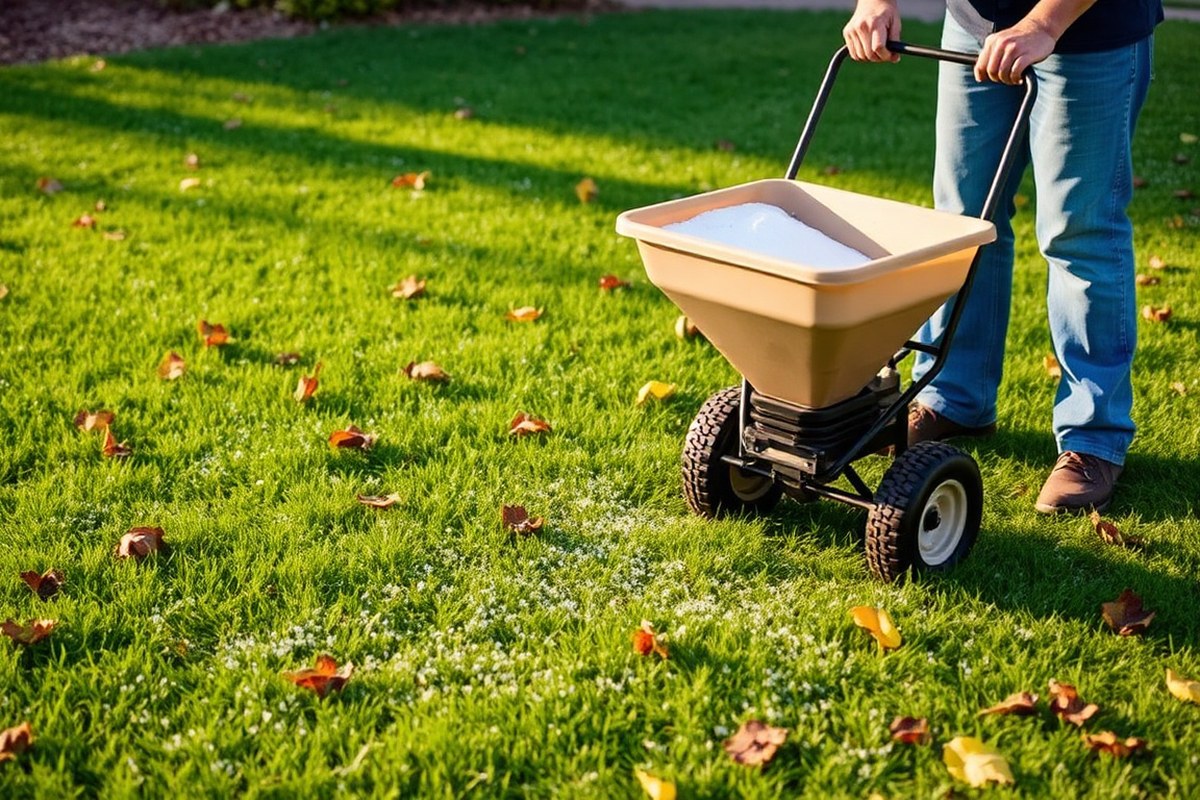
How to Put Lime on Lawn: Simple Steps for Healthy Soil and Lush Grass
How to put lime on lawn starts with knowing your soil’s acidity. First, test your soil pH to see if it falls below 6.5. Lime raises pH, making soil less acidic and helping grass grow stronger.
Spread lime evenly based on soil test results. Usually, use 20 to 50 pounds per 1,000 square feet. This helps balance soil pH properly.
Avoid piling on too much at once to prevent burning the lawn. Spread lime 10 days after fertilizing and seeding, so grass can absorb nutrients first.
Choose the right lime type based on your soil’s magnesium level and liming product’s purity. Keep in mind, lime takes about 3 to 6 months to change the soil’s pH. Test soil again every 1 to 2 years to check if more lime is needed.
Key Takeaways
- Test soil pH regularly to know when to apply lime.
- Don’t use over 50 pounds of lime on each 1,000 sq ft at one time. Excess lime may damage your grass and soil. Use the suggested amount to maintain a healthy lawn.
- Apply lime 10 days after fertilizing and seeding for best uptake.
- Adjust lime quantity based on product’s calcium carbonate equivalent (CCE).
- Use calcitic lime on soils with over 20% magnesium content.
- Split large lime applications into two, one in spring and one in fall.
How to Apply Lime Correctly on Your Lawn
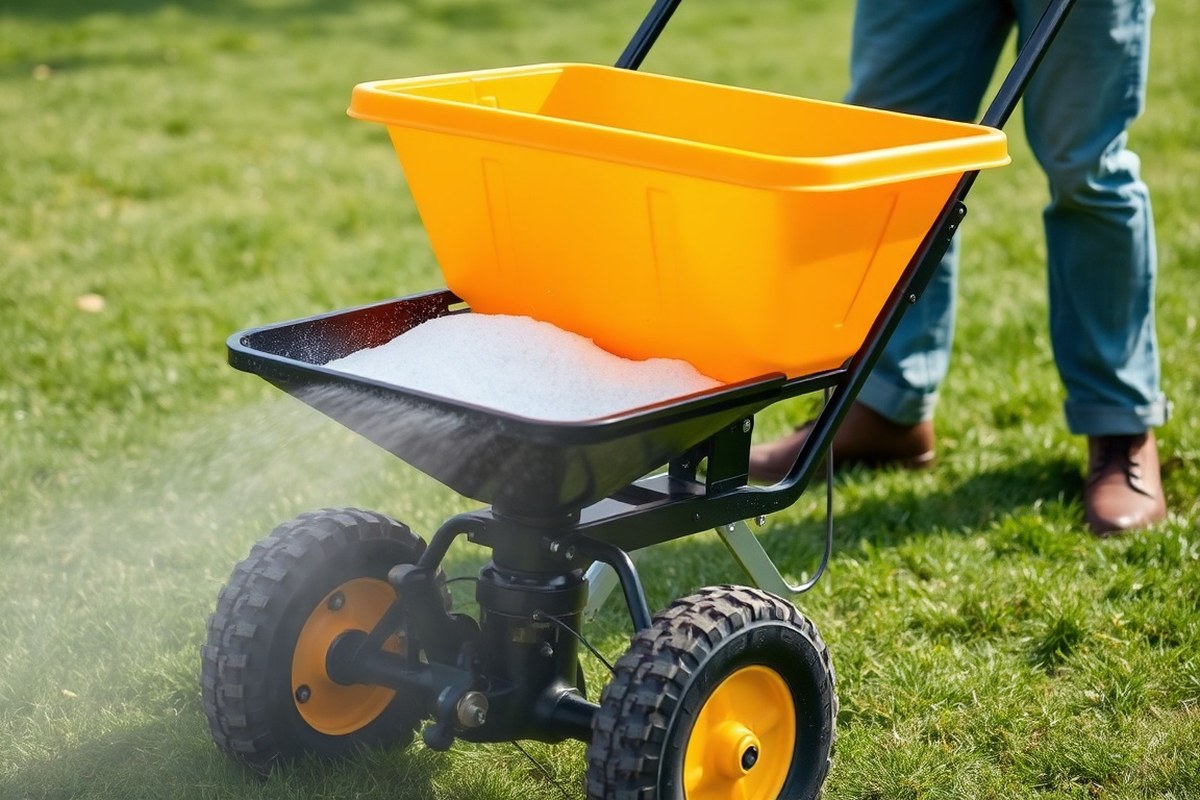
Applying lime correctly helps your lawn soak up nutrients and balance soil pH. Use the right equipment to spread lime evenly across your grass. Taking a few careful steps will protect your lawn and ensure a healthy green yard.
Here’s how to apply lime safely and effectively on your lawn:
- Measure your lawn and calculate lime needed: Use soil test results to find exact lime amount. Measure your lawn area carefully. Calculate how much lime it requires. Typically, lawns need 20 to 50 pounds per 1,000 square feet.
- Load lime into a rotary or drop spreader: Spreaders apply lime evenly and save time. Pour lime carefully to avoid spills.
- Walk the lawn in straight, overlapping lines: Cover the entire area without leaving gaps. Overlap by half the spreader’s width for even coverage.
- Mix lime into the topsoil lightly: Use a rake or garden fork to blend lime. Spread lime evenly then mix it gently into soil. This speeds up lime’s effect.
- Water your lawn after spreading lime: If weather is dry, water immediately. This helps lime dissolve and soak into the soil.
- Keep pets off the lawn until lime settles: Wait at least a day. This avoids pet contact with loose lime powder.
- Avoid liming stressed lawns: Don’t apply lime when grass suffers from drought, pests, or diseases. Wait until the lawn recovers.
Choose fall for lime application to give it time to work before winter. You can apply the full lime amount in one session. This works if under 50 pounds per 1,000 square feet.
Otherwise, split the application into parts. Over-applying lime can harm grass, so stick to soil test advice. Following these steps ensures your lawn gets the right amount of lime safely and effectively.
How to Test and Calculate Lime Needs for Your Lawn
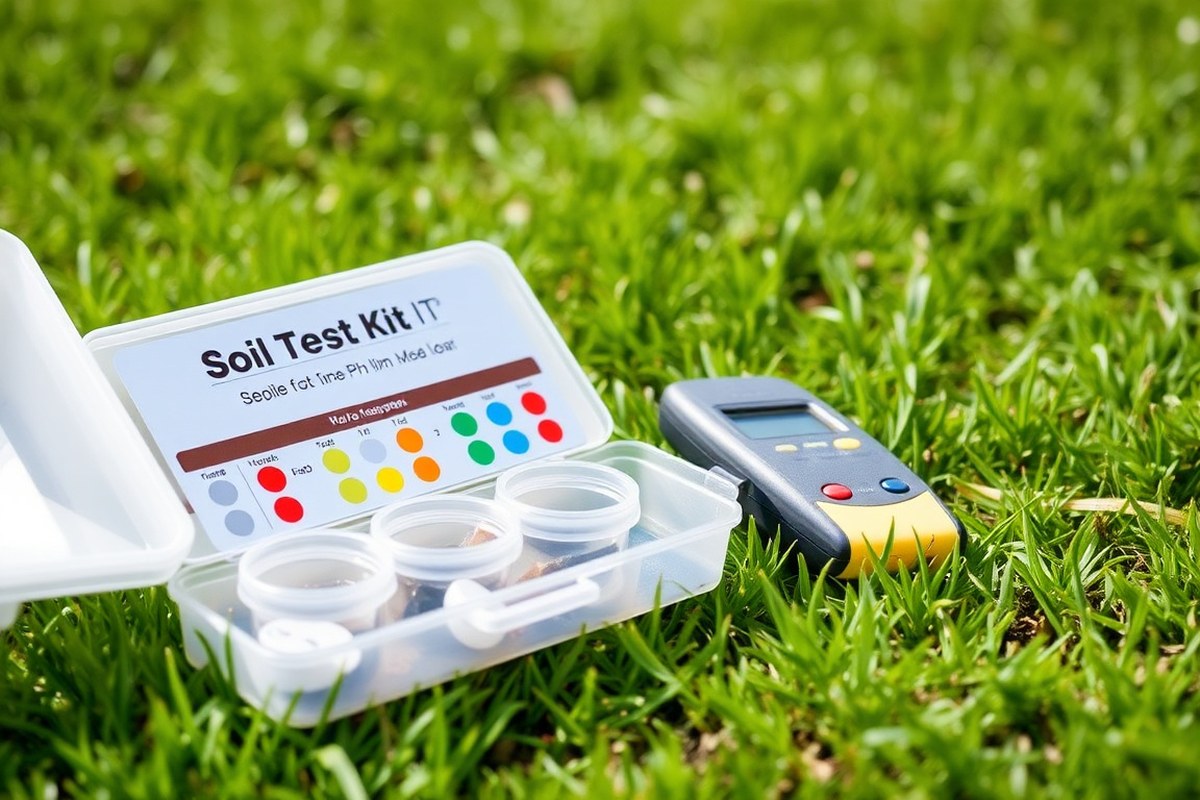
Testing your soil pH is the only way to know if your lawn needs lime. Use soil test results to find out how much lime to apply per 1,000 square feet. Adjust lime amounts based on the lime’s calcium carbonate equivalent, or CCE.
Testing Your Soil pH at Home
You can test your soil pH with a home kit. You may also send a soil sample to a lab for testing.
Home kits give quick results but are less accurate than lab tests. Labs provide detailed reports showing pH and nutrient levels for about $15 to $30.
To test at home, collect soil from several spots in your lawn. Mix the samples, then follow the kit’s instructions to measure pH. For more accurate results, send the sample to your local extension service or commercial lab.
- Use a clean trowel to dig 3 to 4 inches deep. Do this in 8-10 spots across your lawn.
- Mix all collected soil in a clean bucket.
- Remove roots, stones, and debris from the sample.
- Dry the soil in an open area indoors if it’s very wet.
- Take about one cup of mixed soil from the bucket for testing.
- Follow package instructions on your testing kit or send the sample to a lab.
Check soil moisture before testing. Overly wet or dry soil can give wrong pH readings.
Interpreting Soil Test Reports
A soil test report shows your soil’s pH level. It also gives the lime amount recommended for your lawn.
You’ll usually see lime recommendations in pounds per 1,000 square feet. For lawns, aim for a pH between 6.0 and 7.0 depending on your grass type.
The report advises a lime amount to reach a 6.5 pH goal. Apply no more than 50 pounds per 1,000 sq ft in one go. Do this in spring or fall, and divide applications if over 100 pounds.
Never apply lime without a soil test showing the need. Too much lime can harm grass.
Calculating Lime Amount Using CCE
CCE means Calcium Carbonate Equivalent and shows lime’s effective strength. Pure agricultural lime has a CCE of 100%.
Your lime’s lower CCE means you must apply more lime. Match the amount recommended by the soil test.
To calculate the right amount: divide the recommended lime amount by the lime product’s CCE decimal. For example, if test calls for 50 pounds per 1,000 sq ft, and lime is 85% CCE, use about 59 pounds.85).
Apply 50 pounds of lime in spring and 50 in fall. Then retest your soil the next spring. Adjust future lime based on new soil pH readings every 1 to 2 years as needed.
Always retest soil pH after liming to avoid over-application and lawn damage.
Best Types of Lime and How to Choose Them
Pick lime according to your soil’s magnesium level and needs. Use dolomitic lime when magnesium levels are low in your soil.
Choose calcitic lime if your magnesium is already enough. Both types raise soil pH but vary in nutrients and how fast they act.
Dolomitic Lime: Benefits and Use Cases
Dolomitic lime contains calcium carbonate and magnesium carbonate. It is the best choice when your soil test shows low magnesium levels. This lime slowly changes pH while also supplying magnesium, which is often lacking in acidic soils.
Applying too much dolomitic lime can add excess magnesium. This may cause soil compaction unless your soil is sandy. Use dolomitic lime if magnesium is under 20%.
It works well when your lawn shows yellowing between leaf veins. These signs mean your grass needs more magnesium.
Calcitic Lime: When to Use It
Calcitic lime is made almost entirely of calcium carbonate. It suits soils with sufficient magnesium, usually above 20%. This lime increases pH slowly and does not alter magnesium levels much.
Use calcitic lime when your soil test shows normal or high magnesium. It helps with acidic soil without risking magnesium buildup. This type works well for most lawns unless a magnesium boost is needed.
Pelletized vs Powdered Lime Options
Lime comes in pelletized and powdered forms, both made of calcitic or dolomitic limestone. Pelletized lime is easier to spread evenly. It costs more but reduces dust and mess during application.
Powdered lime and ground limestone are less expensive and slow acting. They work well for large areas but require careful spreading to avoid uneven pH changes. Choose based on your budget and application tools.
| Material | Calcium Carbonate Equivalent* | Rate of pH Change | Max Recommended Rate of Application** | Other Comments |
|---|---|---|---|---|
| Burned Lime | 180 | Fast | 10 | Hazardous, difficult to apply |
| Dolomitic Limestone | 70, 95 | Slow | 50 | Also a source of magnesium |
| Ground Limestone | 70, 95 | Slow | 50 | NA |
| Hydrated Lime | 140 | Fast | 20 | Hazardous, difficult to apply |
| Pelletized Limestone | 70, 95 | Fast | 50 | Easy to apply, more expensive than other sources |
Lime’s calcium carbonate equivalent shows how effective it is at raising pH. Slow-acting types like dolomitic and ground limestone give steady results. Pelletized lime spreads easily but costs more, ideal for smaller or uneven lawns.
When and How Often Should You Lime Your Lawn?
Fall is the best season to apply lime after the lawn stops growing. Use lime only when soil tests indicate the soil is too acidic. Apply lime in parts for large amounts to prevent lawn stress and poor pH adjustment.
Fall Timing for Lime Application
Applying lime in the fall lets it work into the soil before spring. Cooler soil and less active grass reduce stress during lime absorption. Avoid lime in summer or winter when the lawn is stressed or dormant.
Applying lime 10 days after fertilizing or seeding is a good rule. This gap lets nutrients absorb without too much disruption. Fall is often the best season because soil pH imbalances show during spring and summer growth.
Frequency Depends on Soil Tests
Apply lime only when soil pH is below the healthy range. That is usually under 6. Avoid liming if tests show pH is healthy or above 6.0 to 6.5.
Wait 2 to 3 years before liming again, unless acidity returns sooner. Use soil tests to check pH regularly. Apply lime only when needed.
Spring and summer soil tests help monitor pH changes. Add lime again only if tests confirm acidity.
Overliming can harm the lawn by raising pH too high. So frequent tests guide safe lime use.
Splitting Large Lime Applications
Apply lime in two steps if you need more than 50 pounds per 1,000 square feet. Spread half the lime in fall and half in early spring. This makes sure the lime absorbs fully without harming the lawn.
Splitting reduces risks like temporary nutrient lock-out or grass burn. It also allows for better control of pH change speed. Use the product’s calcium carbonate equivalence (CCE) to calculate exact amounts for each split application.
Adjusting Lime Amounts and Timing
Choose liming amounts based on how acidic your soil is and your lime’s purity. For example, if your product has 90 percent CCE, adjust the needed pounds accordingly. Soil test results often include that guidance.
Avoid adding lime if your lawn appears healthy and green. Lime is meant only for acidic soils. Over-liming can harm healthy lawns.
Unnecessary liming wastes money and may disrupt soil balance. Focus on regular soil tests to keep your lawn’s pH in the right zone over years.
Planning Your Lime Routine
Start by testing soil every few years to see if liming is needed. Apply lime only in fall or early spring during active soil conditions. For heavy lime needs, split the amounts over two seasons for best results.
This routine prevents lawn stress and helps maintain proper soil pH. Follow soil test recommendations and adjust timing based on your climate and lawn health. Your grass will thank you for balanced soil care.
What Lime Does for Your Lawn and How Long It Takes
Lime raises your soil’s pH by reducing acidity. This change helps your lawn absorb nutrients better, leading to healthier grass. If your soil is too acidic, grass may grow slowly or turn yellow.
You usually need to wait 3 to 6 months to see lime’s effects on your lawn. It takes time for lime to mix into the soil and change its chemistry. Early signs that lime is working include greener grass and fewer bare patches.
Too much lime can push soil pH too high, causing nutrient problems again. Testing your soil first ensures you add the right amount to fix acidity without overshooting. Grass in sandy or clay-heavy soils often benefits more from lime.
After spreading lime, watering your lawn helps it soak in and stops leaf burn. Avoid applying lime right after fertilizing to prevent chemical conflicts.
Common Mistakes to Avoid When Liming Your Lawn
Applying too much lime can harm your lawn instead of helping it grow. Never spread over 50 pounds per 1,000 square feet at once. This stops soil pH from rising too fast.
Take it slow to protect your lawn’s health. Excess lime can cause nutrient imbalances and damage grass roots.
Another common mistake is applying lime by hand, which leads to uneven coverage. Use a drop or rotary spreader for a steady, even layer. Avoid liming on hot summer days.
Heat stresses grass and lowers lime’s effect. Wait for cooler weather to apply lime better.
Lime dust can irritate your skin and eyes. So don’t apply it on windy days.
Also, lime sitting on grass blades may burn them. After spreading lime, sprinkle your lawn with water to wash any residue off the grass.
- Check soil pH before applying lime to avoid unnecessary treatments
- Always read product instructions for correct amounts and application methods
- Apply lime when soil is moist but avoid heavy rain right after spreading
- Never spread lime in strong wind or direct sunlight to reduce damage risks
- Use a spreader to cover the lawn evenly, preventing over-application spots
- Water the lawn lightly after liming to protect grass blades from burns
- Wait several weeks between lime applications for best lawn recovery
Using the right type of lime that matches your soil needs also matters. Calcium carbonate equivalent (CCE) rates tell how strong the lime is. Lime with a CCE near 100 percent will raise pH more efficiently.
Taking these steps protects your grass from damage and ensures your lime makes the right changes. Careful liming improves the soil’s ability to hold nutrients for healthier growth.
Safety and Handling Tips for Applying Lawn Lime
Wear protective gear like gloves, goggles, and a dust mask when spreading lime. Lime powder can irritate your skin, eyes, and lungs. Keeping it out of your mouth and nose is important to avoid discomfort or coughing.
Lime is a fine powder or pellet. It can blow into your eyes or nose easily. Handle it carefully to avoid this.
Handle it gently and avoid windy days to keep lime particles from drifting around. Store lime in a cool, dry place.
Keep it away from kids and pets. Use it only when you need to.
Environmental care matters during application. Avoid applying lime near water sources like ponds or streams. Rain runoff can carry lime into water areas.
This can change the water’s pH. It may harm fish and other aquatic life. Also, don’t exceed 50 pounds per 1,000 square feet to prevent overliming and soil imbalance.
- Wear gloves, safety goggles, and a dust mask
- Apply lime on calm, wind-free days
- Keep children and pets away during application
- Store lime off the ground in a sealed container
- Avoid spreading lime near water bodies
- Do not exceed recommended application rates
- Wash hands and exposed skin after handling lime
Use a rotary spreader to distribute lime evenly across the lawn. Walk slowly at a steady pace, applying half the lime in parallel lines. This helps avoid clumps and ensures even soil pH adjustment over time.
After spreading, water the lawn lightly. This helps lime start to break down and move into the soil.
It usually takes months before lime fully changes soil pH. So patience is key for best results.
Adjusting Liming for Different Soils and Lawn Conditions
Soil type changes how much lime your lawn needs. Clay soils hold acidity longer and need more lime to balance pH than sandy soils.
Sandy soils lose nutrients faster, so dolomitic lime works best there. It adds both calcium and magnesium, which sandy soils often lack.
Magnesium matters because some lime types have it and others don’t. Dolomitic lime boosts magnesium and calcium, good for sandy soils low in magnesium. Your soil may already have enough magnesium, so use calcitic lime.
This lime mainly contains calcium. Testing your soil’s magnesium level helps pick the right lime.
Timing lime with seeding or fertilizing affects lawn health. Lime can be applied before or after seeding, but not too close together. Apply lime a few weeks before seeding to improve soil pH first.
Avoid using high nitrogen fertilizers if you lime at the same time. They can stress new grass.
Clay soil’s buffering capacity means lime takes longer to change pH. It might take one growing season or longer to see results.
Sandy soil reacts faster, so lime effects show in a few months. Keep your lawn’s pH near 6.0 to 7.0 for best growth.
Limen amounts vary by soil acidity and type. Clay soil needs more lime than sandy soil to adjust pH. It can require up to twice the amount.
The extra lime helps clay soils reach the right pH level. Your soil test will tell you exactly what to use. Applying too much lime can cause nutrient imbalances and stress your grass.
Adding lime right before seeding helps new grass grow in less acidic soil. Avoid applying lime and fertilizer on the same day to prevent root damage.
Step-by-Step Lime Application Plan for Your Lawn
Follow these clear steps to lime your lawn effectively and safely. Each step ensures your lawn gets the right treatment at the right time.
- Before you start: Test your soil pH using a kit or lab test. Know your exact lime needs before applying.
- Day 1: Choose the right type of lime, calcitic or dolomitic, based on soil tests. This matches soil minerals and boosts results.
- Day 2: Spread lime evenly with a drop or rotary spreader. Check for uniform coverage to avoid patchy pH changes.
- Day 2-3: Water the lawn lightly to help lime activate. Look for moist soil but avoid puddles or runoff.
- Week 4: Test soil pH again to check progress. A steady rise toward neutral pH shows success.
- Month 6: Monitor grass health. Greener, thicker growth means lime helped your lawn thrive.
- After 12 months: Plan your next lime application based on soil retesting. Adjust amounts if pH isn’t stable yet.
Frequently Asked Questions
Can You Put Lime on Your Lawn in Spring?
You can apply lime in spring but fall is better. Fall gives the soil time to absorb lime before summer.
How Long After Liming Can I Seed My Lawn?
You can seed your lawn soon after liming. Lime adjusts soil pH quickly enough for grass seeds to grow well.
Is It Okay to Apply Lime on a Freshly Mowed Lawn?
Yes, you can put lime right after mowing your lawn. It helps lime reach the soil more evenly and prevents clumps.
Can Lime Burn My Lawn If Applied Incorrectly?
Yes, too much lime or applying it in hot sun can burn grass. Apply lime in fall to avoid this risk and protect your lawn.
Do I Need to Water My Lawn After Applying Lime?
Lightly watering after liming helps it absorb into the soil quicker. Avoid soaking, just enough moisture to start the process is fine.
Will Lime Fix Brown Patches Caused by Disease?
Lime doesn’t fix disease spots directly. It improves soil pH, which helps grass recover and grow healthier over time.
The Bottom Line
Liming your lawn right improves soil health and grass growth over time. Start with a soil test to avoid guesswork. Keep an eye on results and adjust your care as needed.


One Comment