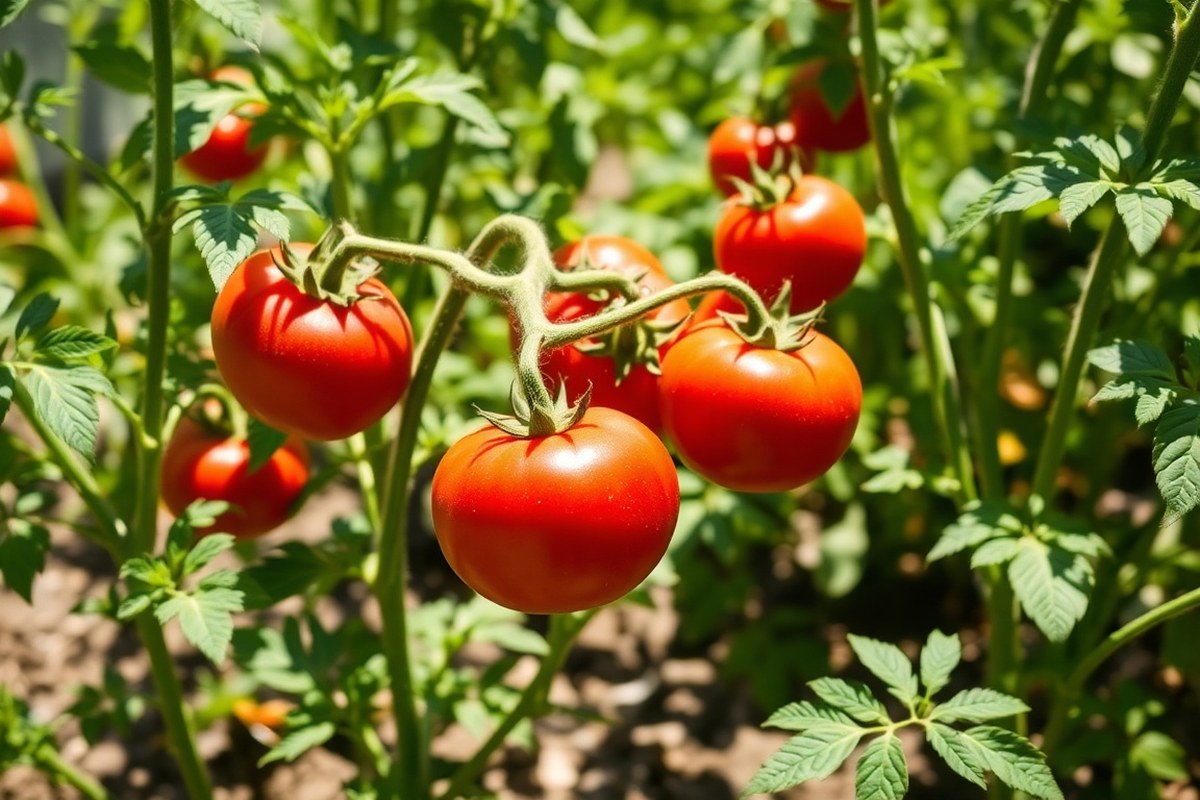
Do Tomatoes Like Full Sun? How Much They Need for Best Growth
Tomatoes grow best with plenty of sunlight. Ideally, they require 6 to 8 hours of direct sun daily. Around 8 to 10 hours boosts their growth and fruit yield.
Plant tomatoes where the sun shines for at least 6 hours. Less sun often means fewer tomatoes. This can reduce your harvest.
Smaller tomatoes like cherries grow in 4 to 6 hours of sun. They don’t need as much sun to produce.
This works for shady spots. Keep in mind, tomatoes need plenty of sun for the best flavor and size.
Sunlight not only feeds your plants but also helps dry leaves and reduce diseases. Look for a place with direct, unfiltered sunlight, not just morning or afternoon sun alone. This way, your tomatoes get the most energy to produce healthy fruit.
Key Takeaways
- Tomatoes need 6 to 8 hours of direct sun daily for good growth.
- For the best harvest, aim for 8 to 10 hours of full sun.
- Cherry tomatoes tolerate 4 to 6 hours of sun better than large varieties.
- Choose spots with unfiltered sunlight, not just partial or shade.
- Full sun helps keep leaves dry and lowers disease chances.
- Check your garden’s sun exposure before planting to optimize fruit yield.
Do Tomatoes Really Need Full Sun to Thrive?
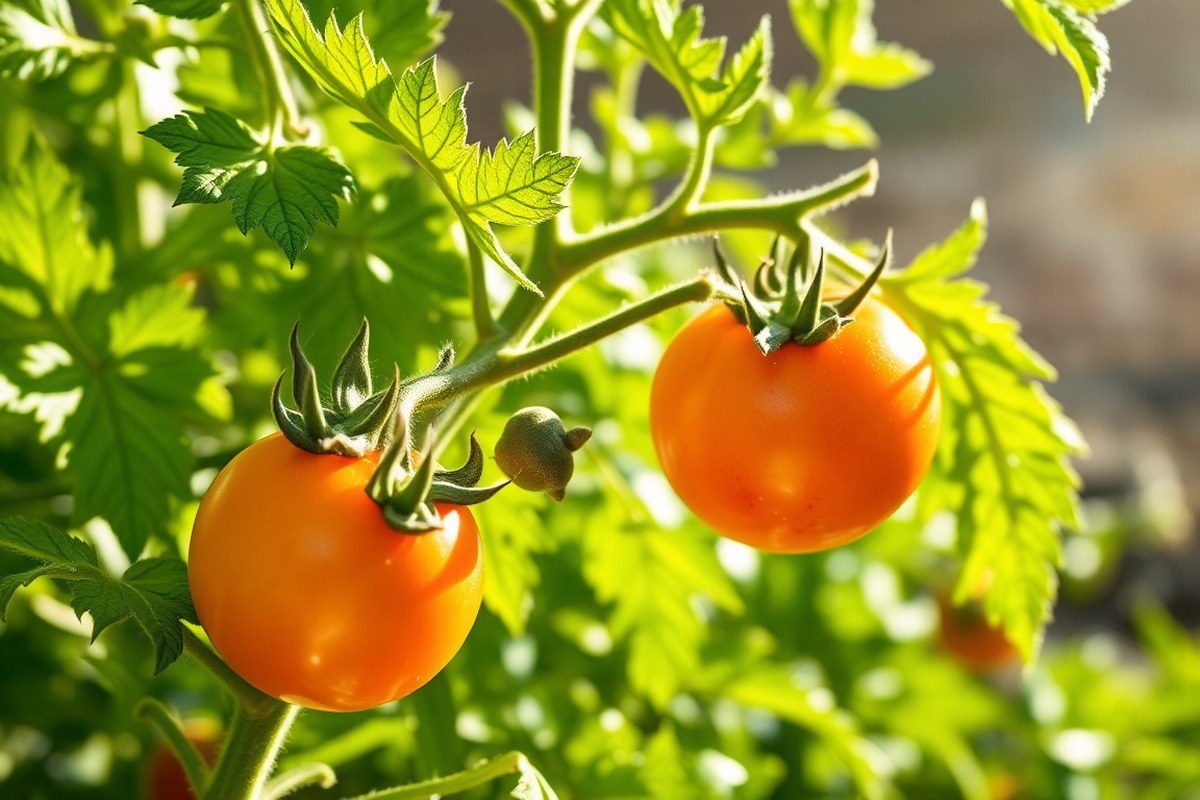
Tomato plants need full sun, which means at least six hours of direct sunlight each day. For the best results, aim for eight to ten hours of sun daily. This amount of light lets the plants grow strong and produce plenty of flavorful fruit.
Full sun means sunlight hits the plant directly all day. There is no shade or trees blocking it. No buildings filter this sunlight either.
You want your tomato spot to get sun mainly in the morning and afternoon. Early and late sun is softer but still counts as full sun.
This counts if the total sunlight adds up enough. The time matters more than the hours alone.
A spot with only four or five hours of direct sun won’t grow tomatoes well. They need more sun to thrive. Less sun means smaller plants and fewer tomatoes.
They might survive, especially smaller types like cherry tomatoes. But expect fewer and smaller fruits. Three to six hours of sun is called partial sun.
Some tomato types can grow but won’t grow their best. Less sun lowers your tomato harvest.
Watch your tomato area during the day to check full sun. Use a sunlight meter if you want precise measurements. This helps you know if your plants will thrive.
Pick a sunny day and time how long direct rays fall on the plants. Over six hours signals full sun. If your spot gets less sun, think about moving plants.
Pick a brighter location or use tomato types that handle shade better. This change can improve your tomato growth.
Remember, full sun spots might heat up quickly. So watering your tomatoes regularly will help keep them healthy. In very hot areas, some afternoon shade can help protect tomatoes.
It reduces heat stress and keeps plants healthier. But don’t block too much sunlight overall. Most gardeners agree six to eight hours of direct sun is best.
This amount supports good growth and a strong tomato harvest. Too little or too much sun can harm plants.
Effects of Insufficient Sunlight on Tomato Growth and Fruit
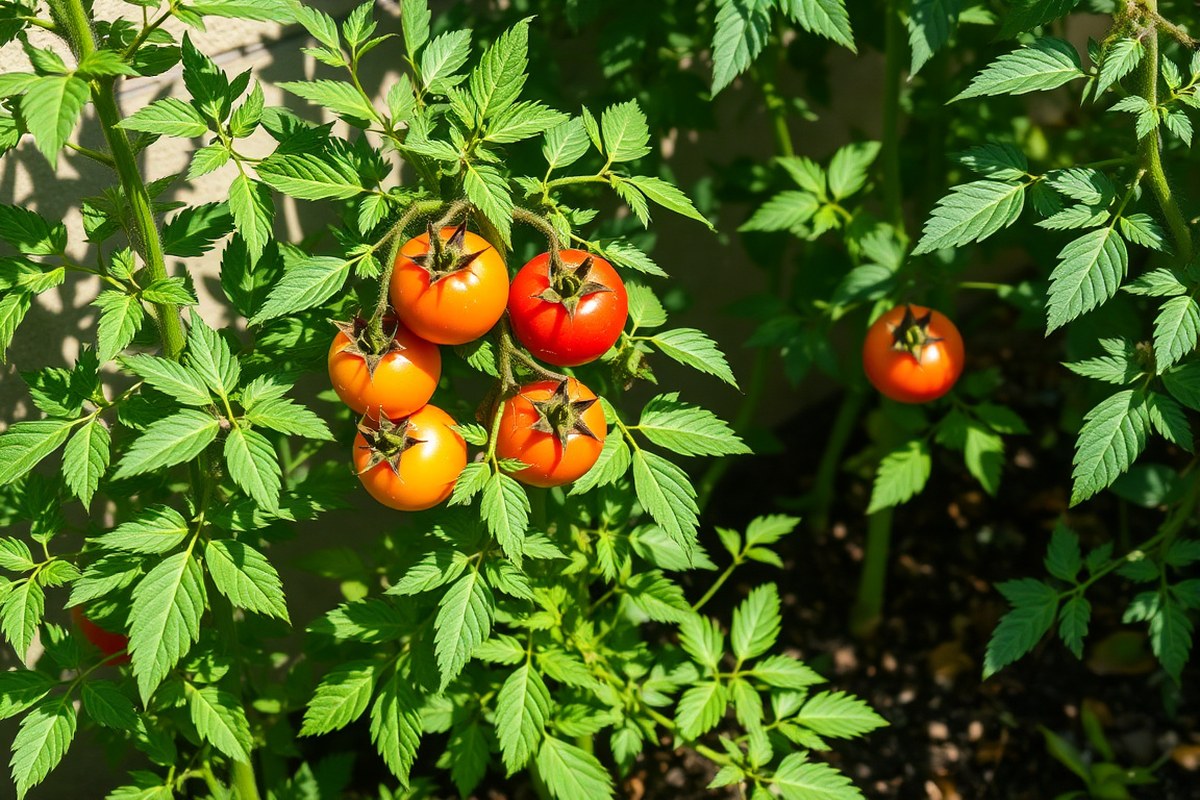
Tomato plants with less than 6 hours of sun often survive. They produce much less fruit when sunlight is low.
They won’t grow as vigorously because sunlight fuels photosynthesis, which powers growth and fruit production. With fewer hours of full sun, expect smaller, fewer tomatoes and weaker plants.
Tomatoes can produce some fruit in partial shade, especially certain varieties bred for less light. Early-season or determinate types like ‘Early Girl’ perform well with 4 to 6 hours of sun. ‘Stupice’ is similar. Even then, fruit size and total yield will lag behind plants grown in stronger sun.
Low light causes tomato plants to stretch toward the sun, making stems thin and weak. Leaves may turn pale or yellowish due to limited energy production. Fruit often stays small and doesn’t ripen fully, lowering your overall harvest by a noticeable margin.
Plants in full sun make about 30 to 50% more fruit. Partial shade lowers fruit production. Tomatoes with 8 or more hours of direct sun can yield up to 10 pounds each.
This shows the benefit of full sun. Shaded plants might only give 5 to 7 pounds. The difference adds up fast, especially in small garden spaces.
Too little sun shows as sparse leaves and leggy stems. Flowers are fewer and fruit sets late. Your tomato plants looking thin with small leaves and few fruits usually means poor sunlight.
Poor light lets plants survive but spoils harvests and weakens them. This raises disease risks.
Always give tomatoes at least six hours of strong, direct sun. This prevents weak growth and small fruit.
Can Tomatoes Get Too Much Sun or Suffer Sunburn?
Tomatoes thrive in full sun. But too much heat or intense sunlight can harm them. Sunburn, heat stress, and blossom drop happen when temperatures climb above 90°F. Protecting your plants from extreme heat improves fruit quality and yield.
Recognizing Sunburn Symptoms Early
Sunburn on tomatoes appears as pale, white, or yellow patches on fruit, often called sunscald. The leaves may curl or turn brown at the edges, showing heat damage. Blossom drop happens when flowers fall off, reducing your tomato harvest.
Tracking these signs helps you take action before the damage worsens. Watch for:
- White or yellow blotches on tomato fruits
- Brown or crispy leaf edges
- Leaf curling or wilting during midday heat
- Premature flower drop on the plant
- Slow fruit ripening or fruit cracking
Noticing these symptoms early lets you shield your plants before the tomatoes spoil completely.
Using Shade Cloth Effectively
Shade cloth blocks harsh sunlight, especially during peak afternoon hours. Attach it to a frame over your tomato plants to reduce temperature and sun intensity. A cloth blocking about 30% of light balances protection and fruit production.
Shade cloth costs between $10 and $30 for a 50-square-foot roll and lasts several seasons. Install it so air still moves freely around the plants to prevent fungal diseases. You can also use lightweight row covers or temporary umbrellas if shade cloth feels too permanent.
Using shade in hot climates keeps tomato leaves healthy and helps flowers and fruits set. Without shade, fruit may sunburn and drop before they mature properly.
Best Times to Reduce Sun Exposure
The worst sun damage happens during the hottest hours. That is usually from 12 noon to 4 PM.
Protect tomatoes with shade cloth or shade structures during these hours to reduce stress. Morning sun is gentle and benefits growth, so don’t block it.
Choose planting spots with natural afternoon shade if the temperature often rises above 90°F. You can plant a spring crop and a summer crop. Time both to mature before the heat peaks. This timing lessens the chance of sunburn and blossom drop.
Shade tomato plants during the hottest afternoon hours. This keeps them cooler and helps flowers and fruits. Avoid shading all day because less sun reduces photosynthesis and fruit yield.
Choosing Tomato Varieties for Different Sunlight Conditions
Tomato varieties vary in how much sun they need to thrive. Cherry tomatoes generally do better in partial shade than large-fruited types.
Your garden gets 4 to 6 hours of sun. Pick tomato types that handle shade better.
Heirloom tomatoes like Cherokee Purple and Black Krim often handle partial shade well. They still need some sun, but they can produce fruit with less intense light. Gardens with full sun need varieties that like direct sunlight.
They need about 6 to 8 hours each day. Choose those that fit this daily sun time.
Determinate tomatoes tend to grow more compact and are good for smaller spaces. Indeterminate types keep growing taller and require more sun to support their extended fruiting season. It’s helpful to select your tomato type based on your sunlight and garden space.
| Tomato Type | Fruit Size | Sunlight Needs | Variety Suggestions |
|---|---|---|---|
| Indeterminate | Cherry | Partial sun (4-6 hours) to full sun (6-8 hours) | Cherokee Purple, Black Krim |
| Indeterminate | Large | Full sun (6-8 hours) | Beefsteak, Big Boy |
| Determinate | Cherry | Partial sun to full sun | Sweet 100, Sun Gold |
| Determinate | Large | Full sun | Roma, Celebrity |
Choosing cherry varieties helps if your garden’s sunlight is limited. They still produce flavorsome fruit under 4 to 6 hours of sun. Determinate varieties suit container growing or small spaces and need consistent sunlight to produce well.
To select tomatoes, check your garden’s sun exposure first. Check if your garden gets sun all day from morning to afternoon. See if the sun hits only part of the day.
This helps pick the right tomato types. Then pick varieties from the list above. Start seeds indoors in a seed tray with seed raising mix for a better start.
How Morning Sun Differs from Afternoon Sun for Tomatoes
Tomatoes do better with morning sun than intense afternoon heat. Morning sun is cooler and less intense, helping leaves dry and reducing disease risk. Afternoon sun can be hotter and may stress tomato plants during heatwaves.
Heat Intensity Variations Throughout the Day
Morning sunlight is cooler and gentler, with temperatures usually below 75°F. Afternoon sun starts after midday when temperatures hit 85°F or more. This happens most in hot summer zones. Tomatoes get strong light during this time.
Plants take in softer light in the morning. This light won’t burn leaves. It also helps reduce stress on the vines.
Sunlight is strongest from midday to around 4 pm, the hottest hours for tomatoes. Intense afternoon heat can dry out soil quickly and cause sunburn on fruit and leaves. Because of this, protecting tomatoes from harsh midday sun can keep them healthier.
Impact on Photosynthesis and Fruit Set
Tomatoes need plenty of light to power photosynthesis and produce fruit. Morning sun helps by warming plants gradually and drying dew, which stops fungal diseases. Cooler morning conditions encourage steady growth and flowering without overheating.
Afternoon heat can slow photosynthesis because extreme temperatures shut down leaf processes. High heat during fruit set can lead to blossom drop, reducing harvest size. Keeping plants shaded or watered during peak heat helps maintain fruit development.
Positioning Plants for Optimal Sun Timing
Put tomatoes where they get morning sun first. This heat warms them early. It also helps dry the plants faster.
Let afternoon shade from trees or buildings protect plants during midday heat spikes. This mix offers sun exposure with less risk of heat stress.
Arrange your garden like this:
- Locate tomato beds facing east to capture morning rays
- Use taller plants or fences west of tomatoes for afternoon shade
- Water deeply in the morning so roots stay moist through hot afternoons
- Add mulch to keep soil cooler longer during heat waves
- During heat waves, move potted tomatoes to spot with filtered afternoon sun
Start watering tomatoes early morning to prevent heat stress and leaf damage.
Locating and Planting Tomatoes for Maximum Sun Exposure
Finding the sunniest spot in your garden takes some observation. Check your yard at different times during the day. Take notes on where the sun shines the longest and strongest, especially between 10 a.m. And 4 p.m.
Spacing your tomato plants right helps them get full sun without blocking each other. Indeterminate tomatoes need more room, about 24 to 36 inches apart. Determinate types can be closer, around 18 to 24 inches, since they grow more compact.
Container tomatoes can be moved to follow sunlight. This flexibility lets you catch more sun, especially if shading changes through the season. Use pots with drainage holes and plan to move them weekly to the brightest spots.
Try this step-by-step plan to map sun exposure and plant your tomatoes correctly:
- Track: Watch your garden from morning to late afternoon. Note which spots get full sun for six hours or more.
- Mark: Use flags or garden stakes to mark sunniest areas for planting.
- Choose: Pick tomato types that match your sunniest spots. Use indeterminate for large beds and determinate for smaller spaces.
- Space: Plant indeterminate tomatoes 24 to 36 inches apart. Determinate tomatoes 18 to 24 inches apart to prevent shading.
- Prepare: Set up planting holes in marked spots. Make sure soil drains well and is loose for roots.
- Plant: Place tomatoes deep, burying part of the stem to encourage strong roots.
- Set Containers: Move your pots to where the sun is strongest. Do this weekly as the sun moves across your yard.
- Adjust: If you notice leaf scorching or wilt, try partial shade during peak afternoon hours.
Watering and Soil Care Adjusted for Sun Intensity
Tomatoes in full sun usually need more water because sunlight heats the soil. The soil tends to dry out faster under intense sun, leading to quicker moisture loss. That means you should check soil moisture daily during hot, sunny periods.
Water early in the morning to help roots soak up moisture before the heat peaks. A good schedule includes watering deeply two or three times a week, depending on temperature. On days above 85°F, water tomatoes every other day.
This keeps the soil moist without overwatering. Avoid watering daily in hot weather.
Too much water may cause skin splitting and weaken plants. So, water around the base and avoid wetting leaves to prevent disease. Using a moisture meter helps you see when soil really needs water, avoiding guesswork.
Sunlight also speeds up nutrient uptake in tomatoes. Hot soil encourages roots to absorb more nutrients but also leaches minerals faster. Feed tomatoes with balanced fertilizer every three to four weeks.
Do this during sunny growing seasons. Balanced feeding keeps nutrients steady.
Mulching around your tomato plants slows water evaporation and keeps the soil cooler. Organic mulches like straw or shredded leaves work well and cost little. Apply a 2 to 3-inch layer of mulch around tomatoes.
Keep mulch a few inches away from the stem. This helps prevent stem rot.
In very hot spots, use a 30% shade cloth. Do this during peak afternoon sun hours. It helps protect soil moisture from drying out.
Shade cloth costs vary but often pay off by reducing water needs and stress on plants. This method helps keep soil temperature steady and prevents drying.
Maximizing Tomato Sunlight Indoors and Under Supplemental Lighting
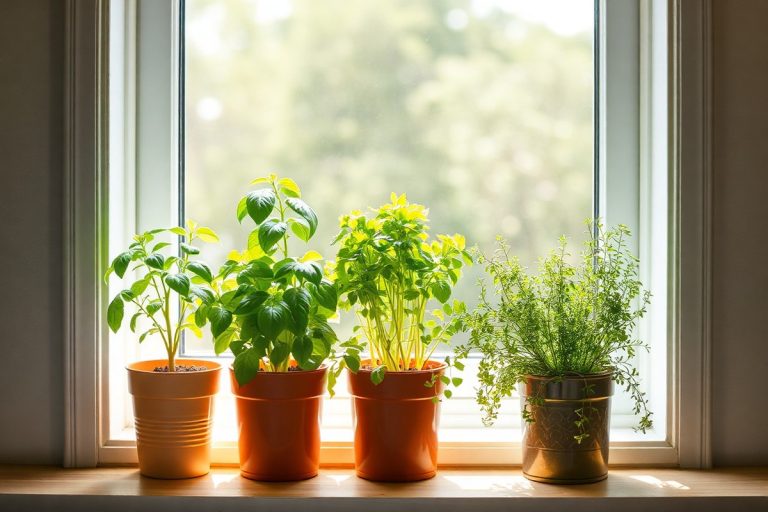
Indoor tomatoes need strong artificial light to replace outdoor sun. Use full-spectrum LED grow lights for the right balance of red and blue light. You should set timers so plants get enough daily light, matching their growth stage.
Light Duration for Seedlings and Mature Tomatoes
Tomato seedlings need about 18 to 22 hours of light each day. This longer duration supports early leaf and root growth indoors. Mature tomato plants require 14 to 16 hours daily to maintain healthy fruit production.
Seeds don’t need light to sprout. But once seedlings emerge, they need more light than mature plants.
Make sure to adjust the light timing as seedlings develop into bigger plants. Bright light over these hours mimics natural outdoor conditions that tomatoes prefer.
Best Types of Grow Lights for Tomatoes
Full-spectrum LED grow lights work best for tomatoes indoors. They provide balanced light similar to sunlight, helping plants grow strong.
Avoid standard fluorescent or incandescent bulbs. They don’t emit enough red and blue light needed for photosynthesis.
Some LED lights cost between $40 and $100 depending on size and settings. Choose a set rated for vegetables and check if it covers your entire tomato setup. You can find affordable options that run cool and last several years.
Positioning and Adjusting Grow Lights
Keep LED grow lights 12 to 24 inches above seedlings. Adjust the height as plants grow to avoid burning or stretching. Mature tomato plants do well with lights set 18 to 24 inches above leaves.
Set your grow lights on a timer for consistent daily cycles. Position lights directly over the plants for even light spread. Rotate plants occasionally to ensure all sides get light and avoid leaning.
- Use a timer for steady light periods, no guesswork
- Start with lights closer to seedlings, then raise slowly
- Check plants daily for signs of too much or too little light
- Rotate plants every few days for even growth
- Use reflective materials around plants to boost light
- Keep lights on a stable shelf or fixture to avoid movement
Slowly move plants from low light to full indoor grow light to prevent leaf burn.
Step-by-Step Action Plan for Growing Tomatoes with the Right Sunlight
Follow these steps to give your tomatoes the sunlight they need. You’ll see better growth and tastier fruit.
- Before Planting: Choose tomato varieties suited for your sunlight level. Check seed packets or plant labels.
- Day 1: Plant tomatoes in spots that get at least six hours of direct sunlight. Watch daily sun patterns.
- Week 1: Water tomatoes deeply every few days. Keep soil moist but not soggy to support sun exposure.
- Week 2: Mulch around plants to hold moisture and keep roots cool in strong sun. Look for less soil drying.
- Week 3: Check plants for signs of sun stress like leaf curling or spots. Adjust shade or watering if needed.
- Week 4: If growing indoors, install supplemental grow lights on timers for 12-16 hours daily. Confirm bright even light.
- Ongoing: Rotate plants or move containers weekly to ensure even sun exposure. Watch that fruit ripens evenly.
Frequently Asked Questions
Does Morning Sun Alone Provide Enough Light for Tomatoes?
Morning sun helps warm the soil early but usually isn’t enough alone. Tomatoes need additional afternoon sun for full growth and fruit production.
Can Tomatoes Grown in Partial Sun Still Produce a Decent Harvest?
Tomatoes in partial sun produce fewer fruits but often still yield some harvest. Choose smaller varieties to improve results in less sunny spots.
Should Shade Cloth Be Used to Protect Tomatoes in Extreme Heat?
Shade cloth helps reduce heat stress during very hot days above 90°F. It lowers sun intensity and prevents leaf scorch without stopping fruit development.
How Does Sun Exposure Affect Tomato Plant Disease Risks?
Full sun helps dry leaves quickly, reducing fungus risks like blight. Shady, damp conditions increase disease chances, so aim for good sunlight and air flow.
Is It Better to Prune Tomato Plants for More Sun Exposure?
Pruning can improve air flow and sun penetration inside the plant. This helps ripen fruit evenly and lowers disease problems without harming growth if done right.
Can Tomato Plants Adapt If Moved from Shade to Full Sun Gradually?
Tomato plants adjust better when you slowly increase their sun exposure over a week. Sudden full sun can cause leaf burn and stress, so harden them off gradually.
Wrapping Up
Tomatoes need mostly full sun to grow strong and produce well. Pay attention to their light and water needs daily. Start by picking the right spot and tomato type for your garden’s sun.

2 Comments