Do Tulips Come Back Every Year? What Actually Works for Reliable Blooms
Do tulips come back every year? The short answer is yes, but only with the right care.
Tulips aren’t true perennials in all climates because their bulbs can struggle in hot summers. If planted properly in well-drained soil and left undisturbed, tulips should return the next spring.
Plant tulip bulbs deep in the fall, about 6 inches below the surface. This depth protects them during cold weather and helps encourage strong shoots. Also, avoid overwatering during summer, so the bulbs don’t rot or dry out.
The variety of tulip matters, too. Species like Greigii tulips are hardier for northern gardens and more likely to come back. Choosing the right type, location, and care will give you tulips that bloom year after year.
Key Takeaways
- Plant tulip bulbs 6 inches deep in well-drained soil each fall.
- Choose hardy species like Greigii tulips for better perennial growth.
- Locate tulips where they get at least 8 hours of direct sunlight daily.
- Keep summer watering low to prevent bulb rot in hot climates.
- Allow leaves to die back naturally after blooming to nourish bulbs.
- Dig up bulbs in warm climates if summer temperatures exceed 70°F.
Do Tulips Come Back Every Year or Are They Annuals?
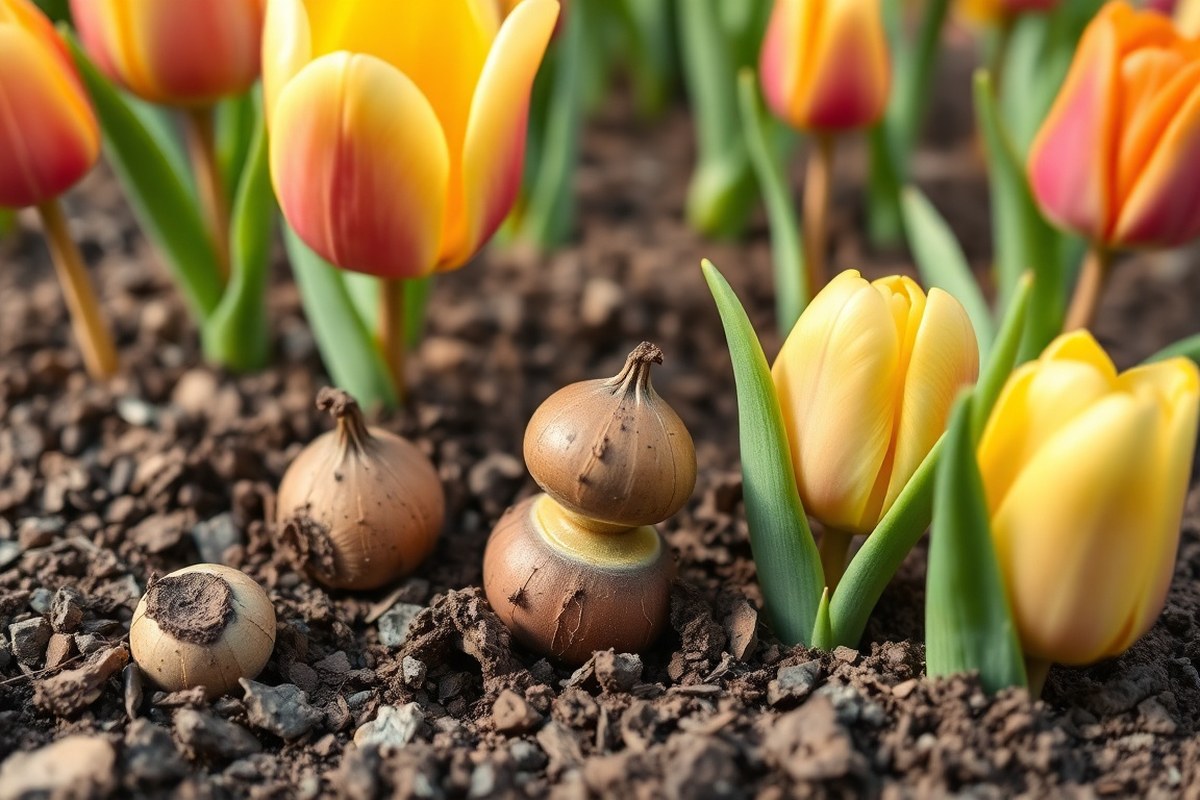
Tulips are technically perennials, which means they can bloom again year after year. The catch is they need specific conditions to do so. Tulips grow best when planted deep in the fall.
Use soil that drains well. It should stay dry enough through winter. Wet soil can cause bulbs to rot, preventing them from returning the next year.
Tulips coming back depends mostly on the variety and your environment. Many common tulips sold for cut flowers act more like annuals in gardens. These bulbs bloom beautifully the first spring but usually don’t return after that.
Some traditional or species tulips can naturalize well if planted right. They can bloom again for several years.
Letting tulip leaves die back naturally helps bulbs store energy. This happens in late spring or early summer. You shouldn’t cut leaves immediately after flowers fade.
This process can take 6 to 8 weeks. Providing good nutrition, like phosphorus-rich fertilizer, supports the bulbs’ health and encourages yearly blooming. To get tulips to come back, plant properly, ensure good drainage, and care patiently after blooming.
Which Tulip Varieties Are Most Likely to Return Year After Year?

Some tulip varieties stand out for their ability to come back year after year. These include species tulips and hybrids like Darwin and Greigii tulips. Choosing these types improves your chances of seeing blooms every spring without replanting.
Species tulips often naturalize by forming offsets. This means they spread and multiply in the ground over time.
Darwin hybrids last several years if planted deeply. They need the right conditions.
Greigii tulips do well in cooler northern areas. They may struggle in heat above 70°F. Fosteriana and Kaufmanniana types can also return reliably if the environment suits them. Avoid short-lived hybrid types if you want tulips to reappear on their own.
| Tulip Type | Perennial Ability | Best Growing Conditions | Notes |
|---|---|---|---|
| Darwin Hybrid | High | Cold winters, deep planting | Lasts several years, often returns |
| Species Tulips | High | Cold winters, well-drained soil | Forms offsets, naturalizes well |
| Greigii Tulips | Medium to high | Cooler areas, temps below 70°F | Struggles in hot summers |
| Fosteriana (Emperor) | Medium | Cold winters, good drainage | Generally perennial with care |
| Kaufmanniana | Medium | Cold winters, well-drained soil | Can last several years |
| Short-lived Hybrids | Low | Various | Often fail to return reliably |
Plant these tulips in fall, 6 to 8 inches deep. Use well-drained soil.
Avoid areas where water pools. Cold winters help bulbs mature and store energy for next year’s flowers.
Tulips like Darwin hybrids and species types tend to get stronger over years if left undisturbed. You can spot groups that have increased in size and blooms as proof. Heat and wet soil kill bulbs or cause rot, cutting their lifespan short.
Plant tulip bulbs deeply and in well-drained soil to improve their chances of coming back yearly.
Ideal Planting Techniques to Encourage Tulips to Bloom Again
Plant your tulip bulbs in fall at the right depth and spacing. Use loose, well-drained soil with added compost to boost growth. These steps help tulips come back better the next year.
Timing and Depth of Planting
Plant tulip bulbs when the soil temperature drops to 55°F or below. This usually means late September to November in most climates. Planting bulbs too early or too late can prevent root development before winter.
Set bulbs 8 to 10 inches deep. This is about three times the bulb’s height. You can also go up to four times the height.
Planting deeply protects bulbs from freezing and encourages stronger roots. Shallow planting risks frost damage and poor blooming.
Soil Preparation and Drainage
Choose a sunny spot with soil that drains well to avoid soggy conditions. Tulips dislike wet soil, which can cause bulbs to rot or fail to come back. A sandy or loamy soil with organic matter works best.
Before planting, loosen soil about 12 inches deep to help roots spread. Mix in 1 to 2 inches of compost or aged manure to improve nutrients and drainage. Avoid heavy clay or poorly drained spots where water pools.
Proper Bulb Spacing
Space bulbs 4 to 6 inches apart to give them room to grow. This spacing allows air to circulate and reduces disease risk. For species tulips or if you want bulbs to naturalize, use 6 inches between bulbs.
Tightly spaced bulbs may compete for nutrients and water. Overcrowding can lead to smaller flowers or bulbs that don’t return. Giving bulbs enough space supports healthier perennial growth.
Follow these steps for planting your tulip bulbs in fall:
- Check soil temperature to plant when it reaches 55°F or cooler.
- Loosen soil 12 inches deep in a sunny, well-drained area.
- Mix in 1 to 2 inches of compost or aged manure for nutrients.
- Dig holes 8 to 10 inches deep, three to four times bulb height.
- Place each bulb pointed end up in the hole.
- Space bulbs 4 to 6 inches apart to avoid crowding.
- Cover bulbs with soil and gently firm it down.
- Water thoroughly to settle soil and start root growth.
The Role of Climate and Soil Conditions in Tulip Longevity
Winter temperatures play a big role in whether tulip bulbs come back. They need a cold period around 35 to 48 degrees Fahrenheit for six to eight weeks. This chill time triggers bulb growth.
In USDA zones 8 and warmer, winters don’t stay cold enough. So tulips often don’t bloom again without extra steps.
In warmer climates, tulips don’t easily behave as perennials. You’ll need to dig up the bulbs after the leaves turn yellow and dry.
Let them rest in a cool, dry spot for several weeks to mimic winter chill. Then, replant them in fall for better chances of blooming again.
Soil type affects tulip bulb health, too. Bulbs hate soggy soil that traps water and causes rot. Tulips evolved in dry-summer areas and prefer well-draining soil.
Sandy or loamy soil works best. Your garden has heavy clay soil. Add sand or organic matter to improve drainage before planting.
Keeping bulbs in dry soil during summer is important. Wet soil in warm months invites bulb rot and disease. Raised beds or containers with good drainage can help in wetter gardens.
Avoid low spots where water pools. Watching soil moisture closely protects bulbs so they last longer and bloom again.
Tulips need the right mix of cold and dry conditions to survive yearly. Your climate might be milder, or your soil holds water. Bulbs could fade after their first bloom.
Good drainage helps tulips thrive. After spring blooms, bulbs need a dry rest. This care helps tulips come back year after year.
How to Care for Tulips After Blooming to Ensure Next Year’s Flowers
After tulips finish blooming, keep their leaves on until they turn yellow. The leaves produce food and send energy back to the bulb. Cutting leaves too soon wastes this energy and weakens next year’s flowers.
Leaving Leaves Until They Yellow
Do not cut back tulip leaves right after the flowers fade. The leaves still gather sunlight and make energy. This fuels the bulb for the next growing season.
The leaves naturally yellow and die in 6 to 8 weeks after blooming. Wait until then before trimming foliage. Yellow leaves show the bulb stored enough energy.
Keeping leaves green too long is fine. But don’t let them rot or get diseased.
Remove only the dead parts of damaged leaves gently. Avoid stressing the bulb this way.
Watering and Feeding After Bloom
Water tulips deeply once a week after they bloom if the soil feels dry. Avoid overwatering; soggy soil can cause bulbs to rot. About 1 inch of water per week usually works.
Fertilize about two weeks after the flowers fade. Use a low-nitrogen bulb fertilizer.
A balanced 10-10-10 formula also works. This encourages bulbs to build energy without encouraging excess leaf growth.
A second feeding can happen four weeks later if you want healthier, larger blooms next spring. Use fertilizer sparingly to avoid burning bulbs or leaves.
Avoiding Cutting Back Too Soon
Do not cut back tulip foliage while it is still green. Cutting leaves too early stops photosynthesis. The bulb then lacks energy to bloom the next year.
Leave any remaining leaves alone to recover energy after snipping green ones. Let any cut foliage fall naturally to avoid fungal problems.
Prune only after leaves are fully yellow and dry. Remove old leaves carefully to keep the area clean and reduce disease risk.
- Remove faded flowers by snipping just below the bloom, leaving stems and leaves.
- Keep tulip leaves until they turn yellow and dry naturally.
- Water deeply about once per week if soil is dry. Provide roughly 1 inch of water.
- Apply a low-nitrogen fertilizer or balanced 10-10-10 formula two weeks after bloom.
- Repeat fertilizing four weeks later if bulbs seem weak or small.
- Wait until leaves are fully yellow before cutting foliage back.
- Clean up dead leaf material to prevent pests and fungal diseases.
Never cut green leaves. Doing so reduces bulb energy and lowers bloom chances next year.
Common Reasons Tulips Fail to Bloom or Return After the First Year
Tulips sometimes leaf out but never bloom again. This usually happens when bulbs don’t get enough chilling time in winter.
Tulips need a cold period around 35 to 48 degrees Fahrenheit for six to eight weeks. Without this, the flower buds won’t develop, even though leaves grow.
Too much moisture in the soil also stops tulips from returning. Bulbs like well-drained soil and a dry rest period after blooming. When the soil stays wet, it can cause bulb rot.
This soft rot kills the bulb and prevents future growth. You can fix drainage by mixing sand into the soil.
Gravel also works well. Planting on a slight slope helps water drain better.
Pests and diseases can also ruin tulip bulbs. Rodents sometimes dig up and eat them. Fungal diseases like Fusarium or bulb rot can attack bulbs too.
Damaged bulbs might sprout leaves but never flower. Treat this by removing affected bulbs and using well-draining soil. You can also apply fungicides labeled for bulb diseases if needed.
- Plant bulbs 6 to 8 inches deep to protect from pests and drying out
- Choose a sunny spot with well-drained soil to avoid rot
- Ensure tulips get 6 to 8 weeks of cold below 50°F for good flowering
- Avoid overwatering after tulips bloom; let soil dry gradually
- Check for signs of rodents or damage on bulbs before planting
- Remove and dispose of any soft, mushy bulbs to stop disease spread
- Add organic matter or sand to improve soil drainage if needed
Nutrient deficiencies can hurt tulip growth too but less often stop blooms completely. A balanced fertilizer in fall can help, avoiding excess nitrogen that promotes leaf growth over flowers. Bulbs that don’t flower might be hybrids.
These bulbs naturally weaken after the first year. They may not grow as strong again. These bulbs often produce fewer flowers or smaller ones the next season and may need replacement.
How to Overwinter Tulip Bulbs and Mimic Chilling If Needed
Tulip bulbs need a cold period to bloom well the next year. You can store them over summer in a cool, dry spot. To mimic winter dormancy in warm areas, chill bulbs first.
Store them in the fridge for 12 to 16 weeks. Then plant after chilling is complete.
Proper Bulb Storage Conditions
After digging up tulip bulbs, dry them for a few days in a shaded spot. This helps prevent rot and disease during storage. Use a breathable container for storing bulbs.
A mesh or paper bag works well. This keeps air flowing around the bulbs.
Keep bulbs in a cool, dry place between 50°F and 60°F. Avoid damp basements or hot garages. Check bulbs regularly for soft spots or mold. Discard any damaged ones to protect the rest.
Chilling Requirements for Growth
Tulips need chilling to signal dormancy. Keep them at 35°F to 48°F. Chill for 12 to 16 weeks before planting. This temperature range mimics natural winter conditions in zones colder than USDA 7.
You live in a warm zone, chill bulbs in the fridge. Pre-chilling is a must before planting. This helps bulbs bloom well.
Chilling triggers flower development and strong root growth. Without this, bulbs may sprout late or fail to bloom. Avoid storing bulbs near fruits because gases like ethylene can harm their health during chilling.
Preparing Bulbs for Replanting
Before replanting, gently clean the bulbs and remove old roots. Inspect bulbs for damage and discard any with rot. Orient bulbs with the pointed end facing up to encourage upright growth.
Here are steps to prepare and chill tulip bulbs when needed:
- Dig bulbs carefully after foliage dies back naturally in late spring.
- Dry bulbs for 3 to 7 days in a shaded, airy spot.
- Store bulbs in a paper or mesh bag in a cool, dry place till chilling.
- Place bulbs in the refrigerator at 35°F to 48°F for 12 to 16 weeks.
- Check bulbs regularly for rot or mold and remove any damaged ones.
- After chilling, plant bulbs in soil with the pointed end up.
- Water well after planting and keep soil moist but not soggy.
You can force tulips in pots by chilling the bulbs first. After the cold period, plant bulbs indoors in pots. Place pots in a bright spot, and they will bloom within weeks.
Deciding When to Leave Tulip Bulbs in the Ground or Dig Them Up
Tulip bulbs can stay in the ground over winter. But many hybrids weaken after one year. Leaving them in poor soil or a warm climate can cause bulbs to shrivel or rot.
Some tulip types, like Greigii, might tolerate staying put. They grow 8 to 20 inches tall. They also naturally last longer.
Gardeners in colder regions with hard frosts should dig up bulbs in late spring. Hot or wet climates also demand lifting bulbs after leaves yellow. Dry bulbs in a cool, ventilated spot for several months.
This step prevents molds and the bulbs losing strength. Bulbs left in soggy soil or warm zones often fail to bloom next spring.
Before deciding, check soil texture and drainage. Sandy, well-drained soil lets bulbs stay buried safely. Clay or heavy soil keeps moisture too close, increasing rot risks.
Tulips in heavy soil should be lifted and cleaned each season. You want to watch the time carefully.
Leave bulbs until leaves die naturally. This takes about six weeks after bloom.
Don’t cut back tulip leaves until they turn yellow. The bulbs gather energy to bloom again.
Store bulbs at 50 to 60°F in dry peat or paper bags. Avoid plastic, which traps moisture. When spring nears, check bulbs for softness or mold before replanting.
Healthy bulbs feel firm with no spots or shriveling. Bulbs with some brown spots might still grow but give weaker flowers.
Those near the southern U.S. Or USDA zones 8 and up usually need lifting. Bulbs in zones 3 to 7 can often stay in the ground, especially with good drainage.
Using mulch shields bulbs from temperature swings and pests, making leaving bulbs easier in some spots. Mulch also keeps soil moist but not wet.
Here’s a quick rule to decide what to do. If your garden gets wet winters or hot summers, lift bulbs after leaves die. Soil is sandy and climate is cool but temperate.
Keep bulbs in the ground. Mulch them to protect through winter. Make a habit to lift bulbs every 2 to 3 years.
This helps keep blooms strong. It works in any climate.
Step-by-Step Action Plan for Yearly Tulip Blooms
Follow these steps each year to help your tulips come back strong. Watch for healthy growth as a sign you are on track.
- Fall Planting: Plant tulip bulbs in well-drained soil about 6 to 8 inches deep. Bulbs should feel firm with no soft spots.
- Immediate Mulching: Add 2 to 3 inches of mulch after planting. This helps protect the bulbs from frost damage. Mulching keeps the soil temperature steady around your tulips. Mulch stays in place without washing away after rain.
- Early Spring Growth: Remove mulch once shoots appear to warm the soil and encourage growth. Shoots should be upright and green.
- After Blooming: Cut off flower heads but leave foliage until it yellows and dies back. Leaves should be fully dry before removal.
- Summer Care: Let the foliage die naturally to feed bulbs for next year. Avoid watering bulbs during dormancy to prevent rot.
- Late Summer Check: Inspect bulbs for softness or disease; remove any damaged bulbs. Healthy bulbs stay firm and plump.
- Chilling Tips (if needed): Store your bulbs in a cool, dry spot. This mimics the cold winter that bulbs need. Keep them there until planting time arrives. Bulbs will sprout properly after 12 to 14 weeks of chilling.
- Decide on Digging: After 3 years, dig up bulbs if blooming slows, divide and replant fresh. Choose a new sunny spot for best results.
Frequently Asked Questions
Can Tulips Survive Mild Winters and Still Come Back?
Yes, tulips can survive mild winters if they get enough chill hours. You may need to provide extra mulch for warmth.
Do Tulips Naturalize Better in Full Sun or Shade?
Tulips naturalize best in full sun. They need light to bloom well year after year.
How Long Does It Usually Take for Tulips to Naturalize?
Tulips take about 3 to 5 years to naturalize and come back every spring. Patience is key.
Can You Plant Tulip Bulbs with Other Spring Bulbs Successfully?
Yes, tulips grow well with other spring bulbs if soil drainage suits all plants. This avoids bulb rot.
Does Fertilizing Tulips Help Them Come Back Each Year?
Fertilizing after blooming with bulb food supports energy storage for next year’s growth. Don’t overdo it.
Why Do Some Tulip Varieties Bloom Only Once and Then Stop?
Some hybrid tulip varieties are bred for one-time blooms. They don’t store enough energy to return.
Wrapping Up
Tulips can come back every year with the right care and conditions. Watch your bulbs closely for signs of health and adjust care if needed. Start today by checking soil drainage before your next planting.