What Fertilizer Is High in Nitrogen? A Complete Guide for Gardeners
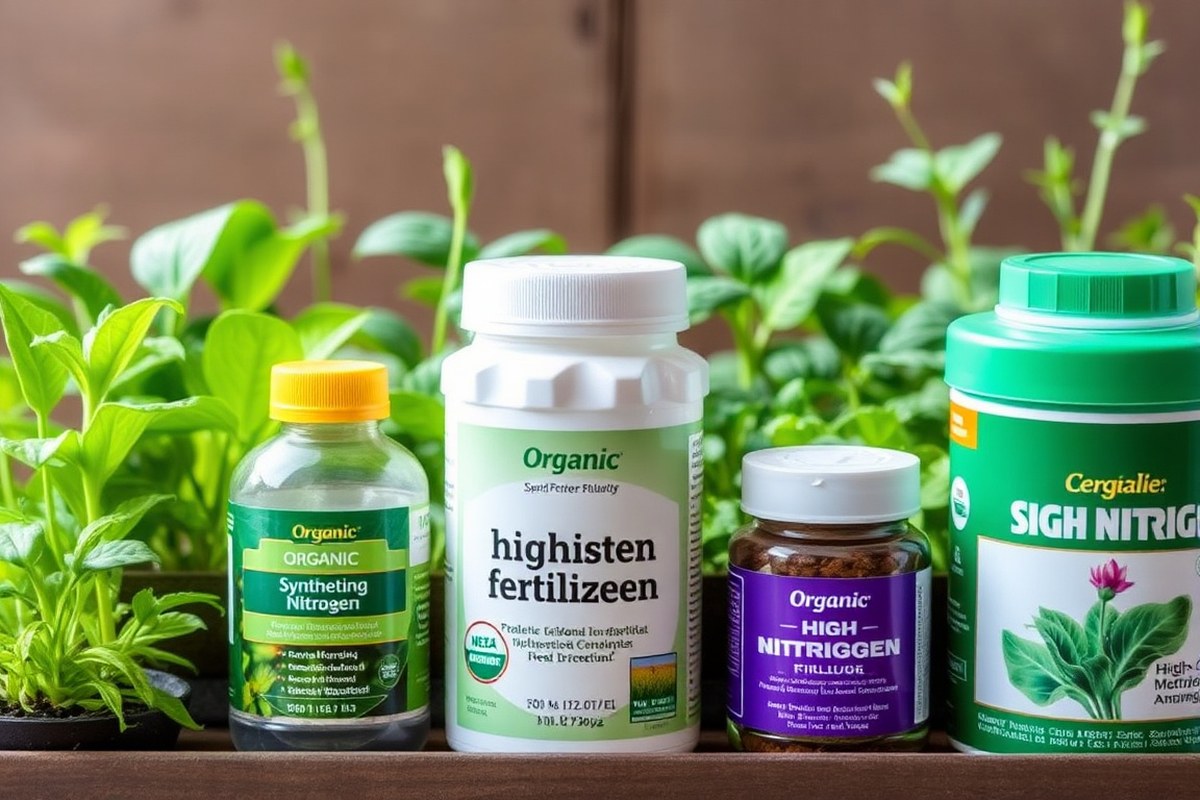
Urea and urea-ammonium nitrate are common fertilizers rich in nitrogen. Urea holds roughly 46% nitrogen, ranking it among the most concentrated types. Liquid urea-ammonium nitrate usually has 28% to 32% nitrogen, helping plants absorb it fast.
Organic options include hoof and horn meal with 12% to 14% nitrogen. Animal tankage at 7%.
These fertilizers release nitrogen slowly, lowering the risk of burning your plants. Slow-release nitrogen helps keep feeding steady and reduces the chance of nutrient runoff.
Start by checking the NPK ratio on your fertilizer label. Look for a ratio with at least 10% nitrogen, such as 10-2-4 or higher. That tells you the fertilizer is strong enough to boost leafy growth in your garden plants.
Key Takeaways
- Urea fertilizer offers the highest nitrogen level at about 46% concentration.
- Urea-ammonium nitrate liquid fertilizer contains 28% to 32% nitrogen for fast action.
- Organic hoof and horn meal delivers 12% to 14% nitrogen with slow release.
- Animal tankage provides 7% nitrogen as an organic feeding option.
- Check fertilizer NPK ratios; 10-2-4 or above means high nitrogen content.
- Use slow-release nitrogen fertilizers to avoid burning plants or nutrient waste.
Top Fertilizers That Are High in Nitrogen Content
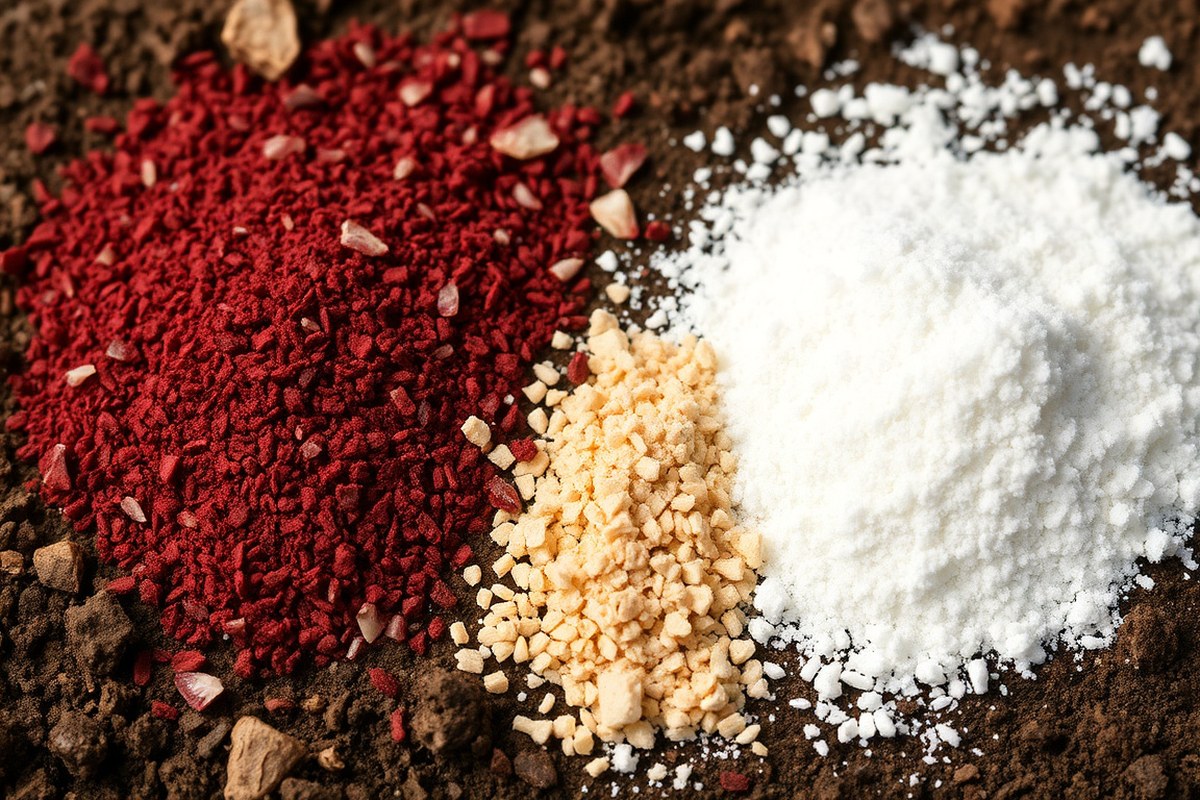
Fertilizers high in nitrogen supply plants with the protein fuel they need. They differ mostly in nitrogen percentage and how quickly plants absorb it. Natural ones often release nitrogen slower, feeding soil organisms alongside plants.
Some natural fertilizers pack more nitrogen by weight than others. Blood meal offers about 12-14% nitrogen. It breaks down in 6 to 8 weeks, giving a steady boost.
Hoof and horn meal also ranks high near 12-14%. Bone meal is lower, between 1% and 4%, mainly used for phosphorus but still adds nitrogen.
Synthetic fertilizers can give a quick, intense nitrogen dose. Urea leads with 46% nitrogen, ideal for fast action but easy to burn plants if overused.
Anhydrous ammonia tops even higher at 82% nitrogen, mainly for large-scale use with professional equipment. Liquid options like urea-ammonium nitrate deliver nitrogen at 28% to 32%, providing a middle ground.
| Fertilizer | Type | Nitrogen Content (%) | Notes |
|---|---|---|---|
| Urea | Synthetic | 46 | Highly concentrated, fast release, risk of burning plants |
| Anhydrous Ammonia | Synthetic | 82 | Highest nitrogen, requires special handling |
| Urea-Ammonium Nitrate | Synthetic (Liquid) | 28-32 | Liquid form, moderate nitrogen concentration |
| Blood Meal | Organic | 12-14 | Medium release over 6-8 weeks |
| Hoof and Horn Meal | Organic | 12-14 | Slow release, good nitrogen source |
| Bone Meal | Organic | 1-4 | Mostly phosphorus, adds some nitrogen |
| Earth High Nitrogen Fertilizer | Organic | 5 | Balanced, slow release |
Compare nitrogen levels to pick what suits your garden’s needs. Synthetic fertilizers like urea give a fast hit but need careful handling to prevent damage.
Natural fertilizers like blood meal supply nutrients slowly, improving soil health over time. The right choice depends on how fast you want results and your gardening style.
How to Read Fertilizer Labels to Understand Nitrogen Levels
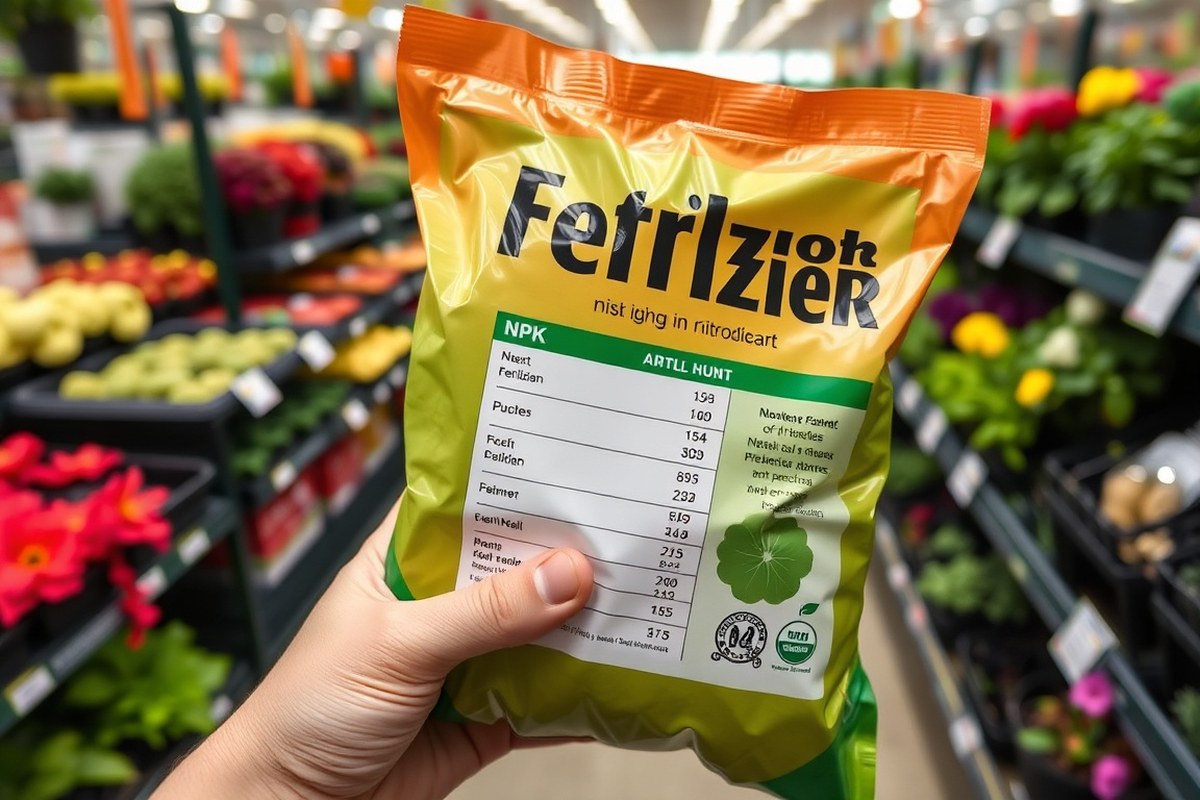
Look for the NPK ratio on a fertilizer label to find its nitrogen content. The first number shows the percent of nitrogen by weight. High nitrogen fertilizers usually have this number higher than phosphorus and potassium.
What NPK Ratios Indicate High Nitrogen
The NPK ratio represents the percentages of nitrogen (N), phosphorus (P), and potassium (K). For instance, a 10-2-4 ratio has 10% nitrogen and low phosphorus and potassium. A fertilizer with its first number much higher than the other two is high in nitrogen.
Common high nitrogen ratios are 20-0-10 or 46-0-0, which provide plenty of nitrogen. Ratios like 12-6-6 can also be high nitrogen if the first number is larger. This helps plants that need extra nitrogen without adding much phosphorus or potassium.
Interpreting Slow-Release and Quick-Release Nitrogen
Some labels break down nitrogen into slow-release and quick-release forms. Slow-release nitrogen feeds plants steadily over weeks while quick-release acts fast. For example, a fertilizer might say 20% nitrogen with 40% slow-release, meaning 8% is slow-release nitrogen.
Slow-release nitrogen reduces the risk of burning plants and lowers leaching into the soil. Quick-release nitrogen can make plants grow fast at first. But it can also burn plants if you use too much.
Avoid applying it too often to keep plants safe. Choose fertilizers with slow-release nitrogen for steady feeding.
This is best for lawns or vegetables that grow evenly. It helps avoid quick growth bursts and burns.
Example: Decoding a Typical Fertilizer Label
Here’s how to read a label like Almighty 20-0-10. The numbers mean 20% nitrogen, no phosphorus, and 10% potassium by weight.
This fertilizer has 40% slow-release nitrogen total. That means 8% slow-release and 12% quick-release nitrogen.
Follow these steps to decode your fertilizer label:
- Find the NPK ratio numbers on the front label.
- Identify the first number as the nitrogen percentage.
- Look for extra info on slow-release nitrogen beside or below the NPK ratio.
- Calculate slow-release nitrogen by multiplying the total nitrogen by the slow-release percentage.
- Subtract the slow-release from total nitrogen to get quick-release nitrogen.
- Check if nitrogen is higher than phosphorus and potassium for a high nitrogen fertilizer.
- Consider the release type to match your plants’ feeding needs.
Tip: Avoid high quick-release nitrogen fertilizers on young plants to prevent burning.
Plants That Benefit Most from High Nitrogen Fertilizers
Plants that need lots of nitrogen focus on growing strong leaves and stems. Leafy greens like lettuce, spinach, and kale quickly use nitrogen to stay lush and green. Vines such as cucumbers and squash benefit during their early growth before flowering starts.
Vegetables that produce large leaves or require rapid growth respond well to nitrogen. This includes asparagus and broccoli, which develop large leafy tops. High nitrogen also helps grasses in lawns stay thick and vibrant in spring.
- Leafy greens like lettuce and spinach need steady nitrogen for healthy leaves
- Vine vegetables such as cucumbers and squash use nitrogen for early growth stages
- Broccoli and asparagus rely on nitrogen for strong, leafy tops
- Lawn grasses benefit from nitrogen to grow thick and green quickly
- Young trees and shrubs need nitrogen to develop branches and foliage
Trees and shrubs often get nitrogen through slow-release formulas like fertilizer spikes. These support longer growth periods without overfeeding. Nitrogen feeds green growth but too much can stop flowers and fruit from forming well.
Annual flowers need less nitrogen and more phosphorus to bloom. High nitrogen favors leaf growth.
So switch to balanced fertilizers when your plants start to produce flowers. For best results, apply nitrogen fertilizers in spring and early summer during growth phases.
When and How Often to Apply High Nitrogen Fertilizer
Apply high nitrogen fertilizer during the plant’s most active growth stages. Usually, early spring and summer are best. Avoid overfeeding by waiting at least four to six weeks before reapplying.
Spring and Early Growth Applications
Spring offers the best opportunity for a first heavy dose of nitrogen fertilizer. Dormant plants begin to grow and require nitrogen to build healthy leaves and stems. Applying roughly 18 pounds of fertilizer to every 2,000 square feet suits both lawns and vegetable gardens.
For cool-season grasses like fescue and bluegrass, your first feed should be in early spring. Warm-season plants, such as Bermuda grass, need less during this time. Applying nitrogen too early on warm-season grasses can waste nutrients when they are still dormant.
Mid-Season Maintenance Feeding
High nitrogen fertilizer supports vegetative growth through midsummer. Warm-season plants grow fastest during these months and appreciate feeding every six to eight weeks. This boosts leaf production and keeps plants lush.
Vegetable gardens also benefit from slow-release nitrogen fertilizers now. They supply steady nutrients without risking a nutrient burn. Watch for yellowing leaves as a sign of needing more nitrogen.
Late Season and Fall Considerations
For cool-season plants, fall is another key feeding time. Applying a high nitrogen fertilizer in early fall promotes healthy root growth before winter. That helps plants green up quickly the next spring.
Warm-season plants should receive their last nitrogen application at midsummer. Avoid late-season feeding because it can delay dormancy. Slow-release options like crab meal work well if you want a mild boost in fall.
Follow these steps for best results with nitrogen fertilizer:
- Test your soil to understand its current nitrogen level.
- Apply high nitrogen fertilizer in early spring when plants begin to leaf out.
- Repeat feeding every 4 to 8 weeks during active growth, adjusting by plant type.
- Use quick-release nitrogen for lawns and slow-release for vegetable gardens.
- Avoid fertilizing warm-season grasses after midsummer to prevent growth delay.
- Feed cool-season grasses again in early fall to strengthen roots for winter.
- Watch plants for signs of nitrogen deficiency or excess, then adjust feeding accordingly.
Differences Between Organic and Synthetic Nitrogen Fertilizers
Organic fertilizers release nitrogen slower than synthetic ones. This slow release feeds plants longer and builds soil health by adding organic matter. Synthetic fertilizers deliver nitrogen fast, which is helpful when your garden needs a quick boost.
Organic options tend to have less nitrogen by weight. For example, feather meal offers 7-12% nitrogen and breaks down at moderate soil warmth. Soybean meal provides about 6.5% nitrogen plus phosphorus and potassium, making it balanced for many plants.
Synthetic fertilizers can supply very high nitrogen levels quickly. This helps fix nitrogen-deficient soils fast but can harm the environment if overapplied. Synthetic use takes careful measuring and timing to avoid polluting nearby water or damaging soil biology.
- Organic fertilizers release nutrients slowly over weeks to months.
- Synthetic fertilizers give nutrients all at once, working in days.
- Organics improve soil texture and support microbes long-term.
- Synthetics focus on feeding plants immediately but may harm soil life.
- Organics cost more per pound of nitrogen but enrich soil naturally.
- Synthetics cost less per pound and are easier to apply accurately.
- Use organics for sustained gardening and getting soil healthier.
Organic fertilizers fit best in gardens where soil health matters most. They are safer for long-term use and less likely to cause runoff problems. Apply organic fertilizer in spring or fall, mixing into the topsoil for best results.
Synthetic fertilizers work well when plants show nitrogen deficiency quickly. Gardeners needing fast greening or larger yields may prefer synthetics.
Use synthetic nitrogen carefully and follow label instructions. Test your soil first to avoid overfeeding.
Always follow product instructions exactly and avoid applying synthetic nitrogen before heavy rain to prevent runoff.
Common Symptoms of Nitrogen Deficiency in Plants
Yellowing leaves often show up first on plants missing nitrogen. This yellowing starts on older leaves lower on the plant and spreads upward. You might also spot slow growth or smaller leaves than usual.
Symptoms usually show within a couple of weeks if the soil lacks nitrogen. In lawns, yellow patches or thinning grass often appear quickly. Watch for stunted growth as well, which means your plant isn’t making enough leaves or stems.
To check if nitrogen is really the problem, compare your plant’s symptoms with common nutrient issues. Nitrogen deficiency affects older leaves first, unlike iron deficiency, which shows on new leaves. You can test soil nitrogen with kits at garden centers.
These kits usually cost $15 to $30. They help you check nitrogen levels easily at home.
- Older leaves turn pale or yellow before new ones
- Plant growth slows, leaves get smaller
- Yellow patches appear on lawns
- Leaf tips may brown or die back
- Soil test shows low nitrogen levels
Use photos from trusted gardening sites or seed packets to compare your plants. Narrowing down nitrogen deficiency helps you treat plants faster and avoid wasting fertilizer. Remember, too much nitrogen can cause other problems like weak stems or leaf burn.
Risks and Safety Tips for Using High Nitrogen Fertilizers
Applying too much nitrogen can quickly damage your plants. High nitrogen levels often cause nutrient burn, turning leaves yellow or brown.
Plants only absorb a specific amount of nitrogen. So overapplication wastes fertilizer and stresses your soil.
Excess nitrogen can also harm nearby waterways. Runoff from your garden can carry nitrogen into streams and lakes.
This leads to algae blooms that harm fish and reduce water quality. Keeping your nitrogen use in check helps protect the environment around your home garden.
To avoid burning plants, apply nitrogen fertilizers slowly and evenly. Never put fertilizer directly on plant leaves or too close to stems.
Mix it well into the soil. Water right after for better absorption and less risk of burning.
- Wear gloves and a dust mask during fertilizer application
- Keep fertilizers dry and sealed in a cool, ventilated spot
- Use only the recommended nitrogen amount based on soil tests
- Apply fertilizer in small doses, spread out over weeks
- Avoid fertilizing before heavy rains to stop runoff
- Never mix different nitrogen fertilizers without checking compatibility
- Keep fertilizers away from children and pets
Store high-nitrogen fertilizers in a sealed container to avoid moisture buildup. Moist conditions can cause fertilizers to clump or lose effectiveness. Fertilizer spills should be cleaned promptly with water to prevent damage or injury.
Follow your fertilizer’s label directions carefully. It includes safe application rates and timing specific to the product.
If unsure, consult local extension services or garden centers for tailored advice. Using the right amount at the right time keeps your plants healthy and your garden safe.
How to Choose the Right High Nitrogen Fertilizer for Your Garden
Start by matching the fertilizer to your plant type and growth stage. Leafy greens and lawns need more nitrogen during active growth to stay green and lush. Use a high nitrogen fertilizer with at least a 12-0-0 ratio for a quick boost.
Young plants and seedlings benefit from milder nitrogen doses. Choose a balanced fertilizer if they also need other nutrients like phosphorus or potassium. Check the fertilizer label to find one that fits your plant’s overall nutrient needs.
Deciding between liquid and granular nitrogen fertilizers depends on your garden routine. Liquids work well for fast absorption and are great for foliar feeding or small container plants. Granular types release nutrients slowly, which suits larger beds or lawns where steady feeding is better.
Apply liquid fertilizer every one to two weeks on actively growing plants. For granular fertilizer, spread it evenly around the base and water it in well. This helps avoid nitrogen burn and ensures the nutrients reach the roots.
Consider your personal preference for ease and cost. Liquids cost more but act quickly, making them good for last-minute fixes. Granular fertilizers are cheaper and last longer but take a few days to start working.
Watch out for overdoing nitrogen. Too much can cause excessive leaf growth with weak stems or delay fruiting in vegetables. Balance nitrogen with potassium.
That helps roots grow strong. It also boosts flowering and fruiting.
Test your soil to find its nutrient needs before choosing fertilizer. This helps avoid overfeeding and potential damage to your plants.
Organic High Nitrogen Fertilizers: Benefits and Top Choices
Organic fertilizers rich in nitrogen come mainly from animal and plant sources. They feed plants while improving soil health by adding organic matter. These sources vary in nitrogen content and how fast they release nutrients.
Animal By-Product Fertilizers
Animal by-products provide nitrogen with a medium release speed. These include manure, bone meal, and animal tankage. They also supply extra nutrients like phosphorus and potassium.
Animal tankage is a strong option with about 10% phosphorus and 0.5% potassium. Its medium nitrogen release helps feed plants steadily for weeks. This suits soils that need more than simple manure can offer.
Plant-Based Organic Nitrogen Sources
Plant-based sources like compost and green manure release nitrogen slowly. They improve soil texture and add beneficial microbes. Their nitrogen levels are usually lower but help maintain long-term soil fertility.
Composts release nitrogen gradually as organic matter breaks down over months. Cover crops fixed into the soil add nitrogen too. They act slower but support healthy soil biology.
Liquid Organic Nitrogen Options
Liquid organic fertilizers often combine fast and slow nitrogen sources. They let you feed plants quickly while keeping a steady nutrient flow. Some liquid formulas blend three nitrogen types, matching different release speeds.
For example, TPS Nutrients liquid fertilizer mixes slow, medium, and quick releases. This keeps grass green all growing season long. Some liquid organic options also include iron for healthier plants.
Here’s a table showing common organic nitrogen fertilizers, their nitrogen content, release speed, and extra nutrients:
| Fertilizer | Nitrogen Content (%) | Release Speed | Extra Nutrients |
|---|---|---|---|
| Animal Tankage | 10 | Medium | 10% Phosphorus, 0.5% Potassium |
| Manure | Varies (2-5) | Medium | Some Phosphorus, Potassium |
| Compost | Low (1-3) | Slow | Trace minerals |
| Green Manure | Low | Slow | Improves soil structure |
| TPS Nutrients Liquid | Varies | Slow, Medium, Quick | Some include Iron |
Most organic nitrogen sources have a slow or medium nutrient release. This avoids burning plants and improves soil over time. Liquid options can provide faster feeding, useful if you need quick results.
Step-by-Step Action Plan for Using High Nitrogen Fertilizers
Follow these steps to give your plants the nitrogen boost they need. Watch for healthy growth as a sign of success.
- Before planting: Test your soil to check current nitrogen levels. This helps avoid over-fertilizing.
- At planting time: Apply a balanced starter fertilizer with moderate nitrogen. Your plants will begin strong.
- Two weeks after planting: Check the leaves and growth. If leaves look pale or growth is slow, use a high nitrogen fertilizer. Look for deeper green leaves.
- Every 3 to 4 weeks during growing season: Apply high nitrogen fertilizer again. Base the amount on your plants’ needs. Avoid yellowing leaves that signal nitrogen loss.
- Mid-season: Switch to a fertilizer with less nitrogen and more phosphorus and potassium. This supports fruit and flower development.
- After harvest: Add organic matter like compost to improve soil nitrogen naturally for next season. Soil should feel richer and loamier.
- Always: Follow product label instructions to stay safe and protect your plants. Never apply more than recommended.
Frequently Asked Questions
What Is a Natural Fertilizer High in Nitrogen?
Blood meal and feather meal are natural fertilizers high in nitrogen. Blood meal contains about 12-14% nitrogen, making it great for fast green growth.
Can Bone Meal Be Used as a Nitrogen Fertilizer?
Bone meal contains some nitrogen but is mainly rich in phosphorus. Its nitrogen content is low, between 1 to 4%. Use it more for root development than nitrogen needs.
Are Slow-Release High Nitrogen Fertilizers Better for Lawns?
Slow-release nitrogen fertilizers feed plants gradually over weeks or months. This reduces the chance of burning and provides steady growth for lawns.
Is Urea the Highest Nitrogen Fertilizer Available?
Yes, urea has about 46% nitrogen, one of the highest concentrations. It’s a synthetic option often used in agriculture for quick nutrient delivery.
Can Houseplants Benefit from a High Nitrogen Fertilizer?
Houseplants usually need milder nitrogen levels like a 3-1-2 fertilizer. They don’t require as much nitrogen as lawns or vegetable crops.
What Organic Fertilizer Has the Highest Nitrogen Content?
Hoof and horn meal tops organic options with 12-14% nitrogen. It breaks down slowly, supplying nutrients over time to prevent burning plants.
Key Points to Remember
High nitrogen fertilizers help plants grow strong, green leaves fast. Start by testing your soil and choose a product that fits your plants’ needs. Watch for changes in leaf color and growth to decide when to feed again.