How to Care for Snake Plant: Complete Guide with Proven Tips and Varieties
How to care for snake plant starts with understanding its basic needs. This plant thrives with little fuss and grows well indoors with proper light and watering. It tolerates most temperatures between 65 and 90 degrees Fahrenheit.
Water your snake plant only when the soil is dry about 2 inches deep. Overwatering can cause root rot, so wait longer in cooler months. Use a pot with drainage holes to keep the roots healthy and avoid soggy soil.
Snake plants grow slowly but steady, so they don’t need frequent repotting. Change the pot every 3 to 5 years or when roots poke out of drainage holes. Simple care like this helps your snake plant stay green and strong for years.
Key Takeaways
- Water your snake plant every 2 to 6 weeks depending on soil dryness and season.
- Keep indoor temperatures between 65 and 90 degrees Fahrenheit for best growth.
- Pick a pot that is 1 to 2 inches bigger in diameter and has drainage holes.
- Repot every 3 to 5 years or when roots grow out of drainage holes.
- Wait until soil is dry 2 inches down before watering again.
- Avoid overwatering to prevent root rot and promote healthy roots.
How to Care for Snake Plant Indoors Successfully
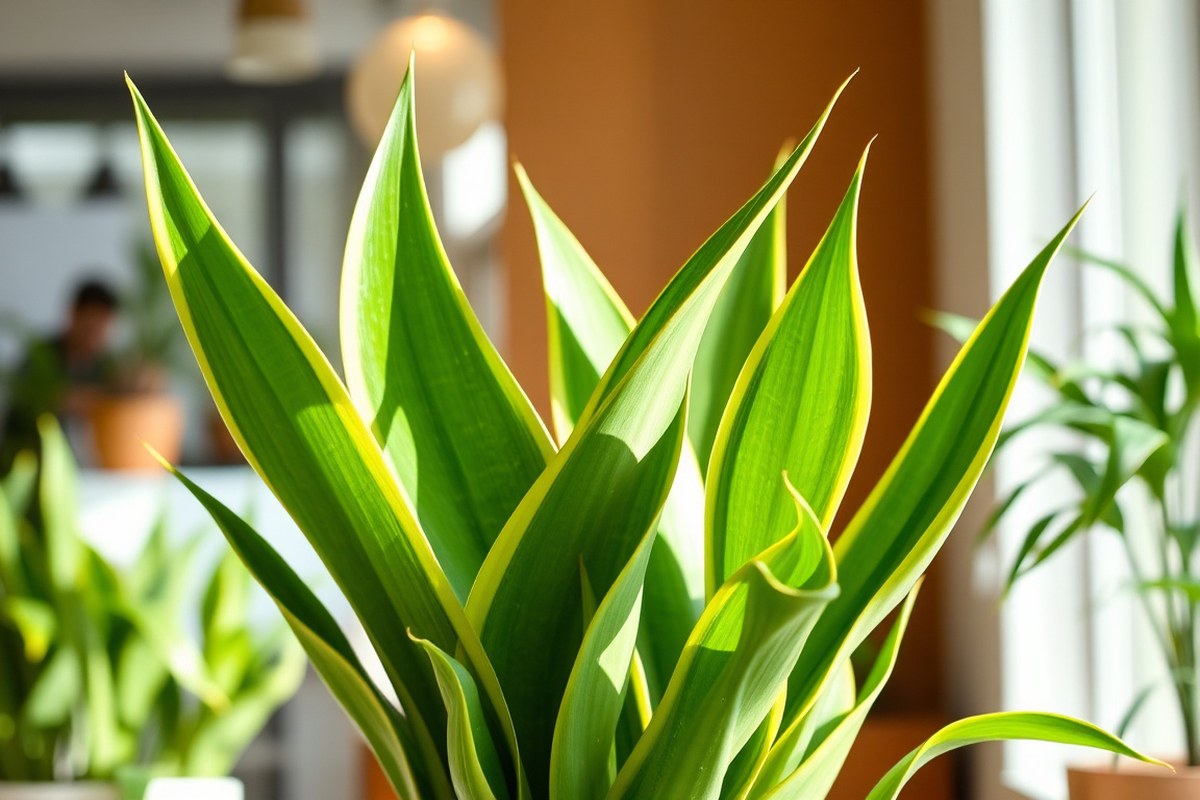
Snake plants need bright, indirect light to thrive indoors. Put yours near an east or north-facing window. They tolerate low light but grow slower without enough indirect sunlight.
Water your snake plant only when the soil is completely dry. In spring and summer, check the top 2 to 3 inches of soil before watering.
Use a chopstick or your finger to test dryness. Water deeply but drain excess water fully to avoid root rot.
In fall and winter, let the soil dry almost completely. Usually, that means watering once every two weeks or longer.
Snake plants store water in their leaves. So too much water causes mushy roots quickly.
Use fast-draining soil, like a mix of two parts cactus potting mix and one part perlite. This mix keeps roots from sitting in water. Pick a terracotta pot that has a drainage hole.
This helps excess water escape. It also lets air reach the roots.
Keep your snake plant indoors where temperatures stay between 60 and 75 degrees Fahrenheit. They tolerate up to 90°F but don’t like cold drafts below 50°F. Avoid placing your plant near heaters or air conditioners that create hot or cold spots.
Repot your snake plant every 2 to 3 years. This refreshes the soil. It also gives the roots room to grow.
Use fresh soil and a slightly larger pot. After repotting, water lightly and keep the plant in indirect light to settle in.
For best results, provide consistent care without overdoing it. Snake plants thrive on neglect more than constant attention. You’re doing well when new leaves begin growing.
The old leaves stay firm. They also stay upright.
Watering Your Snake Plant: When and How Much
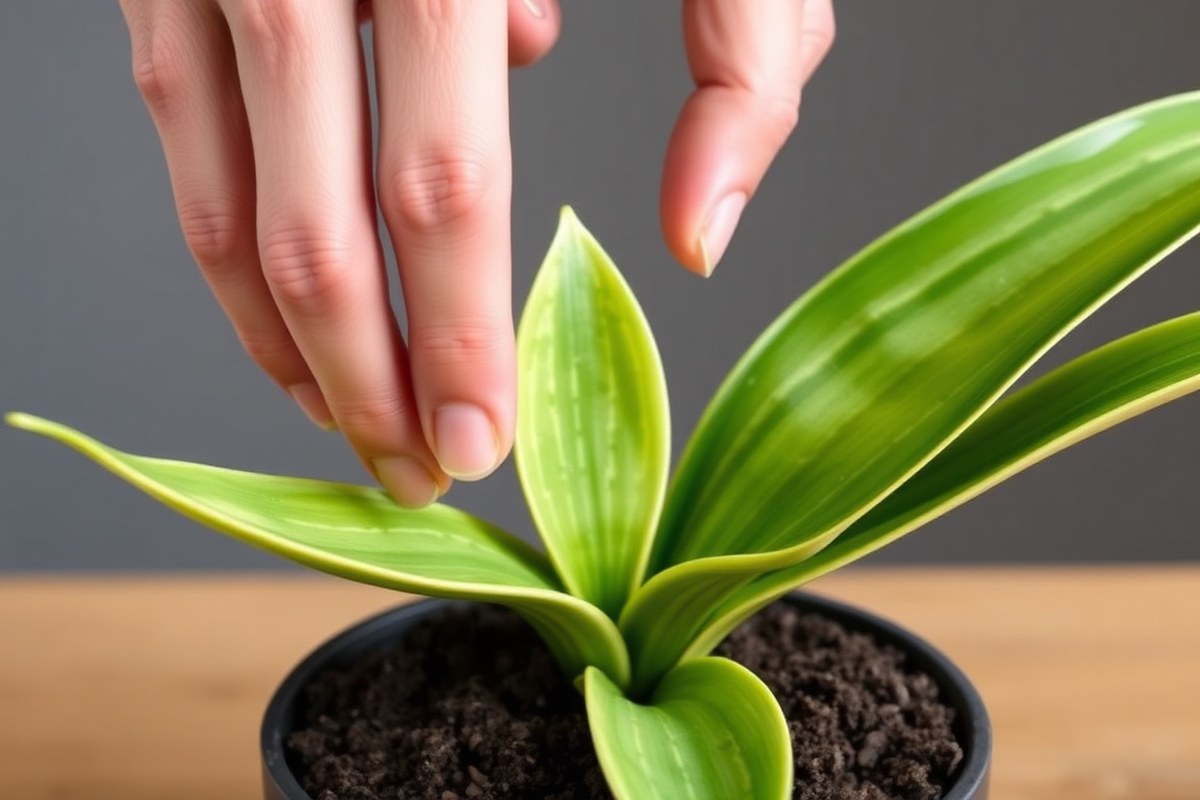
Water your snake plant every 2 to 6 weeks, adjusting with the seasons. In spring and summer, check the soil before watering.
Stick a finger about 3 inches deep. When the soil is dry, go ahead and water your plant.
During fall and winter, let the soil dry longer, watering every 4 to 6 weeks. Too much water invites root rot, which causes soft, mushy leaves and yellowing. Good drainage and soil that dries out help avoid this issue.
- Check soil moisture before watering, about 3 inches down.
- Water deeply but infrequently to keep roots healthy.
- Use well-draining soil to prevent water buildup.
- Avoid pots without drainage holes to stop water pooling.
- Look for yellow or mushy leaves as warning signs.
- Dry, crispy leaves usually mean your plant needs more water.
- Adjust watering with indoor humidity and temperature changes.
Use water at room temperature to water your plant. Pour it slowly. Keep watering until water drains from the pot’s holes.
Wait for the soil surface to dry out completely before watering again. Overwatering is the most common mistake, leading to root rot and leaf damage.
Never let your snake plant sit in standing water; dump excess to protect roots.
Drooping or leaning leaves mean you should check roots for rot. Trim any mushy roots, let the plant dry out, and repot it with fresh, dry soil. Avoid overwatering after repotting and allow the soil to dry completely first.
Choosing the Right Soil and Pot for Healthy Roots
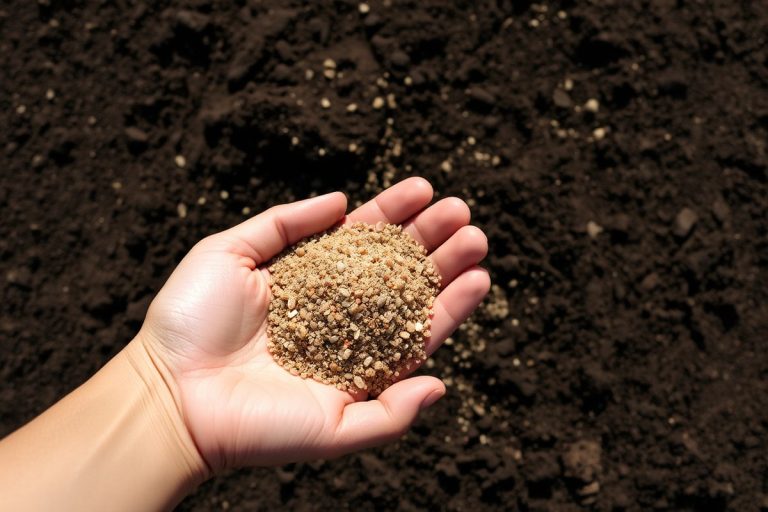
Use a well-draining soil mix. Mix two parts cactus or succulent soil with one part perlite.
This mix lets water pass through quickly, keeping roots from sitting in moisture. Avoid regular potting soil because it holds too much water and risks root rot.
Pick a pot with drainage holes to stop water from pooling at the bottom. These holes allow excess water to escape, which helps prevent soggy soil.
Plastic and terracotta pots both work. But terracotta breathes better and dries faster, lowering the chance of overwatering.
Choose a pot only 1 to 2 inches wider than your plant’s current container. Your snake plant will do better in a bigger pot.
Use an 8-inch pot for a 6-inch pot plant. A pot too large holds too much soil, delaying drying times and encouraging root problems.
Snake plants have strong roots that may crack fragile terracotta over time. Spot cracks in your pot? Switch to sturdy plastic pots.
You can repot every 3 to 5 years or when roots start pushing out drainage holes. Repotting refreshes the soil and lets roots grow comfortably.
Keep an eye on your soil’s texture after repotting. Good soil should feel light and crumbly, not dense or muddy.
Water pooling or slow drainage means it’s time to repot. Remove the plant, add more perlite or select a pot with larger drainage holes.
Small snake plants under 6 inches tall need small pots. Use containers that drain well to keep roots healthy.
Larger varieties split into bigger pots at each repotting. Balancing root space with soil moisture control helps your plant stay healthy and grow steadily.
Identifying and Caring for Popular Snake Plant Varieties
Snake plants come in several popular varieties that differ in size, leaf shape, and colour patterns. Some grow tall and slender while others stay small and compact. Their care needs vary slightly, mainly in space and light preferences.
Sansevieria Trifasciata ‘Laurentii’
This is the classic snake plant with green sword-shaped leaves and yellow edges. It can grow up to 4 feet tall, making it a striking floor plant. It thrives in bright indirect light but tolerates moderate shade well.
‘Laurentii’ is slow-growing and prefers well-draining soil with occasional watering. Its upright leaves need room to expand.
So plant it in a large pot or in open space. Watch for leaf tip browning if overwatered.
Bird’s Nest and Dwarf Varieties
The Golden Hahnii and Silver Hahnii varieties grow only 6 to 12 inches tall. They form tight rosettes of leaves that look like little bird nests. These are great choices for desks or shelves with limited space.
Bird’s Nest types handle lower light better but grow slowly. Their compact shape means you don’t need a deep pot. Water less often since the leaves store water well in these shorter forms.
Unique Varieties and Their Features
Starfish Sansevieria has fan-shaped, ringed leaves and looks very different from the usual tall types. It grows up to 18 inches and suits medium light spaces. Its unusual shape adds variety to any indoor plant group.
Common snake plants, like Dracaena trifasciata, have erect leaves with gray-green horizontal stripes. They tolerate low light but grow faster with bright indirect sunlight. These plants are easy to care for if you avoid direct sun, which can scorch leaves.
How to Repot and Fertilize Snake Plants Properly
Repot snake plants only when their roots fully fill the pot or the plant leans outward. Use a slightly bigger pot with good drainage and soil that drains well. Fertilize sparingly during growing months with a balanced, low-nitrogen fertilizer for best results.
Timing Your Repot
Snake plants like cramped spaces, so don’t rush to repot. Wait until roots start growing out of the drainage holes. Also, watch for leaves leaning away from the pot.
These signs show your snake plant needs more space. This usually happens every two to three years.
It occurs in spring or early summer. That’s when your snake plant’s growth speeds up.
Repotting late in the growing season or winter can stress the plant. Use warmer months to allow quick recovery and root establishment. Avoid repotting if the plant looks healthy and stable in its current pot.
Step-by-Step Repotting Process
Gather a pot just 1 to 2 inches wider in diameter with drainage holes. Pick a soil mix made for succulents or indoor cactus, which drains well. Handle the roots gently to avoid breaking them or damaging the rhizomes.
- Water the plant a few days before repotting to soften the soil and roots.
- Carefully slide out the plant and shake off old soil without pulling on leaves.
- Inspect roots and trim any dead or mushy parts with clean scissors.
- Gently separate rhizomes or offsets with your fingers. Make sure to keep their roots intact. This works well when you’re dividing the plant.
- Place a layer of fresh well-draining soil in the new pot bottom.
- Set the plant in the pot at the same soil depth as before.
- Fill around the roots loosely with soil, pressing lightly to hold the plant upright.
- Water moderately after repotting and place in bright, indirect light.
Don’t overwater right after repotting; allow roots time to adjust first.
Feeding Your Snake Plant
Snake plants grow in poor soils, so they need less fertilizer than many houseplants. Use a balanced liquid fertilizer like 10-10-10 or 20-20-20. Dilute it to half strength before feeding.
Apply once every 6 to 8 weeks in spring and summer. Avoid fertilizing in fall or winter.
Alternatively, use slow-release fertilizer spikes that feed your plant over several months. This method reduces the risk of overfeeding and makes care simpler. Cut back on feeding if leaf growth slows or colors pale.
Propagation Techniques to Grow New Snake Plants
Propagating snake plants is easy using leaf cuttings, division, or rhizome separation. Division works fastest and keeps variegation.
Leaf cuttings take longer but let you grow new plants from a single leaf. You’ll need patience, especially with leaf cuttings, which can take 6 to 10 weeks to root.
Leaf Cutting Propagation
Leaf cuttings let you grow new snake plants from a single leaf. The new plants may not keep the variegated patterns. This can happen because variegation isn’t always passed down this way.
It’s a creative way to multiply your plant if you only have one. Expect the process to take about 6 to 10 weeks for roots and shoots to form.
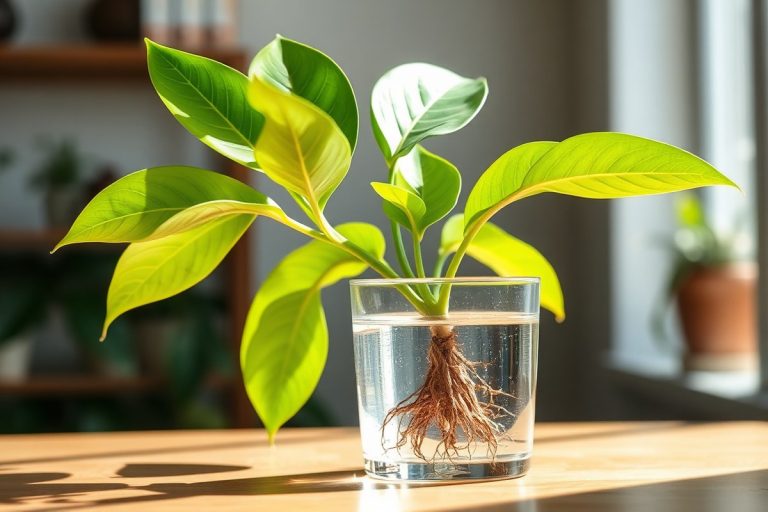
Place leaf cuttings in water or soil, depending on preference. Water propagation takes 4 to 8 weeks but loses variegation.
In soil, rooting takes longer but you skip transplanting. Keep cuttings in indirect light and room temperature to encourage growth.
- Cut a healthy leaf near the base with a clean knife.
- Let the cut end dry for a day to form a callus.
- Place the cutting in a glass of water or plant it in well-draining potting mix.
- Keep the soil slightly moist or change water every week, avoiding soggy conditions.
- Wait for roots to develop, typically 6 to 10 weeks.
- Once roots grow a few inches long in water, transfer the cutting to soil.
Division and Rhizome Separation
Division splits mature snake plants into smaller clumps, which root immediately. This method keeps your plant’s color and shape intact and produces ready-sized new plants. Rhizome separation works similarly by cutting underground stems to grow new rosettes.
Choose a plant with several “pups” or growth points. Take the plant out of its pot gently. Separate the roots with your fingers or a clean knife.
Be careful to avoid hurting the plant during this process. The new plants should have some roots attached so they establish quickly in pots.
- Remove the snake plant from its pot without damaging roots.
- Locate natural divisions or pups with roots and leaves.
- Use your hands or a sterile knife to gently separate sections.
- Plant divisions individually in pots with well-draining soil.
- Water sparingly and keep plants in indirect light for several weeks.
Caring for New Plants
New cuttings and divisions need careful care to avoid rot and stress. Keep soil lightly moist but not wet during rooting. Too much water can cause root rot, which kills young plants.
Provide bright, indirect light to encourage healthy leaf and root growth. Avoid direct sunlight, which may scorch tender new leaves. New plants take several weeks to adjust and start growing on their own.
After roots form, gradually water as you would mature plants. Monitor new plants for pests like spider mites, especially when the environment is dry. Ensure normal room temperature and humidity for the best results.
Recognizing and Solving Common Snake Plant Problems
Yellow or brown leaves on your snake plant usually mean watering issues. Overwatering causes yellow leaves by letting roots sit in soggy soil.
Underwatering leads to dry, crispy brown leaf tips and shriveled leaves. Watch the soil moisture and adjust watering to fix these problems.
Root rot shows as mushy, soft bases on the leaves. It starts when the soil stays too wet and air can’t reach the roots. To stop root rot, remove the plant from the pot.
Cut off all mushy roots with clean scissors. Be sure to clean your tools before cutting. Then, repot in fresh, well-draining soil and a pot with drainage holes.
Though snake plants resist many pests, mealybugs and spider mites can still cause trouble. Look for white fuzzy spots or very fine webbing on the leaves.
Use rubbing alcohol on a cotton swab to gently wipe pests off or apply insecticidal soap. Repeat every few days until the bugs disappear.
Here’s a quick checklist with common symptoms and how to act fast:
| Symptom Observation | Pathological Cause | Emergency Action |
|---|---|---|
| Mushy, yellowing base | Advanced root rot from anaerobic, perpetual wet soil | Unpot immediately. Discard all rotted roots. Deeply sanitize pot. |
| Dry, crispy brown tips | Severe underwatering plus heavy mineral salt buildup | Stop all fertilizer. Flush root zone with water to clear salts. |
| Wrinkled, accordion leaves | Severe dehydration draining succulent reserves | Place pot in a water-filled sink to soak the roots deeply. |
Stunted growth often comes from too little light or poor drainage. Snake plants need some indirect sunlight to grow well.
Depriving them of light can slow growth and raise root rot risk. Choose a spot with bright, indirect light to keep leaves patterned and healthy.
Address small pest issues quickly to avoid spread and damage. Clean the plant regularly to keep pests from settling in. Proper watering and light stop most problems early.
These help your snake plant grow well. You’ll have less work to do.
Outdoor Growth and Seasonal Care Variations
Snake plants can grow outdoors successfully in warm climates. They do well in hardiness zones 9 through 12, where temperatures rarely drop below 20°F (-6°C). Outdoors, they may grow faster due to greater light and space compared to indoors.
Outdoor care changes mainly involve managing light exposure and watering. Don’t place snake plants in direct afternoon sun. It can bleach leaves fast.
The leaves may burn within a few days. Instead, choose a spot with bright, indirect light or morning sun and afternoon shade.
Seasonal changes affect watering needs. Outdoor snake plants in sun need watering every 2 to 3 weeks. This depends on how much rain you get.
In summer, they dry out more quickly. Your plant in shade may need water just once a month. In winter, reduce watering further since growth slows down.
Cold is the biggest limit for outdoor snake plants. Prolonged exposure to frost or temperatures under 50°F (10°C) can cause browning or tip damage. Bring potted plants inside before the first frost.
Use frost protection if you can’t move them. This helps them avoid cold damage.
For planting in the ground, pick well-draining soil like sandy or rocky mixes. Raised beds can help prevent root rot during wet winters.
When outdoors, check the soil moisture by sticking a finger in the soil. Only water if the top 1 to 2 inches feel dry.
Never leave an outdoor snake plant in full, direct sun for long. Leaf burn can happen fast and ruin your plant.
Good outdoor snake plants have stiff, upright leaves that stay a rich green or variegated color. Brown tips often mean too much sun, cold damage, or erratic watering. Look for signs your plant needs change.
Move it or water less or more. This keeps it healthy all year long.
Step-by-Step Action Plan for Your Snake Plant
Follow these steps to keep your snake plant healthy and growing well indoors. Checking results helps you adjust care as needed.
- Day 1: Place your snake plant in bright, indirect light. Make sure leaves get enough light but avoid direct sun. Healthy green leaves show it’s happy.
- Week 1: Water lightly once the soil feels dry about 2 inches deep. Watch for firm leaves, not limp or mushy.
- Week 2: Check soil moisture weekly. Water only when dry to avoid root rot. Good drainage in the pot helps water flow out freely.
- Month 1: Use a well-draining potting mix, such as cactus soil. Plants growing steadily means roots are healthy.
- Month 2: Fertilize with a balanced, diluted houseplant fertilizer every 6 to 8 weeks. Strong growth and deep green leaves show success.
- Month 3: Look for new leaf shoots or offshoots. This signs healthy propagation starting.
- Every 6 months: Repot your plant when roots crowd the pot or soil breaks down. Choose a pot about 1 to 2 inches larger than current size.
- Ongoing: Watch for pests like spider mites or signs of overwatering. Early action saves your plant from damage.
Frequently Asked Questions
How Often Should I Rotate My Snake Plant for Even Growth?
Rotate your snake plant every few weeks to keep growth even. This helps all sides get light and prevents leaning toward windows.
Can I Use Tap Water for My Snake Plant?
Yes, tap water usually works fine for snake plants. Let the water sit overnight to reduce chlorine and help avoid leaf spots.
What’s the Best Light Level If I Don’t Have a Sunny Window?
Snake plants tolerate low to moderate light well indoors. Near a north window or bright indirect light spot is best when direct sun isn’t available.
Can Snake Plants Detoxify Indoor Air Effectively?
Snake plants help purify indoor air by removing some toxins. They improve air quality but shouldn’t replace good ventilation or air purifiers.
How Long Does It Take for a Propagated Snake Plant to Grow New Leaves?
New leaves usually start growing within 4 to 6 weeks after propagation. Keep the soil slightly moist and provide bright, indirect light for best results.
Should I Prune Dead Leaves from My Snake Plant?
Yes, trimming dead or damaged leaves keeps your plant healthy and neat. Use clean scissors and cut at the base with care.
Wrapping Up
Snake plants thrive with the right light, water, and soil care. Check your plant regularly and adjust as you learn. It’s easy to keep your snake plant healthy by staying consistent and patient.