Do Hyacinths Come Back Every Year? A Complete Guide to Reliable Blooms
Do hyacinths come back every year? Yes, they do because hyacinths are perennial.
They usually return to bloom year after year. They can reliably come back in most garden conditions with the right care.
Hyacinths need winter cold to bloom well in spring. Their bulbs require a chill period between about 35°F to 48°F for 10 to 14 weeks. If your local winter doesn’t provide this cold, hyacinths may bloom weakly or skip blooming.
Proper planting helps hyacinths return. Plant bulbs 4 to 6 inches deep and space them 5 to 6 inches apart. The right depth protects bulbs from frost and supports root growth.
Good soil drainage and sunlight are also important. Avoid waterlogged soil, which can rot bulbs. With these care steps, hyacinths can brighten your garden each spring.
Key Takeaways
- Hyacinths are perennial and typically come back every year in USDA Zones 4 and above.
- Bulbs need 10 to 14 weeks of chilling between 35°F and 48°F to trigger blooming.
- Plant hyacinth bulbs 4 to 6 inches deep to protect from frost damage.
- Space bulbs 5 to 6 inches apart to allow good air circulation and root growth.
- Well-drained soil prevents bulb rot and supports healthy perennial growth.
- Provide 6 to 8 hours of sunlight daily for strong blooms next spring.
Do Hyacinths Come Back Every Year in the Garden?
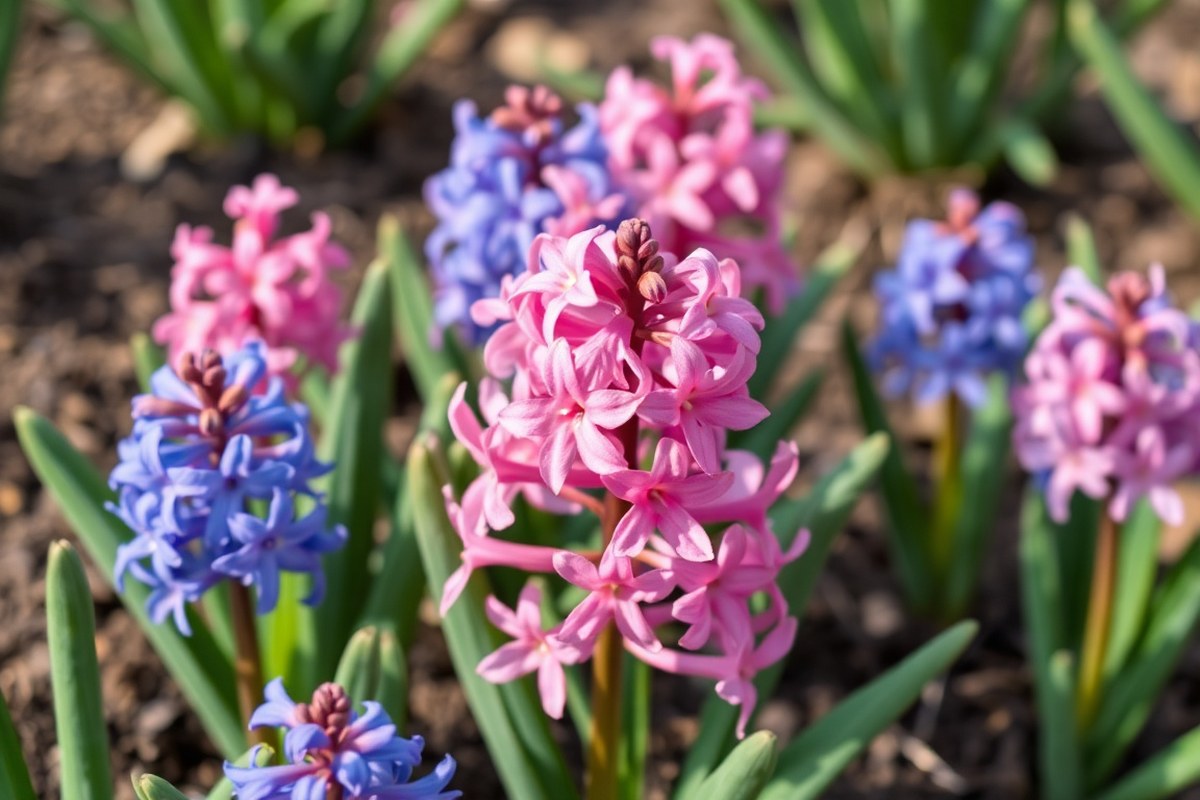
Hyacinths are perennial plants, so they typically come back every year in your garden. This is especially true in USDA zones 4 to 8. Winters there get cold enough to meet the chilling needs of hyacinths.
Under these conditions, hyacinth bulbs produce one flower spike each year. They can stay productive for three to five years. In some cases, bulbs last seven years or more if the growing conditions stay ideal.
The quality of hyacinth blooms often changes over time. You might notice that flowers become smaller and less fragrant after several seasons. This happens because the bulbs slowly lose energy after each bloom cycle.
Dividing and replanting the bulbs every few years helps keep flowers vigorous. By doing this, you can rejuvenate the plants and boost bloom size and scent again.
Your local climate matters a lot for reliable yearly blooms. Without enough winter chill, bulbs may grow leaves but produce weak or no flowers. Good soil and proper care also help bulbs store enough nutrients for next year’s blooms.
You may see the flower quality dropping. That could mean your garden conditions or care need adjusting.
Watching how bulbs perform in your spot gives the best idea. This shows how long they’ll keep coming back strong.
How Winter Cold and Chilling Affects Hyacinth Blooming
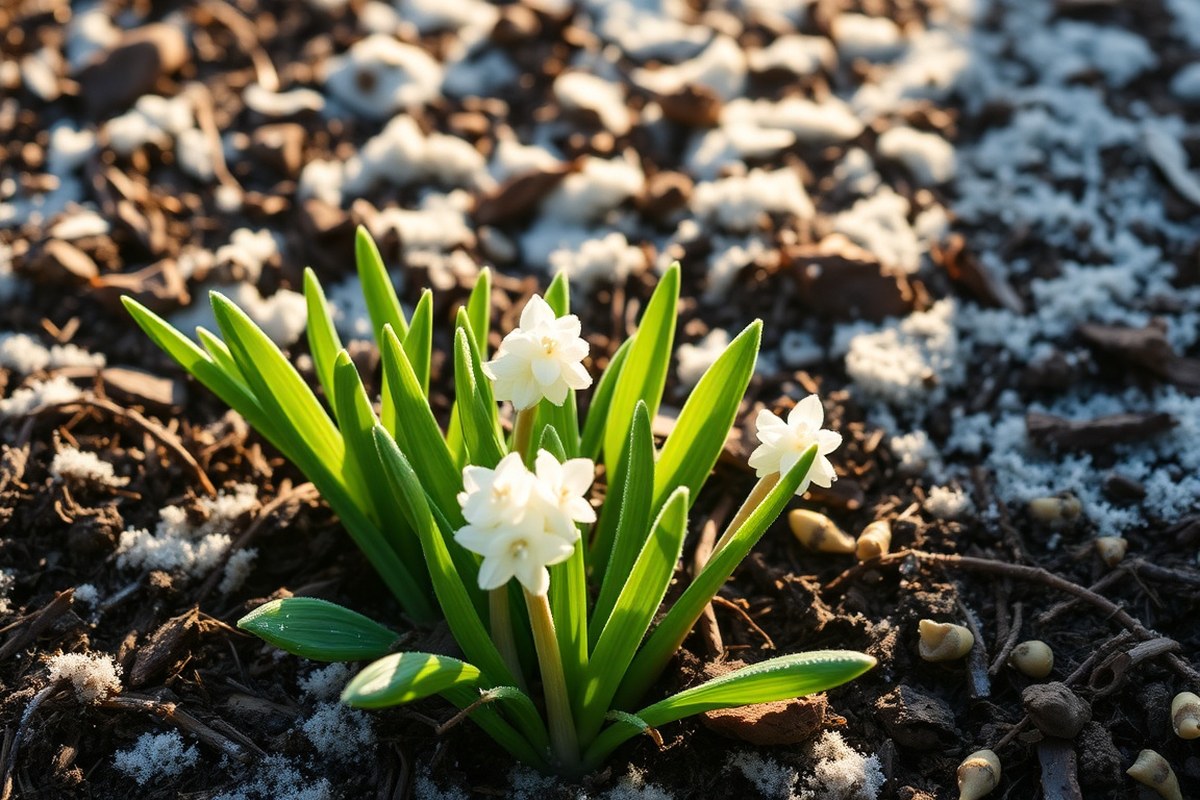
Hyacinths need a cold period to bloom well year after year. They need about 12 to 14 weeks of cold temperatures. The range should be between 40°F and 45°F (4°C to 7°C).
This cold triggers their flowers to start developing. This cold time is called vernalization.
It helps bulbs restart growing in spring. That refreshes their growth cycle each year.
In areas with mild winters, hyacinths often don’t get enough cold. When there isn’t enough cold, flower buds don’t form well. Without cold, they can fail to bloom the next year.
This stops the bulbs from flowering properly. Bulbs in warm areas below USDA Zone 8 face problems.
Winters there usually don’t stay cold long enough. That means the bulbs miss the chilling they need.
Providing winter mulch helps bulbs keep steady moisture and temperature levels. Use straw or shredded leaves around the bulb bed to insulate against temperature swings. Mulch stops bulbs from drying out or getting too wet.
It keeps soil moisture balanced during soggy weather. This balance supports healthy blooming.
Gardeners in warm climates can try pre-chilling bulbs indoors for 10 to 14 weeks before planting. Store bulbs in a fridge between 35°F and 48°F (2°C to 9°C). Keep them on bare shelves or inside breathable bags.
Avoid plastic bags that trap moisture. This method tricks bulbs into completing vernalization, encouraging strong spring flowers.
Cold winters naturally satisfy the chilling requirement. So hyacinths in northern zones usually return reliably.
Bulbs stressed by erratic weather, early leaf cutting, or overwatering may still struggle despite cold. Taking steps to control these factors also supports perennial growth.
Don’t cut back hyacinth leaves until they turn fully yellow. The leaves help bulbs store energy. This stored energy powers next year’s flowers.
Post-Bloom Care Steps to Ensure Hyacinths Return Next Year
To help hyacinths come back every year, care after blooming is key. Let the leaves die back naturally. Cut them at the right time.
Water less in summer and feed bulbs in early spring. This routine keeps bulbs healthy for future blooms.
Wait for Foliage to Yellow Naturally
After your hyacinth finishes blooming, the leaves start feeding the bulb through photosynthesis. Don’t cut the leaves too soon. Wait until they turn yellow and wither naturally.
Green foliage stores energy as carbohydrates in the bulb. Cutting leaves early stops this process and weakens the bulb for next year. Usually, leaf yellowing happens over several weeks after flowering.
Cut Back Foliage at the Right Time
Once all the leaves have turned yellow and are dry, trim them down to the base. Use clean, sharp scissors or garden shears. Avoid pulling leaves as you might disturb the bulb.
Cutting back post-yellowing allows the bulb to rest and enter dormancy. This step prevents pests and diseases that thrive on old leaves. It’s a neat way to prepare your garden bed for the next season.
Reduce Watering During Summer Dormancy
Hyacinth bulbs go dormant in summer after leaves die back. During this time, cut back watering to keep the bulbs from rotting. Water sparingly only if the soil becomes very dry.
Too much moisture encourages bulb rot and fungal problems. Dormancy usually lasts from late spring until fall planting time. Keep the soil mostly dry but not bone dry over summer.
Apply Fertilizer in Early Spring
Feed hyacinths in early spring, just as new shoots start to show. Use a balanced bulb fertilizer or one higher in phosphorus. This encourages strong roots and flowers.
Follow the label instructions for application. Use about 1 tablespoon per bulb.
You can also use 1 tablespoon per square foot of bed. You can also add fertilizer after flowering if the soil is poor.
Follow these steps to care for your hyacinths after blooming:
- Allow foliage to turn yellow and die back naturally (about 3-4 weeks post-bloom).
- Cut back the yellowed foliage close to the ground with clean scissors.
- Water the bulbs regularly during growth but reduce watering sharply once dormancy starts.
- Keep soil mostly dry during the summer dormancy to prevent bulb rot.
- Apply bulb fertilizer in early spring when shoots first appear.
- Repeat fertilizer application after blooming if recommended on the product label.
- Mulch lightly around bulbs without covering the crown to retain moisture and reduce weeds.
- Consider replacing bulbs every 3-5 years for continuous bloom quality.
Planting Depth, Spacing, and Soil Needs for Lasting Blooms
Hyacinth bulbs need to be planted 4 to 6 inches deep. Use a bulb planter or trowel to make the hole.
The flat part of the bulb should sit at that depth. The pointed end must face up.
Planting bulbs too shallow leaves them vulnerable to freezing and drying out. Plant bulbs too deep and they may struggle to sprout.
They can also bloom poorly. Maintaining that depth helps bulbs stay safe and produce strong flowers each spring.
Spacing the bulbs 5 to 6 inches apart gives them room to grow. Crowding bulbs can weaken them or stop them from blooming well the next year. Proper spacing also boosts air circulation, lowering disease risks.
- Plant bulbs 4 to 6 inches deep with pointed end up
- Space bulbs 5 to 6 inches apart for healthy growth
- Choose planting spots with full sun to partial shade
- Use well-drained soil to avoid wet, soggy roots
- Soil pH can be slightly acidic to neutral, around 6.0 to 7.0
- Heavy clay or constantly wet soils hurt bulb survival
- Loosen soil well to help roots spread easily
Hyacinths prefer soil that drains well and isn’t heavy or soggy. Poor drainage invites rot that kills bulbs slowly. Good soil drainage helps bulbs last for years and bloom reliably.
The ideal soil pH for hyacinths is roughly 6.0 to 7.0, which is slightly acidic to neutral. Most garden soils fall within this range.
Your soil’s acidity or alkalinity affects bulb health. Adjust the pH to help them grow better.
Grow hyacinths where they get plenty of sunlight or at least light shade. Around 6 hours of sun daily works best. Deep shade delays growth and weakens bulbs after blooming.
Differences Between Garden Beds and Pots for Hyacinth Perennial Growth
Hyacinths in garden beds and pots can both come back every year with the right care. Pots need more watering and protection from temperature swings. Garden beds offer stable conditions but require attention to soil and sunlight.
Temperature and Chilling Differences
Garden beds keep soil temperature steadier than pots do. Soil changes temperature slowly. This helps bulbs get the chilling they need.
The slow change supports blooming. Pots can heat up or freeze quickly, risking bulb damage.
Keep potted hyacinths in a cool spot during winter. Aim for around 35 to 48°F. This mimics natural chilling.
Move pots to sheltered areas during freezing weather to protect bulbs. Garden beds usually don’t need extra frost protection.
Watering and Soil Drainage Contrasts
Pots dry out faster than garden soil. So you need to water them more often.
Check pots every few days and keep the soil moist but not soggy. Overwatering risks bulb rot, especially in poor-draining pots.
Garden beds drain better if you plant hyacinths in loose, well-drained soil. You can water less often, about once a week during dry spells. Both pots and beds need soil that lets water flow through without pooling.
Fertilizing Needs and Growth Space
Hyacinths in pots need feeding more often because nutrients wash out with water. Use a balanced liquid fertilizer every two weeks during growing seasons. Garden beds supply more natural nutrients but also benefit from slow-release fertilizer in early spring.
Growth space matters more in garden beds where bulbs can spread. Plant bulbs 4 to 6 inches apart in beds. Use one bulb per pot for potted hyacinths.
Or group bulbs closely in a container. The container should be at least 6 inches deep.
Here’s a simple comparison between pots and garden beds for hyacinths:
| Factor | Garden Beds | Containers (Pots) |
|---|---|---|
| Temperature Stability | Steady; less freezing risk | Fluctuates; requires protection |
| Watering Frequency | Once a week in dry spells | Every 2-3 days; check often |
| Soil Drainage | Good with loose soil | Depends on pot material; ensure drainage holes |
| Fertilizer Application | Slow-release fertilizer in spring | Liquid fertilizer every 2 weeks |
| Sunlight Needs | Full to partial sun | Full sun preferred; adjust placement |
| Planting Space | 4-6 inches apart | One bulb per 6-inch pot or close grouping |
Sunlight affects how well hyacinths bloom each year. Garden beds often expose bulbs to steady sunlight, promoting stronger flowers. In pots, you can move plants to follow sun patterns or shade them on hot days.
Keep pot drainage good to prevent waterlogging and bulb rot.
What to Expect: Hyacinth Bloom Cycles and Quality over Years
Hyacinths bloom vigorously in their first year, showing full spike height and dense florets. This happens because the bulbs are packed with nutrients before planting. Expect a large, colorful flower spike that fills a good space in your garden or pot.
In the second year, bloom size often shrinks. Spike height usually drops too. They fall to about 85 to 90 percent of year one.
Floret density thins slightly too. Good care helps maintain bloom quality here. But the bulbs naturally lose some strength after the initial big bloom.
By the third and fourth years, you will likely see gradually smaller blooms and shorter spikes. The flowers get less dense, and the bulb’s energy fades. This decline happens because hyacinth bulbs generally last up to four years before their flowering fades.
Watch for weak or sparse flower spikes. Check for chipped or broken leaves. Also look for bulbs that seem soft or shriveled.
These symptoms mean the bulb is losing vitality. Replacing bulbs after three or four seasons keeps your blooms vibrant and consistent.
Excess moisture is a big risk for hyacinths in later years. Too much water can cause bulb rot, preventing any bloom at all. Be careful with watering to avoid soggy soil.
This is important during dormant seasons. Proper watering helps bulbs survive and bloom again.
Good soil drainage and moderate watering protect bulbs from rot. Mulching with materials that balance moisture helps, but avoid heavy, water-retentive mulches. Healthy bulbs maintain their flower spike height and floret density better over the years.
Expect a single main blooming period each spring. Hyacinths do not bloom more than once per year. Expect the biggest blooms to come early in spring.
Plan to enjoy the peak bloom then. Knowing this helps with timing your care. Subsequent years offer a modest decline.
Keep hyacinths healthy by checking their bulbs closely. Watch how they bloom each year. This helps you spot problems early.
Replace bulbs as quality drops to keep your garden bright and fragrant. This cycle, repeated properly, brings the best results over time.
Common Mistakes That Prevent Hyacinths from Returning, and Fixes
Removing hyacinth leaves too soon is a common mistake. It stops bulbs from saving food for next year. Let the leaves die back naturally to protect the bulbs.
Let the leaves die back naturally over 6 to 8 weeks after blooming. Cutting them too soon weakens bulbs and reduces chances they’ll return strong.
Poor soil drainage causes bulbs to rot during dormancy. Hyacinths need well-draining soil with a light, sandy feel. Water pooling or soaking soil for days harms bulbs.
They often fail to come back after that. Avoid leaving water standing near your hyacinths.
Managing summer dormancy means leaving bulbs undisturbed once leaves turn brown. Avoid digging or excessive watering. Excess moisture during dormancy invites rot and pests, which can kill the bulb before next spring.
- Leave foliage until fully yellow and dry, about 6-8 weeks post-bloom
- Plant in raised beds or amend soil with sand to improve drainage
- Water only during dry spells, never saturate soil in dormant months
- Divide crowded bulbs every 3 to 5 years to keep them healthy
- Protect bulbs from hard freezes with mulch in colder zones
- Discard any bulbs with soft spots or mold detected in fall
Division helps thin crowded clumps, giving bulbs more space and nutrients. Do this every few years in late summer when bulbs rest. Divide and replant healthy bulbs 4 to 6 inches deep, spaced 4 inches apart.
Hard freezes damage bulbs not deeply planted or poorly mulched. Add 2 to 3 inches of mulch after ground freezes for winter protection. You might not have time or your soil drains slow.
A professional can offer help with drainage and bulb care. They can guide you on the best fixes.
Recognizing Healthy Hyacinth Re-Emergence Each Year
Healthy hyacinths show clear signs when they’re ready to bloom again. You’ll see new green leaves appear first, followed by flower buds forming. Keeping the leaves until they yellow naturally helps store energy for next year.
Emergence of New Green Foliage
Look for bright green shoots pushing up from the soil in early spring. The leaves grow narrow and upright, usually reaching 6 to 8 inches tall soon after. Their fresh color and firm texture mean the bulbs are active and storing energy.
These leaves gather sunlight to feed the bulb below ground. Cutting them too soon stops this process and weakens future blooms. Keep leaves on until they turn pale yellow.
Then wait for them to wilt. This usually happens 6 to 8 weeks after flowering ends.
Formation of Flower Buds
Flower buds form inside the emerging shoot, giving it a slightly swollen tip. This shows the bulb is preparing to bloom again.
Buds show up 1 to 2 weeks after new shoots grow. They swell before opening into flowers.
Bulbs need cold temperatures between 40°F and 45°F for 12 to 14 weeks. This chilling period helps buds form during winter. Living in a warm place means bulbs might need chilling indoors.
This should happen before planting to get healthy buds. Without this, flower buds may not develop well or at all.
Overall Plant Vigor and Leaf Health
Strong, healthy leaves with no brown spots or wilting signal good bulb health. The plant should stand upright with thick stems supporting the flowers. Weak stems or yellowing before flowering can mean the bulb lacks stored nutrients.
After blooming, leave the green foliage alone so the bulb gathers food for next year. Once leaves have browned completely, gently cut them back to soil level. This lets the bulb rest while preserving its strength.
- Watch for fresh bright green leaves 4 to 6 weeks after soil warms.
- Check for swollen flower buds at leaf tips before blooming.
- Keep leaves intact until pale yellow and falling over naturally.
- Look for firm, upright stems supporting blooms well.
- Avoid cutting foliage too early to protect bulb energy stores.
- Remove dead leaves at soil level after browning finishes.
Only prune leaves after they fully yellow and die back, never before.
Step-by-Step Action Plan for Yearly Hyacinth Blooms
Follow these steps to help your hyacinths come back strong and bloom beautifully each year.
- After Blooming Ends: Cut flower stalks off but leave leaves. Leaves feed the bulb so it stores energy.
- Late Summer to Early Fall: Stop watering leaves once they yellow. Let leaves die naturally for 6 to 8 weeks.
- Late Fall: Dig up bulbs gently if your soil stays wet or freezes hard. Let bulbs dry in a cool, dark place.
- Before Planting in Fall: Check bulbs. Firm bulbs with no mold are healthy. Discard soft or rotten ones.
- Planting Time: Plant bulbs 4 to 6 inches deep. Space them 3 to 4 inches apart. Use soil that drains well.
- Winter Chill: Keep bulbs in soil through winter in cold areas to meet chilling needs. In warm zones, refrigerate bulbs for 12 to 14 weeks if not planted.
- Spring Growth: Watch for shoots to appear. Healthy leaves and flower stalks mean your care worked well.
Frequently Asked Questions
How Long Do Hyacinth Bulbs Live in the Soil?
Hyacinth bulbs can live and bloom for about 3 to 5 years. Bulbs can shrink or produce weaker flowers over time.
Replanting new bulbs every few years helps keep blooms vibrant. This refreshes your garden’s appearance effectively.
Can Hyacinths Survive Without Cold Dormancy?
Hyacinths need a cold period to bloom well the next spring. Without chilling for several weeks, they may grow leaves but fail to produce flowers. This mimics their natural winter rest.
Is It Normal for Hyacinth Flowers to Fade Faster After the First Year?
Yes, hyacinth blooms often lose strength after the first few years. The bulbs expend energy on growth, so flowers can get smaller or fewer. Supplementing with fertilizer helps support bloom strength.
Can You Divide Hyacinth Bulbs to Get More Plants?
You can divide hyacinth bulbs when they produce small offsets next to the main bulb. Separate these bulbs in late summer.
Replant them to grow new plants. They will flower in a couple of years.
Do Pests or Diseases Commonly Stop Hyacinths from Returning?
Bulb mites and fungal diseases can damage hyacinth bulbs. This harm may stop them from coming back.
Watch for signs and treat problems early. Good soil drainage and avoiding bulb damage reduce these risks.
Are Hyacinths Deer or Rabbit Resistant?
Hyacinths are generally deer and rabbit resistant due to their strong scent and toxicity. They’re a good choice if you have issues with these animals nibbling other plants.
The Bottom Line
Hyacinths often return when you give them proper care and winter chill. Focus on letting leaves die naturally and planting bulbs at the right depth. Test your bulbs each fall and prepare now for next season’s blooms.