How to Trim Overgrown Shrubs: Complete Guide for Healthy, Beautiful Plants
How to trim overgrown shrubs depends on their type and size. Start by cutting dead or damaged branches with sharp, clean tools. This opens space and reveals the shrub’s natural shape while preventing disease spread.
Cut back thick, crowded stems to improve air flow and light. Use loppers for medium branches and a pruning saw for limbs over two inches. Wear gloves to protect hands from scratches and sap.
Trim shrubs in early spring before new growth begins for most types. This timing helps the plant heal quickly and grow stronger. Avoid trimming in late fall as plants prepare for winter dormancy.
Trimming keeps shrubs healthy and stops them from crowding nearby plants. Don’t cut too much at once to avoid unnecessary stress. For large or old shrubs, trim in stages to reduce shock.
Key Takeaways
- Use sharp loppers for branches up to 2 inches thick.
- Employ a pruning saw for limbs thicker than 2 inches.
- Cut back crowded stems to improve air circulation and light.
- Prune deciduous shrubs by removing oldest stems every 2 or 3 years.
- For very overgrown shrubs, trim back to 4-6 inches in early spring.
- Rejuvenation pruning should only be done every 3-5 years.
How to Trim Overgrown Shrubs Safely and Effectively
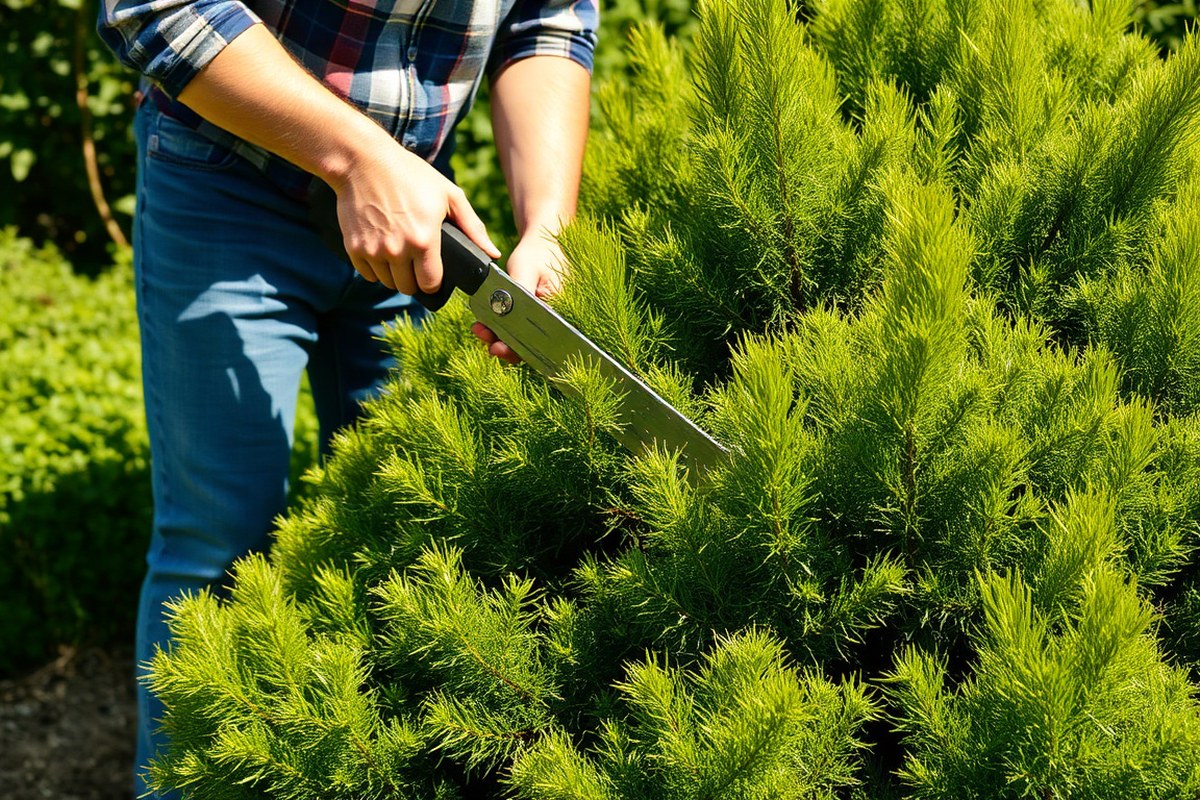
Trimming overgrown shrubs takes careful planning and attention to safety. Choose a calm day and wear gloves and eye protection. Avoid loose clothing and clear the area of obstacles to work safely.
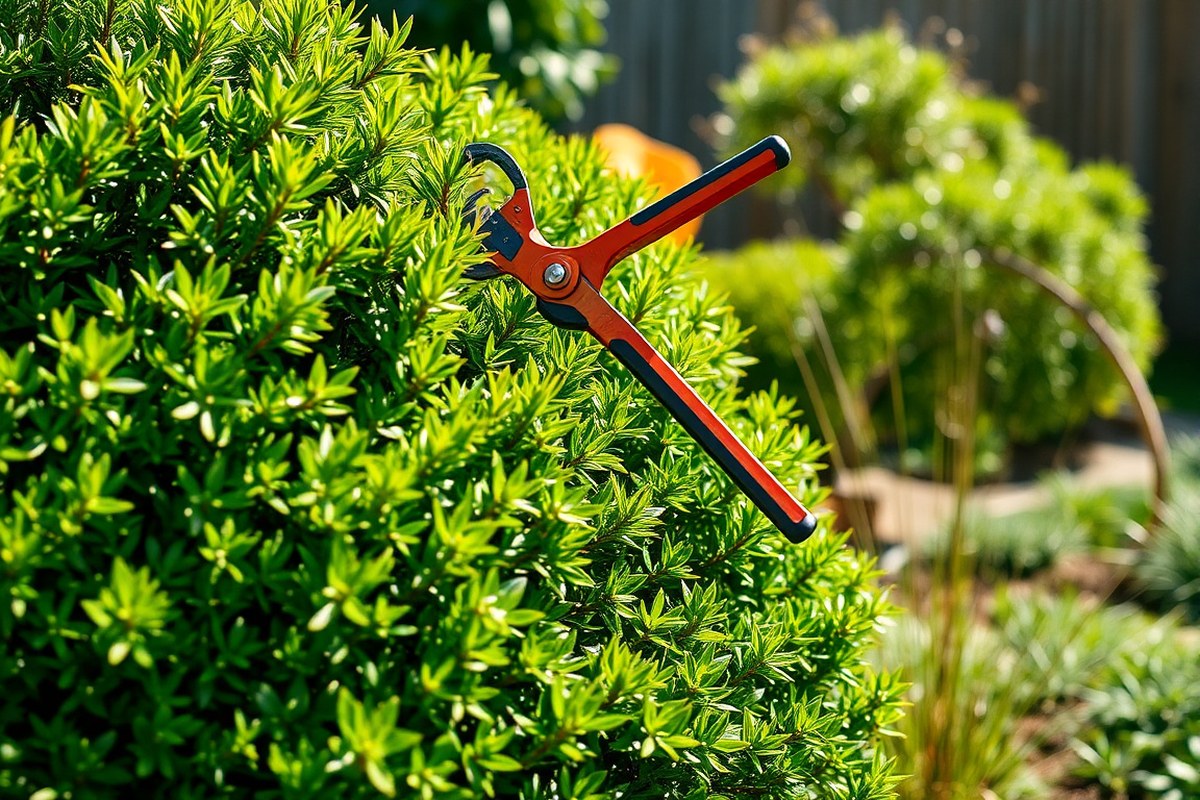
Use sharp, clean tools made for your shrub’s size. Pruning shears work well for small branches. Loppers are better for thick branches.
Stand on stable ground to keep your balance. Avoid cutting too much at once to prevent shock to the plant.
- Assess the shrub’s shape, health, and size before trimming.
- Remove any dead, damaged, or diseased branches first.
- Cut back overgrown branches gradually, not more than one-third at a time.
- Trim branches at a slight angle about 1/4 inch above a leaf node or bud.
- Thin the shrub by cutting inward to open the center for sunlight and air.
- Step back often to check your progress and maintain a natural shape.
- Clean up all cut branches to avoid pests or diseases spreading.
Taking it slow and steady causes less stress to your shrub. Cutting too aggressively can harm or kill parts of the plant. For very large or old shrubs, spread pruning over several seasons to allow recovery.
Keep safety in mind by wearing sturdy shoes and eye protection. Avoid working above your head to reduce fall risk. Sharp tools must be handled carefully and stored securely after use.
Choosing the Right Tools for Overgrown Shrub Pruning
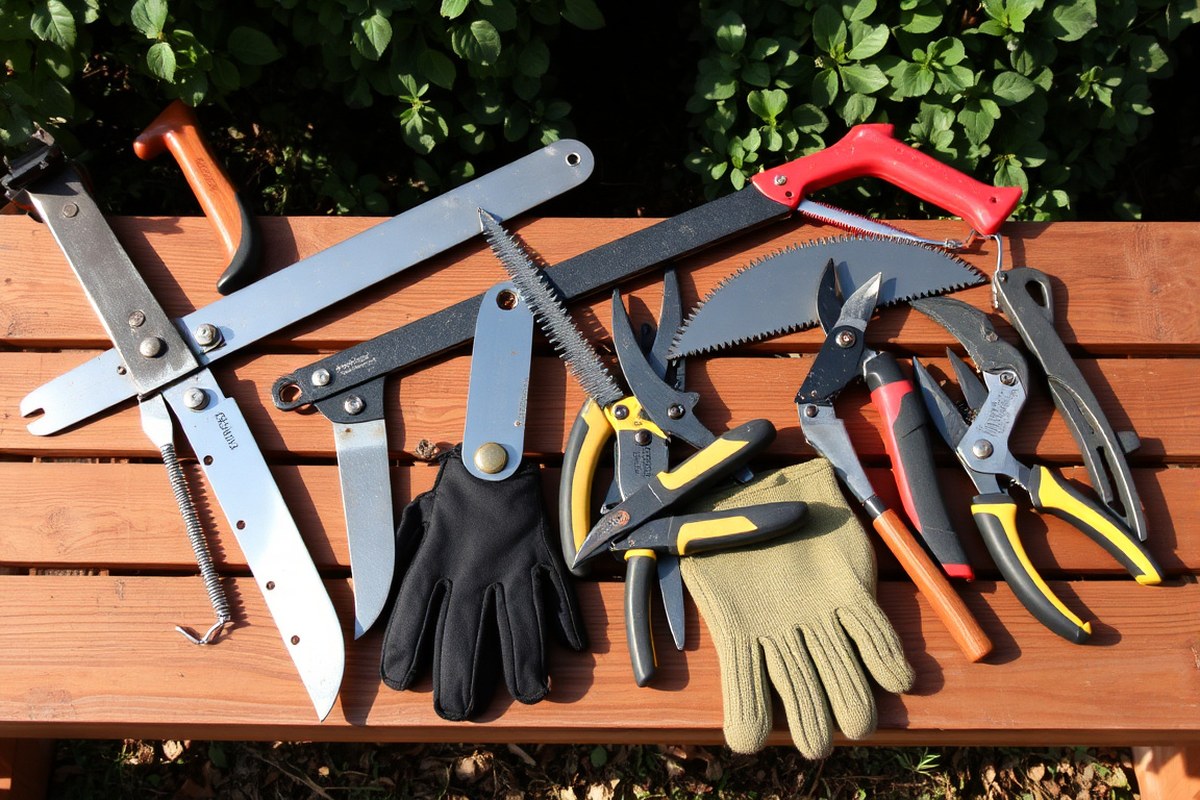
Choosing the right tools makes trimming overgrown shrubs safer and easier. Thin branches under 1/4 inch need hand pruners, which cut cleanly without crushing stems. For thicker branches between 1/4 and 1 inch, loppers offer more use.
Branches thicker than 1 inch require a pruning saw. It cuts through tough wood without tearing the bark.
Knowing your shrub type helps, too. For dense evergreens, sharper, sturdier tools avoid damaging needles or stems.
| Tool | Branch Thickness | Best Use | Typical Cost |
|---|---|---|---|
| Hand Pruners | Up to 1/4 inch | Thin stems, precise trimming | $15 – $40 |
| Loppers | 1/4 inch to 1 inch | Medium branches, more use | $25 – $70 |
| Pruning Saw | Over 1 inch | Thick branches, heavy cutting | $15 – $50 |
Sharp, clean tools prevent injuries and protect plant health. Before you start, oil pivot points and wipe blades with rubbing alcohol to remove sap.
Dull blades crush branches, which slows healing and invites disease. A sharp tool makes straight cuts, helping shrubs recover faster.
For large shrubs, having multiple tools ready speeds the process. Use hand pruners to thin out small growth on plants. Switch to loppers for medium branches you can’t cut with pruners.
For big limbs, use a pruning saw designed for thick wood. That way, you won’t waste time awkwardly trying to cut thick wood with the wrong tool.
Avoid cutting dead branches with dull tools; it can damage live wood underneath.
Regular maintenance of your tools will save money on replacements. After pruning, clean all blades with soapy water and dry them well.
Store tools in a dry place to prevent rust. Annual blade sharpening keeps your pruners and loppers working smoothly all pruning season.
When Is the Best Time to Trim Different Types of Shrubs?
Timing your pruning depends on the shrub type and its growth cycle. You want to trim at the best moment to avoid cutting off blooms or new growth. Knowing when shrubs grow and flower helps you plan trimming.
This keeps them healthy. It also makes them look good.
Deciduous Shrubs Timing
Deciduous shrubs lose their leaves in winter and go dormant. This pause lets you prune most of them in late winter or early spring. Waiting until buds start to swell helps avoid damaging new growth.
For heavy cuts or rejuvenation pruning, late winter is best. This timing gives the plant time to recover and sends strong new shoots.
Some deciduous shrubs bloom on old wood. So prune those right after flowering, not late winter.
Evergreen Shrubs Timing
Evergreen shrubs keep leaves year-round, so you must prune carefully. Most do fine with light trimming in early spring before growth picks up. Avoid heavy pruning unless you know the shrub tolerates it well.
Evergreens like rhododendrons grow slowly and rarely need pruning at all. Over-pruning evergreen shrubs can stress them and reduce their lifespan. Hard pruning on evergreen types usually delays flowering by a couple of years.
Flowering vs Non-Flowering Pruning Schedules
Flowering shrubs need special timing based on when they bloom. Spring-flowering shrubs like lilacs and azaleas bloom on old wood. Cut them right after flowers fade to avoid cutting off next year’s buds.
Non-flowering shrubs can be pruned in late winter or early spring. Shrubs that bloom on new growth also fit this schedule. This timing supports strong growth and flowers.
Renovation pruning on flowering shrubs can take two to three years to see blooms come back. Watch each shrub’s growth habits to adjust timing.
Here is a quick pruning timing guide by shrub type to help you plan your trimming:
| Shrub Type | Best Pruning Time | Flowering on Old or New Wood |
|---|---|---|
| Lilacs, Azaleas | Right after flowering (spring) | Old wood |
| Deciduous Shrubs (general) | Late winter or early spring | New wood |
| Evergreen Shrubs (slow growers like Rhododendrons) | Early spring, light pruning | New wood mostly |
| Non-flowering shrubs | Late winter or early spring | N/A |
Knowing your shrub’s type and bloom cycle helps you pick the right pruning time. Pruning at the wrong time can cut off next year’s flowers or weaken the plant’s growth. Watch for signs like blooming and leaf-out to guide your trimming schedule.
Signs Your Shrub Needs Rejuvenation or Heavy Pruning
Overgrown shrubs often show clear signs that they need heavy pruning or rejuvenation. Check for crowded branches and sparse new growth. Look for dead or diseased wood.
These signs show the plant isn’t healthy. Shrubs that have lost their shape benefit from renovation pruning. They also help if blocking windows or walkways.
Before cutting back, check if your shrub can handle such a drastic trim. Not all plants respond well.
Lilacs take several years to bloom after heavy pruning. Unhealthy shrubs might not survive pruning at all.
Use this diagnostic checklist to decide if your shrub needs rejuvenation pruning:
- Branches crossing or rubbing against each other
- Less than half of the plant producing new shoots
- Wood looks dry, brittle, or discolored
- The shrub is much larger than the space allows
- Flower or leaf production has dropped noticeably
- Growth is leggy with bare stems at the base
Before you start, consider how strong the shrub is. Hardy shrubs like some deciduous types can often be cut back all at once. When unsure, prune shrubs in stages over several years.
This helps avoid shock to the plant. Plan to spend time watching the shrub’s recovery over the following seasons.
Keep in mind that some shrubs simply don’t recover well from heavy cuts. Junipers and yews, for example, rarely sprout new growth if pruned too hard.
Always research your specific shrub variety or err on the side of slow trimming. The goal is to keep the plant healthy while bringing it back into shape gradually.
Different Methods to Prune Overgrown Deciduous and Evergreen Shrubs
Different shrubs need different pruning methods for best health and shape. Deciduous and evergreen shrubs respond best to specific cuts. Adjust how much you cut back based on the shrub type and growth stage.
Pruning Deciduous Shrubs
Deciduous shrubs respond well to hard pruning since they lose leaves in winter. Start by removing dead or weak branches near the base. Cut all stems 4 to 8 inches from the ground or to a low branch.
This encourages new growth and keeps the shrub full in spring. Avoid cutting into old wood that no longer produces new shoots. You can prune severely by cutting back most stems to 6 inches tall for rejuvenation.
Pruning deciduous shrubs in late winter or early spring suits their growth cycle best. The shrub may look bare but quickly regrows new shoots.
Pruning Evergreen Shrubs
Evergreens don’t tolerate hard cutting as well as deciduous shrubs do. Instead, prune selectively by trimming branches above low side shoots. This prevents large open gaps where new growth won’t fill in.
Cut back just the outer portions, shaping from the top down. If an evergreen is very overgrown, you can prune up by removing lower branches to open the center, encouraging light and air inside.
Keep cuts small, about 4 to 8 inches back from the current growth. Avoid cutting broad sections down to stubs, since many evergreens won’t regrow from old wood.
When to Prune Hard or in Stages
Severity depends on shrub health and your goals. You can prune deciduous shrubs deeply all at once if they’re healthy and dormant. This removes most of the old wood to encourage fresh shoots.
Evergreens should be pruned in stages to avoid stress. Remove no more than one-third of the shrub at a time. Prune an overgrown shrub slowly over 2 to 3 years for best recovery.
Delay very hard pruning until late winter or early spring to avoid frost damage. Give shrubs proper care after pruning to support regrowth.
Cutting back into dead wood on evergreens creates large gaps and often kills the branch.
| Shrub Type | Pruning Cut | Cut Length | Timing | Cut Severity |
|---|---|---|---|---|
| Deciduous | Cut to low branches or ground | 4-8 inches (10-20 cm) | Late winter/early spring | Hard cuts allowed |
| Evergreen | Trim outer growth, prune up branches | 4-8 inches back from growth | Late winter/early spring | Light to moderate cuts, staged |
How to Trim Very Large or Excessively Overgrown Shrubs in Stages
Trimming very large or overgrown shrubs all at once can shock or damage the plant. Instead, prune in stages over at least two to three years. This gradual approach helps keep the shrub healthy while reducing its size without stress.
Assessing Shrub Size and Health
Start by checking the shrub’s overall health and size. Look for signs of disease or weak branches to avoid cutting healthy parts unnecessarily.
Measure the shrub’s height and width to decide how much you want to reduce. Large, dense shrubs generally need several pruning sessions.
Planning a Multi-Year Pruning Schedule
Plan your pruning over several sessions. Cut only a third of the shrub each time to keep it healthy. Break the work into smaller steps to make it easier.
Try pruning in late winter or late summer when growth slows. So the shrub has time to recover before growing again. Here is a step plan you can follow:
- Mark sections of the shrub you want to trim first, focusing on the most overgrown areas.
- Start by cutting the biggest branches. Remove no more than one-third of them in the first session. This helps the shrub avoid shock and recover well.
- Remove any dead or diseased branches fully during each session to improve health.
- Schedule the next pruning session at least six months later to let the plant recover.
- In subsequent sessions, continue reducing size in stages, always leaving some green foliage.
- After the main reduction phase, prune annually to maintain shape and control growth.
Monitoring Recovery Between Sessions
Watch the shrub for new growth and signs of stress after pruning. Healthy shoots between cuts show the plant is recovering well.
Branches that seem weak or slow to grow need more time to heal. Wait longer before making more cuts.
Let the shrub rest to regain strength. Rushing can damage the plant permanently.
Proper Aftercare to Help Shrubs Recover After Pruning
After pruning overgrown shrubs, the right care helps them bounce back quickly. Water them well, especially during dry days, to ease stress and support new growth. Mulching keeps soil moist longer and stops weeds that compete for water and nutrients.
Adding soil amendments like compost improves nutrient supply and soil texture. This creates a friendly environment for roots to spread and absorb what they need.
Too much fertilizer can burn roots or cause weak growth. So use a balanced, slow-release type according to package directions.
- Water deeply right after pruning and keep soil moist for weeks
- Apply 2 to 3 inches of mulch, keeping it 3 inches away from the trunk
- Add compost or aged manure around roots to nourish soil
- Watch for signs of stress like wilting or discolored leaves
- Avoid fertilizing heavily during immediate recovery, wait 4 to 6 weeks
- Trim dried or damaged branches again if needed
- Keep foot traffic low around the shrub to protect roots
Recovery time varies by shrub species and pruning severity. Moderate pruning generally heals in a few months. Heavy cuts may take six months to a year to fully regrow.
You should prune regularly every 2 to 3 years. This lightens the plant’s load. It also lowers stress and stops fast regrowth problems.
Keep an eye on watering during hot or windy days. Shrubs suffering from drought stress are slower to recover.
New shoots might dry out or fall off. Proper aftercare builds a strong root system and fuller, healthier branches in following seasons.
Common Mistakes to Avoid When Trimming Overgrown Shrubs
Cutting too much at once harms your shrub. Take off just one-third of the branches yearly. This helps leaves keep feeding the plant for regrowth.
Trimming during peak summer heat or late fall can shock shrubs. Aim for early spring or late winter instead. This timing lets shrubs heal and grow while weather cools or warms.
Some shrubs don’t bounce back from heavy pruning. Examples include azaleas and rhododendrons, which flower on old wood. You risk losing blooms for a whole season or more if cut hard.
Light trimming won’t fix severe overgrowth. You need staged pruning over 2 to 3 years on big shrubs. Clear no more than a third of growth yearly to avoid stressing the plant.
Watch out for cuts too close to the main stem. Leave a half-inch of branch stub to prevent infection. Use sharp shears to make clean cuts that heal quickly.
Avoid pruning budding or flowered branches to preserve blooms and encourage healthy growth.
Rejuvenation works best on many deciduous shrubs like forsythia and spirea. Prune hard in early spring when many shrub branches are dead or thin. Let new shoots fill in through summer.
Replacement might work better if your shrub is mostly dead. Weak sprouts also mean replacement is a good option.
Use this rule: check your plant by mid-spring. If less than 50% grows healthy, think about removing it.
Step-by-Step Action Plan to Trim Overgrown Shrubs
This plan helps you trim your shrubs safely and bring them back to shape. Follow each step and check your progress as you go.
- Before you start: Gather sharp pruning shears, loppers, and gloves. Make sure tools are clean and sharp for clean cuts.
- Day 1: Remove dead or damaged branches first. You’ll see healthier wood underneath and more space for growth.
- Day 2: Thin out crowded areas by cutting branches back to a main stem. Shrub will look less dense and better air flows.
- Week 1: Shape the shrub by trimming outer branches evenly. Check the overall form from different angles for nice balance.
- Week 2: Water the shrub deeply after pruning. This helps reduce stress and supports new growth.
- Month 1: Spray with a mild fertilizer if needed. Watch for fresh shoots starting to grow as a sign of recovery.
- Month 2: Monitor new growth and trim any strays to keep shape. Shrub should look fuller and healthy by now.
Frequently Asked Questions
Can I Use Hedge Shears to Trim Overgrown Shrubs?
Hedge shears work for light shaping but don’t cut thick branches well. Use loppers or pruning saws for thicker growth to avoid injury and uneven cuts.
How Often Should I Prune My Shrubs to Prevent Overgrowth?
Prune shrubs once or twice a year depending on the species and growth rate. Regular trimming helps keep size manageable and avoids heavy pruning later.
Is It Okay to Trim All New Shoots on a Shrub Right Away?
Avoid cutting all new shoots at once since they help the shrub recover and grow. Leave some growth to support photosynthesis and overall plant health.
What’s the Best Way to Dispose of Shrub Trimmings?
Chip or compost shrub trimmings to recycle nutrients back into your garden. Avoid leaving piles that can attract pests or cause fungal problems.
How Can I Tell If My Shrub Is Too Old to Prune Heavily?
Shrubs older than 20 years may not respond well to heavy pruning and could decline. Consider replacing if the shrub looks unhealthy or has many dead branches.
Can I Prune Shrubs Close to Power Lines?
Avoid pruning near power lines yourself; it’s dangerous and often illegal. Call your utility company or a licensed arborist for safe removal or trimming near wires.
The Bottom Line
Trimming overgrown shrubs takes time but improves plant health and appearance. Start small and follow a clear plan step by step. Check your shrub often to keep it healthy and neat all season long.