When to Grow Flowers from Seed: A Complete Guide for Best Timing
When to grow flowers from seed depends mostly on your local weather and frost dates. The best time to start seeds is before the last spring frost. Start 3 to 10 weeks ahead depending on the plant type.
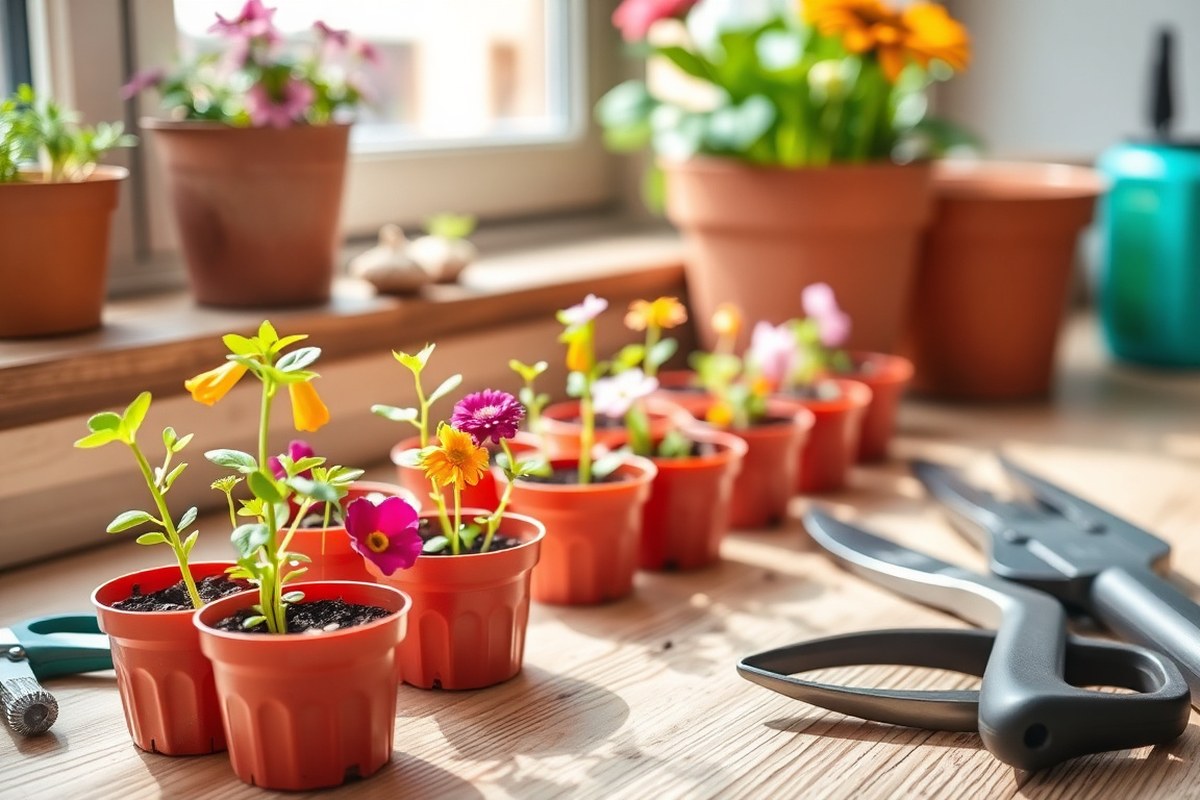
This helps seedlings grow strong before planting outside. Starting flowers indoors early helps your plants get a head start before outdoor planting.
Direct sowing seeds outdoors works well for flowers that don’t like transplanting. You want to wait until the soil is warm and danger of frost has passed. Soil temperature, light, and moisture also affect how well your seeds will germinate and grow.
It helps to know each flower’s bloom time after sowing. Quick bloomers like calendula flower in about 2 months. When you understand timing, your garden will stay full of color all season long.
Key Takeaways
- Start most flower seeds indoors 3, 10 weeks before your last frost date.
- Direct sow seeds outdoors only after the soil warms and frost danger ends.
- Check seed packets for each flower’s germination and bloom timeline.
- Choose indoor starting if you want an earlier bloom in spring.
- Sunlight, warmth, and moist soil are key for successful seed germination.
- Cut back flowers after they go to seed to encourage a quick rebloom.
When Is the Best Time to Start Flower Seeds?
You should start flower seeds indoors about 6 to 8 weeks before your last frost date. This helps flowers get a head start before outdoor conditions are warm enough. Check your local last frost date online or at a garden center.
This date is key for planting. Knowing it helps you plan your gardening schedule right.
For direct sowing, wait until after the last frost date. Soil temperatures should reach about 60°F (16°C). This warmth helps seeds start growing well.
Many sun-loving annuals do well when sown directly in the garden at this time. Plant seeds about ¼ inch (6 mm) deep, keeping soil moist for germination.
Some flowers handle cold soils and early sowing. But many seeds wash out or fail in soggy or frozen ground. Starting seedlings indoors is best when the season is short.
Also, this works if your seedlings tolerate transplanting well. Direct sowing saves work but risks delayed or spotty germination if soil is too cold.
Follow the seed packet’s timing recommendations closely since different flowers have different needs. For example, hardy flowers like snapdragons can be sown indoors 8 to 10 weeks before frost.
Quicker annuals like marigolds start 4 to 6 weeks prior. Matching timing with flower type avoids weak seedlings or no blooms.
Indoor seed starting lets you control temperature and light, which helps seeds sprout evenly. Use a seed-starting mix and keep seeds warm, around 65-75°F (18-24°C). Move seedlings outside after hardening them off for about a week.
Start hardening off before the last frost date. This helps plants adjust to outdoor conditions.
You can save time with direct sowing outdoors. This works if your flowers tolerate early outdoor weather. It’s a simple way to plant flowers directly in your garden.
Avoid it in cold, wet soil or during heavy rains. Direct sowing works well with easy-to-grow sunflowers and zinnias, which don’t mind waiting for warm soil.
How to Choose Between Indoor Starting and Direct Sowing
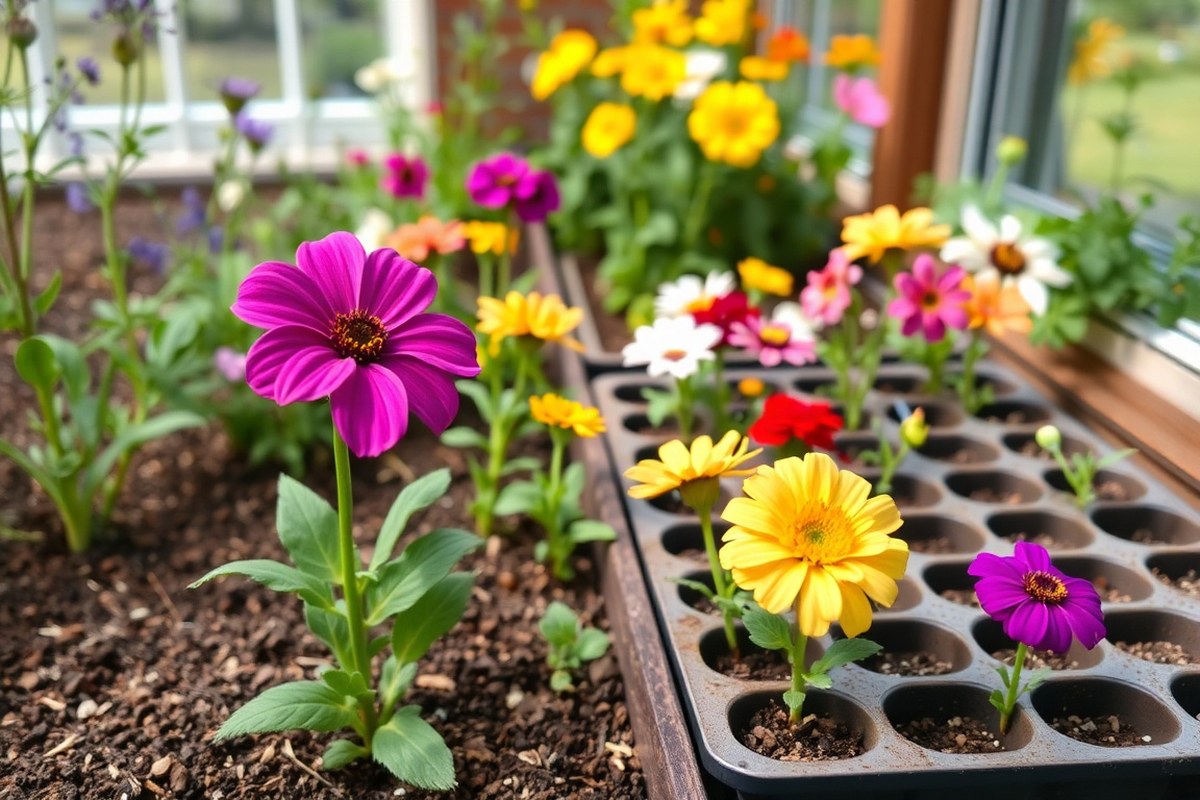
Choosing between indoor starting and direct sowing depends on your flower type and garden setup. Fast-growing flowers that bloom within two to three months often do better as direct sowing outdoors. Delicate or slow-growing flowers grow better indoors first.
This helps when your growing season is short. Indoor starts give them a strong beginning.
Indoor starting gives seedlings a head start when outdoor conditions are still too cold. Most packets suggest sowing seeds indoors four to twelve weeks before your area’s last frost date. This timing depends on how long the seedlings need to establish before planting outside.
Direct sowing is simpler and works well when you have warm soil and reliable sun. Flowers like marigolds, nasturtiums, and zinnias grow easily from direct sowing. They tend to germinate quickly in your garden, saving you space and time indoors.
| Flower Variety | Bloom Time from Seed | Recommended Sowing Method | Notes |
|---|---|---|---|
| Marigold | 60-70 days | Direct sow | Thrives in sunny garden spots; easy for beginners |
| Zinnia | 60-70 days | Direct sow | Fast germination; tolerates outdoor conditions well |
| Calendula | About 60 days | Direct sow | Quick to bloom; grows well in spring and summer |
| Hardy Bloomer (e.g., Foxglove) | 120-150 days | Start indoors | Long growth period; needs protection from frost |
| Specialty or Slow-growing Flowers | Variable | Start indoors | Requires controlled conditions and careful care |
Preparing for indoor sowing means using seed trays and seed mix kept moist but not wet. For direct sowing, sow seeds after the soil warms near 60°F (16°C).
Cover seeds lightly with soil and water gently. Expect rapid germination with sun-loving, quick bloomers.
Start seeds indoors if frost can still harm plants. Some plants need longer time to bloom right. Indoor growing helps meet those timing needs.
Direct sowing cuts effort and saves money. It gives plants a strong, natural start. These plants adjust well to your garden.
On the other hand, indoor starting takes more supplies and time but delivers blooms earlier. Check the plant growth schedule and your climate.
Think about the flower type too. These help you choose the best growing method.
Understanding Flower Seed Germination and Bloom Times
Flower seeds usually take a few days to a couple of weeks to germinate. Germination depends on the type of flower and how you start the seeds.
After germination, blooming usually takes 6 to 12 weeks. This is true for most common annual flowers.
Knowing the timeline helps you plan when to sow and expect flowers to appear. For example, fast growers like zinnias can bloom around eight weeks after sowing. Others take longer, so staggering sowing times keeps blooms coming all season.
Here’s a table showing typical germination and bloom periods for popular flowers. This includes germination time in days and bloom time in weeks from sowing:
| Flower | Germination Time (days) | Bloom Time (weeks after sowing) |
|---|---|---|
| Zinnia | 5 to 7 | 8 |
| Petunia | 7 to 10 | 6 to 10 |
| Cornflower | 7 to 10 | 8 to 9 |
| Marigold | 5 to 7 | 8 to 9 |
| California Poppy | 7 to 14 | 8 to 9 |
| Poppy | 10 to 14 | 9 to 11 |
| Spider Flower | 7 to 10 | 9 to 11 |
You can expect flower seeds to start sprouting 5 to 14 days after sowing. After that, plan for 6 to 11 weeks until blooms show up. Starting seeds indoors gives better temperature control for timely germination.
Planting seeds too thickly or covering very tiny seeds deeply slows germination. Most small flower seeds need light to start growing well. Press them lightly on the soil surface and cover thinly, if at all.
Sow new batches every 2 to 3 weeks for more blooms. This keeps your flower display full.
This keeps fresh blooms coming and extends the season. Adjust this schedule depending on your climate and frost dates.
Ideal Temperature, Light, and Soil Conditions for Starting Seeds
Flower seeds need soil temperatures between 60°F and 75°F (15°C to 24°C) for the best germination. Soil colder than this slows seed sprouting or stops it altogether. Warmer soil speeds up germination but avoid temperatures above 85°F (29°C), which can harm seeds.
To create the right temperature indoors, use a heat mat designed for seed starting. These mats cost about $20 to $30 and keep the soil evenly warm. Place your seed trays on the mat.
Check soil warmth daily with a thermometer to keep it steady. Outdoors, plant seeds when soil consistently stays in that ideal temperature range after frost.
Light is important once seeds sprout. Many flower seeds need bright light to grow strong stems and leaves. Start seeds inside under fluorescent or LED lights.
Keep them on 12 to 16 hours a day. No light means tall, weak seedlings. A south-facing windowsill can work, but lights provide more reliable brightness.
Use a loose, well-draining seed-starting mix, not regular garden soil. Good seed soil holds moisture without staying soggy. It usually costs between $8 and $15 per bag.
Don’t bury seeds too deep. Many need just a thin soil layer. Use twice their size in soil for best results.
Keep the soil moist but not wet. Using a spray bottle helps you avoid overwatering, which causes seeds to rot.
Covering trays with plastic wrap or a clear lid holds humidity and warmth. Remove this as soon as seeds sprout to prevent fungus or mold.
Read seed packets carefully before planting. Some flower seeds need light to germinate.
Others require darkness or special treatment like cold stratification. Follow their specific instructions for soil depth, temperature, and light to improve your chances of success.
Step-by-Step Process for Starting Flower Seeds Indoors
Starting flower seeds indoors means careful sowing and soil prep. Use clean trays and good soil. Watch seedlings closely every day.
Plant seeds at the right depth in moist soil. Keep soil damp, not soaking wet. Give seedlings plenty of light to stay strong.
Preparing Seed Trays and Soil
Use trays or pots with drainage holes. Good drainage prevents root rot and keeps seedlings healthy. Choose a seed-starting mix that drains well and holds moisture.
Seed-starting mix is finer than garden soil and often has peat or coconut coir. You can buy it at garden stores for about $10 to $15 per bag. Wet the soil lightly before planting so it’s damp but not soggy.
Never use regular garden soil indoors; it’s too heavy and may carry diseases.
Sowing Seeds at Correct Depth
Plant seeds at the depth recommended on the seed packet, usually about twice the seed’s size. For most flower seeds, that’s around 0.2 inches (5 mm) deep.
Plant too deep and seeds may fail to sprout. Too shallow and they dry out quickly.
When using trays with individual cells, place one or two seeds per cell for scarce seeds. When two seedlings sprout, cut the weaker one at soil level.
Avoid pulling it to protect the roots. Remove only the weaker sprout.
Lightly cover seeds with soil or vermiculite after sowing. Gently water to settle soil without filling cells with water.
Caring for Seedlings After Sowing
Keep the seed trays in a warm spot, ideally 65 to 75°F (18 to 24°C). Warmth helps seeds germinate faster. After germination, thin seedlings by removing weaker ones if needed.
Watch seedlings carefully and water when the surface of the soil starts to dry. Avoid overwatering, which causes damping off, a fungal disease that kills seedlings.
Feed seedlings once they have two sets of true leaves. Use half-strength liquid fertilizer every week. This helps support steady growth.
Providing Adequate Light and Moisture
Put seedlings under grow lights or bright south windows. They need about 12 to 16 hours of light daily. This helps them grow well.
This prevents them from stretching tall and weak. Position light 2 to 3 inches above seedlings and raise it as they grow.
Water gently but regularly. Let the soil’s surface dry before watering again to keep moisture steady. Too much water softens stems; too little slows growth and causes wilting.
Turn trays daily if natural light comes from one side to keep seedlings growing straight. Avoid drafts and sudden temperature changes to reduce stress.
- Fill your seed trays with damp seed-starting mix.
- Plant seeds at the depth recommended, about 0.2 inches for most flowers.
- Cover seeds lightly with soil and gently water.
- Keep the trays warm, around 65 to 75°F.
- Provide 12 to 16 hours of light daily using grow lights or windows.
- Water seedlings when the soil surface feels dry.
- Snip weaker seedlings if two sprout in one cell.
- Feed seedlings lightly when true leaves appear.
How and When to Transplant Seedlings Outdoors
Transplant flower seedlings outdoors when they have at least two sets of true leaves. Start hardening them off about a week before planting to help them adjust. Transplant on a cloudy day or late afternoon to reduce stress and avoid shock.
Identifying Transplant Readiness
Seedlings are ready when they have grown at least two sets of true leaves. These leaves come after the initial seed leaves and look like the adult plant leaves. A strong stem about 3 to 4 inches tall also shows they can handle outdoor conditions.
A seedling with thin, leggy stems or very small leaves needs more indoor care. Watch for healthy green colour and no signs of disease. For example, marigolds and zinnias typically reach transplant size in 2 to 3 weeks.
Hardening Off Seedlings Step by Step
Hardening off means gradually exposing seedlings to outdoor conditions. It helps reduce transplant shock from sudden temperature, wind, and sun changes. Begin about 7 to 14 days before planting.
Follow these steps carefully to prepare your seedlings:
- Move seedlings outdoors to a shaded, protected spot for 2 hours on day one.
- Increase outdoor time by 1 to 2 hours daily over one to two weeks.
- Add direct sunlight gradually, starting with morning sun as it’s less harsh.
- Bring seedlings indoors overnight to protect from temperatures below 50°F.
- Reduce watering slightly to toughen the plants but avoid drying out the soil.
- Watch for stress signs like wilting or leaf discoloration and adjust exposure.
- Ensure no frost is expected during or after this period before transplanting.
Planting Seedlings in the Garden
Choose a cloudy day or late afternoon to transplant seedlings outdoors. Cooler, low-light conditions reduce leaf burn and water loss. This timing helps seedlings settle in without shock.
Prepare soil by loosening it and mixing in compost for nutrients. Dig holes slightly larger than the root ball to avoid crowding roots. Water the planting holes before placing seedlings to prevent air pockets.
Set seedlings at the same depth they grew indoors. Water them gently right after planting to settle soil. Keep them moist but not soggy during the first two weeks to encourage strong root growth.
Special Seed Treatments and Exceptions for Certain Flowers
Some flower seeds need special treatment before planting to grow well. Scarification means scratching or nicking the hard seed coat so moisture can get in. You can rub seeds lightly with sandpaper or crack the coat with a knife.
This step takes just a few minutes per seed. It helps tough seeds sprout faster. Seeds like sweet peas and morning glories benefit from it.
Stratification mimics winter by chilling seeds in damp conditions for several weeks. Wrap moist peat or a damp paper towel around seeds. Put them in the fridge.
Keep the temperature at 34 to 41 °F (1 to 5 °C). This step is key for flowers like lupines and columbines. These seeds need cold to break dormancy.
Without cold, they won’t sprout well. Planning ahead is important since stratification can take 30 to 60 days.
Soaking seeds in water before planting softens the seed coat and speeds germination. Put seeds in warm water for 12 to 24 hours but not longer, to avoid rotting. This helps flowers like cosmos and nicotiana sprout more quickly.
Just use a small container to cover seeds fully. Change the water if you soak overnight.
Follow the instructions on each seed packet carefully. Some seeds need a combination of these treatments, while others don’t need any.
Skipping scarification or stratification can cause delays or patchy sprouting. Treating seeds correctly usually means faster, stronger seedlings once they sprout.
Older seeds often need extra help since dormancy grows stronger over time. Older seed packets over a year old may have low germination. Test them on a damp paper towel indoors before planting outdoors.
This helps you avoid wasting seeds. This helps you avoid planting seeds that won’t grow. It’s one more step but can save time and space in your garden.
Keep in mind, flowers with soft seed coats like marigolds and zinnias don’t need these treatments. Just sow them in good soil and keep it moist. For flowers with hard coats or special chilling needs, you must plan ahead.
Pre-treatment months before planting helps make planting day easier. It also improves success rates.
Common Mistakes When Growing Flowers from Seed and How to Fix Them
Seeds may not sprout if they sit too dry or too wet. Overwatering keeps soil soggy and blocks oxygen.
Underwatering leaves seeds without enough moisture to start growing. Using a seed-starting mix that drains well can help a lot.
Keep most seedlings in bright light for 12 to 18 hours daily. When light is weak or too brief, seedlings become leggy and fragile.
Starting seeds indoors? Use a grow light about 2 inches above them.
Damping off is a disease that kills seedlings fast. It happens when soil stays wet and air is still.
Seedlings show thin, brown, rotting stems near the soil line and then fall over. To prevent this, avoid overcrowding and water from the bottom when possible.
- Use fresh, sterile seed-starting mix to avoid disease.
- Keep soil moist but not soaking wet; test by touch.
- Provide 12 to 18 hours of light daily, preferably with grow lights.
- Space seedlings to improve airflow and reduce damp conditions.
- Avoid watering late in the day to let soil dry overnight.
- Thin weak seedlings early to give strong ones enough room.
- Use a fan on low to circulate air gently near seedlings.
Seedlings that get overcrowded or stay wet will often die quickly. Water from the bottom by placing the seed tray in water for 10 minutes.
This helps soil soak evenly without pooling on top. After watering, remove excess water to keep humidity balanced.
Never let your seed-starting soil feel wet and heavy for more than a day. Damp, stagnant conditions invite diseases that kill seedlings.
Thin seedlings by snipping the smallest ones at soil level with scissors. This prevents root damage to nearby seedlings.
Healthy seedlings need enough space to grow strong stems and leaves. These tweaks take a little effort but make your seedlings tough enough for outdoors.
How Local Climate and Frost Dates Affect Flower Seed Timing
Your local climate and USDA growing zone strongly affect when to sow flower seeds. Zones tell you average temperature ranges and frost dates, which cutoffs for safe outdoor planting.
Cooler zones need earlier indoor starts to beat short growing seasons. Warmer zones allow direct sowing outside earlier in spring or even fall.
The local last frost date is key. Count backward from that date to start seeds indoors. For example, your last frost is April 15.
Start seeds inside 6 to 8 weeks earlier. This timing helps seedlings be sturdy and ready to transplant after frost risk ends. Sow seeds directly outdoors only after the soil warms to 50°F to 60°F.
Some gardeners also sow flower seeds in fall or winter in mild climates. This works where ground doesn’t freeze hard and plants can tolerate cool soil.
Seeds spend winter cold, then sprout in early spring naturally. Avoid this in colder zones since seedlings often die in deep freeze or snowy soil.
Check your zone and frost calendar online. You can also visit your local extension office. Use this info to adjust your timing.
Use succession sowing for steady blooms throughout the season. Sow small seed batches every few weeks. That way, flowers bloom one after another instead of all at once.
Decide whether to start seeds indoors or direct sow by your climate and frost risk. Pick hardy annuals and perennials for fall sowing in warmer areas.
Delay direct sowing in cold places until after frost risks end and soil is warm enough. This reduces seed death and weak plants from too-cold soil.
In short, figure your zone and exact last frost date first. Count 4 to 8 weeks back for indoor seed starting, depending on seed type.
Check soil temperature before direct sowing outdoors, you want 50°F or warmer. Fall or winter sowing happens only in mild climates with soft winters and frost-free ground.
Best Easy Flower Varieties and Their Starting Times
Easy flower varieties help beginners get quick blooms without fuss. Start some seeds indoors and sow others directly for best results. Growing flowers that bloom fast or last long keeps your garden lively.
Fast-Blooming Annual Flowers
Annual flowers grow and bloom in one season, making them perfect for fast color. Some annuals bloom within 45 to 60 days from seed, especially if started indoors. Plant them in warm soil and keep them moist for quick sprouting.
Fast blooming flowers like zinnias, cosmos, and marigolds grow quickly. Sow seeds indoors about 4 to 6 weeks before the frost ends.
You can also plant them outdoors after frost. They bloom brightly for over two months.
Perennials Suitable for Seed Starting
Perennials take longer to show flowers but come back each year. Sow seeds inside 6 to 8 weeks before the last frost date. Flowering can happen from 90 days up to a whole growing season, depending on the plant.
Delphiniums with vivid blue blooms usually appear 60 to 90 days after sowing. Perennials like these add lasting beauty but need patience. Make sure you have good light and consistent moisture when growing them indoors.
Easy Flowers for Direct Sowing
Some flowers thrive when you sow their seeds directly outdoors. These are great if you want to skip indoor care and timing hassles. Choose varieties suited for your season and soil conditions.
Nasturtiums and sunflowers grow fast when direct sown in warm soil. Plant seeds about 1 inch deep and water gently. These flowers usually bloom about 60 days after sowing.
Flowers for Cutting and Color Longevity
For bouquets that last, pick flowers known for strong stems and longer vase life. Zinnias and cosmos not only bloom quickly but also hold up well in arrangements. Cut blooms in the morning when petals are firm.
Plant cutting flowers in batches every two weeks. This extends your harvest and keeps fresh colors in the garden. Keep soil moist but avoid overwatering to prevent stem rot.
| Flower | Type | Starting Method | Days to Bloom | Bloom Duration |
|---|---|---|---|---|
| Zinnia | Annual | Start Indoors or Direct Sow | 45 to 60 | 2 to 3 months |
| Cosmos | Annual | Start Indoors or Direct Sow | 50 to 60 | 2 to 3 months |
| Marigold | Annual | Start Indoors or Direct Sow | 50 to 60 | 2 months |
| Delphinium | Perennial | Start Indoors | 60 to 90 | Up to 3 months |
| Nasturtium | Annual | Direct Sow | 60 | 2 months |
| Sunflower | Annual | Direct Sow | 60 | 1 to 2 months |
This table shows easy flower choices with their easiest starting methods and bloom times. Pick the type that fits your schedule and garden conditions. Plan sowing dates to spread blooms over months, especially for cutting flowers.
Step-by-Step Action Plan for Growing Flowers from Seed
This simple plan helps you start flower seeds successfully. Follow each step to see healthy sprouts and blooms.
- Before You Start: Pick easy flower seeds suited to your climate. Check the seed packet for planting time.
- 2 Weeks Before Last Frost: Begin seeds indoors using a quality seed mix and bright light. Keep soil moist but not wet.
- When seedlings have 2 sets of leaves: Thin them out or move to bigger pots. This helps stop roots from getting crowded.
- After Last Frost Date: Harden off seedlings by placing them outside a few hours daily. Watch for wilting or sunburn.
- One Week After Hardening Off: Plant seedlings outdoors in well-prepared soil. Water them gently each day for a week.
- Direct Sow Timing: For seeds sown outside, plant after soil warms. Keep soil damp until seedlings appear.
- Ongoing Care: Fertilize lightly and watch for pests. Adjust water based on weather and soil feel.
Frequently Asked Questions
What Is the Best Way to Store Flower Seeds Before Planting?
Store flower seeds in a cool, dry place away from sunlight. This keeps them viable longer and helps with germination.
Can I Reuse Flower Seed Trays from Previous Seasons?
Yes, but clean them thoroughly before reuse to avoid disease. Sterilizing with a mild bleach solution helps protect new seedlings.
How Important Is Soil Drainage When Growing Flowers from Seed?
Soil drainage is very important because seeds can rot in soggy soil. Use well-draining potting mix to improve results.
Will Planting Flower Seeds Too Early Indoors Cause Problems?
Yes, planting too early indoors can cause weak, leggy seedlings. Follow timing recommendations to ensure strong, healthy plants.
How Do I Know When Flower Seedlings Need Thinning?
Thin seedlings when they develop their first true leaves. This prevents overcrowding and ensures stronger growth.
Can I Start Flower Seeds in Recycled Containers Like Egg Cartons?
You can start seeds in egg cartons if they have drainage holes. Handle seedlings carefully to avoid root damage when transplanting.
The Bottom Line
Starting flowers from seed at the right time gives the best chance for strong blooms. Your first task is to check your area’s frost dates and pick seeds to match. Then, get your soil and lighting ready for a successful start.