Do Deer Eat Coral Bells? What Actually Works to Protect Your Garden
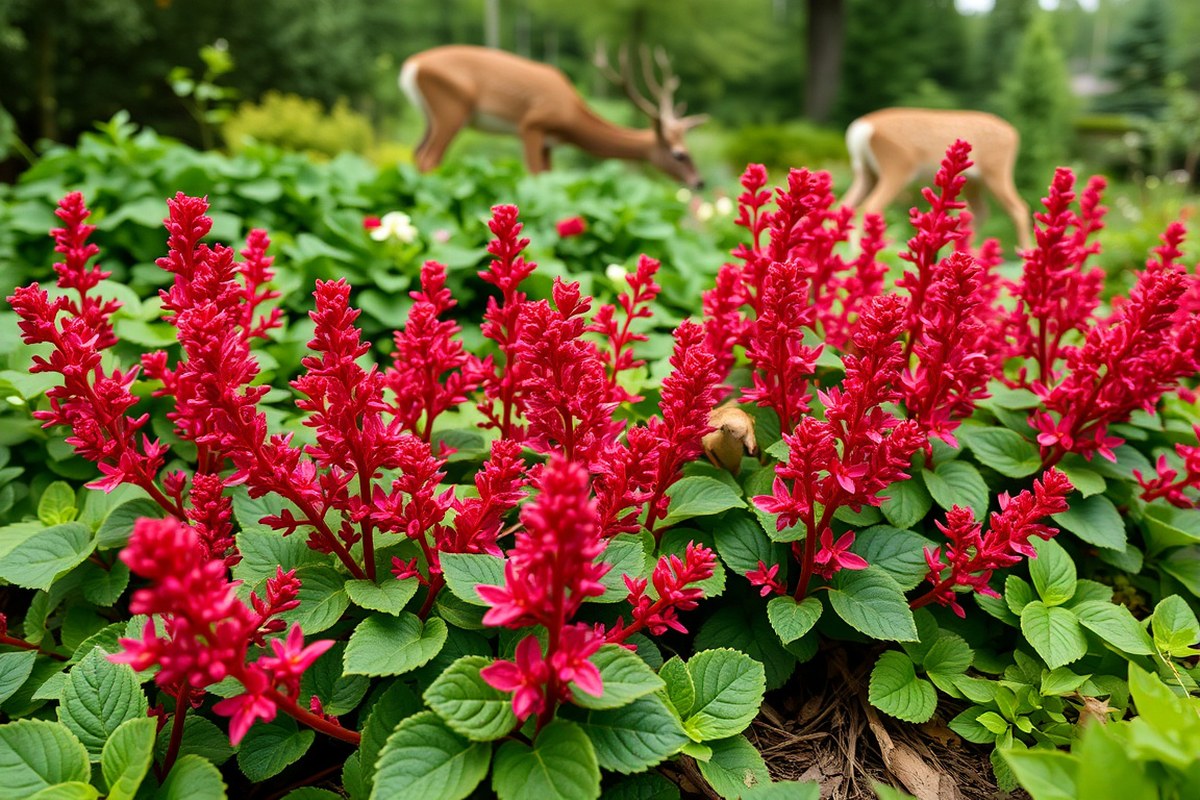
Do deer eat coral bells? The short answer is yes, but not often.
Deer usually avoid coral bells since they don’t taste great to them. However, hungry deer may nibble on them if other food is scarce.
Coral bells can stay green all year, which sometimes makes them visible targets. Still, they are considered deer resistant.
So losing a small part of leaves isn’t unusual. Focus on keeping deer damage under 10% for a healthy plant.
Put coral bells near busy paths or your patio where people often walk. Deer dislike being too close to human activity, so this helps protect your plants. Look for jagged cuts between 2 and 4 feet high.
These show deer feeding. Rabbit damage usually looks different and lower to the ground.
Key Takeaways
- Deer rarely eat coral bells but may chew them when food is scarce.
- Limit deer damage to under 10% of leaves for coral bells to thrive.
- Coral bells grow well near busy spots with lots of people around. Keep them within 3 feet of these places for best protection.
- Look for jagged cuts 2-4 feet high to confirm deer damage.
- Coral bells stay green year-round, so deer can see them anytime.
- Cold spells below 40°F raise deer browsing risk on coral bells.
Do Deer Eat Coral Bells or Avoid Them?
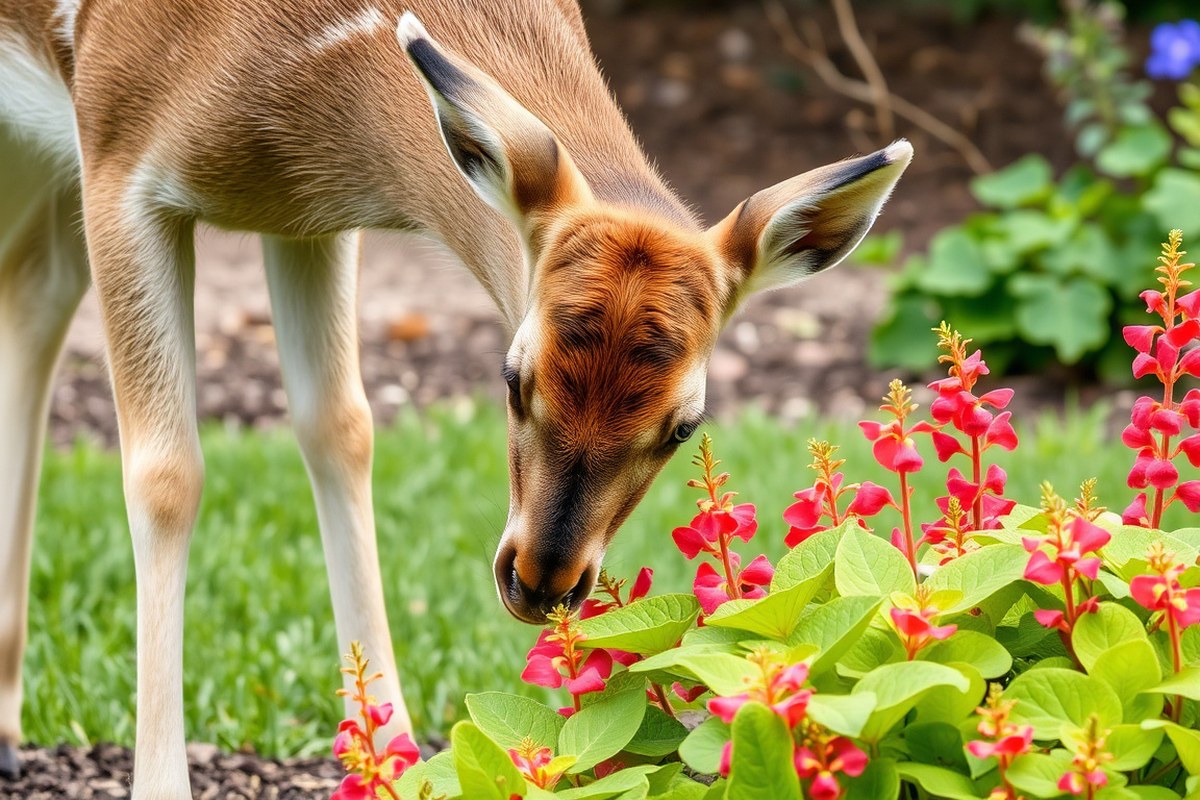
Deer usually avoid eating coral bells. The plants have fuzzy leaves. They also contain bitter compounds deer don’t like.
The texture and flavor make coral bells unappealing, so deer prefer other plants. This resistance means coral bells are safe in most gardens where deer roam.
Still, deer will eat coral bells if food is scarce or if they are very hungry. When other plants are unavailable, deer might nibble on coral bells to get by. This usually happens in late winter.
It also occurs during dry spells. Deer struggle to find better food then.
Sometimes coral bells are planted near popular deer food. These include hostas or lilies. Deer might browse coral bells by mistake.
Deer eat tastier plants first. Sometimes they chew on coral bells nearby.
They do this while moving through the garden. Keeping coral bells away from these “browse corridors” helps reduce this risk.
Why Are Coral Bells Usually Deer Resistant?
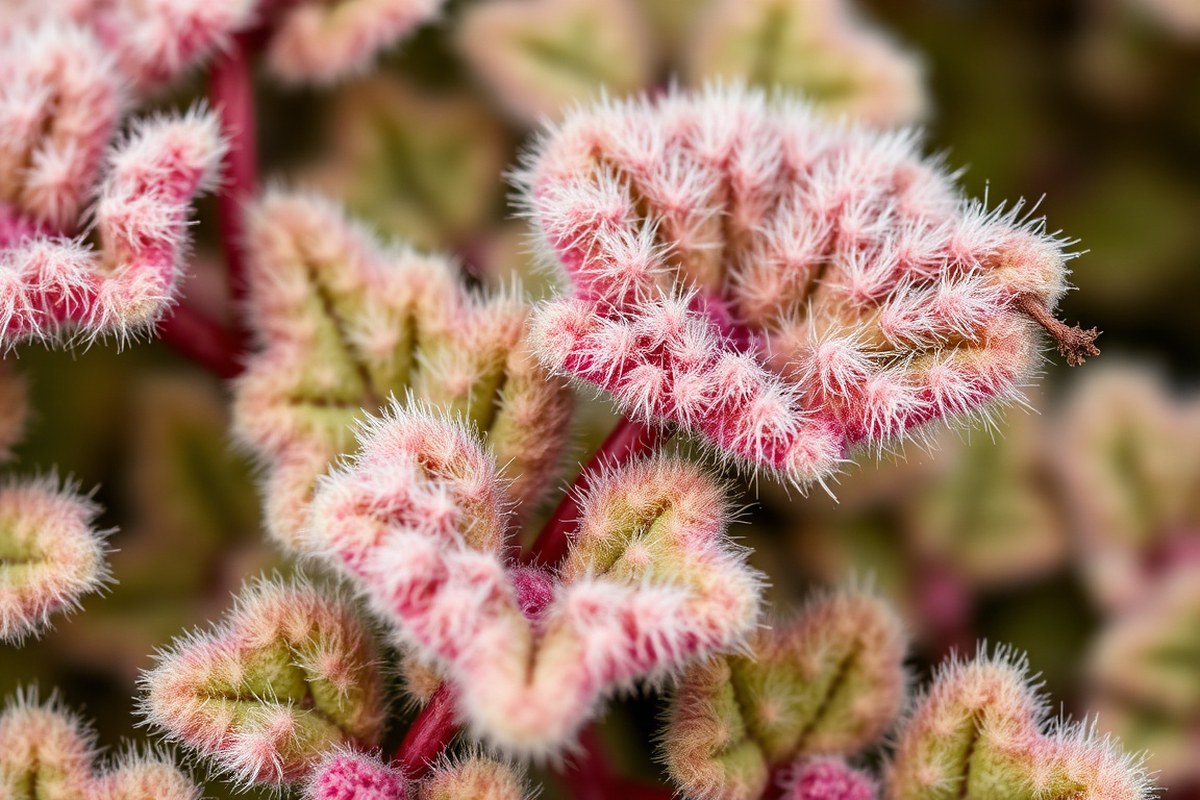
Coral bells protect themselves from deer with a few plant traits. Their leaves are slightly fuzzy, which irritates a deer’s mouth and makes them less tasty.
This leaf texture works as a natural barrier. So deer usually avoid biting into coral bells.
Besides texture, coral bells contain bitter compounds like saponins and phenols. These chemicals make the plant taste unpleasant to deer and signal low nutritional value.
Deer prefer sweeter, softer plants. So the bitter taste helps keep coral bells safe most of the time.
These traits are mostly consistent across coral bells varieties. But some types may be less fuzzy or bitter. Younger leaves often feel softer and are more tempting to deer.
New growth especially attracts deer during food shortages. Deer find these parts easier to eat. Deer may nibble on coral bells during tough times.
These times include early spring and late fall. Food scarcity pushes deer to try different plants.
Coral bells also tend to grow in shady spots, away from main deer paths. This growth habit reduces the chance of deer finding and feeding on them. Plant coral bells near herbs like lavender to repel deer.
These herbs add scents deer don’t like. The combination also changes texture to discourage deer.
Even the best deer-resistant plants might get nibbled when food is scarce. Keeping your garden diverse helps reduce pressure on coral bells.
Signs to Identify Deer Damage on Coral Bells
Deer damage on coral bells shows certain clear patterns. You’ll notice ragged edges where leaves and stems were bitten. Other pests, like rabbits or insects, leave quite different traces on the plants.
Typical Deer Feeding Marks
Deer usually bite cleanly across the stem and leaf edges. Their teeth leave broad, irregular cuts because they have upper and lower incisors. You may see stripped leaves or broken stems about 1 to 2 feet off the ground.
The damage is often scattered in spots that deer can reach. They rarely nibble all the way down to the plant base. Look for torn foliage hanging or littered around.
Deer tend to feed at dawn or dusk. So fresh damage often appears early the next morning.
Differences Between Rabbit and Deer Damage
Rabbits leave smaller, neater bite marks with clean, angled cuts. They tend to nibble close to the ground, often within 6 to 12 inches. Rabbit damage looks more uniform, with even edges on leaves and stems.
Rabbits usually avoid tougher or hairy leaves, focusing on tender shoot tips. You won’t see torn or broken branches with rabbit feeding. Instead, their browse appears more clipped and less shredded than deer bites.
- Deer bite irregularly, rabbits clip smoothly
- Deer feed 1 to 2 feet high, rabbits under 1 foot
- Deer leave torn, hanging leaves; rabbits leave neat edges
- Rabbit damage is close to soil, deer damage is higher
- Deer break stems, rabbits usually only trim
Checking height and bite shape can quickly narrow down the culprit. You can also examine nearby droppings or tracks for extra clues.
Tracking Deer Signs in the Garden
Look for deer tracks nearby. The hoof prints are heart-shaped and about 2.5 to 3 inches long. Fresh droppings appear dark and oval, often clustered near feeding spots.
Total plant height reduction also helps. Coral bells with uneven leaf loss above 1 foot often get damaged by deer. Damage low to the ground points to rabbits or insects.
Deer favored plants often have bite marks combined with flattened or pressed trails in nearby grass. Scattered twigs or bark rubbed from rubbing antlers are other deer hints. Watching your garden during low light might reveal their visits too.
When Are Coral Bells Most Vulnerable to Deer Browsing?
Deer tend to eat coral bells mostly in spring, right after winter ends. They need food badly because natural plants are still scarce. Late fall is a risky time for coral bells and deer.
Deer eat coral bells when other plants die back. This happens mostly in late fall.
Winter and deep snow cover can push deer to eat coral bells too. Snow blocks grasses and leaves, so deer try whatever is available. Your coral bells lie low and easy to reach.
Hungry deer might browse them during heavy snow. Heavy snow makes food harder to find.
Dry spells or rainy weather can also affect coral bells’ risk. Stressed plants produce fewer chemicals that repel deer. During harsh weather, coral bells might lose some of their natural defense, making them more tempting.
Plants inside easy reach, like those near pathways or patios, face higher deer risk year-round. Deer stick close to human areas where they feel safer from predators. Coral bells within 3 feet of these spots may need extra protection during tough seasons.
Effective Methods to Protect Coral Bells from Deer
Protecting coral bells from deer takes a mix of methods. Use strong barriers to stop deer from reaching plants. Combine repellents and certain companion plants to keep deer away.
Physical Barriers and Fencing Options
Installing a fence or netting is often the most effective way to protect coral bells. Deer-proof fencing should be at least 8 feet tall to stop deer from jumping over it. Mesh netting around your planting area also works well for smaller gardens or potted plants.
You can build a simple frame for netting or buy deer fencing from garden centers. Check the fence regularly for gaps or damage. A well-maintained barrier can prevent most deer damage and save your plants.
Chemical and Natural Repellents Overview
Repellents give an extra layer of defense but don’t guarantee full protection. Deer repellents often use smells or tastes that deer dislike. You’ll need to apply them every 1 to 2 weeks, especially after rain.
Some gardeners also use natural repellents like lavender and other deer-resistant plants near coral bells. These plants add beauty and help keep deer off. Just remember, repellents work best combined with physical barriers and good garden care.
Companion Plants That Deter Deer
Planting coral bells near deer-resistant plants can reduce deer visits. Plants with strong scents or tough leaves, not favored by deer, make good neighbors. Lavender and other aromatic herbs are a popular choice.
Companion plants form a natural barrier around coral bells. They can confuse or discourage deer from browsing your garden. This method works best along with fencing and repellents for full protection.
| Protection Method | Description | Typical Cost | Maintenance | Effectiveness |
|---|---|---|---|---|
| Deer-Proof Fencing | 8-foot tall fencing blocks deer access | $2 to $5 per foot installed | Check for holes or gaps monthly | High if well maintained |
| Mesh Netting | Lightweight barrier for small beds and pots | $50 to $150 per 100 sq ft | Inspect after storms | Moderate to high |
| Deer Repellents | Sprays or granules with odors deer dislike | $10 to $30 per bottle | Reapply every 1, 2 weeks | Moderate only |
| Companion Plants | Plantings like lavender repel deer naturally | Varies by plant | Seasonal trimming and care | Moderate when combined |
Check fences regularly for breaks; even small gaps let deer in.
How to Help Coral Bells Recover After Deer Browsing
Coral bells usually grow back after deer nibble their leaves if enough foliage stays. They need some care like pruning, watering, and feeding to recover well. Giving your plants the right treatment helps them bounce back stronger and healthier.
Assessing Damage Severity
First, look carefully at how much of the plant the deer ate. The roots and some leaves left mean your plant will likely recover. Complete removal of all foliage makes recovery much harder and slower.
Also check for broken stems or damaged crowns. These parts affect regrowth, so note what looks weak or healthy. Mild to moderate damage usually recovers fast with care.
Pruning and Care Practices
Cut off any torn or dead leaves to prevent disease. Pruning helps the plant use energy to grow new leaves.
Use sharp, clean scissors or pruners. Avoid cutting healthy leaves that still support the plant.
Water coral bells regularly, aiming for moist but not soggy soil. Water deeply once or twice a week, depending on weather. Mulch helps keep moisture in and keeps weeds away.
You can feed coral bells with a balanced fertilizer in early spring or soon after browsing. Use a mix with equal parts nitrogen, phosphorus, and potassium. Over-fertilizing can harm the plant, so follow label guidelines.
Long-Term Plant Maintenance
Divide coral bells every 3 to 4 years to keep roots healthy and encourage strong growth. Do this in early spring or fall. Dividing plants also gives you more coral bells to spread around.
Keep watching the plants during the growing season. Remove any weak or diseased parts quickly. Healthy coral bells recover faster and stand up better to future deer visits.
Follow these steps to help coral bells recover well after deer browse:
- Check how much foliage and root remain after deer browsing.
- Cut off damaged or dead leaves with clean pruning shears.
- Water deeply once or twice a week; keep soil moist, not wet.
- Apply balanced fertilizer in spring or after damage to boost growth.
- Mulch around coral bells to retain moisture and reduce weeds.
- Divide overcrowded plants every 3-4 years to maintain root health.
- Remove any weak or unhealthy leaves during the growing season.
- Keep monitoring your coral bells for new growth and problems.
Mistakes to Avoid When Protecting Coral Bells from Deer
Gardeners often rely on common protection methods that don’t work well with coral bells. Broad pesticide sprays can harm helpful bugs. They can also stress plants.
This stress makes plants less healthy overall. Sprays taking too long to dry can also wash away, wasting money and effort.
Improper pruning makes coral bells more attractive to deer. Cutting the plants too much or at the wrong time weakens them. Deer notice fresh new growth and damaged leaves, which can invite more nibbling.
Repellent products often fail when not applied correctly. Many repellents need reapplying after rain or heavy dew. Using too little or applying only once leaves the plants unprotected for long periods.
Fencing is another common pitfall. Placing fences too low or leaving gaps allows deer to jump in easily.
Temporary deer fencing needs to stand at least 8 feet high for good protection. Using flimsy materials can cut costs but invites damage from weather or animals, reducing effectiveness.
- Don’t overprune, trim lightly after flowering to keep plants strong.
- Apply repellents every 2 weeks and after rain for best results.
- Use 8-foot tall fences without gaps to keep deer out.
- Check fences regularly for holes or weak spots.
- Choose targeted sprays with fast drying times to protect leaves.
- Avoid spraying during midday heat to reduce plant stress.
Good results come from combining moderate pruning with correct repellent use. Healthy coral bells recover faster if deer nibble occasionally.
Strong, well-installed fences block deer most reliably. These steps protect your plants without wasting money or creating frustrations.
Sustainable and Professional Options for Deer Management
Using natural deer deterrents can protect your coral bells sustainably. Planting deer-resistant shrubs around your garden makes your landscape less appealing to hungry deer. You can try scent-based repellents to keep deer away.
Predator urine and garlic sprays work well for this. They confuse deer but won’t hurt them.
Barriers such as mesh fencing or netting offer long-term protection. Bury the fencing 6 inches deep to stop deer from digging under it.
A fence about 8 feet tall helps keep deer out. But costs about $10 to $20 per linear foot, depending on materials.
Community efforts help reduce deer pressure too. Neighborhoods can organize to plant deer-resistant vegetation together.
This limits deer movement by lowering food sources collectively, easing damage on all local gardens. Some areas also introduce controlled hunts or wildlife management programs to reduce deer numbers humanely.
Technology like motion-triggered sprinklers or lights can scare deer away effectively. These tools cost around $50 to $150 and require batteries or electricity.
Remember, deer may get used to these devices. So move or adjust them regularly for better results.
Hire professional deer management services if damage becomes severe or repeated. Professionals design plans tailored to your garden’s layout and specific deer patterns.
They use safe, eco-friendly techniques and may install customized fencing or recommend effective repellents. This service might cost several hundred dollars but protects plants like coral bells year-round.
Look for professionals with good reviews and clear guarantees. They also handle legal permits if controlled deer removal is necessary. Getting help reduces your workload so you can enjoy gardening without constant worry about deer.
Rotate deterrent methods regularly; deer can learn to ignore repeated signals or smells.
Step-by-Step Action Plan to Protect Coral Bells from Deer
Take easy steps to keep deer from eating your coral bells. Watch for signs and adjust your care as needed.
- Before Planting: Choose coral bell varieties that are known to resist deer. Check for minimal bite marks after the first week.
- Week 1: Install physical barriers like mesh cages around young plants. Monitor daily for trampling or chewing.
- Week 2: Apply deer repellents following product instructions. Notice if deer stop approaching your plants.
- Month 1: Mulch around coral bells to keep plants healthy. Look for new leaf growth without damage.
- Monthly: Trim damaged leaves and water deeply. Healthy plants recover faster from deer browsing.
- Seasonal: Rotate repellent types to avoid deer getting used to one scent. Check if deer avoid your garden area more often.
- When Deer Pressure Increases: Add motion-activated lights or sprinklers to startle deer. Confirm by fewer deer sightings near your coral bells.
Frequently Asked Questions
Can Deer Damage Coral Bells Flowers or Just Leaves?
Deer mostly eat coral bells leaves, not the flowers. The leaves are easier to reach and taste better to them.
Does the Age of Coral Bells Affect Deer Resistance?
Younger coral bells tend to attract deer more than mature plants. Older plants develop stronger flavors and textures that repel deer.
Can Planting Coral Bells Near Other Shrubs Help Reduce Deer Browsing?
Yes, grouping coral bells with prickly or fragrant shrubs can lower deer interest. This mix confuses and discourages hungry deer.
Are Some Coral Bells Varieties More Deer Resistant Than Others?
Yes, varieties with thicker or hairier leaves tend to resist deer better. Check plant tags or nurseries for these traits.
Do Deer Prefer Coral Bells over Grass or Other Ground Covers?
Deer usually pick grasses and tender plants over coral bells. The fuzzy texture and bitter taste push them toward easier meals.
Will Deer Damage to Coral Bells Come Back Faster with Better Watering?
Proper watering helps coral bells recover quickly from deer bites. Keep soil moist but avoid overwatering to support new growth.
Final Thoughts
Coral bells usually resist deer, but damage can still happen. Taking steady, practical steps keeps your plants safe. Start by securing young plants with barriers today.