Does a Worm Have Bones? Clear Facts and How Worms Move Without Them
Does a worm have bones? The short answer is no.
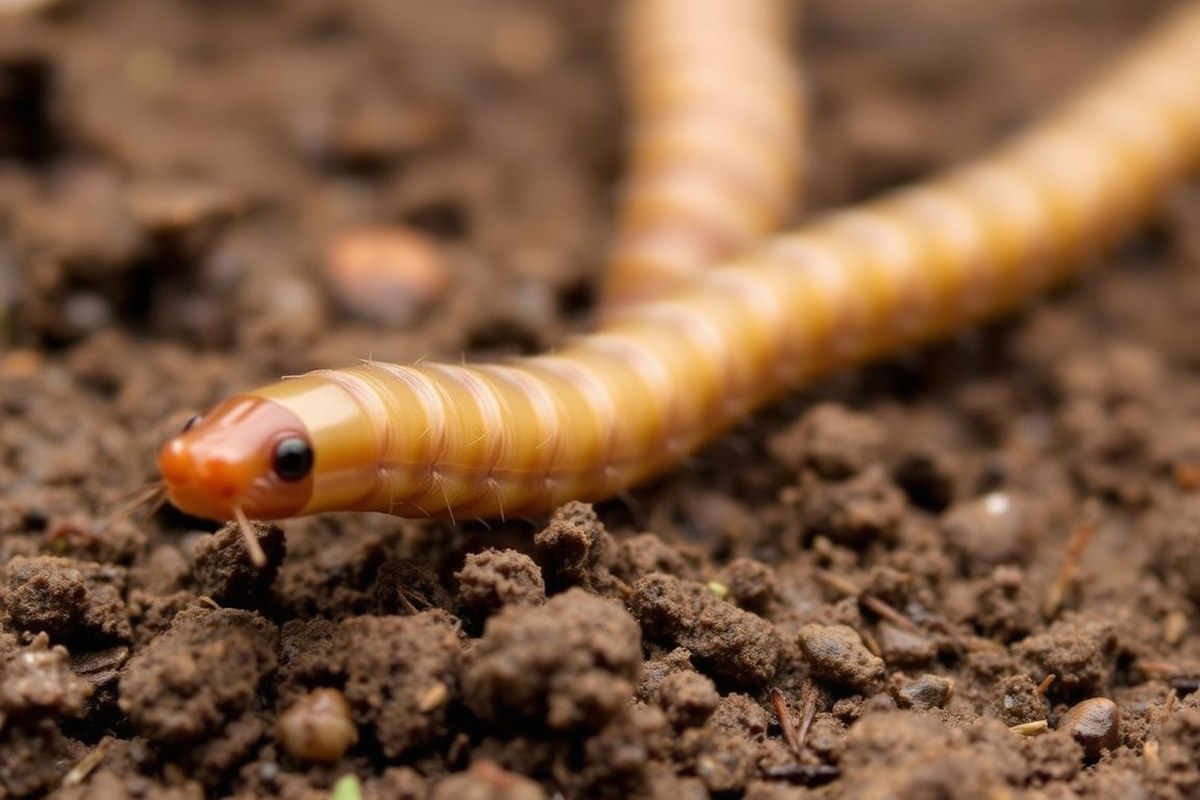
Worms are invertebrates, which means they don’t have bones or any hard skeleton inside. Instead, their bodies are soft and flexible, allowing them to move through soil easily.
Worms use a special system called a hydrostatic skeleton. This system relies on body fluids that press against muscle walls. This pressure helps worms keep their shape and move without the need for bones or a rigid frame.
Their body muscles contract and relax against this fluid-filled cavity to create movement. This lets worms wiggle, crawl, and burrow efficiently through tight spaces underground. Their flexible, boneless bodies help them squeeze through soil without damage.
So, don’t expect to find bones when handling a worm. Watch how they wiggle and stretch, powered by muscles and fluid pressure. This simple but effective structure supports their entire underground lifestyle and survival.
Key Takeaways
- Worms have no bones or solid internal skeleton like humans.
- A hydrostatic skeleton uses fluid pressure for shape and support.
- Muscles pressing against fluid help worms move and bend their bodies.
- Setae are tiny bristles that grip surfaces to aid worm movement.
- Worms can regenerate if cut properly, especially the head part.
- Different worm species vary in the number of setae and body segments.
Do Worms Have Bones or Any Kind of Skeleton?
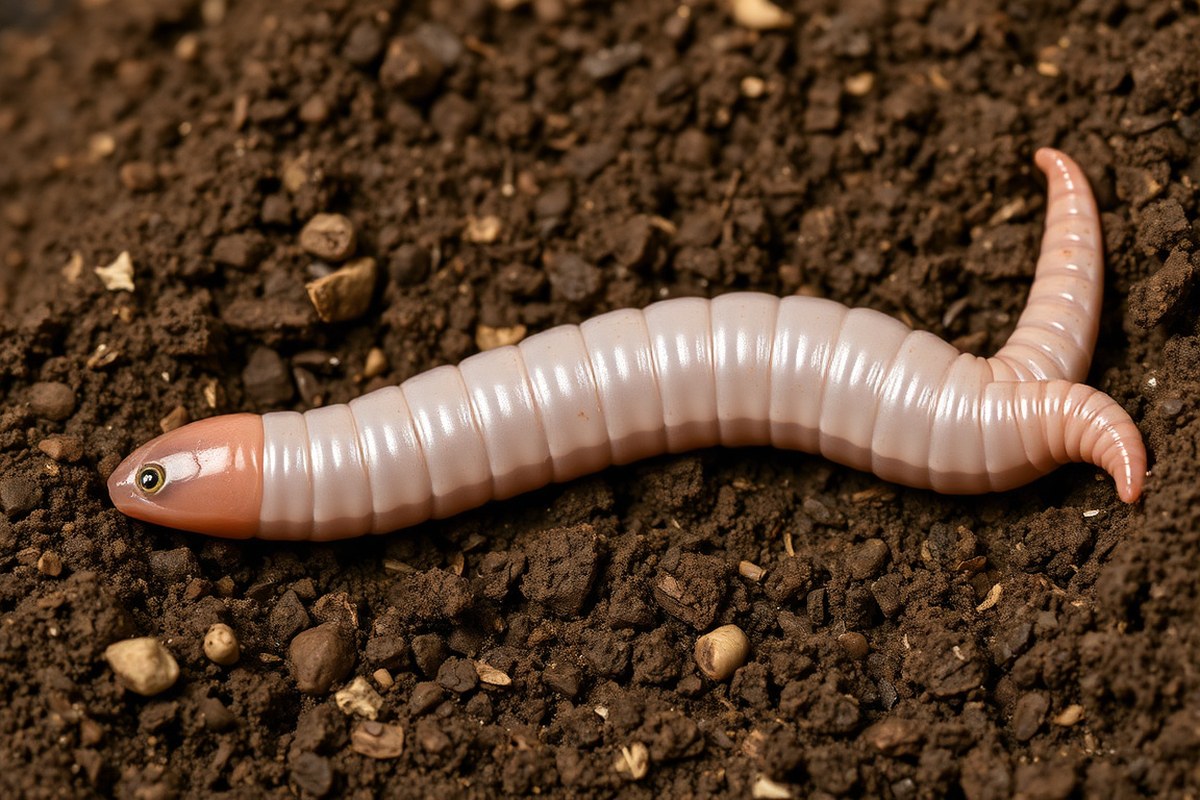
Worms do not have bones or any type of traditional skeleton. They belong to the group called invertebrates. Invertebrates lack bones inside their bodies.
Vertebrates, like us, have internal bones. This is very different from animals like snakes.
Snakes are vertebrates with bones inside. Worms don’t have any bones.
Instead of bones, many worms use something called a hydrostatic skeleton. The worm’s body uses fluids to make pressure. This pressure helps the worm keep its shape.
It also allows the worm to move. This skeleton is soft and flexible, not hard like the bones found in animals with backbones.
Worms also have no external skeleton, often called an exoskeleton, which insects and crustaceans possess. Worms don’t have bones or hard outer shells. Their bodies stay soft and quite small.
Muscles and fluid pressure help support them. This setup helps them wiggle through soil and tight spaces without needing any solid bones inside.
What Is a Hydrostatic Skeleton and How Does It Support Worms?
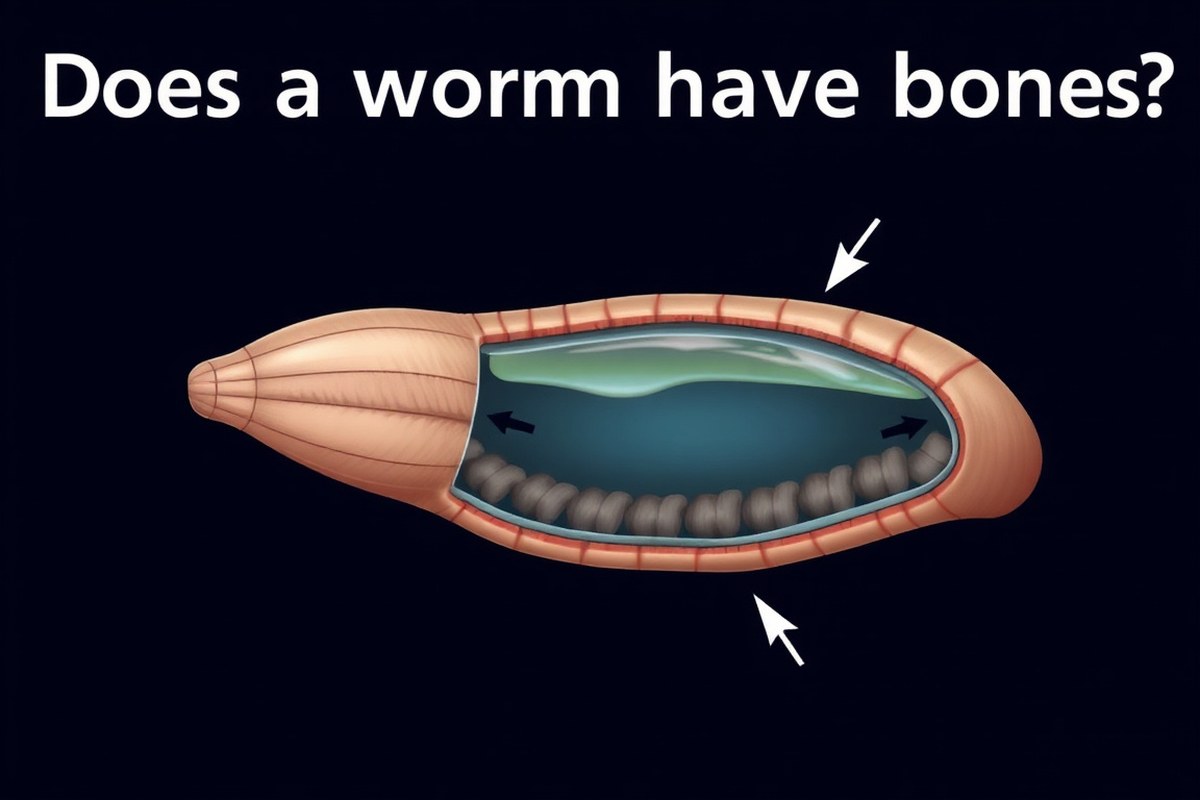
Worms don’t have bones, but they have a hydrostatic skeleton. It uses fluid pressure inside their body cavity to support and shape their bodies. Muscles squeeze this fluid to help worms move and stay firm.
Definition and Basics of Hydrostatic Skeleton
A hydrostatic skeleton is a soft, flexible support system. It consists of a fluid-filled cavity called a coelom inside the worm’s body. Surrounding this fluid are layers of muscles that work together to hold the worm’s shape.
This kind of skeleton replaces hard bones or shells. Worms can change their body shape by controlling the pressure inside the fluid. This flexibility helps them squeeze through soil or tight spaces.
Role of Fluid Pressure Inside Worms
The hydrostatic skeleton relies on fluid pressure that pushes outwards inside the coelom. This pressure keeps the worm’s body firm and prevents it from collapsing. When muscles contract, they squeeze this fluid, increasing the pressure.
Because the fluid can’t be compressed, it pushes against the muscles and skin. This force gives the worm a steady shape to move and work with. Without this pressure, the worm’s body would be floppy and weak.
Muscle Layers Working with Fluid for Movement
Two main muscle layers surround the coelom: circular muscles and longitudinal muscles. When circular muscles contract, the worm’s body gets longer and thinner. When longitudinal muscles contract, the body becomes shorter and thicker.
These muscles work against the fluid’s pressure inside the cavity. The alternating contractions and relaxations create waves along the worm’s body. This wave-like movement, called peristalsis, helps the worm crawl forward.
Muscles and fluid pressure depend on each other for movement. When the muscles fail to contract correctly, the fluid can’t push the worm’s body into new shapes. This limits how well and how fast a worm can move.
Remember, a worm’s body needs fluid pressure to support itself. Without it, the worm cannot move properly.
How Do Worms Move Without Bones or a Rigid Skeleton?
Worms move using muscles instead of bones or a rigid skeleton. Their bodies have circular and longitudinal muscles that contract to change their shape. Circular muscles squeeze a segment, making it thinner and longer to push forward.
Longitudinal muscles do the opposite. They tighten to make the segment shorter and thicker.
This action helps pull the rest of the body along. This back-and-forth muscle action creates a wave-like motion that lets worms crawl and burrow through soil.
Tiny bristles called setae are key for movement. They stretch from each segment to grip the soil.
This stops the worm from slipping backward. When circular muscles contract to push the worm forward, the setae retract to reduce friction.
When longitudinal muscles contract, the body gets thicker. The setae then extend again to anchor. Without these bristles, a worm would spin in place.
It couldn’t get a solid grip without them. Muscle tightening and bristles together help worms squeeze through tight spaces. This makes moving through dirt easier.
What Are Setae and How Do They Help Worms Move?
Setae are tiny bristles found on worms that help them move and grip surfaces. Each worm segment has several setae that extend and retract as the worm moves. They stop the worm from slipping backward and provide traction as it crawls.
Definition and Structure of Setae
Setae are small, hair-like bristles attached to the worm’s body wall. They are made of tough, chitin-like material which makes them stiff but flexible. These bristles stick out through the worm’s skin and can move in and out as needed.
The structure of setae allows worms to anchor themselves in soil or other surfaces. They act like tiny hooks or spikes to hold the worm in place. Worms use muscular control to extend or pull back each bristle during movement.
Typical Number and Arrangement on Worm Segments
The number of setae varies by species but generally ranges from 10 to 50 per segment. Earthworms usually have four pairs of setae on each body segment. These pairs are arranged evenly on each side, providing balanced grip and support.
Setae are positioned along each annulus, the segmented rings of a worm’s body. This arrangement helps the worm anchor many points at once. More setae mean better traction, especially in soil or rough surfaces.
Here is how setae are typically arranged on worms:
- 4 to 8 setae pairs per segment in common earthworms
- Setae evenly spaced along each segmented ring
- Alternating pairs to provide grip in multiple directions
- Positioned on the lower surface to contact soil
- Strong enough to penetrate soft surfaces but not harm the worm
Function of Setae for Anchoring and Movement
Setae serve as an anchor when worms contract their muscles to move forward. They grip the soil or surface so the worm doesn’t slide backward during muscle contractions. Without setae, worms would struggle to push through tight spaces or loose soil.
When the worm pushes forward, its body extends. The setae pull back to help it move smoothly.
Then the worm extends the setae again to anchor and pull itself ahead. This repeated extension and retraction of setae create steady, controlled crawling.
Setae also help worms avoid predators by letting them quickly dig into the soil. The bristles provide traction so the worm can speed away or hide underground. This gripping system is essential for survival in their soft, vulnerable bodies.
Can Worms Survive If Cut in Half and How Does Regeneration Work?
A worm can live after being cut in half. The front part with the head must stay alive. The tail part alone will not survive.
The part with the head can sometimes grow back lost segments. But the tail side cannot grow a head and will die.
Where Worms Can Regenerate
Worms can regrow segments behind their head, including their digestive organs. This ability gives them a chance to recover from injuries or escape predators. Lost parts like sections of the body wall and muscles often regenerate over time.
The worm’s head region contains important organs such as the brain and heart. It is key for survival and regeneration. Without the head, a worm cannot regenerate or survive long.
Limits of Regeneration in Worms
The tail end cannot regenerate a new head or important organs. Cutting behind the head causes the tail to die soon. Only the head part can live.
The tail cannot survive without the head. Only the front half has the cells needed to rebuild the missing parts.
Regeneration takes days to weeks depending on how many segments are lost. Too much missing from a worm means it won’t survive. The worm needs enough body to live.
Losing large parts is fatal. Survival depends on which body segments remain and how healthy they are.
Biological Mechanisms Behind Regrowth
Worm regeneration depends on special cells that can divide and turn into needed tissues. These stem-like cells gather at the injury site to rebuild lost parts. They create muscles, skin, and internal organs segment by segment.
The process begins with wound healing and forming a protective layer. Next, new tissues grow by rapidly multiplying cells and reshaping structures. This regeneration relies on proteins that signal cells to develop in the right way.
Handle worms gently to prevent harmful breaks, as not all cuts will heal.
How Do Different Worm Types Vary in Body Structure and Skeletons?
Not all worms share the same body structure or support system. Common earthworms have a hydrostatic skeleton. It uses fluid pressure inside their body.
This pressure keeps them firm and helps them move. Bone-eating worms live in deep-sea whale carcasses.
They have no bones but special ways to digest bones. They survive in extreme conditions.
While insects and other arthropods have hard exoskeletons, most worms do not. Some worm species develop other support methods, like a tough outer layer or bristles called setae. But this is different from a true skeleton.
Bone-eating worms eat whale bones and live in the bone habitat. Earthworms live underground instead. This makes bone-eaters very different.
Here’s a table comparing these worm types based on their body structure and skeleton traits. It makes clear what kinds of support each type uses and where they live.
| Worm Type | Skeleton/Support | Habitat | Special Traits |
|---|---|---|---|
| Common Earthworm | Hydrostatic skeleton (fluid pressure) | Soil, underground | Segments with setae for movement |
| Bone-eating Worm (Osedax) | No skeleton, soft-bodied | Deep-sea whale carcasses | Consumes whale bones; continuous gamete release |
| Insects and Arthropods (Not true worms) | Hard exoskeleton (external shell) | Various, often land | Protection and muscle attachment |
Bone-eating worms reproduce by continuously releasing eggs and sperm to spread offspring wide. This strategy helps since their food source is scarce and scattered.
In contrast, earthworms depend on moist soil to keep their hydrostatic skeleton functional. They can’t move well or survive when the environment dries out.
You won’t find worms with exoskeletons like insects. But some do have protective body layers or bristles. The hydrostatic skeleton works best for worms moving in soil or water.
Bone-eating worms show how body structure can vary dramatically to match habitat and food source. Each worm type uses whatever support fits its way of life.
What Evolutionary Advantages Do Worms Have by Lacking Bones?
Worms lack bones because their soft bodies help them live in tight, underground spaces. Without a skeleton, they can squeeze through soil cracks and small gaps. This flexibility lets them escape predators and find food more easily than animals with hard skeletons.
Being boneless allows worms to move smoothly without getting stuck. Their bodies can change shape quickly as they push through dirt. This helps especially in crowded tunnels, where rigid bones would limit movement and cause injury.
Worms survive well because their muscles work against body fluids inside a hydrostatic skeleton. This system supports the body and allows crawling or burrowing without any bones. Soft bodies also help worms absorb oxygen through their skin more effectively underground.
Worms don’t have bones, so they don’t use much energy to grow. Their bodies stay soft and flexible. This saves energy compared to animals with hard skeletons.
They invest more energy in reproduction and digging instead. This gives them an edge in environments where escaping harm and finding food fast is key.
Some worms can even split and regrow parts if injured. Bones would make this impossible or slow down healing. Their boneless form supports rapid recovery and survival after attacks or accidents underground.
In wet or dense soils, flexible bodies let worms adjust their shape and avoid pressure damage. Hard skeletons could break under such conditions. Worms have soft bodies without bones.
This helps them live in many soil types. It lets them spread to different places around the world.
Related Worm Anatomy: Brains, Hearts, and Sensory Organs Explained
Worms do have simple brains, but the size and complexity vary by type. Their brains are clusters of nerve cells near their head. These cells help coordinate how they move and react.
They keep the worm’s actions connected and smooth. Worms don’t have bones, but their nervous system still works.
It sends signals to muscles to contract and relax. This controls their movement and response.
Worms also have hearts, but they differ from human hearts. Many earthworms have five pairs of aortic arches that act like hearts. Their structures pump blood through vessels.
This means their blood flows in tubes. Their circulatory system is called closed because of this flow.
Their sensory organs are basic but effective. Worms sense light, touch, chemicals, and vibrations through skin and tiny cells called sensory receptors. This helps them navigate underground and avoid danger, even without eyes or ears like larger animals.
Movement depends on this system working with muscles and setae. Setae are tiny bristles on their bodies. They help the worm grip surfaces and move.
The nerve signals trigger muscles to squeeze the worm’s segments, pushing it forward. Sensory input adjusts the rhythm and strength of these contractions, allowing smooth crawling and quick reactions.
Don’t let worms dry out during observation. Their skin needs moisture to breathe properly. Moist skin also helps them sense their surroundings.
Some worm species have variations in their nervous systems and circulatory organs. For example, marine worms may have more nerve cells or specialized sensory parts for underwater life. These changes keep them alert and mobile in different habitats without needing bones.
What to Remember About Worms and Their Bones
Here’s a quick plan to keep what you learned clear and easy to recall.
- Right now: Picture a worm’s soft, flexible body without bones or a shell. This helps you remember they rely on water pressure inside their bodies.
- Today: Think about how their hydrostatic skeleton works like a water-filled balloon. This shows how they keep their shape and move.
- After reading: Recall the setae, tiny bristles on the worm’s segments. They grip surfaces so the worm can crawl smoothly.
- Tomorrow: Consider how some worms can survive being cut in half and grow back lost parts. This is their special regeneration power.
- Next week: Compare different worm types like earthworms, flatworms, and roundworms. Notice the differences in their body structures and movement.
- In two weeks: Worms don’t have bones. They have brains, hearts, and senses. These parts help them live their life.
- Whenever curious: Think about how worms benefit from no bones. They can squeeze into tight spaces. This also helps them grow easily.
Frequently Asked Questions
Does a Worm Have Bones?
No, worms do not have bones or any rigid skeleton. They use a hydrostatic skeleton filled with fluid for support. This skeleton helps them keep their shape and move.
Do Worms Have Brains?
Worms have simple brains that control their movements and senses. Their brains are much smaller and less complex than vertebrates’ brains.
How Long Do Worms Typically Live?
Most worms live between 4 to 8 years depending on their species and environment. Factors like soil quality and temperature affect their lifespan.
Can Worms Sense If They Are Alive?
Worms respond to light, touch, and chemicals, showing basic awareness of their surroundings. This helps them avoid danger and find food.
Do Worms Regenerate After Being Cut?
Yes, worms can regrow some parts if cut behind the clitellum. The head usually survives and can regenerate its tail over time.
How Many Bones Does a Worm Have?
Worms don’t have any bones because they are invertebrates. Their bodies are soft, supported by fluid pressure instead of bone.
Before You Go
Worms don’t have bones but use a hydrostatic skeleton to stay sturdy and move. Their setae help grip while crawling.
You can explore worms next time you find one in your garden. You could also study them closely in class.