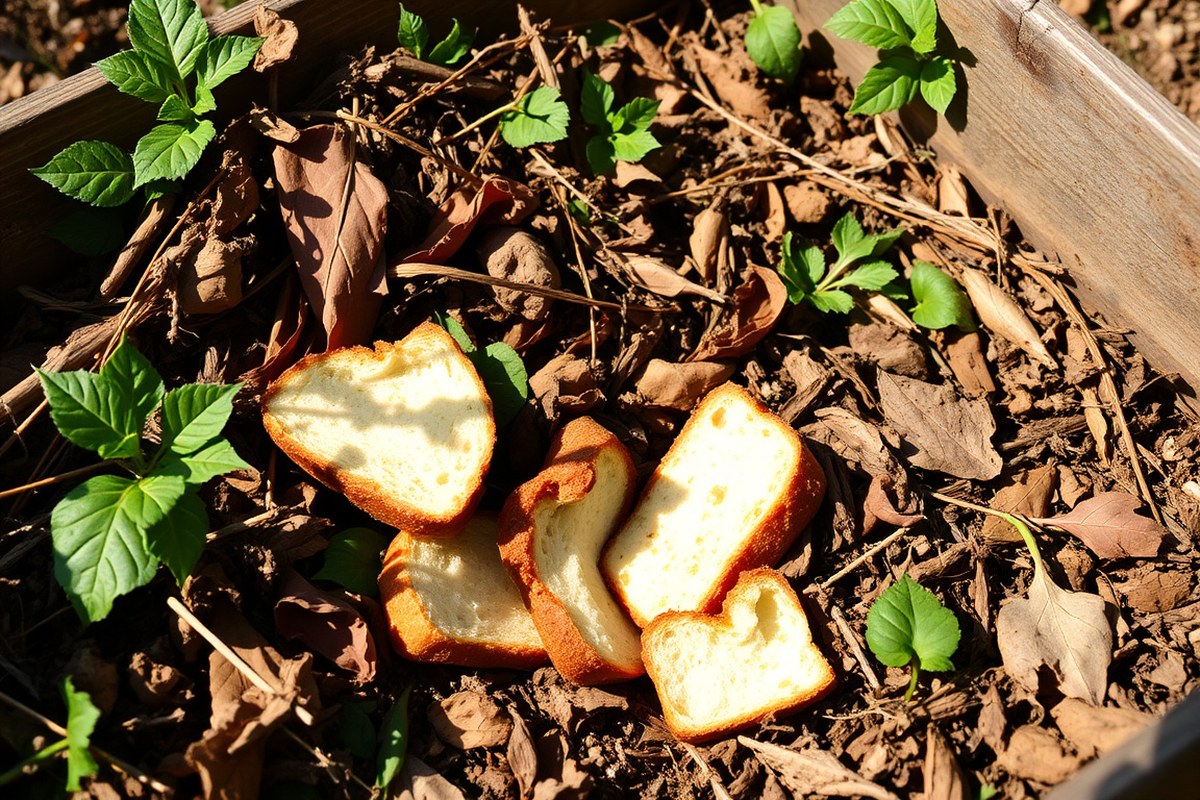
Can You Put Bread in a Compost Pile? Complete Guide for Best Results
Can you put bread in a compost pile? Yes, you can, but with some care.
Bread breaks down well but can attract pests if added improperly. Keep bread limited to about 10-20% of your pile’s green material volume.
Use only plain bread without dairy or oils to avoid bugs and smells. Breaking it into small pieces helps it decompose faster and mix evenly. Always bury bread 8 to 12 inches deep inside the pile for best results.
Make sure your compost pile stays hot enough to kill germs and bugs. Temperatures near 141°F to 145°F help you avoid pathogen growth. Turning the pile regularly will keep it balanced and reduce bad odors from bread scraps.
Key Takeaways
- Limit bread to 10-20% of your compost’s green materials for balance.
- Break bread into small pieces to speed up decomposition.
- Exclude bread with butter, cheese, or oily ingredients.
- Bury bread scraps 8 to 12 inches deep in the pile.
- Maintain pile temperatures between 141°F and 145°F to kill pathogens.
- Turn your compost frequently to mix bread and prevent odors.
Can You Put Bread in a Compost Pile? The Simple Answer
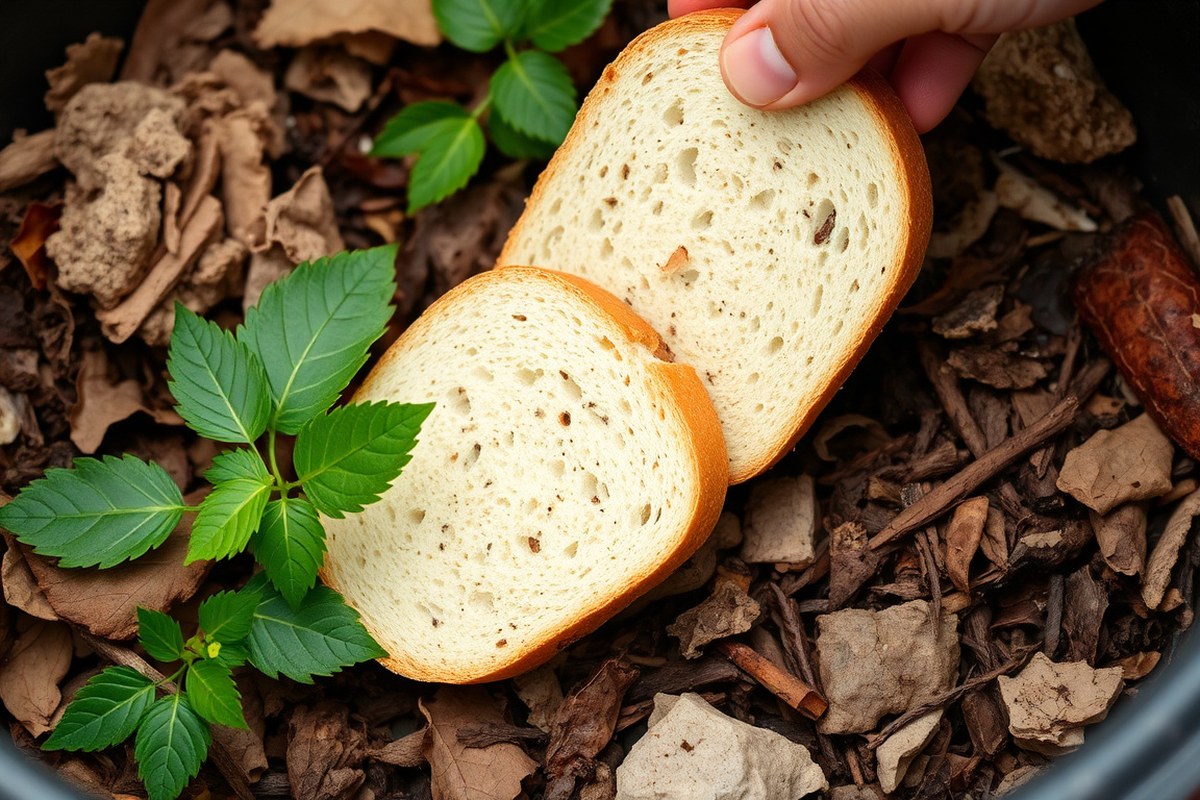
You can put bread in a compost pile. But it works best under certain conditions.
Bread breaks down quickly and provides nitrogen and carbohydrates, which help microbes do their job. Small pieces of bread mix well with other materials and speed up decomposition.
Not all bread suits composting equally. Fresh or dry bread without mold is fine. Moldy bread can compost in a hot compost system.
This system heats above 130°F. The heat kills mold and breaks down the bread. Cold compost piles might not handle mold well. The bread could attract pests or produce odors.
Deciding to add bread depends on your compost method and pile balance. Add bread in moderation, mixing it with plenty of dry browns like leaves or shredded paper.
Turning the pile often helps air reach the bread, preventing slime and pests. Covering bread with soil or finished compost encourages good breakdown.
Which Types of Bread and Baked Goods Are Best for Composting?
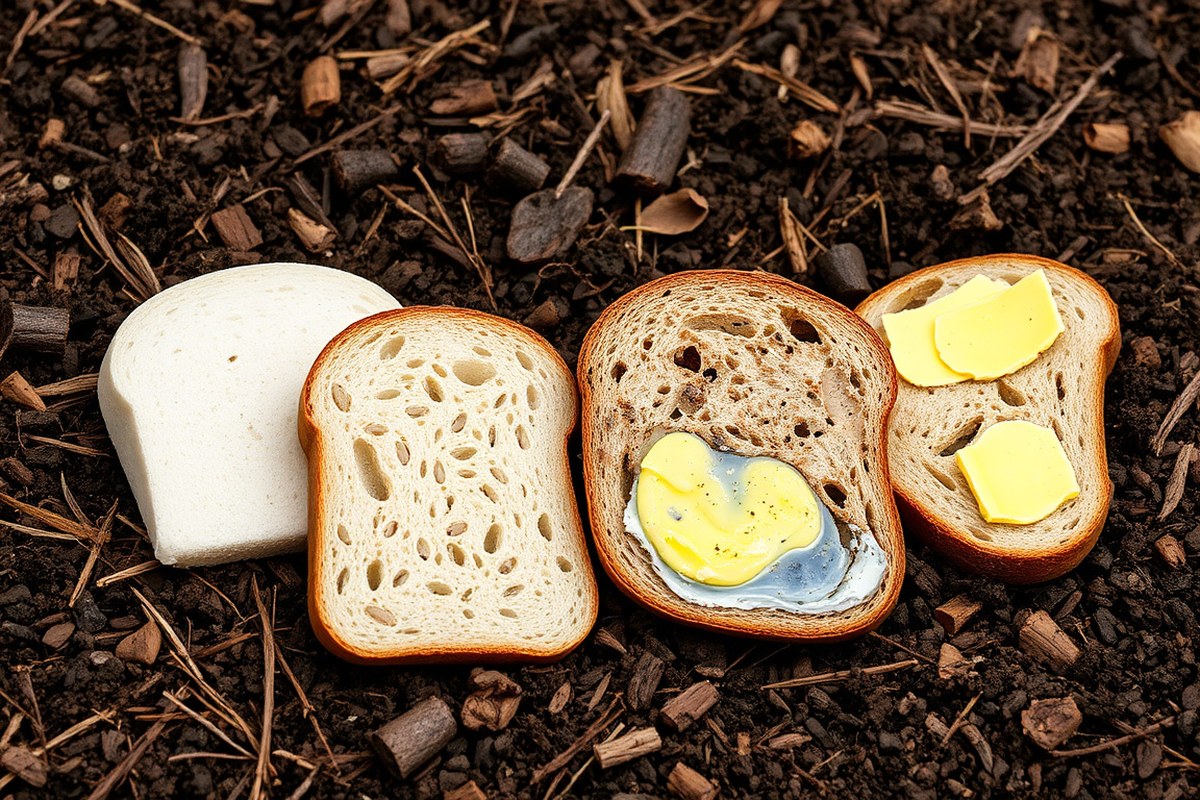
Most types of bread can be composted. But some are easier to break down than others. Plain breads like white or whole wheat work well because they have simple ingredients.
Breads with fats or oils like croissants are harder to compost. They might slow down the process. These breads can also attract pests.
Moldy bread is safe to add to your compost. But you should bury it deep in the pile. This helps avoid mold spores spreading in the air and keeps the compost healthy.
Avoid composting bread with heavy butter or cheese at home. Oils can block tiny organisms from breaking it down. This slows the composting process.
| Item | Outdoor Compost | Municipal Food Waste | Clear Drop OC |
|---|---|---|---|
| Plain bread (white or whole wheat) | Yes, in small amounts | Yes | Yes |
| Stale bread | Yes | Yes | Yes |
| Moldy bread | Yes, buried in the pile | Yes | Yes |
| Crackers | Yes | Yes | Yes |
| Bagels | Yes | Yes | Yes |
| Pizza crust (plain) | Yes, in small amounts | Usually accepted | Yes |
| Croissants & pastries | Limited (fats and sugar) | Usually accepted | Yes |
| Bread with butter | Discouraged (fats) | Usually accepted | Yes |
Put bread or baked goods in the compost center. Bury them under other materials. This helps them break down better.
This keeps the pile balanced and speeds decomposition. Add bread slowly to your compost.
This prevents overwhelming the system. It keeps odors and pests away.
Never compost bread with meat, dairy, or animal fats at home. They cause bad smells. These materials also attract pests.
Plain breads supply nitrogen that feeds decomposers in your pile. Fatty or sugary baked goods need special care or industrial composting. Municipal programs can handle these types because they use higher temperatures and better processing.
By choosing bread types wisely and managing additions carefully, you help your compost stay healthy. Burial and moderation are key to keeping mold spores in check and balancing moisture and nutrients. This way, your compost breaks down steadily without smells or pests.
How to Prepare and Add Bread to Your Compost Pile Safely
Break bread into small pieces before adding it to your compost. Mix it well with other compost materials.
Always bury it deep in the pile to avoid pests and odors. Avoid adding too much bread at once to keep the compost balanced and healthy.
Tearing or Chopping Bread into Small Pieces
Start by tearing the bread into bite-sized pieces or chopping it with a knife. Small pieces break down faster in the compost than large chunks. Using stale bread is best because it is drier and less likely to smell bad.
Make sure the pieces are no bigger than one-inch squares. This lets microbes get to every crumb quickly. Stale or dry bread breaks down without attracting pests as easily as fresh bread.
Mixing Bread into Green and Brown Materials
Before putting bread in the pile, mix it well with both green and brown compost materials. Green means nitrogen-rich items like fruit scraps or grass clippings. Brown refers to carbon-rich stuff like dry leaves or shredded cardboard.
Mixing helps balance moisture and nutrients and speeds decomposition. Bread crumbs can go directly in as green material.
Larger slices should be chopped first. Keep the ratio roughly 2 parts brown to 1 part green for best results.
- Combine bread pieces with dry leaves or straw
- Mix in fruit and vegetable scraps
- Avoid adding bread alone to the pile
- Stir materials regularly to spread the bread
- Check moisture so it is damp but not soggy
Good mixing reduces the chance bread will sit on top and attract pests.
Burying Bread Deep in the Compost Pile
Place the bread pieces near the center or bottom of your compost pile. Cover the bread completely with at least 6 inches of brown material. This keeps rodents and insects away from the bread scraps.
You can also cover the pile with a layer of straw or finished compost on top. This bio-filter seals in smells and blocks pests. Leaving bread on top attracts pests and slows down decay.
Adding Bread Gradually and in Moderation
Add bread slowly, especially if you have lots to compost. Add only a handful of bread pieces at a time relative to your pile size. Adding too much bread can upset the balance of green and brown materials.
For a medium backyard compost bin, add one to two cups weekly. Only break bread into small pieces for faster composting.
Add bread over several days if you have a lot. This stops soggy, smelly spots from forming in the pile.
Building the pile slowly this way limits odors and pest problems. It gives microbes time to digest each batch before adding more bread.
Preventing Pests and Odors When Composting Bread
Bread can attract rodents, insects, and other pests if you add it improperly to your compost. To avoid this, bury bread scraps deep inside the compost pile. Cover scraps with a few inches of brown materials.
Use dried leaves or shredded paper. This keeps pests and smells under control.
Avoid adding large amounts of bread at once. Large quantities can produce unpleasant smells and draw animals. Instead, add small amounts gradually and mix well to balance moisture and carbon levels.
Use a rodent-proof compost bin if you compost outdoors. These bins have tight lids and secure vents that keep pests out. Use a mesh wire barrier around your outdoor pile.
It helps keep rodents away. This protects your compost and garden.
Keep the compost pile aerated by turning it every week or two. Air helps speed up decomposition and stops odors that attract flies. Add more carbon-rich materials if your pile smells sour.
Turn it more often to help aerate it. This balances the compost and stops bad odors.
Store bread scraps in a sealed container. Keep them until you add to a worm bin or sealed system. This prevents pests and messes indoors.
Fruit flies can appear within 24 to 48 hours on exposed food scraps indoors. A sealed container prevents this problem.
Avoid composting bread with cheese, meats, or oily toppings. These take longer to break down and attract more pests. Plain bread or bread with minimal additives works best in most compost systems.
Bread’s Impact on Compost Balance and Decomposition Speed
Bread affects compost by adding both carbon and nitrogen, which influences the carbon-to-nitrogen (C:N) ratio. Bread has moderate nitrogen levels and is soft and porous. So it helps the compost microbes break it down quickly.
Add bread in small amounts to keep compost balanced. Mix it with dry brown materials like shredded leaves. These help soak up moisture in the pile.
Bread holds moisture, which can cause clumps or mats. Don’t pile it up in one spot. Spread it out instead.
This dense mat blocks airflow and slows down decomposition. Break bread into little pieces before adding it.
Bury the pieces well inside the compost heap. This stops lumps and keeps pests away.
Bread breaks down faster than many kitchen scraps. Its texture is porous, which speeds decay. This makes it a quick compost ingredient.
Moldy bread is starting to break down. It can help speed up compost if mixed well. Mold shows decomposition has begun.
Put garden soil or finished compost on top of bread scraps. This boosts microbes and speeds decay. It helps the compost process.
Always mix bread deep into the compost pile. Balance wet bread with dry materials to prevent clumps. This stops smells and keeps things balanced.
Best Composting Methods for Bread: Hot, Cold, Worm Bins, and Bokashi
Bread can be composted using several methods, but each works differently. Choosing the right system helps avoid problems like pests or slow breakdown. Here’s how bread fits into worm bins, hot and cold piles, and Bokashi.
Worm bins break down food quickly with the help of worms. You can add small amounts of plain bread here.
Avoid oily or buttery bread since it can harm the worms and cause bad smells. Break the bread into tiny pieces to help worms eat it faster.
Hot compost piles use high temperatures from 130°F to 160°F (54°C to 71°C). Bread breaks down well here, especially plain bread, because the heat kills mold spores and pests. Avoid large amounts of bread at once to keep the pile balanced.
You want to mix bread with “brown” materials like dry leaves. This stops it from clumping. It helps your compost stay balanced.
Cold compost piles work slower and stay below 100°F (38°C). Bread takes longer to decompose in these piles.
Large amounts of bread can attract rodents and flies. Mixing it well with other organic matter reduces risks but don’t add much at once.
Bokashi is a fermentation method using special microbes. This method works well with oily breads and baked goods. These items don’t break down easily in piles or worm bins.
Mixing helps compost them faster. First, add bread to the Bokashi bin and seal it airtight for about two weeks. After fermenting, bury the mix in soil or add it to compost.
This helps it break down completely. Keep it moist for best results.
| Composting Method | How Bread Should Be Added | Best Bread Type | Time to Break Down | Common Issues |
|---|---|---|---|---|
| Worm Bin | Small pieces, no oily bread | Plain bread | 1 to 2 weeks | Smell, worm harm from oily bread |
| Hot Compost | Mixed with browns, moderate amounts | Plain bread | 2 to 4 weeks | Mold, pests if too wet or excess bread |
| Cold Compost | Small amounts, mixed well | Plain bread | 1 to 3 months | Rodents, slow breakdown |
| Bokashi | Add, seal airtight for 2 weeks | Oily and plain bread | 2 weeks (fermentation), then soil breakdown | Needs soil burial or composting after |
Different composting methods mean you can handle bread’s tricky parts in ways that work. Worm bins need bread in tiny doses and no grease. Hot piles use heat to prevent pests but need balance.
Cold piles take longer and risk animals, so add bread carefully. Bokashi handles oily bread best but requires another step afterward.
Pick the method that fits your setup and the bread you have. Chop bread small, mix it with other materials, and watch how your system reacts.
Adjust amounts if you see unwanted smells or pests. This will keep your compost healthy and your kitchen scraps turning into great soil.
Common Problems When Composting Bread and How to Fix Them
Adding bread to your compost can cause clumping, pests, and slow breaking down. These problems come from moisture, how much bread you add, and where you put it. Fixing these issues helps your compost stay healthy and work faster.
Bread Clumping and Restricted Airflow
Bread often clumps together, making it hard for air to flow in the pile. This slows down decomposition because microbes need oxygen to break food down. The sticky clumps trap moisture and create spots that become smelly and slimy.
To stop clumping, break bread into small pieces or tear it up before adding it. Mix bread well with dry materials like shredded leaves or newspaper to spread it out. Turning your compost weekly also helps air reach all parts evenly.
Rodent and Insect Infestations
Bread attracts pests like rats, mice, ants, and flies more than many other food scraps. These animals can dig into your pile and cause damage or spread germs. Overfeeding moldy bread especially invites unwanted visitors.
Keep pests away by adding small amounts of bread at one time. Use less than a handful per compost batch. That limits unwanted bugs and animals around your pile.
Bury bread deep inside the pile under dry brown materials to hide the smell. Use a secure lid to keep rodents out of your compost bin.
You can also wrap wire mesh around your bin for extra protection. These steps help stop pests.
- Limit moldy bread to avoid strong odors that attract pests
- Bury bread pieces at least 6 inches deep inside the pile
- Cover the pile with dry leaves or cardboard after each addition
- Turn the compost regularly to discourage nesting
- Use lids or fencing to keep larger pests out
These steps reduce pest problems while letting bread help feed your compost microbes.
Excess Moisture and Soggy Pile
Bread adds moisture to the compost, which can make the pile soggy and heavy. Too much water leads to bad smells and slows down decay by limiting oxygen. Soggy compost also attracts more pests.
Prevent this by balancing wet bread with dry brown materials like straw or shredded paper. Mix well to absorb water. Also, add bread in small amounts and avoid letting rain soak your pile.
Turn your compost pile when it feels too wet. This helps air dry it faster. It keeps the compost balance right and avoids bad smells.
Overuse of Bread Throwing Off Compost Balance
Adding too much bread shifts the compost’s nitrogen-to-carbon ratio. Bread is mostly simple carbs and moisture, low in carbon compared to brown materials. This imbalance slows compost breakdown and causes odors.
Only add bread up to 10 to 15 percent of your compost volume. Adding more can attract pests or slow down composting. Keep your mix balanced for best results.
Always mix bread with plenty of high-carbon browns like dry leaves, wood chips, or shredded paper. This keeps the pile balanced and breaks the bread down effectively.
Sustainable Alternatives to Composting Leftover Bread
You can reuse leftover bread in easy, eco-friendly ways before composting it. These options cut food waste without extra effort. Using stale bread creatively helps you save money and feed wildlife or your family.
Making Breadcrumbs and Homemade Croutons
Crumble stale bread to make fresh breadcrumbs. Dry the bread pieces in a low oven at 200°F for 30 minutes. Then crush or pulse them in a food processor.
Homemade croutons are another great use. Cut bread into cubes.
Toss with olive oil and herbs. Bake at 375°F for 10 to 15 minutes until crisp.
Store breadcrumbs and croutons in airtight containers for several weeks. This helps cut down on buying store versions.
Feeding Birds and Wildlife Ethically
Leftover bread can feed birds and wildlife but only in moderation. Too much bread can harm animals and pollute waters. Offer small amounts on dry days or scatter thin layers on the ground.
- Break bread into small pieces to prevent choking hazards
- Avoid moldy or heavily processed bread
- Feed outdoors away from busy roads or predators
- Combine bread with seeds or nuts for better nutrition
- Do not leave bread as a regular feeding source
Using bread this way adds value before composting leftover scraps.
Using Bread in Recipes and Animal Feed
Stale bread works well in recipes like bread pudding or French toast. It soaks up liquids better, improving texture and taste. These dishes use up bread before waste.
Some backyard chickens or pets can also eat dry bread safely. Check with a vet or animal care guide to ensure it fits their diet. Feed only small portions to avoid digestive upset.
When to Choose Composting over Reuse
Composting bread is best when it’s moldy, very old, or contains unwanted additives. Mold can be unsafe for people and animals but is fine in a hot compost pile. It breaks down into nutrients that enrich garden soil.
You can’t use leftover bread right away, compost it to avoid spoilage turning into trash. Adding bread in small amounts to your compost pile balances nitrogen without attracting pests.
Do not compost large amounts of bread at once. It can cause odors and pests.
Step-by-Step Action Plan for Composting Bread Successfully
Follow this plan to add bread to your compost pile safely and avoid common problems.
- Before you start: Break bread into small pieces to speed up decomposition.
- Day 1: Mix bread pieces thoroughly with dry brown materials like leaves or shredded paper. This helps balance moisture and odor.
- Week 1: Turn your compost pile or stir worm bins twice to oxygenate and prevent clumping.
- Week 2: Check for pest signs like ants or rodents. Add more brown materials if needed to discourage them.
- After 3 weeks: Check the temperature regularly. Keep it above 130°F for hot composting. This helps break down bread fast and kills mold.
- Ongoing: Avoid adding large amounts of bread at once to keep the pile balanced and odor-free.
- Use worm bins carefully: Add only small amounts of bread. Bury it under the bedding to stop flies and pests.
- Optional: Try bokashi fermentation for bread before composting if you want faster breakdown without pests.
Frequently Asked Questions
Can Moldy Bread Go in the Compost Pile?
Yes, moldy bread can go in compost. Microorganisms break it down quickly in an active pile. Just break it into small pieces for faster mixing.
Is It Safe to Compost Bread with Seeds or Nuts?
Bread with seeds or nuts can compost well. Seeds may sprout in the pile but usually won’t cause problems. Chop large nuts to help them break down faster.
How Does Storing Bread Affect Composting Success?
Storing bread before composting can lead to mold growth. Moldy bread breaks down faster but consider adding it soon after mold appears. Avoid rotting bread that smells foul or slimy.
Can Composting Bread Attract Rodents to My Yard?
Bread can attract rodents if left exposed on the surface. Bury bread deep inside the pile and cover it well to stop pests. Regular turning also helps keep rodents away.
Should I Soak Dry Bread Before Composting It?
Soaking dry bread before adding it speeds decomposition. Bread absorbs moisture quickly, which helps microbes work better. Just avoid making it soggy to reduce odors.
Does Freezing Bread Affect Its Compostability?
Freezing bread before composting doesn’t harm it. Thawed bread breaks down just as well as fresh. Freeze old bread to prevent pests until you’re ready to compost.
The Bottom Line
Yes, you can compost bread when prepared right and added carefully. Start by breaking bread into small pieces and mixing it well. This simple step keeps your compost healthy and pest-free.