Do Calla Lilies Need Full Sun? A Complete Guide for Thriving Plants
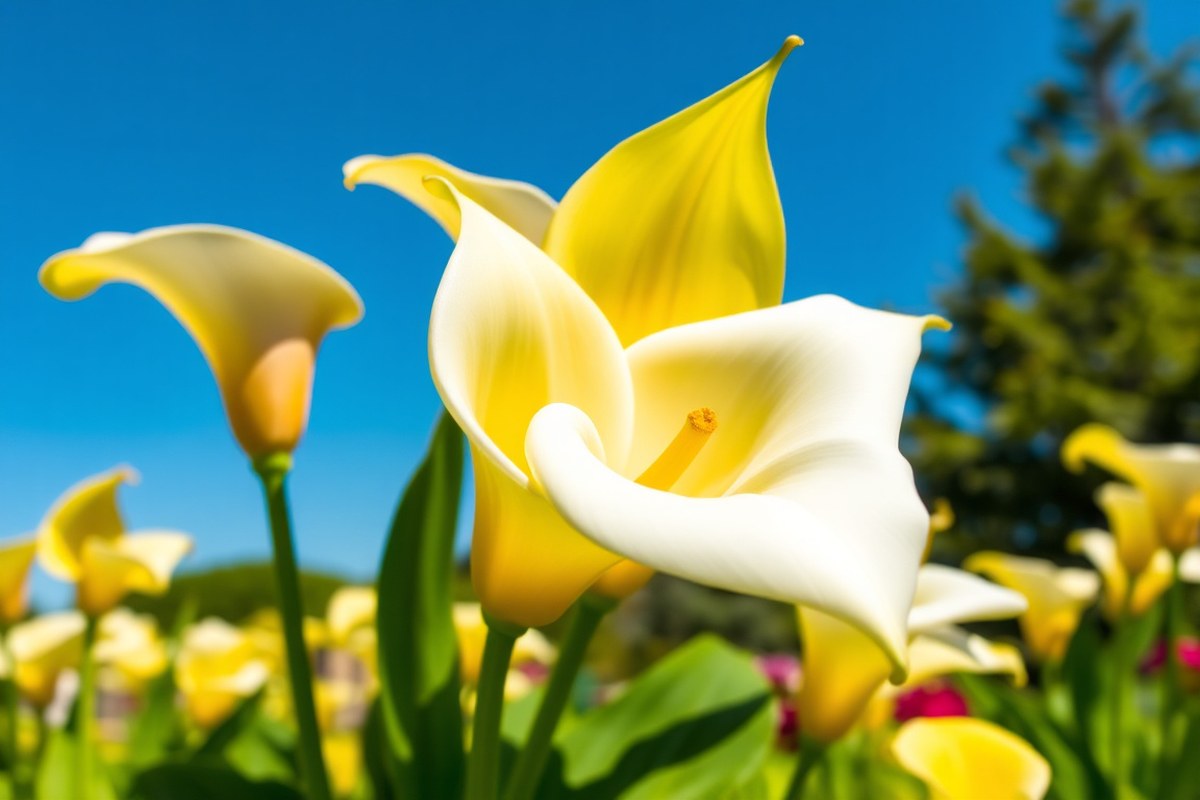
Do calla lilies need full sun to do well? Yes, they do best with about 6 to 8 hours of full sun each day.
Direct sunlight should hit the plant for several hours daily. This helps it grow strong and bloom well.
Too little sun means fewer flowers and weaker growth. However, in hotter climates, calla lilies may need partial shade to avoid leaf burn. Watching how your plants respond will help you find the right balance.
Start by placing your calla lilies where they can get at least 6 hours of sunlight. Move the leaves to a spot with some afternoon shade if they look scorched. This simple change protects the plant while still giving plenty of light.
Key Takeaways
- Calla lilies need 6 to 8 hours of full sunlight daily for best growth.
- Providing partial shade helps in hotter zones to prevent leaf burn.
- Full sun means at least 6 hours of direct sunlight on the plant.
- Watch your plants for signs like scorched leaves to adjust light exposure.
- In mild climates, calla lilies thrive between 65°F and 75°F (18, 24°C).
- Place bulbs 2, 3 inches deep with growing tips facing upward.
Do Calla Lilies Need Full Sun or Partial Shade?
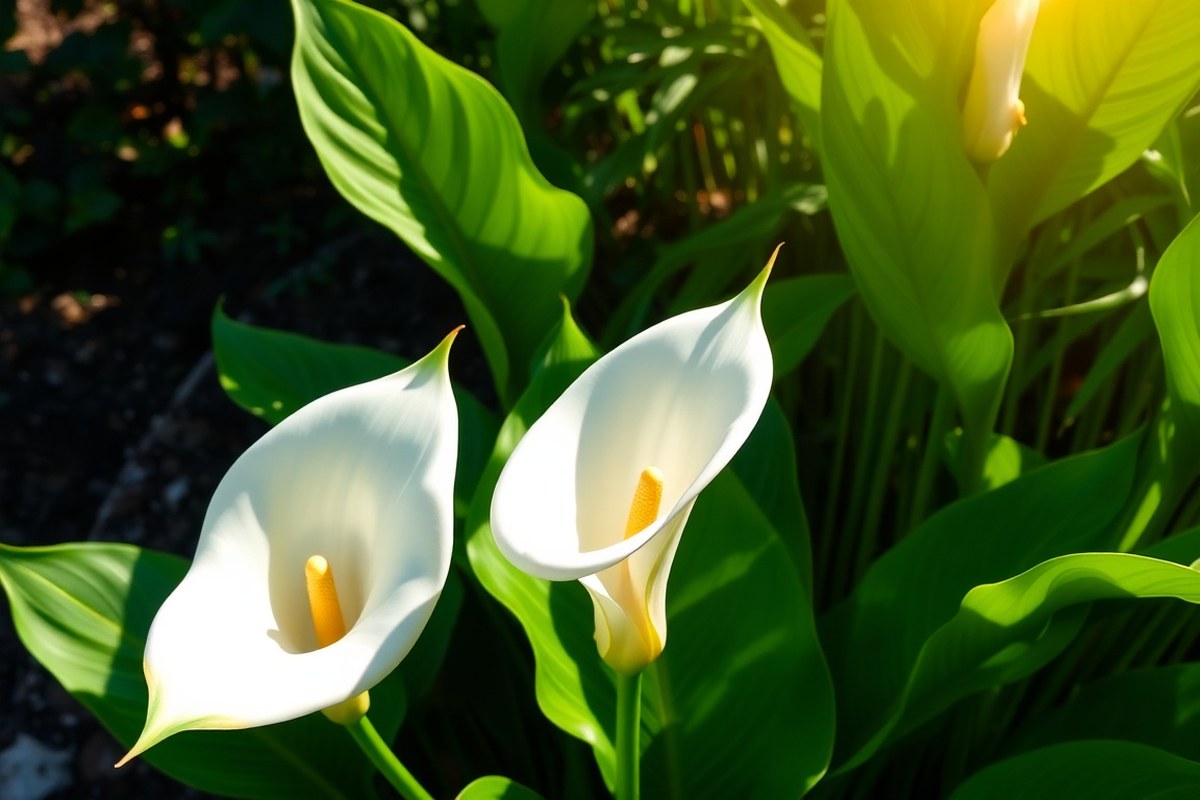
Calla lilies grow well in either full sun or partial shade. Full sun means they get about 6 to 8 hours of direct sunlight each day. This amount helps them produce strong stems and vibrant flowers.
Partial shade for calla lilies means they receive roughly 3 to 6 hours of sunlight daily. This works well in warmer climates where the afternoon sun can get too hot.
Giving the plant shade during the hottest part helps a lot. It stops leaf scorch and keeps flowers healthy.
In cooler areas, calla lilies should get full sun for the best growth. You can watch for dark green leaves and steady flower production as signs they’re happy.
The plant might need more light if it looks pale or leggy. Conversely, if the leaves look burnt or dry, shade it more or reduce afternoon sun exposure.
Check how many hours of sunlight your spot gets. Use this to pick where your calla lilies go. Sunny garden beds with morning sun and some afternoon shade work well.
This suits hot weather zones best. In cooler spots, give your lilies 6 to 8 hours of full sun. Make sure nothing blocks the sunlight.
For calla lilies in pots, porch spots with bright indirect light work well. This helps where outdoor sun is very strong.
You might need to move the pots during the day to avoid harsh afternoon rays. Keep an eye on the leaves to make quick adjustments and keep your lilies thriving.
How Sunlight Affects Calla Lily Growth and Flowering
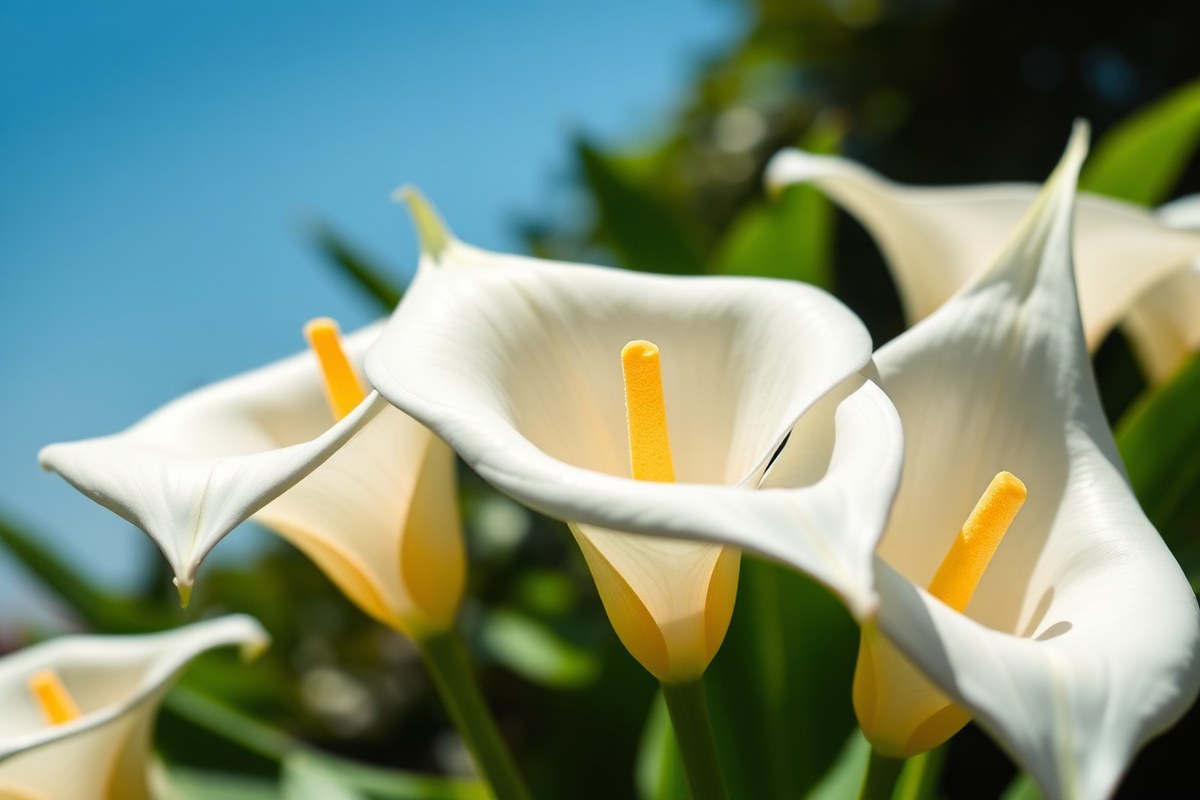
Calla lilies need about 6 hours of bright indirect sunlight to grow well. Adequate light boosts flowering quality, making their trumpet-shaped blooms vivid and fully open. Without enough light, expect delayed or fewer flowers and pale, stretched leaves.
Strong sunlight encourages calla lilies to flower later but produces sturdier plants. In colder zones with less sun, full sun helps lilies bloom better. Watch for leaf burn in harsh sun, especially in USDA zones 8 to 10.
Protect your plant as needed. Too much sun can cause damage. Leaves turning brown or crispy means they get too much direct sun.
Signs you have the right light include deep green leaves and steady growth. Leaves spread wide and space grows between them.
Your plant needs more light. Yellowing or wilting leaves signal too much sun or another care issue.
You can adjust care based on sun exposure. In brighter spots, water more often to prevent dry soil. Leaf burn means you should move your plant to partial shade.
Also, provide shade during peak sun hours. For potted calla lilies, move the pot daily.
This helps plants follow the sun. It also prevents too much direct light.
Use a moisture meter to check soil often when sun is strong. Calla lilies need consistently moist, not soggy, soil.
Best Sunlight Practices for Calla Lilies in Different Climates
Calla lilies need different sun exposure depending on your climate. In cooler zones, full sun helps them bloom better. Hot climates require some afternoon shade to protect the plants.
USDA Hardiness Zones and Sunlight Needs
USDA zones affect how much sun calla lilies should get. Zones 8 to 10 let you leave rhizomes in the ground. In these zones, calla lilies handle full sun well.
Cooler zones, like 3 to 7, treat calla lilies as annuals. They need full sun to bloom before pulling the bulbs out for winter. Below is a quick comparison:
| USDA Zone | Hardiness | Sunlight Recommendation | Care Tip |
|---|---|---|---|
| 3-7 | Not winter hardy | Full sun | Plant new bulbs each spring |
| 8-10 | Winter hardy | Full sun to partial shade | Leave rhizomes in ground for next year |
| Hot climates (zones 8-10) | Winter hardy | Partial shade afternoons | Protect from scorching sun |
This table helps pick the right sun exposure based on your zone. Cooler climates push for more sun, hot ones need shade in the afternoon.
Advice for Hot Climate Afternoon Sun Exposure
In hot climates, calla lilies can suffer from strong afternoon sun. A shady spot in the afternoon protects leaves from burning or fading. Morning sun with afternoon shade works best here.
Try placing your calla lilies where they get sun before noon but shade after 2 p.m. This timing avoids the hottest hours. Watch for curled or scorched leaves as a warning, then move plants accordingly.
Adjusting Watering and Fertilizing by Climate
Sunlight kind affects watering needs. Calla lilies in full sun dry out faster. In hot zones, water more often but avoid soggy soil to stop root rot.
Cooler zones with full sun still need moist soil but less frequent watering. Fertilize monthly during growing season with a balanced fertilizer. Hot climates may need water and feed boosts when sun is strong.
Growing Calla Lilies Indoors: Light Requirements and Tips
Calla lilies can grow indoors without direct sunlight by using bright indirect light or artificial lighting. They need about 6 hours of indirect light daily. If natural light is limited, a grow light should provide 16 to 18 hours of illumination.
Choosing the Best Indoor Spot for Light
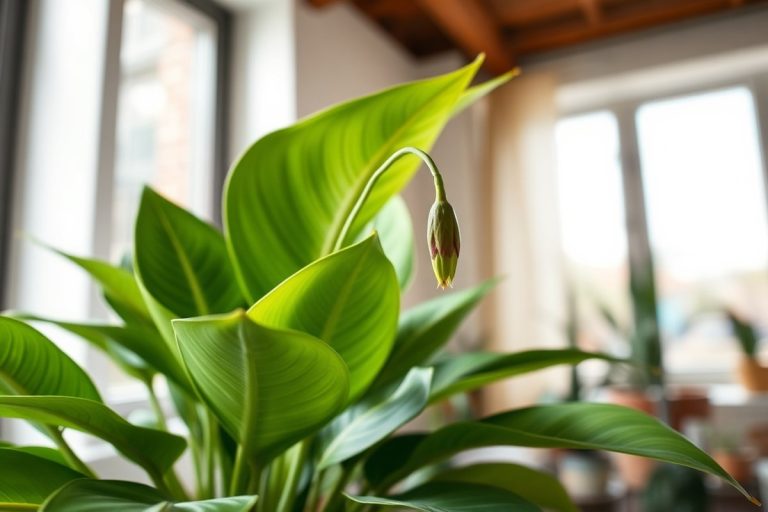
Find a window with plenty of indirect light. East or west-facing windows are ideal for calla lilies indoors. These spots give bright light without hot afternoon sun that might scorch the leaves.
Avoid north-facing windows where sunlight is too weak. Position your plants so they get morning sun or filtered afternoon light. Too little light makes calla lilies grow leggy and reduces flowering.
Using Grow Lights for Supplementary Illumination
Grow lights help when sunlight is insufficient in your room. Set them about 6 to 12 inches above the plants for even light. Choose full-spectrum LED or fluorescent bulbs designed for growing plants.
Run the grow lights for 16 to 18 hours a day. Use a timer to keep the lighting consistent. This schedule mimics natural daylight and supports healthy growth and blooms.
Make sure to turn the lights off overnight so the plant can rest. Too much light without darkness stresses the plant and weakens growth.
Monitoring and Adjusting Indoor Light Exposure
Check your calla lilies regularly for signs of light problems. Pale leaves or no flowers usually mean too little light. Leaf edges might burn if the light or heat is too strong.
Adjust their location if you see stretched stems or slow growth. Move closer to the window or add more grow light hours as needed. Keep the plant at least a foot away from hot windows or radiators.
Rotate the pot weekly to ensure each side gets equal light. This keeps the plant balanced and prevents it from leaning.
- Pick an east or west-facing window with bright, indirect light.
- Place the calla lily 6 to 12 inches from a grow light, if needed.
- Use a full-spectrum LED or fluorescent grow light bulb.
- Set the grow light on a timer for 16 to 18 hours daily.
- Keep the plant away from hot or drafty spots indoors.
- Turn the light off overnight to give the plant rest.
- Inspect leaves weekly and move the plant if growth looks poor.
- Rotate the pot once a week for even light exposure.
Choosing the Right Location and Soil for Sun-Exposed Calla Lilies
Choose a planting spot where calla lilies get plenty of sunlight. Look for an area that offers at least six hours of direct sun daily. The site should have good air circulation to help prevent fungal problems and keep leaves dry.
Calla lilies like moist but well-drained soil. Heavy clay or soggy soil will cause root rot in calla lilies. They can handle wet spots better than some plants.
Still, too much water harms their roots. Your soil may be dense or clay-like.
Mix in compost or coarse sand. This helps improve drainage and loosens the soil.
Plant the rhizomes 3 inches deep with the growing points facing up. Space each plant about 6 inches apart from center to center. This spacing keeps air moving between the plants and limits competition for moisture and nutrients.
- Check soil pH; slightly acidic (6.0 to 6.5) is best for calla lilies.
- Prepare planting holes about 4 inches deep and wide enough for rhizomes.
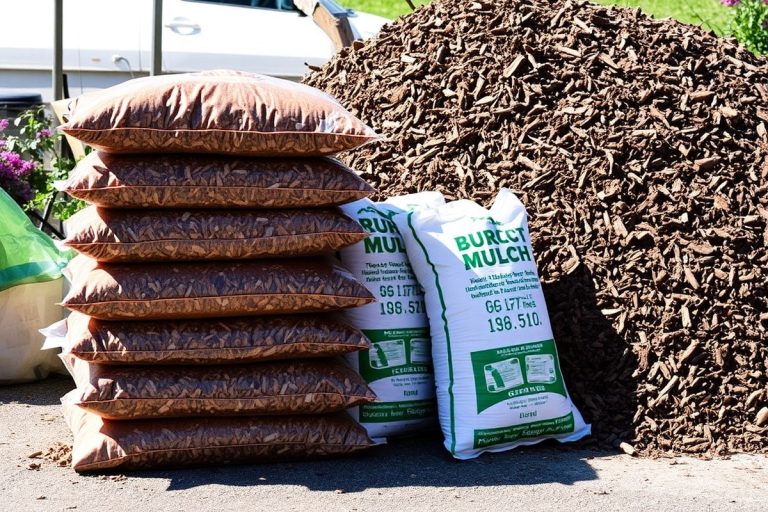
- Mulch around plants to retain moisture and regulate soil temperature.
- Adjust soil moisture during hot, sunny days to keep soil consistently damp.
- Avoid waterlogging by ensuring water drains within 1 hour after irrigation.
- Plant after the last frost to protect from cold damage.
- Place calla lilies near water features for natural moisture but in sunlit spots.
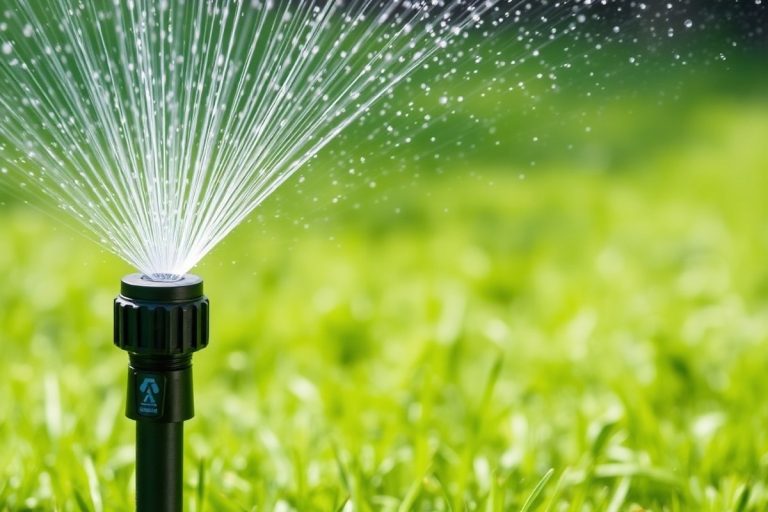
After planting, water the rhizomes well, and keep the soil moist but not soaking wet. You may need to water daily in hot conditions to maintain this balance. Too much water or sitting in puddles will harm the plants despite the sun exposure.
Adjust your watering schedule during the hottest days to avoid drying out or overwatering the soil.
Sunlight Tips for Calla Lilies Grown in Containers and Pots
Calla lilies in containers need more careful sun and water management than garden-planted ones. Smaller pots can dry quickly and stress the plant in full sun. Bigger containers hold moisture longer, helping calla lilies tolerate more direct sun without wilting.
Move your container calla lilies to morning sun spots for better growth. Afternoon sun can be harsh.
So shift pots to shade between noon and 4 PM, especially in summer. For indoor plants, place them near east-facing windows to catch gentle sunlight and avoid overheating.
Watering must match sun exposure times and pot size. After planting calla lilies, water sparingly at first to avoid rot.
Once leaves appear, soak the soil well every 3 to 5 days, depending on heat. Use trays with rocks and water beneath pots to keep humidity up without soggy roots.
- Choose containers at least 8 to 12 inches deep for root space
- Use pots with drainage holes to prevent water buildup
- Place containers in spots with 4 to 6 hours of morning sun
- Shift pots to shade during the hottest afternoon hours
- Check soil moisture daily in hot weather, water when dry 1-2 inches deep
- Feed calla lilies monthly with balanced liquid fertilizer while blooming
- Use trays with water but avoid standing water around roots
Your watering and feeding routine needs adjusting when planted in sun-exposed pots. Frequent watering keeps soil moist but not drenched. Use a balanced fertilizer every 3 to 4 weeks, especially during flowering periods.
When outdoor temperatures exceed 85°F, reduce sun exposure to avoid leaf scorch. Container calla lilies can handle more variable light, but daily checks are needed. Shifting pots and watching soil moisture will keep plants healthy and flowering well.
Preventing and Recognizing Sunlight-Related Problems in Calla Lilies
Sunburn or leaf scorch on calla lilies shows as brown, dry patches on leaves. These spots often appear on the edges or tips first. Leaves may curl or turn yellow between brown areas, signaling too much direct sun.
To check if the calla lily has sun damage, look closely at the leaves. Notice if the plant gets watered enough but the soil feels very dry under the surface. Also, note if the plant sits in direct afternoon sun over 85°F. These signs together confirm sun-related stress.
- Brown or crispy leaf tips and edges
- Yellowing between brown spots on leaves
- Soil dry 1 to 2 inches below surface despite watering
- Plant exposed to strong afternoon sun over 85°F
- Leaves curling or wilting during hot parts of day
Move your calla lily to a spot with morning sun and afternoon shade. Afternoon shade lowers heat stress and sunburn risk. If grown indoors, place it near a bright window that avoids harsh midday rays.
Cut off damaged leaves with clean scissors to help the plant focus on new growth. Avoid heavy pruning, since calla lilies need leaves to recover.
Water deeply to keep soil moist but don’t let water pool. Soggy soil can worsen stress.
Watering mistakes like letting soil dry out completely or overwatering are common problems. Dried soil stresses roots, making sun damage worse. Overwatering can lead to root rot and reduce the plant’s ability to handle heat.
To prevent sun problems, keep these habits:
- Water when top 1 inch of soil feels dry, deeply but not daily
- Shift pots or plants away from afternoon sun in hot weather
- Use mulch around plants to keep soil cooler and moist
- Provide shade cloth during peak summer heat in warmer climates
- Monitor leaves weekly for early signs of leaf scorch
The real test of recovery is new healthy leaves without brown patches. This usually takes one to two weeks after adjusting conditions. Maintaining consistent watering and shade will keep your calla lilies thriving under sun exposure challenges.
Calla Lily Varieties and Their Sunlight Preferences Compared
Some calla lily varieties do better with full sun, while others need some shade. Their size and flower colors often relate to their sunlight needs. Picking the right type for your garden helps ensure strong growth and bright blooms.
Classic White Calla Lilies
Traditional white calla lilies usually do well in full sun to partial shade. They prefer morning sun and some afternoon shade in hot climates.
These lilies grow tall, often reaching 2 to 3 feet. So they appreciate some protection from intense heat.
Their classic form and clean white flowers make them garden favorites. Position them where they get at least 4 to 6 hours of sun daily. This balance helps leaves stay healthy and flowers last longer.
Colored and Hybrid Varieties
Colored calla lilies, like Akela and Picasso, handle sunlight differently. Akela has dark purple blooms and white leaves with spots. It needs at least partial shade.
This prevents leaf scorch in hot areas. Picasso features bicolored spathes and twisted spotted leaves, thriving in partial shade.
Varieties with deep or multiple colors often tolerate less sun than whites. They grow best with morning sun and afternoon shade.
This helps keep their colors clear. The shade protects the foliage from fading.
Dwarf and Container-Friendly Types
Smaller calla lilies fit well in pots and shaded garden spots. These dwarf varieties need partial shade or filtered sunlight, especially during summer heat.
Their compact size means they can dry out faster. So choosing a lighter spot protects them from strong sun and wind.
Containers also warm quickly, so a shaded location prevents stress. Providing 3 to 5 hours of sun is usually enough for flowering without damaging leaves.
Here’s a table comparing calla lily types, sizes, and colors. It also shows their sunlight needs. Use it to pick the best one for you.
| Variety | Size | Flower Color | Light Preference |
|---|---|---|---|
| Classic White | 2-3 ft tall | White | Full sun to partial shade |
| Akela | 2-3 ft tall | Dark purple with white spotted leaves | Partial shade |
| Picasso | 2-3 ft tall | Deep purple and creamy white | Partial shade |
| Dwarf types | Under 1 ft tall | Various colors | Partial shade to filtered sun |
Choosing the right calla lily variety based on sunlight helps them thrive. More sun usually means better blooms for whites, while hybrids need softer light. Dwarf types do better in less sun to avoid drying out quickly.
Too much direct afternoon sun can burn the leaves of colored calla lilies.
Step-by-Step Action Plan for Growing Calla Lilies with the Right Sunlight
Follow these steps to give your calla lilies the sunlight they need. Watch their growth and adjust as you go.
- Before planting: Pick a spot with partial shade or filtered light. This is best for hot places. Calla lilies prefer not too much direct sun. This prevents leaf burn and helps flowers last longer.
- Day 1 after planting: Plant your calla lilies in well-draining soil with organic matter. Check soil moisture daily to avoid drying out.
- Week 1: Observe your lilies for leaf color and growth. Leaves looking pale or scorched mean they need more shade. Move them to a cooler spot with less sun.
- Weeks 2-3: Adjust watering to keep soil moist but not soggy. Bright indirect light works well indoors or in hotter zones.
- Month 1: Evaluate flower development. Strong blooms mean your sunlight choice works; weak flowering may need more light.
- Ongoing: Rotate containers weekly to ensure even light exposure when grown indoors or on patios.
- Hot seasons: Provide afternoon shade if the temperature rises above 85°F to protect leaves and flowers.
- End of season: Reduce watering as leaves yellow, signaling dormancy. Keep location bright but avoid strong midday sun.
Frequently Asked Questions
Can You Grow Calla Lilies with Canna Lilies Nearby?
Yes, canna lilies make good companions for calla lilies in full sun. They have similar care needs and can brighten the garden together.
Do Calla Lilies Need More Water in Full Sun?
Calla lilies in full sun need more regular watering to prevent drying out. Keep soil consistently moist but not soaked for best health.
Can Calla Lilies Survive Full Sun in Hot Climates?
They can, but watch for leaf burn during intense heat. Providing afternoon shade in warmer areas helps keep them healthy.
Is It Better to Move Container Calla Lilies to Follow the Sun?
Moving containers helps optimize sunlight, especially in cooler climates. Adjust their spots daily or weekly for best growth.
Will Full Sun Affect Calla Lily Bloom Size?
More sun often results in larger, more vibrant blooms. However, too much harsh sun might stress the plant and affect flower quality.
Can Calla Lilies Tolerate Morning Sun and Afternoon Shade?
Yes, morning sun with afternoon shade suits calla lilies well in hot regions. It balances light exposure and protects from intense heat.
Before You Go
Calla lilies grow best with bright but indirect sunlight. Watch your plant’s leaves and blooms to guide you. Start by picking a partly shady spot and adjust based on what your lily shows you.