How Much Sunlight Do Peonies Need? A Complete Guide for Healthy Blooms
Peonies require six to eight hours of direct sun each day to bloom properly. This amount of sunlight helps their stems grow strong. It also supports the growth of large, attractive flowers.
Peonies hate too much shade, especially less than 3 hours of direct sun. In too much shade, they may not bloom or develop weak stems and dull flowers. Pick a sunny spot where your peonies get their daily sun dose.
For container-grown peonies, place pots in south-facing areas to catch at least 6 hours of sun. Space peony plants about 3 to 4 feet apart. This lets light reach each plant well.
Good spacing helps them grow healthy and full. This spacing keeps blooms vibrant and healthy.
Morning sunlight is best because it dries dew and reduces disease risk. Avoid locations shaded by trees or buildings during peak sun hours. Peonies thrive in spots that get sun from mid-morning until late afternoon.
Key Takeaways
- Give peonies 6 to 8 hours of direct sunlight each day for best blooms.
- Plant peonies away from shade casting trees or buildings to avoid poor flower growth.
- Containers do best south-facing with sun exposure of at least six hours daily.
- Herbaceous peonies benefit from even more sun, about 8 to 12 hours daily if possible.
- Keep peony plants 3 to 4 feet apart for adequate sunlight and air flow.
- Avoid spots with less than 3 hours of sun to prevent sparse or no blooming.
How Many Hours of Sunlight Do Peonies Need Daily?
Peonies need six hours or more of direct sun daily to grow well. They do best with six to eight hours of sunlight. This amount helps them build strong stems and bright flowers.
Six hours is usually enough for most peony types, especially herbaceous and intersectional varieties. These types do best with more sun to fully open their blooms. Tree peonies can grow with about four to six hours of sun.
Afternoon shade helps in hot areas. This shade protects them from too much heat.
Continuous sun throughout the day is not necessary. Peonies like spots with at least six hours of direct sun. They can grow in partially sunny places.
Just make sure they get enough light. Morning sun works well for peonies because it warms the plant. It also dries dew early.
This drying helps stop diseases from forming. Then some afternoon shade can protect leaves and flowers from heat damage.
Gardens with less than six hours of sun mean fewer peony flowers. Growth may also be weaker without enough sun. You can place container peonies on a south-facing porch or open area for consistent sun.
In hot regions, pick a spot that offers morning sun and afternoon shade. This balance lets peonies bloom fully without sun stress or fading blooms.
Tracking the sunlight your peony beds get can be simple. Use a handheld solar meter or observe shadows at different times. Choosing spots with at least six hours of direct sunlight prepares your peonies for healthy growth.
Planting peonies under trees or near tall buildings blocks sunlight. This shade lowers flowers and hurts plant health. Keep them in sunny areas.
Sunlight Needs for Different Peony Types
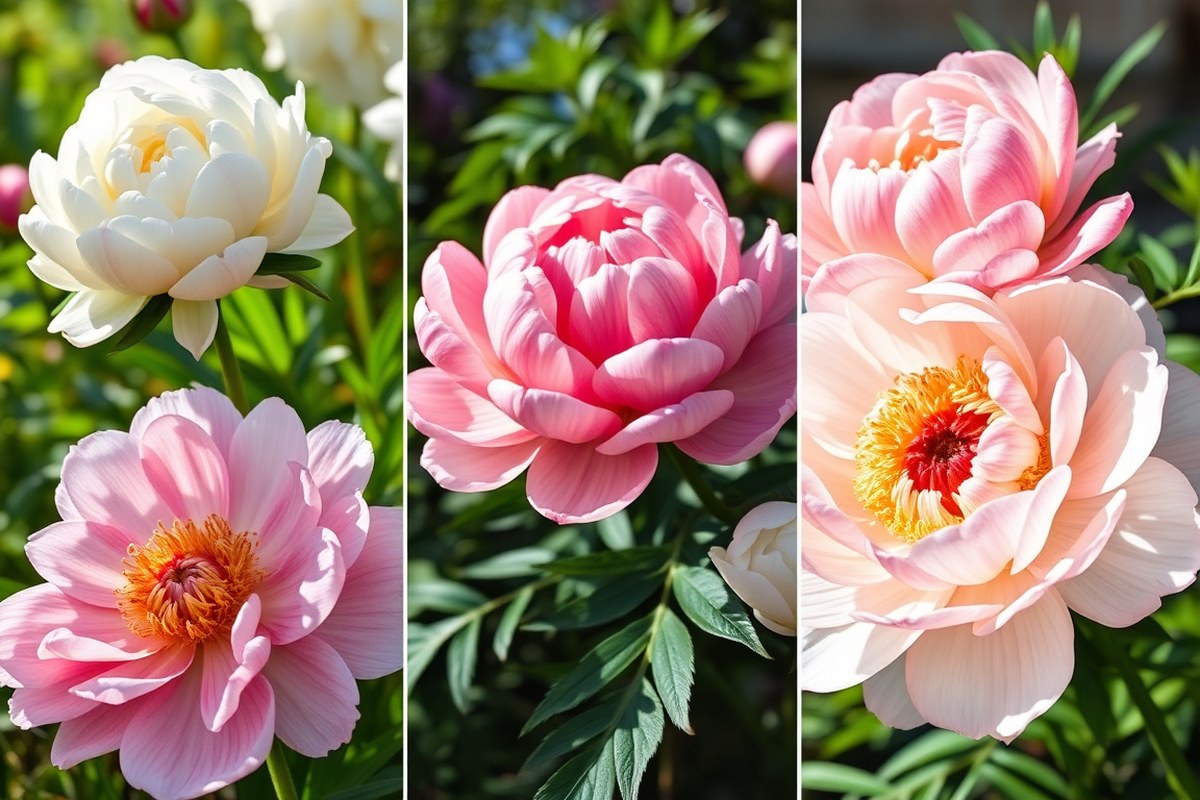
Not all peony types need the same amount of sun. Herbaceous peonies like full sun, while tree peonies do better with some shade. Itoh, or intersectional peonies, fall in between with sun needs close to herbaceous types.
Herbaceous Peonies Sunlight Requirements
Herbaceous peonies bloom best with six or more hours of direct sun. They do well with about eight hours, especially morning sunlight. Strong stems and large flowers need this level of bright light.
Plant peonies where they get at least three hours of sun daily. Less sun can cause smaller blooms or no flowers at all. These peonies like as much sun as you can give without burning their leaves.
Tree Peonies and Shade Tolerance
Tree peonies tolerate partial shade better than herbaceous types. They appreciate dappled sunlight or a spot with morning sun plus some afternoon shade.
Tree peonies need protection from hot afternoon sun in warm areas. Shade helps keep their leaves healthy and avoid burns.
This also reduces stress on the plants. They manage shade more easily but still need enough sun to bloom well.
Intersectional (Itoh) Peony Sunlight Needs
Intersectional, or Itoh peonies, require a full day of direct sunlight to bloom well. Their sunlight needs are very close to herbaceous peonies.
They produce large flowers when given at least six to eight hours of sun. Avoid planting where shade spots reduce their daily sun below this level.
| Peony Type | Sunlight Requirement | Shade Tolerance | Ideal Daily Sun Hours |
|---|---|---|---|
| Herbaceous | Full sun preferred | Low (partial shade possible) | 6, 8 hours |
| Tree | Partial shade tolerated | Moderate (dappled or morning sun) | 4, 6 hours |
| Intersectional (Itoh) | Full sun required | Low (like herbaceous) | 6, 8 hours |
Use this comparison table to match your peony type with the right planting spot. Tree peonies suit shady corners where herbaceous types might fail to bloom well.
Tip: Avoid planting any peonies in areas with less than three hours of direct sun. Your peony’s blooms will be weak or absent.
Why Morning Sun Is Best for Peonies
Morning Sun Boosts Flower Quality
Peonies bloom best with morning sunlight rather than afternoon sun. Morning light provides bright, gentle warmth that helps them build strong buds. This early sun fuels photosynthesis while avoiding the harsh heat that can damage flowers later.
Choose a spot that gets six or more hours of direct sun. Focus on the morning light hours.
Strong morning sun helps peonies produce fuller, longer-lasting blooms. Without it, flowers can look weak or fail to open fully.
Afternoon Shade Protects in Hot Climates
Hot afternoon sun often causes wilting or sunburnt petals on peonies. Shade in the afternoon cools the plant and protects delicate blooms from fading. You can create this shade with taller plants, shade cloth, or nearby structures.
Gardeners in hot summer regions should pick morning sun and afternoon shade. The balance lets peonies thrive by avoiding stress from intense heat. Containers give you flexibility to move pots for shade when needed.
Timing of Sunlight Affects Peony Vigor
Exposure to bright morning sun promotes strong growth early in the day. It helps the plant build energy and resist disease. Afternoon sun, especially when very hot, may drain the plant’s energy and weaken blooms.
Morning sunlight helps peonies grow strong. Afternoon shade protects them from heat.
This keeps plants healthy during the season. Peonies grow best where they get at least four to six hours of morning direct sun.
How to Provide Morning Sun and Afternoon Shade
Find a garden spot facing east or southeast for steady morning light. Avoid locations with tall western trees or structures that block early sun. Watch how sunlight shifts through your yard during spring months.
In hot areas, place taller plants or install a temporary shade screen on the west side. This stops the strong afternoon rays but doesn’t block the full morning sun peonies need. Move your pots to shaded areas after lunch on hot days.
What to Do If You Lack Ideal Morning Sun
Peonies can survive in less-than-perfect light but may produce fewer blooms. Your garden gets only afternoon sun.
Try adding some shade in the afternoon. Use reflective surfaces or lightly dappled shade to reduce heat stress.
Adjust watering as afternoon heat increases to keep roots cool and moist. Watch for faded or scorched petals, signaling too much late sun. Shifting your peonies gradually to better-lit spots over seasons can improve bloom quality.
Identifying and Fixing Sunlight Problems in Peonies
Peonies that don’t get enough sun often grow leggy and weak. Their stems stretch out, making the plant look thin and spindly. You’ll also notice few or no blooms, even during peak flowering season.
Too much sun, especially intense afternoon light, can cause sunburn on leaves. Leaves may turn pale or develop dry, brown spots. This stress can weaken the plant and reduce bloom quality.
Watch for these signs to check if your peony’s sunlight is off:
- Thin, elongated stems with sparse leaves
- Few blooms or flowers that drop early
- Leaves turning pale or faded green
- Brown, dried patches on leaves or stems
- Wilting during midday despite regular watering
- Slow growth compared to previous years
Move peonies to a different spot if you see weak growth or no flowers. A location with 6 to 8 hours of morning sun is best. Morning sun warms the plant gently and helps bloom development.
If leaves show sunburn signs, provide afternoon shade using a cloth or nearby plants. You can also use shade cloths that block 30-40% of sunlight for the hottest hours. Check your soil drainage as compacted or wet soil makes sun stress worse.
Healthy peonies have thick stems, fully green leaves, and many blooms. Adjust sunlight gradually and watch the plant for a few weeks to see improvement. Extreme sun problems often clear up once peonies get the right balance of light and shade.
Choosing the Best Location for Peonies in Your Garden
Choose a garden spot that gets full sun, at least six hours daily. Peonies need strong sunlight to grow healthy and bloom well. You live in a northern climate.
Pick the sunniest corner of your yard. This helps you make the most of limited sunlight.
Good air flow around the plants helps prevent disease and boosts growth. Space spots at least 3 to 4 feet apart so neighboring plants don’t block sunlight. Avoid tight or shaded spots near tall trees or buildings.
These reduce sun exposure. They also limit air circulation.
Peonies do well with companion plants that can offer filtered afternoon shade, especially in hot climates. Put perennials on the west or south sides to shield peonies from strong afternoon sun. Companion plants like catnip not only add interest but help balance sunlight and keep pests away.
Containers work well if your garden lacks ideal sun spots. You can move them around to find better light as the seasons change.
Use well-draining soil and place containers where they get at least six hours of sun. Remember, containers may dry out faster, so water regularly to keep roots happy.
Think about the total layout. Do not crowd peonies near taller plants that cast shade too early in the day.
Ensure your planting choice combines good sun, air flow, and enough space. These conditions help your peonies develop strong roots and large, vibrant flowers.
Keep peonies spaced 3 to 4 feet apart. This avoids shade from other plants. It also improves air flow.
How Climate Influences Peony Sunlight Needs
Peonies usually need full sun, but how much depends on your climate. In cooler USDA zones like 3 to 6, peonies can handle strong, direct sunlight all day.
The cooler air helps prevent overheating. So they grow well in full sun without much shade.
In warmer zones, especially USDA zones 7 and 8, the afternoon sun can get very intense. Peonies here benefit from some afternoon shade to avoid too much heat stress. Look for areas with dappled or partial shade in the afternoon.
This approach prevents leaf scorch and helps your peony blooms last longer. In very hot climates, peonies might show droopy stems or faded flowers without afternoon shade. Protecting them from harsh afternoon rays keeps them healthy and vigorous.
For gardeners in mild climates, peonies do well in full sun. But if your garden receives blistering afternoon sun, creating a bit of shade helps. You can use taller plants, trees, or shade cloth to soften the sunlight after noon.
In cooler zones, you don’t need to worry about shade much. Just make sure your peonies get six or more hours of strong sunlight daily.
In contrast, hot regions require balance, enough sun for growth. But relief from the harshest heat.
Choosing the right spot may cost time to observe your garden’s sun patterns. Watch where morning light falls and where afternoon shade naturally exists. Adjust by moving potted peonies or adding shade structures if needed.
Optimizing Soil, Water, and Sunlight Together
Proper soil drainage is key for peonies exposed to full sun. They dislike “wet feet” because soggy roots struggle under intense sunlight. Well-draining soil helps water flow through quickly.
This stops root rot. It also helps the plant handle heat stress better.
Good soil drainage also supports nutrient uptake. When peonies get enough nutrients, they can handle direct sunlight and still bloom beautifully. Mix organic matter like compost or aged bark into your bed.
This improves drainage. Do this before planting.
Watering should match sunlight exposure without overdoing it. Peonies need consistent moisture but not soggy soil. Water deeply once or twice a week on hot, sunny days.
Aim for about 1 inch of water each time. This keeps roots cool and hydrated without causing standing water.
- Use soil with a loose texture, such as sandy loam or amended clay
- Apply 2-3 inches of mulch to retain moisture and reduce soil temperature
- Water in the morning to avoid wet leaves in the afternoon
- Check soil moisture by sticking your finger 2 inches deep before watering
- Avoid watering directly on foliage to reduce fungal risk
- Reduce watering during rainy periods to prevent soggy soil
Peonies can struggle in heavy clay soils, especially if sun dries the surface fast. Adding coarse sand and organic matter improves drainage and root health.
Mulch is your best friend here. It keeps the soil evenly moist and buffers roots from heat spikes.
Dry soil combined with high sun stress will make peony leaves wilt and blooms fade fast. Stretch out watering sessions and space them to encourage roots to grow deeper. This helps plants manage heat over long sunny days without extra splash damage on leaves.
Seasonal Care Tips to Manage Sunlight for Peonies
Plant peonies in early fall to secure the best sun exposure. Seasonal sunlight shifts affect their growth and blooming cycles. Adjust care as sunlight changes for healthy plants and fuller blooms.
Spring: Encouraging Strong Growth
Spring is when peonies come out of dormancy and need plenty of sun. They require at least six hours of direct sunlight daily at this stage. This sunlight fuels strong shoot growth and prepares them for blooming.
Peonies use this early sun energy to grow roots and stems fast. Check that no trees or buildings block morning sun for peonies. Morning sun has light levels that suit peonies best.
This light helps their growth early in the day. Early planting in fall gives roots time to settle and access spring sun fully.
Summer: Avoiding Heat Stress
As summer heat builds, peonies benefit from afternoon shade to prevent heat stress. Too much direct sun and high temperatures can wilt leaves and fade flowers. Providing filtered shade or placing peonies near taller plants can help reduce sun intensity.
Watch your peonies for signs of stress such as drooping or scorched leaves. Spot signs of stress on potted peonies and act fast.
Move them to safer spots or use shade cloth during hot hours. This slight adjustment helps blooms last longer and stay vibrant.
Remember, morning sun is good but shield peonies from harsh midday rays in summer.
Fall and Winter: Preparing for Dormancy
Fall sun helps peonies store energy in roots for next year. Sunlight also toughens the plants against winter cold conditions. Clear debris around the crowns so sunlight can reach them.
Peonies need little sun in winter dormancy to survive. Still, planting in spots with sunlight helps keep the soil healthy. Sunlight warms the soil and supports microbes under the plants.
Early fall planting ensures the roots are strong and ready to use sunlight come spring. This energy storage is important for perennial success.
Step-by-Step Action Plan for Getting the Right Sunlight on Your Peonies
Follow these steps to give your peonies the sunlight they need to bloom well. Check each step to see that your plants look healthy and happy.
- Before planting: Choose a garden spot that gets 6 to 8 hours of morning sun. This helps peonies bloom and stay strong.
- Day 1: Plant your peonies where they won’t be shaded by trees or buildings by afternoon. Make sure soil drains well to keep roots healthy.
- Week 1: Water your peonies deeply one or two times. This helps settle the soil. It also encourages root growth. Check that the leaves are not wilting from too much sun.
- Month 1: Watch how sun moves across the garden. Make small moves if shadows start blocking the plants too soon in the day.
- After 2 months: Notice if blooms open fully and petals look fresh by mid-morning. Your peonies might need more or less sun if flowers look weak.
- Season change: Add mulch around your peonies to hold moisture. Mulch also keeps roots cool. Make sure it does not block sunlight.
- Next spring: Move the plants or prune nearby ones if peonies look leggy. These steps help if your blooms aren’t good.
Frequently Asked Questions
How Much Sunlight Do Peonies Need to Bloom Well?
Peonies need at least 6 hours of direct sunlight daily to thrive. Without enough sun, their growth weakens, and blooms suffer. Full sun helps peonies produce strong, healthy flowers.
Can Peonies Survive in Shade or Low Sunlight?
Peonies do not thrive in shade or low sunlight. They usually need 6 or more hours of sun to produce flowers and stay healthy.
Do Tree Peonies Need Less Sunlight Than Other Types?
Yes, tree peonies need about 4 to 6 hours of sunlight daily. They prefer morning sun and afternoon shade, especially in hot climates.
Is It Bad to Give Peonies Too Much Sun?
Too much direct, hot afternoon sun can harm peonies by drying out the plant. Protect them with shade in hot areas for best growth.
How Can I Tell If My Peony Isn’t Getting Enough Sun?
Your peony may have fewer flowers or weak stems from too little sun. Make sure it gets enough direct sunlight to grow well. Try moving it to a sunnier spot.
Why Do Intersectional Peonies Need More Sun Than Tree Peonies?
Intersectional peonies require at least 6 hours of full sun to bloom well. They grow stronger with more sunlight than tree peonies do.
Before You Go
Peonies thrive best with about 6 to 8 hours of morning sunlight each day. Giving them the right spot and care ensures strong blooms. Check your garden’s sun pattern this week.
Find a sunny spot for your plants. Choose the best place for peonies.