Can You Grow Eucalyptus Indoors? 8 Steps to Healthy, Compact Plants
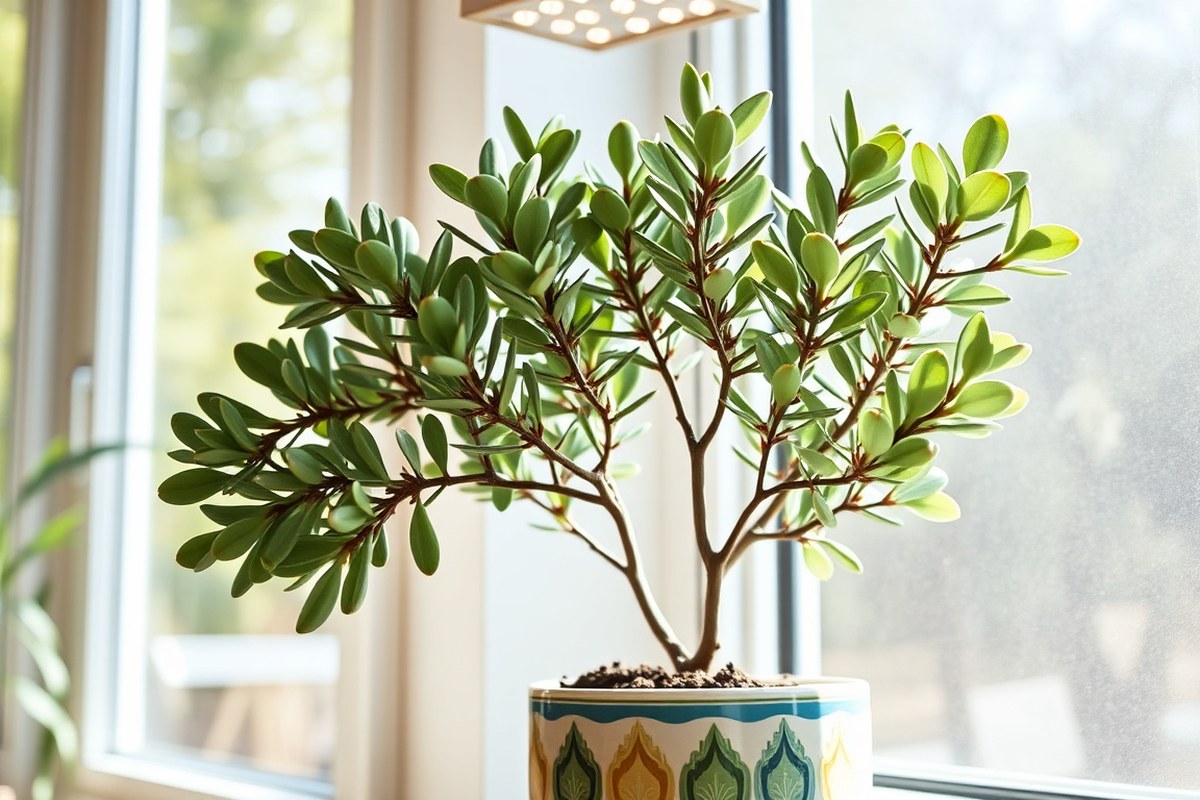
Can you grow eucalyptus indoors? Yes, you can, but it takes some care. These trees usually love the sun and space.
So they need bright light and pruning to stay small. With the right setup, eucalyptus can thrive inside your home and brighten your space.
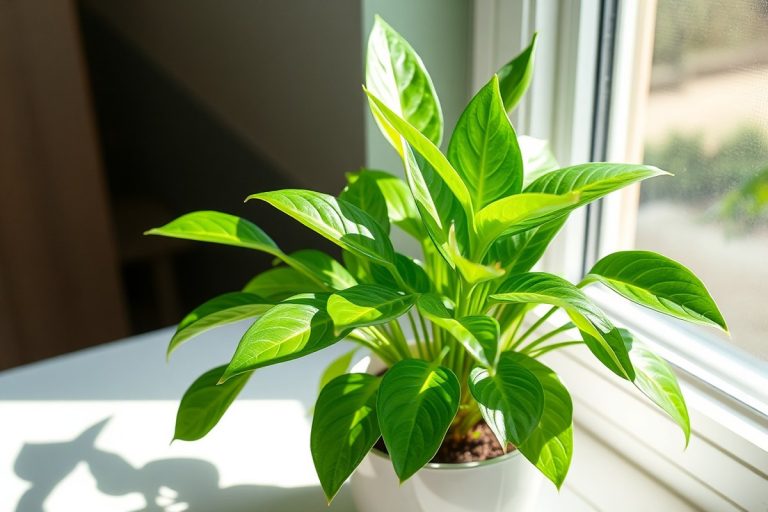
Start by picking a smaller eucalyptus species suited for pots. Place your plant by a south-facing window. It should get six to eight hours of direct sunlight every day.
This light helps your eucalyptus grow strong. Keep the air moving and watch humidity, since dry air can stress the tree inside.
Using grow lights helps if your window isn’t bright enough. Pinch new growth often to keep the plant bushy and compact. These steps help you enjoy a healthy eucalyptus indoors without it getting out of control.
Key Takeaways
- Choose dwarf eucalyptus varieties to keep them manageable indoors.
- Place plants in south-facing windows with 6 to 8 hours of direct sunlight.
- Use full-spectrum LED lights 12 to 18 inches above the plant if needed.
- Pinch new growth every 2 to 3 weeks in spring and summer for bushiness.
- Maintain good air circulation and moderate humidity around the plant.
- Expect slow growth indoors, about 6 to 12 inches a year.
1. Can Eucalyptus Grow Successfully Indoors?
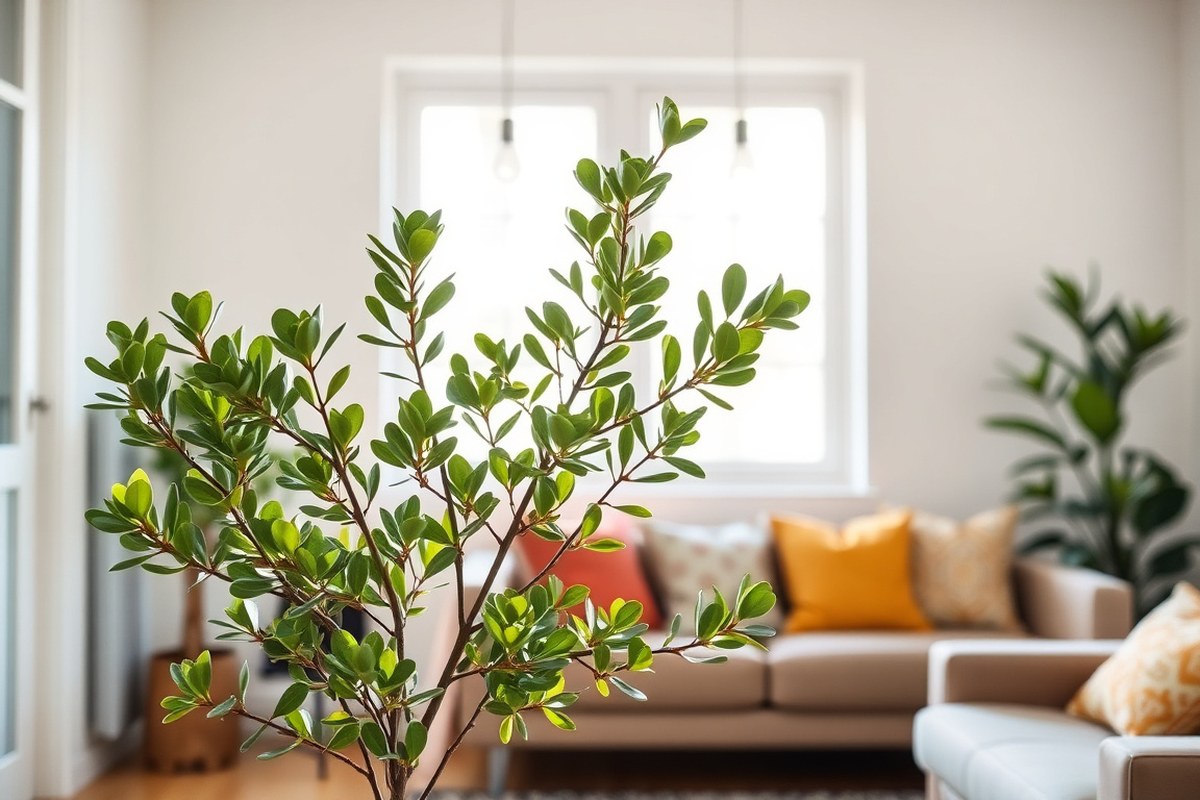
You can grow eucalyptus indoors successfully, but it takes effort to meet its needs. These plants need bright, direct light for 6 to 8 hours daily. Usually, this comes from a south-facing window.
Make sure you place them there to get enough light. Without enough light, growth slows, and the plant struggles to stay healthy.
Eucalyptus grows fast outdoors but slower inside. Your indoor tree will grow 2 to 4 feet tall in pots. This size fits well in apartments and smaller homes.
It won’t take up too much space. It won’t become a massive tree indoors, mostly because pot size and light limit its size.
Indoor eucalyptus tolerates typical apartment conditions if you provide the right care. Low humidity is not ideal. So placing the pot near a humidifier or using a pebble tray helps.
Also, you will need a large pot, around 24 inches in diameter. So roots have enough room to spread.
To keep eucalyptus manageable indoors, pinch off new growth tips every 2 to 3 weeks. Do this during spring and summer. This helps control its size.
This encourages side branches and a bushier plant instead of a tall spindly one. Repotting every two years keeps the roots healthy.
Avoid moving the plant too often. Frequent moves can stress eucalyptus.
Eucalyptus grows best in Zones 8 to 11 with full sun outdoors. Indoors, it can do well if it gets enough light and space. Matching its needs is important.
Growing it indoors means accepting a smaller size and slower growth. Eucalyptus works best as a large container plant you care for closely.
It’s not ideal as a long-term apartment tree without proper light. Good care keeps it healthy.
2. Choosing the Best Eucalyptus Species for Indoor Growth
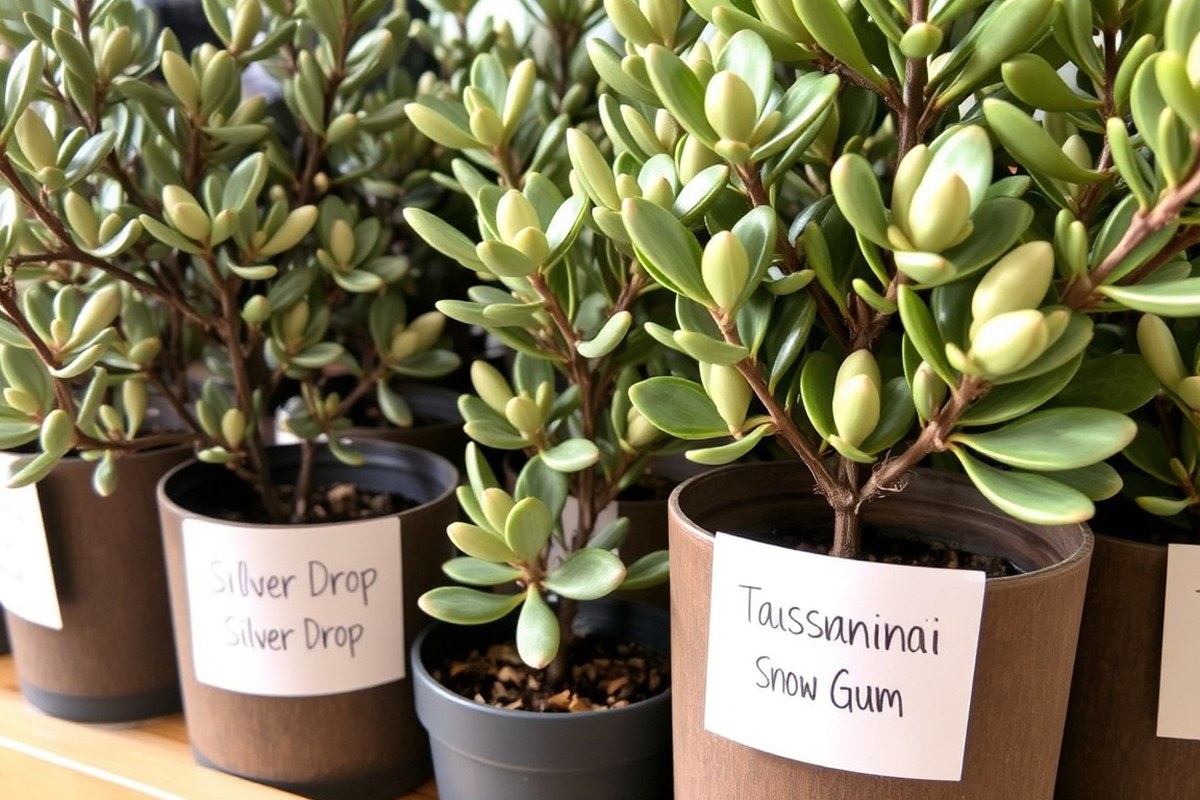
Some eucalyptus species do better indoors than others. You want types that stay compact and handle lower light better. They also need manageable growth.
This helps them fit your indoor space. You won’t need constant drastic pruning.
The table here shows popular eucalyptus species suited for indoor growth. It compares their leaf look, growth style, scent, and how well they adapt inside.
Each option has different size and scent features. So pick based on your space and preference.
| Species / Cultivar | Foliar Characteristics | Growth Habit & Scent | Indoor Suitability | Mature Indoor Height |
|---|---|---|---|---|
| Eucalyptus gunnii ‘Silver Drop’ (Cider Gum) | Rounded, silvery-blue juvenile leaves tightly clasping stems | Compact, highly branchable; sweet balsamic menthol aroma | Top choice for indoor containers; tolerates severe pruning | 2 to 3 feet |
| Eucalyptus cinerea (Silver Dollar Tree) | Coin-shaped, glaucous blue-gray leaves with silvery wax coat | Vigorous, upright grower; classic strong medicinal floral scent | Excellent; grows slowly indoors with good care | 3 to 5 feet |
| Eucalyptus gunnii (standard) | Typical eucalyptus leaves, bluish-green color | Hardy; tolerates indoor conditions well | Good choice; pruned to maintain manageable size | 4 to 6 feet (pruned) |
| Eucalyptus nicholii | Narrow, weeping leaves | Aromatic; slower growth | Suitable for indoors with steady care | 3 to 4 feet |
| Eucalyptus pulverulenta | Baby blue leaves | Slow-growing, delicate aroma | Fits small indoor spaces well | 2 to 4 feet |
The ‘Silver Drop’ is your best bet for containers. It stays small and branches well. You can prune it hard, and it will bounce back quickly.
The silver dollar eucalyptus has classic leaves. It grows taller than others. You’ll need to care more to keep it small.
Growth indoors slows to about 6 to 12 inches each year. You must provide lots of light for growth. When light is weak, growth slows down.
The plant grows leggy and stretched out. Some species tolerate pruning better than others, which helps hold shape.
Keep an eye on your eucalyptus’s size and prune to prevent it from outgrowing its space.
Remember, all eucalyptus plants smell strong. But scents vary by species, from sweet menthol to sharp, medicinal notes.
Choose a scent you like a lot. This is key if the plant is in living or sleeping rooms.
3. How to Provide Proper Light, Temperature, and Humidity Indoors
Indoor eucalyptus needs plenty of bright light, warmth, and moderate humidity. It needs 6 to 8 hours of direct sunlight each day. Or use full-spectrum LED grow lights for 12 to 14 hours daily.
This helps the plant grow well indoors. Keep the temperature between 65°F and 71°F and humidity average to avoid stress.
Natural Sunlight Requirements
Place eucalyptus in the brightest south-facing window you have. It needs 6 to 8 hours of direct sunlight daily to stay healthy and grow strong.
Sunlight that’s weak or blocked makes the plant weak and drop leaves. It needs good light to stay healthy and keep its leaves.
Bright light boosts eucalyptus growth because it evolved in full sun. Without enough sun, your plant might get leggy or pale. Watch for leaves turning dull or falling; these are signs it needs more light.
Grow Light Types and Setup
Use full-spectrum LED grow lights if your home has low natural light. They help the plant get the light it needs indoors.
They should run 12 to 14 hours a day to replace sunlight. LEDs with a color temperature between 4,000K and 5,000K work best for eucalyptus.
Place fluorescent lights 6 to 12 inches from the leaves. For LED lights, keep them 12 to 24 inches away and adjust as your plant grows. Treat the grow light like a sun extender, making sure all leaves receive light evenly.
Good lighting prevents slow, weak growth indoors. Bright direct light or a strong grow light setup stops dropping leaves and encourages bushy stems. Don’t rely only on standard room lamps; eucalyptus needs intense light.
Ideal Temperature and Humidity Levels
Indoor eucalyptus does well between 65°F and 71°F. Try to avoid sudden temperature changes, especially drafts or heat near vents. Sudden shifts often cause stress and leaf drop.
Humidity should stay moderate, around 40-50%. You don’t need a humidifier unless your air is very dry. Just keep your plant away from dry heat sources or cold windows in winter.
Follow these steps to set up your indoor eucalyptus lighting and climate:
- Find the brightest south-facing window and place your plant there.
- Check if the window delivers at least 6 hours of direct sunlight daily.
- Install a full-spectrum LED grow light with 4,000K or 5,000K when sunlight is low. This supports the plant’s light needs inside your home.
- Set fluorescent grow lights 6 to 12 inches from eucalyptus leaves.
- Set LED grow lights 12 to 24 inches away and adjust as needed.
- Run grow lights for 12 to 14 hours each day to mimic sun exposure.
- Keep room temperature steady between 65°F and 71°F, avoiding drafts.
- Maintain moderate humidity near 40-50%, using a humidifier if air is very dry.
4. Soil, Pot Selection, and Repotting Guidelines
Choose a pot with good drainage holes to prevent root rot. A 6- to 8-inch pot suits a young indoor eucalyptus like Eucalyptus gunnii. Choose a pot size that fits your space well.
Match the pot to your plant’s growth stage. Avoid starting with a pot that’s too big. You can expect your eucalyptus to grow 2 to 3 feet indoors in this size pot.
Use well-draining soil to avoid soggy roots. Eucalyptus tolerates many soil types but prefers light, airy mixes.
Combine regular potting soil with sand or perlite to improve drainage. This setup helps roots breathe and stops water from pooling, which can kill your plant.
You should repot every few years to refresh the soil and accommodate growth. Do this in spring when your eucalyptus is growing actively. Increase the pot diameter by just 1 or 2 inches.
Larger pots hold more soil and trap moisture. Too much moisture can cause root problems.
- Pick a pot with several drainage holes visible at the bottom.
- Mix equal parts potting soil and perlite or coarse sand.
- Repot in early spring to support new growth phases.
- Bump up pot size gradually by 1 to 2 inches to avoid root stress.
- Remove any dead or rotting roots before transplanting.
- Water lightly after repotting to help soil settle evenly.
Check that the soil never stays soggy after watering; eucalyptus roots won’t like it. Watch for healthy new shoots and firm stems as signs of successful repotting. Growth slowing down and compact soil means repotting is due.
Check your plant every couple of years for these signs. Repot when roots need more room. Taking these steps keeps your indoor eucalyptus thriving and fragrant.
5. Watering and Feeding: A Consistent Care Routine
Water your eucalyptus when the top inch of soil feels dry. Use your finger to check moisture every few days during warmer months. Water slowly until drainage appears at the bottom of the pot.
This keeps roots moist but not soaked. Avoid overwatering to prevent soggy soil.
Make sure your pot has good drainage holes. Standing water causes root rot, which wrecks indoor eucalyptus quickly. Bottom watering is effective because it soaks roots evenly.
It also stops the crown from sitting in damp soil. This method promotes healthy root growth.
In winter, water less often since eucalyptus grows slower. Let the soil dry out a little more between watering sessions.
Overwatering is the most common cause of failure. It starves roots of oxygen and invites fungi.
Feed your plant every four to six weeks in warmer seasons. Use a liquid fertilizer diluted to half its normal strength. This helps eucalyptus grow without overfeeding.
This supports steady, healthy growth without overwhelming sensitive roots. Cut back on feeding in fall and winter when the plant rests.
Choose a fertilizer with equal amounts of nitrogen, phosphorus, and potassium, like 10-10-10. Avoid heavy feeding to prevent root damage and weak leaves. Light, steady feeding is best for indoor eucalyptus care.
Allow excess water to drain freely to avoid root rot. Never let your eucalyptus sit in a water-filled saucer.
6. Pruning and Training Techniques to Maintain Size Indoors
Pruning and training indoor eucalyptus help keep the plant small, bushy, and healthy. Regular trimming stops it from becoming a tall tree and encourages full growth. You can maintain compact, fragrant eucalyptus that works well indoors.
Timing Pruning During Growing Seasons
You should prune eucalyptus mainly during spring and summer. That’s when the plant is actively growing and can recover quickly. Avoid heavy pruning in fall or winter to prevent stress.
Light trimming can happen anytime you see unruly branches. But plan major cuts for warm months between 65 and 75°F, the ideal indoor temperature. Early growth stands up best to shaping then.
Pinching Apical Growth Tips
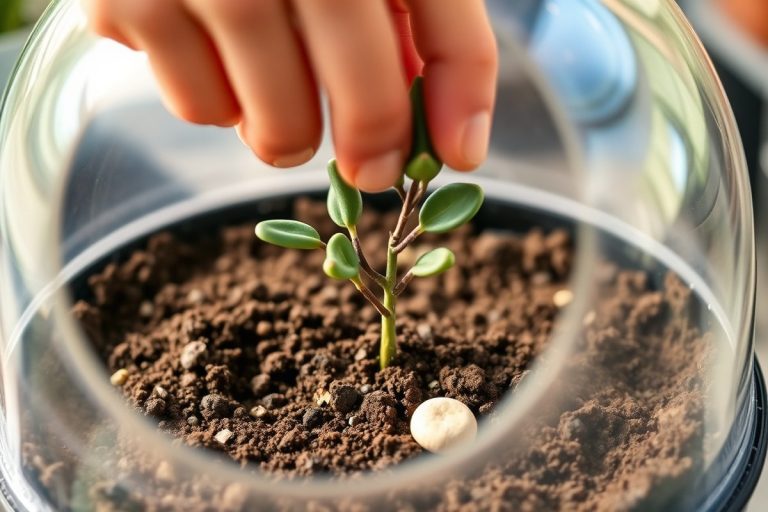
Pinching means snapping off the soft shoot tips. This stops the main stem from growing taller. It also encourages side branches to fill out the plant’s shape.
Do this regularly throughout the growing season. Use your fingers to nip back 1/2 to 1 inch of new growth. Focus on the top and any leggy stems to keep it compact.
Using Coppicing for Size Control
Coppicing involves cutting the main stem down to a few inches above soil. The plant then regrows multiple stems, making it bushier. This method suits young eucalyptus starting indoor life.
Cut back to 4, 6 inches above the soil when the plant gets too tall. Wait for new shoots to appear before pruning again. This resets size and encourages juvenile, fragrant leaves.
Training Plants with Supports
Using supports like stakes or trellises helps guide eucalyptus shape indoors. Secure fragile stems with soft ties to avoid breaking. This encourages upright, controlled growth and avoids overcrowding.
Place a 30W to 50W LED grow light 12 to 18 inches above the canopy. Good light prevents leggy stems and supports dense foliage. Combine lights and supports for best indoor results.
- Inspect your eucalyptus weekly for leggy or overgrown stems.
- Pinch or snip back soft new growth by 1/2 to 1 inch during growing months.
- Use sharp scissors or pruners cleaned with rubbing alcohol for bigger cuts.
- Cut main stem down 4 to 6 inches if the plant grows too tall (coppicing).
- Attach fragile stems to stakes or trellises with soft plant ties.
- Position a 30W to 50W full-spectrum LED grow light 12-18 inches above the plant.
- Remove any dead or damaged leaves and stems during all pruning tasks.
- Monitor new growth for a bushy shape and pinch as needed to maintain size.
7. Common Indoor Eucalyptus Problems and How to Fix Them
Indoor eucalyptus plants usually face fewer pests thanks to their natural oils. Still, watch for spider mites and aphids, which might show up occasionally.
Those pests cause tiny webs, spots, or sticky leaves. So check your plant every week or two.
Leaf droop and discoloration often signal watering troubles or humidity problems. Brown, crispy tips mean the air is too dry or you let soil dry out completely.
Overwatering makes leaves turn yellow and the soil stay soggy. Roots may rot without drying out.
- Inspect leaves and stems weekly for tiny pests or webs.
- Use a spray of soapy water or neem oil to treat mild infestations.
- Keep humidity around 40 to 60% by misting or using a humidifier.
- Water only when the top inch of soil feels dry, usually once a week.
- Use a pot with drainage holes to prevent water buildup.
- Wipe leaves regularly to remove dust and spot early pest signs.
- Move the plant away from hot, dry vents to reduce leaf stress.
For stubborn pests, isolate your eucalyptus and apply insecticidal soap. Avoid overusing chemicals to prevent damage.
Leaf droop usually improves after adjusting water and humidity. It may take a few days for your plant to perk up once conditions stabilize.
Discoloration and dry leaf edges often improve with better humidity and consistent watering. If yellow leaves keep coming, check for root rot by gently feeling the soil. Soft, mushy roots need trimming and repotting in fresh, well-draining soil.
8. How to Propagate and Manage Overgrowth Indoors
You can propagate eucalyptus indoors by using stem cuttings, which is simple and saves money. Managing eucalyptus overgrowth means pruning often and repotting to keep the plant healthy.
Cuttings need good care to root. Pots should be sized right to avoid root crowding.
Selecting and Preparing Cuttings
Choose healthy eucalyptus stems with no damage or disease. Look for young branches that still have soft, flexible wood but are not too fragile.
Cuttings should be 4 to 6 inches long. Make sure they have at least three leaf nodes.
This helps the plant root well. Using sharp, clean pruning shears helps avoid infection and stress on the plant.
- Pick a healthy eucalyptus branch with green, glossy leaves.
- Cut it 4 to 6 inches long at a 45-degree angle just below a leaf node.
- Remove leaves from the bottom half to reduce moisture loss.
- Dip the cut end in rooting hormone powder to help root development.
- Prepare a clean pot with moist well-draining soil or a peat-perlite mix.
- Plant the cutting about halfway into the soil, firm gently around it.
- Place the pot in a warm, bright spot with indirect sunlight.
- Keep the soil moist but not soggy until roots form, usually 4 to 6 weeks.
Use rooting hormone for better success as eucalyptus can be slow to root.
Rooting Methods Indoors
To root eucalyptus indoors, use a small pot. Fill it with soil that drains well.
Good drainage makes rooting easier. Avoid waterlogged soil, which causes stem rot.
Maintain humidity around the cutting with a plastic bag or clear container. This keeps the leaf area wet and helps roots grow faster.
Check moisture daily and water lightly when the soil surface dries. Roots usually start growing in about one month, but some take longer.
Managing Pot Size and Repot Timing
Young eucalyptus plants need pots with good drainage around 6 to 8 inches wide. This size supports root growth without giving too much space for soggy soil.
Repot every 12 to 18 months or when roots start circling inside the pot. Moving up one pot size helps keep the plant healthy and growing well.
Always pick a pot one size bigger. This prevents too much moisture in the soil. Too much water can cause root rot.
Delaying repotting can stunt your eucalyptus or cause root-bound issues.
Techniques to Handle Overgrowth
Prune eucalyptus aggressively to keep it manageable indoors. Focus on cutting back tall branches to maintain a bushy shape.
Trim stems down to a healthy node or leaf to encourage new growth. Regular pruning prevents the tree from getting too big for your space.
Remove any dead or damaged branches when you prune to keep the plant healthy. Combine pruning with repotting to control size and vitality.
Step-by-Step Action Plan for Growing Eucalyptus Indoors
Follow this plan to start your indoor eucalyptus successfully. Each step helps you check it’s doing well.
- Day 1: Choose a eucalyptus type suited for indoors like Eucalyptus gunnii. Pick a pot with drainage holes to prevent root rot.
- Week 1: Plant in light, well-draining soil. Place near a bright window with at least 6 hours of sun to promote growth.
- Week 2: Water when the top inch of soil feels dry. Watch for healthy leaves to know your watering is right.
- Month 1: Feed with a balanced liquid fertilizer every 4 weeks. Look for steady growth and green leaves as signs of good feeding.
- Month 2: Start pruning to keep size manageable. Trim new shoots to encourage bushier growth without getting tall and lanky.
- Month 3: Check humidity; use a pebble tray if air feels dry. Healthy leaves without brown edges mean good humidity.
- Month 4: Repot if roots circle the pot or growth slows. Root-bound plants will benefit from a pot one size larger.
- Every 6 Months: Inspect for pests like spider mites. Treat promptly with insecticidal soap to keep your plant healthy.
Frequently Asked Questions
What Size Pot Is Best for a Young Indoor Eucalyptus Plant?
A 6 to 8-inch pot suits young eucalyptus plants indoors. It lets roots grow while keeping the size manageable for small spaces.
How Often Should Eucalyptus Indoors Be Repotted?
Repot eucalyptus every two years in spring only when roots fill the pot. This timing protects the plant and supports healthy growth indoors.
Can Eucalyptus Survive Normal Indoor Humidity?
Eucalyptus prefers moderate humidity but can handle typical indoor levels. Use a room humidifier if air is very dry to avoid leaf drop.
Is Eucalyptus Safe to Keep Around Pets Indoors?
Some eucalyptus species can be toxic to pets if ingested. Keep the plant out of reach to avoid any risks to cats and dogs.
Can Eucalyptus Indoors Flower or Fruit?
Eucalyptus rarely flowers or fruits indoors due to limited light and space. It mainly grows as a fragrant ornamental plant inside.
How Long Does Eucalyptus Take to Grow Indoors?
Eucalyptus grows fairly fast indoors with good light. It reaches a few feet in one year.
Care also helps it grow well. Growth slows if light or warmth is insufficient.
Final Thoughts
Growing eucalyptus indoors takes some care but is doable with the right approach. Start by choosing your species and providing good light. Check your tree often and adjust water or light to keep it thriving.