How to Repel Deer: 8 Effective Methods with Tips for Lasting Results
To keep deer off your yard, use an 8-foot tall fence. Deer often jump over 7 feet high. A shorter fence won’t stop them from entering.
Build a sturdy fence using woven wire or strong mesh material. Choose something solid enough to discourage deer from pushing through. This creates a reliable barrier rather than one deer can easily bypass.
Besides fencing, try natural deer repellents like egg-based sprays. These have a strong smell deer dislike and avoid. You’ll need to reapply them every two weeks because rain washes the scent away.
Another approach is planting deer-resistant plants near entrances or garden edges. Combining fencing with repellents and smart planting offers the best protection. This mix helps keep deer away longer without relying on just one method.
Key Takeaways
- Install a woven wire fence that is at least 8 feet tall to block deer.
- Place fences securely and make sure there are no gaps underneath.
- Use egg-based deer repellent sprays for a natural, smelly deterrent.
- Reapply homemade sprays every two weeks and after heavy rain.
- Hang repellent bags about 4 feet above ground at deer nose level.
- Combine fencing and repellents for stronger, longer-lasting results.
1. Why an 8-Foot Fence Is the Most Reliable Deer Barrier
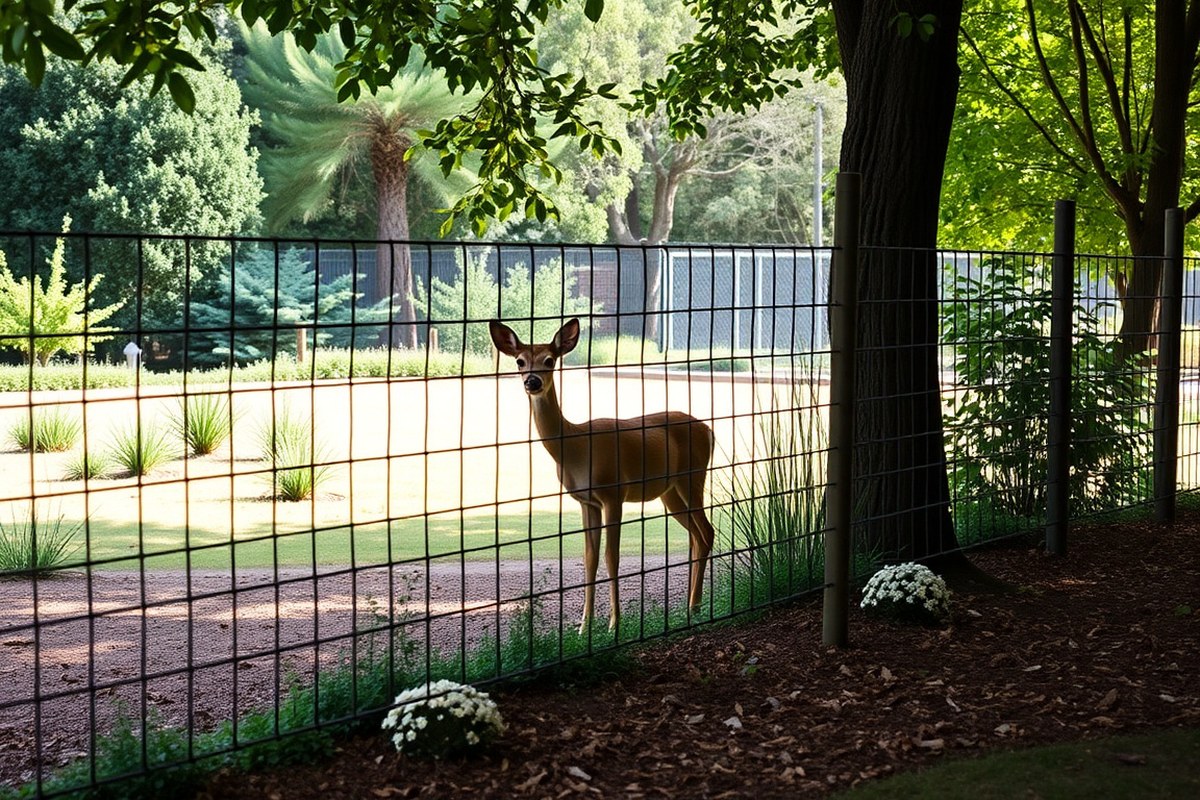
Deer can jump over fences shorter than 8 feet. So a fence this tall is the best way to keep them out. Using strong materials helps keep deer away from your plants.
Place the fence properly around your yard to stop them. This prevents deer from munching on your garden plants. Regular upkeep helps the fence last and keeps its deer-proof power.
Choosing the Right Fence Height and Material
Deer can jump over 7 feet easily. Make your fence at least 8 feet tall. This height keeps deer from jumping inside your yard.
Material matters too. Use heavy-duty wire or mesh fencing designed for deer. Use sturdy metal or vinyl posts to support the fence.
They hold up against wind and animals leaning. This keeps your fence standing strong longer. Avoid flimsy plastic or thin mesh that deer can push through or tear.
Installation Tips for Maximum Protection
Place the fence all around your garden or yard’s perimeter. This stops deer from sneaking in through gaps. Clear the area near the fence base of any branches or debris.
Low branches can help deer jump over the fence. Removing debris stops them from using a boost.
Installing an 8-foot fence takes some planning and effort. You’ll need the right tools, materials, and time to do it right. Use this step-by-step checklist to install your fence:
- Measure your garden or yard perimeter accurately before buying materials.
- Get fence fabric that is at least 8 feet tall. Use sturdy posts spaced every 6 to 10 feet. This setup provides a strong, tall barrier around your yard.
- Clear the installation area of rocks, sticks, and vegetation close to the ground.
- Dig holes at each post location about 2 feet deep for stability.
- Set posts in the holes and fill with concrete or compacted soil for strong support.
- Attach the fence fabric securely to the posts, using staples or fence ties.
- Tighten the fence fabric to avoid sagging or gaps where deer could sneak in.
- Check the fence top and bottom for any weak spots or openings.
Maintenance and Seasonal Adjustments
Check your fence every few months for damage from weather, animals, or wear. Fix any holes, loose ties, or leaning posts quickly to keep deer out. Clear brush or fallen branches away from the fence bottom regularly.
Deer tend to be more active during colder months. So inspect the fence before and after winter.
Snow and wind can weaken sections or cause sagging. Tighten or reinforce where needed to keep the line strong.
The cost to install a professional 8-foot deer fence runs about $27 per linear foot. Labor adds significantly to this if you don’t build it yourself. The cost can range from several hundred to a few thousand dollars.
This depends on yard size, materials, and hiring help. Plan your budget based on these factors. Building the fence yourself saves money but takes a full day or two.
You’ll need the right tools and hard work. Be ready for the effort it requires.
2. Natural and Homemade Deer Repellents That Really Work

Natural and homemade deer repellents can be effective and safe for your garden and edible plants. Scents deer hate, like eggs, garlic, and hot peppers, often work best. You should spray again every one to two weeks.
Do it after rain too. This keeps the spray fresh and strong.
Making an Egg-Based Deer Repellent Spray
Egg-based sprays smell strong and taste unpleasant to deer. They are one of the most effective homemade repellents you can make. This spray is safe for edible plants but avoid spraying directly on leaves when harvesting soon.
Follow these steps to make your egg spray:
- Crack 2 whole eggs into a large saucepan.
- Add 8 cups of water and stir well.
- Simmer the mixture on low heat for 15 minutes.
- Let it cool completely before straining out any solids.
- Add 1 teaspoon of liquid dish soap to help the spray stick.
- Pour into a spray bottle for easy use.
- Apply to plants every 10 to 14 days and after rain.
Store leftover spray in a cool, dark place and shake before reuse.
Using Garlic and Hot Pepper Sprays
Garlic and hot pepper sprays use strong natural scents and irritation to deter deer. They work well on edible and ornamental plants when applied correctly. The mixture also helps keep rabbits and other pests away.
Here’s a simple recipe to make this spray:
- In a saucepan, combine 4 crushed garlic cloves and 1 tablespoon of hot red pepper flakes.
- Add 4 cups of water and bring the mixture to a simmer for 15 minutes.
- Remove from heat and let it cool to room temperature.
- Strain out solids and pour the liquid into a spray bottle.
- Add 1 teaspoon of mild liquid dish soap to help it stick.
- Spray leaves and stems every 7 to 10 days or after heavy rain.
Reapply after rain, as water reduces the spray’s effectiveness quickly.
Essential Oil Blends That Deter Deer
Some essential oils like peppermint, rosemary, and citronella can repel deer with their strong smells. These oils are gentle on plants and safe around children and pets. Essential oil sprays won’t last as long, so plan to reapply weekly.
To make a simple essential oil spray:
- Mix 20 drops peppermint oil. Add 15 drops rosemary oil. Then add 10 drops citronella oil.
- Add the oils to 2 cups of water in a spray bottle.
- Shake well before each use to mix the oils.
- Spray around plants and garden edges once a week.
Keep essential oils away from direct sunlight to preserve their strength.
3. Deer-Resistant Plants to Naturally Deter Browsing
Deer avoid plants with strong smells, prickly leaves, or toxic qualities. You can use these plants to protect more vulnerable parts of your garden. Place fragrant herbs or prickly shrubs around the edges to create a natural deterrent.
Choosing the right plants depends on your local climate and garden conditions. Some deer-resistant plants also tolerate partial shade or different soil types. Mixing these plants with your favorites helps reduce deer damage without giving up your garden’s look.
| Plant Type | Plant Name | Region or Climate Suitability | Why Deer Avoid It |
|---|---|---|---|
| Herbs | Lavender | Warm, sunny areas | Strong fragrance |
| Annuals | Marigolds | Temperate to warm zones | Toxicity and scent |
| Perennials | Peonies | Cool to temperate zones | Texture |
| Ground Cover | Pachysandra | Shade to partial sun | Texture and taste |
| Shrubs | Rosemary | Warm to temperate | Strong scent |
| Perennials | Irises | Cool to temperate | Texture and taste |
Plant deer-resistant varieties along walkways or near garden beds deer usually target. This creates a scented or prickly boundary they avoid crossing. You can intersperse these plants among favorites vulnerable to browsing for more protection.
Consider using manure or fish emulsion around deer-resistant plants to strengthen the scent barrier. Plan for plants suited to your local sunlight and soil because stressed plants attract deer more.
Even resilient plants sometimes get nibbled if deer are very hungry. So watch your garden regularly.
4. Physical Barriers Beyond Fencing: Other Effective Strategies
Physical barriers beyond fences can help keep deer away, but they vary in effectiveness. Items like fishing line, nets, reflective objects, and human hair can work well when installed correctly. These options block, scare, or repel deer without the need for tall fences.
Using Fishing Line and Nets as Deer Barriers
Fishing line strung between posts creates an invisible barrier deer hesitate to cross. It works because deer can’t clearly see the thin line. They feel the line when they get too close.
This stops them from crossing it. Place stakes or poles about 3 feet apart.
Tie the line between them. The line should be 1 to 3 feet off the ground.
Nets help keep deer out of specific garden areas. Use strong, fine mesh netting and stretch it over plants or beds you want to protect. Anchor the net to the ground with stakes or weights so deer can’t slip under it.
Reflective and Noise-Making Objects
Deer are wary of sudden flashes and unfamiliar sounds. Hanging reflective tape, old CDs, or aluminum foil strips can startle them. Attach these around garden edges or on stakes near plants.
Wind chimes or noise-makers can add movement and sound that unsettles deer. However, these work better when moved occasionally to prevent deer from getting used to them. Expect these tools to help rather than fully stop deer.
How to Use Human Hair and Predator Scents
Scatter human hair on soil or put it in mesh bags. Deer sense it and get cautious. This can help repel them from your garden.
Collect hair from haircuts or brushes and spread it around garden beds. Refresh it every few weeks or after rain.
Predator urine sprays also mask your scent and frighten deer. Use commercial products or homemade mixes with garlic, hot sauce, or rotten egg powder. Follow label instructions and apply when deer first start feeding in your area.
Installing and Maintaining Alternative Barriers
Set up barriers before deer enter your yard in spring or fall. Check them often for damage, sagging, or wear. Re-tighten fishing line and fix torn nets to keep barriers solid.
Refresh scent repellents regularly to keep their smell strong. After heavy rain, reapply sprays or replace hair and predator scent materials. Rotate reflective objects occasionally to maintain their startling effect.
Quick Tips for Alternative Physical Deer Barriers
- String fishing line 1 to 3 feet high between 3-foot spaced posts.
- Use fine mesh netting anchored firmly to protect plants.
- Hang reflective tape or old CDs to flash in sunlight.
- Scatter or bag human hair near garden beds for scent deterrent.
- Apply predator urine sprays as directed, especially after rain.
- Place noise-making devices and move them occasionally.
- Inspect and repair barriers monthly during deer season.
5. Understanding How Weather Affects Deer Repellent Effectiveness
Rain affects deer repellents by washing away scents and coatings. You should reapply sprays right after heavy rain or within a day if it’s light rain. Essential oil-based repellents need reapplying every five weeks.
You also need to apply them right after rain. This keeps the repellent working well.
Temperature also changes how repellents work. Hot weather can make odors fade faster, while cold weather slows scent evaporation.
Egg-based mixtures last about 30 days because they stick better in various weather. You may need to reapply more often in summer heat for good protection.
Seasonal changes impact deer activity and your repellent’s performance. During spring and fall, deer browse more, so keep repellents fresh and checked regularly.
Winter rains or melting snow can wash off soap or fabric strips. These often need replacement or resetting after wet weather.
Physical repellents like bud caps or fabric strips don’t handle rain well. They often fall off during wind or rain.
Check them every week during wet seasons. Trees in windy areas may need six to nine fabric strips.
Spray deer repellents again after it rains. Also, reapply every 3 to 5 weeks during active months. This helps the repellents keep working properly.
Some repellents suit wet or dry conditions better. Egg mixtures handle moisture well, unlike soap, which dissolves in rain.
Essential oils lose strength faster in rain, so you want backups or mix options. Rotating repellents can prevent deer from getting used to one smell.
Good results show less browsing and fewer deer visits within a week. When repellents wear off or get washed away, you’ll notice more chewed plants.
Expect to spend around $10 to $30 per application for commercial sprays. Homemade mixtures cost less but need more frequent use after storms.
6. Combining Deer Repellent Methods for Maximum Protection
Using more than one deer repellent blocks them in different ways. Multiple methods confuse deer. This increases your chances of keeping them away.
For gardens smaller than four acres, use spray repellents. Add noise makers or motion devices.
Together, these work well to deter deer. They stimulate different senses, making deer less likely to get used to one type.
Switch repellents every 2 to 3 weeks to keep deer confused. They don’t get used to one scent or sound. This helps keep deer away longer.
For instance, try switching liquid sprays like Deer Out Concentrate. Then use granules such as Liquid Fence Deer and Rabbit Repellent.
Keep alternating these products. This rotation keeps the deterrents fresh and effective.
Larger yards need broader strategies. Combining wider physical barriers like thick shrub borders with liquid repellents in key spots helps. Sound devices spread out around property edges also add a useful layer.
This mix is critical if deer pressure is high. But expect to spend more on products and upkeep.
A 32-ounce bottle of liquid spray costs about $20. It lasts between 2 and 4 weeks. Price and duration depend on the product and use.
Granule products cover about 30 days and cost $15 to $30. Adding noise-makers or motion sensors can range from $25 to over $100. These repellents can cut deer visits by up to 70 percent.
How well you maintain the tools affects this number. It’s worth the investment for less damage.
Deer especially dislike surprises, so change what you use and where you apply it. Move sprays or granules every few weeks. This stops deer from getting used to one spot.
Changing locations keeps your garden safer. This even applies to natural repellents combined with store-bought ones.
In small gardens, rely on quick rotation and layered repellents. Large properties need a bigger mix and more space to set barriers and devices. You get less plant damage by switching methods regularly.
Match your tactics to garden size and deer activity. This keeps your plants in better shape.
7. When to Consider Professional Help or Advanced Solutions
Notice if deer damage keeps increasing despite your efforts. Check if plants are severely chewed, bark is stripped, or large patches look bare. If deer keep coming back, try stronger measures or get help.
Advanced steps might be needed if problems continue. Experts can offer better solutions for serious deer issues.
Check for damage over 30% of your garden area. Notice if fences are jumped over or pushed down. Repellents losing effect fast also signal deer trouble.
These clues show your current DIY methods aren’t enough. At that point, professionals can better handle the problem with specialized tools and knowledge.
Professional wildlife removal typically costs between $255 and $600 for a single visit. These experts can trap and relocate deer safely, reducing your problem faster. Expect more lasting results but prepare for repeat visits if the area stays attractive to deer.
Electric fencing offers a strong, long-term solution. These fences use a low-voltage shock to train deer to stay away. These fences have a single wire at 18 to 36 inches high.
A battery or solar power charges the wire. They give a mild shock to deer. Adding peanut butter or other bait helps deer learn to avoid the area quickly.
Costs for electric fencing vary widely, typically $100 to $250 for a complete kit. Installation can take a few hours depending on your yard size. Deer often respect these fences more after they experience the shock once.
You can use invisible mesh fences as another option. Slanting barriers may work by confusing or slowing deer. Both types aim to keep deer away.
Ultrasonic devices claim to deter deer with sound. But results often vary depending on local deer habits.
DIY repellent sprays cost between $15 and $40. They require frequent reapplication to stay effective. These sprays don’t stop deer that keep coming back.
Electric fences cost more upfront but require less daily work and offer stronger protection. Professional removal costs more but can solve extreme cases fast.
Double fencing works well if deer outsmart one fence. Setting two fences spaced several feet apart confuses deer.
Most won’t attempt to jump both. This method costs more for materials but helps protect prized plants near your house.
Be aware that some electric fences require a learning period for deer. They may test the fence a few times before stopping.
Until then, some damage might still happen. Hiring pros often means faster results with fewer trial-and-error steps.
8. Common Mistakes in Deer Control and How to Fix Them
Many gardeners rely on deer repellents but miss key steps that reduce success. One common mistake is applying repellents unevenly or only once a season. Repellents wash away after rain or heavy dew.
You need to reapply them every few weeks. This keeps them effective in protecting your plants.
Another error is poor fence upkeep. Deer can squeeze through gaps or jump low spots. Regularly check fences for holes or weak spots and repair or raise them as needed.
Fences should be about 8 feet tall for best results. Use extra methods to stop deer from jumping over. This strengthens your garden’s defense.
Some gardeners plant fruit trees or deer-attracting plants near their homes. This encourages deer to return year after year. Limit planting deer-attracting plants near your garden.
Use herbs like mint, oregano, sage, or thyme around edges. They are less likely to attract deer.
- Apply repellents uniformly every 2-4 weeks, more often in wet weather.
- Inspect fences monthly to fix holes or weak posts.
- Avoid planting fruit trees or tasty shrubs close to garden beds.
- Use container plants on decks, where deer rarely reach.
- Mix deer-resistant herbs into your garden to repel naturally.
Try combining different methods if deer keep coming back. Mixing approaches can improve your garden’s protection. Keep adjusting until you see results.
Use both contact repellents on plants and area repellents around your yard edges. Adding motion-activated sprinklers or lights can startle deer and reinforce the deterrents.
Sometimes, deer become accustomed to a single repellent. So switch products or rotate scents every few months.
Also, clear fallen fruit and nuts that attract deer. This lowers their food sources and convinces them to move on.
Always read repellent labels for safety and reapplication instructions to keep them effective.
Step-by-Step Action Plan to Keep Deer Out
Follow these steps to start protecting your garden from deer today. Each step will help you see if deer stay away better.
- Before you start: Choose deer-resistant plants to add to your garden. You’ll notice less deer damage over time.
- Day 1: Install an 8-foot fence or set up physical barriers around key plants. Check if deer stay outside the fenced area.
- Week 1: Apply natural or homemade repellent sprays on plants and near entrances. Watch if deer avoid sprayed zones.
- Week 2: Add motion-activated lights or noise devices near your garden. See if deer startle and leave when approaching.
- Week 3: Rotate repellents and barriers to keep deer guessing. Track if damage continues to drop.
- After 1 month: Assess your garden for any deer damage. If damage persists, consider calling a wildlife professional.
Frequently Asked Questions
How Often Should I Reapply Commercial Deer Repellent Sprays?
Reapply commercial sprays every 30 days or after heavy rain. This keeps the repellent active and effective.
Can Deer Become Resistant to Certain Repellents over Time?
Yes, deer can get used to some repellents if used alone. Rotate different types to keep your plants protected.
Are Motion-Activated Sprinklers Effective for Repelling Deer?
Motion-activated sprinklers can scare deer away quickly. They work best when combined with other repellents.
What Time of Day Are Deer Most Likely to Damage My Garden?
Deer usually feed at dawn and dusk. Protect your plants especially during these hours.
Can Deer Repellent Plants Affect Other Wildlife or Pets?
Most deer-resistant plants are safe for pets and other wildlife. But check each plant before planting.
Is It Better to Treat Just the Plants or the Whole Yard with Repellent?
Treating plants directly is most effective. Broad yard treatment helps if deer roam widely.
Key Points to Remember
Deer can be kept away with the right mix of plants, barriers, and repellents. Start by planting smart and installing sturdy fences. Taking action early will protect your garden all season.





One Comment