Do Deer Eat Calibrachoa? 8 Essential Facts & Proven Protection Tips
Do deer eat calibrachoa? Generally, deer tend to avoid calibrachoa plants because they find them unappealing.
But calibrachoa is not entirely deer proof, so occasional nibbling can happen. You should watch out especially in areas with heavy deer pressure.
Deer usually nibble only on the tender tips and flower buds, not the whole plant. Hanging baskets hung under six feet easily attract deer. Deer can reach baskets by standing or rearing on their hind legs.
This puts your plants at risk from hungry deer. It helps to place calibrachoa where deer have a harder time reaching them.
Check for neat angled bites within two days after damage. This helps confirm if deer caused the damage. Look closely at your plants for these signs.
Prompt action like erecting a sturdy fence or using repellents reduces repeated browsing. Small steps make a big difference in protecting your calibrachoa from deer.
Key Takeaways
- Deer rarely eat entire calibrachoa plants, mostly just terminal stems and buds.
- Hanging baskets below 6 feet attract deer because they can easily reach them.
- A fence 7 to 8 feet tall can keep deer out effectively.
- Inspect damaged plants within 48 hours for angled bites characteristic of deer.
- Deer need 6% to 8% of their body weight in green browse daily.
- Using lightweight polypropylene netting at 6, 7 feet height helps block deer.
Do Deer Actually Eat Calibrachoa Plants?
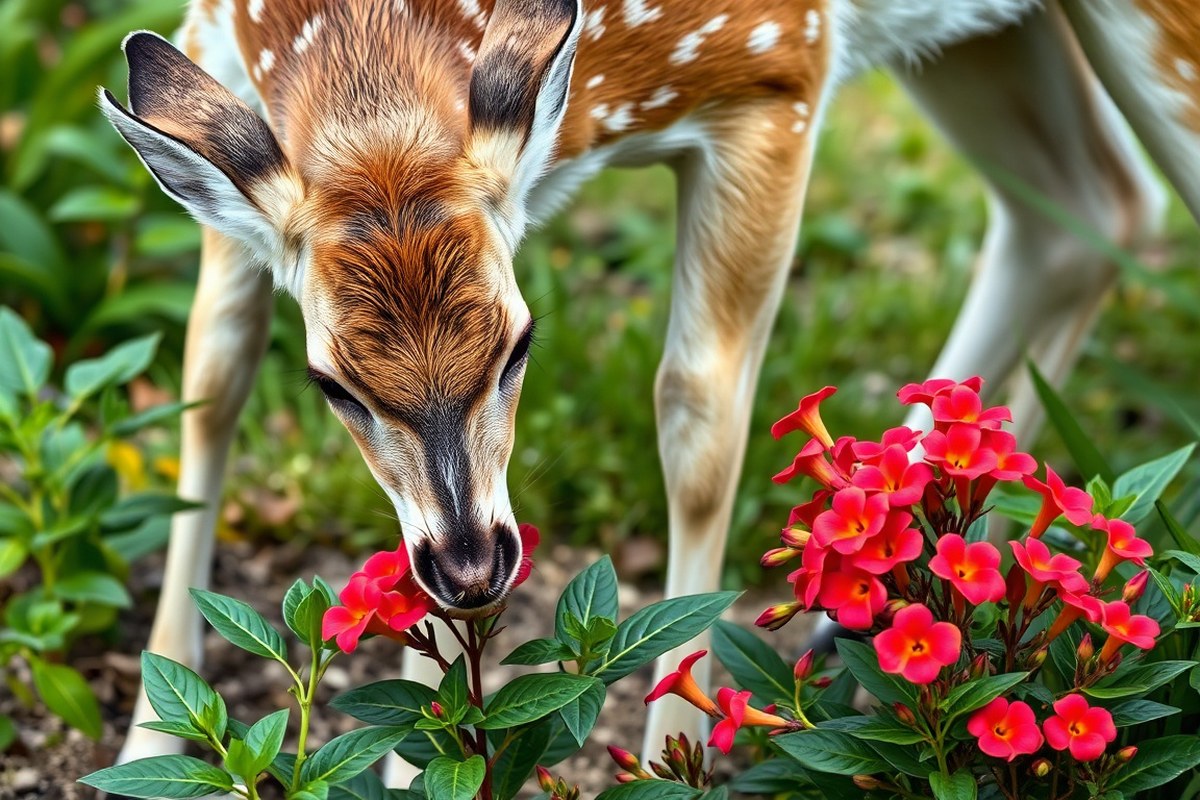
Deer do eat calibrachoa sometimes, but it’s not a common choice for them. They usually prefer other plants with stronger scents or softer leaves. A hungry deer will try calibrachoa in early spring or drought.
This happens because food is scarce, not because it prefers the plant. Deer eat it out of need when other plants aren’t available.
Deer prefer to eat the top 2 to 4 inches of calibrachoa stems and buds. This happens mostly when there is little natural food or the plant is damaged. Sometimes weather stops the flower’s scent from reaching deer, so they don’t avoid it.
| Condition | Deer Browsing Likelihood |
|---|---|
| Early spring with limited forage | High |
| Drought or food scarcity | High |
| High deer density (frequent sightings) | Moderate to high |
| Low deer density (rare sightings) | Low |
| Full sun exposure | Lower browsing risk |
| Partial shade or low light | Higher browsing risk |
Planting calibrachoa alone works if deer pressure is low and sunlight is strong. In shaded or high-pressure areas, adding strong-scented plants like lavender can reduce deer interest.
Soil health also matters. Well-drained soil keeps plants healthier and their scent stronger to discourage deer.
Why Calibrachoa Is Generally Deer Resistant but Not Deer Proof
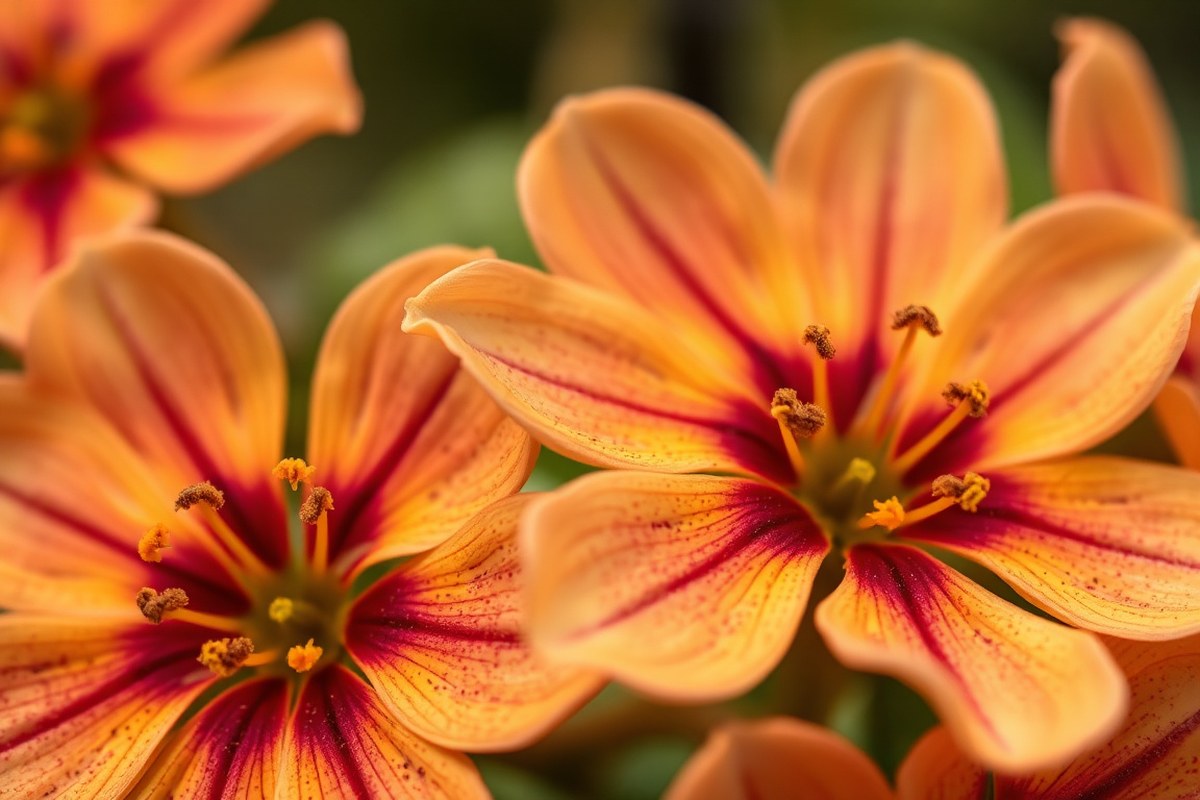
Calibrachoa tastes bitter and has a strong scent, which deer dislike. Deer mostly avoid plants with unpleasant taste and smell. This natural defense makes calibrachoa less appealing to them.
The plant’s scent comes from natural oils that repel deer. Deer rely on smell to decide what to eat. The stronger the scent, the less likely deer will browse the plant.
Not all calibrachoa cultivars have the same scent strength or taste bitterness. Some cultivars produce a sweeter fragrance, while others emit a sharper odor deer avoid. Choosing cultivars with a more pungent scent can reduce deer interest.
| Calibrachoa Cultivar | Scent Strength | Deer Resistance |
|---|---|---|
| “Trailing Blue” | Moderate | Medium |
| “MiniFamous Rose” | Strong | High |
| “Callie Yellow” | Mild | Low |
| “Superbells Pink” | Strong | High |
Deer tend to avoid calibrachoa during early spring as the plant’s scent is strongest. Establishing calibrachoa seedlings early helps build this scent before heavy deer browsing. This timing lowers the chance deer will eat the plants.
Calibrachoa is hard for deer to eat. They might nibble if food is scarce.
Browsing usually stops about 6 inches above soil, so the plant often recovers. But heavy deer pressure can weaken even the toughest cultivars.
Plant calibrachoa early in spring so the scent develops before peak deer activity.
How to Identify Deer Damage on Calibrachoa Plants
Deer damage on calibrachoa shows clean, angled bites on leaves and stems. You can tell it apart from rabbits or insects by looking closely at the bite patterns. Checking damage quickly helps you decide on the right response to protect your garden.
Typical Deer Bite Characteristics
Deer usually leave neat, angled cuts on calibrachoa stems and leaves. These bites look like they were sliced cleanly with scissors. The bites tend to focus on the newest shoots and leaves, which have the most nutrients.
Deer often take small, investigative nibbles before moving on. You might see broken stems about halfway through their length. The damage is uneven but tidy compared to other animals’ feeding signs.
Differences from Rabbit and Insect Damage
Rabbit damage looks more ragged and rough than deer bites. Rabbits chew on edges, leaving torn, uneven marks on leaves. Their bite marks are more rounded compared to the sharp, angled deer bites.
Insects like caterpillars create scalloped holes or skeletonized leaves. Their damage shows holes of varying sizes instead of bite edges or cut stems. Calibrachoa suffering from insect feeding looks patchy rather than cleanly cut.
- Deer: clean, angled bites mainly on young shoots
- Rabbits: ragged, rough leaf edges with rounded bites
- Insects: small holes or chewed patterns on leaves
- Deer break stems halfway through length
- Rabbits gnaw closer to ground level
- Insect damage shows irregular leaf thinning or holes
Watch for these signs to decide which pest is feeding on your calibrachoa.
When to Inspect and React
Inspect calibrachoa plants within 48 hours after spotting damage. Damage assessment this soon helps identify the culprit accurately. Early detection also lets you act before deer or rabbits return to feed again.
Check plants at dawn or dusk when deer are most active. Look closely at the edges of leaves and stems for clean cuts or ragged bites. Use photos or detailed notes to track how the damage changes over a few days.
When Are Deer Most Likely to Browse Calibrachoa?
Deer are most likely to browse on calibrachoa during late winter and early spring. Their natural food runs low after winter. Deer get more willing to try new plants.
They eat plants they usually avoid. Later in fall, other foods run out.
Deer might eat calibrachoa as a backup food. They try it more when food is scarce.
Food scarcity drives deer to experiment with plants like calibrachoa, which usually have bitter, unappealing foliage. Dense local deer herds cause food competition. This pushes deer to eat less-liked plants more.
Your calibrachoa faces more risk near big deer herds. Hard winters also raise the risk. These conditions increase deer visits to your garden.
Plant stress, especially from drought, raises the risk that deer will browse calibrachoa. Studies show drought-stressed calibrachoa get eaten over three times more than well-watered ones. Stressed plants lose natural defenses.
Their scent and bitter taste get weaker. This makes plants easier for deer to eat. Keeping your calibrachoa healthy with regular watering lowers this risk, particularly in dry seasons.
Deer browsing on calibrachoa also depends on the surrounding habitat. Plenty of favorite food nearby keeps deer away. They usually ignore calibrachoa in these cases.
When food is scarce or gardens stand alone, deer try calibrachoa more. They eat it more often in these cases. Planting calibrachoa alongside other deer-resistant species helps create a barrier and reduces browsing chances.
8 Proven Strategies to Protect Your Calibrachoa from Deer
Protecting calibrachoa from deer needs a mix of tactics. A fence at least eight feet tall blocks deer from jumping in. Using repellents, companion plants, and other deterrents adds extra protection.
Physical Barriers: Fencing and Netting
Fences work best when they reach about eight feet or taller to keep deer out. Materials like heavy-gauge wire or chain link hold up well in wind and weather. You can also use chicken wire or plastic netting as cages around smaller plants.
Set fence posts 6 to 8 feet apart for stable support. Stretch fencing tightly between posts, attaching it with fence staples or zip ties.
Cut the mesh large enough to cover the whole plants. Secure the edges into the soil using landscape pins.
- Fence height: minimum 8 feet for deer-proofing
- Strong wire preferable for long-term fences
- Netting for individual plant cages
- Posts every 6 to 8 feet
- Tight tension on fencing
- Secure net edges to soil
- Check for gaps regularly
Gaps under fences let deer crawl in. Check edges carefully.
Sensory Deterrents: Repellents and Scents
Sprays that smell or taste bad to deer can keep them away from calibrachoa. Products with ingredients like putrescent egg solids, garlic, or capsaicin work well. Repeat applications every 2 to 4 weeks, or after heavy rain.
Apply repellents in the early morning or late evening for best absorption. Avoid over-application that may damage leaves. Be consistent; deer get used to smells if you stop using repellents.
- Repellents with egg solids or garlic
- Reapply every 2 to 4 weeks
- Spray at dawn or dusk
- Avoid direct runoff into soil
- Don’t mix repellents with pesticides
Repellents lose power after rain. Reapply soon to keep plants safe.
Cultural Practices: Companion Plants and Placement
Plant calibrachoa next to species deer avoid, such as lavender or lamb’s ear. These neighbors create an unappealing environment. Keep calibrachoa away from hungry plants that attract deer too.
Place calibrachoa in sunny spots with good airflow to keep plants healthy. Skip crowded arrangements that make barriers less effective. Maintain soil fertility so calibrachoa can recover if deer nibble.
- Neighbor with lavender or lamb’s ear
- Avoid planting with hungry species
- Choose sunny, airy locations
- Space plants for airflow
- Keep soil fertile and moist
Friendly neighbors help but don’t rely on them alone; combine methods.
Technology: Motion-Activated Sprinklers and Lights
Motion-activated sprinklers surprise deer with water bursts, encouraging them to leave. They cost about $50 to $150 depending on brand and range. Place sprinklers near calibrachoa but not so close they soak the soil too much.
Motion-activated lights also work by startling deer at night. Use with timers or sensors to reduce power use. Combine these tools with fences and repellents for stronger protection.
- Sprinklers deter with water spray
- Lights startle deer after dark
- Setup near calibrachoa but avoid overwatering
- Power with batteries or outlets
- Works best alongside other deterrents
Place sprinklers carefully to avoid watering calibrachoa too often.
Maintenance: Clean-Up and Rotate Methods
Change deterrent methods regularly to prevent deer from adapting. Switch repellents or move sprinklers every few weeks. Keep weeds and fallen leaves cleaned to reduce deer shelter spots.
Monitor damage often and repair fencing or netting quickly. Continue watering fertilized calibrachoa after any deer browsing. Healthy plants regrow faster and resist damage better.
- Rotate repellents and devices regularly
- Keep garden tidy of debris and weeds
- Repair fences right away
- Water and fertilize after browsing
- Inspect plants weekly for new damage
Deer figure out tricks over time, so keep switching things up often.
| Method | Pros | Cons |
|---|---|---|
| Eight-foot Fence | Blocks deer completely; long-lasting | Costs $10-$25/foot; requires installation |
| Netting/Plant Cages | Protects individual plants; flexible | Needs regular checking; less durable |
| Deer Repellents | Easy application; natural ingredients available | Reapplication needed; less effective in rain |
| Companion Planting | Improves garden diversity; deer avoidance | Not a full-proof barrier; plant compatibility |
| Motion-Activated Devices | Startle deer quickly; easy setup | Requires power source; limited coverage |
How Quickly Do Calibrachoa Plants Recover After Deer Browsing?
Calibrachoa plants usually start showing new growth within 14 to 21 days after deer browse. This quick rebound depends on good sunlight, well-drained soil, and steady moisture. You help your calibrachoa bounce back faster from damage by watering and feeding it.
You can expect your calibrachoa to bloom again after 28 to 35 days. This happens under ideal conditions. Damage needs to be fresh and not repeated, or it might slow recovery.
Deer browsing over and over can weaken the plant. It may then struggle or fail to flower.
For best recovery, water the plant deeply but avoid soggy soil. Fertilize with a balanced, slow-release fertilizer once a month during the growing season.
Make sure the plant gets at least six hours of sunlight daily. Avoid trimming damaged parts harshly; let the plant’s natural growth push through.
Watch for slow growth after three weeks. Check the soil moisture and drainage then. Too much water or poor soil can stop recovery.
In cooler climates with less sun, cali-branchinga may take longer than 21 days to grow back. In those cases, keep watering and feeding but expect slower progress.
Common Mistakes That Increase Deer Damage on Calibrachoa and How to Fix Them
Placing calibrachoa in hanging baskets less than 6 feet high invites deer. They can stand or rear up to reach the flowers, especially does with fawns.
Moving baskets higher or pruning lower branches stops easy browsing. Hanging baskets near ground-level deer paths increase your risk of damage.
Ignoring soil health and watering schedules stresses plants. Stressed calibrachoa lose their deer resistance and may attract more attention.
Feed your plants with balanced fertilizer once a month and keep soil moist but not soggy. Healthy plants are less tasty to deer and recover faster if nibbled.
Planting calibrachoa close to low-scent groundcovers cuts down natural deer deterrents. Instead, companion plants like lavender, rosemary, or blue spruce add strongly scented barriers. These scents confuse or repel deer and lower the chance they’ll browse your calibrachoa.
- Keep hanging baskets above 6 feet to limit deer reach.
- Water calibrachoa consistently; avoid dry or soggy soil.
- Fertilize monthly with balanced, slow-release fertilizer.
- Plant with strong-smelling companions to confuse deer.
- Remove low branches that give deer easy access.
- Avoid dense low-scent groundcover near calibrachoa pots.
Deer are attracted by easy meals, so don’t give them any. Regular garden cleanup removes fallen plant material that invites foraging.
Also, avoid planting calibrachoa too close to shrub beds where deer hide. Wide-open, well-maintained spaces make deer less comfortable hanging around your calibrachoa.
Alternative Plants to Consider in High-Deer-Pressure Areas
When deer are heavily eating your calibrachoa, try planting tougher flowers. Plants like fan flower, lantana, and verbena tolerate deer pressure better. Matching plants to local deer density reduces damage without constant repellent use.
Top Deer-Resistant Flower Species
Some flowers deer rarely eat because they taste bitter or have tough textures. Lantana, verbena, and fan flower fit this group. These plants like the same growing conditions as calibrachoa.
Choosing these species adds diversity and lowers the chance deer completely strip your garden. Incorporate lightweight polypropylene netting or fences to boost protection when deer numbers are high.
| Flower Species | Deer Resistance | Light Needs | Soil Preference |
|---|---|---|---|
| Lantana | High | Full Sun | Well-drained |
| Verbena | High | Full Sun | Moderate |
| Fan Flower | High | Full to Partial Sun | Well-drained |
| Calibrachoa | Moderate | Full Sun | Well-drained |
These flowers bloom profusely and make colorful, lasting displays. They need similar soil and sun conditions as calibrachoa. That keeps maintenance simple and avoids stressing your plants.
Flowering Options Similar to Calibrachoa
For a familiar look with better deer resistance, lantana and verbena are good choices. Both have brightly colored flowers that attract pollinators. Their growth habits blend well with calibrachoa in hanging baskets or garden beds.
Fan flower also contributes beautiful, dainty blooms with a trailing form. It is lightweight in feeding needs and tolerates dry soil well. These options suit gardeners who want vivid color with fewer deer visits.
Combine plants with different resistance levels to create a layered deer barrier.
Choosing Plants per Deer Density Level
Local deer pressure shapes which flowers survive your garden best. Areas with high deer populations need the toughest species. In moderate deer zones, mixing calibrachoa with more resistant plants works well.
In places where deer are rare, you can grow calibrachoa mostly alone. But adding deer-resistant plants provides backup if pressure increases. Adjust plant selection seasonally if deer food preferences change in winter.
Use erect fences or netting around your beds for extra protection in high-deer areas. A 6 to 7-foot barrier or inward-leaning fence discourages deer from jumping in your flowerbeds.
Step-by-Step Action Plan to Protect Your Calibrachoa from Deer
Follow these steps to reduce deer damage and keep your calibrachoa healthy. Track results to see what works best in your yard.
- Before planting: Choose a spot with some natural barriers like shrubs. This lowers deer access.
- Day 1: Surround your calibrachoa with deer-resistant plants. Watch if deer avoid the area.
- Week 1: Install a lightweight deer fence at least 6 feet tall. Check daily for deer entry attempts.
- Week 2: Apply a commercial deer repellent on and around calibrachoa. Monitor the plants for bite marks.
- Month 1: Use motion-activated devices near your calibrachoa. Notice if deer stay away.
- After 6 weeks: Prune damaged calibrachoa stems carefully. Healthy regrowth means recovery.
- Ongoing: Keep your garden tidy and pick up fallen fruit or plants. This reduces deer attraction over time.
Frequently Asked Questions
What Is the Most Deer-Resistant Flower?
Many flowers resist deer, but lavender and yarrow often top the list. These plants have strong scents deer dislike.
Their textures bother deer, too. This protects your garden better than calibrachoa often does.
Does Calibrachoa Like Sun or Shade?
Calibrachoa grows best in full sun to part shade. It blooms more when it gets plenty of light. You might move it if your shade is heavy.
What Are the Common Problems with Calibrachoa?
Calibrachoa often faces wilting from overwatering or root rot in soggy soil. Pests like aphids may also bother it. Good drainage and pest checks keep it healthy.
Will Calibrachoa Come Back Every Year?
Calibrachoa is a perennial in zones 9 to 11. Most gardeners grow it as an annual outside those zones. You can try to overwinter it indoors in colder zones.
Can Deer Damage Calibrachoa Overnight?
Yes, deer can eat calibrachoa quickly, often overnight. They can strip leaves and flowers, leaving your plant bare. Protect your plants during peak deer activity times.
Do Deer Prefer Calibrachoa over Other Garden Plants?
Deer don’t usually prefer calibrachoa but will eat it if hungry. They pick tastier plants first but will damage calibrachoa when food is scarce.
Final Thoughts
Yes, deer do eat calibrachoa. But they usually avoid it if you protect your plants well.
Start with barriers or repellents around new plantings. This simple step can save your flowers from deer browsing today.