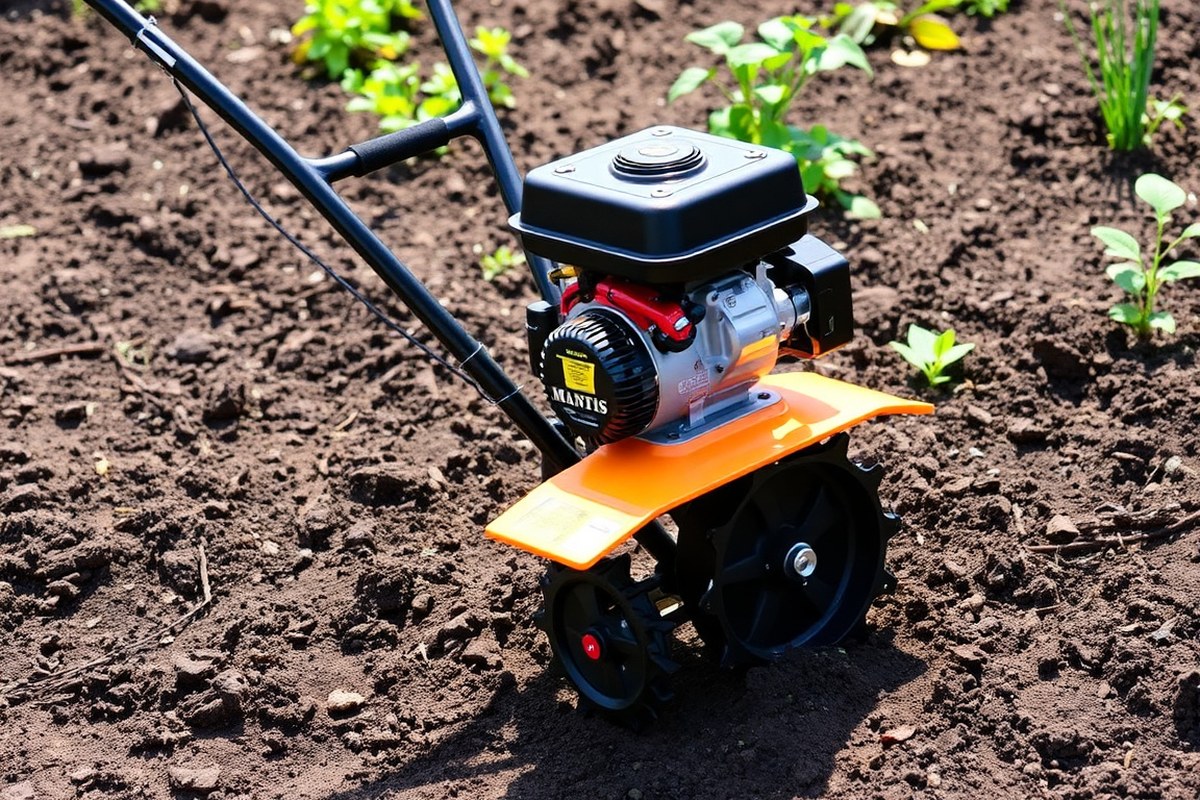
How to Start a Mantis Tiller: Easy Steps, Troubleshooting & Safety Tips
How to start a Mantis tiller is simple when you follow a few clear steps. First, check the fuel and oil levels and set the choke to the right position. Next, hold the starter cord with your right hand.
Pull it sharply in short strokes. Each pull should be about one to one and a half feet.
Starting your tiller is easier when it’s level and stable. Avoid tilting it more than 45 degrees, especially in tight spaces. That keeps the engine from flooding or losing fuel flow.
Also, using the correct oil helps a lot. The best oil for Mantis tillers is SAE30 Non-detergent or synthetic motor oil. Using the right oil keeps the engine running smoothly and starts well every time.
Key Takeaways
- Keep your tiller at no more than a 45-degree angle to avoid fuel issues.
- Use SAE30 Non-detergent or synthetic oil for best engine performance.
- Pull the starter cord with short, fast strokes about 1 to 1.5 feet long.
- Check fuel freshness; replace fuel stored more than 30 days for easy starting.
- Set the choke correctly according to the tiller’s manual before starting.
- Let the engine warm up for 1 to 2 minutes before tilling.
How to Start a Mantis Tiller: Step-by-Step Guide
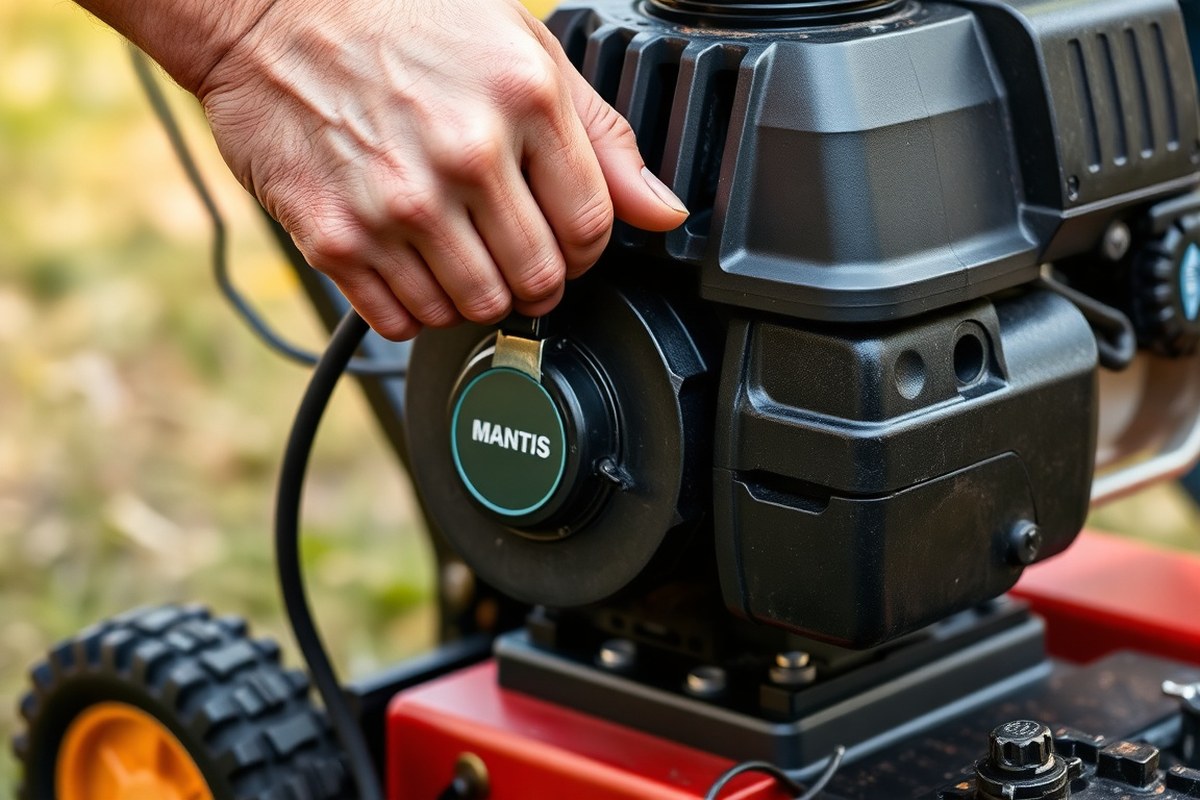
Starting your Mantis tiller needs a few clear steps. You set the choke, prime the engine, and pull the cord correctly. Doing each step in order helps the engine catch and run smoothly.
Preparing Fuel and Oil Levels
Fuel quality affects your Mantis tiller starting right away. Use fresh gas with a 50:1 mix of oil and gas for 2-cycle engines. For 4-cycle models, plain fresh gas works.
Check the oil level if your tiller is 4-cycle. A low or dirty oil level can cause startup issues. Always make sure the fuel tank is filled before trying to start.
- Drop the kickstand and place tines on bare ground for stability.
- Fill the fuel tank using fresh gasoline or premix as required.
- Check oil level and add if needed on 4-cycle models.
- Close the fuel cap tightly to avoid leaks or vapor loss.
- Inspect for fuel spills around the tiller before proceeding.
Setting the Choke and Throttle
Position the choke lever to the COLD start setting for a rich mixture. This helps the engine start when cold. After one to three pulls, move the choke to RUN as the engine catches.
Set the throttle lever to full or medium engine speed for the best start. The lever should move freely and return to idle when released. Sticky cables can cause the tines to spin unexpectedly.
- Snap the choke lever to the COLD start position.
- Set the throttle to a medium or full speed setting.
- Ensure the throttle cable moves without sticking.
- Prepare to prime fuel before pulling the starter cord.
Using the Starter Cord Correctly
The primer bulb needs pressing to push fuel into the carburetor. For a Mantis, press it three to five times before pulling the cord. Don’t prime too much, or you might flood the engine.
Hold the tiller’s handle firmly with one hand. Pull the starter cord smoothly and firmly with the other. Gentle pulls won’t start it; a quick, full pull works best.
- Press the primer bulb 3 to 5 times to prime fuel.
- Switch the ignition to the ON position.
- Grip the handle and hold the tiller steady.
- Pull the starter cord sharply until the engine fires.
- Move choke to RUN once the engine catches; pull again if needed.
Warming Up the Engine Safely
Let the engine idle for 1 to 3 minutes before tilling. This warms up the oil and parts for smoother operation. Choke should be off during warm-up to avoid stalling.
After warming up, adjust the throttle to the desired tilling speed. Check that the tines engage properly and listen for unusual sounds. A warm engine runs easier and tills better.
Differences in Starting 2-Cycle, 4-Cycle, and Electric Mantis Tillers
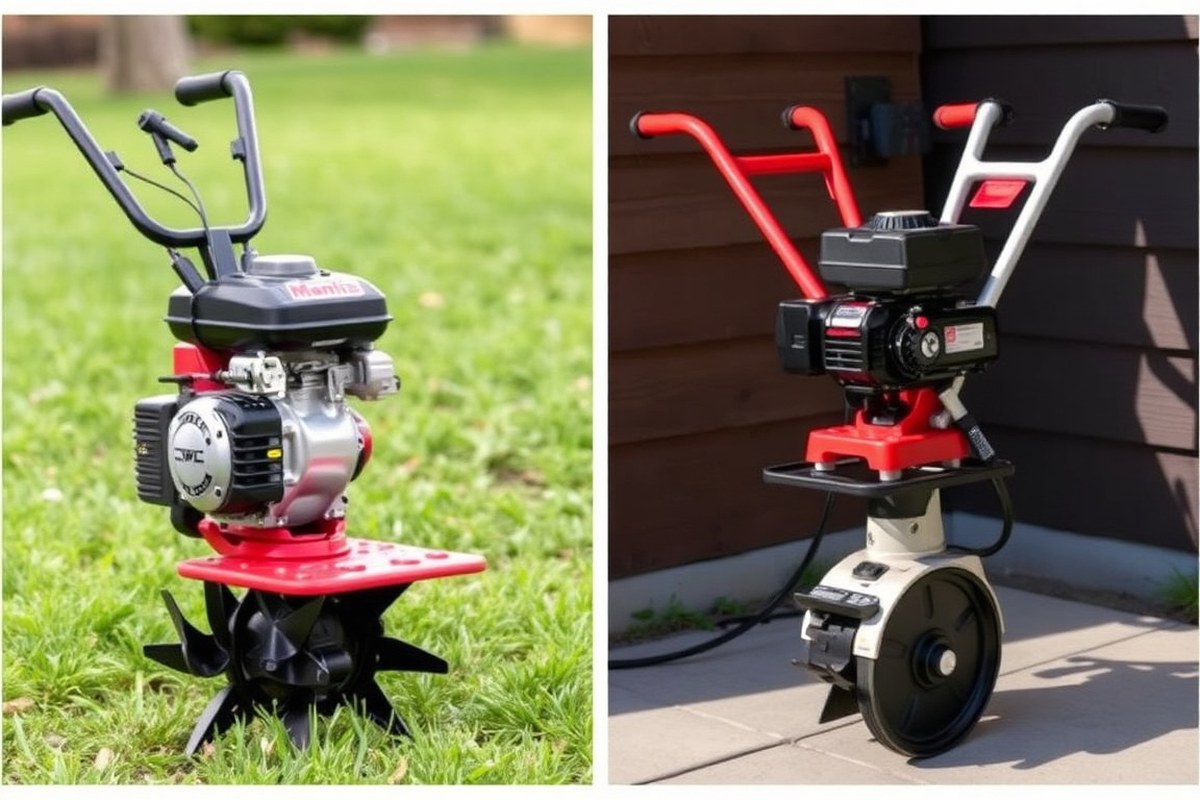
Mantis tillers have different engine types, so starting them varies quite a bit. Two-cycle engines need a fuel mix.
Four-cycle operate on regular gas with separate oil. Electric models start with a switch and need less maintenance.
Fuel and Oil Requirements
Two-cycle models require a 50:1 premix of gasoline and two-stroke oil. This mix keeps the engine lubricated because the oil is burned with fuel. Using small-engine 2-stroke oil in clean containers helps prevent clogging and carburetor issues.
Four-cycle Honda models use regular unleaded gasoline and have oil in the crankcase. You add oil separately, so it does not burn with the fuel. Check oil levels regularly and change it as recommended to avoid engine damage.
| Item | 2-Cycle Models | 4-Cycle Honda Models |
|---|---|---|
| Fuel | 50:1 premix (gas + 2-stroke oil) | Regular unleaded, oil in crankcase |
| Spark plug gap | About 0.024, 0.028 in | 0.024, 0.028 in (NGK CM5H/CMR5H) |
| Air filter care | Clean or replace when dark or soaked | Replace on schedule; keep cover sealed |
| Exhaust screen | Clean if power drops or smoke rises | Remove and brush per booklet |
| Storage | Use small fresh batches of premix | Drain stale fuel; keep oil at mark |
Using fresh, properly mixed fuel helps your tiller start easily and run smoothly. Old or incorrect fuel can clog jets and cause stalls or no-starts.
Starting Procedures Compared
Two- and four-cycle models both typically use a pull cord to start. The pull gives the engine the initial turn to ignite the fuel.
Many electric Mantis tillers use a switch starter you flip. You press it to power the tiller on.
Two-cycle engines require priming by pressing a clear primer bulb until fuel fills the line. Four-cycle tillers usually have a choke lever you adjust to start cold. Electric tillers skip fuel prep and start instantly with the switch.
Always check the tiller’s switch is ON before starting. Make sure the choke is set the right way.
On older two-cycle models, the tines can spin right away. They start spinning as soon as the engine fires.
This can pull the tiller forward. Electric tillers usually operate the tines separately, starting only after the engine runs.
Maintenance Impact on Startup
Maintaining your tiller’s air filter can prevent dirty air from causing rough running or stalls. For two-cycle models, clean or replace the filter when it looks dark or soaked. Four-cycle units require scheduled replacements and sealed filter covers.
Clean the exhaust screen to keep the tiller running well. Brushing it stops power loss and smoke issues.
You may notice sputtering if it’s dirty. Store fuel properly and avoid mixing old gas to keep carburetors clean and prevent clogs.
Checking spark plug gaps and swapping plugs if fouled keeps ignition reliable. Dirty filters or carburetors often cause the tiller to stall. It might run like it’s on half choke at start.
What to Check If Your Mantis Tiller Won’t Start
Check the fuel first if your Mantis tiller won’t start. Old or stale fuel often causes startup problems. Drain fuel left in the tank for over 30 days.
Refill with fresh fuel mixed properly if two-cycle. Use the correct gas to oil ratio for your model.
Inspect the spark plug next. Dirt or wear can stop it from sparking. Take out the spark plug and check for soot or corrosion.
Clean it with a wire brush or replace it. Make sure the new plug fits your Mantis tiller. Keeping a spare spark plug handy can save time when troubleshooting.
Then examine the air filter. A clogged filter chokes the engine by blocking airflow.
It should be cleaned or replaced after every 25 hours of use. Check for dirt, dust, or damage during your inspection and swap it out if needed.
- Fuel: Use fresh gas, drain clogged fuel lines
- Spark plug: Clean or replace if fouled or worn
- Air filter: Clean/replace every 25 hours or when dirty
- Choke: Make sure it’s set correctly for cold starts
- Carburetor: Look for gummed-up fuel or blockages
- Kill switch: Confirm it’s in the “on” position
Check the choke position carefully. It controls how much air mixes with fuel. Set it fully closed for cold engines to help start.
Leaving the choke too open can make the engine hard to start. It may even fail to start altogether. Adjust the choke carefully for smoother starting.
Lastly, a clogged carburetor often causes starting troubles too. Cleaning the filter, fuel, and spark plug is the first step. Spray carburetor cleaner into the intake if the engine still won’t start.
This can clear blockages causing trouble. You may need to remove and soak it in cleaner for stubborn build-up. Cleaning the carburetor may take 30 minutes or more to finish.
You might need to replace the gasket, which costs about $5 to $10. Take your time to avoid damaging any parts.
Safety Precautions Before and During Startup
Wear sturdy gloves and closed-toe shoes before starting your Mantis tiller. Protect your eyes with safety goggles to keep out dust and debris. Avoid loose clothing or jewelry that could get caught in moving parts.
Never start the tiller indoors or in a closed space. The engine emits harmful fumes, including carbon monoxide. Always start it outside in open, well-ventilated areas with no flammable materials nearby.
Set the tiller on flat, stable ground before starting. On uneven or sloped surfaces, the machine can tip or slide unexpectedly.
Position the tiller pointing uphill when working on a slope. Keep a firm grip to control it safely.
Avoid starting the tiller in wet soil or heavy rain. Slippery conditions increase the risk of losing control and damaging the machine.
Do not use the tiller when temperatures drop below 40°F (4°C). Cold weather can hurt the engine’s performance.
Look for rocks, wires, and debris around your work area first. These can damage the tiller or cause injuries.
Clear the soil before starting, and mark any obstacles nearby. Keep bystanders, especially children and pets, at least 15 feet away from the working area.
Know how to stop the tiller quickly in emergencies. Locate the engine stop switch and test it before starting.
Release the throttle if the tiller stalls or acts strangely. Turn off the engine right away to avoid accidents.
Starting a Mantis tiller safely means taking the right precautions. The extra care helps avoid injuries and protects your equipment. Setting up properly saves you time and trouble when you begin tilling.
Common Startup Mistakes and How to Fix Them
Using the wrong fuel mix is a top mistake that can harm your Mantis tiller’s engine. For 2-cycle models, mix fresh unleaded gasoline with 2-cycle oil at a 40:1 ratio. Avoid old or stale fuel, which clogs the carburetor and stalls the engine.
Store your fuel in a sealed container no longer than 30 days to keep it fresh. Suspect stale gas? Drain and replace it before you start the tiller.
Mistakes with the choke also cause trouble. The choke should be fully closed when you start a cold engine. Locate the choke plunger on the carburetor’s right side.
Pull it out fully. As the engine warms, gradually push the choke back in. Leaving it closed too long floods the engine, making it hard to start.
Flooding the engine means too much fuel is inside the cylinder. Turn off the choke first. Let the tiller sit for 5 to 10 minutes.
Next, hold the throttle at full open and pull the cord quickly several times. This clears the excess fuel.
Don’t keep pulling hard without letting the engine clear. You risk wearing out the starter mechanism.
Speaking of starters, using the pull cord wrong is another common error. Grab the cord handle with your right hand firmly. Pull the cord quickly and smoothly about 12 to 18 inches.
Don’t pull it all the way. Use short, strong pulls instead of slow or jerky ones. This prevents snapping the cord or damaging the recoil spring.
- Use fresh fuel mixed correctly (2-cycle 40:1 ratio)
- Fully close choke only on cold starts, open gradually
- Pull cord with strong, short strokes about 1 to 1.5 feet
- Let engine clear 5-10 minutes if flooded, then pull fast
- Avoid stale fuel by storing gas max 30 days sealed
- Replace the fuel cap if the engine sputters or won’t run
Using stale fuel not only makes starting harder. But it can gum up your carburetor. Replace it by draining the tank or running stabilizer-treated gas for storage.
Problems still happen? A cracked or clogged fuel cap may cause vacuum lock.
Check and replace it if necessary. Proper storage in a dry place also keeps parts from rusting.
Never pull the starter cord with jerky or full-length pulls. This damages the starter assembly and wastes effort.
Routine Maintenance for Easier Starting
Keeping your Mantis tiller in good shape helps it start faster and run better. Cleaning or replacing parts on a regular schedule stops dirt and wear from causing starting problems. Check the air filter after every 10 hours of use.
Clean it with warm soapy water. Replace it if it is very dirty. A clean air filter lets the engine breathe easy.
For 4-cycle Mantis tillers, use SAE 30 non-detergent or synthetic motor oil. Change the oil every 25 hours of use or at least once each season.
Using the right oil helps engine parts move smoothly. It also prevents jams when pulling the starter.
Spark plugs wear out over time and cause weak or no sparks. Replace the spark plug every 100 hours of use. Or replace it once a year if used less.
Look for signs like a blackened or cracked plug. Clean the area around the spark plug before removal. This stops debris from entering the engine.
Lubricate moving parts like the tine shaft and throttle linkage with light machine oil. This keeps the mechanisms free and makes starting easier.
Use a few drops after every 8 to 10 hours of tiller use. Avoid heavy grease on these parts because it can attract dirt.
- Clean air filter every 10 hours or replace if too dirty
- Change SAE 30 motor oil every 25 hours or seasonally
- Replace spark plug every 100 hours or yearly
- Lubricate moving parts after 8 to 10 hours with light oil
- Inspect and clean the starter cord area before running
- Wipe down tiller and check for damage after each use
Good maintenance stops buildup inside the engine and parts from getting stuck. It lowers wear and tear and prevents cold starts or stalls.
A well-kept tiller pulls easier and fires right up, saving you frustration and repair costs. Neglecting these steps often leads to rough starting or full failure.
Different soil conditions may require more frequent air filter cleaning. Very dusty or sticky soils clog filters fast. Let your tiller sit unused for a long time?
Clean the fuel area first. Also, check oil levels before starting.
Ask your local Mantis service center which oil brands and spark plugs fit best if unsure. These steps keep your tiller ready for action.
Handling Cold Starts and Long Storage Situations
Starting your Mantis tiller in cold weather or after long storage takes some care. Use the right choke and primer settings to avoid flooding.
Store fuel and oil properly to keep them fresh. Clean the engine before you start it for the season.
Cold Start Choke and Primer Settings
Cold mornings call for extra fuel control to help your engine start. A cold engine needs a closed choke to keep fuel rich. Press the primer bulb to push fuel into the carburetor.
Follow these steps to start your Mantis tiller on cold days and avoid flooding the engine:
- Shift the choke lever to the “Start” or “Closed” position when the engine is cold.
- Press the primer bulb 3 to 5 times until you see fuel enter the clear line.
- Pull the starter grip gently the first time to prevent flooding.
- Start pulling the grip with steady pulls until the engine fires up.
- Move the choke lever slowly to the “Run” or “Open” position as the engine warms.
- Let the engine warm up for 3 to 5 minutes before using the tiller.
Fuel and Oil Storage Best Practices
Store fuel in a clean, sealed container indoors to protect it from moisture and temperature changes. Gasoline can degrade inside the tank and cause poor engine starting.
Use fresh fuel mixed with oil at a 50:1 gas-to-oil ratio for 2-cycle engines. Don’t store mixed fuel over 30 days without adding stabilizer. Stabilizer keeps fuel fresh and protects the carburetor.
Keep oil sealed tightly and stored in a cool place. Replace oil in your tiller according to the manual to maintain engine health after long storage.
Post-Storage Engine Cleaning
Fuel left in the carburetor can gum up during winter storage. Cleaning it helps avoid starting troubles.
Look over carburetor gaskets for cracks or wear. Cracked gaskets let air in and cause hard starts.
Before the season starts, remove the air filter and clean or replace it. Wipe the spark plug clean and inspect the gap. A dirty or worn spark plug can cause misfires after storage.
Take these steps to prepare your Mantis tiller’s engine after storage:
- Remove old fuel from the tank and carburetor to avoid clogging.
- Remove and clean the carburetor with carburetor cleaner.
- Inspect and replace worn gaskets to prevent air leaks.
- Clean or replace the air filter for proper air flow.
- Clean or replace the spark plug as needed.
- Refill with fresh, stabilized fuel mixed at correct ratios.
- Prime the engine and use cold start steps for a smooth startup.
When to Seek Professional Help for Starting Issues
Repeated no-start issues often mean it’s time to call a professional. Simple fixes like checking fuel or spark plugs are okay to try at home. But if the engine won’t turn over after several tries, something deeper might be wrong.
Look for signs of engine damage. Loud knocking sounds or smoke can mean worn-out pistons or valves. The engine dying right after starting may show an internal issue.
It might need a skilled technician to fix it. Don’t keep trying if this happens.
Carburetor issues sometimes require rebuilding or replacement. When choke adjustments and cleaning don’t fix it, call a pro.
Fuel leaks also need a professional to fix or replace parts. Rebuilding a carburetor costs $50 to $150 depending on parts and labor.
Check if the engine runs unevenly or stalls often. These symptoms might mean the carburetor fuel jets are clogged or that internal seals fail. Professionals can do a full tune-up that prevents bigger repairs later.
Start with simple fixes like fresh fuel and a clean air filter. Check the spark plug too. These steps often solve common issues.
Stop trying to fix the tiller after two failed attempts. If the issue worsens, get professional help right away. This saves time, money, and avoids further damage.
Authorized Mantis service centers provide warranty repairs and expert fixes. Look at your Mantis tiller manual or visit mantisusa.com to find nearby centers.
Your tiller warranty can get voided by doing your own repairs. Let a qualified technician handle problems to keep the warranty.
Always power off the tiller before working on the engine. Then disconnect the spark plug for safety. Never touch internal parts while it’s powered.
Professional tuning costs range widely, usually from $100 to $300 based on needed work. It’s worth it if the tiller won’t start or runs rough after simple maintenance. Getting a mechanic involved early can extend your tiller’s life on your property.
Step-by-Step Action Plan for Starting Your Mantis Tiller
Follow these steps to get your Mantis tiller running smoothly and safely the first time.
- Before you start: Check fuel and oil levels carefully. The tiller should have fresh fuel and proper oil to avoid damage.
- Day 1: Clear your tilling area of rocks and debris. This helps the tiller run without obstructions and prevents damage.
- Day 1: Set the throttle and choke according to your tiller type. This gets the engine ready to start properly.
- Day 1: Pull the starter cord firmly and smoothly. The engine should respond within a few pulls if you set everything right.
- After first use: Inspect for leaks or loose parts. Tighten anything loose to keep your tiller running safely.
- Week 1: Perform basic maintenance like cleaning the air filter. A clean filter helps your tiller start easily every time.
- After 2 weeks: Run your tiller briefly after storage to check cold start readiness. Proper storage prevents startup problems later.
- Week 2: Note and fix any startup quirks or hesitation you experience. Small adjustments now save you frustration later.
Frequently Asked Questions
What Is the First Thing to Check Before Starting a Mantis Tiller?
The first thing is to check the fuel level and quality. Bad or old fuel can stop your tiller from starting.
Always use fresh gas. Mix in the right amount of oil if your model needs it.
How Do I Know If My Mantis Tiller Has a 2-cycle or 4-cycle Engine?
Check the owner’s manual or look for a separate oil tank for 4-cycle engines. 2-cycle needs oil mixed into the gas, while 4-cycle has separate oil and gas.
Can I Start a Mantis Tiller Without Using the Choke?
No, using the choke is usually necessary when starting a cold engine. It restricts airflow to help the engine get the right fuel mixture.
What Should I Do If the Starter Cord Feels Stuck or Hard to Pull?
The cord might be caught or the engine could be flooded. Try to free the pull cord gently without forcing it.
Or open the choke fully before pulling. This helps fix flooding problems.
How Often Should I Change the Oil on My 4-cycle Mantis Tiller?
Change oil after every 25 hours of use or at least once a season. Clean oil helps the engine start easily and runs better.
Is It Safe to Start a Mantis Tiller Indoors or in a Garage?
No, always start the tiller outdoors in a well-ventilated area. Gas fumes are harmful and can build up quickly inside enclosed spaces.
Key Points to Remember
Your Mantis tiller needs proper care and attention for easy starting. Take time to practice these steps and get comfortable. Next, try starting your tiller today following the plan to build your confidence.





One Comment