Do Spider Plants Need Direct Sunlight? What Actually Works for Healthy Growth
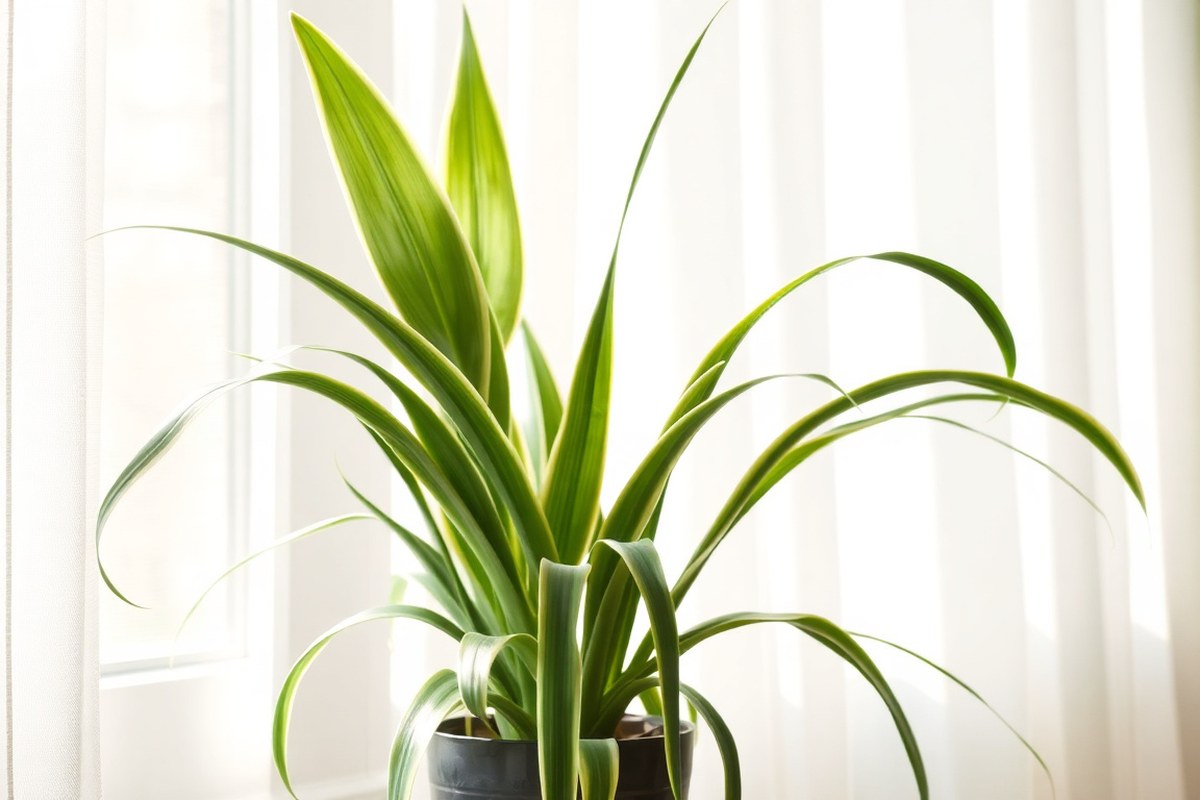
Do spider plants need direct sunlight? They actually grow best without it.
Direct sun can burn their leaves, leaving dry or brown tips. Instead, bright, indirect light helps them thrive and keeps leaves healthy.
Spider plants thrive with 4 to 8 hours of indirect light each day. Too much direct sunlight can cause leaf damage, while too little light stunts growth. Placing them a few feet away from a bright window usually suits them best.
Keep your spider plant out of harsh, direct sunlight that shines through glass for long periods. Using sheer curtains or adjustable blinds softens strong daylight. This way, the leaves stay vibrant without getting scorched.
Spider plants can also adapt to moderate low light, but growth will slow. They do better in spots with plenty of filtered light, such as near east or north-facing windows. Adjust light exposure seasonally to match changing sun intensity.
Key Takeaways
- Spider plants prefer 4 to 8 hours of bright, indirect light each day.
- Avoid direct sunlight for long periods to prevent leaf burn.
- Place plants 3 to 6 feet away from sunny windows for best light.
- Use sheer curtains to diffuse harsh sunlight if needed.
- Insufficient light slows growth; look for pale leaves or fewer platelets.
- Bright, indirect light helps variegated spider plants keep their patterns.
Do Spider Plants Need Direct Sunlight to Thrive?
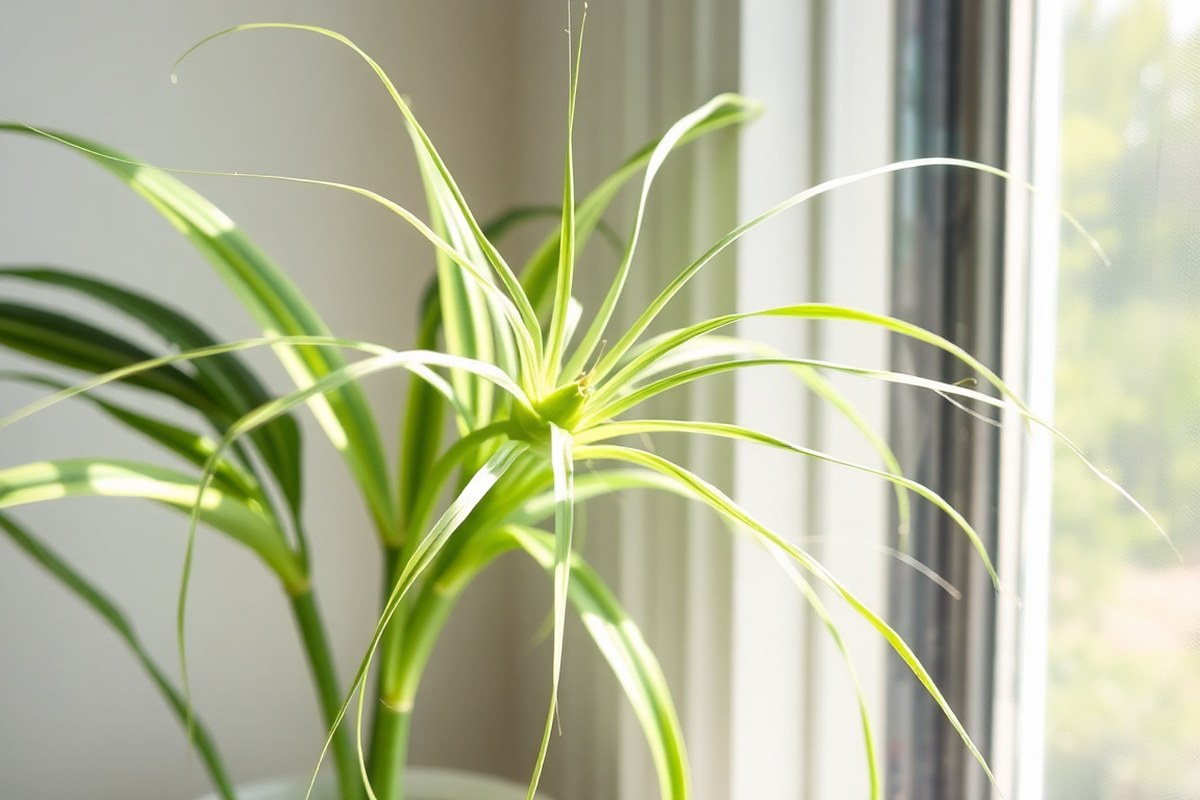
Spider plants don’t need direct sunlight to thrive. They do best in bright, indirect light that lasts for several hours each day. Too much direct sunlight can cause their leaves to scorch and turn brown.
Bright, indirect light means your plant gets lots of natural light. It is protected from strong, direct rays. This keeps the plant safe and healthy.
A good spot is near an east-facing window. Morning sun there is gentle and won’t burn leaves.
This placement usually helps your spider plant thrive. This light helps the plant grow healthy leaves without burning them.
Direct sunlight, especially in the afternoon from south- or west-facing windows, can be too intense. It can dry out the leaves quickly and cause brown spots, which look like burnt patches. These spots reduce the plant’s ability to photosynthesize and grow properly.
Spider plants need about 4 to 8 hours of indirect light each day. This helps them grow and keeps their stripes clear. Direct sunlight is stronger and can harm the plant if it lasts too long.
To give your spider plant enough light, use curtains or walls to filter it. These soften the light before it reaches the leaves. This prevents damage while still providing enough brightness.
Filtered light protects leaves from getting burned. It provides between 1,000 and 2,500 lux of light.
This is the right amount for healthy spider plants indoors. These conditions usually suit most indoor settings.
How Much and What Type of Light Do Spider Plants Need Daily?
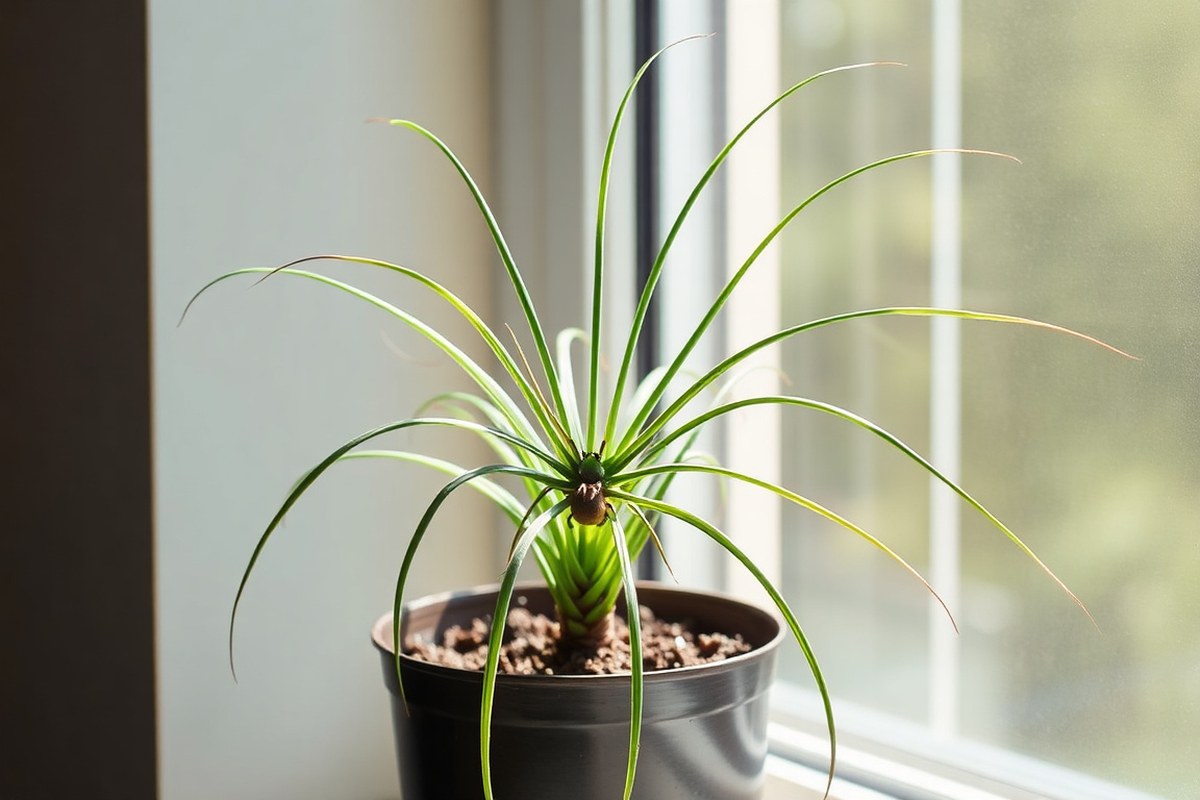
Spider plants thrive in bright, indirect light around 8 to 10 hours daily. Summer can extend this light time up to 14 hours. Avoid direct sunlight above 2,500 lux to prevent leaf burn.
When natural light is low, you can use artificial grow lights. Fluorescent or LED grow lights work well. Aim for 12 to 16 hours of light daily to mimic the sun’s benefits indoors.
Here’s a quick guide to how much light your spider plant needs. Track both how long and how bright the light is.
This helps you set up the right spot. Pay attention to both how many hours of light and how bright that light is.
| Light Condition (lux) | Daily Duration | Plant Response |
|---|---|---|
| < 500 (low) | 8 – 10 hours | Slow growth, leggy stems |
| 500, 1,000 (moderate) | 8 – 10 hours | Acceptable growth, slight stretch |
| 1,000, 2,500 (bright indirect) | 8 – 10 hours | Optimal growth, compact foliage |
| > 2,500 (direct midday) | Less than 2 hours | Leaf scorch risk, stress |
| Fluorescent/LED grow lights | 12 – 16 hours | Healthy growth indoors |
Using a light meter helps check if your plant gets the right lux indoors. Place the meter at the leaf level to get a true reading. Low natural light under 1,000 lux means your plant needs extra help.
Use a full-spectrum LED light to supply the right kind of light. This supports healthy growth.
Set a timer on your grow light for 10 to 14 hours to avoid overexposure. Start with 8 to 10 hours of light every day. Add more hours if your plant looks weak or isn’t growing well.
Watch for signs to adjust your lighting. Adjust the timing based on visible growth responses over weeks.
Too much direct sunlight causes leaf scorch quickly. So keep an eye on leaf edges.
Which Window Directions and Placement Best Suit Spider Plants?
Spider plants do best near east or west-facing windows where they get bright, indirect light. South-facing windows offer strong sun but need filtering or distance.
North-facing windows give low light and usually require extra light during winter. Moving your plant 1 to 3 feet from the window helps control its sun exposure.
East-Facing Windows: Morning Sun Benefits
East-facing windows let in gentle morning sun and indirect light most of the day. This suits spider plants well because morning sun is less intense. Keep the plant about 1 foot away from the window.
This lets it get enough light. It also prevents scorching from direct sun.
Rotate the pot weekly to expose all sides to light. The plant will look green and full with steady growth near an east window. In winter, this spot still offers decent light without harsh sun.
South-Facing Windows: Intense Light Management
South-facing windows give the brightest, most direct sun for many hours. This can burn spider plant leaves quickly. Place the plant 2 to 3 feet away from the window.
You can also use sheer curtains. They help filter the sunlight.
Check the leaves often for browning or fading color. Moving the plant farther from the window or filtering rays helps prevent damage. During winter, move closer to the window to maximize light safely.
West-Facing Windows: Afternoon Sun Considerations
West-facing windows provide softer morning light and strong afternoon sun. Afternoon sun is hotter and can bleach or scorch leaves if unfiltered. Keep the spider plant a couple of feet from the window.
You may also add a curtain. The curtain protects it from harsh light.
This spot works well if you watch how much direct sun arrives. Be careful with summer sun. It can burn the plant quickly.
Adjust the distance or use shading from 2 p.m. To 5 p.m. To avoid leaf burn. Rotate the plant to keep light even.
North-Facing Windows: Low and Steady Indirect Light
North-facing windows offer the least direct sun but steady, indirect light all day. Spider plants may grow slower here, especially in winter when light is weaker. A bright north window is good for a spider plant.
Move it closer, about 1 foot away from the glass. This gives the plant enough light.
Try using a grow light if growth slows down. Use it for 12 to 16 hours daily. This helps keep leaf color healthy.
This keeps spider plants healthy without natural sun. Avoid placing the plant deep in the room where light dims further.
Use this placement guide to decide the best window direction and distance for your spider plant. Adjust where it sits depending on the season and how your home’s sun shifts:
| Window Direction | Light Characteristics | Distance Recommendation | Watch For |
|---|---|---|---|
| East-facing | Gentle morning sun; indirect rest of day | 1 foot from window | Rarely needs correction; rotate weekly |
| South-facing | Brightest, often intense direct sun | 2 to 3 feet back or filter rays | Leaf burn and browning without protection |
| West-facing | Soft light most of day, strong afternoon sun | 2 feet back or use sheer curtain | Leaf bleaching or scorching in afternoons |
| North-facing | Consistent dim, indirect light | Close to window, 1 foot max | Slow growth; add grow light if needed |
Seasonal changes affect daylight angles and sun intensity. In winter, try moving spider plants closer to south or west-facing windows.
That helps them soak up more available light. During summer, retreat them slightly or add curtains to avoid sunburn.
What Are the Signs of Too Much or Too Little Light?
Spider plants show specific signs when they get too much direct sunlight. Their leaves may turn pale or develop bleached, white patches. You might also notice leaf edges or tips turning brown in intense sun exposure.
Too little light causes different problems. Leaves lose their variegation and become solid green.
The plant grows leggy and stretches toward a light source. It may also look droopy or weak from lack of energy.
It can be tricky to tell if leaf damage comes from lighting, water issues, or pests. Check the watering routine first.
Brown leaf tips usually mean inconsistent watering or tap water chemicals, not light damage. Yellowing often points to overwatering or root problems.
- Browning tips: likely water quality or humidity, not sun.
- Whole bleached leaves: often too much direct sun, adjust window distance.
- Solid green leaves losing stripes: signs of low light.
- Yellow from base up: usually overwatering or root rot.
- Leaf curling: response to too much or too little light.
- Pale and droopy leaves: possibly underwatering rather than light.
- Leggy growth reaching toward light: clear sign of insufficient light.
Compare new leaf symptoms to healthy ones nearby. Variegated leaves have clear white stripes, while sun-bleached leaves look washed out. Your plant’s spot might have changed after moving or seasonal shifts.
So adjust lighting based on what you see. Good moisture control and using rain or distilled water also prevent confusion when diagnosing problems.
How to Protect Spider Plants from Harmful Direct Sun Exposure
Spider plants suffer leaf scorch if they sit in midday or afternoon sun. This sun is strongest from about 11 a.m. To 3 p.m. Protecting your plant means blocking or filtering this bright light. Use light filters or shade to keep leaves healthy and green.
You can protect spider plants that get harsh sun through south- or west-facing windows. These directions let in the most intense light.
Filtering the sun avoids brown tips, pale spots, and leaf loss. Here’s how to shield your plant effectively.
- Place a sheer curtain or light-diffusing shade over the window. This softens direct rays and costs $10 to $25 for basic curtains.
- Move your plant a few feet away from the window glass. Even 2 to 3 feet makes the sun less harsh and cuts heat stress.
- Use window films that block UV rays or reduce glare. These clear films cost about $15 per window and dim sunlight.
- Choose a spot that gets early morning light only. Sun before 9 a.m. Is mild and usually won’t burn leaves.
- Rotate your plant regularly so all parts receive indirect light evenly. This avoids scorching on one side.
- Add other plants nearby to create natural shade. Grouping plants buffers intense light while keeping air humid.
- Check leaves daily during summer. Brown tips or faded color mean you need more protection or less direct sun.
Never leave spider plants in direct afternoon sun for over two hours. Leaf burn can happen fast.
Using Artificial Lights for Spider Plants: Types and Timing
Spider plants do well under both LED and fluorescent grow lights. LED bulbs use less energy and run cooler, which prevents heat stress. Fluorescent tubes cost less upfront but run warmer and use more power.
| Type of Light | Energy Use | Heat Output | Cost Range | Recommended Distance from Plant |
|---|---|---|---|---|
| LED Grow Lights (e.g., SANSI 15W) | Low (15W typical) | Low | $15, $30 per bulb | 12 to 24 inches |
| Fluorescent Grow Lights | Moderate | Medium | $10, $25 per bulb | 6 to 12 inches |
Turn grow lights on for about 12 to 14 hours daily. This length mimics bright daylight without overstressing the plant. Too long can cause leaf burn; too short slows growth.
Place LED lights roughly 12 to 24 inches above the plant. Fluorescent tubes should hang closer, about 6 to 12 inches away. Adjust if leaves start curling or looking bleached.
When seasons change and daylight grows, lower artificial light daily. Cut artificial light by 2 to 4 hours each day.
This helps your plants get just enough light. Less light saves energy and prevents the plant from growing too fast.
- Pick an LED or fluorescent grow light suitable for a 12-inch pot size.
- Set the light 1 to 2 feet above the spider plant.
- Run the light 12 to 14 hours each day to support steady growth.
- Move the light higher or lower if you notice leaf damage.
- Adjust timing seasonally, using less artificial light in spring and summer.
How Light Affects Variegated vs. Green Spider Plant Varieties
Variegated spider plants need brighter light than green ones to keep their patterns sharp. These plants are also more sensitive to direct sun, which can cause leaf burn. Green spider plants tolerate lower light but may grow slower without bright conditions.
Light Requirements for Variegated Types
Variegated spider plants rely on enough indirect light to maintain their leaf stripes. Without this, their colors will fade and the plant looks dull.
Aim for bright, indirect sunlight about 4 to 6 hours daily. This helps keep variegation crisp and clear.
Direct sunlight might scorch the pale edges of variegated leaves quickly. Use a sheer curtain or place the plant away from windows that get the strongest sun. Adjust the spot if the leaves show brown spots or curling from sun damage.
Green Spider Plants and Shade Tolerance
Solid green spider plants handle lower light better than variegated types. They stay green with 2 to 4 hours of indirect light.
These plants survive well in dimmer spots. Growth slows down but the plant usually remains healthy.
Low light can cause green spider plants to look less full. They may also produce fewer baby spiderettes, which means less new growth. A brighter spot will help them stay bushy and encourage more pups.
Adjusting Light to Keep Variegation Vibrant
Move your variegated plant closer to a window in fall and winter when daylight weakens. Switch it to a shadier spot during summer to avoid direct sun damage. This seasonal shift keeps variegation strong all year.
Check leaves weekly for signs of fading colors or sunburn. Add a grow light for 12 to 14 hours a day.
This boosts brightness when variegation fades. Avoid full sun lamps, focusing instead on bright, indirect light sources.
Seasonal and Environmental Factors Affecting Spider Plant Light Needs
Spider plants need more light in winter due to shorter days and lower intensity. In summer, you must protect them from too much direct sun. Adjusting their location helps match seasonal light and temperature changes for healthy growth.
Winter Light Challenges
Winter brings shorter daylight hours, which lowers the light your spider plant receives. Low light can slow down growth and pause runner production.
To help, move your plant closer to bright windows. You can also add full-spectrum 6000K artificial light.
Indoor temperatures often drop in winter, which reduces the plant’s activity. Spider plants do best between 55°F and 80°F (13°C to 27°C). Keep them away from drafts or cold windows to avoid stress.
Rotating your plant weekly ensures all sides get enough light for even growth. This prevents lopsided shapes and leaf yellowing caused by uneven exposure.
Summer Light Adjustments
Summer days have more intense sunlight. So your spider plant may get too much direct light. This can cause leaf scorch or browning tips.
Use sheer curtains to soften direct window light. Or move the plant a few feet away from the window.
Longer daylength means your plant will grow more actively. Water needs usually rise in summer.
But don’t overdo it, adjust for pot size and temperature. More light and warmth speed up drying.
Provide indirect light or morning sun to balance brightness with comfort. Avoid placing the plant where afternoon sun hits strongest, as it is the harshest.
Integrating Temperature and Humidity with Light
Spider plants prefer moderate humidity, around 40 to 60 percent. Dry air in heated rooms can cause stress, especially in winter. Using a humidifier or placing a water tray nearby can help.
Ideal temperatures stay between 55°F and 80°F. Too cold or hot and the plant may stop growing even if light is good. Avoid placing plants near heating vents or air conditioners.
Matching light and temperature helps maintain steady growth and runner production. Low light with warm temperature might cause leggy growth. Bright light with cold air stresses the plant.
Follow these steps to balance light and temperature through seasons:
- Move your spider plant closer to a window. You can also use artificial light in late fall before winter.
- Rotate the plant every 7 days in winter to expose all leaves evenly.
- Use a full-spectrum 6000K LED grow light. Run it for 10 to 12 hours daily if light is low.
- In summer, pull the plant back from sunlight by 2 to 3 feet. Use a curtain to reduce direct light.
- Monitor indoor temperature and keep it in the 55°F to 80°F range year-round.
- Increase humidity using a humidifier or pebble tray during dry winter months.
- Adjust watering frequency to match increased evaporation in warm, bright conditions.
Never place your spider plant in cold drafts. Also, keep it away from heating vents to avoid stress.
Step-by-Step Action Plan for Spider Plant Light Care
Follow this plan to give your spider plant the right light. These steps help you spot problems early and adjust care for the best growth.
- Day 1: Place your plant near a bright, indirect light source, like an east-facing window. Watch for bright leaves without scorched spots after a few days.
- Week 1: Check leaf color and tips daily. Pale or brown tips mean adjust light or reduce sun exposure.
- Week 2: If your plant stays inside in winter, add light. Use a fluorescent or LED grow light. Keep it on for 10-12 hours each day. Note if leaves keep their green color.
- Week 4: Rotate your plant once a week to keep light exposure even. Check new’shoot direction for balanced growth.
- Month 2: Watch for crispy leaf edges or stretching leaves. If you see these signs, move your plant a little. Adjust its spot away from too much sun.
- Season Changes: Change your plant’s window spot with the seasons. Avoid strong midday sun in summer. Move it to brighter spots in winter.
- Ongoing: Keep an eye out for slow growth or faded colors. These signs show light problems and call for repositioning.
Frequently Asked Questions
Can Spider Plants Survive in Low Light?
Spider plants can survive in low light but grow slower. They prefer bright, indirect light for best health and growth.
Is Morning Sun Okay for Spider Plants?
Morning sun is usually mild and safe for spider plants. It provides gentle light that won’t scorch their leaves.
How Often Should I Rotate My Spider Plant for Even Light?
Rotate your spider plant weekly to ensure all sides get light. This helps the plant grow evenly and prevents leaning.
Can Spider Plants Adapt to Direct Sunlight over Time?
Spider plants might tolerate some direct sun if introduced gradually. Still, prolonged direct sunlight often causes leaf damage.
Do Spider Plants Need More Light in Winter?
Spider plants need bright light year-round but less direct exposure in winter. You may need to move them closer to windows.
Is Yellow Leaf Tip from Sunlight Damage Reversible?
Yellow leaf tips from sunburn can improve by reducing light exposure. Trim damaged leaves to encourage new healthy growth.
Final Thoughts
Spider plants don’t need direct sunlight to do well; indirect light is best. Keep the light gentle and watch how your plant reacts. Try moving your plant to better light now and see how it improves.
2 Comments