What Size Grow Bag for Tomatoes: A Complete Guide for Healthy Plants
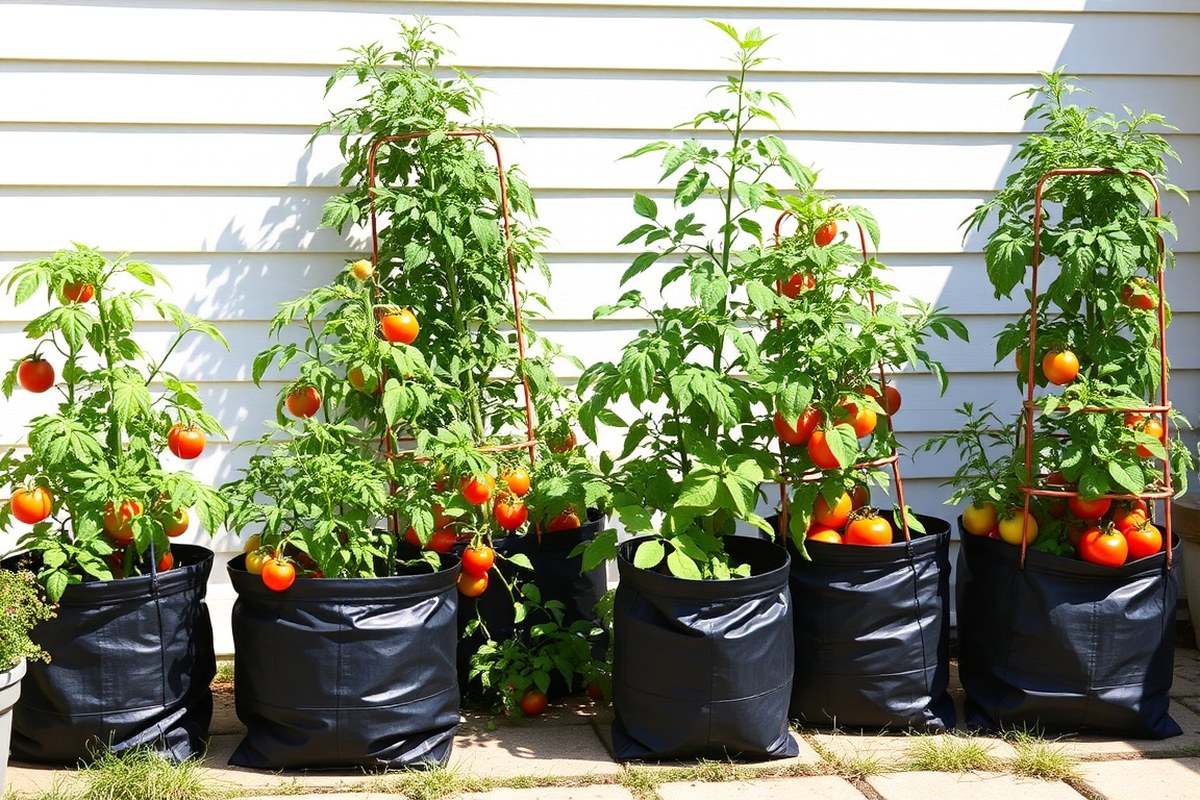
Wondering what size grow bag for tomatoes works best? A grow bag should be at least 5 gallons to give roots enough space. Bigger bags help your tomato plants grow healthier and produce more fruit.
Indeterminate tomatoes, which keep growing and producing fruit, need larger grow bags of around 20 gallons. Determinate types, which grow to a fixed size, do well in 10-gallon bags. Picking the right bag size matches your plant’s growth needs perfectly.
Depth matters too. Grow bags at least 15 inches deep allow tomato roots to spread and avoid stress. Larger bags hold more soil, which retains moisture better and reduces watering frequency.
Start with a quality bag in the right size. Place it where tomatoes get plenty of sun.
Key Takeaways
- Choose a 5-gallon grow bag for small or dwarf tomato plants.
- Use a 10-gallon bag for determinate tomato varieties.
- Pick a 20-gallon grow bag for indeterminate tomato plants.
- Select grow bags at least 15 inches deep for healthy root growth.
- Match bag dimensions to your tomato type for best results.
- Place grow bags in full sun for optimal tomato growth.
What Size Grow Bag Do Tomatoes Need?
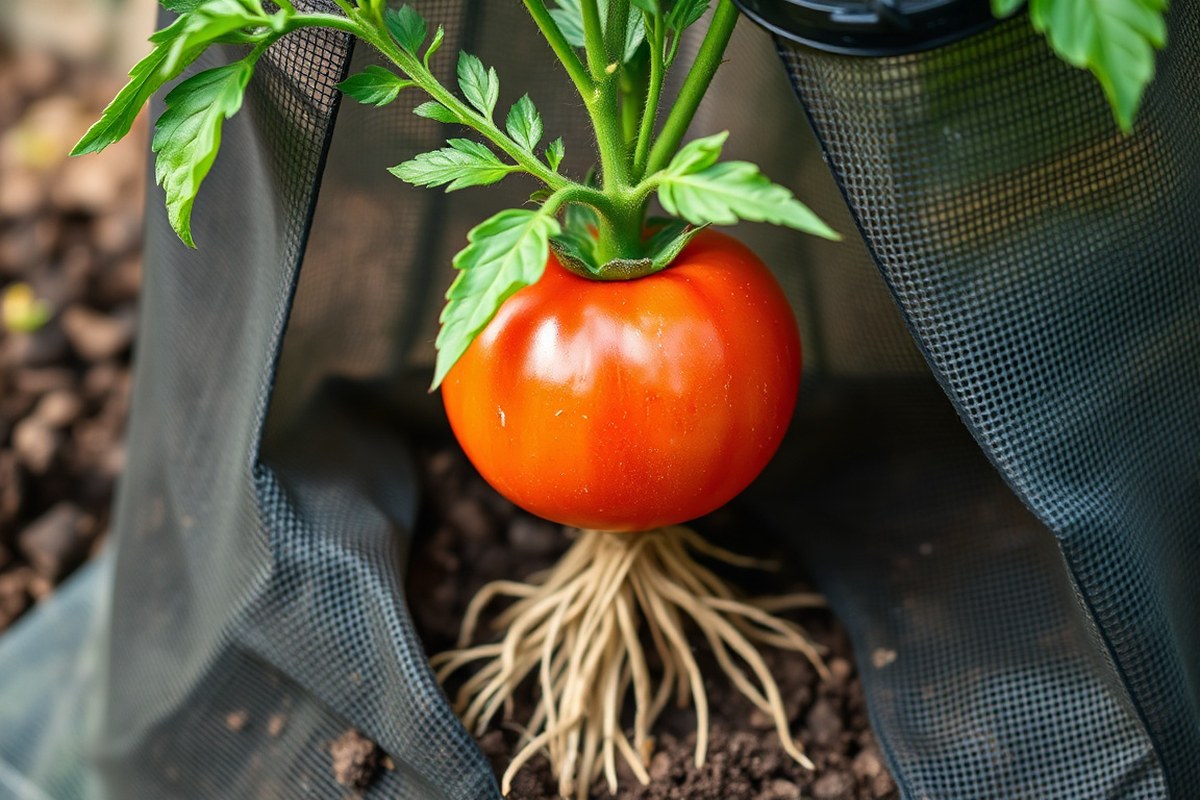
Tomatoes need enough soil and space for roots to grow well. The minimum size grow bag depends on the tomato variety you choose. Smaller tomatoes like cherry or patio can do well in 3 to 5-gallon bags.
These bags are easy to manage and move. They still give enough space for root growth. Larger or vining tomatoes require bigger bags to support healthy growth.
Indeterminate tomatoes, which keep growing taller and producing fruit, do best in 15 to 20-gallon bags. A 5-gallon bag is about 15 inches deep. This size gives roots plenty of space to spread out.
It helps plants grow healthy and strong. Determinate tomatoes reach a fixed size when grown. They typically need 7 to 10-gallon bags.
These bags should be about 12 inches deep to fit roots well. Bigger is not always better. But choosing too small a bag restricts root growth and yields.
Growing tomatoes in shallow or narrow bags limits roots and water retention. Look for bags at least 12 inches deep for tomatoes. Bigger varieties do better with 15 to 18 inches depth.
This helps support larger root systems. Width and circumference matter for tomato bags too. More soil holds water longer for your plants.
It also gives roots space to grow fully. A bag 20 inches or more around is a good minimum.
| Tomato Type | Recommended Bag Size | Minimum Depth |
|---|---|---|
| Compact Patio/Dwarf | 3, 5 Gallons | 8, 10 inches |
| Determinate (Bush) | 7, 10 Gallons | 12 inches |
| Indeterminate (Vining) | 15, 20 Gallons | 15, 18 inches |
| Cherry Tomatoes | 10, 15 Gallons | 12, 15 inches |
For most home gardeners, a 15-gallon bag works well for almost any tomato variety. It balances size and space, fits bigger roots, and holds enough moisture. Smaller bags like 5 gallons suit cherry tomatoes or when space is tight.
You can use bags up to 30 gallons for large heirloom tomatoes. But these take more soil and water.
Match your grow bag to your tomato type, grow space, and your care routine. Thicker bags with greater depth help avoid water stress and root crowding. Avoid bags smaller than 5 gallons for any tomato except tiny patio types.
Choosing the right bag size helps your tomatoes thrive. It supports strong growth and good fruit yield. Smaller or bigger bags can limit plant health.
How Tomato Variety Influences Grow Bag Size
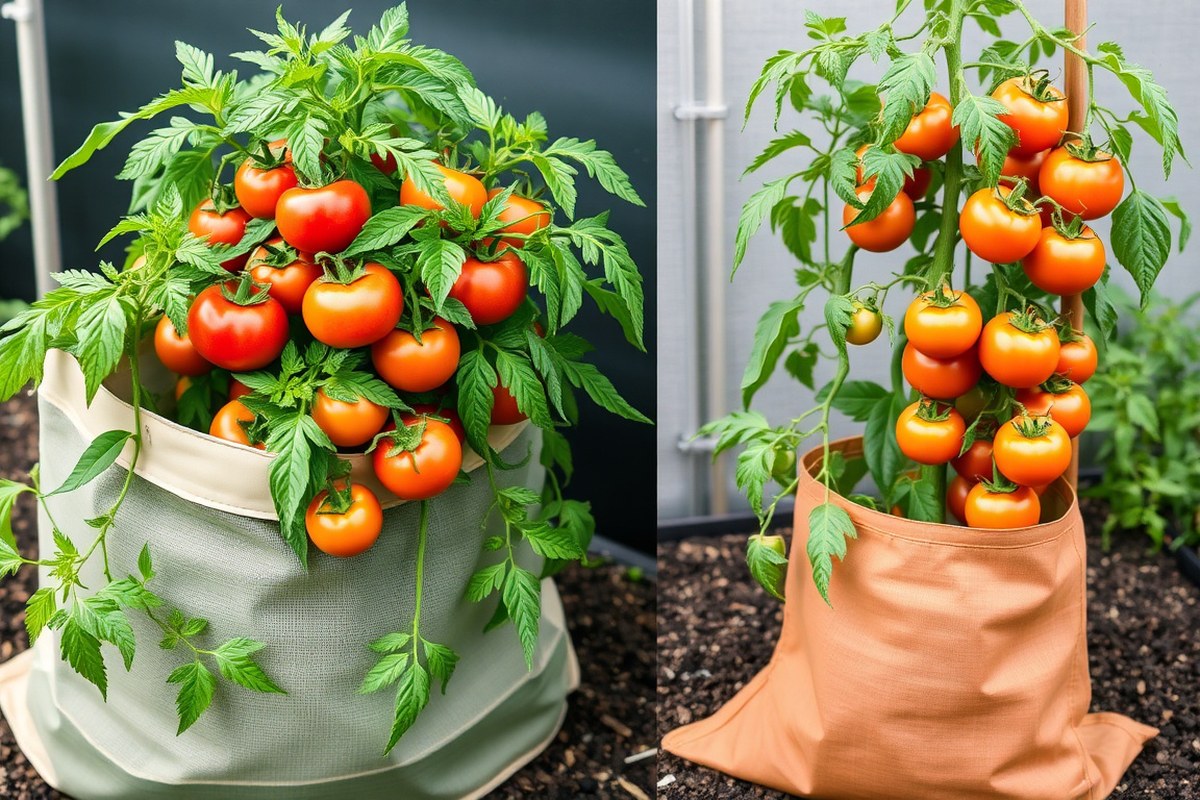
Tomato variety affects how big your grow bag should be. Determinate tomatoes do well in 7 to 10-gallon bags.
Larger indeterminate types need 15 to 20 gallons. Cherry and patio varieties usually fit fine in smaller, 5-gallon bags.
Determinate Tomatoes Size Needs
Determinate tomatoes grow to a set size and stop, producing fruit all at once. They do well in grow bags between 7 and 10 gallons. This size gives them enough room for roots and supports a good fruit yield over weeks.
Choosing a 7- to 10-gallon bag lets you plant one determinate tomato comfortably. The bag size also helps keep soil moisture steady, preventing stress during fruiting. Using smaller bags can stunt root growth and lower your tomato harvest.
Indeterminate Tomatoes Size Needs
Indeterminate tomatoes keep growing and producing fruit for months. They need larger grow bags, around 15 to 20 gallons, to hold their bigger root systems. Beefsteak and heirloom tomatoes fall into this category and benefit from extra space to spread out.
Bags this size also improve water retention and nutrient supply for indeterminate types. Use a 15- to 20-gallon grow bag for one large tomato. This works well for indeterminate tomato plants.
You can also grow a few smaller tomatoes together. Not giving enough space can cause wilting or fewer tomatoes over time.
Special Cases: Cherry and Patio Varieties
Cherry and patio tomatoes usually grow on smaller plants. A 5-gallon grow bag often fits a single cherry or patio plant well.
Many cherry tomatoes are indeterminate. So bigger bags help if you want a longer harvest or multiple plants.
Your cherry tomatoes may be determinate or patio types. Use a 5-gallon bag for one plant. This size fits these tomato types well.
Smaller bags make watering easier and fit well on patios or balconies. Avoid cramming more than one plant in a small bag to keep good airflow.
Multiple Plants per Grow Bag Guidelines
You can grow two determinate plants in a 10-gallon grow bag comfortably. Larger 15- to 20-gallon bags support multiple indeterminate tomato plants or a mix with other crops. More room means better root growth and less competition for water and nutrients.
Don’t pack multiple plants into a 5-gallon bag, especially if they are indeterminate. Overcrowding causes weak stems and fewer tomatoes. Always choose a bag size based on the total plants and their growth habits.
Here’s an easy comparison to match tomato types with grow bag sizes:
| Tomato Type | Growth Habit | Recommended Grow Bag Size (Gallons) | Plants per Bag |
|---|---|---|---|
| Determinate (bush) | Grow to set size, fruit all at once | 7, 10 | 1, 2 |
| Indeterminate (vining) | Keep growing and producing fruit | 15, 20 | 1 or multiple small plants |
| Cherry & Patio | Small plants, often determinate or indeterminate | 5 | 1 |
Use the chart to choose grow bags for your tomatoes. Pick based on your tomato’s traits.
Also consider how many plants you want to grow. Bigger bags mean better root health but need more space and water.
Don’t plant two indeterminate tomatoes in a 5-gallon bag. Their roots need more room to avoid stress and disease.
Why Grow Bag Depth and Dimensions Matter for Tomatoes
The size and shape of your grow bag affect how well tomato roots develop. Roots need enough depth and width to spread out and absorb water and nutrients. Choosing the right grow bag size helps your tomato plant stay healthy and produce more fruit.
Root Growth Requirements of Tomato Plants
Tomato plants have deep and wide root systems that need adequate space. Their roots grow down and outward to anchor the plant and soak up water. Crowded roots can stress the plant and reduce tomato production.
Roots often need at least 12 inches depth and 15 inches in diameter to spread comfortably. This space lets roots find moisture and nutrients and gives your plant a strong base. For bigger or indeterminate tomatoes, extra room is even better.
Minimum Depth Recommendations
The grow bag should be at least 12 inches deep to support healthy root growth. Shallow bags restrict root spread and cause crowding near the soil surface. This leads to weaker plants that dry out quickly.
For most tomatoes, a depth of 15 inches works well. This depth lets roots grow downward and helps the plant stay stable. Bags around 20 gallons usually meet this or exceed it.
Diameter and Width Importance
The diameter should be at least 15 inches to let roots spread sideways. Roots that can’t spread out become tangled and take up less soil volume. Wider bags give more soil holding water and nutrients.
A narrow, deep grow bag may cause roots to circle. This stress can hurt your plant’s growth. A balance of depth and width prevents root problems and lets the tomato grow strong.
- Depth: minimum 12 inches, ideally 15 inches or more
- Diameter: at least 15 inches for one tomato plant
- Volume: 5-7 gallons for small or determinate tomatoes
- Volume: 15-20 gallons for larger or indeterminate varieties
- One tomato plant per grow bag for best root space
- Choose larger bags if your tomato variety grows tall and big
- Make sure bag shape isn’t too narrow or shallow
Measuring Your Grow Bag Correctly
Measure the grow bag’s depth from bottom to top edge. Do this when the bag is empty.
Measure the diameter across the top from one side to the other. These numbers show the real root space your tomato gets.
Don’t count the bag’s outer edges only. Check the usable soil space inside because fabric thickness or folds reduce the actual volume. Measure when the bag is upright, as shape affects soil amount.
Setting Up Your Grow Bag for Tomato Success
Starting with well-prepared soil and the right setup is important for growing tomatoes in grow bags. Filling your grow bag with a nutrient-rich, loose soil mix helps roots develop strong and healthy. Put the bag in a sunny and steady spot.
This helps your plant start right. A good placement boosts healthy growth from the start.
Choosing the Right Soil Mix
Use a soil mix that drains well but holds moisture evenly to keep tomato roots happy. Avoid garden soil because it can compact and hold too much water, suffocating roots. A balanced mix supports steady growth and helps plants resist diseases.
Make your own nutrient-rich soil mix by combining these ingredients:
- Mix 40% high-quality potting soil for good texture and nutrients.
- Add 30% coconut coir or peat moss to maintain moisture without sogginess.
- Include 20% perlite or vermiculite for proper aeration and drainage.
- Stir in 10% compost or aged manure to provide slow-release nutrients.
This blend is lightweight and loose, promoting strong root growth and easy watering.
Filling and Preparing the Grow Bag
Choose the spot for your grow bag before you fill it. Put soil in the bag until it’s almost full but leaves room for deep planting. This avoids moving heavy bags later.
Before planting, moisten the soil evenly but don’t soak it. This helps soil settle around the roots and avoids air pockets that can dry roots out. Make sure your grow bag has drainage holes to prevent water buildup.
Transplanting Tomato Seedlings
Prepare seedlings by watering them well an hour before transplanting to reduce stress. Make a hole deep enough to cover most of the stem.
Keep only the top leaves above the soil. This helps the plant root better.
Planting tomatoes deep encourages roots to grow along the buried stem, making plants sturdier. Press the soil gently around the seedling to clear air pockets.
Water it lightly after to help roots settle in. This keeps the plant safe while growing.
Check for any broken or damaged leaves before planting and remove them. Avoid crowding, one healthy seedling per grow bag is best for good airflow and growth.
Positioning and Spacing Grow Bags
Set your grow bags where they get at least six hours of sunlight. Tomatoes need this much light to grow healthy and strong.
Sunny spots improve fruit production. Firm, level ground or a sturdy shelf works well to keep bags stable and prevent tipping.
Keep grow bags 18 to 24 inches apart from each other. Good spacing lets air move around plants.
This reduces the chance of disease. Position bags away from strong winds and areas where water pools after rain.
Some fabric grow bags shrink when dry and swell when wet. Monitor soil moisture regularly and adjust watering to keep roots comfortable.
Watering and Feeding Tomatoes in Grow Bags
Smaller grow bags dry out much faster than larger ones. For example, a 5-gallon bag may need watering daily during hot weather. Larger bags like 15- to 25-gallons hold more moisture.
They usually need watering every two or three days. This helps keep the soil properly moist for healthy tomatoes.
Fabric grow bags breathe better than plastic pots. This means they lose water quickly, requiring more frequent attention.
But they also prevent soggy soil, helping you avoid overwatering. Check soil moisture daily by feeling it a couple of inches below the surface.
Tomatoes in grow bags need feeding every two weeks. The soil inside bags quickly loses nutrients as plants grow.
Use a balanced fertilizer with nitrogen, phosphorus, and potassium. Adding a liquid feed through watering can keep nutrients steady.
- Water 5-gallon bags once a day when hot, every 2-3 days when cool.
- Water 15- to 25-gallon bags every 2-3 days, adjust for weather and plant size.
- Feed tomatoes every 14 days with a balanced fertilizer or liquid feed.
- Check soil moisture often; water only when top 2 inches feel dry.
- Use fabric grow bags for better airflow and less standing water.
Too much water causes root rot, while too little dries out plants fast. The key is to let the top of the soil dry between watering.
Using a moisture meter or finger test helps keep your timing right. Larger bags offer more leeway, so they’re better if you can’t water daily.
Water your tomatoes when the top 2 inches of soil are dry. Don’t stick to a strict watering schedule. This way, the plants get water only when they need it.
Common Mistakes in Choosing and Using Grow Bags
Using a grow bag that’s too small stunts tomato roots and growth. Tomatoes need enough soil to spread their roots well for strong plants. Crowding more than one tomato in a small bag limits root space.
It causes competition for water and nutrients. Your tomatoes won’t grow well this way.
Choosing a shallow grow bag can cause root stress. Tomato roots need bags at least 12 inches deep. This depth helps roots avoid drying out.
It also lets roots grow deep and healthy. Shallow bags often dry too fast, leading to wilting and poor fruit set.
Poor drainage is a common issue with fabric grow bags, even though they usually drain well. Packed soil or pots sitting on hard surfaces can block water from exiting. This causes soggy soil and root rot, making your tomato plants sick and weak.
- Use large grow bags for multiple plants, at least 18 by 24 inches.
- Pick grow bags 12 inches or deeper for healthy root growth.
- Plant only one tomato per small to medium bag to avoid crowding.
- Fill bags with loose, high-quality potting mix that drains well.
- Place grow bags on raised surfaces or gravel to keep drainage clear.
- Water thoroughly but allow the soil to dry slightly between watering.
- Check bags regularly for wet spots or standing water to avoid root rot.
Always choose a grow bag size that fits your tomato variety’s needs. Small bags limit root growth and reduce yields. Large, deeper bags keep roots well-aerated and healthy through air pruning.
Proper drainage prevents soggy soil and root diseases. Paying attention to the soil and pot placement helps avoid common issues.
Look for yellowing leaves or slow growth. Then check your bag size and drainage. Fix any issues right away.
Well-managed grow bags support strong, fruit-producing tomatoes in small spaces without fuss. Picking the right grow bag saves water and soil.
Setting it up carefully also helps. You get healthier plants with less waste.
Comparing Grow Bags and Pots for Growing Tomatoes
Grow bags tend to be better than pots for tomato root health. Their fabric sides let air reach roots, preventing circling and promoting stronger growth. Pots usually trap roots inside, risking crowding and nutrient issues.
You don’t always need a bigger grow bag than a pot. But the size affects watering and soil needs.
Larger bags hold more soil and keep moisture longer, so you water less often. Smaller containers dry out faster and need more frequent watering.
| Feature | Grow Bags | Pots |
|---|---|---|
| Root Health | Better airflow, less root circling | Roots can circle and get cramped |
| Moisture Retention | Depends on size; larger bags hold more water | Tend to hold moisture longer than same-size bags |
| Size Available | Commonly 1 to 10 gallons, avoid 5-gallon for tomatoes | Wide range, easier to find exact volume |
| Weight | Light when empty, heavier with more soil | Usually heavier overall, especially ceramic or clay |
| Cost | Typically cheaper | Usually pricier, varies by material |
| Durability | Fabric can degrade over seasons | Plastic or ceramic last several seasons |
The best grow bag for tomatoes fits the plant’s root size. It also matches how often you water the plant. Choose one that supports healthy root growth and watering habits.
A 1- or 2-gallon bag works for smaller tomato varieties under 3 feet. Taller tomatoes need bigger bags or pots. Though pots hold moisture better, grow bags’ air circulation supports healthier roots.
Cost and durability matter if you grow tomatoes every year. Grow bags are cheaper but may wear out faster.
Pots can last many seasons but usually cost more upfront. Choose based on your budget and how long you want to use the container.
Choosing the Right Grow Bag Size for Your Space and Goals
Small spaces call for smaller grow bags, like 5-gallon sizes. They fit on balconies, patios, or tight garden plots. These bags hold enough soil for healthy plants but stay easy to move as needed.
Larger grow bags give tomato roots more room to grow. This usually means bigger plants and more fruit. A 30-liter bag holds about three times as much soil as a 10-liter bag.
This lets your tomato plants grow stronger and produce more fruit. More soil means better plant health and bigger yields. But bigger bags can be heavy and harder to shift.
Consider how often you plan to move your plants. Choose a bag with handles for easy moving. Pick one holding less than 10 gallons.
This size keeps your container light enough to carry well. Keeping bags smaller helps with watering too.
Large bags dry slower but take more water. So smaller bags suit people with limited time for care.
- Measure your available space before buying grow bags.
- Pick 5-gallon bags for limited space or frequent moves.
- Choose 10 to 15-gallon bags for a balance of size and yield.
- Use 20+ gallon bags if you want bigger, beefsteak tomatoes.
- Select bags with handles for easier mobility.
- Arrange bags where sunlight is best and watering drinks easy.
- Plan for heavier watering as bag size grows.
Grow bags let you adjust size to match space, goals, and effort. Start with the biggest bag you can move and water well. Larger amounts of soil hold moisture better and support tomato growth longer.
Skipping watering often hurts plants in big bags with weak roots. These plants may grow slowly or lose fruit. So keep up with watering to avoid these problems.
Make sure your grow bag has good drainage to avoid root rot, especially in larger sizes.
Step-by-Step Action Plan for Choosing and Using Tomato Grow Bags
Follow these steps to pick the right grow bag size and care for your tomatoes properly. Each step includes what to do and how to tell if it’s working.
- Before planting: Measure your space and decide how many tomato plants you want. Pick a grow bag of at least 5 gallons per plant. Use 10 gallons for bigger tomato types. Smaller varieties do well in 5-gallon bags. You’ll see healthy roots and growth if the size fits.
- Day 1: Set up the grow bags with well-draining potting mix. Check that the soil stays moist but not soggy after watering. Bags should feel light, not waterlogged.
- Week 1: Plant your tomato seedlings deep enough to cover the first set of leaves. Watch for quick leaf growth and steady stems as signs of a good start.
- Weeks 2-4: Water consistently, about 1-2 inches per week, adjusting for heat. Feed tomatoes with a balanced liquid fertilizer every two weeks. Healthy green leaves and no wilting mean you’re on track.
- Month 2: Support your plants with stakes or cages inside the grow bag. You’ll notice less broken stems and easier harvests when the support works well.
- After the first fruit set: Monitor watering needs closely, tomatoes drink more as fruits grow. Check for firm, colorful fruit to confirm good care.
- Harvest time: Pick tomatoes when fully colored and slightly soft to the touch. Plenty of ripe fruit shows your grow bag choice and care paid off.
Frequently Asked Questions
What Size Grow Bag Do I Need for Cherry Tomatoes?
Cherry tomatoes do well in 5 to 10 gallon grow bags. These sizes give enough room for roots but save space if you have a small area.
Can I Reuse Grow Bags for Tomatoes Each Season?
Yes, you can reuse grow bags for several seasons if cleaned well. Let them dry fully between uses to avoid disease.
How Deep Should a Grow Bag Be for Tomato Plants?
Tomato grow bags should be at least 15 inches deep, ideally 18 inches. This depth supports good root growth and plant health.
Does Grow Bag Material Affect Tomato Growth?
Yes, breathable fabric grow bags improve air circulation and drainage. This helps prevent root rot and supports healthy plants.
Can I Grow Tomatoes in a 3-gallon Grow Bag?
Mini or compact patio tomatoes can grow in 3-gallon bags. Larger tomato types need bigger bags for root space.
What Size Grow Bag Helps with Tomato Watering Needs?
Bigger grow bags retain moisture longer, reducing frequent watering. Around 10 gallons or more is good for consistent moisture.
The Bottom Line
The grow bag size matters most for healthy tomato plants and steady yield. Choose a bag that fits your tomato variety and available room well. Start now by picking the right size grow bag to get your tomatoes growing strong.