How Long for a Tomato Plant to Grow: Complete Timeline and Growth Tips
You might wonder how long tomatoes take to grow from seed. On average, ripe tomatoes appear in 55 to 100 days. This varies with tomato type and how you care for your plant.
You can expect seedling stage growth around 2 to 3 weeks as roots and leaves form. Next, the plant grows leaves and vines for 4 to 6 weeks. This stage is called vegetative growth.
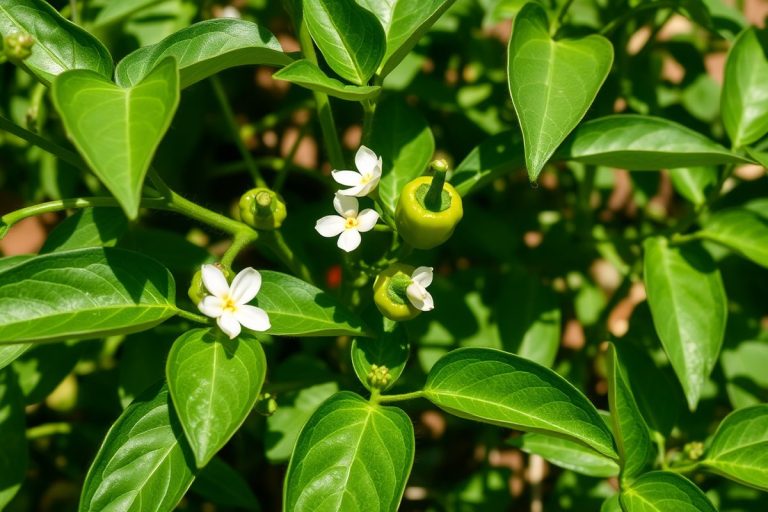
The plant focuses on making lots of leafy parts. Flowers start soon after, and tiny green fruits develop in 3 to 4 weeks.
Keep seedlings indoors or somewhere warm at first. Wait until outdoor soil is 55 to 60°F before moving them outside. This protects young plants from cold weather.
Avoid planting too early because tomatoes hate cold roots and slow down. Watching your plant size before pruning helps it grow stronger.
Key Takeaways
- Tomato plants take roughly 60 to 85 days from seedling to harvest.
- Seedlings grow for 2-3 weeks before active vine and leaf growth starts.
- Vegetative growth lasts 4-6 weeks and builds the plant’s structure.
- Fruit development happens over 3-4 weeks after flowers get pollinated.
- Ripening takes about 15-20 days for tomatoes to turn fully red.
- Plant seedlings outdoors once soil reaches 55-60°F for best growth.
How Long Does a Tomato Plant Take to Grow from Seed to Harvest?
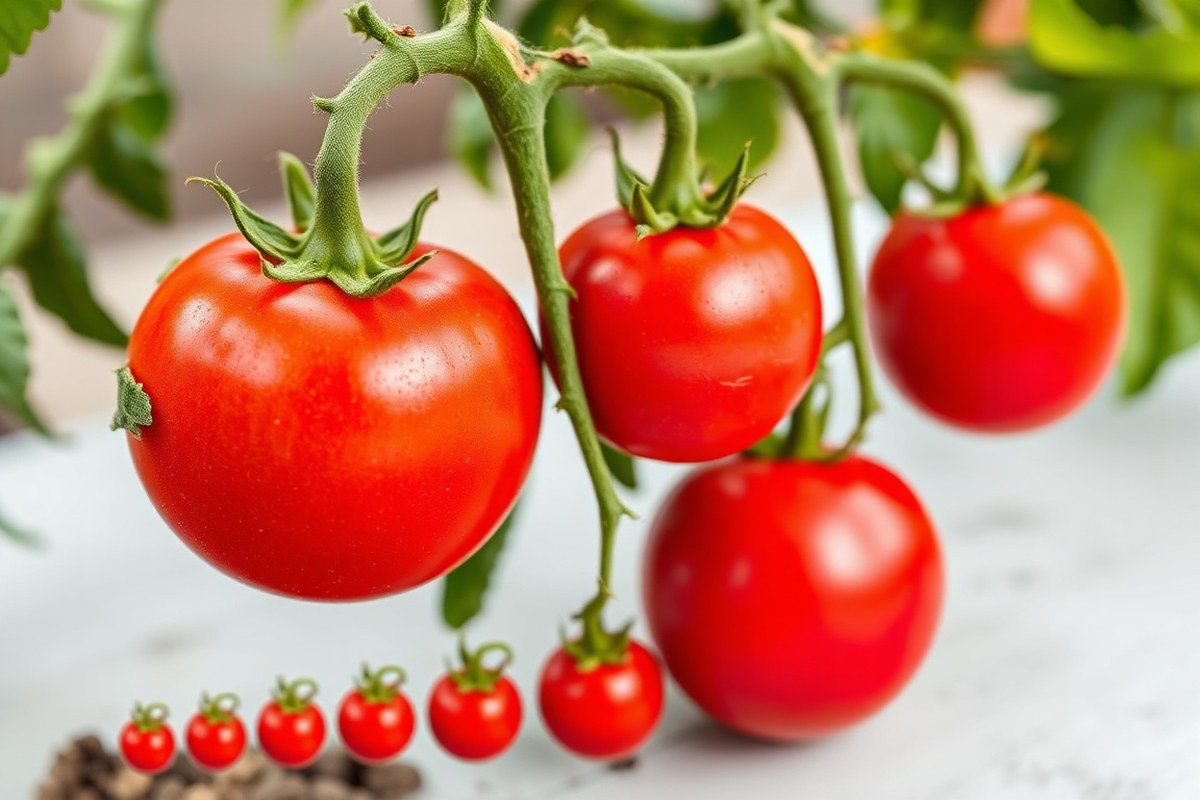
Most tomato plants take between 60 and 100 days to grow from seed to harvest. Seeds usually sprout in 5 to 10 days, depending on temperature and moisture. After germination, seedlings develop over 2 to 3 weeks before moving into the next growth phase.
The time it takes to grow from seedling to harvest is generally 60 to 85 days. During this period, the plant focuses on vegetative growth, flowering, fruit development, and fruit ripening. The ripening phase usually lasts 20 to 30 days.
This is when green tomatoes turn red. They reach their mature color during this time.
Growth time can vary by tomato variety and conditions. Smaller cherry tomatoes often mature faster than large beefsteak types. Warmer temperatures speed growth but too much heat above 85°F (29°C) can pause development.
Starting seeds indoors gives you a head start. This is useful in cooler climates. Soil warms up slower there.
| Growth Stage | Duration (Days) | Details |
|---|---|---|
| Germination | 5, 10 | Seeds sprout under warm, moist soil conditions |
| Seedling | 14, 21 | Develop roots and true leaves; prepare for transplant |
| Vegetative Growth | 14, 28 | Plant grows taller and gains leaves; stronger root system |
| Flowering | 7, 14 | Flower buds form and bloom; pollination starts |
| Fruit Development | 20, 30 | Green fruit grows; starts ripening process |
| Ripening | 20, 30 | Fruit changes color and softens, ready to harvest |
From seed to harvest takes about 60 to 110 days. The exact time depends on the tomato variety. Growth conditions affect the timeline too.
Early varieties on the lower end and larger types toward the upper end. Cooler weather slows all stages while consistent warmth and sunlight speed tomatoes toward harvest.
What Are the Main Growth Stages of Tomato Plants and Their Duration?
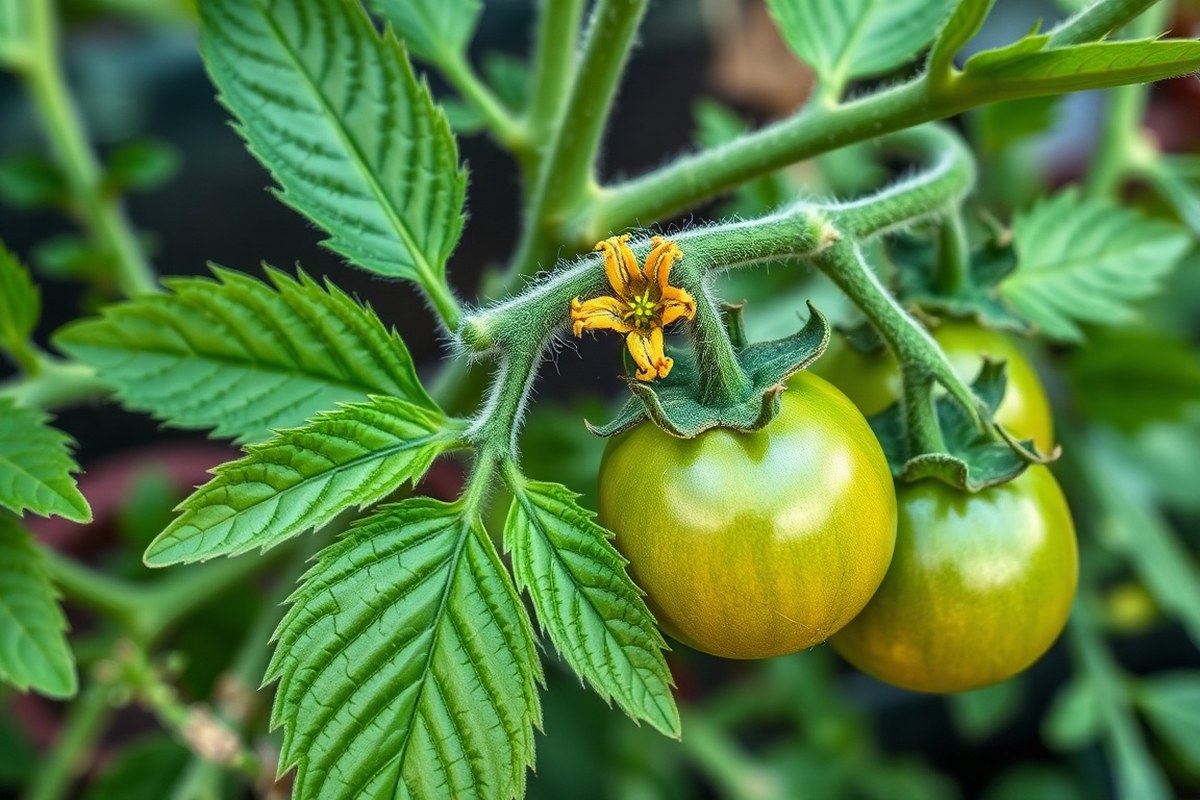
Tomato plants pass through six key stages: germination, seedling, growth, flowering, fruit development, and ripening. Each phase lasts a certain time and shows unique traits. Knowing this timeline helps you care for plants and plan harvesting.
Germination and Seedling Development
Seed germination starts when you plant the tomato seeds in warm, moist soil. Germination usually takes 5 to 10 days, depending on the seed type and temperature. During this time, the seed sprouts and the first tiny root and shoot appear.
About 10 days after germination, the seedling develops its first true leaves. These leaves differ from tiny, round seed leaves. They help the plant make energy using photosynthesis.
They have a different shape and size. Seedlings need strong light and steady moisture to grow stout and healthy during this stage.
Weak, leggy seedlings often signal too little light. To fix leggy plants, bury part of the stem in soil.
This buried section can grow new roots. It helps the plant become stronger.
Vegetative Growth and Flowering
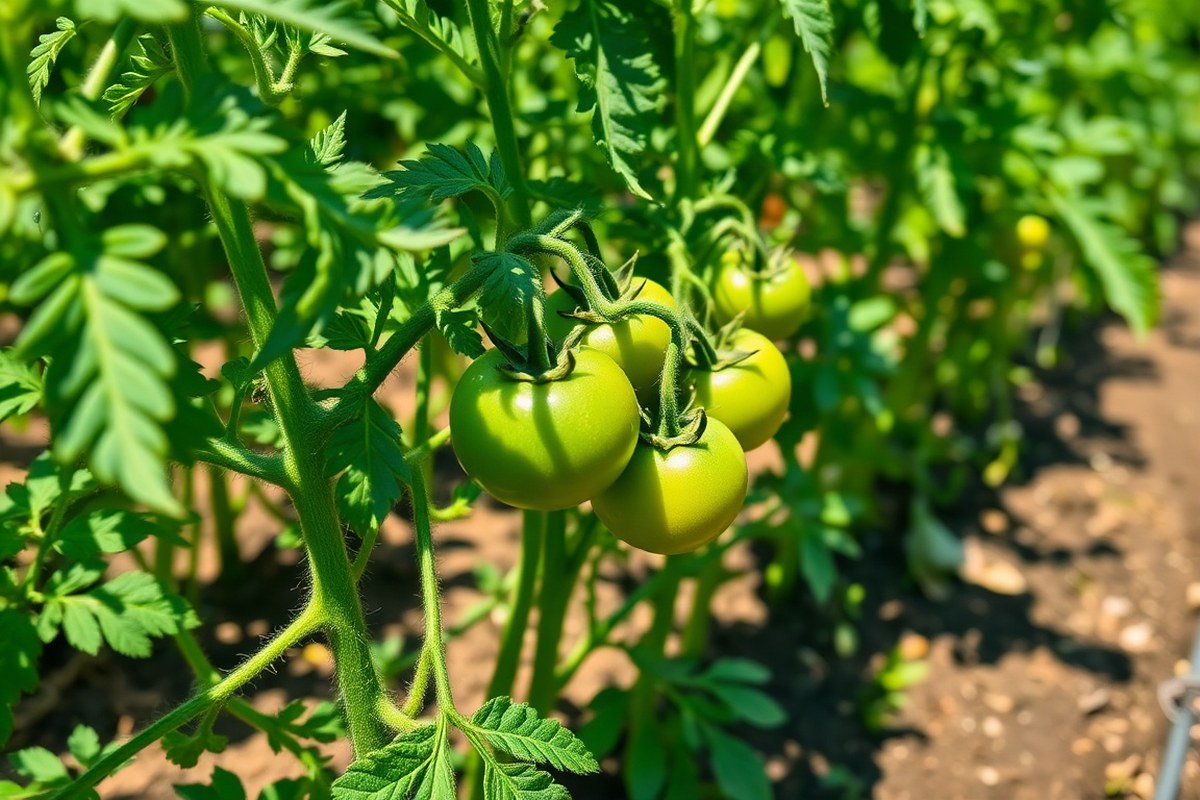
Vegetative growth begins once seedlings develop several sets of true leaves. This stage lasts around 2 to 4 weeks, during which stems and leaves grow rapidly. The plant grows bushier and taller in this stage.
It stores energy for upcoming flowers and fruits. You’ll see more leaves and stems develop.
Flowering starts after the plant finishes growing leaves. You will see flower buds and blossoms appearing. This marks the start of the fruit stage.
Flowers usually form around 5 to 7 weeks after germination. Pollination happens within the flowers, setting the stage for fruit to develop.
Proper watering, balanced fertilizing, and pollinator access during flowering help tomato plants form healthy fruits. Stress or poor care here can cause flowers to drop prematurely.
Fruit Development and Ripening
Fruit development begins right after successful pollination. Tomatoes need 25 to 60 days to mature, depending on type and conditions. The fruit grows from tiny size to full size.
Different tomatoes take different amounts of time. Fruits swell, change color, and grow sweeter during this time.
Tomato fruits ripen when their color changes. They start green and turn red, yellow, or other colours. This change signals the fruit is ready.
You can pick tomatoes at the “breaker stage” too. The fruit shows pink or light green patches.
This stage means ripening has begun. Ripening continues after picking, often without losing flavor.
Using stakes or cages helps keep fruit off the ground and reduces damage during development. Regular checking for pests and diseases prevents crop loss during this stage.
- Plant seeds in a warm, moist soil to start germination (5-10 days).
- Give seedlings strong, consistent light for 4-6 weeks for healthy growth.
- Watch for the first true leaves about 10 days after sprouting.
- Support vegetative growth until the plant has many leaves and stems (2-4 weeks).
- Look for flower buds roughly 5-7 weeks after germination to begin flowering.
- Ensure flowers get pollinated to set fruit successfully.
- Wait 25-60 days for fruits to fully develop and ripen after flowering.
- Harvest at mature colour or at the breaker stage if you want to ripen indoors.
Too little light during seedling growth can cause weak stems. Bury leggy stems in soil to encourage root growth and stronger plants.
How Do Tomato Varieties Affect Growth Time?
Tomato varieties differ widely in how fast they grow and ripen. Early-season types mature in about 50 to 65 days after transplanting.
Mid-season tomatoes typically take 70 to 80 days. Late-season varieties can need over 80 days to fully ripen.
Smaller-fruited varieties usually mature faster than larger ones. For example, small cherry tomatoes often ripen quicker than large beefsteak types. This happens because smaller fruit takes less time to develop and ripen.
Heirloom tomatoes generally take longer to mature than hybrid varieties. They often require 80 to 100 days or more after transplant.
Hybrids like Early Girl and Roma usually finish in 60 to 70 days. They are good choices if you have a shorter growing season.
| Variety Name | Type | Days to Maturity (from transplant) | Average Fruit Weight (oz) | Yield Per Plant (lbs) |
|---|---|---|---|---|
| Early Girl | Indeterminate | 59 | 7 | 10, 12 |
| Stupice | Determinate | 60 | 4 | 8, 10 |
| Sub-Arctic Plenty | Determinate | 48 | 3 | 6, 8 |
| Beefsteak | Indeterminate | 80 | 12 | 10+ |
| Cherokee Purple | Indeterminate | 82 | 10 | 8, 10 |
| Roma | Determinate | 75 | 3 | 8, 10 |
Choosing the right variety depends on your growing season length. Pick early types if your frost-free window is short, about 50 to 65 days. Use mid-season or late-season varieties only if you have 80 or more frost-free days.
Starting tomatoes indoors in warm conditions helps speed up growth. This lets you grow longer-season varieties in less time.
Varieties like Sub-Arctic Plenty and Stupice mature quickly enough for early crops. Plant them outdoors once your soil temperature reaches 55 to 60°F. Then, expect ripe fruit in about 45 to 60 days.
Larger heirlooms like Beefsteak need a longer season. So they can struggle if you plant too late or the weather grows cool early.
Which Environmental Factors Influence Tomato Plant Growth Speed?
Tomato plants grow fastest between 70°F and 85°F. Soil temperature near this range speeds germination and root development. Tomato plants grow slower when soil stays below 60°F or above 90°F. Roots get stressed and take in fewer nutrients at these temperatures.
Tomato plants grow best with plenty of sunlight. They need about 6 to 8 hours of direct sun each day. Without enough light, their growth slows and they produce fewer tomatoes.
Soil should be loose, well-draining, and rich in nutrients. A pH between 6.2 and 6.8 helps tomatoes absorb minerals effectively.
Adding 3 to 4 inches of compost improves soil texture and provides steady nutrients. Avoid compacted or heavy clay soils that block root growth.
- Maintain soil temperature of 70°F to 80°F for best root growth.
- Ensure 6 to 8 hours of direct sunlight daily to maximize photosynthesis.
- Use soil with pH 6.2 to 6.8 mixed with compost for nutrients and moisture retention.
- Water only when soil surface feels dry; avoid soggy soil to prevent root rot.
- Provide consistent watering but do not water every day to encourage strong roots.
- Apply balanced fertilizer with phosphorus to support root and flower development.
Watering frequency also plays a big role. Water tomato plants when the top inch of soil feels dry.
Frequent light watering keeps soil soggy, which harms roots and invites diseases like root rot. Once roots establish, they grow stronger if soil dries out slightly between waterings.
Keep in mind, cold temperatures slow growth and can delay flowering. In cool climates, use black plastic mulch or row covers to warm the soil. Gardens with limited sunlight benefit from trimming nearby plants.
You can also move pots to locations that get more sun each day. These small tweaks help your tomato plants grow faster and healthier.
When and How to Plant Tomato Seedlings Outdoors for Best Growth?
When and How to Plant Tomato Seedlings Outdoors for Best Growth?
Plant your tomato seedlings outside after the last frost, when soil temperature hits 60°F to 70°F. Before transplanting, harden them off to avoid shock. Space them properly and prepare the soil well for strong growth.
Checking Soil and Weather Conditions
Tomatoes won’t survive frost, so plant only after all risk passes. The soil should be warm, ideally between 60°F and 70°F. Cold soil slows root growth and can stunt or kill young plants.
Use a soil thermometer to check depths of 2-4 inches in the morning. Wait to plant until daytime temperatures stay above 50°F for days. Also, look for a dry spell; wet soil makes transplanting harder and harms roots.
Hardening Off Seedlings Perfectly
Hardening off means slowly exposing seedlings to outdoor conditions. This reduces stress and prevents wilting once planted.
Begin with placing seedlings outside in the shade for a few hours each day. Gradually increase sun and time outside over a week to 10 days.
- Move seedlings outdoors to a protected spot for 2-3 hours on the first day.
- Bring them indoors overnight to avoid nighttime cold.
- Add 1-2 hours of sunlight daily, avoiding harsh midday sun.
- Increase outdoor time each day until seedlings stay out all day.
- Check seedlings for wilting or drooping; reduce exposure if this happens.
- Prepare to transplant after 7 to 10 days of this gradual exposure.
Don’t skip hardening off; seedlings shocked by sun or wind may die.
Transplanting and Spacing Tips
Dig holes deep enough to bury two-thirds of the seedling stem. This encourages root growth along the buried stem, making the plant stronger.
Space determinate tomatoes 18 to 24 inches apart. Indeterminate types need 24 to 36 inches. Tight spacing reduces airflow and raises disease risk.
- Loosen soil where you’ll plant. Add balanced fertilizer (10-10-10). Do this two weeks before if you can.
- Dig holes deep and wide enough for the root ball. Leave extra space to bury the stem.
- Place the seedling in the hole and gently press soil around the stem.
- Water each plant immediately after transplanting to settle soil and reduce stress.
- Mulch around the base with organic material to keep soil warm and moist.
- Support indeterminate tomatoes with cages or stakes soon after planting.
Avoid planting too early; cold soil slows growth and invites root diseases.
How to Speed Up Tomato Growth and Improve Harvest Timing
Fertilizing tomato plants with a balanced fertilizer helps speed their growth. Use a 10-10-10 fertilizer every two weeks once seedlings have true leaves. When fruit starts forming, use fertilizer with more phosphorus and potassium.
Use a mix like 5-10-10 to help fruit grow better. This supports fruit development well.
Watering deeply and consistently keeps tomato roots healthy and growing fast. Aim for one to two inches of water per week, adjusting for rain and soil drainage. Avoid watering the leaves to reduce fungal disease risk, which can slow growth.
Pruning extra shoots and suckers lets the plant focus energy on fruit rather than extra leaves. Remove side shoots below the first flower cluster to promote quicker flowering and larger fruit. Don’t prune too aggressively though, since leaves help feed the plant.
- Use stakes, cages, or trellises to support plants early.
- Prune side shoots below the first flower cluster for energy focus.
- Keep soil evenly moist with about 1, 2 inches of water weekly.
- Feed plants with balanced fertilizer every 2 weeks, adjusting for fruiting stages.
- Start seeds indoors under grow lights 6 to 8 weeks before outdoor planting.
- Provide good airflow around plants to reduce disease and strengthen stems.
Staking or caging tomato plants keeps vines off the ground and encourages steady upward growth. This support reduces disease and breakage, helping plants develop more quickly. Start staking about two weeks after transplanting seedlings outdoors.
Using grow lights to start seeds indoors can save several weeks. Provide 14 to 16 hours of light daily to keep seedlings healthy and strong. Move seedlings outside after hardening off for the fastest transition to outdoor growth.
What Common Issues Slow Tomato Growth and How to Fix Them?
Tomato plants slow down when they face stress like heat or cold. Temperatures below 50°F or above 85°F can stunt growth and delay fruit set. You might see leaves curling or dropping when it’s too hot or cold, signaling trouble.
Common pests like hornworms and diseases such as early blight eat leaves and damage stems. These pests often spread infections that block the plant’s ability to pull up water and nutrients. Look for holes, yellow spots, or black lesions on leaves as signs.
Nutrient deficiencies also slow your plants. Yellowing leaves or weak stems often mean low nitrogen or potassium.
Checking soil or using a balanced fertilizer can quickly correct these problems. Over-fertilizing, though, might burn roots or delay fruiting.
- Uneven watering stresses plants; keep soil moist but not soggy
- Ensure at least 6 hours of direct sunlight daily
- Use mulch to regulate soil temperature and moisture
- Pick off pests by hand or use organic pest control sprays
- Apply fungicide for fungal infections if leaves wilt or spot
- Feed plants with a tomato-specific fertilizer every 2 weeks
Check slow growth after a week of proper care to decide next steps. If plants don’t improve, dig deeper for hidden pests or root problems. Monitor stressed plants closely and reduce handling until they bounce back.
Fixing these issues promptly usually gets growth back on track within 10 to 14 days. Plants with healthy leaves, steady new shoots, and no pest damage show signs of recovery. Avoid rushing or changing conditions too fast, which can stress plants again.
How Does Tomato Growth Timing Differ Between Determinate and Indeterminate Plants?
Determinate tomato plants grow to a set height and produce fruit all at once. Indeterminate plants keep growing and fruiting throughout the season. Each type needs different care and has different fruiting timelines.
Defining Growth Types and Patterns
Determinate tomatoes are often called bush types because they grow to a fixed size. Indeterminate tomatoes grow like vines, getting longer and producing new leaves and flowers continually. This means determinate plants stop growing after reaching a certain height.
Indeterminate varieties require support like stakes or cages since they keep getting taller. They flower and set fruit over a longer period. This ongoing growth suits gardeners who want fresh tomatoes for months.
Growth and Fruiting Timeline Differences
| Feature | Determinate | Indeterminate |
|---|---|---|
| Growth Pattern | Stops growing at a certain height | Grows continually throughout the season |
| Typical Maturity Time | 60, 70 days from transplant | 70, 85+ days from transplant |
| Fruiting Window | Short, all at once (2, 4 weeks) | Extended, throughout the growing season |
| Plant Spacing | About 2 feet apart | About 3 feet apart |
Determinate plants fruit faster and have a shorter harvest window. Indeterminate plants fruit slower but longer.
For example, grape tomatoes tend to be determinate, producing all fruit quickly. Cherry tomatoes are usually indeterminate and keep giving fruit as they grow.
Care Practices to Match Each Type
Adjust your care routine by the growth type to get the best harvest. You will prune indeterminate tomatoes to manage their height and improve airflow. Determinate tomatoes do not usually require pruning since they stop growing on their own.
Spacing also matters. Plant determinate types closer together, about 2 feet apart. Give indeterminate varieties 3 feet for their longer vines and air circulation.
Both types need full sun and regular watering. But indeterminate tomatoes may need more support throughout the season.
Use this checklist to manage each growth type:
- Choose determinate varieties for a fast, single harvest.
- Pick indeterminate types for ongoing fruit production.
- Space determinate plants 2 feet apart and indeterminate 3 feet apart.
- Stake or cage indeterminate plants early to support vines.
- Prune side shoots on indeterminate tomatoes to focus growth.
- Water regularly; indeterminate plants may need more water later.
- Harvest determinate fruit as it ripens to avoid overripening.
- Expect indeterminate tomatoes to keep producing until frost.
Don’t overcrowd indeterminate plants; tight rows reduce airflow and increase disease risk.
Step-by-Step Action Plan to Grow Tomatoes Fast
Follow these steps to start your tomato plants and keep them growing strong. Watch each step finish before moving on.
- Before you start: Choose a tomato variety that suits your growing time. Look for days to maturity on the seed packet to match your schedule.
- Day 1: Plant seeds indoors 6-8 weeks before last frost. Keep soil moist and warm around 70-75°F for fast germination.
- Week 2: Thin seedlings to leave the strongest plant. Check if the second set of true leaves has appeared before pruning.
- Week 4: Start hardening off plants by setting them outside for a few hours daily. Increase time over one week to prevent shock.
- After last frost: Transplant seedlings outdoors in full sun. Water deeply after planting and check soil stays moist but not wet.
- Weeks 6-8: Apply balanced fertilizer every 2-3 weeks to support steady growth. Look for steady new leaf growth as a success sign.
- Week 10: Support plants with cages or stakes to handle heavy fruit. If blossoms appear, gently pinch lower suckers to focus growth.
- Weeks 12+: Watch for ripe fruit about 60-85 days after planting seedlings outdoors. Pick tomatoes when fully colored and slightly soft to touch.
Frequently Asked Questions
How Long Does It Take for a Tomato Seed to Germinate?
Tomato seeds typically germinate in 5 to 10 days. Warm soil speeds this up, so keep soil temperature around 70-80°F for best results.
Can You Grow Tomatoes Indoors and How Long Does That Take?
Yes, tomatoes can grow indoors and usually take 60 to 85 days to fruit. Make sure they get plenty of light and warmth for good growth.
How Long After Planting Seedlings Do Tomatoes Start to Produce Fruit?
Tomatoes generally start to produce fruit 20 to 30 days after planting seedlings. Consistent watering and sun help encourage early flowering and fruit set.
Is It Faster to Grow Tomatoes from Seedlings Compared to Seeds?
Growing from seedlings is faster, shaving off 4 to 6 weeks compared to starting from seed. Seedlings are already past the germination and early growth stages.
How Long Should I Wait to Transplant Tomato Seedlings Outdoors?
Wait until seedlings are 6 to 8 weeks old or after the last frost date. Harden them off by gradually introducing them to outdoor sun and wind first.
What Is the Average Lifespan of a Tomato Plant in a Growing Season?
Tomato plants usually live and produce fruit for about 4 to 6 months. Dead leaves and old stems can be pruned to keep plants healthy longer.
Final Thoughts
Tomato plants usually take 2 to 3 months to grow from planting to harvest. Keeping the environment right helps them reach this faster. Start planting today to enjoy fresh tomatoes in just a few weeks.