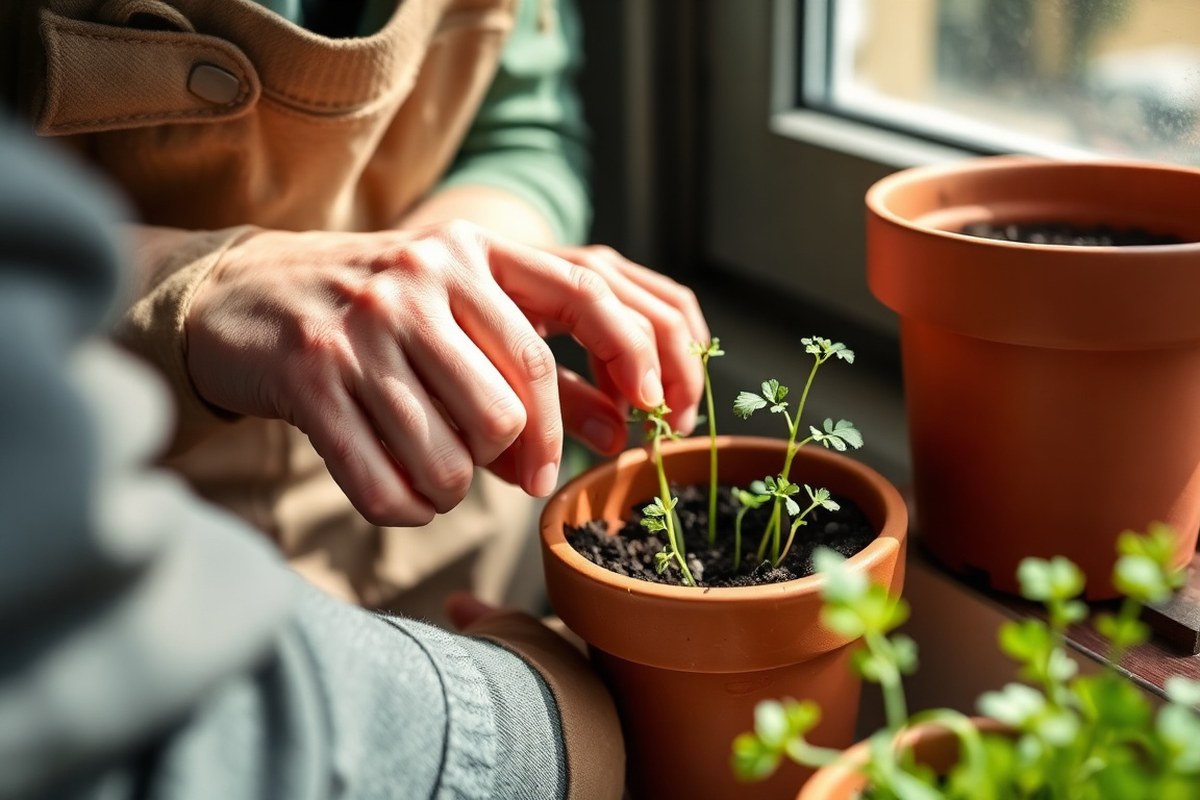
When to Grow Herbs: A Complete Guide for Year-Round Success
The best time to plant herbs depends on sun, temperature, and climate. Most herbs need 6 to 8 hours of direct sun each day. Planting at the right time helps herbs stay healthy and strong.
For outdoor herbs, plant when temperatures range between 60 and 70 degrees Fahrenheit. In warmer climates, wait until soil reaches about 70 degrees to start seeds. Soil warmth at this point helps seeds sprout successfully.
Indoors, place herbs near a sunny window or use grow lights for consistent light. These options support growth regardless of the season. Use well-draining soil and choose containers 8 to 12 inches wide for healthy roots.
Water herbs carefully because their roots dislike sitting in water. Following these tips helps you grow fresh herbs all year long.
Key Takeaways
- Plant herbs outdoors when daily temperatures range between 60 and 70 degrees Fahrenheit.
- Give herbs 6 to 8 hours of direct sunlight for the best growth.
- Start seeds indoors in a warm, sunny spot 6 to 8 weeks before transplanting.
- Use well-draining soil and pots at least 8 inches wide and 12 inches deep.
- Keep the soil moist but not wet; check the top 2 inches. Only water your herbs when this soil layer feels dry. This prevents the risk of root rot in your herbs.
- In warm climates, sow herb seeds directly outdoors anytime soil reaches 70°F.
When Is the Best Time to Grow Herbs Indoors and Outdoors?
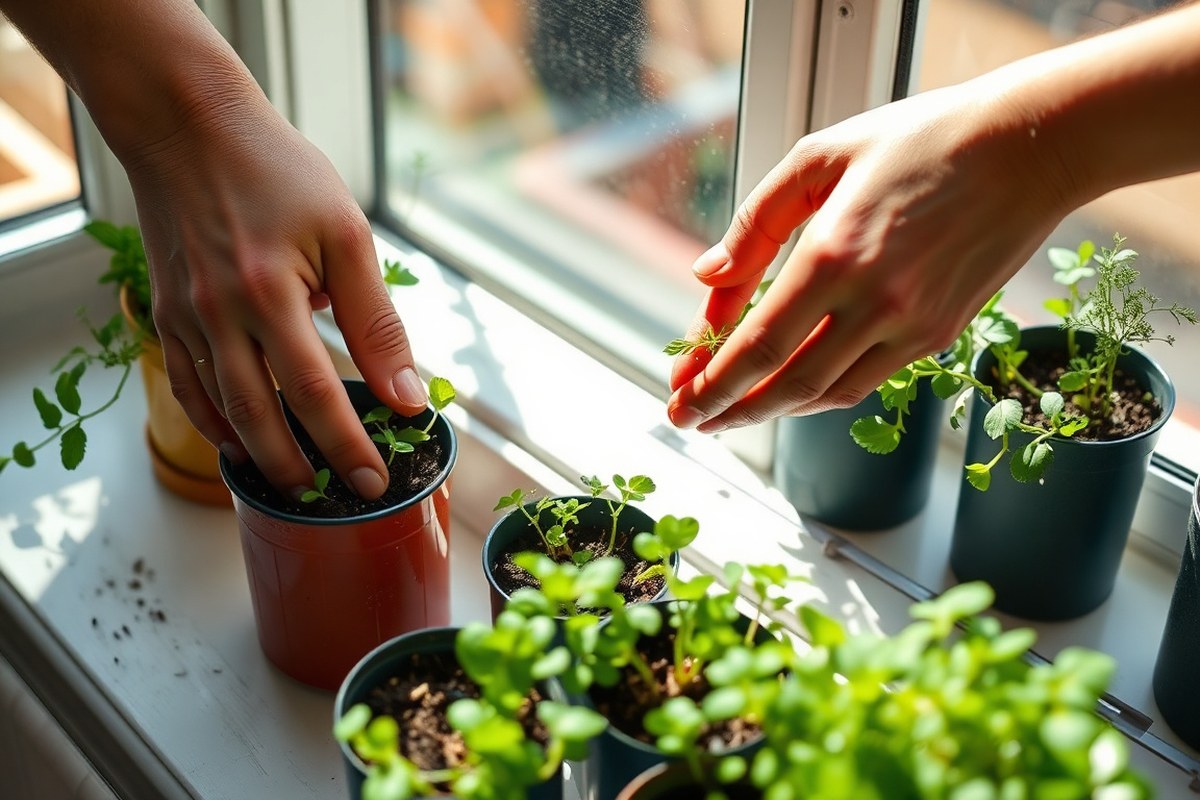
Start herb seeds indoors about 6 to 8 weeks before the last frost date. Basil and oregano especially need this early start to germinate strongly. Use bright grow lights and keep temperatures steady between 70 and 75°F for the best results.
Transplant seedlings outdoors only after all danger of frost has passed. For example, cilantro and dill should be planted outside right after the last frost.
Basil is different. Wait until soil warms to at least 65°F before planting it outdoors.
Some herbs like oregano and thyme can grow outdoors year-round in milder climates. In hardiness zone 10b or warmer, you can plant herbs anytime. Cooler zones require spring planting at the earliest.
Temperature and frost dates are your best guides for timing. Most herbs need 6 to 8 hours of direct sunlight a day.
Soil temperature should stay above 50°F for healthy growth. Check your local frost dates before starting any seeds or planting out.
| Hardiness Zone | Temperature Range (°F) | Best Planting Time |
|---|---|---|
| 1a | -60 to -55 | Late spring |
| 5a | -20 to -15 | Mid-spring |
| 10b | 35 to 40 | Year-round |
To decide when to plant outdoors, know your zone and last frost date. Start seeds indoors if your zone has a long winter to get a jump on spring. Direct-sowing works well in zones where spring soil warms early.
Indoor herb gardens can start anytime, even in winter. Use 8 to 12 inch pots and well-draining soil to keep plants healthy. Bright light or grow lights help your herbs stay strong and productive all year.
How Climate, Temperature, and Sunlight Affect When to Plant
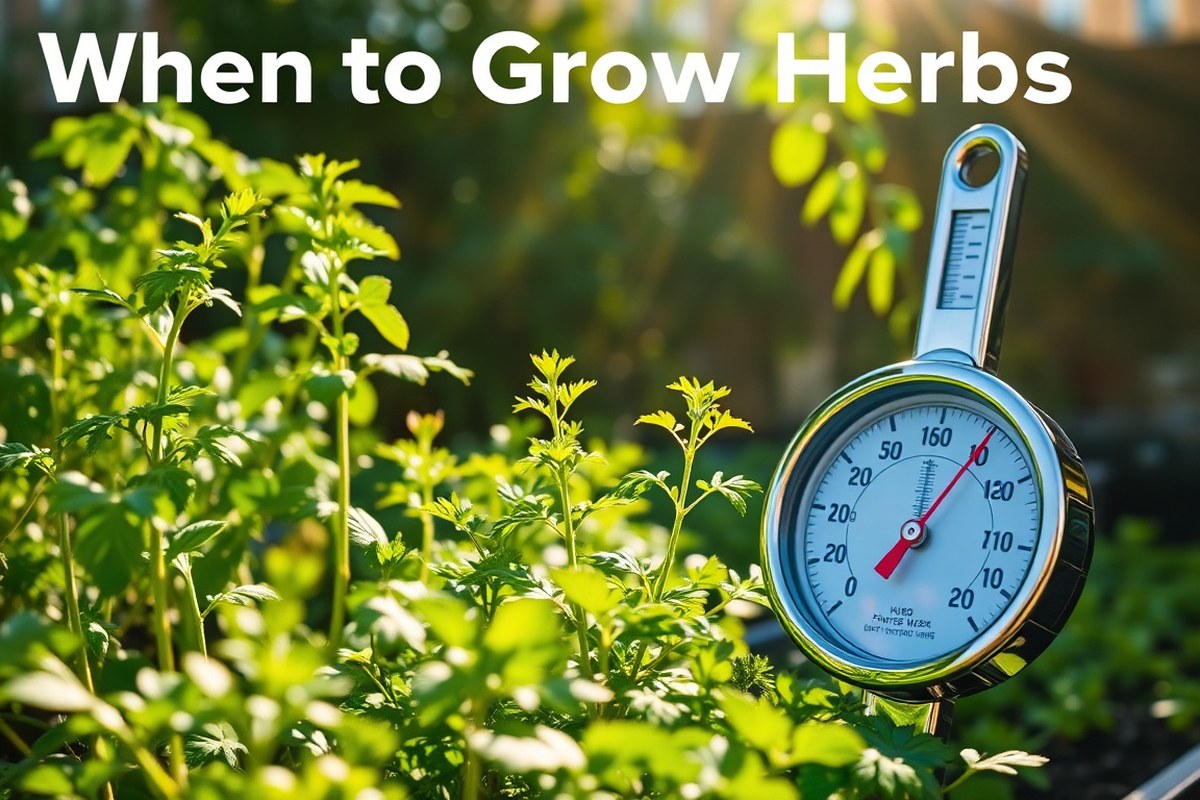
Ideal Temperature Ranges for Growing Herbs
Most herbs grow best in temperatures between 60 and 70°F (16 to 21°C). Nighttime temperatures should stay above 50°F (10°C) to avoid stress. Basil and rosemary can handle higher heat but don’t like it dropping below 50°F.
Plant herbs outside only when soil warms to about 60°F (16°C) to help seeds germinate. Planting too early risks poor growth or seed rot. Cool temperatures slow growth and can cause weak, leggy herbs.
Sunlight Needs for Healthy Herb Growth
Most herbs need 6 to 8 hours of direct sunlight daily for strong growth and flavor. Basil, rosemary, and oregano especially thrive with at least 7 to 8 hours. Herbs use sunlight to produce essential oils, which create their taste and aroma.
Some herbs like parsley or cilantro can tolerate as little as 4 to 5 hours. Partial shade helps these herbs avoid leaf scorch and keeps soil moist. Without enough sun, herbs grow slowly and may taste weak or bitter.
Herbs That Tolerate Heat or Partial Shade
Basil and rosemary tolerate hot, sunny spots well, making them good for warm climates. Parsley and cilantro prefer some afternoon shade during hot months to prevent them from bolting early. Chives and dill also do well in partial shade.
Moving herbs in pots to shade helps during the hottest hours. It keeps them from drying out in direct sun. This simple step protects their leaves and roots.
This helps prevent drying out and keeps plants healthier overall. Avoid planting shade-loving herbs in full sun; they may wilt quickly.
How Climate Affects Planting Time and Place
Warmer climates allow planting herbs nearly year-round, as long as soil temperature stays around 70°F (21°C). Cooler regions should wait until after the last frost and soil warms up to that level. This timing avoids poor seed germination and root damage.
In shady or cool locations, choose herbs like chives, parsley, or mint that tolerate less sun. Shift planting schedules earlier or later based on your average last frost date. Adjusting for heatwaves or cold snaps also protects young plants.
Basic Planting Tips for Sunlight and Temperature
Pick a spot with 6 to 8 hours of direct sun for most herbs. To help heat-sensitive herbs, provide afternoon shade or plant where trees block sun midday. Use deep pots (at least 12 inches) with good drainage to avoid waterlogged roots.
Space plants 12 to 24 inches apart to improve air circulation and sunlight exposure. Monitor weather; bring pots indoors on chilly nights or cover outdoor plants during sudden cold spells. These small steps keep herbs growing strong.
Test your soil temperature before planting to ensure it’s warm enough for herbs to sprout well.
Which Herbs to Grow When: Annual, Perennial, and Biennial Herb Timing
Annual herbs live and die in one growing season. So you plant them each year.
You sow seeds in spring and harvest all summer until plants finish their cycle. Examples are anise and dill, which grow quickly and provide fresh leaves and seeds.
Perennial herbs come back year after year. They usually grow slowly at first but give you leaves to harvest multiple seasons. Rosemary, thyme, and lemon balm last for years.
Keep them safe from frost. Or grow them indoors in cold climates. These herbs need room to spread, good sunlight, and less frequent watering once established.
Biennial herbs need two years to complete their life cycle. In the first year, they grow leaves, and in the second year, they flower and die. Parsley is a biennial best treated as an annual by sowing new seeds every few weeks.
To keep biennials going, start seeds indoors in late winter and transplant outdoors in spring. Protect them during winter if frost hits your area.
Here’s a helpful chart showing types, planting times, and care tips for common herbs.
| Herb | Type | Planting Time | Care Notes |
|---|---|---|---|
| Anise | Annual | Direct sow in spring | Cut leaves once plants are large |
| Dill | Annual | Direct sow in spring; self-seeds easily | Harvest leaves and seeds in summer |
| Lemon Balm | Perennial | Sow seeds indoors in early spring, transplant after frost | Needs well-drained soil; pick leaves any time |
| Rosemary | Perennial | Sow seeds indoors in spring; protect from frost | Grow outdoors in warm climates; treat as annual in cold |
| Parsley | Biennial | Sow indoors late winter; transplant spring | Grow as annual; sow seeds every few weeks |
Annuals give quick harvests but need reseeding yearly. Perennials need patience but save you planting later.
Biennials require two years but can be managed like annuals for ease. Learn these timings to fit your gardening calendar and get a steady supply of fresh herbs.
Starting Herbs from Seeds Indoors: Steps and Timing
Start herb seeds indoors about six to eight weeks before the last frost. Use seed trays or small pots with good drainage.
Provide consistent warmth around 65 to 75°F and bright light for strong seedlings. Keep the soil evenly moist but not soggy to avoid diseases like damping-off.
Choosing Seeds and Containers
Pick herb seeds suited to indoor growing like basil, mint, or cilantro. Look for fresh, quality seeds with a high germination rate. You can use seed trays, peat pots, or small plastic containers with drainage holes.
Containers should be small but deep enough for roots to grow about 2 to 3 inches. Clear plastic domes or covers help keep humidity high during germination. Avoid recycled containers that might hold bacteria or chemicals harmful to seedlings.
Preparing Soil and Planting Depth
Use a lightweight, sterile seed-starting mix for best results. Avoid garden soil because it often compacts and hosts pathogens. The soil pH should be around 6.5 to 7.0 since most herbs dislike acidic soil.
Sow seeds at the depth specified on the seed packet or generally about twice their size. Press seeds gently into the soil but don’t bury them too deep. Cover with a very thin layer of soil or vermiculite to keep moisture steady.
Providing Light and Temperature Conditions
Position seedlings in a southern or western-facing window with at least six hours of sunlight daily. Use LED grow lights 2 to 4 inches above seedlings if light is weak. Run grow lights 12 to 16 hours daily to mimic outdoor sunlight.
Keep the room temperature steady between 65°F and 75°F to support germination. Use a heat mat if your indoor air is cool. Avoid temperature swings that stress seedlings and slow growth.
Watering and Care for Seedlings
Water seedlings when soil top feels dry. Don’t let soil dry out fully.
Use a spray bottle or gentle watering method to avoid washing seeds away. Monitor moisture more often in small containers to prevent drying.
Ensure good air circulation to prevent damping-off, a fungal disease that kills seedlings. Avoid overwatering and soggy soil which stress young herbs. Once seedlings grow their second true leaves, feed them lightly with a diluted liquid fertilizer.
Seed starting indoors follows clear steps to help you grow strong herbs. Each step helps plants start well. This reduces failure outside or inside.
- Choose fresh seeds and containers with drainage holes.
- Fill containers with sterile seed-starting mix.
- Sow seeds at the right depth and gently cover.
- Place containers near a sunny window or under grow lights.
- Maintain temperature around 65 to 75°F for germination.
- Water lightly when soil feels dry, avoiding overwatering.
- Keep air moving to prevent fungal diseases.
- Thin seedlings or transplant once they have two sets of leaves.
Direct Sowing and Transplanting Outdoors: When and How
Direct sowing herbs outdoors works best in spring after the last frost. Prepare garden soil well and space seeds based on each herb’s needs. Transplant seedlings carefully by hardening them off first and planting at the right depth.
Choosing Herbs for Direct Sowing
You can sow herbs like basil and cilantro outside once it’s warm. The soil should be at least 50°F. This works for dill and parsley too. Root vegetables like fennel also do well sown outside.
Hardy herbs like chives and thyme should be planted later. You can also start them indoors first. Then move them outside once they’re strong.
Direct sowing skips transplant shock, but seeds need moist, warm soil to sprout. Plant seeds on calm days to avoid wind or heavy rain that can disturb young plants.
Preparing Soil and Location
Pick a spot that gets 6 to 8 hours of direct sunlight every day. Most herbs prefer full sun and well-drained soil to prevent root rot. Avoid low areas where water settles after rain.
Follow this soil preparation checklist before planting:
- Test soil pH for 6.0 to 7.5 range
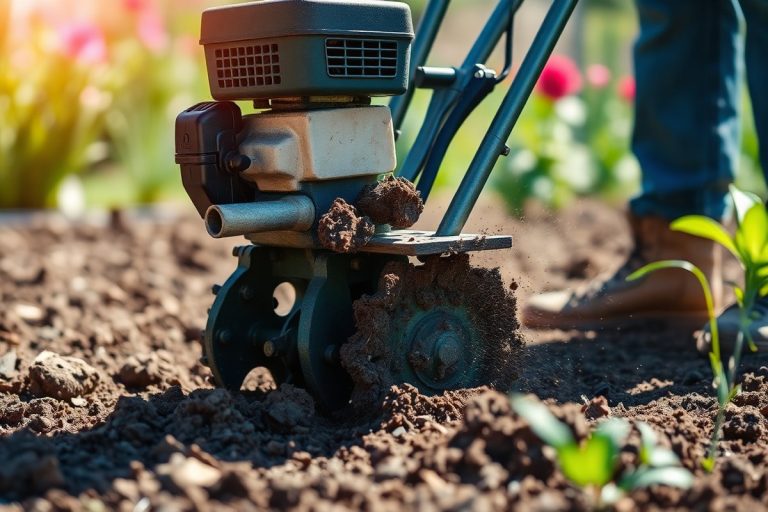
- Loosen soil to 8-12 inches deep with a fork or tiller
- Remove rocks, sticks, and debris
- Mix in 2 to 4 inches of compost for nutrients
- Add sand if soil is heavy clay to improve drainage
Good soil with organic matter helps herbs establish healthy roots and grow strong.
Spacing and Planting Depth Guidelines
Most herbs need room to grow so air circulates and roots don’t compete. Plant seeds or seedlings at these recommended distances:
- Basil: 12 to 18 inches apart, ¼ inch deep
- Parsley: 8 to 10 inches apart, ¼ inch deep
- Chives: 6 to 12 inches apart, ½ inch deep
- Rosemary: 24 to 36 inches apart, plant at same soil depth as seedling pot
- Thyme and oregano: 12 to 18 inches apart, shallow depth
Plant seeds slightly deeper than the seed size and cover lightly with soil. Seedlings go as deep as their nursery pot soil level.
How to Transplant Seedlings Outdoors
Seedlings started indoors need softening off before transplanting outdoors. Move them outside gradually over 7-10 days.
Start with a few hours in shade, then increase sun exposure daily. This reduces stress and sunburn on young plants.
Transplant on a cloudy day or in late afternoon for less shock. Water seedlings well before and after planting. Space seedlings as listed above, digging holes wide and deep enough for roots to spread naturally.
Hardening off seedlings before transplant helps reduce shock and improves survival rates.
Extending the Herb Growing Season Through Winter and Off-Season Methods
You can definitely grow herbs indoors during winter. A sunny windowsill works well, but grow lights help when natural light is weak. Set grow lights 6 to 12 inches above your plants.
Run them 12 to 16 hours each day. This helps your plants grow best. Heated propagators cost around $30 to $70.
They keep soil warm to speed seed germination. These work well during colder months.
Outdoor season extenders like cold frames protect herbs from frost. A cold frame is a low box with a transparent lid that traps heat. Place it where it gets direct sunlight.
Cold frames can extend your growing season by weeks. Their cost ranges from $50 to $150.
The price depends on size and build. You can also cover plants with garden fleece during freezes to add extra warmth.
Some herbs handle winter cold better than others. Chives are hardy in zones 3 to 9 and will die back but return in spring. Parsley and thyme tolerate cold if mulched well.
Sage, rosemary, and oregano prefer milder winters but can survive indoors in pots during colder months. Bring tender perennials inside before frost and keep them near bright windows.
| Method | Cost | Setup | Effectiveness | Best for |
|---|---|---|---|---|
| Grow Lights Indoors | $20, $100 | Place 6, 12 inches above plants, 12, 16 hours/day | Very effective for light-loving herbs | Basil, cilantro, mint, parsley |
| Heated Propagator | $30, $70 | Set soil temp to 70-75°F for seed germination | Speeds startup in winter | Seedlings and tender herbs |
| Cold Frame Outdoors | $50, $150 | Place in sunny spot, open lid on warm days | Extends outdoor season by weeks | Hardy herbs like chives, thyme, parsley |
| Garden Fleece/Covers | $10, $40 | Drape over plants during cold nights | Protects from frost damage | Almost all outdoor herbs |
Setting up grow lights requires a stable, draft-free spot near outlets. Avoid overheating; keep temps between 65 and 75°F. Cold frames need regular ventilation in sunny weather to prevent overheating and mold.
Check moisture often; herbs don’t like soggy soil. Experiment with moving plants outside on sunny days to give them fresh air.
Moving outdoor herbs inside during winter works well in colder zones. Use pots or containers that fit easily through doors. Herbs usually shrink growth but resume well in spring.
Avoid sudden temperature swings, which stress plants. Indoor herbs need bright light and avoid placing them near heaters or cold drafts.
Preparing Soil, Containers, and Location Before Planting Herbs
Herbs thrive best in soil with a pH between 6.0 and 7.0. This slightly acidic to neutral range helps them absorb nutrients easily. Besides pH, the soil should drain well because herbs dislike sitting in soggy earth.
Mix 2 to 3 inches of compost into the top 6 to 8 inches of soil. Combine coarse sand with soil, using 1 part sand for every 3 parts soil. Coarse sand improves drainage, but fine sand can restrict airflow.
Containers for herbs vary by plant type but should allow enough root room. Pick containers at least 12 inches wide to grow multiple herbs together.
Clay or ceramic pots work well outdoors because they let water evaporate. Indoors, plastic pots save weight and hold moisture longer, which may reduce watering.
| Herb Type | Minimum Container Size | Recommended Material |
|---|---|---|
| Basil, Parsley | 12 inches wide, 10 inches deep | Plastic for indoors, clay outdoors |
| Mint (invasive) | 10 inches wide, 12 inches deep | Any, use separate pot |
| Rosemary, Thyme | 14 inches wide, 12 inches deep | Clay or ceramic |
Choose garden or windowsill locations with at least 6 hours of sunlight daily. Herbs need sun to develop strong flavors and grow well. Choose spots with good air flow for your plants.
Avoid places with strong wind or heavy rain. Strong wind and rain can damage your herbs.
Here is what to check before planting herbs:
- Soil pH between 6 and 7 using a soil test kit
- Soil texture improved with compost and coarse sand
- Containers at least 12 inches wide for multiple herbs
- Separate pot for invasive types like mint
- Location with full sun (6+ hours) and good air flow
- Space plants 6 to 12 inches apart for proper growth
- Avoid soggy spots and choose pots with drainage holes
These steps take effort but prevent root rot and crowded growth. Expect leafy, flavorful herbs when you prepare soil and containers well. Problems like wilting or yellow leaves often come from poor drainage or wrong soil pH.
Common Timing Mistakes and How to Avoid Them for Healthy Herb Growth
Planting herbs too early can expose them to frost, stunting growth or killing young shoots. Waiting until after the last frost means the soil warms up, which helps roots grow strong. Planting too late shortens your herb growing season.
Fast growers like basil may bolt early. Bolting means the herb flowers and tastes bitter.
Yellow leaves and stretched stems show timing issues. This happens if you plant in low light. Cold soil also causes these problems.
Bolting usually happens when herbs face heat stress after early planting. Check your herbs every day for these signs. Move pots to sunnier places if needed.
Wait to water until soil feels less wet. Herbs in containers might need extra care since pots heat and dry faster than garden beds.
Herbs stressed by bad timing respond well to pruning. Cut plants back 4 to 6 inches above a leaf pair. This helps them grow new leaves.
It stops energy going to flowers. Harvest herbs often to keep them producing fresh growth and to prevent woody stems. Water deeply but less often to help roots grow strong.
Deep watering supports plants after they’re stressed. Avoid shallow, frequent watering.
Recovery takes time; don’t rush your herb’s return to health. Soak soil deeply early in the morning if plants look dry. Morning watering helps prevent fungal diseases.
Move tender herbs like basil indoors or to shaded areas when chilly nights threaten damage. Plant outdoor perennials like chives after frost danger ends.
Do it early enough to enjoy cool spring air. Chives grow better in cooler temperatures.
Avoid shallow watering. Soak the soil well in the morning to fix timing-related stress and encourage strong roots.
Your Step-by-Step Herb Growing Plan
Follow this plan to plant and care for your herbs at the right time. Watch for signs that your herbs are growing well.
- One month before last frost: Start seeds indoors using seed trays and good potting mix. Check for sprouting within 7 to 14 days.
- Two weeks before last frost: Harden off seedlings by moving them outside a few hours daily. They should look sturdy and adjust to outdoor conditions.
- After last frost: Transplant seedlings or direct sow hardy herbs outdoors in well-prepared soil. Leaves will start growing actively.
- Mid-summer: Pinch back growth to encourage bushier plants and more leaves. New shoots should appear within a week.
- Late summer: Harvest herbs regularly to keep plants productive. Choose healthy, vibrant leaves and avoid cutting too much at once.
- Fall, before first frost: Move tender or potted herbs indoors to protect them. Look for signs of stress like yellowing leaves to adjust care.
- Winter months: Give indoor herbs bright light and moderate watering. Herbs should stay green and steady but grow slowly.
Frequently Asked Questions
Can I Start Growing Herbs from Cuttings Instead of Seeds?
Yes, many herbs like basil and rosemary root well from cuttings. It allows faster growth and skips the germination stage.
Is It Better to Water Herbs in the Morning or Evening?
Morning watering is best to reduce leaf diseases. The sun helps dry off excess moisture during the day.
How Often Should I Prune Herbs During the Growing Season?
Prune herbs regularly to encourage bushier growth and prevent flowering. Trim every few weeks depending on growth speed.
Can I Grow Herbs Under Artificial Light Instead of Sunlight?
Yes, use full-spectrum LED or fluorescent grow lights for 12-16 hours daily. This is helpful for indoor herb gardens in low light.
Should I Fertilize Herbs When I First Plant Them?
Wait a few weeks before fertilizing to avoid root damage. Use a balanced, diluted fertilizer once the plants establish.
Do Herbs Grown in Containers Need Different Care Than Those in Soil?
Container herbs need more frequent watering and feeding since they dry out faster. Use well-draining pots to prevent root rot.
Final Thoughts
Herbs grow best when you match their needs with the right timing and conditions. Start with easy herbs and watch for signs of healthy growth. Try planting one this week to get your hands dirty.
See what grows best for you. Start simple and watch how it turns out.
One Comment