How Much Sunlight Does a Peace Lily Need: A Complete Guide for Healthy Growth
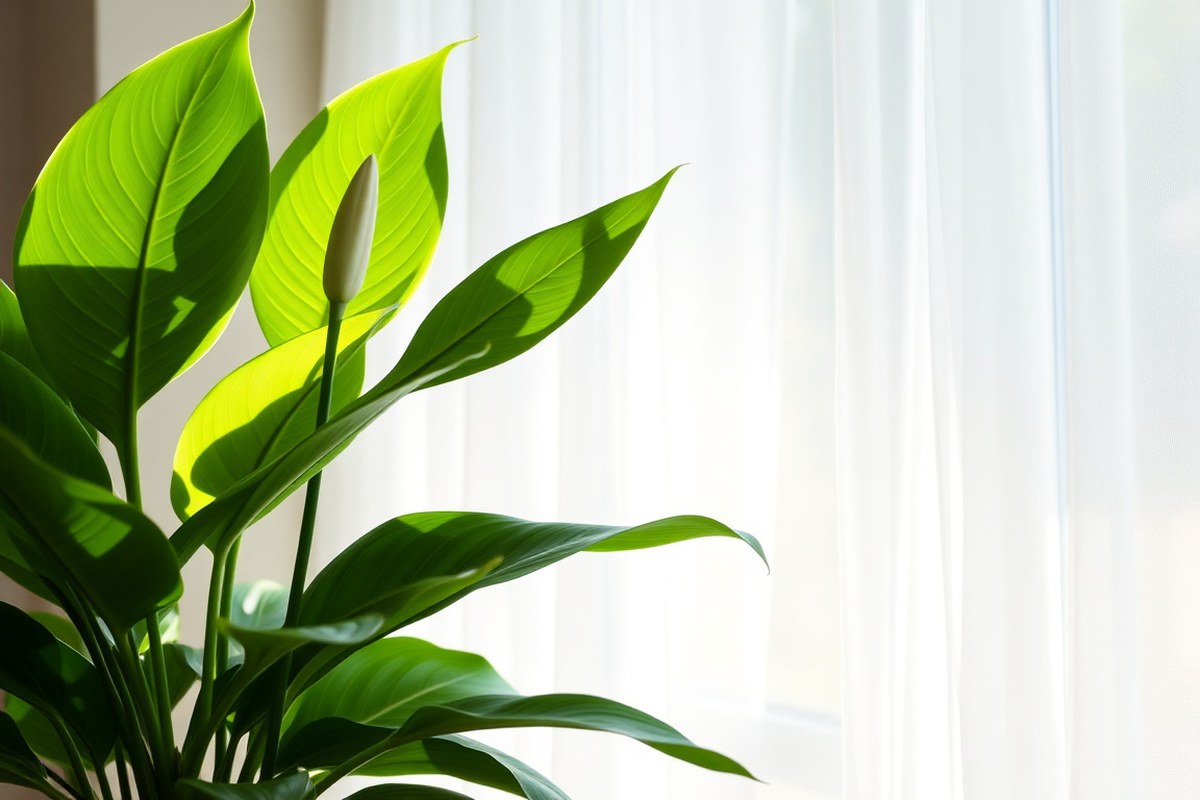
How much sunlight does a peace lily need to stay healthy? Peace lilies thrive best with 8 to 10 hours of indirect sunlight daily. Too much direct sun can harm their leaves, so bright, filtered light works better.
Ideally, aim for about 12 to 16 hours of indirect light to encourage blooming and growth. Your peace lily may need more indirect sunlight if it looks dull or stops flowering. Avoid putting it in direct afternoon sun, as this often causes leaf burn.
Place your peace lily by a window with gentle, filtered light. East or north windows work well. Check the leaves for yellow or brown tips since these signs show light levels aren’t right.
Key Takeaways
- Peace lilies need at least 8 hours of indirect sunlight to thrive.
- 12 to 16 hours of indirect light encourages healthy growth and blooming.
- Place your peace lily 6 to 8 feet from a window with bright, filtered light.
- Avoid direct afternoon sunlight to prevent leaf burn and damage.
- Use east or north-facing windows for the best natural light exposure.
- Watch leaves for yellow or brown tips as signs of light stress.
How Much Sunlight Does a Peace Lily Need Daily?
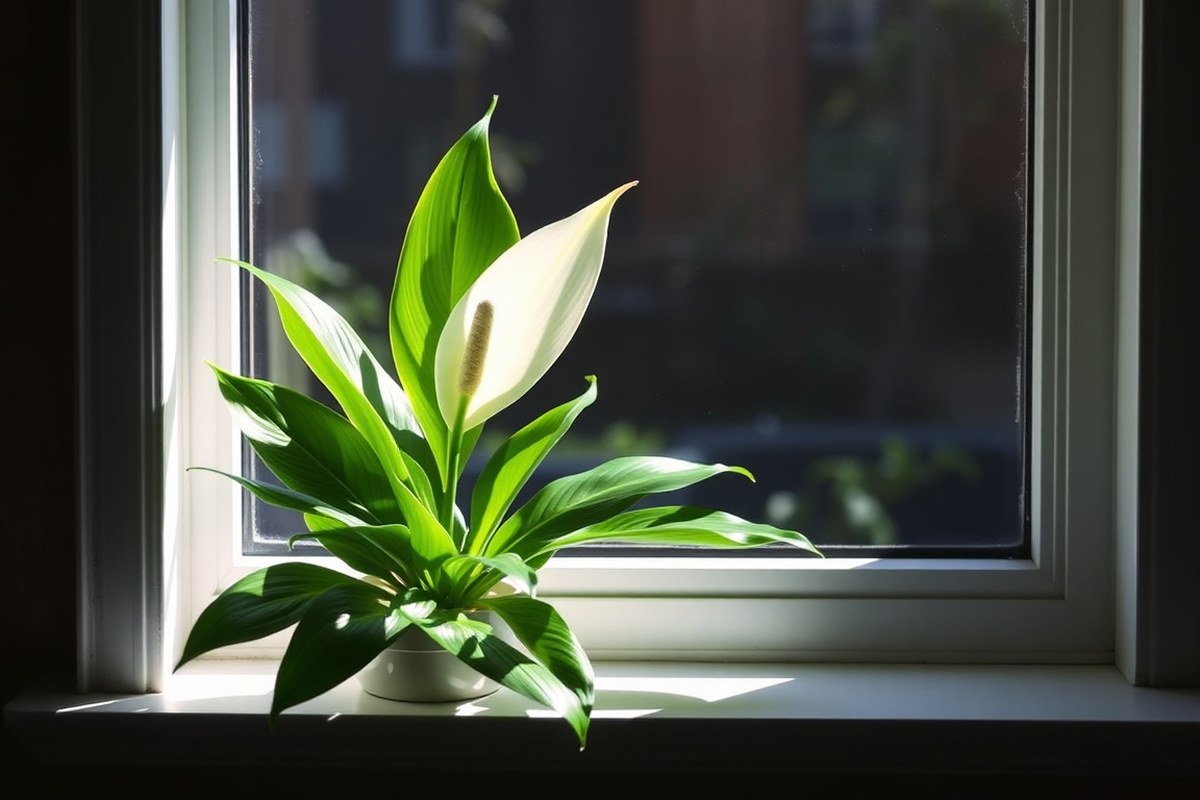
Peace lilies need about 8 to 10 hours of bright, indirect sunlight daily. Bright indirect light means sunlight that is filtered or bounced off walls and curtains. It’s not direct sun but still bright enough to help your plant grow well and bloom.
You can find bright indirect light near windows with sheer curtains. It’s also in rooms facing east. This light isn’t direct sun but still bright.
Keep your peace lily roughly 3 feet from the window to avoid direct rays. Direct sunlight can scorch the leaves, turning them yellow or brown within a few hours.
Peace lilies can survive in low light, around 150 to 500 foot-candles. But they won’t bloom much.
They will mainly grow foliage slowly and look pale. For healthy growth and flowers, aim for 1,000 to 2,000 foot-candles of bright indirect light.
Room light varies by distance from the window and window direction. Medium indirect light gives your peace lily decent growth but fewer blooms. Move your plant close to bright indirect light.
Keep it there for 10 to 12 hours each day. This may help your plant bloom.
In southwest or south-facing windows, filter the sunlight with a curtain to avoid heat damage. Morning sun from an east window is gentler and better for peace lilies. A few hours of morning direct sun is okay, but avoid harsh afternoon sun.
Best Indoor Locations and Window Directions for Your Peace Lily
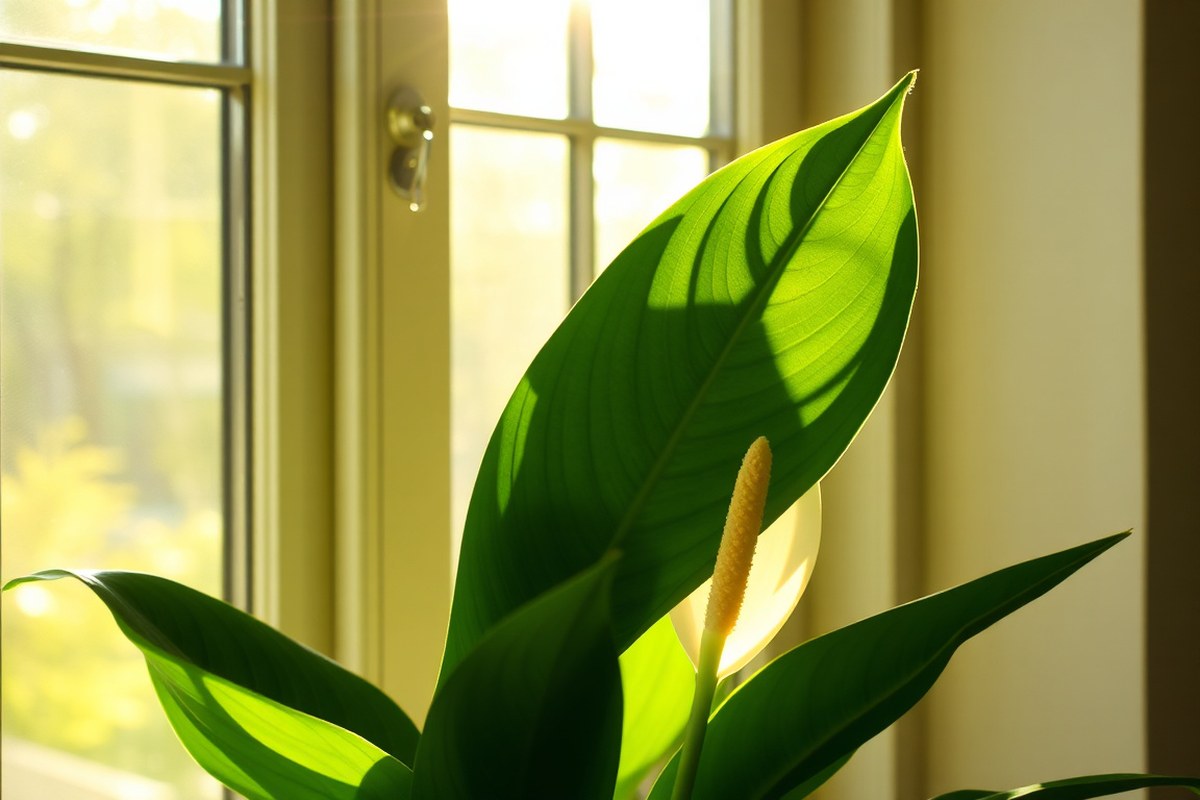
Placing your peace lily by the right window can boost its health and bloom. East-facing windows are usually best because they provide bright, filtered light without harsh rays.
North-facing windows also work if the room stays bright. But your plant might produce fewer flowers there.
South and west-facing windows receive strong, direct light that may burn your peace lily’s leaves. Use sheer curtains or blinds to filter sunlight if you can’t avoid these windows.
Keeping the plant 6 to 8 feet from the window helps prevent leaf scorch. This distance still gives enough light for your peace lily.
| Window Direction | Light Intensity | Distance from Window | Placement Tips |
|---|---|---|---|
| East | Bright, indirect morning light | Near or up to 6 feet away | Best spot; light filtered by sheer curtains if needed |
| North | Low to moderate indirect light | Near window; avoid drafts below 55°F (13°C) | Good for survival; may reduce blooming |
| South | Strong direct sunlight midday | At least 6 feet away or behind sheer curtains | Must filter light; leaf scorch risk otherwise |
| West | Late afternoon direct sun, intense | Several feet away and filtered light | Use blinds or curtains; avoid close placement |
Avoid windowsills that get direct afternoon sun. Check south or west sides carefully. These spots can harm your peace lily.
Also, don’t place peace lilies in dark corners or near drafty windows. Rooms like offices with fluorescent lighting make good alternatives if natural light is limited.
Different rooms mean different challenges. Living rooms with east-facing windows work well. Kitchens may have windows with strong south light, requiring filtering.
Bedrooms often have north-facing windows that give gentler light. This light keeps your peace lily happy. The plant may bloom less there.
Keep peace lilies away from cold drafts near windows to prevent stress and leaf damage.
How to Use Artificial Lights to Supplement Peace Lily Growth
You can grow peace lilies using artificial light. Use the right type and duration. Place the lights properly for best results.
LEDs and fluorescent bulbs work best, with lights on for 16 to 18 hours daily. Place lights about 12 inches from your peace lily.
This mimics natural indirect sunlight well. It prevents burning the leaves.
Types of Artificial Lights
LED grow lights are energy-efficient and provide a spectrum beneficial for peace lilies. Fluorescent lights offer bright, even coverage and are commonly used indoors. Incandescent bulbs can be too hot and don’t provide enough light spectrum for good growth.
Most growers pick either LED or fluorescent because they suit shade-loving plants well. For peace lilies, you don’t need expensive or super-powerful lights. A basic quality LED or fluorescent bulb is enough for healthy leaves and blooms.
| Light Type | Energy Use | Heat Output | Suitability for Peace Lilies | Typical Cost |
|---|---|---|---|---|
| LED | Low | Low | Excellent for growth and energy savings | Moderate (varies by brand) |
| Fluorescent | Medium | Low to Medium | Good light spectrum and affordable | Low |
| Incandescent | High | High | Poor; too hot and limited spectrum | Low |
Artificial light can effectively supplement natural sunlight for peace lilies. Fluorescent and LED lights provide the quality and quantity these plants need.
Recommended Light Duration
Peace lilies need about 16 to 18 hours of artificial light daily for good growth indoors. Keeping the lights on too long can stress the plant.
So do not exceed 18 hours. A timer can help maintain a consistent light schedule.
During darker months, 12 to 14 hours may suffice if you add some natural daylight. Regular daily light mimics the plant’s natural environment and encourages blooming. Give your peace lily a dark period to rest.
This should match its night cycle. Darkness helps the plant stay healthy.
Positioning and Distance Guidelines
Place the grow light roughly 12 inches above the top of your peace lily. This distance avoids overheating while providing enough light intensity. Mount lights so the entire plant receives indirect light, not just one side.
In small spaces, clip-on fluorescent fixtures or LED grow light panels work well. Move the light if leaves turn yellow or scorched. These signs mean the light is too close.
Adjust placement to fix it. Maintaining this balance helps peace lilies stay vibrant indoors even without window light.
Recognizing Signs of Too Much or Too Little Sunlight
Signs of too much or too little sunlight on a peace lily are easy. You just need to know what to watch for. Spotting these signs helps you care for your plant better.
Leaves turning yellow, brown, or droopy point to light troubles. Catching these signs early helps you fix the problem before lasting damage occurs.
Sunburn Symptoms on Peace Lily Leaves
Sunburn looks like brown or yellow spots on leaves. These spots often appear dry and crispy, especially on leaf edges. Direct, strong sunlight causes this damage, typically in south or west-facing windows.
You can protect your peace lily by moving it away from harsh sun. Use sheer curtains or place it near a north-facing window for indirect light. Damaged leaves won’t heal but you can prune them to keep the plant healthy.
Signs of Too Little Light
Low light makes your peace lily’s leaves pale green or yellow. The plant might droop or look weak overall. Lack of sunlight also means you won’t see many flowers, if any at all.
Improving light means moving the plant closer to a bright spot with filtered sunlight. Avoid sudden changes; give the peace lily a few days to adjust. You’ll notice new leaves coming in darker green and healthier.
Growth Changes Linked to Light Issues
Slow or stunted growth often signals too little light. Without enough energy, your peace lily won’t produce new leaves or flowers. Leaves can also stretch toward the light source, making the plant look uneven.
Too much light can dry out the edges, causing brown tips and leaf loss. Yellowing leaves suggest either too much direct sun or not enough light, so check carefully. Drooping leaves might also mean a watering problem.
Fixing Light-Related Problems
Adjust your peace lily’s position based on symptoms. Move it out of direct sunlight if you see sunburn spots. Place it where it gets bright, indirect light if leaves look pale or growth slows.
Prune damaged leaves with clean scissors to improve appearance and health. Monitor the plant for a few weeks after moving it to see if new growth improves. Remember, peace lilies tolerate low light but prefer indirect brightness.
Symptom Checklist for Your Peace Lily
- Brown or crispy leaf spots: too much direct sunlight; move plant to indirect light.
- Yellowing leaves: often too little light; increase indirect light exposure.
- Drooping leaves: could be light or watering issues; check both.
- Slow growth or no flowers: usually too little sun; move to brighter spot.
- Leaf edges turning brown: sunburn from strong light; reduce exposure immediately.
- Uneven, stretched leaves: light coming from one direction; rotate plant weekly.
Adjusting Peace Lily Light Exposure Across Seasons
Natural light changes a lot inside during the year. In winter, days get shorter and sunlight grows weaker through windows. Peace lilies need more attention in fall and winter.
They get less bright, indirect light then. This light drop affects their growth.
Moving your peace lily closer to a light source helps in winter. South or east windows work best.
But keep the plant 5 feet away from direct sun to avoid leaf burn. Use a plant stand or shelf so you can adjust its distance from the window easily.
Artificial light is a good backup during dark months. Use fluorescent or LED grow lights 12 to 14 hours each day. These lights help keep your peace lily healthy.
They make up for weak natural light. Place the light 6 to 12 inches above your peace lily’s leaves.
Watch the leaves and adjust if they lean toward or away. Move the light to balance it.
Temperature also shifts with seasons. Keep your peace lily in rooms between 65 and 85°F (18 to 29°C).
Avoid drafty spots in winter to prevent cold damage. Maintain humidity by misting the leaves or using a humidifier during dry months.
Here is a step-by-step guide to adjust your peace lily’s care throughout the year:
- Check window sunlight intensity monthly, especially shorter winter days.
- Move the plant closer to the window in winter, at least 3-5 feet.
- Add artificial lighting during months of low natural light, 12-14 hours daily.
- Place grow lights 6-12 inches above the plant for even coverage.
- Keep room temperatures steady between 65-85°F and away from cold drafts.
- Increase humidity by misting 2-3 times per week or use a humidifier.
- Reduce watering in winter, matching slower growth and low light.
- Rotate the plant monthly to expose all sides to light evenly.
Never put your peace lily in direct afternoon sun. This applies to both winter and summer. The strong sun burns leaves badly.
How Temperature and Humidity Interact with Peace Lily Lighting Needs
Peace lilies grow best in temperatures between 65°F and 80°F. Temperatures below 55°F can slow growth or cause leaf damage. High heat above 85°F can stress the plant, even with good light.
Humidity also affects how your peace lily handles sunlight. They thrive in 40% to 60% humidity.
Low humidity dries out leaves quickly, which can make sunlight feel harsher. Higher humidity helps the plant use sunlight efficiently without drying out.
Too much heat combined with direct sunlight can cause brown spots or leaf curl. Keeping your peace lily in bright but indirect sunlight helps prevent this. Sheer curtains can reduce harsh rays during peak daytime hours.
Balancing humidity and light indoors is important for your plant. Place it away from heat sources like heaters or vents. This helps keep the air just right around your plant.
A humidifier or placing a water tray nearby raises humidity. You can mist leaves lightly to keep moisture up, especially in dry winter air.
The right mix makes a happy peace lily. You’ll see deep green leaves and healthy blooms.
Droopy or yellowed leaves usually mean temperature, humidity, or light isn’t quite right. Adjusting your setup gently over a week helps the plant recover.
How to Rotate and Position Your Peace Lily for Balanced Light Exposure
Rotating and positioning your peace lily ensures it gets balanced light on all sides. Without rotation, the plant grows unevenly toward the light source. Adjusting the angle and direction regularly keeps the growth uniform and healthy.
Reasons to Rotate Regularly
Peace lilies naturally grow toward the light. If one side is always facing the window, it will lean that way. This results in uneven growth and weak stems on the shaded side.
Rotating helps all leaves get equal sunlight. This balance supports even leaf size and color. It also prevents the plant from becoming lopsided or top-heavy.
How Often to Rotate
Rotate your peace lily every two to three weeks. This schedule allows enough time for the plant to absorb light on one side. It also prevents overexposure on any single side.
Turning the pot 180 degrees is an effective way to expose every leaf. You can also rotate it less dramatically if space is limited. Small turns every week also work but are less efficient.
Positioning Tips for Even Light
Place your peace lily about six to eight feet from a bright window. Avoid direct sunlight, as it can scorch the leaves. Filtered light from curtains works well.
Keep the plant away from drafts and heat sources. This prevents stress and keeps leaves healthy. Adjust angles slowly to avoid sudden leaf damage.
Here are practical steps to rotate and position your peace lily for balanced light:
- Check the current direction of the plant’s growth.
- Rotate the pot 180 degrees every two to three weeks.
- Place the plant near indirect, filtered light sources.
- Angle the plant so leaves face the light source evenly.
- Move the pot slightly if one side gets less light.
- Observe leaves for signs of sunburn or poor growth.
- Adjust position gradually to avoid shock.
- Keep consistent rotation schedule for balanced growth.
Common Lighting Mistakes and How to Fix Them
One common mistake is placing peace lilies in direct sunlight. This burns their leaves, causing yellowing and brown spots. Move your plant to a spot with bright, indirect light to avoid this damage.
Another issue is insufficient light. Leaves turning pale or yellow often indicate too little light. Move the plant closer to a north or east-facing window.
There it gets gentle, filtered light. This setup helps avoid sunburn risk.
Using artificial lighting incorrectly can also hurt your peace lily. Too much direct, intense artificial light or the wrong spectrum can damage leaves just like sunburn. Use grow lights made for indoor plants.
Place them at least 12 inches away. Keep them on for about 12 to 14 hours a day.
- Avoid direct afternoon sun through windows to prevent leaf scorch.
- Watch for yellow or brown spots indicating too much light exposure.
- Gradually increase light exposure if your peace lily shows signs of low light stress.
- Keep plants away from drafty windows or vents to stop sudden temperature stress.
- Rotate your plant regularly for even light absorption and growth.
Some leaves formed in low light will burn quickly if exposed to sudden direct sun. Increase sunlight gradually by moving the plant inch by inch over a few days. This helps avoid shock and leaf damage.
Never place peace lilies in window spots with harsh afternoon sun, especially during summer months.
Step-by-Step Action Plan for Peace Lily Light Care
Follow these steps to give your peace lily the right sunlight and keep it healthy.
- Place your peace lily near a window that faces north or east. Look for bright, indirect light by checking for soft shadows. This light helps the plant grow without burning its leaves.
- Week 1: Rotate the plant 90 degrees every few days. This helps leaves get even light and grow uniformly.
- Week 2: Monitor leaf color and flower health. Yellow leaves or brown edges mean too much direct sun. Move your plant to a shadier spot right away. This prevents more leaf damage.
- Week 3: Add artificial grow lights if natural light is low. Use six to eight hours daily with lights placed 12 inches above the plant.
- Change where your peace lily sits as the seasons change. In summer, keep it out of strong, direct sunlight. In winter, give it more light during shorter days.
- Ongoing: Keep indoor humidity around 40-60%. This works with light to keep your peace lily happy and prevent stress.
Frequently Asked Questions
How Much Indirect Sunlight Does a Peace Lily Need Daily?
Peace lilies need at least 8 to 10 hours of indirect sunlight daily. This helps them thrive without risking leaf damage from direct sun.
Can Peace Lilies Survive in Low Light Conditions?
Yes, peace lilies can survive in low light but may grow slower. They might also bloom less if not getting enough indirect sunlight.
Is Direct Sunlight Harmful to Peace Lilies?
Yes, direct sunlight can scorch peace lily leaves, causing brown spots. Use sheer curtains to filter intense light if placing near a bright window.
How Do I Know If My Peace Lily Is Getting Too Little Sunlight?
Leaves may turn pale or yellow if a peace lily lacks sunlight. Moving it to brighter indirect light usually solves this problem.
Can Artificial Light Replace Sunlight for Peace Lilies?
Artificial grow lights can supplement sunlight for peace lilies, especially in dim rooms. Keep lights on for about 12 to 16 hours to mimic natural light.
Why Does My Peace Lily Stop Blooming When Moved?
Peace lilies may stop blooming if they don’t get enough indirect sunlight. Adjust its spot to ensure at least 8 to 10 hours of light daily.
The Bottom Line
Peace lilies thrive with bright, indirect light for about 6 hours a day. Watch the leaves closely for signs of light issues, and adjust as needed. Move your plant now to a spot with gentle light.
Watch it closely over a week. This helps you see how well it adjusts.