Where to Get Compost: 8 Reliable Sources and How to Choose Quality
Where to get compost is a common question for gardeners wanting healthy soil. You can find compost at garden centers, municipal programs, or even from neighbors using community platforms. The easiest way is often to check local sources nearby to save time and fuel.
Bagged compost is convenient but can be costly for larger gardens. Bulk compost offers better value, costing about $3 per cubic foot on average. Start by assessing your garden size and budget before buying to avoid waste or overspending.
Look for compost that is fully decomposed, dark, and crumbly. Avoid mixes that include raw soil or unfinished organic material. Checking quality first helps your plants grow better and prevents introducing pests or weed seeds.
Key Takeaways
- Check local garden centers and landscape suppliers for bagged or bulk compost.
- Explore municipal compost programs near you for affordable or free options.
- Use social media sites like Facebook and NextDoor to find free compost offers.
- Choose finished compost that’s dark, crumbly, and earthy with no raw scraps.
- Buy bulk compost if you have more than a few containers to fill.
- Avoid compost that’s mixed with soil or hasn’t fully broken down yet.
8 Places to Find Compost Near You
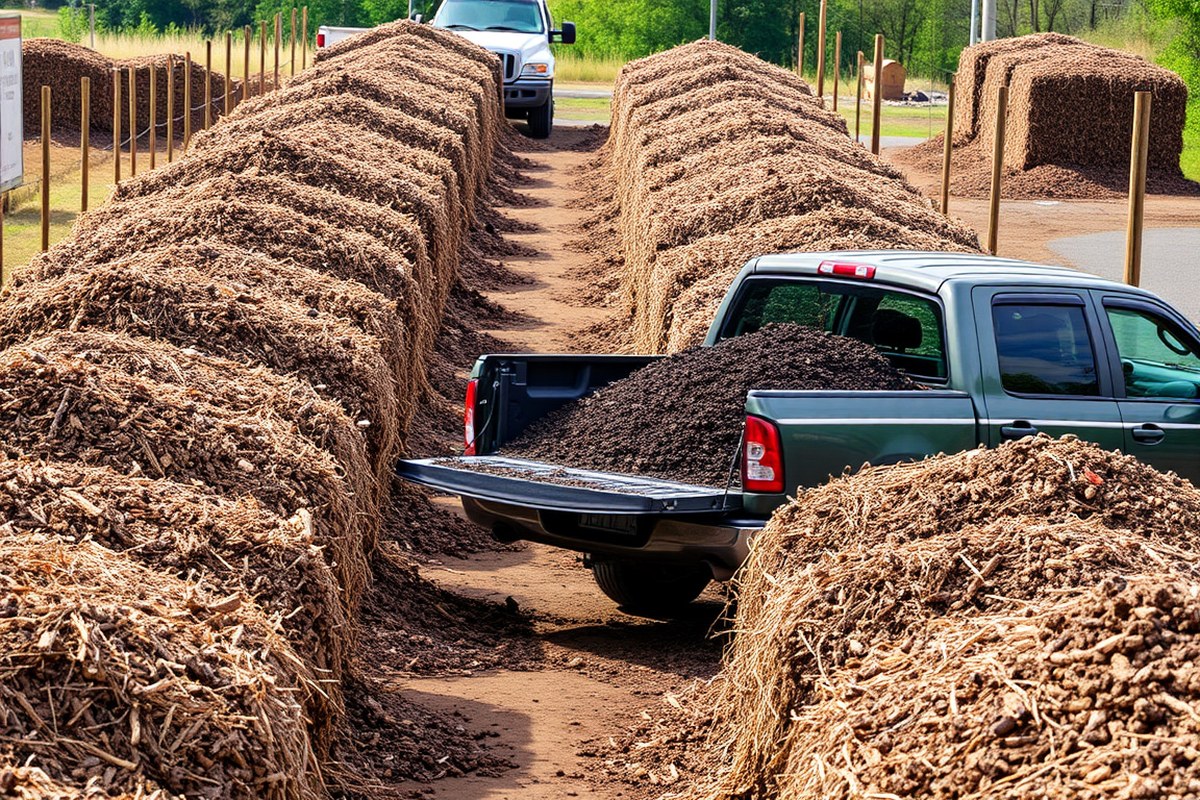
You can find compost in many places near you. Local garden centers often stock bagged compost in small to large sizes. Prices usually start at $18 for 10 pounds.
Bulk buyers pay about $30 to $40 per cubic yard. These prices depend on the seller and location. This suits small gardens and container growers well.
Farmers markets offer organic compost from nearby farms. This compost often fits garden and vegetable needs and supports local growers. Prices vary but you may find deals or free small amounts if you build a relationship.
Municipal composting programs supply compost either for free or at low cost. They usually work year-round and may have drop-off locations or pickup points. Check city or county websites to find your nearest site and collection times.
- Community gardens often have leftover compost they share with nearby gardeners.
- Local businesses that handle landscaping or farming might sell or give away bulk compost.
- Universities with agricultural programs sometimes offer compost for education or small-scale use.
- Neighborhood groups and social media platforms list free or low-cost compost from local sources.
- Composting facilities process organic waste and sell finished compost to residents and gardeners.
Schools sometimes get compost through partnerships with these programs. This compost often supports their educational gardens. You can ask about surplus or opportunities to collect free compost there.
Start by calling or visiting these places to ask about compost availability and rules. Bulk compost usually needs a truck or trailer to transport. Smaller amounts might come in bags or buckets, making it easier for city gardeners.
How to Assess Compost Quality Before Buying or Taking
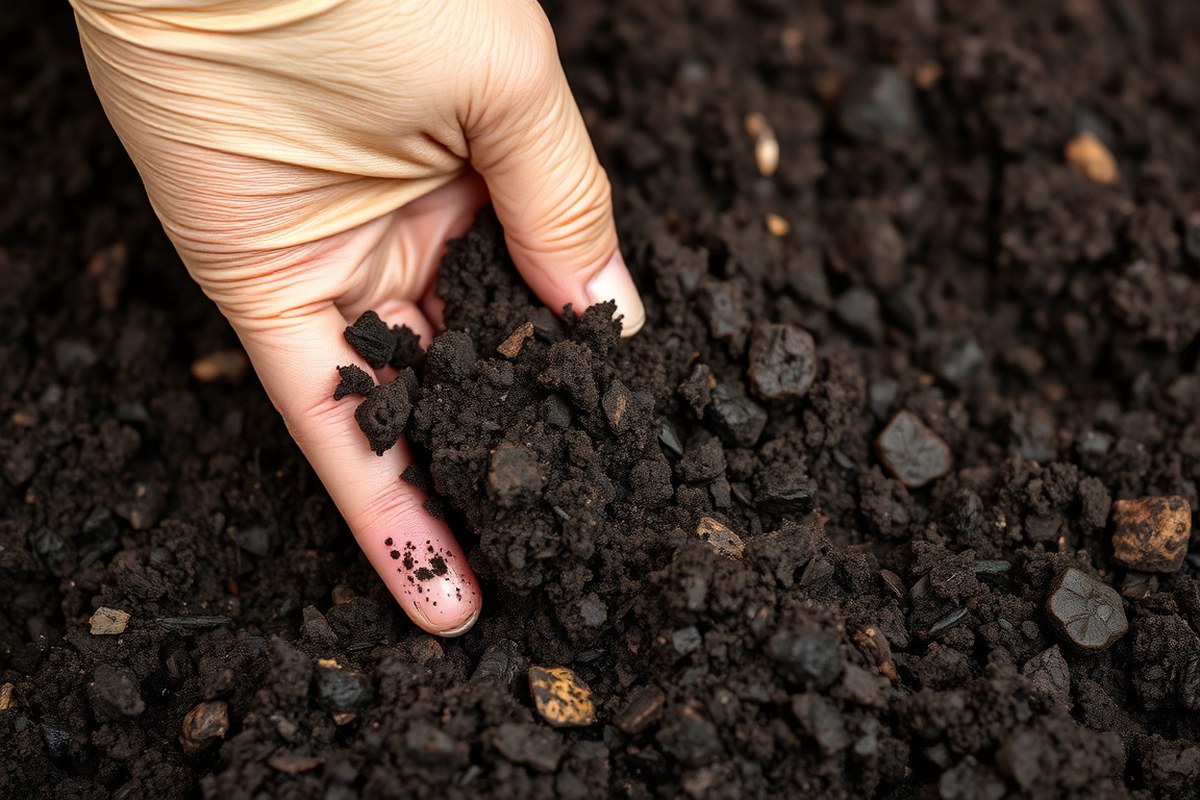
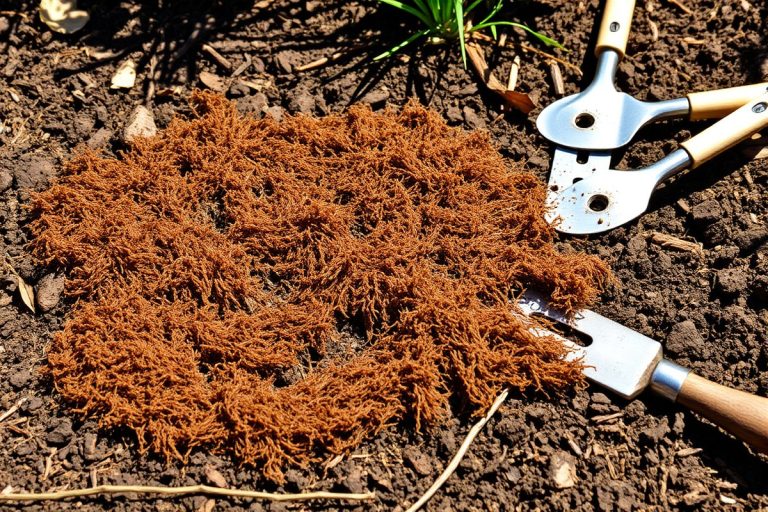
Look for compost that is dark brown or black and crumbly. It should have an earthy smell, not sour or ammonia-like.
Large pieces of wood, trash, or plastic suggest the compost isn’t fully finished or clean. Good compost is free from sticks, stones, and visible mold.
Check if the compost is moist but not soggy or dry. Squeeze a handful; it should feel like a wrung-out sponge. Too wet means poor drainage and smell problems.
Dry compost can’t support healthy microbes. When compost is mature, it heats up during breakdown.
After several months, usually 4 to 6, it cools. This happens in home compost piles.
Be extra careful with free or municipal compost sources. Ask about pesticide, herbicide, or weed seed contamination risks.
These contaminants can harm vegetables or slow plant growth in your garden. Compost from municipal programs often tests for these but always inquire to be sure.
Check the label for ingredients before buying bagged or bulk compost. It should be 100% compost, not a mix of compost and soil. Know your plants’ needs: vegetable gardens benefit from rich nutrient compost.
Flower beds may prefer organic matter-focused blends. Prices range roughly from $10 for 30 pounds to $40 for a cubic yard.
Testing a small batch before full use can catch problems early. Put a thin layer of compost on a few plants first. Watch them for growth changes.
Look for any leaf damage over several weeks. Plants that look unhealthy could mean the compost has contaminants or is immature.
Always ask where compost comes from and how it was made. Do this before adding it to food gardens.
How Municipal Compost Programs Work and How to Access Them
Municipal compost programs turn food scraps and yard waste into compost. You can use this compost at home in your garden.
They offer an easy way to recycle organic waste without starting your own compost pile. Many programs provide free or low-cost compost and sometimes accept your kitchen scraps for processing.
Finding Your Local Program
Start by visiting your city or county public works website. Search for terms like “compost program,” “organic waste,” or “yard waste recycling.” Many municipalities list their compost facilities, hours, and rules online.
Call your local waste management office when the website is unclear. You can ask about drop-off sites, curbside pick-up services, and compost giveaway events. Some areas may also list these programs on state or regional environmental agency websites.
How to Drop Off or Pick Up Compost
Most municipal programs have designated drop-off locations you can find nearby. These might be at recycling centers, farms, or community gardens. You just drive up and unload accepted materials during their open hours.
Some cities run curbside compost pickup that works like regular trash or recycling collection. You’ll get a special bin for food scraps and yard trimmings. Set it out on your regular pickup day to have it collected.
Areas with compost giveaways usually provide compost in bulk or bags. You may need to bring your own containers or use what they supply. These events often take place once or twice a year, usually in spring or fall.
Rules, Limits, and Scheduling Pickups
Programs often limit which waste you can drop off or collect. They usually don’t allow meat or dairy scraps.
Check their lists of accepted and prohibited materials carefully. Some also restrict yard waste sizes or ask you to separate materials.
There may be limits on how much compost you can take per visit or through giveaways. Pickups might require signing up in advance or following a strict schedule. Missing a scheduled date could delay your compost collection until the next cycle.
Consider community compost drops or farms if no municipal program exists. These options fill gaps where government services don’t exist. You can also start small-scale composting with bins or simple piles at home if space allows.
Differences Between Types of Compost and Choosing the Right One
You can choose from organic or synthetic compost types based on your gardening needs. Organic compost includes homemade, worm castings, and leaf mold varieties. Synthetic options often blend chemicals with organic matter to cater to different soil and plant requirements.
Organic vs Synthetic Compost
Organic compost is made from natural materials breaking down over time. It improves soil structure and supplies nutrients without chemicals. Synthetic compost usually includes chemical fertilizers alongside organic matter to boost nutrient content quickly.
Choosing organic compost helps support soil life and long-term fertility. Synthetic blends might work better if you need fast nutrient delivery for specific plants. Understand the tradeoff: organic fosters natural soil health, while synthetic delivers targeted nutrients.
Vermicompost and Worm Castings
Vermicompost comes from worms digesting organic scraps, creating nutrient-rich worm castings. They offer excellent soil conditioning and supply beneficial microbes that help plants grow. Worm castings often come bagged for easy use.
Examples include Wiggle Worm Worm Compost for $31 per 30 pounds. Another option is VermisTerra Earthworm Castings, $20 for 10 pounds.
You can collect worm castings at home with a worm bin. Let the worms work for three to six months. Then harvest the castings for use in your garden.
Worm bins fit well in urban spaces without yards, like balconies or patios. This method is perfect if you compost mostly kitchen scraps plus some yard waste.
Bulk vs Bagged Compost
Bagged compost is convenient for small to medium gardens, usually 40 lbs per bag. Certified organic bags cost about $7 each.
Bulk compost runs higher, like $259 for 2 cubic yards. Bulk is better for large areas but needs transport and storage space.
Garden centers sell both types, often offering blends enriched with organic matter and mulch. Buying bulk compost saves money if you garden frequently or have a big yard. Bags suit casual gardeners or urban users who need manageable amounts.
Use this simple guide to choose compost based on your location. Also consider the types of waste you usually compost. This helps find the best compost for you.
| Where do you live? | Composting mostly kitchen scraps | Kitchen scraps plus some yard waste | Lots of yard waste |
|---|---|---|---|
| Urban (no outdoor space) | Worm bin (vermicomposting) | Worm bin (vermicomposting) | N/A |
| Urban (some outdoor space, patio, or balcony) | Worm bins or compost tumbler | Worm bins or compost tumbler | Compost tumbler |
| Suburban (with yard) | Enclosed bin or compost tumbler | Enclosed bin or compost tumbler | Enclosed bin or DIY bin |
| Rural (with yard/acreage) | Enclosed bin or compost | Enclosed bin or compost | Enclosed bin or compost |
Matching compost type and container suits your space and waste. Urban residents benefit from worm bins and tumblers. Yard owners get more options like enclosed or DIY bins that handle yard waste well.
Typical Costs and Quantities When Buying Compost
Compost prices usually range from $10 to over $150 per cubic yard. Bulk purchases are common at farm supply stores, especially for large gardens or landscaping. Knowing the volume your garden needs helps avoid ordering too much or too little.
Measure your garden’s length and width in feet. Multiply these numbers. Then pick how deep you want to add compost.
A typical depth is 2 to 3 inches. Convert inches to feet by dividing by 12. Multiply length, width, and depth together.
This gives you cubic feet of compost needed. Finally, divide by 27 to convert to cubic yards.
| Garden Size (sq ft) | Compost Depth (inches) | Volume Needed (cubic yards) | Typical Cost Range |
|---|---|---|---|
| 100 | 2 | 0.6 | $6 to $90 |
| 500 | 3 | 4.2 | $42 to $630 |
| 1,000 | 2 | 6.2 | $62 to $930 |
| 2,000 | 3 | 16.7 | $167 to $2,505 |
For example, a 500-square-foot garden with 3 inches of compost requires about 4.2 cubic yards. The price can vary from about $42 to over $600, depending on supplier and compost quality. Bulk buying often reduces the cost per cubic yard.
Smaller garden patches can use bagged compost sold by the cubic foot. Bags typically cost a few dollars each.
Large yards or big projects do best with bulk compost orders. This lower cost and covers more ground simply.
Double-check your garden measurements before ordering to avoid costly overbuying or shortages.
Applying compost evenly at the planned depth ensures good coverage. Too little compost won’t improve soil much, while too much can bury small plants. Plan the amount in advance and pick suppliers who offer clear pricing and quantity details.
Using Online and Community Platforms to Find Free Compost
Social media and community platforms are great for finding free compost near you. You can narrow your search to a specific neighborhood or zip code. Sites like Craigslist and Facebook Marketplace often list free compost piles from gardeners or landscapers.
To start, type “free compost” and your area into the search bar. Look for posts offering finished compost or fresh materials like leaves and grass clippings. Reach out quickly because free offers go fast.
Here’s an example message you can send: “Hi, I saw your free compost post. Is it still available? I can pick it up this weekend.”
Community Facebook groups for gardeners or local sustainability efforts are also helpful. Join groups with active members who share tips and swap soil amendments regularly.
Post your own request too, explaining what you need and offering to pick it up promptly. People often share extra compost this way.
Some local community gardens and food co-ops distribute compost from their waste programs. Check their social media or websites for announcements.
They occasionally post free compost giveaways to support home gardeners. Track posts so you don’t miss these chances.
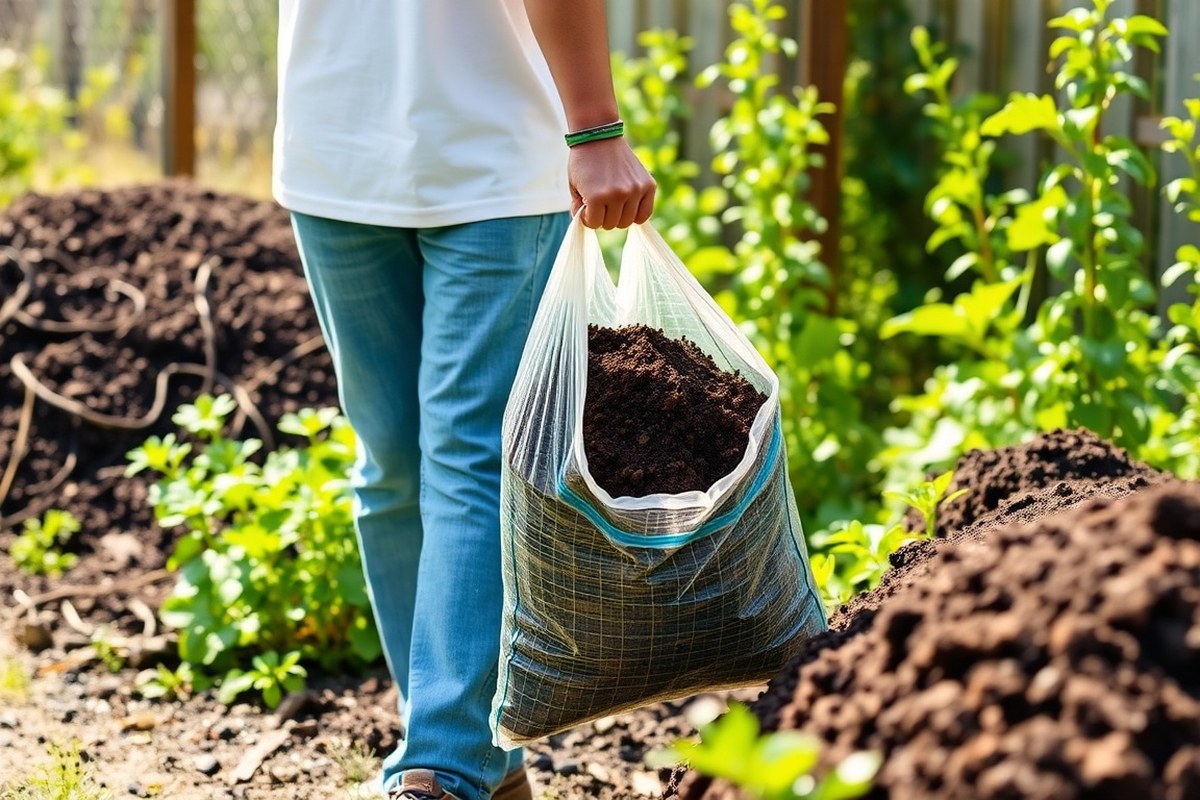
Online platforms work well if you can transport compost yourself. Most free compost requires loading by hand or with a small shovel. Bring containers, tarp, and gloves.
Supply is usually limited. Plan for pickup soon, within a day or two after posting.
Contact the person offering the compost quickly. Act fast to avoid missing out.
You’ll often see offers of raw organic waste too. This can include leaves, wood chips, or kitchen scraps. Many sources share these along with finished compost.
These are free raw materials you can compost yourself. This is good if you have space to mix yourself.
You can create your own compost mix over months. It takes time, but you control the mix.
Some people exchange compost for garden labour or swapping other materials. Community boards or apps like Nextdoor let you barter.
This is a good way to build local connections and avoid costs. Be clear on what you’ll deliver or swap.
Safety is important; check compost carefully before taking it. Make sure it has no plastic, chemicals, or signs of disease. Avoid any compost with these problems.
Ask the provider how they made the compost. Properly aged compost looks dark, crumbly, and smells earthy with no ammonia smell or mold. Avoid offerings with unfamiliar additives.
The effort here costs mostly your time. Free compost can save $20 to $50 or more per cubic yard, depending on your area.
Keep in mind, quick response and clear communication help secure the best free offers. Patience pays when using community platforms to find compost.
How to Transport and Store Compost Safely at Home
Transporting and storing compost properly keeps it fresh and ready for your garden. Use sturdy containers and keep moisture balanced. Lift carefully to avoid injury and store compost in a shaded, dry spot.
Choosing Proper Containers
Pick containers that can handle heavy compost without breaking. Plastic tubs with tight lids work well because they keep moisture in and pests out. Avoid cardboard or thin bags that tear easily or let compost dry out too fast.
Containers around 5 to 10 gallons are easy to carry. Bringing home large amounts means using several containers to spread weight. Make sure the container drains well to prevent sogginess, which harms microbes.
Loading and Transport Tips
Loading compost carefully protects your back and your vehicle. Compost can be heavy and messy.
So use gloves and a small shovel or scoop. Tying down containers in open trucks or beds stops them from shifting while driving.
Lift with your legs and keep your back straight to avoid injury. Compost usually weighs about 40 to 50 pounds per cubic foot, so don’t overload containers. Use a wheelbarrow for moving compost from your vehicle to your garden.
Home Storage Best Practices
Keep compost in a cool, shady place to avoid drying or overheating. Cover it with a loose tarp or lid to block rain but allow airflow. The moisture should feel like a damp sponge, moist but not soaking wet.
Check stored compost every week and add water if it feels dry. A bad smell or sliminess means the pile needs turning.
Let it air out before using. Proper storage helps keep compost healthy and full of nutrients for your plants.
- Choose strong plastic tubs with lids to hold your compost.
- Put about 5 to 10 gallons of compost per container for easy lifting.
- Use gloves and a small scoop to load compost carefully.
- Lift with your legs, not your back, to avoid injury.
- Secure containers in your vehicle to stop shifting.
- Store compost in a shaded place using a loose cover or tarp.
- Check compost moisture weekly and add water if dry.
- Turn compost if it smells bad or feels slimy to refresh it.
Common Mistakes When Sourcing and Using Compost
Using immature compost is a common mistake that can harm your plants. Immature compost still breaks down inside the soil, robbing it of nitrogen. Check that the compost has a dark, crumbly texture.
It should also have an earthy smell. This shows it’s fully matured.
Contaminants like plastic, glass, or chemicals in compost can damage your garden. These materials may poison plants or release toxins over time. Only get compost from trusted sources that screen out harmful materials.
Taking too much compost at once causes waste and makes storage tricky. Compost loses nutrients and heats up if it sits in a pile too long. Take only what fits your gardening needs right now.
Typically, spread 1 to 3 inches over garden beds each season. Avoid using more than that.
- Test compost pH to make sure it stays between 6 and 7 for most plants.
- Avoid fresh manure; it can burn seedlings and spread pathogens.
- Don’t use compost with large chunks of undecomposed material.
- Inspect compost for debris like plastic or glass before buying or using.
- Store compost in a cool, dry place to keep it fresh.
Applying too much compost at once can lead to nutrient imbalances. Plants might get burned from excess salts or suffer from poor water retention. Spread compost evenly and mix it into soil lightly to improve growth without stress.
Always follow local guidelines for compost use, especially if municipal compost is involved. Some local programs test for contaminants, but not all do.
Notice unusual plant decline after applying compost? Test your soil for toxins or nutrient problems.
Always check compost maturity and source quality before adding it to your garden.
Step-by-Step Action Plan for Getting Quality Compost
Start sourcing compost today with these simple steps to keep your garden healthy.
- Day 1: Identify nearby compost sources like municipal programs or garden centers. Check their operating hours and policies to plan your visit.
- Day 3: Visit one or two sources and inspect compost quality using appearance and smell. Choose compost that looks dark and smells earthy, not sour or moldy.
- Week 1: Decide on the right type of compost for your garden needs. Use leaf mold for acid-loving plants, or well-rotted manure for rich nutrients.
- Week 2: Buy or collect your compost in manageable amounts. Use a tarp or sturdy containers to keep it clean during transport.
- Within 3 days: Store your compost in a cool, dry place away from direct sun. Cover it with a breathable fabric or lid to keep moisture balanced.
- Week 3: Test your garden soil and add compost as planned. Watch for changes in plant growth and soil texture over the next weeks.
- Month 1: Join local or online groups for compost tips. Share ideas and find new compost sources for later use. Check for free offers during seasonal cleanups.
Frequently Asked Questions
Can I Get Compost from Local Farms or Gardeners?
Yes, local farms and gardeners often sell or give away compost. Check farmers markets and garden clubs to find their contact information and availability before visiting.
Is Compost from Garden Centers Reliable for Vegetable Gardening?
Most garden center compost is safe for vegetables if it’s fully mature. Test a small amount of compost first.
Check for strong odors or heat. These signs mean it’s not ready yet.
Are There Seasonal Times When Compost Is Easier to Find?
Compost is more available in spring and fall when gardening ramps up. Municipal and community sources often restock compost around these times to meet demand.
Can I Use Compost from Roadside Compost Piles?
Roadside compost piles can be risky because their quality varies widely. Avoid compost that looks wet, has debris, or smells foul to keep plants healthy.
Is Homemade Compost Better Than Store-Bought?
Homemade compost is usually richer and cheaper but needs time and effort. Store-bought compost provides convenience and consistent quality with less work.
How Long Should Compost Sit Before Planting?
Compost should cure for at least 2 to 6 months until dark and crumbly. This ensures it’s fully decomposed and won’t harm plants or attract pests.
Key Points to Remember
Finding and using the right compost is easier than you think. Start by checking your local programs or neighborhood garden centers. Grab some compost today and watch your garden thrive with richer soil.