How to Use Peat Moss: 8 Key Steps for Healthier Soil and Thriving Plants
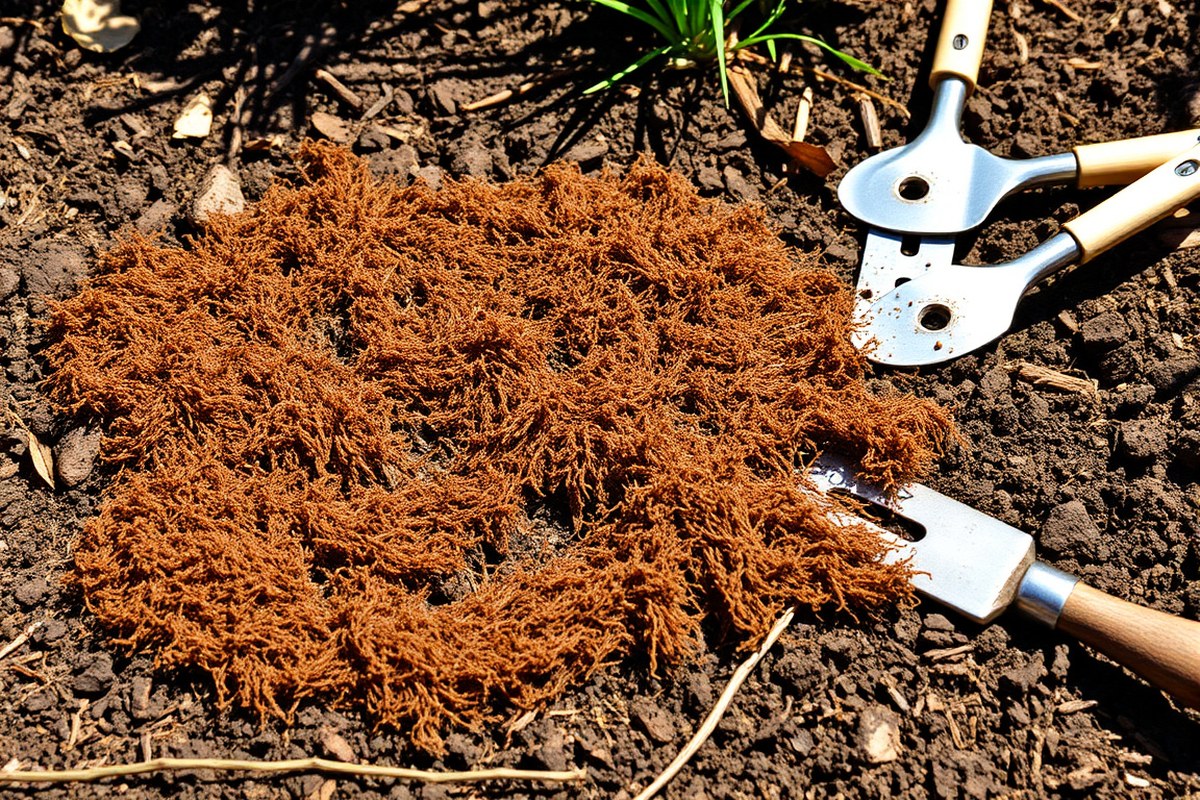
Adding peat moss can boost your garden soil fast. Lay down 2 to 3 inches of peat moss evenly over the garden bed. Use a garden fork or tiller to blend it into the top 8 to 12 inches of soil.
Peat moss helps the soil hold moisture while making it lighter and easier to work with. It also boosts aeration by opening tight clay soils and supporting root growth. These changes help plants thrive by giving their roots room to breathe and absorb water.
Spread peat moss evenly over the soil surface. Work it into the soil well. This prevents lumps or uneven spots in your bed.
Using about 25 to 30% peat moss by volume sets the best environment for many plants. Too much peat moss can cause poor drainage, so balance your mix carefully.
Key Takeaways
- Spread a 2 to 3 inch layer of peat moss before mixing it into the soil.
- Use a garden fork or tiller to mix peat moss into the soil. Work it into the upper 8 to 12 inches thoroughly. Ensure the peat moss is evenly distributed throughout the soil.
- Add about 25 to 30% peat moss by volume for ideal plant growing conditions.
- Peat moss improves soil moisture retention and helps loosen heavy clay soils.
- Work peat moss evenly into the soil to prevent clumps and poor drainage.
- Adjust the amount of peat moss based on your soil type and plant needs.
1. How to Incorporate Peat Moss into Garden Soil
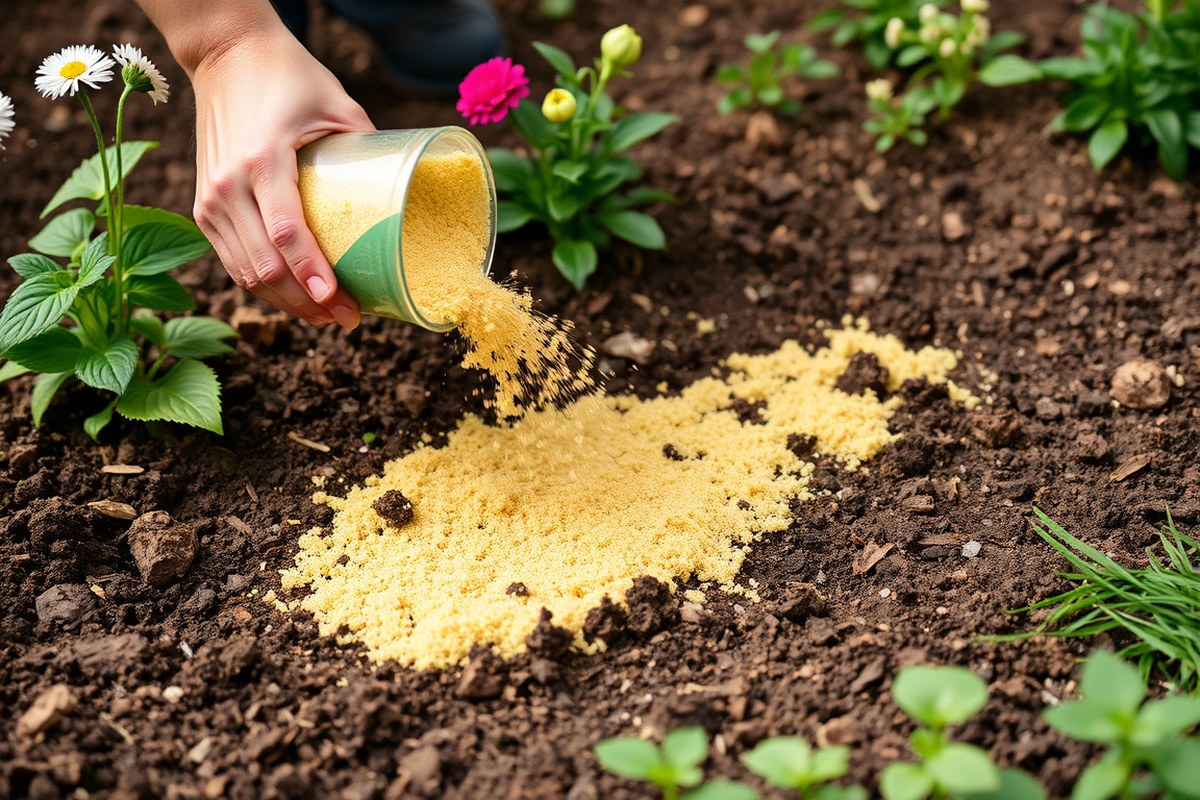
Peat moss helps your garden soil hold moisture and loosen compacted dirt. Adding it correctly can improve soil texture and support healthy plants. The key is mixing it evenly into the top layer of soil where roots grow.
Spread 2 to 3 inches of peat moss over your garden soil. Make sure it’s even. This helps prepare the soil well.
Then mix it into the top 8 to 12 inches using a garden fork or tiller. This depth covers the root zone for most plants and ensures good moisture retention and aeration.
- Clear the garden bed of weeds and debris to start with clean soil.
- Use a garden fork or rototiller to break up soil. Aim to loosen the top 6 to 12 inches. This helps roots grow better.
- Spread a 2 to 3 inch layer of peat moss evenly over the loosened soil.
- Mix the peat moss thoroughly into the soil with your garden fork or tiller.
- For sandy soil, mix 1 part peat moss with 2 parts soil. This helps the soil hold water longer. It keeps plants hydrated.
- For clay soil, mix equal parts peat moss and soil. This improves drainage and makes soil lighter. It helps plant roots breathe.
- Water the area well after mixing to help the peat moss settle and start working.
Peat moss works different depending on your soil type. Sandy soil benefits from more peat moss to hold water.
Clay soil needs equal amounts to break up dense clumps and improve airflow. For loamy soil, use less peat moss to avoid over-softening the soil.
Mixing peat moss evenly prevents dry pockets or soggy spots. You’ll see soil that feels lighter and holds moisture better.
Avoid piling too much peat moss on top without mixing. Layered peat moss dries out quickly and won’t benefit roots well.
2. Choosing the Right Peat Moss-to-Soil Ratio for Your Plants
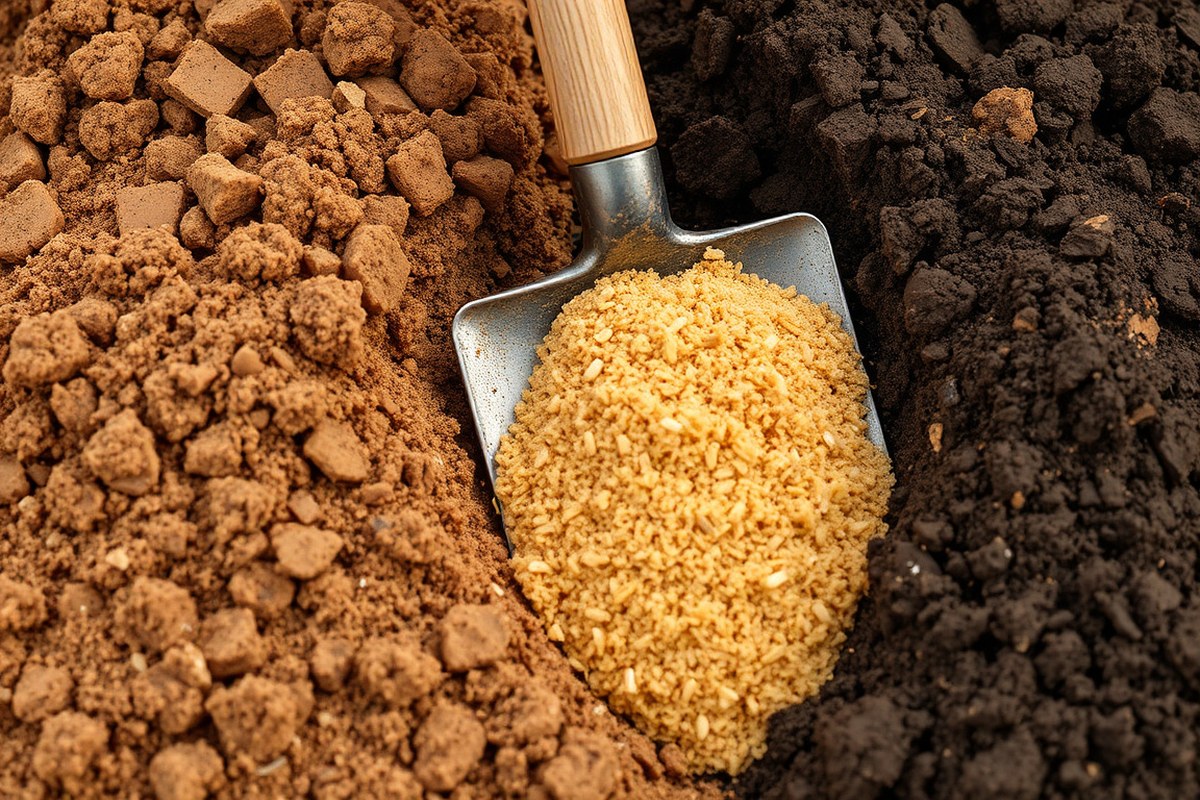
The right peat moss-to-soil ratio depends on your soil type and plants. Clay soils need more peat moss to break up compaction.
Sandy soils require less but still benefit from some peat moss. Acid-loving plants like blueberries thrive with extra peat moss because of its mild acidity.
Peat Moss Ratios for Clay Soil
Clay soils hold water but drain poorly and get compacted easily. Add 1 to 2 inches of peat moss on top of the soil. Mix it into the upper 6 to 8 inches of soil.
This helps improve soil texture and moisture retention. This loosens the soil, making it lighter and easier for roots to grow.
This amount improves aeration and drainage, preventing waterlogging. Use a peat moss-to-soil ratio of about 1:2 for clay soil. More peat moss may make the soil too soft, so avoid overdoing it.
Mixing Peat Moss with Sandy Soil
Sandy soils drain water quickly and don’t hold nutrients well. Adding peat moss improves water retention and nutrient-holding capacity. Use less peat moss in sandy soil compared to clay.
Blend one part peat moss with three parts sandy soil for better texture. Spread 2 to 4 inches of peat moss based on soil dryness and plant needs. This makes the soil hold moisture longer without getting waterlogged.
Ratios for Acid-Loving Plants and Seed Starting
Plants that love acid prefer soil that’s slightly acidic. Peat moss ranges from pH 4.0 to 5.0, good for lowering pH. Add 1 to 2 inches into the planting hole and nearby soil for these plants.
Seed starting mixes benefit from peat moss for moisture control and disease prevention. Combine peat moss with soil or vermiculite to create a sterile mix. Use ratios like 1:1 or 1:2 peat moss to soil for seed trays.
Here is a table summarizing peat moss ratios and applications for different soils and plants:
| Soil or Plant Type | Peat Moss Depth to Apply | Peat Moss to Soil Ratio | Purpose |
|---|---|---|---|
| Clay Soil | 1, 2 inches | 1:2 | Loosen heavy soil; improve aeration and drainage |
| Sandy Soil | 2, 4 inches | 1:3 | Improve moisture retention and nutrient holding |
| Acid-Loving Plants (blueberries, azaleas) | 1, 2 inches around planting hole | Higher peat content, roughly 1:1 to 1:2 | Lower soil pH and create acidic conditions |
| Seed Starting Mix | N/A (mixed in) | 1:1 to 1:2 with soil or vermiculite | Create sterile, moisture-retentive medium |
Mistakes like adding too much peat moss can cause poor drainage or overly acidic soil. Adjust ratios based on your garden’s soil feel and plant response. Testing small areas before large projects helps avoid problems.
Use soil tests to guide peat moss amounts and avoid making soil too acidic or loose.
3. Improving Moisture Retention and Aeration with Peat Moss
Peat moss can hold water up to 20 times its own weight. This helps keep soil moist longer, especially in dry or sandy areas. Spread 2 to 3 inches of peat moss and mix it well before planting.
The fibrous, spongy texture of peat moss improves soil structure by keeping spaces open. These spaces let air flow freely, which roots need to breathe. Peat moss resists compacting, so it keeps soil loose while holding water.
Mix peat moss evenly through the soil to create a balance of moisture and air. In sandy soils, this means plants get steady water and enough oxygen.
You’ll notice your garden feels less dry. Plants look healthier faster with consistent watering.
For container plants, peat moss works with materials like perlite. Peat holds water while perlite keeps air pockets open. This combination avoids both soggy roots and drying out, helping plants grow better.
Expect improved root growth and better plant health after adding peat moss. Roots spread more easily since soil doesn’t get hard or waterlogged. Don’t add too much peat moss to heavy soils.
It holds water well but can make soil too wet. Too much moisture can reduce air flow to roots.
4. Using Peat Moss for Seed Starting and Container Gardens
Peat moss holds moisture well. It stays light. It works great in seed starting and container gardening.
It’s best mixed with other materials since peat moss alone lacks nutrients and drainage. Using about one-third peat moss by volume in potting mixes helps seedlings and container plants thrive.
Basic Peat Moss Potting Mix Recipe
A simple potting mix with peat moss supports good drainage and moisture retention. Mix peat moss with perlite and vermiculite for a lightweight, airy base. This soilless blend is sterile and helps seeds sprout without disease risks.
Here’s how to mix a basic potting soil for seeds or containers:
- Measure equal parts of peat moss, perlite, and vermiculite.
- Combine the three ingredients evenly in a large container or bucket.
- Moisten the mix slightly to hold its shape but avoid soaking.
- Fill seed trays or pots loosely with the moistened mix.
- Plant seeds or seedlings according to package instructions.
- Keep the mix moist but well-drained to prevent rotting.
Peat Moss Ratios for Seed Trays
Seed starting mixes should hold moisture without becoming soggy. Peat moss is perfect because it absorbs water and stays light. Use one part peat moss.
Add one part perlite and one part vermiculite. This mix works best for seed trays.
Too much peat moss makes the mix dense and slow draining. Less peat moss will dry out seedlings too fast. Keep the peat moss around 33% of the mix to strike the right balance.
Adjusting Mix for Container Plants
Containers need good drainage but also must hold enough water between waterings. Mix one part peat moss with one part potting soil or compost.
This gives moisture and nutrients. Adding perlite or coarse sand improves drainage even more.
Using peat moss alone in containers usually causes problems. It holds water but doesn’t feed plants. It drains poorly.
This can cause root rot. Always blend it with other materials to create a balanced growing medium.
5. Applying Peat Moss in Raised Beds and Lawns
Peat moss improves soil texture and moisture in raised beds and lawns. It blends well with soil and helps seeds germinate better. Apply the right amount to avoid over-acidifying your soil.
Incorporating Peat Moss in Raised Beds
Mix peat moss into raised bed soil to boost drainage and moisture retention. Aim for about one-third peat moss in the total soil mix. This ratio helps soil stay loose and holds water without becoming soggy.
Incorporate peat moss into the top 6 to 12 inches of soil before planting. This allows roots to grow easily into the improved soil. It also helps plants absorb nutrients better.
Use this simple process to mix peat moss into your raised beds:
- Clear the raised bed of debris and old roots.
- Spread peat moss evenly over the soil surface. Cover about one-third of the depth you will mix later. This prepares the topsoil well for growing plants.
- Use a garden fork or tiller to blend peat moss with soil. Mix deeply to 6 to 12 inches below the surface. This helps create a good growing environment.
- Break up any clumps of peat moss and soil to ensure loose texture.
- Level the soil surface with a rake for planting.
- Water lightly to settle the soil before sowing seeds or transplanting.
Peat moss is acidic. So avoid using it in large amounts without testing your soil pH first.
Using Peat Moss as Lawn Amendment
Peat moss helps lawns by improving soil texture and air flow. It lets grass roots get more oxygen and water. This leads to healthier grass growth.
It also aids seed germination when you overseed or patch bare spots. A thin layer supports seedlings without smothering existing grass.
Spread peat moss sparingly because it is acidic and can lower your soil pH. One quart of shredded peat moss per 10 square feet is usually enough for lawn improvement. Rake it lightly into the soil to mix thoroughly.
Adding peat moss works best after aerating your lawn. This opens the soil and lets the peat moss reach grass roots more effectively.
Applying Peat Moss as Mulch Around Lawns
Peat moss works well as mulch on lawns and garden beds. Apply a 1-2 inch layer around plants to keep moisture in and weeds down. Keep the peat moss a few inches away from grass stems to avoid mold or rot.
This mulch layer slows evaporation and helps lawns stay greener during dry periods. It also decomposes slowly, improving soil structure over time.
Use mulch peat moss carefully near grass to prevent smothering and increased acidity. Check soil pH annually when using peat moss as mulch.
6. Balancing pH and Nutrients When Using Peat Moss
Peat moss has a naturally acidic pH, usually between 4.0 and 5.0. This low pH can lower your garden soil’s pH, making it more acidic. It helps acid-loving plants like blueberries or azaleas thrive.
Most garden plants like soil that is neutral or slightly alkaline. Peat moss lowers soil pH, so you may have to add lime.
Use about 1 to 2 pounds of lime per 100 square feet for each inch of peat moss mixed in the top 6 to 8 inches of soil. Test your soil pH before and after adding lime to keep balance.
Peat moss holds nutrients well but contains few nutrients itself. It slowly releases organic matter as it breaks down. But you must add fertilizer or compost to feed plants.
Mixing peat moss with compost boosts fertility and improves soil texture. Don’t use too much peat moss.
It can make the soil too acidic. High acidity stops plants from getting the nutrients they need.
7. Precautions and Common Mistakes When Using Peat Moss
Peat moss is a useful soil additive but needs careful handling to avoid problems. Common mistakes include using too much, which can make soil acidic and reduce drainage.
It also breaks down slowly. So adding fresh peat often is important for lasting benefits.
Proper storage keeps peat moss dry and ready to use. Store it in a sealed plastic bag or container away from moisture. Damp peat moss can grow mold.
It also loses its structure. This makes it less useful for your garden.
Peat moss can cause over-acidity if you use it too much on alkaline soils. Test your soil pH before adding peat moss. Adjust with lime or other amendments as needed.
This helps peat moss work better. Overuse can also make soil compacted or waterlogged if not mixed well, harming roots.
- Store peat moss in a cool, dry place inside sealed bags or containers.
- Aim for about 30% peat moss in your soil mix to avoid acidity issues.
- Test soil pH before applying peat moss and adjust as needed.
- Mix peat moss thoroughly into the soil to prevent clumps and poor drainage.
- Replace peat moss every 1 to 2 years since it breaks down slowly.
- Wear gloves and a dust mask when handling peat moss to avoid irritation.
Some gardeners get confused between peat moss and sphagnum moss. The former is older, decomposed material, while the latter is live moss. This difference matters because peat moss improves soil structure.
But sphagnum moss has less effect on drainage. Avoid using fresh sphagnum moss as a substitute unless it’s labeled for gardening.
Over-acidity problems show up as poor plant growth or yellowing leaves. Watch for these signs. Check your soil pH.
Use less peat moss if needed. In heavy clay soils, peat moss needs thorough mixing.
This prevents the soil from getting soggy. It also stops compaction.
8. Environmental Impact and Sustainable Alternatives to Peat Moss
Peat moss comes from peat bogs, which take thousands of years to form. Harvesting peat damages these habitats and releases stored carbon, making it unsustainable. Using less peat moss or mixing it with other materials helps reduce this impact.
Coconut coir is a popular peat moss alternative. It comes from coconut husks, a waste product of coconut farming. Coir offers similar moisture retention and airflow but is renewable and cheaper than peat moss.
You can fully replace peat moss with coir or blend both materials. A common mix uses one part peat moss.
Add one or two parts coconut coir or compost. This keeps your soil light and moist while minimizing peat use.
| Material | Source | Water Retention | Environmental Impact | Cost Compared to Peat Moss |
|---|---|---|---|---|
| Peat Moss | Peat bogs, thousands of years to form | Excellent | High; non-renewable, releases carbon | Expensive |
| Coconut Coir | Coconut husks, byproduct of farming | Good to excellent | Low; renewable, no habitat damage | Cheaper |
| Compost | Decomposed organic matter | Good | Low; recycles waste | Usually cheap or free |
| Leaf Mold | Decomposed leaves | Moderate | Low; sustainable when collected wisely | Cheap or free |
Compost and leaf mold also boost soil health and structure. Using these together with peat or coir balances cost, performance, and sustainability. For container gardens, coconut coir is especially helpful due to its similar feel to peat moss.
Use one part peat moss with two parts compost or coir. This mix suits most garden soils well.
For raised beds, you might use more compost to feed plants and less peat moss. Adjust blends based on your plant needs and soil condition.
Don’t use peat moss alone for large areas; blend it to cut environmental harm.
Remember, no single substitute suits all situations. But choosing renewable options helps your garden and the planet. Buying in bulk can also reduce costs while improving your soil’s health over time.
Step-by-Step Action Plan for Using Peat Moss in Your Garden
Follow these steps to improve your soil and help your plants grow with peat moss.
- Before planting: Mix peat moss with garden soil at a 1:3 ratio for most plants. Check soil feels crumbly and moist.
- Week 1: Test soil moisture by squeezing it gently. Add peat moss again if it dries out too fast.
- Week 2: Check soil drainage after watering. Add more peat moss if water pools on the surface.
- Before seed starting: Fill seed trays with a mix of peat moss and perlite. This creates a loose, damp growing medium. It helps seeds sprout well.
- Weekly: Water container plants thoroughly but avoid soggy soil. Adjust peat moss amount if roots stay wet.
- Monthly for raised beds: Add a thin layer of peat moss on top. Then turn it into the topsoil. This helps keep the soil moist.
- Every 2 months: Test soil pH. Use lime to raise pH if peat moss makes soil too acidic.
- Seasonal check: Inspect lawn areas treated with peat moss for dry spots. Reinforce with compost if needed.
Frequently Asked Questions
Can You Use Peat Moss for Indoor Plants?
Yes, peat moss works well for indoor plants. It improves moisture and air flow in pots.
How Often Should You Add Peat Moss to Your Garden Soil?
Add peat moss once a year or every growing season. It breaks down slowly and improves soil structure over time.
Is Peat Moss Acidic, and Do I Need to Adjust It?
Yes, peat moss is slightly acidic. Test your soil pH before adding lime if needed to balance it.
Can Peat Moss Help with Soil Compaction?
Peat moss loosens compacted soil effectively. Mix it well into the topsoil to improve root growth and water drainage.
How Much Peat Moss Should I Mix into Potting Soil?
Use about 25-30% peat moss by volume in potting mixes. It retains moisture without making soil too dense.
Does Peat Moss Improve Nutrient Retention in Soil?
Peat moss holds nutrients but contains very few nutrients itself. You should add fertilizer for best results.
Before You Go
Peat moss helps keep your soil moist and airy for better plant growth. Start by mixing it into your soil carefully and watch how your plants respond. Next, test your soil’s moisture and pH regularly to keep conditions just right.