Where to Get Pots: Best Places, Materials & Buying Tips Explained
Wondering where to get pots for your plants? You can find them both locally and online, depending on your needs. Local garden centers and big-box stores offer quick access.
You can also see pots in person before buying. This helps you choose what fits best.
Online stores give you a wider variety of materials, sizes, and designs. Measure your plants first before picking a pot. This makes sure they have enough space.
Proper fit helps plants grow healthy and strong. Keep in mind that some materials keep soil moist longer. Others dry out faster.
Choose a spot near you or shop online, but always check for quality. Look out for cracks or uneven shapes that could cause problems later on. Quality pots support healthy roots and reduce the risk of overwatering.
Key Takeaways
- Buy pots locally for instant access and to inspect quality directly.
- Online shopping offers a broader selection and unique pot materials.
- Measure your plant’s root ball plus 1 to 2 inches for pot size.
- Clay pots let soil dry faster; plastic holds moisture longer.
- Check pots carefully for cracks or weak spots before buying.
- Consider self-watering pots if you often forget to water plants.
Best Places to Buy Plant Pots Locally and Online
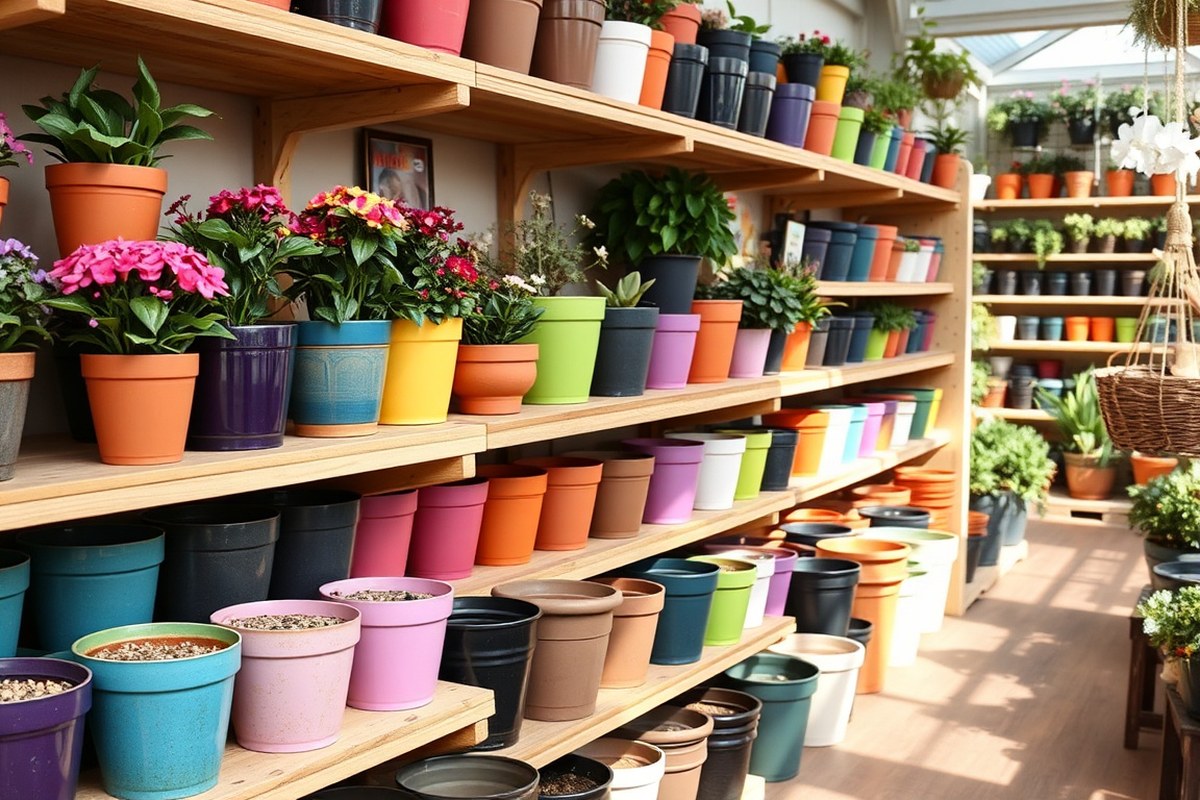
Local garden centers are a great place to find plant pots. They usually stock terracotta, ceramic, and plastic pots in various sizes.
Prices range from $5 for small basics to $30 or more for larger, decorative ones. Shopping here lets you see the pots up close and get advice from staff.
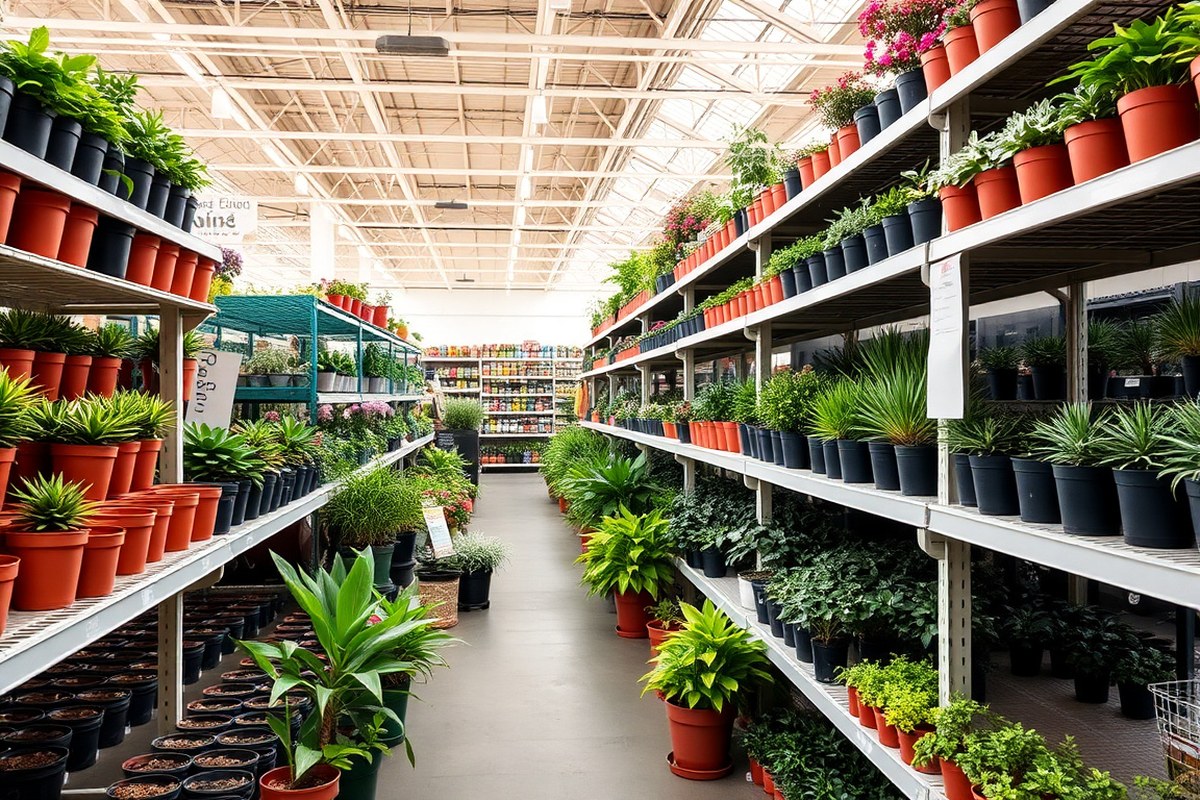
Big box stores like Home Depot and Lowe’s carry a wide selection of plant pots. They offer good deals, especially on plastic and standard terracotta styles. You can often find pots sold in sets.
Buying sets might save money if you need more than one. This works well if you want matching pots. These stores let you check the pot quality.
You can also pick your favorite size there. This way, you know exactly what you get.
Specialty shops that focus on pottery or handmade items offer unique, customizable pots. They tend to be pricier, starting around $20 for a small handmade pot.
Markets and craft fairs often host these shops, providing a chance to support local artisans. Expect to pay more but get a pot with character and high craftsmanship.
Online stores like Amazon, Etsy, and The Sill have the largest selections. They range from budget plastic pots under $10 to designer pieces over $50.
Shopping online is convenient if you want specific styles or sizes that local shops lack. Look for sellers with clear return policies and reviews to avoid poor quality.
Farmers markets and plant fairs occasionally feature vendors selling plant pots. These events happen only during certain seasons. They are less common than regular stores.
You can sometimes find rare or artistic pots there. Prices vary widely depending on vendor and materials. Going to a fair lets you mix plant shopping with social time and fun.
When buying locally, measure your plant and allow 1 to 2 inches extra diameter for growth. Take that measure with you to the store or note it for online searches.
Avoid pots that look cheap or have cracks, no matter the price. Quality pots hold soil better and last through seasons.
Online shopping calls for checking shipping costs carefully. Some sellers offer free shipping on orders above $25 or $50. Pots made of ceramic or glass can be heavy, raising shipping fees.
Buying several pots at once is smart. It can save you money on shipping fees. You also get pots that match in style.
Types of Plant Pots and Their Ideal Uses
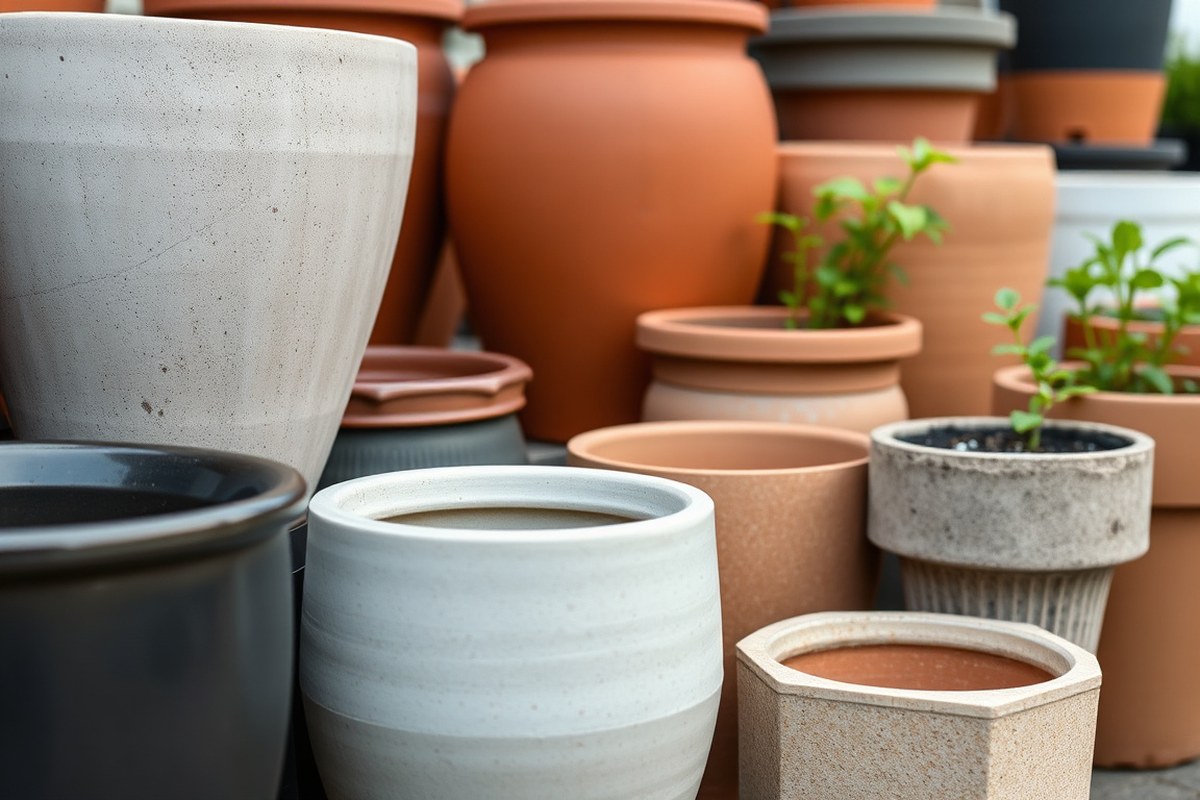
Common plant pots come in ceramic, terracotta, concrete, fiber, plastic, and natural fiber. Each material affects plant health and suits different environments.
Indoor pots tend to focus on aesthetics and weight. Outdoor pots must handle weather and drainage well.
Ceramic and Terracotta Pots
Ceramic pots often come glazed or unglazed and give a stylish, colorful look indoors. Terracotta is porous. It lets air and moisture escape.
This helps prevent root rot for plants like succulents and herbs. These pots are heavier, making them stable. But they can crack if frozen outdoors or overwatered.
Unglazed terracotta is great for dry environments and plants needing good drainage. You’ll want to water these plants more often because the soil dries quicker. Glazed ceramic retains water better, making them better for moisture-loving plants living indoors.
Avoid using terracotta pots outdoors in freezing climates unless you bring them inside.
Concrete and Fiber Pots
Concrete pots are tough, heavy, and last many years. They work well outside in wind or cold since they resist cracking better than terracotta. Indoor use is also popular because smooth concrete pairs nicely with modern décor styles.
Fiber pots usually blend materials like plastic and natural fibers. They are lighter than concrete but still sturdy and weather-resistant.
These pots suit medium to large plants. They fit nicely on patios or bright balconies.
Both materials keep moisture well. They don’t dry as fast as terracotta.
This means you water less often. However, fiber pots often cost less and can be easier to move around than concrete.
Plastic and Self-Watering Pots
Plastic pots are the most affordable and come in many colors and sizes. They are lightweight and retain moisture, making them good for indoor plants that prefer constant hydration.
Plastic pots can fade or crack in strong sun. So they’re less ideal outside without shade.
Self-watering pots have a built-in reservoir to provide water gradually, cutting down on watering mistakes. These pots are great for busy plant owners. They work well for plants needing steady moisture.
Examples include ferns and peace lilies. However, pots with poor drainage can cause root problems in some cases.
Check for drainage holes on plastic pots to avoid water buildup that harms roots.
Natural Fiber and Handmade Options
Pots made from coconut coir, jute, or wicker add natural texture and are often biodegradable. These pots suit indoor plants that like air around roots.
They also help gently control moisture. Handmade clay or stoneware pots add unique charm but usually cost more than mass-produced pots.
Natural fiber pots aren’t very waterproof or durable outdoors. They still work well on covered porches or patios. Handmade pots often have thicker walls.
This adds insulation. That helps plants during temperature changes indoors or outside. They are a good choice when you want something distinct and crafted.
How to Choose the Right Size and Material for Your Pot
Picking the right pot size depends on your plant’s root size and future growth. The pot should give enough space without drowning the roots in too much soil.
Also, the pot’s material affects moisture, temperature, and sturdiness. So choose one that fits your plant and where you put it.
Measuring Your Plant’s Root Ball
Start by gently removing the plant from its current pot. Look at the root ball, the soil area packed with roots underneath the plant.
Measure the root ball’s width and depth. Choose a pot 1 to 2 inches wider than the root ball. This gives the roots room to grow.
It helps keep the plant healthy. This lets roots spread comfortably without too much empty soil.
Allowing Extra Space for Growth
You want a pot slightly larger than the current root ball to allow for growth. Pick a pot 1 to 2 inches wider in diameter.
Make sure it’s deep enough for roots and watering. This helps the plant grow well.
Too large a pot holds excess water, risking root rot. Too small means roots get cramped fast, and the plant may stop growing.
- Choose a pot 1-2 inches wider than your root ball.
- Ensure the pot depth matches or exceeds root depth.
- Add drainage holes to prevent water buildup.
- Use well-draining soil to keep moisture balanced.
- Consider repotting every 1-2 years for fast growers.
These steps keep plants happy and prevent overwatering or root stress issues.
Matching Pot Material to Plant Needs
Clay pots let moisture and air pass through, which suits plants needing good drainage, like succulents. But they dry out faster in warm weather.
Plastic pots hold moisture longer and are lighter. Pick plastic pots for indoor or shaded spots where soil dries slowly. They also cost less and won’t break if dropped.
Ceramic pots come glazed or unglazed. Glazed pots keep moisture better and look decorative, while unglazed ones allow more breathability. Metal pots heat up fast and are best for outdoor use in cooler climates only.
Considering Weight and Mobility
Heavier pots like ceramic or clay stay put during wind or if you have tall plants. But they can be hard to move for cleaning or rearranging.
Plastic pots weigh much less, so they’re easier to carry or hang. You might want to put saucers or trays under to catch water and avoid messes.
Think about where you’ll place the pot before buying. Moving plants often? Choose a pot that weighs less.
It will be easier to carry and move around. Balance this with stability; a tall plant in a light pot risks tipping over.
How to Spot Quality Pots and Avoid Common Buying Mistakes
Check how thick and sturdy the pot feels before buying. Light and flimsy pots may crack easily or tip over. Heavy pots made from ceramic, terra cotta, or thick plastic usually last longer.
Look over the pot surface for chips, cracks, or uneven glazing. These flaws can cause damage or leak water. Test if the rim feels smooth when you touch it.
Sharp edges might scratch your hands or furniture. Avoid pots with rough rims to keep your plants and home safe.
Drainage holes are important to keep roots healthy by letting extra water escape. Without them, excess moisture can cause root rot.
Hold the pot and look inside for holes, typically at least ½ inch wide. Some pots have multiple holes, which improve drainage further.
- Lift the pot to test its weight and strength
- Run your fingers on edges to check for chips or sharpness
- Inspect glaze or paint for even coverage without cracks
- Ensure at least one clear drainage hole ½ inch wide or more
- Check for a matching saucer or plan to buy one separately
- Tilt the pot and gently press to make sure it feels solid
For outdoor pots, UV resistance matters because sun can fade colors or weaken plastic. Ask if the pot is treated for sun exposure, especially for plastics under $20. Indoor pots should fit your space but also let air flow around them.
Stick to trusted stores or brands. Unusual shapes or very cheap prices often hide poor quality. Pots without drainage are sometimes sold.
But only buy them if you plan to water very carefully or use self-watering inserts. Always have a plan for drainage.
Benefits of Self-Watering Pots and Where to Find Them
Self-watering pots provide a steady supply of water to plants, reducing your watering chores. They suit busy plant owners or those who travel often. You can find reliable self-watering pots both online and in local garden stores.
How Self-Watering Pots Work
These pots include a reservoir beneath the soil that holds extra water. The soil pulls water upward as the plant needs it, keeping moisture steady. This system cuts down on overwatering and underwatering mistakes.
Some designs use a wick to move water from the reservoir. Others use a capillary mat. Both send water up to the soil.
Others rely on gravity with a fill tube you refill manually. Both ways help plants get water over days without your daily attention.
Ideal Plants for Self-Watering Pots
Plants that like consistent moisture, such as ferns and peace lilies, do well in these pots. You’ll also benefit if you own herbs like basil or mint, which prefer steady hydration. Succulents and cacti usually don’t suit self-watering pots because they need dry periods.
Use these pots indoors or on shaded patios where water evaporation is slower. Check the reservoir often for outdoor plants in direct sun. This prevents roots from sitting in water.
It keeps plants healthier. The extra moisture helps prevent wilting in warm, dry conditions.
Top Brands and Retailers to Consider
Look for brands like Lechuza and Aquaphoric, which have good reviews and durable designs. Amazon carries a wide range of self-watering pots starting around $20 for small sizes. Home Depot and Lowe’s sell larger plastic and ceramic options in-store and online.
Specialty garden shops sell handmade self-watering pots. They cost more but look unique. These pots often use better materials.
Choose pots with a transparent water level indicator to make refills easy. Read product descriptions carefully to check reservoir size and material quality.
Check the pot’s reservoir capacity before buying to match your plant’s water needs and your schedule.
Where to Buy Handmade and Customizable Pots
You can find handmade pots by visiting local artisans and craft fairs. These pots often carry unique designs and craftsmanship that mass-produced items lack. Supporting local artists also helps you get truly one-of-a-kind pieces for your plants.
Many artisans accept custom orders, letting you choose size, shape, colors, or patterns. Some ceramicists offer online shops where you submit your preferences. These pots usually take 2 to 4 weeks to create, depending on complexity.
Handmade pots often use natural clay and glazes that are safer for plants. They tend to have better drainage options like hand-carved holes. Such pots can keep your plants healthier for longer.
- Check local art fairs and farmers markets for nearby artisans.
- Search online marketplaces like Etsy for customizable pots.
- Contact local pottery studios about commissions for specific sizes.
- Ask about firing methods and if pots are food safe or glazed.
- Visit artist websites or social media pages to see past work.
- Expect prices between $30 and $100 depending on size and detail.
- Request photos during production if ordering remotely.
Custom pots avoid the off-the-shelf size problems. For example, wide shallow pots for succulents or tall narrow ones for orchids fit perfectly. Handmade styles also match your décor more closely, adding extra charm around your home or patio.
Be aware that handmade pots may chip or crack if dropped, so handle with care. Also, drying times vary by artist; rushed shipments can cause flaws. Always read reviews or ask questions before ordering to avoid surprises.
How Delivery and Returns Work When Buying Pots Online
Online orders for plant pots usually arrive within 5 to 7 business days. Some stores offer faster delivery for an extra fee.
But standard shipping sticks close to that timeline. During busy seasons, like spring, deliveries can take longer.
Shipping costs for pots vary a lot, especially by size and weight. Heavy clay or ceramic pots often cost $10 to $20 or more to ship.
That cost adds up if you order several large pots. Sometimes buying locally or in-store saves money on shipping.
Packaging matters to keep your pot safe in transit. Look for online stores using sturdy boxes. They should add padding like bubble wrap.
Foam inserts also help protect fragile pots during shipping. Pots packed well arrive less often with chips or cracks.
Check the seller’s return policy right away when your pot arrives damaged. Most online stores accept returns within 14 to 30 days. You’ll need photos of the damage and the original packaging for a smooth return or exchange.
Here’s what to do after opening your package: first, inspect the pot closely. Take clear photos from different angles whenever you notice damage.
Save all packing materials before contacting customer service. Report the issue as soon as possible.
Some shops offer free returns on damaged pots but charge a restocking fee for other returns. Reading the return policy before buying helps avoid surprises.
Keep your order confirmation and emails handy. They often list return instructions and prepaid labels if provided.
Trends and Accessories to improve Your Plant Pot Setup
Simple, clean lines and natural materials are trending for planter styles now. Terracotta pots remain popular for their classic look and breathability. Matte ceramic pots in soft earth tones like beige, sage, and rust also add modern charm.
Color trends lean toward warm, natural shades that fit wood well. These colors also go great with brick in your home or garden. You get a cozy, matched look this way.
You can also go bold with deep greens or navy blue for a statement piece. Mixing neutral and dark colors helps create visual interest without overwhelming the space.
Accessories help keep your plants healthy and improve their look. Plant stands raise pots off the ground, improving air flow and drainage.
Saucers catch excess water, protecting floors and soil from messes. Decorative moss or pebbles on top also brighten the display.
- Choose a plant stand that fits your space, like a three-legged metal one for indoors
- Use saucers sized just wider than the pot base. They cost about $5 to $15 each
- Add moisture-misting spray bottles for leaf care, especially on indoor plants
- Try hanging baskets if floor space is tight, best with light plants like ferns
- Pair multiple pots of varied heights for a balanced group display
- Consider waterproof liners in pots to protect delicate surfaces at home
Matching pots with your home décor comes down to choosing textures and shapes that fit well. Smooth ceramic suits minimalist rooms, while rustic terracotta blends with farmhouse styles. Outdoor garden setups pair nicely with durable concrete or stone-look pots.
For urban balconies, lightweight resin pots mimic natural materials but weigh less. Inside, glossy finishes reflect light well near windows. Group pots by color or material type.
This makes your space look curated, not cluttered. It helps keep things organized too.
Always check that saucers or liners fit your pots correctly. This avoids water spills. It also helps stop root rot.
Step-by-Step Action Plan to Find Your Perfect Plant Pot
Follow these steps to get the right pots for your indoor or outdoor plants. You’ll know you picked well when your plants look healthy and happy.
- Day 1: Measure your plants’ root balls or pots to find the right size. Good fit means pot is slightly bigger, not too tight or huge.
- Day 2: Pick pot materials based on where they’ll go. Use plastic pots inside. Choose terracotta pots if placing them outdoors. Check for drainage holes to avoid waterlogged roots.
- Day 3: Visit local nurseries or garden stores to see pots in person. Touch them to feel the weight and quality, spotting cracks or flaws.
- Day 4: Look online for handmade pots with style. Consider self-watering pots for easier care. These options make pot choosing simple. Look at customer reviews and return policies.
- Day 5: Compare prices and shipping costs before buying online. Pick sellers with clear return options in case the pot arrives damaged.
- Week 2: Set up your pots with fresh potting soil and arrange your plants. Watch how they react to the new homes over the next week.
- After 2 weeks: Check your plants’ health and soil moisture. Adjust watering if needed and confirm if the pot size and type work well.
Frequently Asked Questions
Can I Recycle Old Plant Pots Instead of Buying New Ones?
Yes, many plant pots made of plastic or clay can be recycled. Check your local recycling guidelines since accepted materials vary by location and cleanliness affects recyclability.
Are Thrift Stores or Flea Markets Good Places to Find Plant Pots?
Yes, thrift stores and flea markets often carry unique and affordable pots. You might find vintage or handmade styles that add character to your plants at lower prices.
Is It Better to Buy Pots in Bulk or Individually for Multiple Plants?
Buying pots in bulk usually costs less per pot if you have many plants. Consider the storage space needed and whether all pots suit your plant types before bulk buying.
Where Can I Find Eco-Friendly or Biodegradable Plant Pots Locally?
Garden centers and some nurseries carry eco-friendly pots made from coconut coir or peat. These pots break down naturally and help reduce plastic waste in your garden.
Can Hardware Stores Be a Good Option to Get Sturdy Outdoor Pots?
Many hardware stores stock durable outdoor pots made of resin or heavy plastic. These pots often withstand weather better and come in practical sizes for larger plants.
Do Local Craft Fairs Often Feature Artisan Pot Makers?
Yes, craft fairs often include artists selling handmade pots. Visiting these events supports local artisans and lets you pick unique pieces not found in stores.
Final Thoughts
Choosing the right plant pot makes your plants thrive indoors and outdoors. Start by measuring your plants and picking suitable materials. Visit a garden store nearby or search online today.
Find the right pot for your plant setup. Take your time choosing the best one.