Are Tomato Hornworms Poisonous? What You Need to Know to Stay Safe
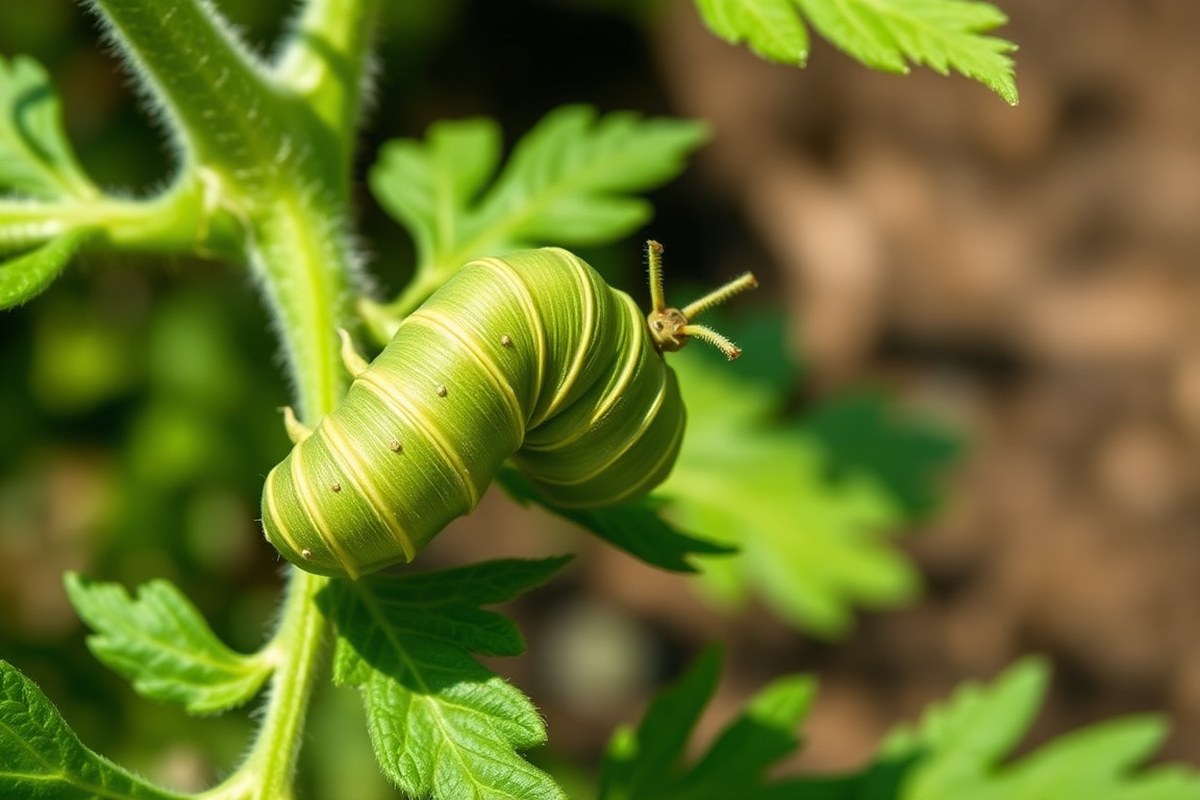
Are tomato hornworms poisonous is a question many gardeners ask. The short answer is no, these large green caterpillars are not poisonous to humans or pets. You can touch them without worry, as they don’t bite or sting.
Their size and bright color can be scary, but they pose no toxic threat. Still, it’s smart to handle them gently to avoid damaging your plants. Watch for their egg masses early on to keep their numbers low.
Removing hornworms early keeps your tomatoes safe without any poison risks. If you do get a skin reaction, over-the-counter hydrocortisone cream can ease the irritation and help fast.
Key Takeaways
- Tomato hornworms are not poisonous to humans or pets.
- They do not bite, sting, or cause skin irritation usually.
- Handle hornworms gently to protect your plants and yourself.
- Early removal of egg masses helps control hornworm populations.
- Use hydrocortisone cream to relieve any mild skin irritation.
- Watch for large, green caterpillars with white V shapes and a horn.
Are Tomato Hornworms Poisonous to Humans or Pets?
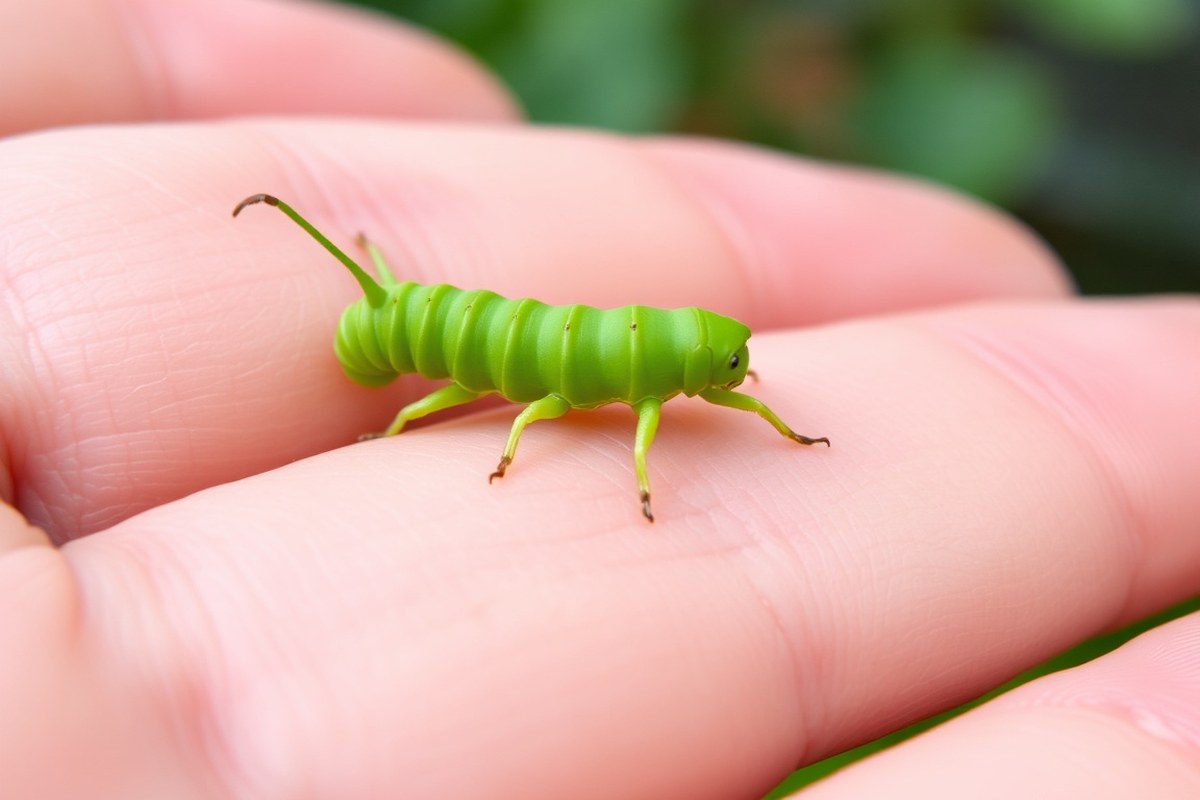
Tomato hornworms are not poisonous to humans. Their large size and bright green color often scare people.
But they pose no venom or toxin risk. They don’t bite or sting, so touching them won’t cause direct harm.
Some people may notice mild skin irritation from tiny hairs on the caterpillar. These hairs can cause itching or a mild rash.
They affect those with allergies or sensitive skin. Washing the area with soap and water usually clears up irritation within a day or two.
Tomato hornworms are also safe around pets like dogs and cats. They aren’t toxic if your pet accidentally sniffs or handles one. However, avoid letting pets eat them since swallowed hornworms might upset their stomach.
You or your pet might get itching, redness, or swelling after contact. Watch for a rash too.
For pets, watch for vomiting or diarrhea after accidental ingestion. Consult a doctor or vet if symptoms persist or worsen.
When handling hornworms, wear garden gloves to avoid skin irritation, especially if you have sensitive skin. Avoid crushing the caterpillar, as it may release a harmless but unpleasant green fluid. This fluid is just semi-digested plant matter and poses no real threat.
Remember these points: hornworms don’t bite or sting. They aren’t poisonous. Skin contact rarely irritates.
Wash your skin right away if you feel itching. Avoid scratching after that. Pet owners should stop pets from eating the worms but need not worry about mild exposure.
Physical Appearance and Identification of Tomato Hornworms
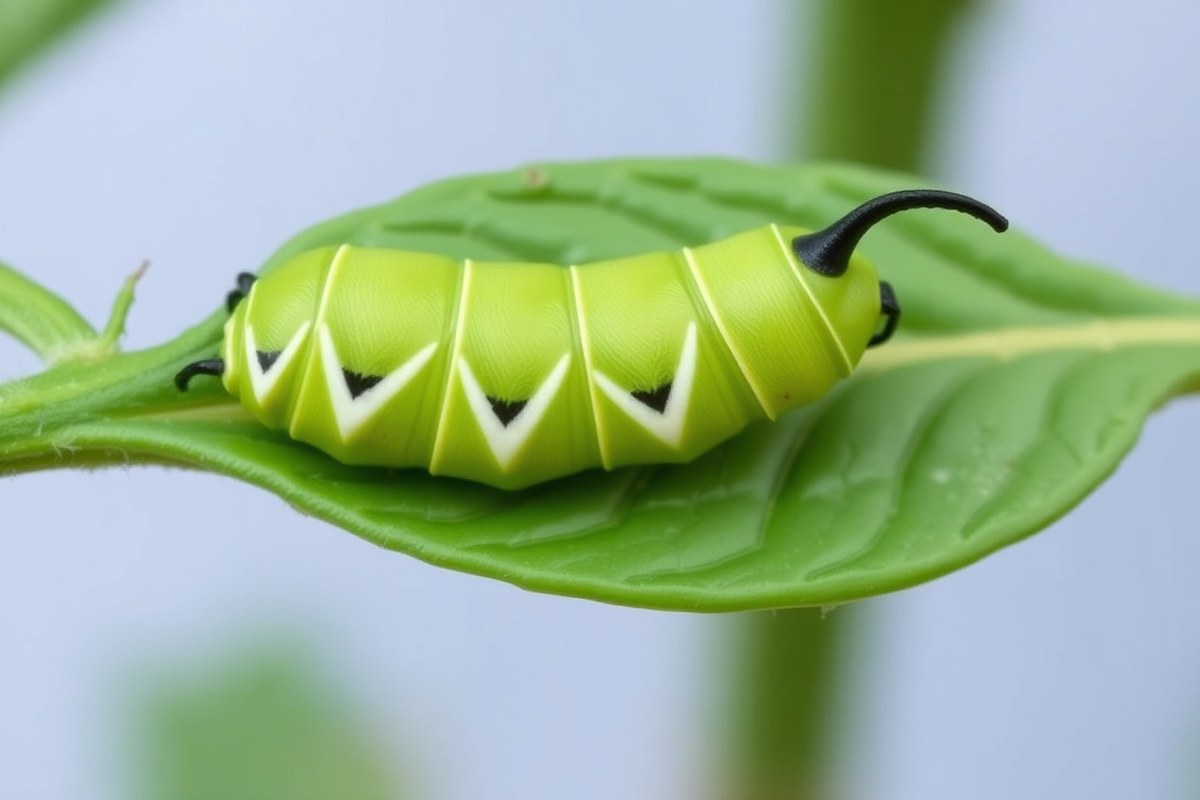
Tomato hornworms are large, pale green caterpillars with key features that help you spot them. You’ll notice eight white V-shaped markings along their sides and a dark horn at the rear. These features set tomato hornworms apart from similar garden pests like tobacco hornworms.
Size and Coloration
Tomato hornworms grow quite large, often reaching 3 to 4 inches long. Their bodies are a bright, pale green which blends well with tomato leaves. This camouflage makes them hard to spot until they’ve eaten a lot of foliage.
This green color sometimes varies to a darker shade. But tomato hornworms mostly stay bright enough to hide among garden plants. Their size and color help them hide from predators.
They feed on nightshade plants like tomatoes and peppers. This helps keep them safe while eating.
Markings and Horn Differences
Tomato hornworms have a clear feature you won’t miss. They each have eight white V-shaped marks down their sides. These markings are easy to spot when you look closely.
These marks are angled sharply and do not have black borders. At the rear end, a dark, curved horn points backward but contains no venom.
In comparison, tobacco hornworms show seven diagonal white stripes outlined in black. Their horn is bright red, not black or dark blue.
The horn acts as a defense display and never injects toxins. It warns birds and other animals that the caterpillar isn’t easy prey.
| Trait | Tomato Hornworm | Tobacco Hornworm |
|---|---|---|
| Coloration | Bright green, sometimes blackish | Bright green |
| Side Markings | Eight white V-shaped marks, no black edges | Seven diagonal white stripes with black edges |
| Rear Horn | Dark blue/black, curved backwards | Bright red, curved backwards |
| Purpose of Horn | Defense warning, no venom | Defense warning, no venom |
Confusing Lookalikes to Avoid
Tobacco hornworms resemble tomato hornworms but differ enough to tell apart. Checking the side stripes and horn color clears up which species you have. Tobacco hornworms have parallel stripes, while tomato hornworms sport those sharp V-shaped marks.
Other large green caterpillars without these markings won’t quite match the hornworm pattern. Check the horn, size, and side markings to identify them.
This helps avoid mixing them up with harmless caterpillars. It also prevents confusing them with other bugs.
Regular checks on tomato and pepper plants help catch hornworms early before they cause heavy damage.
Tomato Hornworm Life Cycle and Feeding Habits
The tomato hornworm’s life cycle lasts about 2 to 3 weeks from egg to adult moth. They feed aggressively on tomato plants, growing rapidly and causing noticeable damage. Understanding these stages helps you catch and control them early.
Egg and Early Larval Stages
The female five-spotted hawk moth lays tiny green eggs on the underside of tomato leaves. These eggs hatch in about 3 to 5 days. They release small larvae less than half an inch long.
At this stage, caterpillars feed lightly. They are hard to spot because of their small size and camouflage.
Removing egg masses early can reduce hornworm numbers significantly. You might find these egg clusters on leaf undersides.
They blend in with the plant in hidden spots. Since young larvae cause minimal damage, catching them now prevents bigger problems later.
Growth and Feeding Patterns
Tomato hornworms grow quickly, reaching up to four inches in just two weeks. Their feeding intensifies as they get larger, often stripping leaves and fruit from plants overnight. This rapid growth means plant damage can escalate within a few days.
They feed mostly in early morning and late evening. During the heat of the day, they hide.
The caterpillars chew through leaves, stems, and sometimes even tomato fruit. Larger hornworms are easier to spot because their size and feeding damage are more obvious.
By the time they’re over two inches long, hornworms have usually done serious damage. At this stage, handpicking or removal is necessary to protect your plants. Ignoring them when they’re big can lead to defoliated plants and lower tomato yields.
Transformation into Moths
After feeding for about two weeks, hornworms stop eating and burrow into soil to pupate. The pupal stage lasts about 10 to 14 days. The caterpillar changes into a five-spotted hawk moth.
The moth comes out with brown wings spotted with marks. It is ready to lay eggs and start the cycle.
Stopping hornworms before they pupate breaks their life cycle. This is the best way to protect your garden.
Target any remaining caterpillars before they disappear underground. Interrupting this stage reduces the number of moths and future egg-laying on your plants.
Common Misconceptions About Tomato Hornworm Toxicity
Tomato hornworms are not venomous or poisonous despite their scary look. They do not produce venom or harmful toxins that can hurt you. Touching or holding one causes no poisoning risk for humans or pets.
Hornworms Don’t Produce Venom
Tomato hornworms have no venom glands or stingers. The horn on their back might look dangerous.
But it’s just a harmless tail spike. It cannot inject venom or cause stings like some other caterpillars or insects.
They can’t bite or sting people or pets. Their mouthparts only chew leaves, not skin. So, the hornworm’s sting or bite fear is just a myth without any danger.
Toxins from Tomato Plants Are Not Hazardous When Touching
These caterpillars eat tomato plants, which contain natural toxins. Some toxins build up inside the hornworm’s body over time. These plant toxins don’t transfer through touching the skin.
They don’t harm people or pets by contact. So, touching hornworms or plants is safe for you and animals.
Gardeners can safely handle hornworms without worry about toxin transfer. Gloves are optional for comfort, not protection from poison. The caterpillar’s toxins only matter if they are eaten in large amounts.
Who Should Be Careful About Hornworm Toxicity
Pets, especially dogs and cats, may get sick if they eat many hornworms. The toxins collected by the caterpillar from the tomato plant can cause mild poisoning in pets. Watch pets that chew on hornworms closely.
Call a vet if they act strange. It’s better to be safe and check with a professional.
For humans, eating a hornworm accidentally is unlikely and not harmful. Wash your hands after working in the garden. This removes any plant or bug residues.
It helps avoid irritation or germs getting on you. Normal gardening hygiene is enough safety.
Common Myths Versus Facts
- Myth: Hornworms are poisonous to humans. Fact: Hornworms are safe to touch and handle.
- Myth: The horn on their back stings or injects venom. Fact: The horn is harmless and cannot sting.
- Myth: Touching hornworms transfers tomato plant toxins to your skin. Fact: Toxins do not transfer through skin contact.
- Myth: Pets are safe to eat hornworms anytime. Fact: Eating many hornworms may cause mild pet poisoning.
How to Handle Tomato Hornworms Safely in Your Garden
Handling tomato hornworms is generally safe with the right precautions. Wearing nitrile or latex gloves blocks their tiny urticating hairs and protects your skin from irritation. Wearing gloves stops plant sap from getting on your hands.
Sap can cause mild skin reactions. Gloves keep your skin safe from irritation.
Pick hornworms off your plants using gloves for safety. You can also use tongs to avoid direct contact. After handling, wash your hands well with soap and warm water.
- Wear nitrile or latex gloves before touching hornworms
- Use tongs if you prefer not to touch them directly
- Wash hands thoroughly with soap and warm water after handling
- Keep pets and children away from hornworms to prevent contact
- Avoid crushing hornworms on plants to protect beneficial insects
- Apply neem oil spray in the evening to deter feeding
- Encourage natural predators like parasitic wasps to control hornworms
When you find hornworms, handle them gently to avoid killing natural predators nearby. Many birds, wasps, and beneficial insects depend on hornworms for food. Leaving some hornworms alive for predators helps balance your garden’s ecosystem.
Wear gloves every time you remove hornworms to prevent skin irritation from their tiny, barbed hairs.
Notice skin irritation from hornworms? Apply a baking soda paste. You can also use an antihistamine cream from the store.
Doing this quickly usually calms redness or itching. Avoid handling hornworms with bare hands to reduce the chance of irritation or mess.
Timing matters too. Inspect tomato plants during early evening or night when hornworms are more visible on top.
Regular checks reduce infestation size and keep plants healthier. Pair removal with natural methods like crop rotation for best results.
Natural Predators and Biological Control Methods
Tomato hornworms face pressure from natural predators that can keep their numbers in check. One of the most important are parasitic wasps like Cotesia congregata. These wasps lay their white eggs on the hornworm’s back.
After hatching, the wasp larvae feed on the hornworm, eventually killing it. When you spot hornworms with white egg clusters, leave them alone to boost these helpful wasps.
Besides parasitic wasps, you can encourage other beneficial insects in your garden. Lady beetles and green lacewings also control tomato hornworms by eating their eggs.
Creating a garden habitat that welcomes these predators can reduce hornworm damage naturally. Use plants that attract these beneficial bugs and avoid broad-spectrum pesticides that might harm them.
- Parasitic wasps like Braconid wasps laying eggs on hornworms
- Lady beetles feeding on hornworm eggs
- Green lacewings consuming hornworm eggs and larvae
- Introducing Bacillus thuringiensis (Bt) as a biological insecticide
- Planting nectar and pollen-rich flowers to attract beneficial insects
Applying Bacillus thuringiensis (Bt) targets young hornworm larvae by disrupting their digestion. Bt is safe for beneficial insects and pets when used correctly. Spray Bt early in the season when larvae are small for best results.
Keep an eye on soil and plant conditions to support a healthy predator population. These methods cost little but protect your tomato plants without toxic chemicals.
Effective Methods to Get Rid of Tomato Hornworms Without Chemicals
Manual removal is the most direct way to protect your tomato plants. You can pick hornworms off by hand or use tools like tongs and a small net. This method avoids chemicals and stops hornworms quickly before they cause much damage.
Neem oil and Bacillus thuringiensis (Bt) sprays are organic choices. They control hornworms and don’t harm helpful insects. These sprays keep your garden safe and healthy.
Neem oil disrupts insect growth while Bt works as a natural toxin only on caterpillars. Both need careful application for best results.
Homemade sprays made from garlic or mild soap water may help. But they usually don’t kill hornworms.
These sprays work more as repellents and may need frequent reapplication. Still, they cost little and can be part of a pest management routine.
Follow this step-by-step guide to use neem oil or Bt sprays and remove hornworms by hand:
- Mix 2 teaspoons neem oil and 1 teaspoon mild dish soap in 1 quart of water.
- Pour the solution into a spray bottle and shake well before use.
- Spray the underside and tops of tomato leaves every 7 days, avoiding hot midday sun.
- For Bt, buy a product labeled for vegetable gardens and follow package directions.
- Check plants daily and pick off hornworms by hand using tongs or a small net.
- Put hornworms in a bucket with soapy water. Use 1 tablespoon dish soap for each gallon of water. This method kills the worms quickly and humanely.
- Repeat spraying after rain or watering to keep protection effective.
- Till soil in early spring to destroy any overwintering hornworm pupae.
Neem oil and Bt sprays cost about $10 to $20 per bottle. Each bottle treats roughly 500 to 1,000 square feet. They offer good coverage for most small gardens.
Picking off hornworms by hand takes only a few minutes per plant. You must do this every day when hornworms are most active. This keeps the damage from spreading.
Applying sprays before damage shows makes control easier. Don’t spray during the hottest sun hours; this can burn leaves. Manual removal works best when plants are checked regularly, so you catch hornworms early.
Using these methods together helps reduce hornworm populations naturally. This keeps your tomatoes healthy and your garden free of harsh chemicals.
Preventing Tomato Hornworm Infestations in Home Gardens
Watch your garden through the year to stop hornworms early. These pests thrive where tomato plants grow well. So look closely for eggs and young worms.
Use a blacklight at night to find them easily on plants. Check leaves and stems to catch them before they cause damage.
Keeping the garden clean is one of the best ways to block hornworms from settling. Remove plant debris and weeds around your tomatoes to destroy hiding spots for eggs.
Till soil early in spring to break the pupae life cycle. Do this before you plant your tomatoes and other crops.
Mulching and companion planting can help, but they work best alongside other efforts. Mulch keeps soil moist and can reduce weeds. But thick mulch could also hide hornworm larvae if you aren’t checking carefully.
Plant basil, marigolds, or nasturtiums near tomatoes to help repel pests. Effectiveness can change depending on your garden size and weather.
- Inspect plants weekly; focus on undersides of leaves
- Clear fallen leaves and weeds that harbor eggs and larvae
- Till or turn soil in early spring, before planting
- Use blacklight at night to spot hornworms early
- Plant basil or marigolds beside your tomatoes
- Apply a 2-inch layer of mulch, monitor closely under it
- Rotate crops yearly to avoid build-up of pests
Check mulch regularly for hornworm larvae hiding underneath to avoid surprise infestations.
Rotate tomato planting spots yearly to stop hornworms from finding their favorite feeding ground. This interrupts their life cycle by forcing pests to move to new areas.
Small gardens let you handpick worms once you see them. This helps reduce their population quickly.
Avoid over-fertilizing tomatoes with nitrogen. That can make plants more attractive to hornworms and encourage bigger populations. Balance feeding with compost or slow-release fertilisers and watch for signs of damage.
Step-by-Step Action Plan to Manage Tomato Hornworms
Follow these steps to identify, remove, and prevent tomato hornworms safely in your garden.
- Day 1: Inspect tomato plants closely for large green caterpillars with white stripes. Catch hornworms early before they cause damage.
- Day 2: Pick off hornworms by hand using gloves. Drop them into soapy water to stop them from coming back.
- Week 1: Introduce or encourage natural enemies like parasitic wasps or birds. Watch for small white cocoons on hornworms, showing control in action.
- Week 2: Use neem oil spray on affected plants in the evening. Check new leaves for damage to see if hornworm activity drops.
- Before planting next season: Remove all tomato plant debris first. Then till the soil to kill overwintering eggs or larvae. Reduced hornworm numbers next spring indicate success.
- Ongoing: Rotate crops annually away from tomatoes. Notice reduced hornworm visits on alternate crops like beans or peppers.
- Monthly: Monitor plants regularly for eggs or small larvae. Early detection makes control easier and less damaging.
Frequently Asked Questions
Can Tomato Hornworms Harm My Garden Soil?
Tomato hornworms do not harm soil directly. They feed on plant leaves but leave soil quality unchanged. Good soil care still helps your plants recover from any leaf damage.
Do Tomato Hornworms Spread Diseases to My Tomato Plants?
Tomato hornworms do not spread diseases to plants. They only eat leaves and stems. Regular checks for plant disease are still important to maintain healthy tomatoes.
Can Birds Eat Tomato Hornworms Safely?
Birds can eat tomato hornworms without harm. Birds are natural predators that help control hornworm numbers. Attract birds to your garden for natural pest control.
Are Tomato Hornworms Active During the Day or Night?
Tomato hornworms are mostly active during the night. They feed on plants in the evening and hide during the day. Check plants after sunset for signs of hornworm feeding.
Can Tomato Hornworms Survive in Cold Weather?
Tomato hornworms do not survive cold winter temperatures. They are more common in warm climates during growing seasons. Clean garden debris to reduce overwintering sites for pests.
Do Tomato Hornworms Harm Fruits or Just Leaves?
Tomato hornworms mainly eat leaves, not fruit. They strip foliage, reducing photosynthesis and plant health. Protect plants early to keep fruits safe and healthy.
Wrapping Up
Tomato hornworms are not poisonous to people or pets. You can safely remove them by hand or use natural controls. Start by checking plants often and acting quickly to keep your garden healthy.