Which Herbs Should Be Planted Together: A Complete Guide for Successful Growth
The best herbs to plant together have similar water, sunlight, and soil needs. Basil, parsley, and cilantro grow well side by side.
These herbs thrive in the same conditions and group nicely in your garden. Avoid planting sage and oregano too close since they can harm each other’s growth.
Match herbs with similar water demands and sunlight exposure. Most herbs need at least six hours of sun and well-drained soil. Give each herb enough space to prevent overcrowding and keep roots healthy.
Planting herbs with compatible growth habits also helps. For example, taller herbs like rosemary can provide shade to more delicate plants. This creates a natural microclimate and benefits both.
If you plant herbs in pots, choose containers 10 to 12 inches deep or larger. Deep pots help keep roots from drying out quickly. This helps your herbs stay healthy and productive.
Key Takeaways
- Plant herbs with matching water needs to avoid over- or underwatering.
- Give small herbs like thyme and chives 6, 8 inches of space.
- Use containers at least 14 to 16 inches wide for three or more herbs.
- Avoid planting sage and oregano within 5 feet of each other.
- Most herbs thrive with at least six hours of direct sunlight daily.
- Deep pots (10, 12 inches) keep roots moist and prevent crowding.
Which Herbs Grow Well Together in Pots and Gardens
Rosemary, thyme, oregano, sage, and marjoram thrive in pots or beds. They prefer full sun, well-drained soil, and a dry environment.
Use a 12 to 16-inch pot for about three herbs. Water lightly to avoid root rot and keep plants healthy.
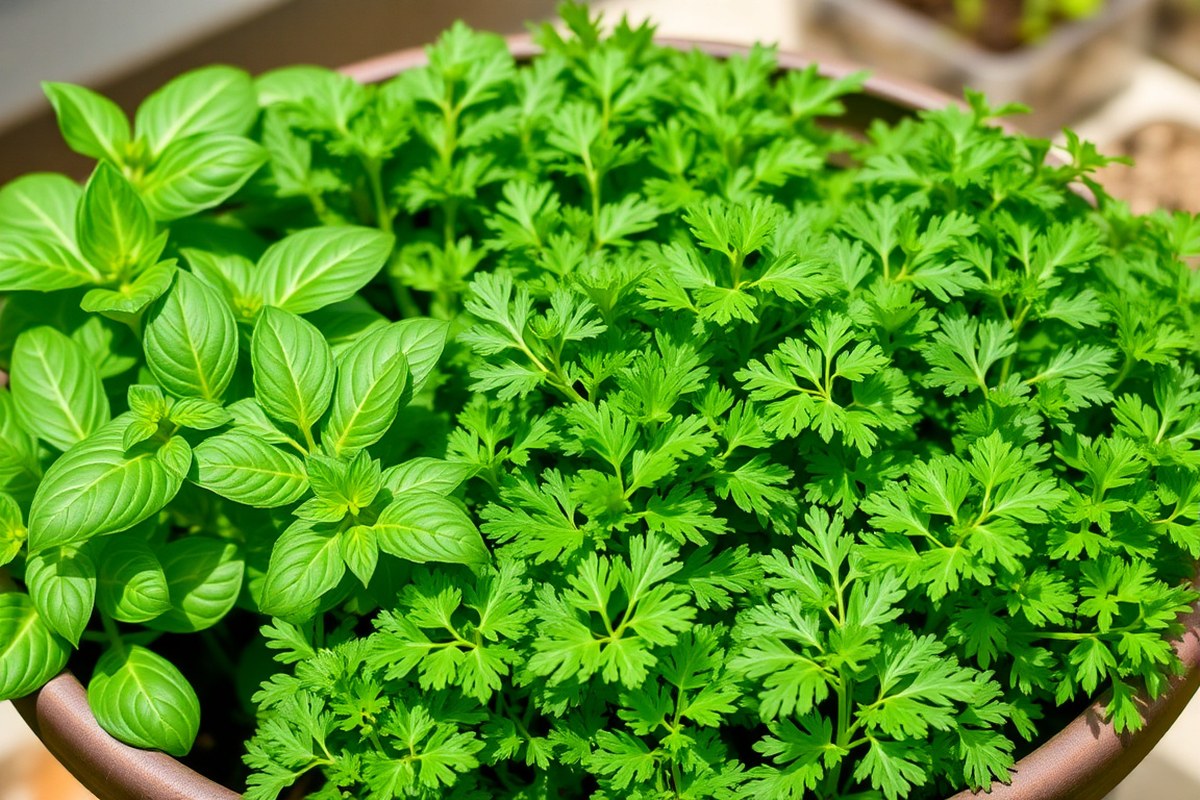
Basil, parsley, cilantro, and chives form another good group, especially for kitchen gardens. They prefer richer soil with steady moisture. So keep the soil evenly damp but not soaked.
Use a wider pot to give basil room to spread. This stops it from crowding the other herbs. They each get enough space to grow well.
For smaller spaces, thyme, oregano, and chives make a compact, flavorful team. Their growth rates and sizes are similar.
So they create a neat, balanced look in pots under 12 inches. These herbs also share light and watering needs, making care straightforward.
Choosing herbs with similar soil, watering, and sunlight needs helps them thrive together. Choose plants that grow at similar speed and height. This prevents them from crowding and shading each other.
Balanced growth keeps all herbs healthy and vibrant. Put these herb groups where their needs match the spot.
Mediterranean herbs like sunny, dry places. Moisture-loving herbs do better in shady, damp areas.
Planting compatible herbs together saves space and cuts down on maintenance. For example, Mediterranean herbs tolerate drier soil, while kitchen herbs like more moisture.
Mixing those types in one pot usually leads to uneven growth or weak plants. That’s why matching their environmental needs proves important.
In garden beds, group herbs by their sunlight and water demands. Sun-loving herbs like rosemary and thyme go together well in dry, well-drained spots.
Parsley, cilantro, and chives prefer part-shade and moist soil. So plant them where you can keep the soil evenly damp.
Why Some Herbs Should Never Be Planted Together
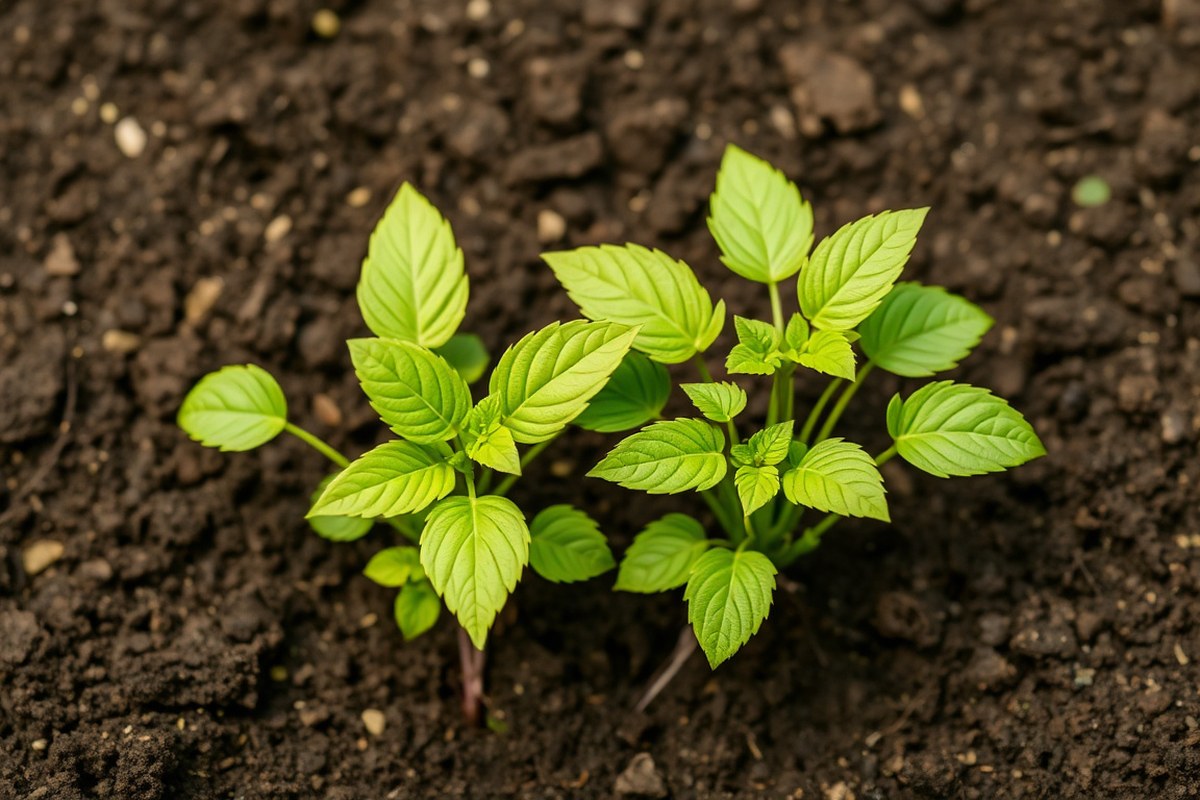
Some herbs should never share the same pot due to their clashing needs and growth habits. For example, Mediterranean herbs like rosemary and thyme need dry soil.
Basil prefers consistent moisture. Planting them together creates a watering conflict that stresses both herbs and stunts their growth.
Herbs with aggressive runners, such as mint and lemon balm, can quickly take over a container. They crowd out slower growers like parsley or cilantro and compete fiercely for nutrients and space. Keep these spreaders separate to stop competition between herbs.
Give each herb enough room to grow well and thrive. This simple step helps your garden stay healthy and strong.
Allelopathy happens when one herb releases chemicals that harm nearby plants. Some mints can do this, inhibiting the growth of other herbs nearby. You might see one herb’s leaves turn yellow.
Its growth could slow down when planted too close to an antagonist. These signs show the plants are competing badly. This signals that they aren’t compatible.
Pay close attention to how each herb reacts as they grow. One herb wilting or looking pale means trouble. Others growing fine show it’s not the whole garden.
This herb might be competing too much or facing chemicals from others. Moving them apart or switching containers may be necessary.
Keep mint and lemon balm in separate containers to avoid overcrowding and chemical interference.
Plant herbs four to six inches apart. This spacing lowers competition for light and nutrients. It helps all your herbs grow better and healthier.
When you plant, think about matching both moisture and sunlight needs. Grouping herbs with similar water demands together saves you time and avoids weekly guesswork.
Don’t plant annual and perennial herbs in the same pot. Annuals need replanting each year, which can disturb perennial roots. This stress lowers the chance of a healthy, long-lasting herb garden.
How to Group Herbs by Water, Sunlight, and Soil Needs
Matching herbs by water, sunlight, and soil needs helps them grow well together. Plants sharing similar conditions avoid stress and compete less for resources. Group herbs by these factors to improve health and yields.
Herbs Needing Steady Moisture
Herbs that like steady moisture need frequent watering to keep soil moist. These include basil, dill, parsley, and tarragon. They grow best in rich, well-drained soil but like the soil to hold water.
Plant moisture-loving herbs together to avoid under or over-watering. Mixing these with drought-tolerant plants leads to uneven care and poor growth. Moist soil keeps these herbs lush and flavorful.
Drought-Tolerant Mediterranean Herbs
Mediterranean herbs such as rosemary, lavender, sage, and oregano prefer drier soil. They need less water and thrive in well-drained, sometimes sandy soil. These herbs tolerate drying between watering.
Place these herbs where the soil dries quickly, like in full sun with good airflow. Overwatering can cause root rot and weaken these drought-lovers. Grouping them helps maintain the right dryness.
Herbs Suited for Partial Shade or Varied Soils
Some herbs like partial shade and tolerate varied soil types. Chives and mint grow well in partial sun and rich, moist soil. They can handle some shade and may prefer slightly cooler conditions than full sun herbs.
Watch tall plants for shading smaller companions even if they share sun needs. Matching soil and light preferences reduces competition and keeps growth balanced. Choose herbs that share these conditions for better joint planting.
Use this table to see which herbs grow well together. Match their needs and avoid conflicts. This helps your herbs thrive side by side.
| Herb | Keep Away From | Reason |
|---|---|---|
| Mint | Basil, cilantro, parsley, chives | Aggressive roots overtake the pot |
| Fennel | All herbs | Releases growth-inhibiting compounds |
| Rosemary | Basil, cilantro, parsley | Needs dry soil vs. Constant moisture |
| Lavender | Cilantro, parsley, chives | Drought-lover vs. Moisture-seekers |
| Dill | Basil, cilantro | Stunts their growth |
| Sage | Basil, moisture-loving herbs | Dry soil vs. Rich, moist conditions |
Group herbs with similar water, light, and soil needs. This helps them share nutrients and water better. Your herbs will grow stronger this way.
Avoid mixing drought-tolerant with moisture-loving herbs to reduce stress and failure. Use compatibility rules to plan your combinations well.
Essential Space and Container Size Guidelines for Herb Combinations
Most herbs need about 6 to 8 inches of space side to side. Choose containers at least 10 to 12 inches deep and wide. This allows roots to grow well and keeps soil moist longer.
Smaller pots drain quickly and crowd roots, stressing herbs. Bigger containers hold more soil and water, reducing frequent watering. If you plant two or three herbs together, aim for a container 12 inches wide or more.
Keep in mind how big the herbs get. Taller or bushier types, like rosemary or basil, need more room. Smaller, slower growers, such as thyme or chives, fit comfortably in smaller spaces.
- Pick a container at least 10, 12 inches deep for all herbs
- Allocate 6, 8 inches width per herb for healthy growth
- Place spreading herbs in separate pots or larger divided containers
- Avoid overcrowding roots to prevent poor growth or disease
- Use wider pots for 2-3 herbs to avoid competition
- Check herbs’ mature size before choosing container dimensions
Give each herb its own clear space in the soil to avoid root tangling. Overcrowded roots can slow growth or lead to wilting. Roots competing for nutrients and water can weaken all plants involved.
Growing herbs with enough room produces fuller leaves and better flavor. Watch how each plant grows and adjust spacing or pot size if one area looks crowded. Good airflow around the leaves also helps keep plants healthy.
Grouping Herbs by Growth Habits and Invasiveness
Herbs differ in how they grow. Some take up a lot more room than others. Mint, for example, spreads wide and fast, often crowding out nearby plants.
Plant mint in its own container with good drainage. Use a 10-inch pot to stop it from spreading. This way, your garden stays under control.
Compact herbs like thyme or chives stay small and tidy. These herbs do well when planted near sprawling ones, such as oregano or sage.
Spreading herbs can cover the soil and block weeds. Compact types fill in the gaps nicely.
Separate invasive herbs like mint to prevent them from overwhelming slower growers. Use barriers like pots or garden edging to stop roots from spreading underground. Check root growth every few months.
Spot runners escaping? Cut them back. Move the plant to a bigger container if needed.
Avoid planting aggressive spreaders next to herbs that need similar care. Mint and coriander are a good example. This helps prevent overcrowding and competition.
These plants compete for nutrients and space, which stunts their growth. Instead, pair herbs with different growth rates and habits to balance their space use.
Always keep mint isolated because its roots spread fast. It can also attract pests. This protects your other herbs and keeps them healthy.
When planting multiple herbs, observe their root habits as much as their foliage. Deep-rooted herbs need more soil depth.
So put them in larger pots or deeper beds. Shallow-rooted, compact herbs can share smaller containers with sprawling types if space allows.
For small gardens or windowsills, use separate pots for spreading herbs. Group compact herbs together in one container. This saves space and keeps plants happy.
This setup ensures each gets the right space without taking resources from neighbors. It also keeps your garden easier to manage.
Popular Herb Combos That Boost Flavor and Repel Pests
Planting the right herbs together can boost both flavor and pest control. Some pairs improve each other’s taste while naturally repelling bugs. This saves you money on pesticides and makes your meals tastier.
Flavor-Improving Herb Pairs
Basil planted near tomatoes makes both taste better, a favorite combo in kitchens. Thyme mixes well with rosemary because their similar flavors complement each other. Dill and parsley together improve their fresh, bright notes when harvested.
These pairs also share similar growing conditions, which helps them thrive side by side. You can plant them close in pots or garden beds.
Don’t worry about one plant overtaking the other. They grow nicely side by side without problems.
Try this list of flavor-boosting pairs:
- Basil and tomatoes
- Dill and parsley
- Thyme and rosemary
- Chives and garlic
- Cilantro and mint
- Sage and oregano
Plant herbs in these combos to get stronger, more vibrant flavors after just a few weeks. This also cuts down on needing extra seasoning when cooking.
Natural Pest-Repelling Combinations
Some herbs keep pests away while helping their companions grow. Garlic and chives together fend off aphids and beetles efficiently. Basil also drives off flies and mosquitoes, making it great near leafy herbs.
Marigolds and mint attract beneficial insects that eat harmful bugs. This adds a layer of pest protection beyond just repelling bugs chemically. You’ll see fewer pest problems without spraying anything toxic.
Try pairing these for natural pest control:
- Garlic and chives for aphid control
- Basil near leafy greens
- Mint with marigolds to attract helpful insects
- Rosemary to ward off beetles
- Thyme to repel cabbage worms
Use these combos in your herb garden and save time watching for pest damage. Your herbs will look healthier with less spotting and wilting.
Herb Pairings to Avoid
Not all herb combos work well, and some hurt each other’s growth or flavor. Avoid planting rue near basil or mint, as rue secretes chemicals that stunt other herbs. Fennel also takes over garden space and blocks light to nearby plants.
Strongly aromatic herbs like coriander can overshadow mild herbs such as chervil when planted too close. It’s better to separate them by at least 12 inches to avoid flavor contamination. Avoid pairing mint with oregano since mint spreads aggressively and crowds out oregano.
How to Plant, Arrange, and Maintain Multiple Herbs in One Container
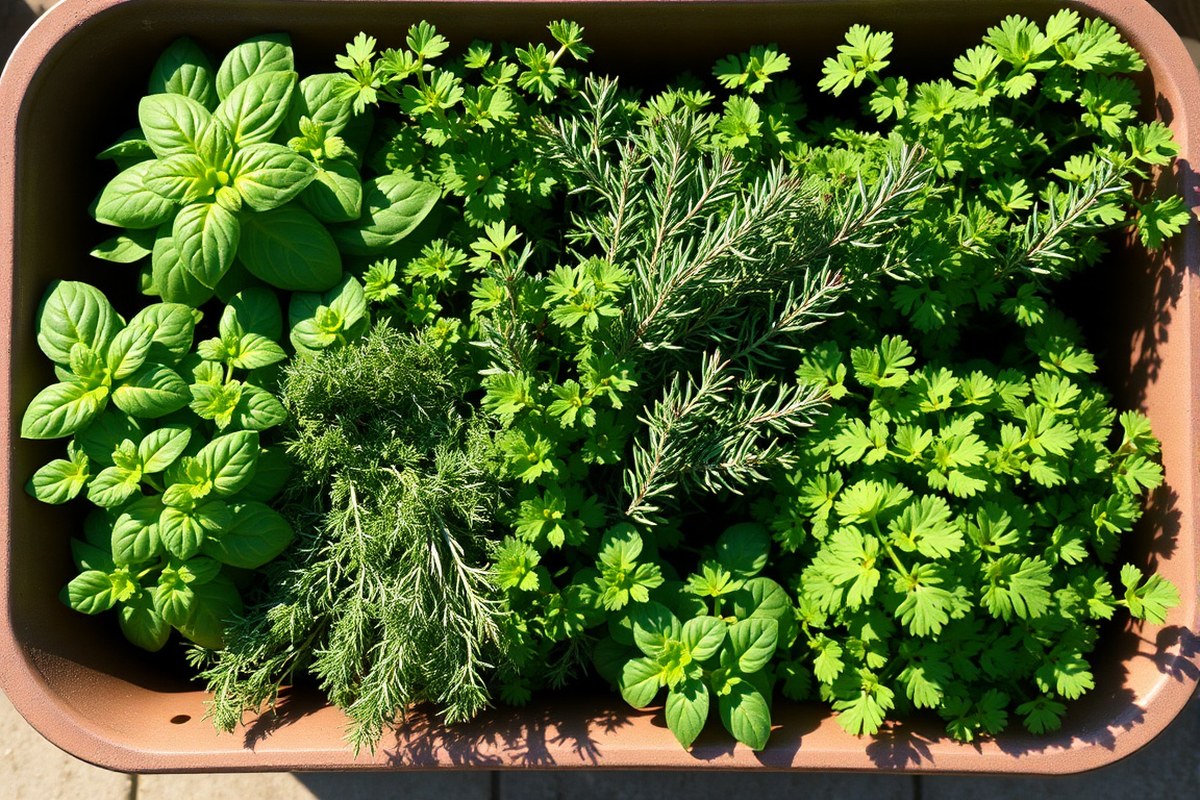
Planting multiple herbs in one container means careful arranging, watering, and harvesting. Start by grouping herbs by height and spreading needs so each gets enough light and space. Use a watering routine that suits all plants and harvest gently to avoid damaging neighbors.
Arranging Herbs by Height and Spread
Place taller herbs at the back or center if the container is round. Shorter herbs go in front or around the edges where they get enough light. Spread herbs with large root systems apart to avoid crowding and competition.
Choose a pot size that fits all herbs comfortably. An 18-inch round pot works well for several herbs. Give each plant space to grow without touching its neighbors.
Keep plants roughly 4 to 6 inches apart. The exact distance depends on how big the plant gets.
Watering and Soil Care Tips
Match water needs by picking herbs that prefer similar moisture levels. For example, rosemary, thyme, and lavender all thrive in well-drained soil and weekly watering. Avoid pairing basil, which likes moist soil, with drier herbs like sage in the same pot.
Check soil moisture regularly by sticking your finger about an inch deep. Water only when the top soil starts to dry. Overwatering leads to root rot, while underwatering stresses the plants and slows growth.
Harvesting Mixed Herb Containers Gently
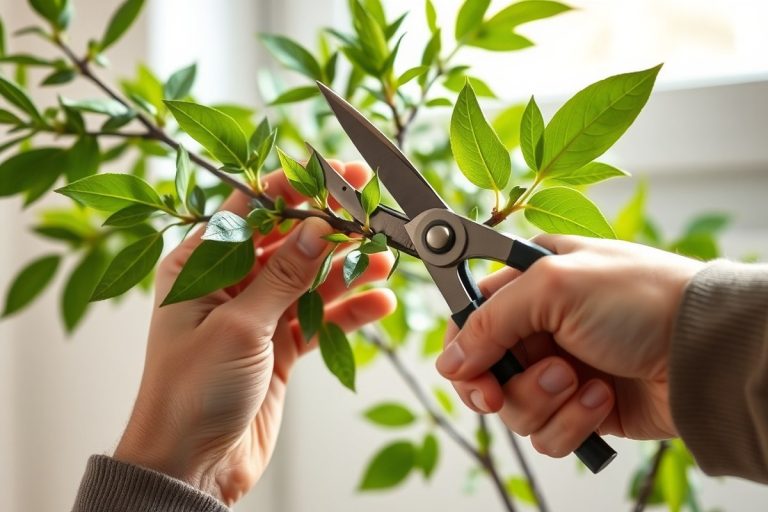
Harvest herbs when the leaves are dry, such as mid-morning after dew evaporates or early evening. Wet leaves can cause damage and promote disease. Use scissors or pruning shears to cut stems cleanly.
Cut only one-third of any herb at a time to keep the plant healthy. Trim herbs from the outer stems first to allow inner growth. Avoid disturbing roots or neighboring plants while reaching for stems.
- Choose a pot at least 18 inches wide for mixed herbs.
- Arrange taller herbs like rosemary toward the center or back.
- Plant shorter herbs such as thyme or parsley near the edges.
- Space plants 4 to 6 inches apart depending on growth size.
- Use soil that drains well and matches the herbs’ needs.
- Water herbs when the top inch of soil feels dry.
- Harvest herbs during dry parts of the day with clean scissors.
- Only cut one-third of any herb at a time, focusing on outer stems.
Annual vs Perennial Herbs: Should They Be Planted Together?
Annual and perennial herbs can share a garden bed or pot. But you must plan carefully. Perennials like rosemary, sage, and lemon balm grow back every year.
Annuals, such as some basil varieties, finish their life cycle in one season. These differences affect your garden’s look and maintenance.
Perennials develop strong root systems that live for years. Annual herbs send down shallower roots and need replanting each season.
Mixing these in one container risks root damage to the perennials when replacing annuals. It usually works better to plant them separately to protect root health.
Growth cycles change how often you water, prune, and fertilize. Perennials demand less frequent replanting but year-round care to keep them healthy. Annuals grow fast, so you need to watch them closely.
Their growing season is short. They stop growing once they produce seeds.
Here’s a quick comparison for planting annual and perennial herbs:
| Herb Type | Root System | Life Span | Maintenance | Best Use |
|---|---|---|---|---|
| Perennial | Deep, extensive | Multiple years | Ongoing pruning & watering | Long-term herb garden structure |
| Annual | Shallow, less developed | Single season | Frequent watering & seasonal replanting | Seasonal flavor or color |
When mixing, pick a large pot or bed and separate zones by lifecycle. This setup lets you water and feed each group according to their needs. Use taller perennials in the back or center to shelter annuals if outdoors.
Protect perennial roots by avoiding digging around them every year. Replant annuals in separate containers or outside beds to keep roots safe.
Don’t crowd herbs in small pots with different lifecycles. Overcrowding increases stress and disease risks. Also, watch soil moisture, perennials might prefer drier soil than thirsty annuals.
Plan your herb garden for easy maintenance by grouping herbs with matching lifecycles. It saves effort and helps plants thrive without root conflict or resource fights. This way, your garden can stay lively and productive all season long.
Signs Your Herb Combination Isn’t Working and How to Fix It
Look for early signs like yellowing, wilting, or stunted growth in your herbs. These symptoms often show a struggle in shared conditions. Uneven soil moisture is a common cause.
Some herbs like more water. Others like it dry.
One plant can get thirsty while another stays soggy. Their roots may compete or struggle. Crowded roots can also slow growth and invite disease.
Watch for herbs leaning away from each other or becoming leggy. These issues suggest your herbs aren’t getting enough space or proper care.
- Check soil moisture daily with your finger to find wet and dry spots.
- Adjust watering so all herbs receive what they need without pooling.
- Loosen soil gently around crowded roots to improve airflow and drainage.
- Trim overly long stems to encourage bushy growth and better airflow.
- Use a ruler or stick to maintain 6 to 12 inches spacing depending on herbs.
- Test soil drainage; if water pools, add sand or perlite for better flow.
- Replant herbs separately if they show consistent stress after fixes.
Start by watering your herbs carefully based on each one’s needs. Use a moisture meter or test by hand every day for about a week. One herb might dry out quicker than others.
Try putting it in a separate pot. That helps avoid overwatering or root crowding. Healthy herbs grow fuller leaves, strong stems, and show no yellow edges.
Space matters a lot. Most herbs need 6 to 12 inches apart to share nutrients well. Too-close plants fight underground and stunt growth.
When replating, use fresh potting mix and check for root rot or entanglement. Remove any stubborn herb carefully.
Water the remaining herbs lightly to prevent shock. The better matching your herbs’ water and spacing needs, the stronger your plants will be.
Step-by-Step Action Plan for Planting Herbs Together
Follow these steps to start a healthy, happy herb garden with compatible plants. Each step helps you avoid problems and boost growth.
- Before you start: Choose herbs with similar water, light, and soil needs. Test this by grouping herbs that thrive outdoors or indoors in the same spot.
- Day 1: Pick containers or garden space sized for your herbs’ mature growth. Check plant tags for spacing; pot diameter should fit the biggest root ball.
- Week 1: Plant herbs that share growth habits together. For example, put slow growers with slow growers to avoid overcrowding.
- Week 2: Add pest-repelling companions like basil near tomatoes to boost flavor and keep bugs away. Watch for any wilting or discoloration.
- Month 1: Monitor soil moisture closely. Water the most thirsty herbs without drowning drier varieties. Soil should feel moist, not soggy.
- Month 2: Trim fast-growing herbs regularly to prevent shading and crowding others. Healthy, green growth means your spacing works.
- Month 3 and beyond: Replace annuals each season while keeping perennials in place. Watch for signs of plant stress and adjust grouping or care as needed.
Frequently Asked Questions
What Herbs Should Never Be Planted Together and Why?
Some herbs compete for nutrients or give off harmful chemicals. Avoid planting basil near rue or dill near carrots to prevent growth issues and poor flavour.
Can Herbs with Different Water Needs Be Planted Side by Side?
Herbs with very different water needs do not thrive together. Group herbs needing the same moisture level for healthier growth.
How Close Can You Plant Herbs with Similar Sunlight Needs?
Plant herbs about 6 to 12 inches apart if they share sunlight needs. This prevents overcrowding but allows them to share light well.
Does Planting Herbs with Similar Root Depth Matter?
Yes, herbs with similar root depth grow better together. It avoids competition for soil nutrients and space underground.
Can You Mix Perennial and Annual Herbs in the Same Container Successfully?
You can mix them but plan to replant annuals each year. Give perennials room to grow without blocking annuals.
Which Herbs Improve Each Other’s Flavour When Planted Together?
Some pairs, like basil and tomatoes, improve flavour when nearby. Plant compatible herbs close for better taste and pest control.
Wrapping Up
Choosing the right herbs to grow together makes your garden stronger and easier to care for. Start with plants that match in water and light needs for best results. Now, grab your pots and seeds, and begin planting your first herb combo today.