How to Trim a Money Tree: Simple Steps for Healthy, Balanced Growth
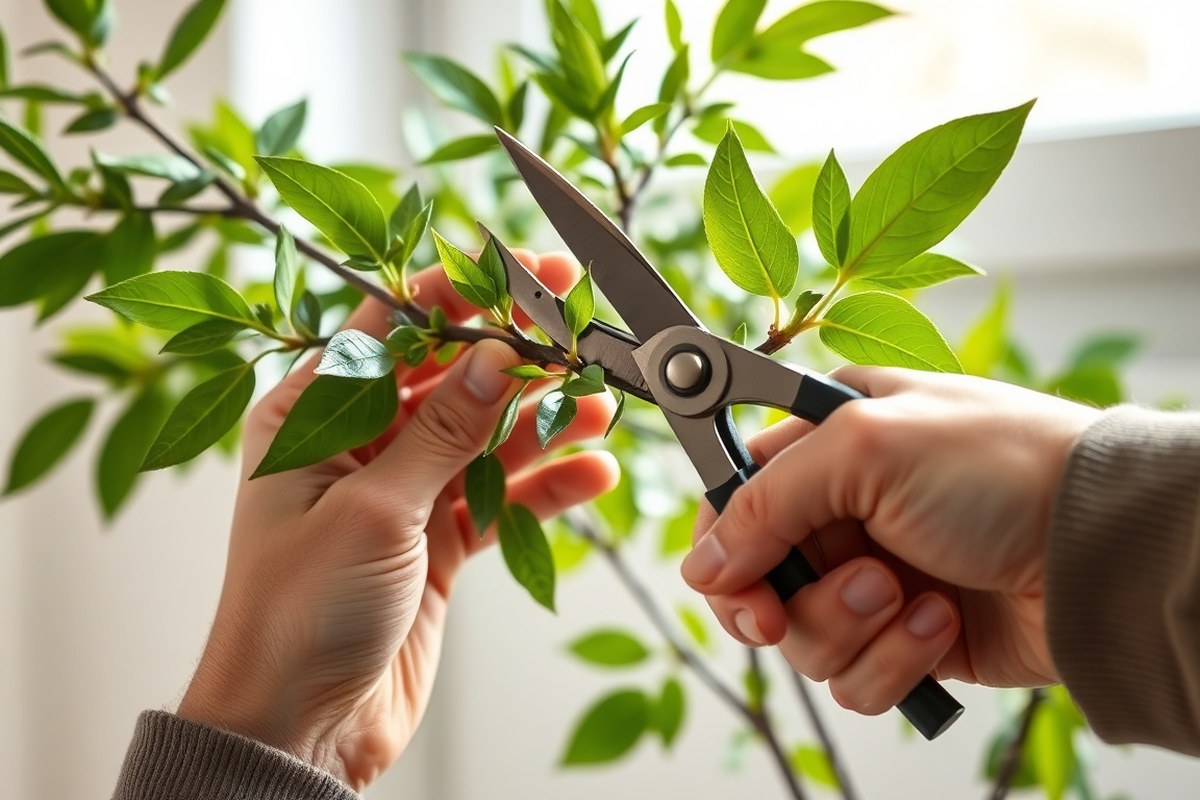
Knowing how to trim a money tree helps keep it healthy and looking good. Use clean pruning shears to cut just above a leaf node at a slight angle. Trim no more than 20 to 25 percent of the leaves at once.
This helps the plant avoid stress. Cutting more can harm growth.
Clean your trimming tools well to stop infections. Always pick bright spots with indirect sunlight. This helps your plant grow new leaves.
Pruning encourages a balanced shape and stops the tree from getting too tall or leggy indoors. Take your time and make clean cuts to help your money tree thrive.
Key Takeaways
- Use sterilized bypass shears to make precise cuts on your money tree.
- Make a cut above a strong leaf joint, between 0.5 to 1.5 cm high. Hold your scissors at a 45-degree angle. This method helps the plant heal quickly.
- Remove no more than 25% of your plant’s foliage during one session.
- Prune overgrown trees in two or three sessions spaced 2 to 3 weeks apart.
- Place your tree in bright indirect light after pruning to boost new growth.
- Only water your plant when the top 2 to 4 inches of soil feels dry. Use your finger to test the soil moisture before watering. This helps avoid issues caused by overwatering.
How to Trim a Money Tree Step-by-Step
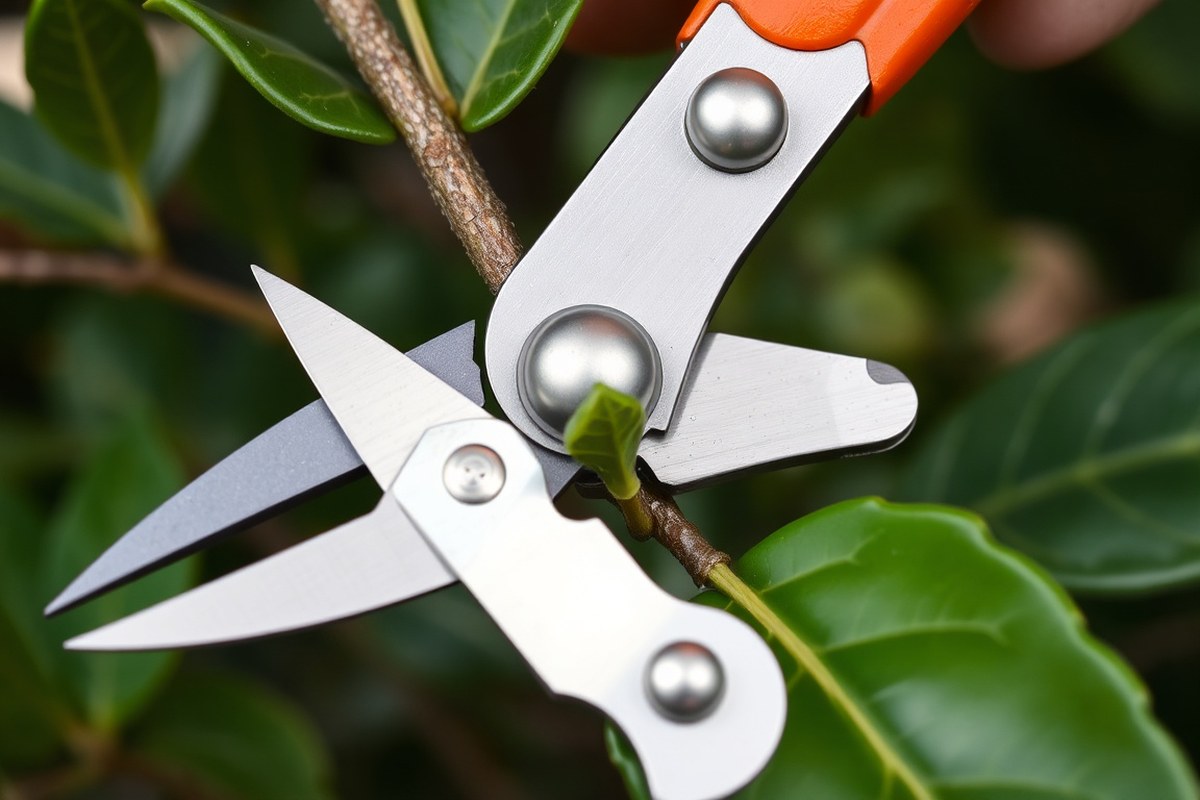
Trimming your money tree helps keep its shape and health balanced. You want to make clean cuts just above leaf nodes to guide future growth. Avoid removing more than about 25% of leaves at once to not stress the plant.
Use sharp, sterilized bypass pruners for best results. Cutting at a 45-degree angle encourages quick healing. Aim to prune in spring when growth resumes for faster recovery and fuller branching.
- Stand back and examine your money tree to spot overgrown or spindly areas. Decide which stems to trim to improve shape and density without removing too much.
- Hold your pruners clean and sharp. Cut each chosen stem about 0.5 to 1.5 cm (⅓ inch) above a healthy leaf node. This is where new leaves or shoots will grow.
- Angle the pruning cut at about 45 degrees away from the node. This helps prevent water pooling and disease.
- Trim no more than 20 to 25% of the foliage during any single session. This avoids putting too much stress on the plant.
- Remove any leggy or weak stems to encourage bushier growth. Cut back to a point where branches look full and even.
- Collect clippings and clean your pruners before and after the job to prevent spreading disease.
- Place your money tree in bright, indirect light after pruning. This helps it recover well. It can also encourage new growth quickly.
Well-trimmed stems have neat cuts that heal fast with new leaves sprouting near the cut. Avoid jagged or crushing cuts; these slow healing and invite infection. Trimming consistently keeps your money tree compact and full, not tall and sparse.
When Is the Best Time to Prune Your Money Tree?
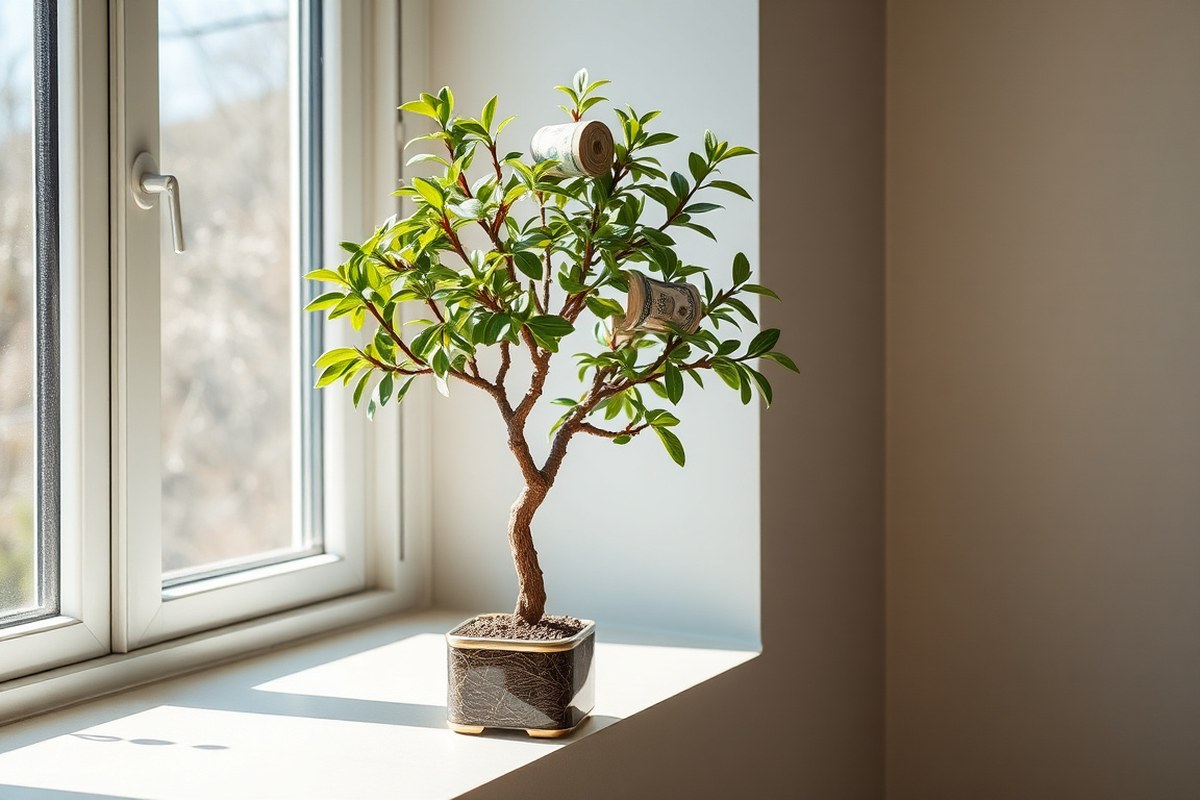
Prune your money tree mainly during spring, from March through May. This period suits the plant’s active growth, so it heals and grows back faster. You can prune in early fall, from September to October.
This happens when the tree grows again. Pruning then supports the new growth phase.
Avoid heavy pruning in winter because the tree rests. Its slower growth means cuts take longer to heal. You can still remove dead or damaged leaves any time.
But save major trimming for spring or fall. That keeps your plant healthy without stressing it.
Good light and temperature help your money tree recover after pruning. Bright, indirect light speeds up new growth.
Keep the room between 65°F and 75°F (18°C to 24°C) for best results. Colder conditions slow recovery and can cause extra stress.
Prune once a year in late spring to keep shape and size. Tall trees need slow pruning across several seasons. Water after trimming when the top 2 to 4 inches dry.
Use sharp and clean tools for pruning. Avoid heavy cuts during cold months. This helps your money tree stay healthy.
Tools Needed and How to Sterilize Them
Sharp pruning shears or garden scissors are your main tools for trimming a money tree. A pair of heavy-duty loppers or pruners may be needed for thick stems.
But avoid cutting into the braided trunk. Keeping your tools sharp helps make clean cuts that heal faster and reduce plant stress.
Cleaning your tools is just as important as using the right ones. Use rubbing alcohol and paper towels to wipe the blades before and after each cut. This stops germs and disease from spreading to your money tree and keeps it healthy.
- Sharp pruning shears for leaves and small branches
- Heavy-duty loppers for thick stems (not braided trunk)
- Rubbing alcohol for sterilizing blades
- Paper towels for wiping down tools
- Optional: small brush to clear debris from blade joints
Wiping your tools with alcohol takes less than a minute each time. Do it right before you start pruning.
Repeat if you switch plants or spots. Sterilizing cuts down on disease and keeps your money tree looking lush and green.
For thick stems or older growth, a sturdy pair of loppers makes cutting easier. Make sure your tools are clean. They must also be sharp.
Otherwise, they crush the stem instead of cutting it clean. Never prune the braided trunk as this can damage the whole plant.
How to Trim a Money Tree That’s Too Tall or Leggy
To reduce your money tree’s height safely, prune in stages, cutting back tall stems gradually. Leggy branches get cut just above a leaf node to trigger bushier growth. You can cut the top off to keep your tree balanced and fuller.
Cutting Tall Stems Gradually
Cut the tallest stems in phases to avoid stressing your money tree. Remove no more than 20% to 30% of the total height at once. Wait a few weeks between prunings to let the plant recover and push new growth.
Start by cutting tall branches back to a ‘V’ shaped node or leaf joint. This helps redirect the plant’s energy to lower buds. Keep your money tree in bright, indirect light each day.
It needs at least six hours daily to recover well. This light helps it stay healthy and strong.
Trimming Leggy Branches for Bushier Growth
Cut leggy branches back to just above a leaf node or branch junction. This encourages two or more new stems to grow below the cut, making your plant fuller. Always use sharp, clean pruning shears to avoid damaging the stem.
Leggy stems usually mean the plant lacks enough bright light. So aim for 1,500 to 3,000 foot-candles of indirect light. Pruning like this encourages dormant buds to grow along the branch.
This makes your money tree fuller. Over time, it will look much bushier.
Top Pruning and Shaping the Canopy
You can trim the top if the tree grows too tall. Cutting it also helps if it becomes top-heavy. This keeps the tree balanced and healthy.
Trim all overgrown branches on the top and sides to keep a balanced shape. Choose cuts where several branches meet the main trunk to promote even growth.
Shaping the canopy keeps your money tree from leaning or falling. Shorter, bushier plants come from cutting higher stems back to where they branch. Taller trees need only their uneven or weak growth thinned out to stay stable.
Here’s how pruning helps shape your money tree and control its growth:
| Pruning Action | Effect on Growth |
|---|---|
| Cutting top off | Controls size and encourages bushier branches |
| Pruning leggy stems | Redirects energy to dormant buds for fuller growth |
| Cutting back stems to nodes | Promotes two or more new stems from one cut |
| Removing overgrown branches | Keeps the tree balanced and evenly shaped |
| Thinning uneven growth | Prevents top-heavy, sparse, or leaning plant |
Following these pruning strategies stops your money tree from looking stretched or sparse. It lets you shape a healthier, balanced plant with fuller foliage and even height.
Effective Pruning to Encourage New Growth
Pruning a money tree encourages fresh shoots by directing energy to new buds. It removes old growth, which helps the plant stay vigorous. After trimming, your plant will grow new leaves and stems within a few weeks.
Provide Proper Light and Humidity
Bright, indirect light is key for your money tree’s recovery and growth. It needs at least six hours of such light daily to power new shoots. Keep humidity around 50 to 60 percent to prevent leaf droop and stress after pruning.
Use a humidifier if your home feels dry. You can also place a tray with water near the plant. Both help raise humidity around your money tree.
Avoid direct sunlight, which can scorch the tender new growth. Bright, indirect light and steady humidity help the plant regain strength faster.
Watering Post-Pruning Correctly
Water only when the top 2 to 3 inches of soil feel dry. This prevents overwatering, which can cause root rot. Check the soil regularly to avoid mistakes.
Overwatering can stress the plant and delay new growth. After pruning, check soil moisture often and water thoroughly but sparingly.
Keep the soil draining well. Avoid a fixed watering schedule for your money tree.
Its water needs change after trimming. Proper watering supports root health, which is critical for pushing out new leaves and stems.
Rotate the Plant Regularly
Turning your money tree ensures all sides receive even light. This prevents leaning and encourages balanced new growth. Rotate the plant a quarter turn every week or two after pruning.
Even light distribution helps shoots grow evenly around the plant. Without rotation, one side may grow faster and cause an uneven shape. Follow these steps to help your money tree grow fresh shoots after pruning:
- Identify the branches or leaves to trim, focusing on overgrown or crowded areas.
- Use sterilized sharp scissors or pruning shears to make clean cuts.
- Remove no more than 25% of the plant at a time to avoid stress.
- Place the pruned money tree in bright indirect light with 50-60% humidity.
- Check soil moisture often and water only when the top 2, 3 inches are dry.
- Feed the plant with a diluted balanced fertilizer about a week after pruning.
- Rotate the plant a quarter turn every 7 to 14 days to encourage even growth.
- Wait 3 to 4 weeks to see new shoots develop from cut areas.
Too much pruning at once can shock your money tree and slow growth. Cut only a few branches, then give the plant time to bounce back.
Pruning Dead, Diseased, and Damaged Leaves or Branches
Removing yellow, dead, or damaged leaves helps your money tree redirect energy. It stops the plant from wasting resources on parts that won’t recover. You can prune these leaves anytime to support healthier growth.
Diseased branches usually show signs like discoloration, soft spots, or mold. These parts can spread infections throughout the plant if you don’t act quickly. Pruning these sections improves the tree’s overall hygiene and appearance.
To avoid spreading any disease, sterilize your pruning tools before use. Wipe blades with rubbing alcohol or a bleach solution. Clean tools prevent infections from transferring to healthy parts of the tree.
- Check for yellow, brown, or withered leaves regularly
- Look closely for black spots, soft areas, or fuzz on branches
- Cut back to healthy tissue just above a leaf node or branch junction
- Use sharp, clean scissors or pruning shears for precise cuts
- Disinfect tools after pruning each diseased or damaged branch
- Dispose of removed material away from other plants
- Wear gloves to protect your skin from plant sap and pathogens
Start by isolating affected areas and cutting off damaged leaves or branches. Make clean cuts angled slightly downward to help water run off. Removing the damaged parts means your money tree can focus on growing fresh, healthy leaves.
Watch the plant for new growth after you prune. Healthy cuts encourage energy use in good spots. If yellowing or damage returns quickly, check your watering or humidity levels, since those can cause stress too.
How to Propagate a Money Tree from Pruning Cuttings
Propagating a money tree from pruning cuttings is simple and rewarding. Take healthy stems that have a few leaves. Cut just above a node.
Root them in water or soil. You can speed up rooting by using a hormone and the right humidity and light.
Choose Stems with at Least Two Nodes
Pick stems about 4 to 6 inches long. Make sure they have a couple of healthy leaf nodes.
Avoid woody or weak stems to get a better rooting chance. Cut about ⅓ inch above the node at a 45-degree angle to encourage new growth.
Removing the lower leaves keeps the cutting from rotting when placed in water or soil. Stem cuttings should feel firm and healthy without any yellow or brown spots. Pick stems that are neither too soft nor too old for the best results.
Apply Rooting Hormone Optionally
Dip the cut end in IBA rooting hormone powder or gel. This helps roots grow faster.
Use a concentration between 0.1 and 0.3 percent for indoor plants like money trees. It’s optional but improves the chances, especially if rooting in soil.
After applying the hormone, gently tap off any excess before planting the cutting. Make sure the rooting hormone you buy is made for houseplants to avoid harm.
You can skip this step if you plan to root cuttings in water. But it’s still helpful in soil.
Create Humidity and Light Conditions
Keep cuttings in bright, indirect light, avoiding harsh sun that dries them out. Keep humidity above 70 percent with a humidity dome or clear plastic bag.
Cover the cutting gently. High humidity prevents the leaves from wilting while roots form.
Ventilate by opening the plastic occasionally to stop mold or fungus. Place the cuttings near a window with filtered light, or use fluorescent grow lights. Too low light slows root growth, while direct sunlight can burn tender cuttings.
Monitor Rooting Progress
Roots usually start to appear in two to four weeks with proper care. Check for white roots about 1 to 2 inches long when gently tugging the cutting.
In water, fresh root tips signal success. In soil, look for new leaf growth above.
Change the water every few days if rooting in a jar to keep it clean. Keep soil moist but not soggy when rooting in soil to avoid rot. Remove unhealthy cuttings early to keep your propagation batch healthy.
Follow these exact steps to propagate your Money Tree:
- Cut a 4-6 inch stem from a healthy branch, with at least two leaf nodes.
- Remove lower leaves to expose nodes for rooting.
- Slice the base at a 45-degree angle about ⅓ inch above a node.
- Dip the cut end in rooting hormone powder or gel (optional).
- Plant the cutting in moist potting soil or place it in water.
- Cover with a plastic bag or humidity dome to keep moisture high.
- Put the cutting in bright, indirect light away from direct sun.
- Check for roots in 2-4 weeks and water or mist as needed.
Post-Pruning Care to Help Your Money Tree Recover
After pruning, water your money tree moderately. Keep the soil moist but not soaked to prevent root rot. Let the top inch of soil dry before watering again.
This helps the roots breathe. It also lets cuts heal properly.
Humidity plays a big part in your tree’s recovery. Aim for 50 to 60 percent humidity around your plant. Place a pebble tray filled with water under the pot.
This raises the moisture near your money tree. Using a small humidifier also works well, especially in dry homes. Avoid putting your plant near heating vents or cold drafts.
Sudden temperature changes cause stress. Keep the plant in steady room temperatures.
Light helps your money tree grow new leaves and branches after pruning. Place it where it gets bright, indirect sunlight for about 6 to 8 hours daily. Avoid direct sun because the leaves can burn, especially when they are tender after pruning.
- Water every 7 to 10 days, adjusting for your home’s humidity
- Maintain 50, 60% humidity with a pebble tray or humidifier
- Keep the tree away from vents, heaters, and drafts
- Provide bright, indirect sunlight for 6 to 8 hours daily
- Check and remove any new dead or damaged leaves promptly
- Wait at least 3 months before pruning again to allow recovery
- Watch for pests like spider mites or scale after pruning
Watch closely for pests like spider mites or scale after pruning. These thrive on stressed plants and open wounds. Wiping leaves gently with a damp cloth every few days can help too.
Spot disease signs? Remove those parts immediately. This stops the disease from spreading.
Keep pruning tools clean and avoid overwatering during recovery to prevent infection and root issues.
Give your money tree time to recover fully before the next trim. Waiting three months lets new growth harden up.
Pruning too soon can stress the plant and slow healing. Steady care after trimming helps your money tree bounce back strong and balanced.
Step-by-Step Action Plan for Trimming Your Money Tree
Follow this plan to keep your money tree healthy and well-shaped. Each step points out how to check your progress.
- Before you start: Gather sharp, clean pruning shears. Check if they cut smoothly and sterilize with rubbing alcohol.
- Day 1: Remove dead or damaged leaves and branches. Your tree looks cleaner and healthier right away.
- Week 1: Trim tall or leggy branches to shape the plant. The tree’s silhouette should look balanced and less spindly.
- Week 2: Check new growth for signs of bushiness. You should see fresh leaves near trimmed areas.
- Month 1: Propagate healthy cuttings in water or soil. Roots should start to appear in 2, 4 weeks.
- Month 2: Continue regular watering and avoid overfeeding. Your money tree should stay green and firm.
- After 3 months: Repeat light pruning if growth looks too sparse. The tree will stay full and compact.
Frequently Asked Questions
How Often Should I Trim My Money Tree?
Trim your money tree every 1 to 2 years for shape. This helps keep it healthy and prevents legginess.
Can I Trim My Money Tree If It’s Indoors All Year?
Yes, indoor money trees benefit from trimming to control size. Just use clean shears and avoid over-pruning.
What’s the Best Way to Trim Money Tree Leaves Without Harming the Plant?
Cut leaves close to the stem with sharp, sterilized shears. Avoid tearing to prevent disease or stress.
Can Pruning Help Fix a Money Tree with Brown Leaf Tips?
Pruning damaged leaves stops stress and invites new growth. Trim brown tips carefully and check watering habits.
Should I Trim the Braided Trunk of a Money Tree?
Generally, do not trim the braided trunk; it can stress the tree. Focus on trimming branches and leaves instead.
How Do I Trim a Money Tree to Keep It Compact in a Small Space?
Cut back long branches gradually, removing no more than 25% of foliage each time. This keeps size in check.
Wrapping Up
Trimming your money tree controls its size and encourages strong growth. Start by removing damaged leaves today. Watch how pruning makes your plant healthier and fuller over time.