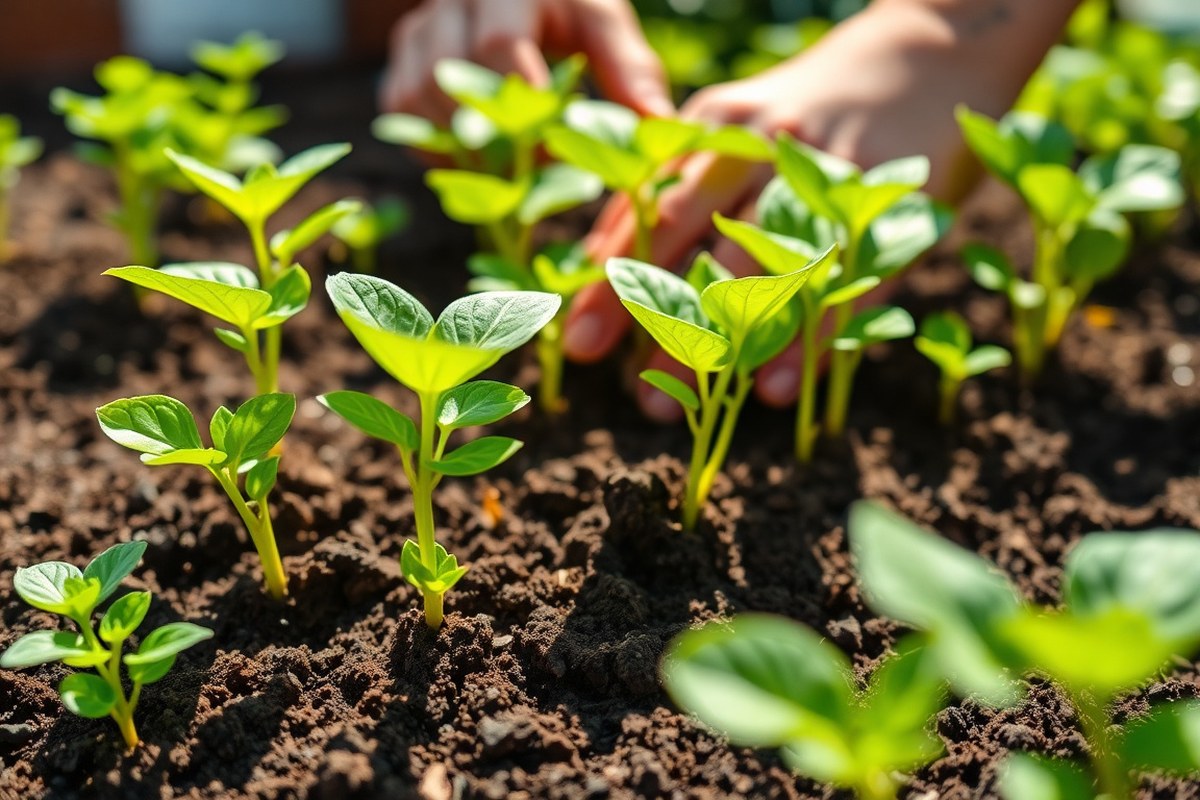
How to Grow Plants: A Complete Guide with Practical Steps and Tips
How to grow plants can seem tricky. But it’s mostly about meeting their basic needs.
Plants need the right light, water, temperature, and soil to thrive. Start by picking seeds or starters that match your space and climate.
Give new plants steady moisture and warmth between 64 and 77 °F for the best start. Avoid letting seeds dry out or get too cold, or they won’t sprout well. Pick soil that is loose and drains well.
Aim for a pH near 6. Use more acidic soil only if the plant needs it.
Light matters a lot, especially indoors. Use fluorescent bulbs less than two years old to give seedlings enough energy. Keep young outdoor plants safe from strong wind.
Let them get early morning sun. This helps them grow strong.
Key Takeaways
- Keep soil evenly moist and maintain temperatures around 64, 77 °F for seed germination.
- Use fresh fluorescent bulbs, not compact ones, for indoor seed starting light.
- Select soil with good drainage and a pH near 6 for most plants.
- Expose new outdoor plants to 2, 3 hours of morning sun while sheltering them from wind.
- Don’t delay transplanting seedlings; 7 to 10 days late can stunt growth.
- Maintain indoor humidity between 30% and 65% to support healthy plant and human breathing.
What Do Plants Need to Grow Successfully?
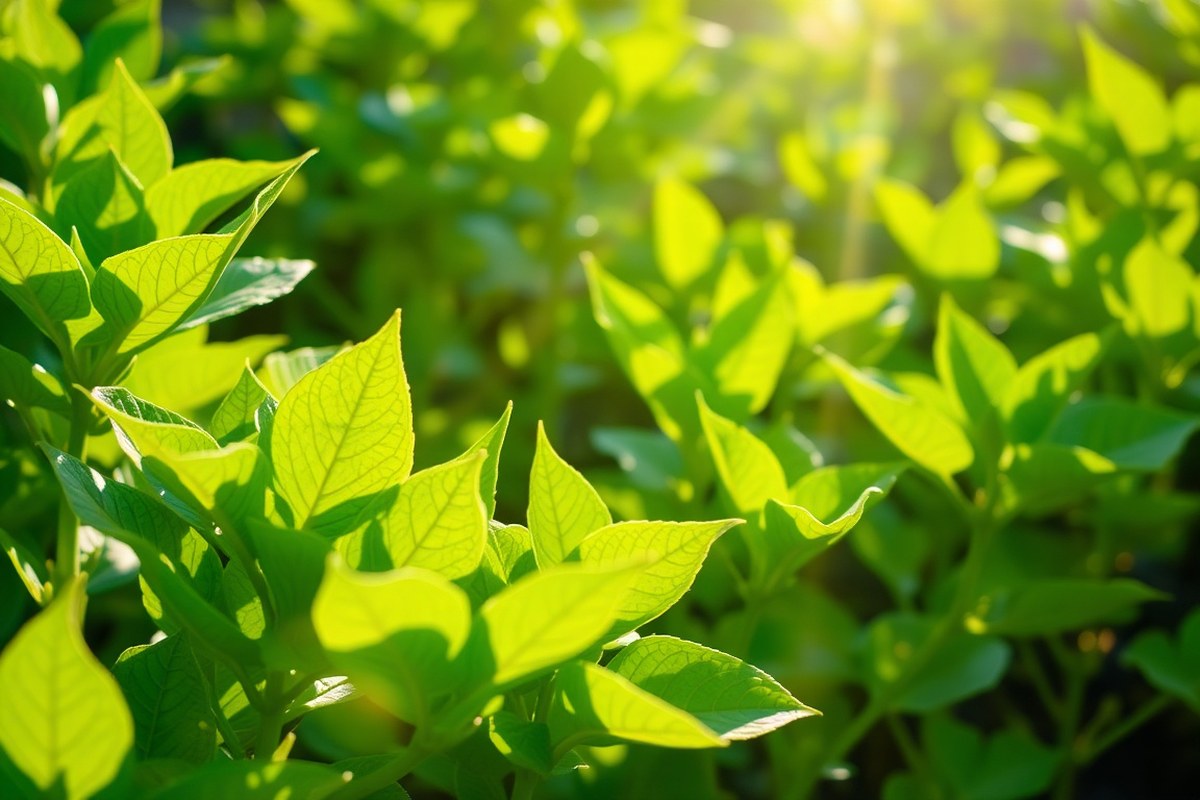
Plants need four main things to grow well: light, water, soil, and air. Light provides energy through a process called photosynthesis. Plants take in sunlight, water, and carbon dioxide.
They use these to make their own food. They also produce oxygen during this process.
Water carries minerals from the soil to the plant. It also keeps the plant’s cells full. Full cells help the plant stay firm.
Too little water slows growth, but too much causes root rot. Most plants grow best with moist soil.
The soil should never be soggy. Keep the soil damp but not soaking wet.
Good soil does more than just hold the plant up. It protects roots, supplies nutrients, and helps air and water reach the roots. Some plants, like air plants, don’t need soil but must get moisture from misting or soaking.
Use soil with the right texture and nutrients for your plant type. Check that it drains well to avoid water buildup.
Air around plants holds carbon dioxide. Plants use this gas to make food. They need water and light for that process too.
They also need oxygen for respiration, a process that releases energy for growth. Without fresh air circulation, plants can suffer and dry out or get diseases.
Make sure your plant gets enough light. Six to eight hours of sun or grow light fits most. The exact time varies by plant type.
Water plants based on soil moisture and size. Usually, once a week is enough. Hot weather means you should water more often.
Ensure soil stays loose and not compacted to allow air flow around roots. For indoor plants, open windows or use fans occasionally to provide fresh air.
How to Start Growing Plants from Seeds or Starters
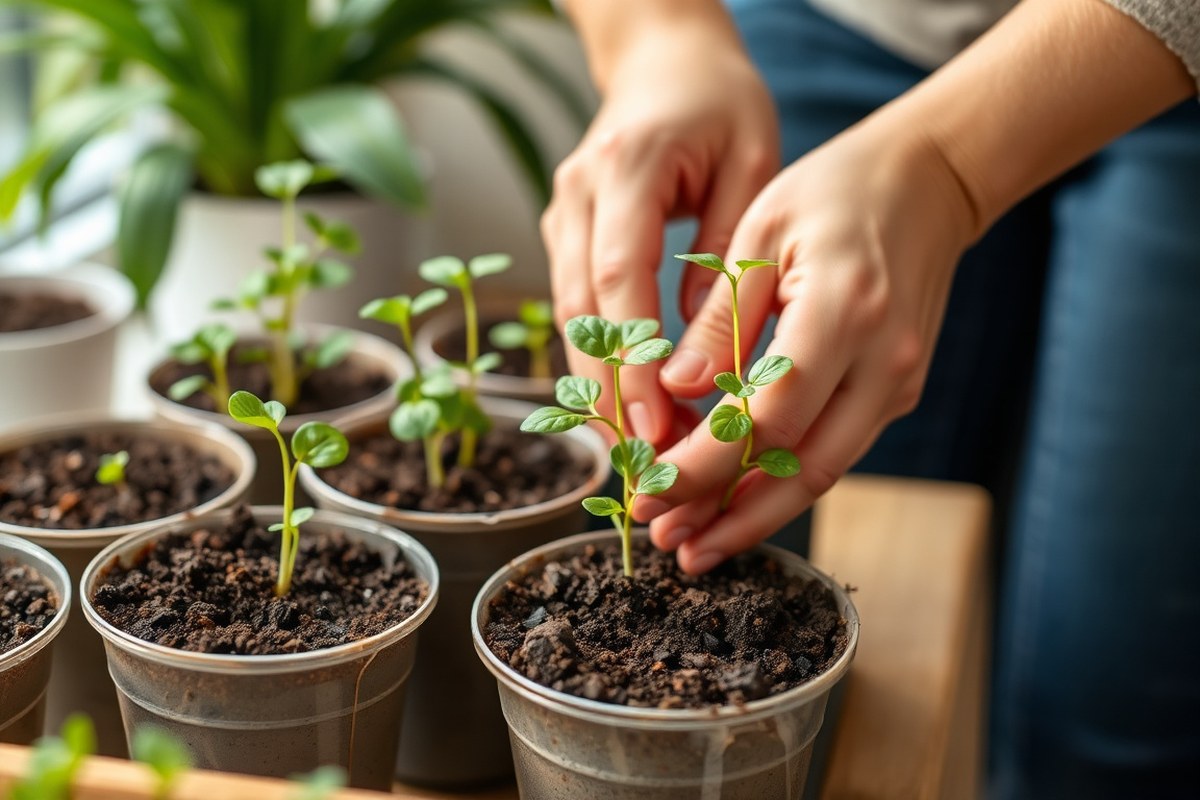
Starting plants from seeds or starter plants depends on your time and type of plant. Seeds need steady moisture and warmth near 70°F to sprout in days or weeks. Starter plants save time but require gentle handling to avoid damage during transplanting.
Seed Germination Step-by-Step
Follow clear steps to help your seeds sprout strong and healthy. Soaking some seeds can speed up germination before you sow them.
- Soak larger seeds in water for 4 to 12 hours if recommended for your variety.
- Sow seeds at the right depth, usually twice the seed’s width in loose soil.
- Moisten the soil gently without flooding to keep it evenly damp, not wet.
- Cover seeds with a thin layer of soil or vermiculite to keep moisture in.
- Place the container in a warm spot, ideally between 64 and 77 °F (18, 25 °C).
- Keep the soil moist by misting or light watering daily as needed.
- Wait patiently; most common vegetable seeds sprout between 5 and 14 days.
- Once seedlings emerge, provide indirect light until they develop true leaves.
Don’t overwater seeds. Too much moisture causes rot and weak roots.
Starter Plants: When and How to Use Them
Choose starter plants when you want faster crops or when seeds are tricky to start. Starter plants cost a bit more but help avoid early failures.
Handle plants by the top two leaves, not stems, to prevent bruising. Water plugs before planting them in prepared soil to reduce transplant shock.
Give plants shade for a few days after moving them outside. Then slowly expose them to full sun over time.
This helps prevent leaf burn and stress. Keep soil moist but not soggy for the best recovery.
Never pull starter plants from containers by the stem. Use gentle pressure on the leaves instead.
Ideal Conditions for Seed Starting
Seeds need warmth between 64 and 77 °F (18, 25 °C) for steady germination. Some seeds benefit from a cold period before starting, checked by the seed packet instructions.
Light is less important until seedlings appear but becomes important once they sprout. Use fluorescent grow lights if natural light is weak or inconsistent at first.
Humidity helps keep seeds from drying out, but good air flow prevents mold. A clear plastic cover can maintain moisture until sprouting then should be removed to avoid fungus.
Choosing and Preparing the Right Soil or Growing Medium
Soil type matters because different plants need different nutrients and textures to grow well. Most plants prefer soil with a pH between 5.0 and 7.0.
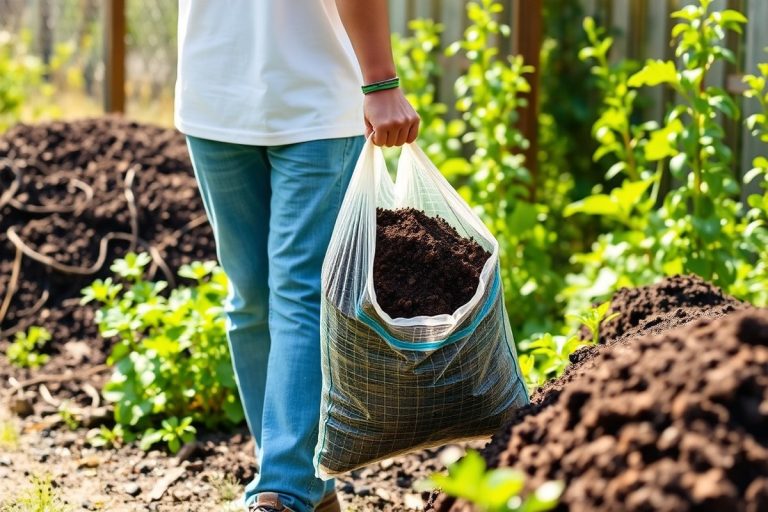
This range helps nutrients stay available for roots to absorb. You can improve soil by adding compost or garden amendments to balance nutrients and structure.
Compost adds organic matter that feeds microbes and holds moisture. For indoor potted plants, natural compost keeps soil replenished. Without it, you need to fertilize regularly.
Amendments like sand, peat moss, or perlite change the soil’s drainage and aeration. This is helpful if your soil is heavy clay or sandy.
Plants with tap roots, like carrots, need deep, loose soil. Shallow-root plants prefer lighter, well-draining soil. You can grow some plants without soil.
Use growing mediums like coco coir. Hydroponic setups also work well. These mediums hold moisture and nutrients differently, needing specific care.
Here’s a table showing common soil types, nutrients they provide, and ideal plant uses. Use it to pick or amend soil depending on what you want to grow.
| Soil Type | Key Nutrients | Best For | How to Improve |
|---|---|---|---|
| Loamy Soil | Nitrogen, Phosphorus, Potassium balanced | Vegetables, Flowers, Most garden plants | Add compost to maintain fertility |
| Clay Soil | Rich nutrients but poor drainage | Trees, Shrubs, Water-loving plants | Mix sand or perlite to improve drainage |
| Sandy Soil | Low nutrient content, drains fast | Succulents, Root vegetables | Add compost or peat moss to retain moisture |
| Peaty Soil | Acidic, rich in organic material | Acid-loving plants like blueberries | Ash or lime to reduce acidity if needed |
| Coco Coir (Growing Medium) | Holds water, low nutrient content | Indoor plants, Hydroponics | Feed with liquid fertilizer regularly |
To improve soil, first check your garden’s soil type by feel or a test kit. Mix about one part compost per three parts soil for better nutrients. Use perlite or sand when soil is dense or compacted.
Stir it in to loosen the soil. Avoid adding too much of any one amendment at once.
For plants in pots, soil should stay damp but never soggy, with good airflow. Use potting mixes rich in organic matter and drain well.
Without compost, regular feeding with balanced fertilizer helps keep plants vibrant. You can also try rooting powder with cuttings to help them grow roots directly in soil.
Providing the Right Water and Humidity for Growth
Watering plants depends on their type, size, and growing environment. Most garden plants need deep watering once or twice a week during the growing season. Indoor plants usually require less water.
Dry air makes plants need water more often. It pulls moisture from their leaves.
Signs of overwatering include yellowing leaves, soggy soil, and slow growth. Underwatered plants have dry soil, wilting, and brown leaf edges. Check soil moisture by sticking your finger about two inches deep.
Feel the soil. Water the plant when it feels dry.
Humidity affects how much water plants lose. Indoor air is often dry, especially in winter, causing plants to lose water faster.
Tropical plants need humidity around 50-60%. You can increase it by misting leaves or placing a humidifier nearby.
- Water garden beds deeply, letting water soak 6 to 8 inches down.
- Use a watering can or drip irrigation for containers, watering until it drains out.
- Mist tropical indoor plants daily if air feels dry.
- Water succulents and cacti sparingly, letting soil dry completely between waterings.
- Check soil moisture before watering to avoid overwatering.
- Adjust watering frequency seasonally; plants usually need less water in cooler months.
The container type changes watering needs. Containers dry faster than garden beds. So water them more often but with less volume.
Always provide good drainage holes to avoid root rot. Garden beds retain water longer but can also suffer during heat spells if not watered enough.
Some plants respond better when watered early morning or late afternoon. Watering during hot midday hours can cause evaporation loss. Deep watering encourages roots to grow downward, which builds stronger plants that tolerate dry spells better.
Understanding Light Needs for Indoor and Outdoor Plants
Your plants need different light amounts depending on the type. Most plants do best with six to eight hours of direct sunlight daily. Artificial lights like LEDs or fluorescents also help indoor plants grow when natural light is limited.
Types of Natural Light and Their Effects
Full sun means the plant gets six to eight hours or more of sunlight daily. Plants like tomatoes and peppers usually need full sun to thrive. Partial sun or partial shade means three to six hours of direct sun each day.
Partial shade and partial sun are similar. But partial shade leans toward less intense light.
Full shade means less than three hours of sunlight a day. Most ferns and hostas prefer full shade conditions.
Choosing Artificial Lighting for Growth
Fluorescent lights work well for most indoor plants and are affordable. They produce enough light and stay cool.
So you can keep lights close to plants. LED lights are more expensive upfront but last longer and use less energy.
Incandescent bulbs are less ideal since they give off more heat and less usable light. You can grow plants under fluorescents or LEDs. Keep the light on 12 to 16 hours daily.
This helps your plants get enough light to grow well. This mimics natural sunlight cycles indoors.
Keep artificial lights 6 to 12 inches above plants to avoid burning leaves.
Adjusting Plant Placement for Light
Plants with pale, stretched leaves usually suffer from too little light. Leaves turning brown or scorched often mean too much direct sunlight.
Cut back on the light to help. Move low-light plants to north or east windows for gentler illumination.
Full sun plants belong near south-facing windows or outdoor beds with direct sun. For plants indoors, aim to rotate them weekly so all sides get light evenly. Watch your plants’ responses and adjust their spots as needed.
How Temperature and Seasonal Changes Affect Plant Growth
The ideal temperature for most plants falls between 65°F and 75°F during the day. Nighttime temperatures about 10°F cooler usually work well.
Below 50°F, many plants’ growth slows down, and above 85°F, heat stress can happen. This range supports photosynthesis, which plants use to make food from light.
Heat stress causes leaves to wilt and colors to fade. Cold stress can make leaves brown or drop early. Both stresses slow growth and reduce how much food plants make.
Some plants, like tomatoes, stop growing if it stays too cold. They also stop if it stays too hot for days. This can harm your garden’s yield.
Plant dormancy happens when growth stops in cold or dry seasons. This resting period often starts in late fall or early winter as temperatures drop.
Trees and bulbs prepare by slowing down energy use. During dormancy, you should water plants less, since they aren’t actively growing.
Season changes mean adjusting watering and light to match plant needs. In spring and summer, plants need more water because they grow faster.
Indoor plants might also need more sunlight, so move them closer to windows. Watch for root dryness every few days during warmer months.
In fall and winter, decrease watering to about half the summer amount. Less light means plants use less water and grow slower.
Avoid moving houseplants near cold drafts or heat sources, as sudden temperature shifts stress them. For outdoor plants, mulching helps keep roots warm in cooler months.
Heat-loving plants, like peppers, should be shaded during the hottest afternoon sun. Cold-hardy plants need less frequent watering but still require some moisture. From spring to fall, check plants every week for signs of stress.
Look for wilting leaves or leaves that fall off. Catch heat or cold problems early this way.
Adjust your care routine as seasons change by noting temperature and light differences. Use a thermometer near your plants to track temperature swings. Watching plants often helps you decide when to water less or more.
It also shows when plants need extra light or shade. You can keep them healthier this way. Over time, the changes will become easier to spot and manage.
Transplanting, Pruning, and Supporting Plant Growth
Transplant seedlings when their roots fill the pot. Move them once they have two sets of leaves. This helps them grow strong and healthy.
Prune plants to remove dead or crowded growth, which helps them grow stronger and bloom better. Use supports like stakes and cages to keep stems upright and prevent damage.
Timing and Technique for Transplanting
Seedlings need more space when roots start circling the pot or poking from drainage holes. Move them before they become root bound to avoid stunted growth. Transplant outdoor plants after the last frost date and when soil temperatures reach at least 50°F. Gradually harden off seedlings by exposing them to outdoor conditions over a week.
Handle seedlings by their leaves, not stems, to avoid damage. Keep soil moist to reduce stress.
- Prepare the new pot or garden spot with loose, nutrient-rich soil.
- Water seedlings a few hours before transplanting to firm the soil around roots.
- Gently lift seedlings by leaves, loosening roots if they’re tightly packed.
- Place seedlings in holes at the same soil depth as before.
- Fill around roots with soil and press gently to remove air pockets.
- Water immediately after transplanting to settle the soil.
- Keep plants in shade for a day to help recovery.
Pruning Basics for Healthy Plants
Prune dead, damaged, or crowded branches to improve airflow and light access. This reduces disease risk and encourages strong growth.
Prune flowering plants right after they bloom to avoid cutting future buds. For fruiting plants, remove weak or crossing branches to strengthen production.
Use clean, sharp tools for cutting. Cut at a slight angle above a leaf node or branch junction. This encourages better healing and growth.
Using Stakes, Arches, and Supports
Choose supports based on plant size: stakes for single stems, cages or arches for sprawling plants. Supports prevent stems from breaking and keep plants tidy.
Install supports when planting or soon after to avoid disturbing roots later. Tie stems loosely with soft ties to allow growth without damage.
Check supports regularly and adjust ties as plants grow. Remove supports once plants can stand on their own.
Common Mistakes Beginners Make and How to Fix Them
Watering mistakes cause many plants to die, often by overwatering. Check soil moisture with your finger about an inch down before watering.
When the soil feels damp, wait a few days before testing again. This helps prevent soggy roots.
Low light makes plants look weak, grow slowly, or lean toward windows. Place seedlings 2 to 3 inches under grow lights. Keep lights on for 14 to 16 hours a day.
Avoid running lights for 24 hours straight. Move plants closer to natural light or use full-spectrum bulbs indoors to help them bounce back.
Soil that doesn’t drain well traps water around roots, causing rot. Add coarse sand, perlite, or small bark bits to improve drainage. Use pots with drainage holes too, standing water kills roots quickly.
Overfertilizing damages roots and leaves. Flush soil with water to rinse excess nutrients if you suspect too much fertilizer.
Nutrient deficiencies show as yellow or pale leaves. Use balanced fertilizers according to the package, usually once a month during growing seasons. Avoid guessing, test your soil with a kit for a clear fix.
- Water only when the top inch of soil is dry
- Place plants near bright, indirect light or use grow lights
- Improve soil drainage with sand or perlite
- Use pots with drainage holes to prevent root rot
- Flush overfertilized soil with water to remove excess salts
- Apply fertilizer monthly during growing season using package instructions
- Test soil nutrients if plants show deficiency symptoms
Watching your plants closely helps spot these issues early. Adjust your care and use reminders to water or feed plants on time. Healthy roots and vibrant leaves show you’re on the right track.
Step-by-Step Action Plan to Grow Healthy Plants
Follow these steps to get your plants growing well from the start. Check for signs of growth and adjust your care as needed.
- Before You Plant: Choose seeds or starters suited for your environment. Healthy plants start with the right variety.
- Day 1: Prepare fresh, well-draining soil with added compost or fertilizer. Soil that feels loose and moist helps roots grow.
- Week 1: Plant seeds or transplant starters gently. Keep soil evenly moist; the seed or roots should stay damp without drowning.
- Week 2: Put plants where they get the right light. Outdoors need sunlight. Indoors, use bright indirect light. Watch leaves for healthy green color.
- Week 3: Check humidity and water as needed. Leaves should look firm, not wilted or dry.
- Month 1: Begin pruning dead or crowded growth. This helps air flow. It also makes branches stronger. Trim carefully and watch new growth appear.
- After 6 Weeks: Support plants with stakes or cages if they grow tall or heavy. Healthy plants stand upright and don’t droop.
- Ongoing: Watch temperature changes and adjust care seasonally. Plants thrive when kept in their preferred temperature range.
Frequently Asked Questions
What Are the Steps for a Plant to Grow?
A plant grows from a seed through sexual propagation. The seed sprouts, develops roots, shoots, and leaves to become a mature plant.
What Four Things Do Plants Need to Grow?
Plants need water, sunlight, nutrients, and air to grow. These basics help them build healthy roots and produce leaves.
Does Baking Soda Help Plants Grow?
Baking soda doesn’t help plants grow and can harm them. It is better to use proper fertilizer for nutrients.
How Do I Get My Plants to Grow Fast?
Give plants enough light, water, and good soil to boost growth. Avoid over-fertilizing because it can slow growth.
How to Grow Plants?
Start with good soil or a growing medium and pick the right seeds. Keep watering and light consistent for best results.
Can I Grow Plants Without Soil?
Yes, plants can grow in water or other mediums like coco coir. These methods need careful nutrient and water balance.
Key Points to Remember
Growing plants takes attention and steady care, but the rewards are worth it. Start with one plant and give it regular checks for water, light, and health. You’ll see progress faster when you keep it simple and consistent.