Where Can I Get Compost: 8 Proven Sources with Costs, Quality & Tips
Where can I get compost? You can find it in many local spots depending on your needs.
Options include municipal programs, garden centers, and community giveaways near you. Choosing where to get compost depends on how much you need and your budget.
Many cities offer compost through their local waste programs for a low cost or free. You can also buy bagged compost at garden stores or farmers markets for ease. For larger gardens, bulk compost from commercial facilities often costs less per volume.
Free compost often appears on social media platforms and community boards. Searching these can help you find local sources close to your home. Before you pick any compost, check its quality to avoid contaminants or poor nutrient content.
Key Takeaways
- Check your city’s municipal compost program for affordable local options.
- Buy bagged compost at garden centers for small gardens and containers.
- Look for bulk compost to save money when needing large quantities.
- Use social media sites like Facebook and NextDoor to find free compost giveaways.
- Always examine compost quality to avoid materials mixed with soil or contaminants.
- Consider worm castings for nutrient-rich compost made for specific plant needs.
8 Reliable Places to Get Compost Near You
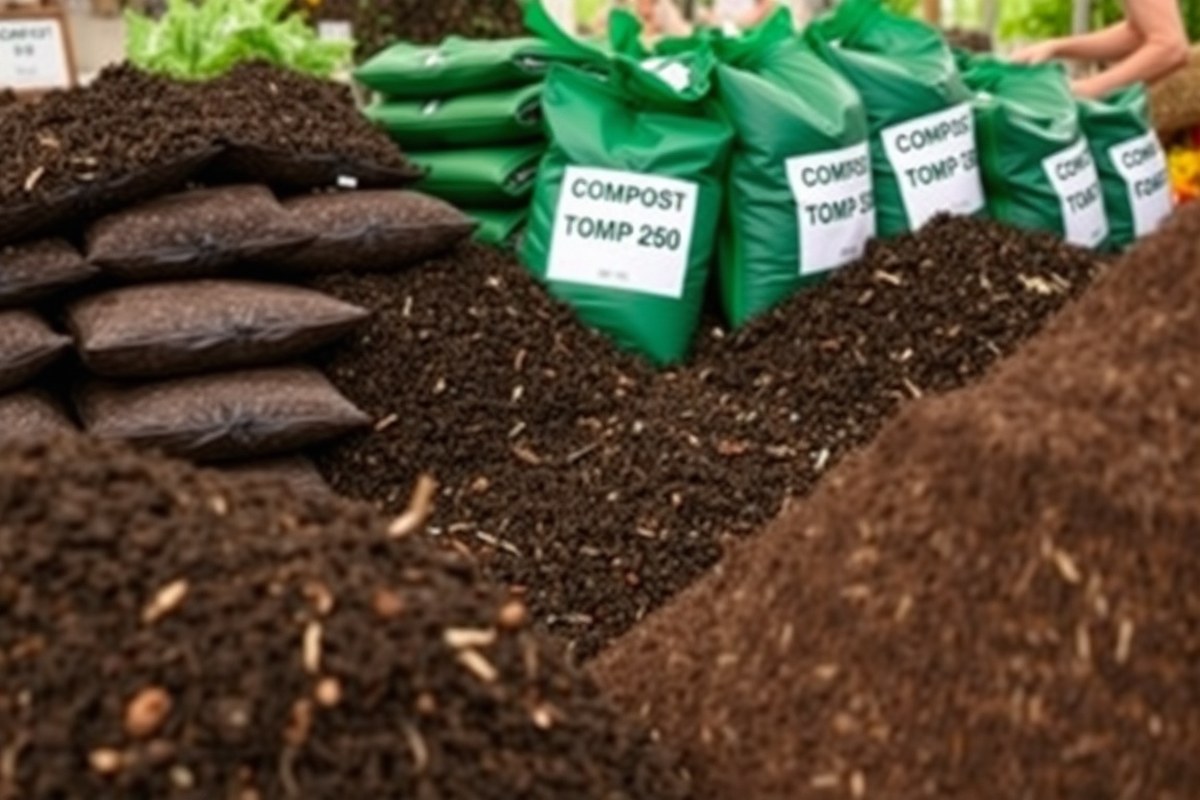
You can find compost near you from several reliable places. Local garden centers sell bagged and bulk compost year-round. They often have expert staff to help you pick the right type.
Many municipal programs offer compost made from local organic waste. These programs usually operate seasonally and provide compost free or at a low cost. The availability depends on your city’s schedule and policies.
Farmers’ markets often sell homemade compost. It’s usually organic and supports local growers. However, compost there is usually available weekly or bi-weekly during the growing season.
- Local garden centers: bagged and bulk compost, available year-round, moderate price
- Municipal programs: seasonal compost from local waste, free or low-cost
- Farmers’ markets: organic homemade compost, seasonal, supports local farms
- Online retailers: various blends, available year-round, watch for shipping cost
- Compost cooperatives: low-cost, high-quality, require membership
- Bulk suppliers: high-quality compost, moderate to low price, year-round
- Creating your own: always available and low-cost, quality varies
Online retailers offer many compost types year-round but watch shipping fees. Compost cooperatives can be good low-cost options for high-quality compost if you join them. Bulk suppliers sell large amounts of compost at a fair price.
This works well for large gardening projects. The cost is usually moderate to low.
Some people get their compost by making it at home. It’s the most reliable source and always available. Homemade compost quality can vary a lot.
It helps you save money. It also cuts down waste by recycling your scraps.
What Local Municipal Programs Offer Compost Services?
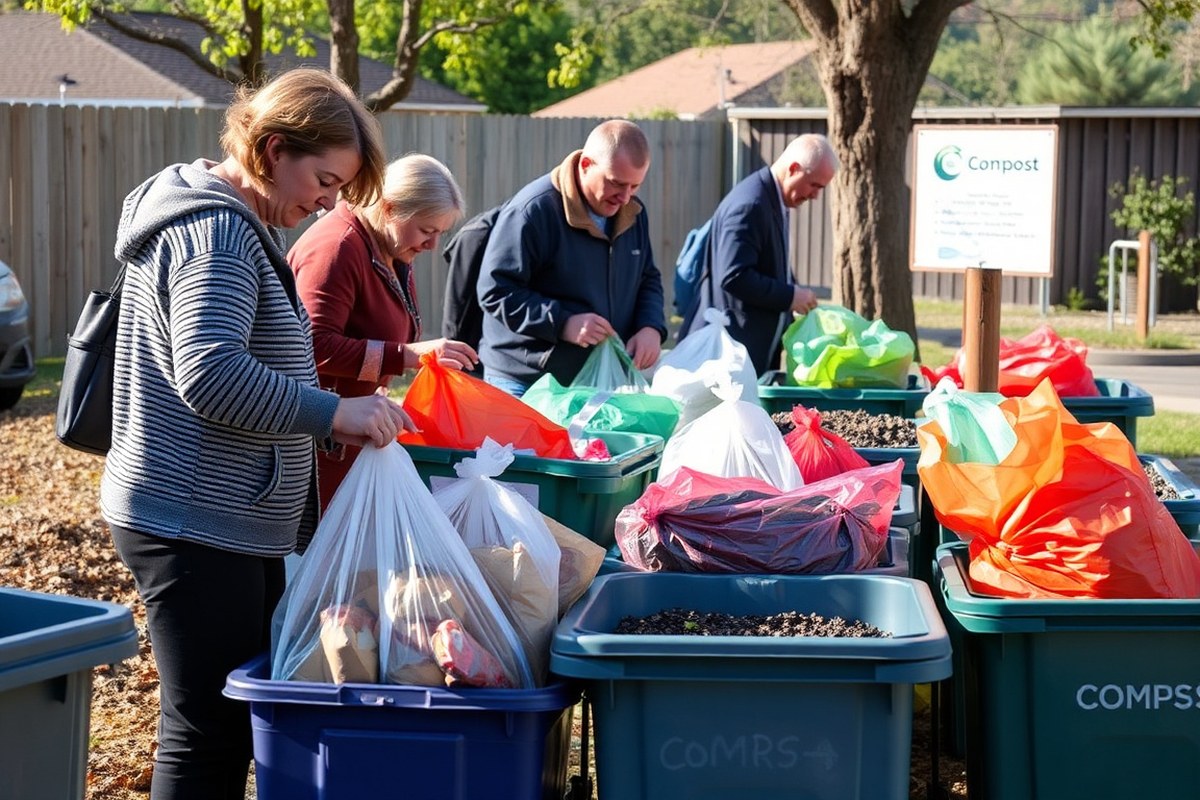
Many local governments run composting programs offering free or low-cost compost to residents. These programs collect yard waste and food scraps, then turn them into rich compost. You can often join by registering online or visiting a drop-off site.
Registration and Scheduling Procedures
You usually start by checking your city’s public works or sanitation website. Some programs require online registration to schedule pick-up or drop-off dates. Others have set community composting days or permanent sites you can visit anytime during business hours.
Rules vary widely, so read instructions carefully before signing up. You might need to provide proof of residency or fill out a simple form. In some places, volunteering for clean-up or composting work can earn you free compost.
Typical Compost Distribution Formats
Municipal programs often give out compost in bags or loose piles at designated centers. Some cities arrange curbside pick-up of finished compost directly to your home. Community pickup days are common, where you bring containers to collect compost in person.
Bulk options may be available for larger projects. But usually require special scheduling or fees.
Most municipal compost is dark, crumbly, and smells earthy, free of large debris and contaminants. Look for certified or tested compost if you want organic gardening grade.
Rules and Limits for Residents
Free compost often limits how much one person or household can take. These limits are usually one to three bags each time. Each adult in your vehicle may need separate registration and ID, especially in large cities.
There are rules about what you can drop off. Meat, dairy, treated wood, and pet waste are not allowed.
Many programs prohibit compostable bags, herbicide-treated plants, and diseased garden waste. These rules keep compost safe and high quality. Follow local guidelines closely to avoid getting your pile contaminated or rejected.
Failing to separate ineligible items like cooked food scraps can spoil the compost batch.
Buying Compost from Garden Centers, Farmers Markets, and Retailers
Garden centers and nurseries usually carry compost all year. You’ll find different types such as organic compost and mushroom compost. Their stock generally stays fresh because it turns over quickly, which means better quality.
Farmers markets sometimes sell organic compost, but availability varies by location and season. The vendors often source it locally, so quality may differ each time.
Want organic compost for vegetables? Choose vendors who share testing and production details.
Expect to pay around $7 for a 40-pound bag of certified organic compost at garden centers. Bulk compost costs more upfront, sometimes $259 for 2 cubic yards.
So plan for that if you need lots. Bulk buying saves trips but weighs more.
Specialty composts like worm castings come at a higher price. Use them sparingly in seed starting or container plants for a nutrient boost. You’ll see gradual growth improvements, but these require careful handling and storage.
Here’s a quick cost guide for common compost types. You’ll find these at markets.
| Compost Type | Source | Typical Price | Comments |
|---|---|---|---|
| Certified organic bagged compost | Garden centers, nurseries | $7 per 40 lbs (~1 cu ft) | Good quality, consistent year-round |
| Bulk organic compost | Garden centers, specialty suppliers | $259 per 2 cubic yards | Economical for large gardens, heavier to handle |
| Worm castings | Specialty stores, farmers markets | Varies, often higher priced | Great for seedlings, used sparingly |
| Regular bagged compost | Garden centers, large retailers | About $3 per cubic foot | Basic use, less nutrient rich |
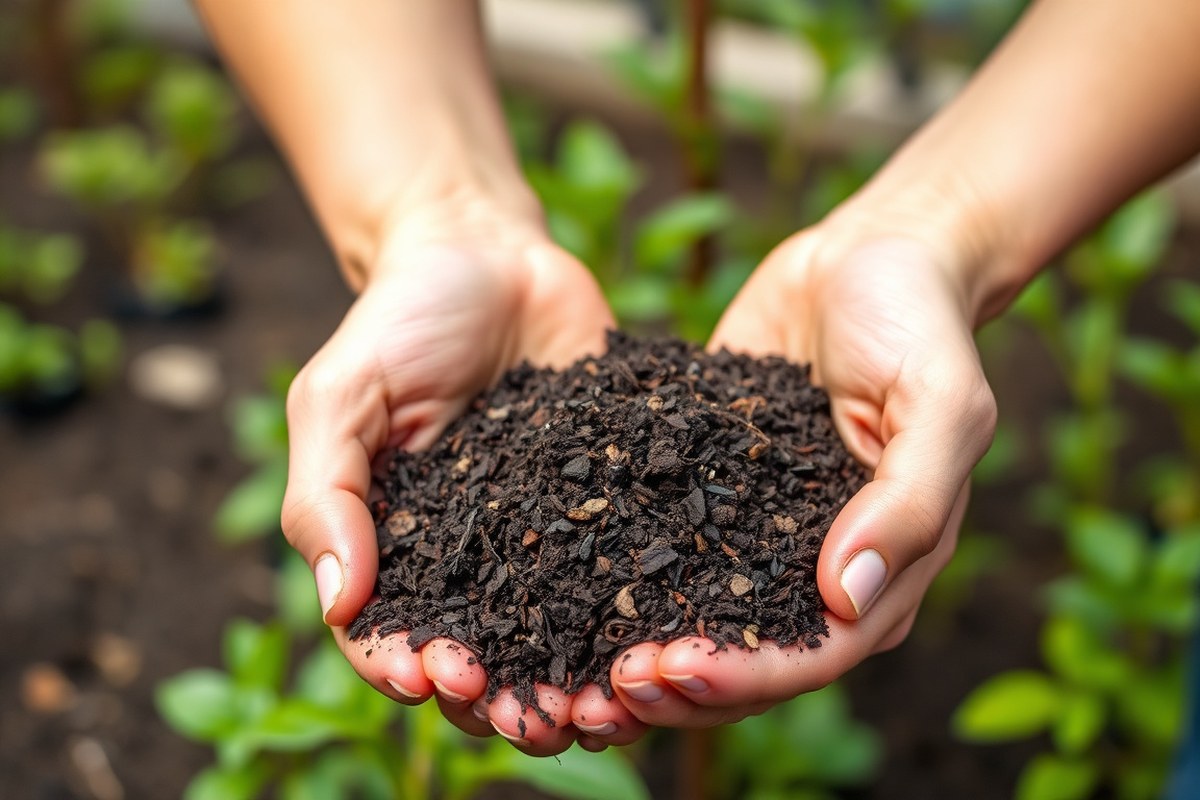
Look for compost that’s dark, crumbly, and smells earthy. Avoid compost that’s too wet or smells sour, as it may not be fully finished. Quality compost improves your soil’s water retention and feeds plants steadily.
Ask nursery or market staff about their compost’s origins and production methods. They can tell you if the compost is tested or certified organic. Knowing this helps protect your vegetables and supports a healthy garden.
Finding Free Compost Through Community Giveaways and Social Media
You can easily find free compost offers through community giveaways and social media platforms. Many local gardening clubs and sustainability programs share leftover compost with residents. Staying connected online helps you spot these chances faster.
Popular Platforms to Monitor
Facebook Marketplace and local buy-nothing groups often have free compost listings. Check Nextdoor for neighborhood posts about garden waste or compost giveaways. Instagram accounts run by local gardeners or urban farms may announce surplus compost availability too.
Using hashtags like #freecompost or your city name on Twitter or Instagram narrows down searches. Craigslist has a “free” section where people sometimes offer compost piles. Google alerts with your area and “free compost” can send you emails about new posts.
Using Community Groups and Local Forums
Neighborhood gardening clubs or community gardens share compost in scheduled swaps or events. Ask in these groups if anyone has compost to donate or share. Some cities have sustainability departments that distribute free compost to residents and schools.
Participate actively by posting your request; people often respond quickly to questions online. Attend local garden meetups or workshops where compost sources may be exchanged. Some groups have informal compost swapping networks among their members.
Safety and Legitimacy Checks
Confirm the source before taking free compost to avoid contamination risks. Compost from municipal programs or certified community gardens is usually safer. Avoid compost from unknown or industrial areas unless tested for harmful chemicals.
Ask for details on compost ingredients and processing time. Mature compost is dark and crumbly with an earthy smell.
Check for pests, large debris, or foul odors to ensure it’s well-made. Bring a sample to a local extension office if you want it tested for safety.
Creating Your Own Compost: The Most Reliable Source
Making your own compost at home offers a steady supply for your garden. It turns kitchen scraps like fruit peels and yard waste such as leaves into rich soil. This saves money, reduces trash, and helps cut landfill methane from food waste.
Start by collecting green materials like vegetable scraps and coffee grounds. Add brown materials such as dry leaves, straw, or shredded paper. Avoid meat, dairy, and oily foods since they attract pests and slow composting.
Choose a compost bin or build a simple pile in a shady spot. Layer your greens and browns roughly two to one.
Moist the pile lightly as you build it. It should feel like a wrung-out sponge.
Every week, turn the pile to add oxygen for microbes that break down scraps. The right mix and airflow speed up decomposition, which takes two to six months usually. Hot piles break down faster but need more space and turning.
Smaller urban compost bins work slower but still help your soil. They also keep waste from going to landfills. Even a small setup makes a big difference.
Watch out for foul smells or lots of fruit flies. These mean your pile is too wet or unbalanced. Adjust by adding more browns or turning more often.
Tools needed include a pitchfork or compost aerator and a container for collecting scraps indoors. Commercial compost bins cost from $30 to $100 or more.
But DIY bins use old pallets or bins. Composting mostly costs time and effort, not money.
Keeps rodents away by avoiding meat scraps and covering food layers with dry leaves or soil.
Finished compost is dark, crumbly, and earthy-smelling, without visible food bits. You can mix it into garden beds, potting soil, or use it as mulch. Making your own helps you know exactly what goes into your soil.
How to Assess Compost Quality and Safety Before Use
Good compost looks dark brown or black and smells earthy, not sour or rotten. It should be crumbly and moist but not wet. You want compost that’s free of sticks, plastic, glass, or other trash.
Check that the compost is fully finished. Unfinished compost can harm plants because it uses nitrogen while breaking down.
Finished compost usually hasn’t heated up for weeks. It loses its strong smell and warms only slightly in your hands.
Free compost sometimes comes from local municipal programs or community giveaways. While often safe, don’t assume it’s perfect. Organic contaminants like weed seeds, herbicides, or pet waste may be present.
Avoid any compost with a chemical or sewage smell. For vegetable gardens, choose compost tested as safe for edible plants.
Avoid compost that lacks safety labels. This helps protect your food.
- Look for dark color and earthy smell
- No large debris, trash, or visible contaminants
- Crumbly texture that’s damp but not soggy
- No strong ammonia, sour, or chemical odors
- Finished compost has cooled and mild smell
- Avoid compost with signs of weeds or mold
- Use compost labeled safe for vegetable gardens
You can test compost quality cheaply at home by planting seeds in it. Seeds failing or wilting soon may mean the compost has toxins. This can harm your plants.
Well-aged compost often costs between $15 and $20 for 10 pounds. It usually comes with a label showing nutrients.
This lets you know what your plants get. Homemade, free, or bulk compost may not have this, so extra caution helps.
Remember, good compost supports worms and earth life inside soil. Poor-quality compost can bring pests or diseases and rob soil nutrients. Check carefully before you spread compost in beds or containers to avoid these problems.
Exploring Bulk Compost and Commercial Composting Facilities
Commercial composting facilities process clean yard waste and certain food scraps into bulk compost. This compost is usually tested to meet quality standards and sold by the cubic yard.
Buying in bulk from these suppliers can save money. But you need to arrange pickup or delivery carefully and check the product before using it.
Bulk Compost Pricing and Ordering
Bulk compost prices range from about $10 to more than $150 per cubic yard. The wide price range depends on quality, source materials, and supplier location. High-quality compost that suits growing fruits and vegetables typically costs more than basic mulch-like materials.
You can find suppliers by searching online for “bulk compost suppliers” near you. Many suppliers serve commercial landscapers and gardeners. They offer large quantities at lower prices per yard.
This is cheaper than buying bagged compost. Some sellers focus on certified or organic compost.
It usually costs more but has safer nutrient levels. This makes it more reliable for your garden.
Delivery and Pickup Logistics
Check shipping or delivery fees carefully because compost is heavy. Costs vary depending on how far the supplier is and how large your order is. Some places let you pick up compost directly.
This helps you save money on delivery fees. You can also check the compost before loading it.
Before arranging delivery, check where trucks can unload safely. Also, see how much space you have for compost storage. This avoids problems during delivery.
When compost arrives, check for a dark color and crumbly texture. Also, it should have an earthy smell.
These signs mean the compost is good quality. Avoid compost that is too wet, smells sour, or contains visible contaminants like plastic or metal.
Quality and Certification Checks
Commercial compost usually follows stricter quality controls than backyard piles. Facilities often test for contaminants and proper breakdown of materials. Some even accept certified compostable serviceware, which breaks down faster than home compost.
You can ask suppliers about testing standards and certifications to confirm safety. Compost made from yard scraps and processed food works well. It suits vegetable gardens and fruit plants.
This type usually performs better than others. Remember, no compost is perfect. Ongoing checks and using compost with known quality improve garden results.
Special Compost Sources: Worm Castings, Landscape Companies, and Schools
Worm castings, also called vermicompost, come from worms that eat organic waste. You’ll find these castings richer in nutrients than regular compost.
Buy them from worm growers or ask neighbors with worm bins for a small share. Harvest the castings after three to six months by collecting the material at the bin’s bottom.
Landscape companies often have leftover organic debris like leaves and grass clippings. Many people turn this into compost or mulch. Sometimes, they offer it free or for a low price.
Call local landscaping businesses to check on availability, especially after the growing season. This compost can vary in quality. So look for dark, crumbly texture without plastic pieces.
Schools and institutions sometimes run garden projects or composting programs. They may produce compost from their food scraps and yard waste. Contact your nearby schools or community gardens to ask about seasonal compost giveaways.
This option usually costs less and supports local programs. But supply can be limited and irregular.
| Source | How to Access | Typical Cost | Best Uses |
|---|---|---|---|
| Worm Castings | Buy from worm growers or neighbors; harvest your own bin | $10-$30 per pound | Mix into potting soil or top-dress plants for nutrients |
| Landscape Companies | Call to ask about leftover compost or mulch | Often free or $10-$40 per yard | Use as mulch or garden soil amendment |
| Schools & Institutions | Reach out to local schools or community gardens | Usually free or small donation requested | This compost suits garden beds and lawns |
Specialty composts have added benefits. Worm castings improve soil biology and plant health fast. Compost from landscape waste tends to be fibrous, great for mulch layers.
Institutional compost programs often create well-balanced mixes that work for general garden use. Expect worm castings to be dark, moist, and fine-textured, while landscape leftovers are chunkier. Schools’ compost may sometimes include small sticks or food bits.
Access timings differ. Worm castings are ready once the worms finish, about half a year. Landscape companies often have batches available after heavy pruning seasons.
School compost giveaways mainly happen in spring or fall during planting events. Patience helps, but a quick call or visit can secure quality supplies.
Always check for contaminants like plastic pieces in compost, especially from large-scale sources.
Step-by-Step Action Plan to Find and Use Compost Near You
Follow these steps to get good compost quickly and safely. You’ll learn where to find it and what to check.
- Day 1: Search your city’s website for local compost programs. Check if they offer free or low-cost compost. You’ll know it works if you find pick-up or drop-off details.
- Day 3: Visit nearby garden centers or farmers markets. Ask about compost brands and prices. You’ll succeed when you spot high-quality bags ready to buy.
- Day 5: Join local Facebook groups or neighborhood apps. Look for free compost giveaways or swaps. You know it worked if someone offers you free compost nearby.
- Week 2: Try making your own compost with kitchen scraps and yard waste. Watch for dark, crumbly material that smells earthy after a few weeks. That means your compost is ready.
- Week 3: Call bulk compost suppliers or commercial composters. Ask about minimum purchase and delivery. You’ll see success if you can schedule a pickup or delivery.
- Week 4: Check out special sources like worm farms or local schools’ gardening projects. Confirm if they share or sell compost. It works when you receive small bags or samples to test.
- Ongoing: Always inspect compost. It should be dark, moist, and smell fresh, not sour. Good compost helps your plants grow strong and healthy.
Frequently Asked Questions
Can I Get Compost from Local Farm Co-Ops?
Yes, many farm co-ops sell compost at reasonable prices. They often produce high-quality compost made from local materials. Check nearby farms or co-op markets for availability.
Is Restaurant Compost Waste Available for Gardeners?
Some compost programs collect restaurant scraps for composting. This compost can be nutrient-rich but check its source to avoid contamination. Contact local composting centers to see if they use restaurant waste.
How Often Do Community Gardens Offer Free Compost?
Community gardens sometimes distribute free compost to members and neighbors. The schedule varies, often during planting seasons. Reach out to local gardens or community groups for dates.
What Is the Best Way to Transport Bulk Compost Safely?
Use a sturdy tarp and strong bags or containers for transport. Compost can be heavy and muddy, so protect your vehicle and handle carefully. A pickup truck or trailer makes it easier.
Are There Compost Exchange or Swap Events Near Me?
Compost exchange events happen but are less common than giveaways. These swaps allow gardeners to trade excess compost or soil amendments. Check community boards and social media for local listings.
Can You Get Compost from University Research Farms?
Some universities with agriculture programs offer compost from test farms. It might be free or low-cost but may require permission. Contact nearby university extensions to inquire.
Wrapping Up
Finding the right compost near you is easier than you think. Start by checking your local resources today. Using good compost will help your garden thrive and save money.