Is Compost a Fertilizer? What Gardeners Need to Know to Use Both Right
Is compost a fertilizer? Not exactly, but they do work together in your garden.
Compost adds organic matter and nutrients slowly over time. Fertilizer delivers nutrients fast and in concentrated amounts for quick plant growth.
Compost usually has much lower nutrient levels compared to fertilizer. You need a lot more compost to match fertilizer’s nutrient power. On the other hand, compost improves soil structure, moisture retention, and feeds beneficial microbes, which fertilizer doesn’t do.
Before planting, mix 1 to 2 inches of well-finished compost into your soil. Hot, well-cured compost kills weed seeds and diseases, making it safe to use. Fertilizer supplements nutrients when compost alone can’t supply enough for your plants.
Using both compost and fertilizer can balance soil health and plant needs. Compost builds long-term soil fertility, while fertilizer meets immediate nutrient demands. This mix helps your garden grow strong and healthy throughout the season.
Key Takeaways
- Compost is mainly a soil amendment, not a direct fertilizer.
- You need about ten times more compost by weight to equal fertilizer nutrients.
- Mix 1, 2 inches of finished compost into your garden soil before planting.
- Hot, well-maintained compost kills pathogens and weed seeds effectively.
- Fertilizer provides fast nutrient boosts; compost feeds soil life over time.
- Using compost alone may not supply enough nitrogen for heavy feeders.
Is Compost Actually a Fertilizer or Something Different?
Compost improves soil quality but doesn’t act as a fertilizer. Unlike fertilizers, it doesn’t have standard amounts of nitrogen, phosphate, or potash.
Laws often require fertilizers to list specific nutrient levels. But compost varies and doesn’t guarantee exact nutrients.
This difference matters since fertilizers are designed to feed plants directly with specific nutrients. Compost improves soil structure and adds organic matter.
It supports microbes that help plants grow. You can’t rely on compost alone to meet exact nutrient needs, especially for demanding plants.
Home-made compost typically has around 3% nitrogen but can range from 1% to 6%. Commercial fertilizers often contain 20% or more nitrogen. You need about ten times more compost by weight than fertilizer.
That’s to match the nutrient supply. That makes compost a slower, more gradual source of nutrition.
Compost works legally and in function as a soil conditioner. It also supplies some nutrients, not exact amounts.
You can mix compost with fertilizer in your garden to balance soil health with targeted feeding. Use compost before planting to improve soil, then apply fertilizer to address immediate nutrient gaps.
Nutrient Content Differences Between Compost and Fertilizer
Compost and commercial fertilizers differ widely in nutrient content. Compost typically has a low NPK ratio around 3-0.5-1.5, meaning it contains about 3% nitrogen, 0.5% phosphorus, and 1.5% potassium. Commercial fertilizers, especially synthetic types, have high nutrient levels.
Nitrogen content often goes above 10% or even 20%. This means they provide a strong nutrient boost.
Compost works more as a slow nutrient source. It also improves soil texture. It’s not a powerful fertilizer like chemical ones.
Compost provides essential micronutrients and improves soil health while releasing nutrients gradually. Fertilizers give plants precise nutrient doses for quick use.
They don’t add the organic matter that compost provides. Compost supports soil health differently than fertilizers.
| Product | Nitrogen (%) | Phosphorus (%) | Potassium (%) | Release Speed | Notes |
|---|---|---|---|---|---|
| Typical Compost | 3 | 0.5 | 1.5 | Slow | Provides micronutrients and humus |
| 10-10-10 Fertilizer | 10 | 10 | 10 | Fast | Seven times more nutrient dense than compost |
| Blood Meal (Organic) | 12 | 0-2 | 1-1 | Medium to Fast | High nitrogen source |
| Bone Meal (Organic) | 2-4 | 14-16 | 0 | Slow to Medium | High phosphorus and calcium |
| Alfalfa Meal (Organic) | 2-3 | 1-2 | 2 | Slow | Rich in micronutrients |
Compost alone usually doesn’t provide enough nitrogen for heavy feeders. It also often lacks enough phosphorus for them. Heavy-feeding plants may need added nutrients.
Compost adds nutrients slowly and supports soil life. But plants needing a quick boost require fertilizer. Use compost with milder organic fertilizers like alfalfa meal.
This combo gives a steady nutrient supply. It avoids giving plants too much fertilizer at once.
Commercial synthetic fertilizers release nutrients almost immediately, so they work best for rapid growth. Organic fertilizers break down slower but still give higher nutrient levels than compost. Choose based on how quickly plants need nutrients.
Also consider your soil’s current fertility level. This helps you pick the best option for your garden.
Always test your soil before adding fertilizers or compost to avoid overfeeding or depleting specific nutrients.
How Compost Benefits Soil Differently Than Fertilizer
Compost improves soil structure by adding organic matter that creates a crumbly texture. This makes soil more porous, allowing air and roots to move easily. It helps sandy soil hold moisture and clay soil drain better, balancing water retention and flow.
Fertilizer does not improve soil structure because it mainly delivers nutrients directly to plants. It lacks the organic materials that build and maintain soil’s physical frame.
Fertilizer nutrients can wash away faster. Compost holds nutrients longer by binding them in the soil.
Compost also feeds beneficial microbes essential to a healthy soil ecosystem. These microorganisms break down organic matter, releasing nutrients slowly and improving soil fertility. They help protect plants from disease and support nutrient cycling long term.
Better soil structure and microbial health from compost indirectly support plant growth. Moisture stays available longer, reducing the need for frequent watering. Aerated soil encourages strong root growth, making plants more resilient to stress and drought.
Applying compost as a top dressing helps your soil grow better. Mixing it into garden beds also adds benefits. These improve the soil’s structure and biology over time.
Use about ¼ to ½ inch of compost per square foot in growing areas. Adding compost each year improves your garden’s soil texture.
It also boosts the microbes in the soil. This creates a better place to grow your plants.
When and How to Use Compost as a Fertilizing Amendment
Use compost as a soil amendment rather than a direct fertilizer replacement. Apply the right amount to improve soil health and help plants access nutrients easier. Timing and method affect how well plants benefit from the compost’s nutrients.
Recommended Compost Amounts for Soil Amendment
For new garden beds, spread 2 to 3 inches of mature compost on the soil surface. This equals about 20 to 30 liters per square meter. Then mix it into the top 6 to 8 inches of soil for good nutrient access.
For top dressing or maintenance, add 2 to 4 liters per square meter. Use finished compost for this. Spread it evenly over the soil surface.
Avoid using too much compost repeatedly, especially in small raised beds, to prevent nutrient imbalances. Compost contains some nutrients but often not enough phosphorus or potassium alone.
- Use 20, 30 liters per m² when preparing beds
- Apply 2, 4 liters per m² annually for maintenance
- Spread 50, 70 liters per m² for mulch every 3 to 5 years
- Avoid overuse to prevent excess phosphorus
- Combine compost with fertilizer based on soil tests
This amount supports soil microbes and improves structure. It helps nutrient release slowly compared to synthetic fertilizers.
Mixing Compost into Different Garden Setups
In raised beds, layer compost between soil additions for a rich growing environment. This keeps the nutrients available as the bed settles. Mix each layer lightly to avoid compacting soil.
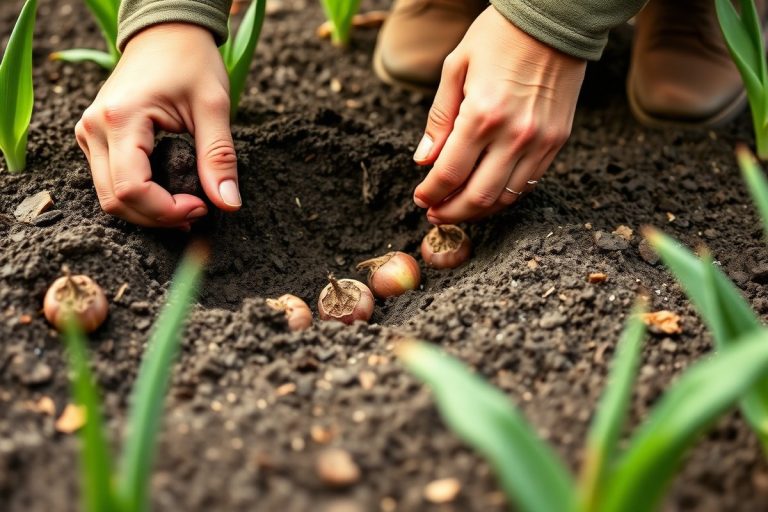
For in-ground gardens, work compost into the top few inches before planting. This encourages root growth and nutrient uptake. Compost mixed in also improves water retention and airflow.
Applying compost as a thin mulch around plants helps protect soil and slowly feeds them. Avoid piling compost directly against stems or trunks to prevent rot.
Timing Compost Application for Optimal Nutrient Release
Add compost to garden beds a few weeks before planting. This gives microbes time to break down organic matter into usable nutrients. Early application reduces the risk of nitrogen tie-up, which can harm seedlings.
For lawns, apply compost in early spring or fall. This timing supports root development and nutrient uptake during growing seasons. Avoid heavy compost application in hot, dry summer months to prevent burning.
Add compost early in the season for best nutrient use. Late applications may leave nutrients unused. Cold weather stops microbes from working.
Using Compost in Container Gardening
Use up to 30 percent compost mixed with potting soil in containers. This ratio improves fertility without causing drainage or aeration problems. Too much compost can make soil too dense or hold excess water.
Refresh compost yearly or before planting new crops. Containers lose nutrients faster, so reapplying compost helps replace what plants use. Add slow-release fertilizer if soil tests show specific nutrient deficiencies.
Water pots well after adding compost to help microbes start breaking down the material. Keep compost moist but not soggy for healthy microbial activity and nutrient release.
Can Compost and Fertilizer Be Used Together Effectively?
Using compost and fertilizer together can help plants grow better. Compost improves soil structure and feeds microbes, while fertilizer quickly supplies nutrients. This mix supports strong roots and healthy shoots, especially in gardens where soil nutrients are low.
Balance is key to avoid nutrient overload. Add about 1 to 2 inches of compost over soil before planting. Then, use fertilizer sparingly, following package instructions for your plant type.
For example, vegetables need higher nitrogen levels, so use a balanced fertilizer with compost. Flowers often benefit from a fertilizer higher in phosphorus combined with compost to encourage blooms.
Overfeeding can harm plants by burning roots or causing too much leaf growth. Avoid applying fertilizer immediately after composting. Only use it when compost is fully finished.
This prevents sudden nutrient spikes. Monitor plant response for signs of too much fertilizer like leaf yellowing or weak stems. Use less fertilizer if you notice these issues.
For vegetables, a mix of well-aged compost and a nitrogen-rich fertilizer works well. Apply compost in spring and fertilizer mid-season for best results.
For flowering plants, spread compost in the fall and a phosphorus-heavy fertilizer early in growing season. This helps flowers develop vibrant colour and longer bloom times.
Don’t mix fresh compost and fertilizer directly. Always let compost mature fully to prevent nutrient imbalances and plant stress.
Common Mistakes When Using Compost as Fertilizer and How to Fix Them
Using compost as fertilizer can backfire if you overdo it or pick the wrong type. Problems like nutrient imbalances and stunted plant growth happen when compost isn’t right for your soil. Knowing the signs and fixes helps keep your garden thriving.
Signs of Compost Overuse and Excess Nutrients
When you add too much compost, plants might suffer from poor growth or leaf burn. Excess nutrients, especially nitrogen, can cause lush leaves but weak stems and fewer flowers. Compost overuse also risks nutrient runoff, which harms the environment.
Look for yellowing leaves, brown leaf edges, or slow fruit development. Soil that feels soggy or smells bad may also signal too much compost. These signs mean your plants can’t absorb nutrients properly or are overwhelmed by salts.
Recognizing Poor-Quality or Immature Compost
Immature compost may still contain harmful pathogens or weed seeds that stunt growth. It often smells sour or ammonia-like instead of earthy and sweet.
You might see bits of undecomposed material in it. This shows it needs more time to break down.
Using poor compost leads to nutrient tie-up, which makes soil nutrients unavailable to plants. It also may temporarily lower soil pH, stressing your plants. Always check compost texture and smell before spreading it on your beds.
Steps to Fix Nutrient Deficiencies
Test your soil first when plants have nutrient problems despite using compost. A soil test reveals which nutrients are missing or out of balance. Then, use a targeted fertilizer to correct specific shortages, like phosphorus or potassium.
Adding compost alone doesn’t guarantee balanced nutrition. Soil microbes release nutrients slowly, so supplementing with fertilizer helps plants during peak growth. Make changes gradually and monitor plants for improvement to avoid overload.
Preventative Tips for Healthy Compost Use
Start by knowing your soil’s nutrient needs through testing before using compost. Use finished, mature compost that smells earthy and has a crumbly texture.
Avoid piling compost too thickly. Spread it in layers no more than 2 inches deep.
- Apply compost in early spring or fall, not during hot months
- Mix compost well into soil to improve nutrient access
- Rotate compost with other organic amendments to balance nutrients
- Keep compost piles hot (130, 160°F) for at least 3 weeks to mature
- Don’t rely on compost for quick nutrient fixes, use fertilizer when needed
Following these steps prevents common pitfalls and keeps plants healthy and soil fertile. Regular checks and steady nutrient updates build a stronger garden that lasts.
How Composting Conditions Affect Nutrient Quality and Fertilizer Value
Temperature, curing time, and raw materials shape how well compost works as a fertilizer. Hot composting kills pathogens and speeds nutrient release. Proper curing stabilizes nutrients, making them easier for plants to use.
Key Temperature Thresholds for Safe Composting
Compost must reach about 130 to 160°F (54 to 71°C). This heat makes it safe and effective. It kills harmful bacteria and weeds.
This heat kills harmful bacteria and weed seeds. Keep it at or above 131°F for at least 15 days to ensure thorough breakdown.
Turn the compost at least five times during the hot period. This adds oxygen and spreads heat evenly. Without those high temperatures, nutrients won’t release fully, and pathogens may survive.
Stages of Compost Maturation
Once the hot phase ends, compost enters the curing stage. Curing lasts about 45 days at lower temperatures. This time lets microbes finish breaking down materials, stabilizing nutrients.
Use cured compost for best results as fertilizer. Immature compost can rob soil nitrogen and harm plants. The right maturity offers steady nutrient release without burning roots.
Selecting Materials for Nutrient-Rich Compost
The nutrient content depends on what you compost. Mix green materials like grass clippings with brown ones such as dry leaves. This balances the carbon-to-nitrogen ratio.
The right mix helps compost decompose well. Aim for about 15:1 to 25:1 for healthy compost.
Manure adds more nitrogen and minerals than plant waste alone. Mixing types improves nutrient variety and feedstock for microbes. Remember, materials affect how quickly nutrients break down and become available.
Follow these steps for compost with strong fertilizer value:
- Gather a mix of green (nitrogen-rich) and brown (carbon-rich) materials.
- Build your pile ensuring a carbon to nitrogen ratio around 20:1.
- Keep the pile moist, like a damp sponge, to help microbes.
- Turn the pile regularly, at least five times in 15 days when hot.
- Monitor temperature often, ensuring it stays between 130°F and 160°F.
- After the hot phase, let the compost cure for 45 days at cooler temps.
- Test the compost’s smell and texture before use, earthy smell means ready.
- Apply cured compost to soil, avoiding immature compost for sensitive plants.
Using Compost Tea as an Alternative Fertilizer Source
Compost tea is a liquid extract made from compost. It provides nutrients quickly to plants through foliar feeding or soil drenching. You make it by steeping finished compost in water.
This releases beneficial microbes. It also lets soluble nutrients enter the liquid.
This liquid form works faster than solid compost. Nutrients dissolve and reach roots or leaves quickly. That’s why it acts fast.
Compared to commercial liquid fertilizers, compost tea contains lower nutrient concentrations. However, it supplies helpful microbes that improve soil health along with nutrients.
Use compost tea when plants need a quick nutrient boost or disease resistance support. Solid compost works best as a slow-release soil amendment, improving texture and moisture retention over time. For rapid growth or small potted plants, compost tea can give quicker results.
Safety is key when making and using compost tea. Avoid using compost that may contain pathogens. Always strain the liquid before you apply it.
Use it within 8 to 12 hours after making. This stops harmful bacteria from growing.
Follow these steps to make effective compost tea:
- Fill a clean bucket with 5 gallons of non-chlorinated water.
- Place 2 to 3 cups of mature compost into a porous bag or stocking.
- Submerge the compost bag in the water, ensuring it’s fully soaked.
- Stir the mixture twice a day to aerate and encourage microbial activity.
- Let the tea brew at room temperature for 24 to 48 hours.
- Remove and squeeze the compost bag to extract liquid.
- Strain the liquid through a fine mesh to remove solids.
- Apply the tea immediately within 8 to 12 hours for best results.
Use fresh, well-aerated compost tea quickly; letting it sit invites harmful bacteria growth.
Step-by-Step Action Plan for Using Compost and Fertilizer
Follow this plan to use compost effectively with or without fertilizer. Watch your soil and plants to see the benefits.
- Before planting: Mix a few inches of finished compost into your garden soil. Look for crumbly soil that smells earthy.
- At planting time: Add fertilizer around new plants if they need a quick nutrient boost. Check for healthy, green growth after two weeks.
- Two weeks after planting: Water plants well to help compost and fertilizer nutrients reach roots. Soil should feel moist but not soggy.
- Monthly during growing season: Add a thin layer of compost on plants. This will help improve soil gradually. See new soil life activity and plant vigor.
- After harvest: Spread compost over bare soil to restore nutrients for next season. Soil should look darker and richer.
- Regularly: Avoid heavy fertilizer use when compost is fresh to prevent nutrient overload. Observe plants for signs of nutrient burn or stress.
- Optional: Use compost tea on leaves monthly for a nutrient boost without overfeeding. Leaves will stay healthier and greener.
Frequently Asked Questions
How Quickly Does Compost Work as a Fertilizer Compared to Commercial Fertilizer?
Compost releases nutrients slowly over weeks or months. Commercial fertilizer often feeds plants within days, which is better for immediate growth needs.
Can Compost Alone Support All Plant Nutrient Needs?
Compost usually lacks enough nitrogen and phosphorus for heavy feeders. Combining compost with fertilizer improves nutrient balance and plant health.
Is Compost Safe to Use Directly on All Plants?
Most compost is safe but can burn seedlings if too fresh or hot. Always let compost mature before applying to sensitive plants.
Does Compost Improve Soil pH Like Some Fertilizers Can?
Compost tends to neutralize soil pH over time, not dramatically change it. Fertilizers can sometimes acidify or alkalinize soil depending on type.
Can Adding Too Much Compost Harm Soil or Plants?
Yes, excessive compost may cause nutrient imbalances or salt buildup. Use compost in moderation to support soil health without overfeeding.
How Often Should I Apply Compost in My Garden for Best Results?
Applying compost once or twice a year is usually enough. Regular additions improve soil structure and nutrient content gradually.
Wrapping Up
Compost acts mostly as a soil builder, not a quick fertilizer. Using compost with fertilizer gives the best plant growth.
Start by adding compost to your garden soil this week. Watch your plants thrive.
One Comment