How to Aerate Lawn: Step-by-Step Guide with Best Tools & Timing
Knowing how to aerate your lawn helps fix common problems. Soil compaction and poor water absorption often cause these issues. Aerating improves air, water, and nutrient flow to grass roots.
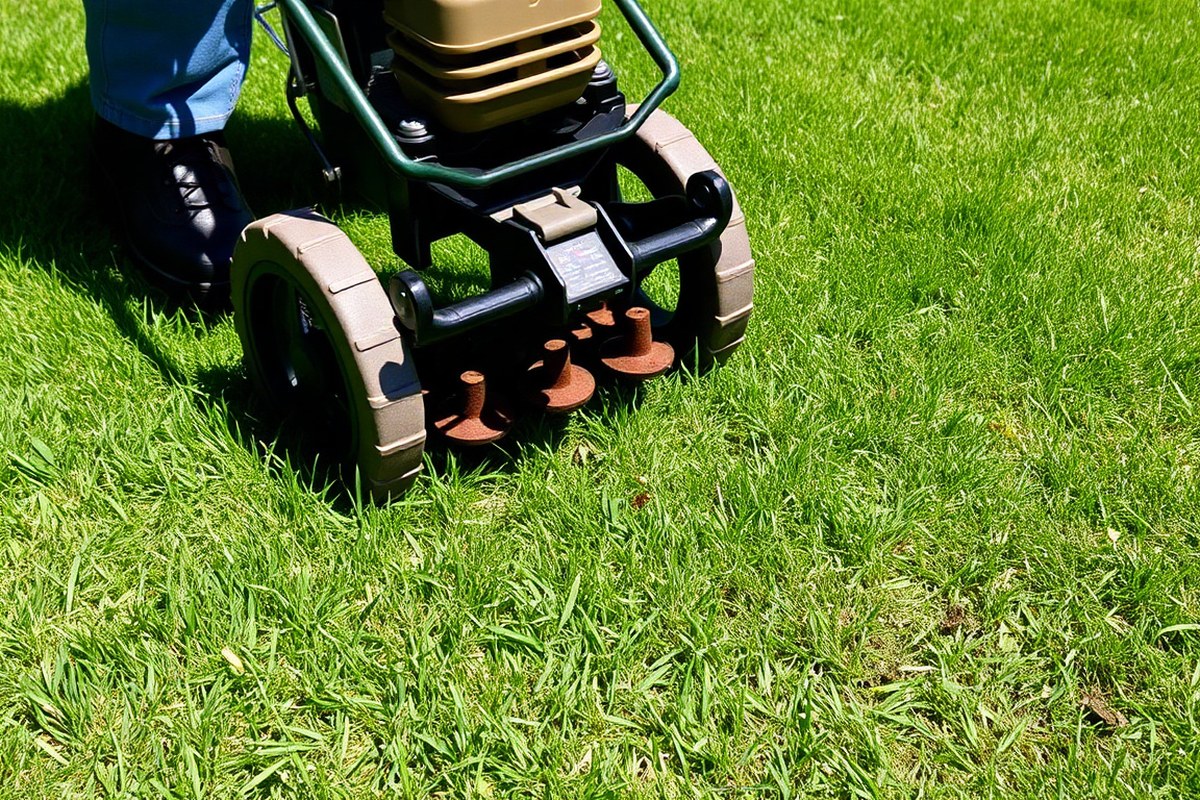
Aeration removes small plugs of soil and grass, letting oxygen, water, and nutrients reach roots. Doing it right improves your lawn’s health and helps grass grow thicker.
Start by watering your lawn about an inch deep one or two days before aeration. This softens the ground, making it easier to pull plugs 2 to 4 inches deep. Make sure soil isn’t too wet, or aerator tools won’t work well.
Work in a grid pattern, spacing holes 4 to 6 inches apart for best results. After aerating, leave the soil plugs on the surface to break down naturally. Avoid heavy foot traffic on the lawn for at least 24 hours.
Key Takeaways
- Water your lawn about 1 inch deep two days before aerating.
- Use a core aerator to remove plugs 2 to 4 inches deep from soil.
- Aerate in a grid pattern, spacing holes 4 to 6 inches apart.
- Leave soil plugs on the ground to break down and improve soil.
- Wait at least 24 hours before walking or mowing the lawn again.
- Aerate when grass is actively growing for quicker recovery.
What Is Lawn Aeration and Why It Matters
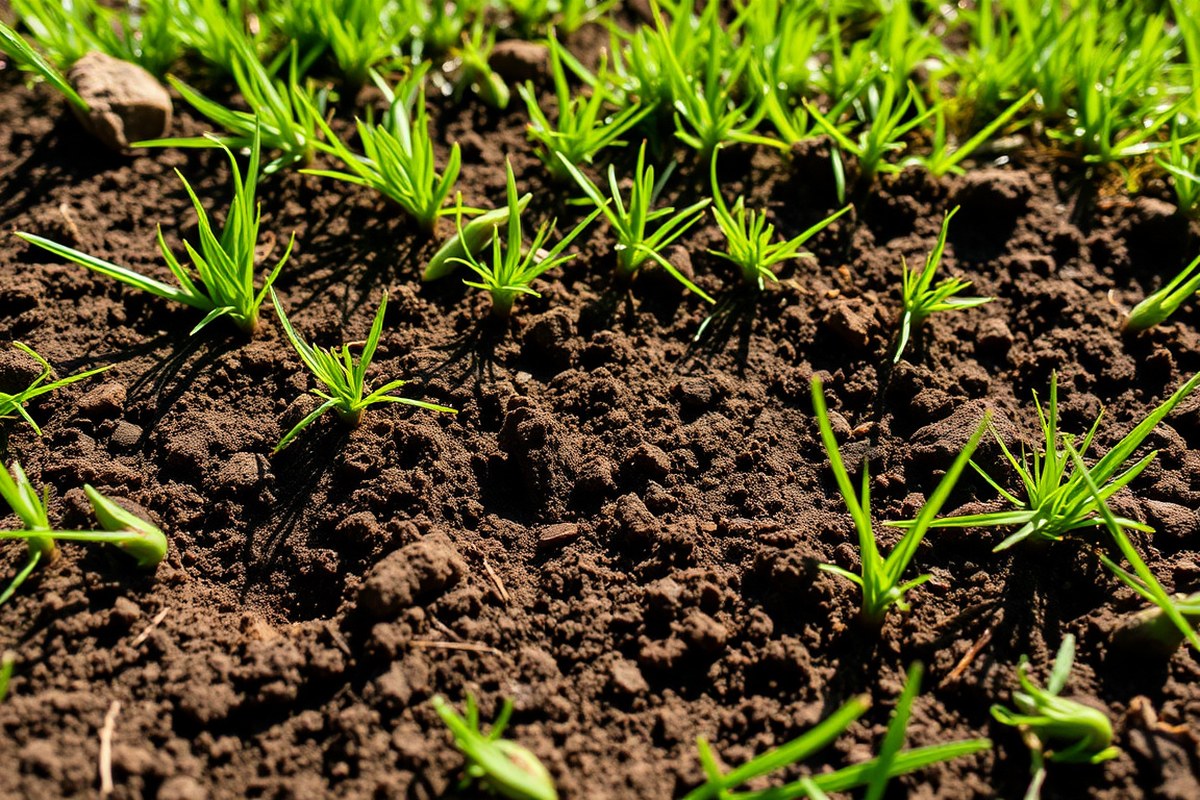
Lawn aeration means making small holes in the soil to reduce compaction. This process lets air, water, and nutrients easily reach the grass roots. The holes break up dense soil, helping the lawn absorb what it needs to grow strong.
Soil compaction happens naturally from foot traffic and heavy equipment on your lawn. Compacted soil squeezes out air pockets and blocks water from soaking in. Grass roots need air and moisture to grow.
Without them, roots may die. This will make your lawn thin and weak.
Aeration helps by pulling out small plugs. It can also make holes with spikes. These go 2 to 4 inches deep.
You can use a manual core aerator, spike tool, or garden fork. Doing this lets air and water move freely down to the root zone, improving growth.
Typically, you water the lawn a day before aerating to soften the soil. This helps the aerator penetrate the ground easily. Soil plugs stay on the surface after aeration.
They break down naturally over time. This adds organic material to the soil.
A healthy aerated lawn usually looks thicker, greener, and more resilient. It benefits from better nutrient intake and improved root development.
Water drains better. So puddles and runoff drop significantly after a rain or watering session.
Skipping aeration lets soil stay tight and compacted. Over time, that makes soil even harder. This hurts grass growth.
Roots can’t spread or breathe, leading to patchy spots and poor lawn health. Aeration also helps reduce thatch, which can choke grass by blocking water and nutrients.
Costs vary. Renting an aeration machine usually ranges from $50 to $100 per day. Professional aeration services cost $75 to $150 or more per visit.
Hand tools work well for small lawns. But bigger yards benefit from mechanical help to save effort and time.
How to Tell If Your Lawn Needs Aeration
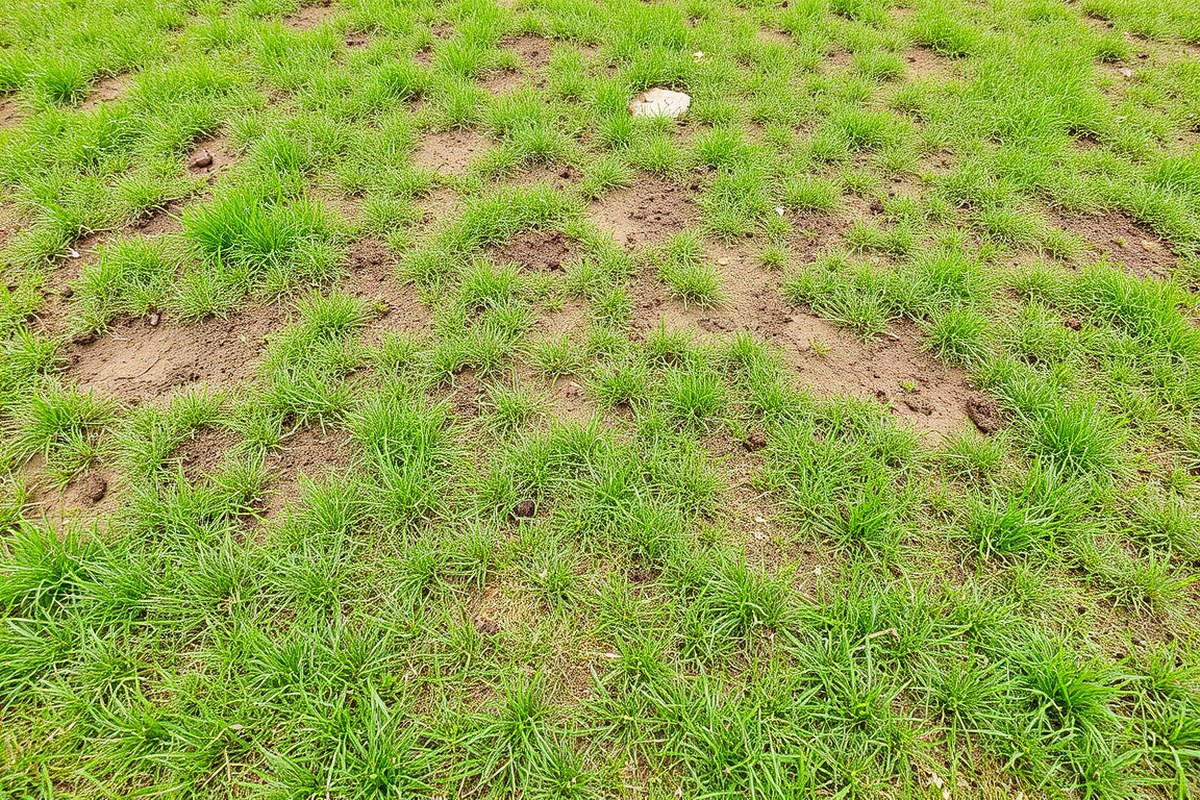
You need to aerate your lawn when the soil becomes hard and compacted. Hard soil stops air, water, and nutrients from reaching the roots.
Your lawn feels like concrete when you press in a screwdriver. That means aeration needs to be done soon.
Look for thinning grass or bare spots that don’t fill in over time. These usually mean the roots aren’t getting enough oxygen. Patches of yellow or discolored grass need your attention.
Thatch or compacted soil could be blocking nutrients. This stops healthy growth and needs fixing.
Water pooling anywhere after rain or irrigation also shows poor drainage. This happens when water can’t soak into the soil properly. Slow grass growth is another strong hint your lawn is struggling under the surface.
- Soil feels very hard or compacted when pressed
- Thick layer of thatch, more than half an inch
- Grass with uneven color, yellow or brown patches
- Spots with thinning grass or bare soil showing
- Pooling water after rain or watering
- Slow or stunted grass growth overall
Thatch is old grass stems and roots that don’t decompose well. Too much of it forms a barrier at the soil surface.
This keeps water and nutrients from reaching the grass roots. Aeration breaks this layer, letting your lawn breathe again.
Choose to aerate right after the soil is moist, either a day after rain or watering.
When Is the Best Time to Aerate Different Lawns
To get the best results, aerate your lawn when your grass is growing actively. Cool-season grasses do better with aeration in early fall or spring.
Warm-season grasses, like Bermuda or Zoysia, need aeration in late spring to early summer. Avoid aerating when the grass is dormant or the soil is too wet or frozen.
Aeration Timing for Cool-Season Grasses
Cool-season grasses include Kentucky bluegrass, tall fescue, and perennial rye. They respond best to aeration in early fall.
Aerating in early fall helps roots grow before winter. It also repairs soil packed from summer use.
Early spring is also an option if you missed fall. It prepares your lawn for a healthy summer by reducing soil compaction before peak growth. Avoid aeration during periods of dormancy or frozen ground to prevent stressing the grass.
Aeration Timing for Warm-Season Grasses
Warm-season grasses like Bermuda, Zoysia, and St. Augustinegrass need aeration in late spring to early summer. Aerating when the grass is actively growing helps it recover quickly and improves root expansion.
Aeration during dormancy or winter can harm the grass. The soil is often too hard or frozen, and the grass won’t heal properly. Plan aeration tasks as part of your spring lawn care to support healthy summer growth.
| Type of Grass | When to Aerate |
|---|---|
| Bermudagrass | Late spring to early summer (avoid dormancy) |
| Fescue | Early fall |
| Kentucky bluegrass | Early fall |
| Perennial ryegrass | Early fall |
| St. Augustinegrass | Late spring to early summer (avoid dormancy) |
| Zoysiagrass | Late spring to early summer |
This table sums up the best aeration times based on your lawn’s grass type. Sticking to these windows helps avoid stress and boosts recovery after aeration.
Adjusting Frequency by Soil Type and Usage
Lawns with heavy foot traffic or clay soil often compact faster. These soils benefit from annual aeration to keep roots healthy and soil loose.
Your yard may only need aeration every two or three years. This applies if traffic is light or soil is sandy. Excessive aeration can stress your lawn and waste effort.
Don’t aerate frozen or waterlogged soil. Aerating in these conditions can damage roots and create uneven ground. Wait until the soil is moist but firm for best results.
Choosing the Right Aeration Method and Tools
Aerating your lawn means making holes to reduce soil compaction. Core aeration pulls plugs of soil; spike aeration pokes holes without removing soil.
Liquid aeration adds nutrients but does not replace mechanical methods. Your choice depends on lawn size, soil type, and how much compaction you face.
Core Aeration Benefits and Equipment
Core aeration is the most effective method. It removes plugs of soil and thatch. This allows air, water, and nutrients to reach roots better.
Core aerators are best for heavy compaction and clay soils. They work well on large lawns. Renting a core aerator costs about $100 per day.
You can find manual core aerators with foot bars. These are good if you prefer a DIY approach but expect more physical effort. Plug cores left on the lawn break down in a few days.
Spike Aeration Pros and Cons
Spike aerators push holes into the soil using spikes. They do not remove soil plugs, which may compact the soil more.
Spike aerators work best for mild compaction and sandy soil. They are easier to use than core aerators. Expect to pay $50 to $80 if you buy one.
Using a spike aerator on heavy, compacted soil may worsen conditions. Still, it is handy for light aeration and quick maintenance.
Manual and Liquid Aeration Options
Manual aerators come in both spike and core types. Manual core aerators are better because they remove plugs and improve soil access.
Manual tools range from $30 to $60. They fit small lawns under 1,000 sq. Ft.
Well suited for simple lawn aeration jobs. Spot treatment is easiest with these.
Liquid aeration uses chemicals to loosen soil and add nutrients. It costs $20 to $40 per bottle and is good as a supplement. Liquid aeration doesn’t replace mechanical aeration but helps with light maintenance.
Here is a comparison of aeration methods, their best uses, and costs:
| Method | Best For | Cost |
|---|---|---|
| Core Aerator | Heavy compaction, clay soil, large lawns | $100 per day rental |
| Manual Aerator | Lawns smaller than 1,000 square feet need targeted aeration. Treat specific areas rather than the whole yard. This saves time and effort. | $30-$60 to buy |
| Spike Aerator | Mild compaction, sandy soil only | $50-$80 to buy |
| Liquid Aerator | Light maintenance, supplement to mechanical aeration | $20-$40 per bottle |
Some aerators attach behind riding lawn mowers for faster work. You can also rent electric dethatchers with aeration features from big stores. These tools combine aeration with lawn rolling to level your yard and improve seed contact.
Preparing Your Lawn for Aeration
Your lawn should be watered about 1 inch deep one or two days before aeration. This moistens the soil without making it soggy. Avoid aerating right after heavy rain to prevent soil compaction.
Start by mowing your lawn, cutting the grass roughly half an inch less than normal. This allows the aerator to penetrate deeper into the soil. Typically, aim for a grass height between 2 and 2.5 inches for best results.
Checking for underground utilities pays off. Mark sprinkler heads, cables, and pipes clearly. This helps you avoid damaging them and keeps the process safe.
- Water the lawn until soil is moist but not muddy
- Mow grass to about 2 to 2.5 inches tall
- Clear debris like sticks or rocks from the surface
- Mark all underground utilities before aerating
- Aerate during peak growing season for best recovery
A well-prepared lawn lets aerator tines reach deeper than 2 inches. That depth hits the active root zone, improving air and nutrient flow.
Your soil needs to be moist and not too thick with grass. Dry or dense soil makes aeration less effective.
Do not aerate frozen or overly wet lawns. It can damage soil structure and grass.
Step-by-Step Guide to Aerating Your Lawn
Start aerating by removing plugs of soil about 2 to 3 inches deep. Work in a grid pattern, spacing holes 4 to 6 inches apart. Leave the soil plugs on the lawn to break down naturally over time.
Setting Aeration Depth and Pattern
Set your aerator to remove plugs that are 2 to 3 inches deep. This depth breaks up compacted soil and helps air, water, and nutrients reach roots. Shallow holes won’t relieve compaction well, and very deep holes can harm roots.
Make holes about 4 to 6 inches apart. Closer spacing works best for heavy clay soils or stubborn compaction.
For looser soil, spacing closer to 6 inches is fine. This spacing creates enough holes without stressing the lawn.
Work in a grid pattern to cover the lawn evenly. Start going north to south, then repeat east to west if your aerator allows passes. Multiple directions target compacted spots better and improve lawn health.
Techniques for Core and Spike Aeration
Core aerators use hollow tines to cut and remove soil plugs. This method physically removes compacted cores and boosts soil oxygen. It usually takes 30 to 60 minutes for an average-sized lawn with a walk-behind machine.
Spike aerators poke holes without removing soil. They can improve drainage when you need quick aeration but don’t reduce compaction deeply. Choose core aeration for best long-term results, especially on thick, clay-heavy lawns.
Use a manual or powered aerator depending on your lawn size and budget. Core aeration machines cost around $40 to $70 for daily rental. Manual tools cost less but take more time and effort.
Handling and Leaving Soil Plugs
After core aeration, leave plugs scattered on the lawn. The plugs will crumble and return nutrients to the soil naturally. This process takes about 1 to 2 weeks with normal rain or watering.
You can collect the plugs for composting. This gives a neater look. It also helps if you have too much thatch buildup.
Otherwise, leaving them saves work and benefits soil health. Mowing over the plugs speeds up their breakdown.
Don’t try to remove plugs right after aeration. Digging or raking them away can harm roots and undo the aeration work. Just let nature do the rest while you plan your next lawn care steps.
- Water your lawn lightly a day before aerating to soften the ground.
- Set your aerator to 2-3 inches depth to target compacted soil.
- Start aeration, moving across the lawn in a grid pattern spaced 4-6 inches apart.
- Make a second pass perpendicular to the first for better coverage.
- Leave all soil plugs on the lawn surface to break down naturally.
- After aeration, water the lawn to help soil settle and plugs decompose.
- Mow the lawn as usual, cutting plugs into smaller pieces over time.
Aftercare: How to Help Your Lawn Recover Post-Aeration
Right after aeration, give your lawn a gentle watering to settle the soil plugs. Avoid heavy rainfall or watering that creates puddles.
Keep the soil moist. But don’t soak it, to help grass roots absorb nutrients better.
Light fertilizing soon after aeration supports new root growth. Choose a fertilizer designed for your grass type and apply it sparingly. Your lawn has bare or thin spots?
Overseed right after aerating. The holes let seed settle close to the soil for better germination.
Soil plugs left on the lawn break down in a few days. You can leave them where they fall or gently break them up to speed the process. Avoid raking vigorously, which may damage fresh grass or expose roots.
- Water deeply but sparingly in the first week after aeration
- Lightly fertilize within 24-48 hours of aerating
- Overseed immediately if you see bare patches
- Break up soil plugs only if they cover too much of the lawn
- Keep foot traffic low for 2 to 3 weeks to prevent soil compaction
- Wait at least one full day before using your lawn heavily.
- Repeat aeration every 2 to 3 years, or more for heavy clay soils
Avoid walking or playing on your lawn after aeration. Try not to use it for 2 or 3 weeks. This helps grass recover.
This lets the soil and grass recover without extra compaction. Clay soils or busy lawns need aeration once or twice a year.
This keeps soil loose. It also supports healthy grass growth.
Common Aeration Mistakes and When to Call a Professional
A common mistake is aerating soil that’s too dry or hard. This lowers the effectiveness since aeration tools can’t penetrate well. Water your lawn a day before aerating.
This softens the soil well. It helps create deep holes.
Another problem is making holes that are too shallow or unevenly spaced. Shallow holes don’t relieve compaction and miss the roots that need air. Uneven aeration leads to patchy growth and doesn’t improve lawn health overall.
Avoid aerating dormant grass because it stresses the lawn and leaves an uneven look. Cool-season grasses are best aerated in early spring or fall. Warm-season grasses do best in late spring through summer, when they actively grow.
It’s safer to call a professional if you have underground utility lines near your lawn. Before using any aerator, call 811 to get those lines marked. This helps prevent accidental damage or injury when digging into the soil.
- Don’t aerate if the soil is rock-hard or dry, water first.
- Make sure holes are at least 2 to 4 inches deep.
- Space holes evenly, aiming for 3 to 4 inches apart.
- Avoid aerating in lawn dormancy to prevent stress.
- Call 811 before aeration to mark underground lines.
- Hire pros for large areas or if you have utility lines.
Large lawns or complicated yards with sprinkler systems may need a professional. Professionals have equipment that covers more ground faster and accuracy to protect underground features. The cost varies but can be worth it to save time and avoid damage.
Call 811 several days before aerating to ensure all underground utilities are marked safely.
Doing it yourself works well for small to medium yards without hazards. Just prepare soil by moistening it first and punch holes deeply and evenly. Follow the right timing for your grass type to keep your lawn healthy and green.
Step-by-Step Action Plan for Lawn Aeration
Follow these steps to aerate your lawn effectively and see quick improvements.
- Before You Start: Mow your lawn to about 2-3 inches tall and water it deeply. Check soil moisture by squeezing a handful; it should feel moist but not soggy.
- Day 1: Pick the right aeration tool for your lawn. Use a core aerator for compacted soil. This helps your lawn breathe better. Test a small spot to ensure holes penetrate 2-3 inches deep.
- Day 2: Aerate your lawn in a pattern covering the entire area without overlapping too much. You should see about 50-100 holes per square foot when finished.
- Day 3: Leave the soil plugs on the lawn to break down naturally. This helps add organic matter back into the soil over time.
- Week 1: Apply a balanced fertilizer and overseed any bare spots. Watch for new grass sprouts in 7-14 days as a sign of success.
- Week 2-3: Water your lawn regularly but avoid puddling. Keep soil moist to help roots grow deep and strong.
- Month 1: Continue normal mowing and monitor for healthier, thicker grass. Seeing better growth means your aeration did a good job.
Frequently Asked Questions
Can I Aerate My Lawn in Cold Weather?
Aerating in cold weather is not ideal. It’s best to aerate when your grass actively grows, usually in spring or fall. Aerating frozen soil won’t help because plugs can’t be removed properly.
How Often Should I Aerate a Lawn with Sandy Soil?
Sandy soil lawns need aeration less often, about every two or three years. Sandy soil drains well and compacts less, so annual aeration usually isn’t necessary.
Can I Aerate a Lawn with Weeds?
Yes, you can aerate lawns with some weeds present. Aeration helps grass grow stronger, which can crowd out weeds over time. Avoid aerating heavily weed-infested lawns without addressing the weeds first.
What Tools Do Professionals Use to Aerate Large Lawns?
Professionals often use motorized core aerators for large lawns. These machines remove plugs quickly and evenly, saving hours of handwork. Renting one might help if your lawn is big.
How Long After Aerating Should I Fertilize My Lawn?
Fertilize your lawn within a week after aeration for best results. Aeration opens soil, so nutrients reach roots better. Avoid fertilizing immediately after if the soil is dry.
Is Spike Aeration as Effective as Core Aeration?
Spike aeration is less effective than core aeration at relieving compaction. It pokes holes but doesn’t remove soil plugs, so roots get less air. Core aeration is better for health.
Before You Go
Aerating your lawn boosts its health and appearance. Try a small test patch first to gain confidence. Start your aeration this season and watch your grass thrive.