What Does Peat Moss Do for Soil? A Complete Guide with Practical Benefits
Wondering what does peat moss do for soil? It helps soil hold water better and improves its texture. Peat moss creates air pockets, so roots don’t get waterlogged or dry out.
Peat moss also makes soil more acidic, which helps some plants absorb nutrients easier. You want to add about 25-30% peat moss by volume. This amount balances most garden soils well.
It improves soil texture and moisture retention. Mixing it well into the top 8 to 12 inches of soil unlocks its benefits.
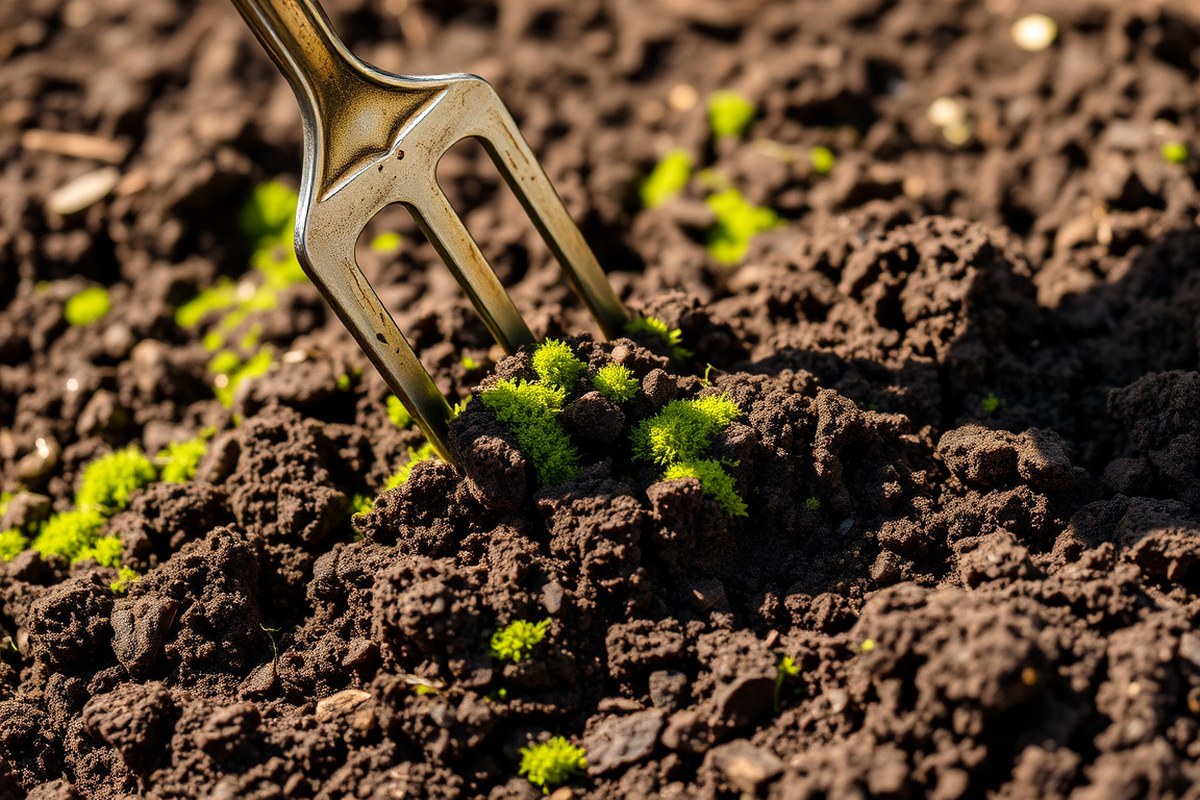
Start by spreading 2 to 3 inches of peat moss over your garden bed. Then work it in with a fork or tiller to avoid clumps that block plant roots. Just remember, peat moss is acidic, so check your soil pH for acid-loving plants.
Key Takeaways
- Mix peat moss evenly into the top 8 to 12 inches of soil for best results.
- Use peat moss at about 25-30% of the soil volume for most garden beds.
- Add 1-2 inches of peat moss around acid-loving plants to boost growth.
- Spread peat moss in a 2-3 inch layer before mixing it into your garden soil.
- Check your soil’s pH before adding peat moss, since it lowers pH significantly.
- Mix 1 part peat moss with 2 parts soil. This ratio works well for many garden needs. It helps soil hold water and nutrients.
How Peat Moss Improves Soil Water Retention and Structure
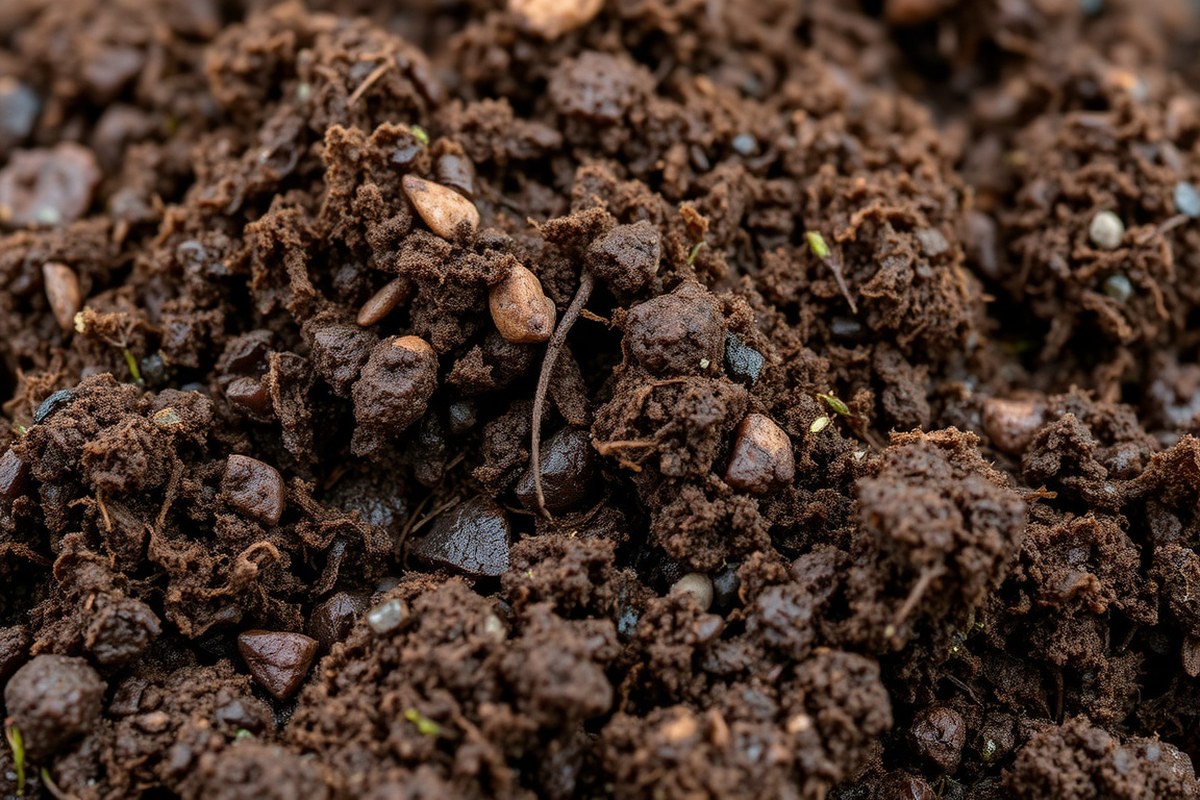
Peat moss has a great ability to hold water. It can absorb and keep moisture like a sponge, so soil stays damp longer. This helps plants get steady water without the soil drying out too fast.
Its loose, crumbly texture changes soil structure by improving aeration. When you mix peat moss into soil, it creates tiny air pockets. These pockets allow roots to breathe and grow better, which is key for healthy plants.
This moisture retention and improved air flow benefit different soil types in unique ways. In heavy clay soils, peat moss loosens the dense texture. This makes clay less compact and improves drainage so water doesn’t pool and drown roots.
In sandy soils, which drain water quickly, peat moss adds water-holding power. It helps sandy soil keep moisture longer, reducing how often you need to water. Adding peat moss also keeps sand from becoming too loose and blowing away.
For best results, mix peat moss into the soil top layer. Use 3 to 6 inches deep when mixing before planting. This helps improve soil right where plants grow.
Use about one part peat moss to two or three parts soil. This ratio balances moisture retention with good aeration without making soil too heavy or soggy.
Lightweight peat moss resists compaction over time. This means soil stays fluffy and easy to work, even after rain or watering.
However, adding too much peat moss can make soil hold too much water, causing root problems. So, keep to moderate amounts depending on your soil type.
How Peat Moss Alters Soil pH and Nutrient Availability
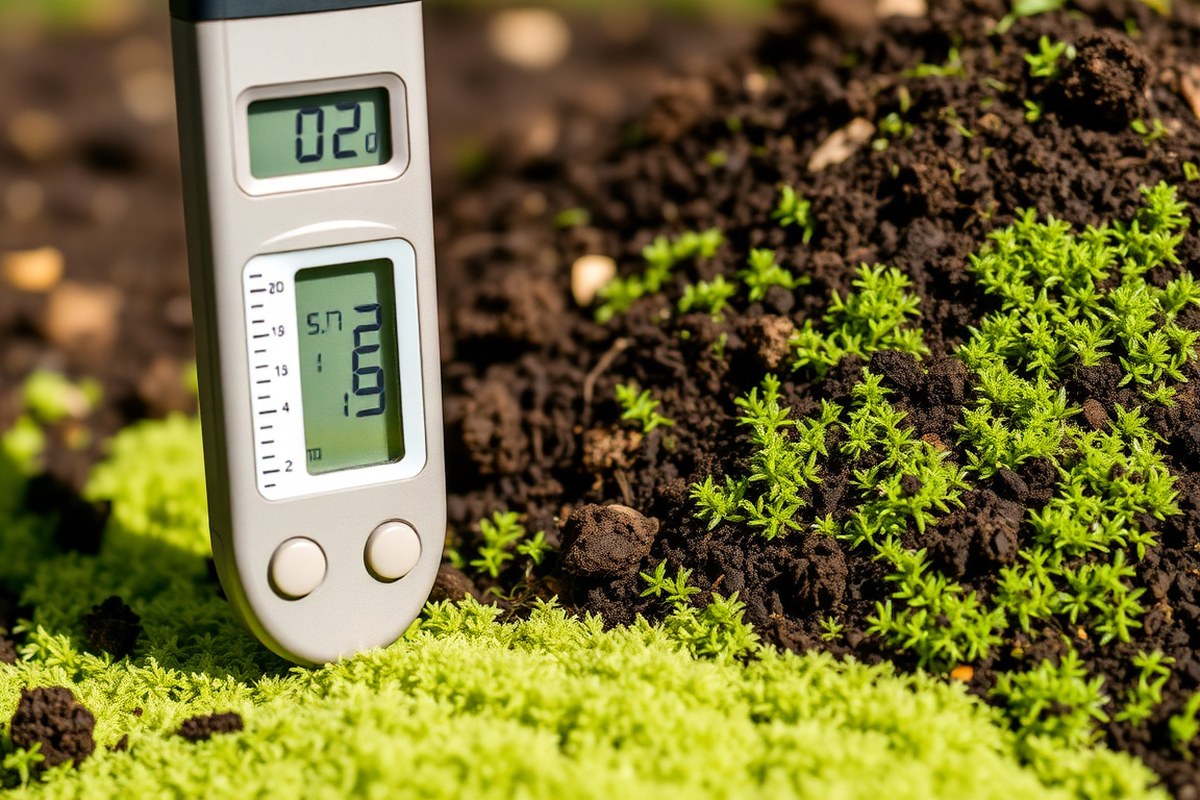
Peat moss has a naturally acidic pH, usually around 4.0 to 5.5. This acidity lowers the soil pH when you mix peat moss into garden soil. It creates an environment that certain plants need for better nutrient uptake and healthy root growth.
Acidifying the soil with peat moss means it releases hydrogen ions that increase acidity. This affects which nutrients plants can absorb.
Acidic soils help plants absorb iron, manganese, and phosphorus better. This suits plants that like acid soil.
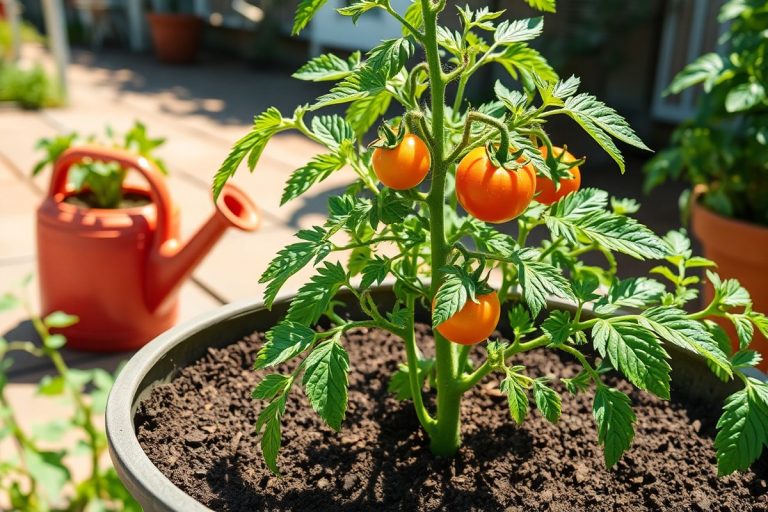
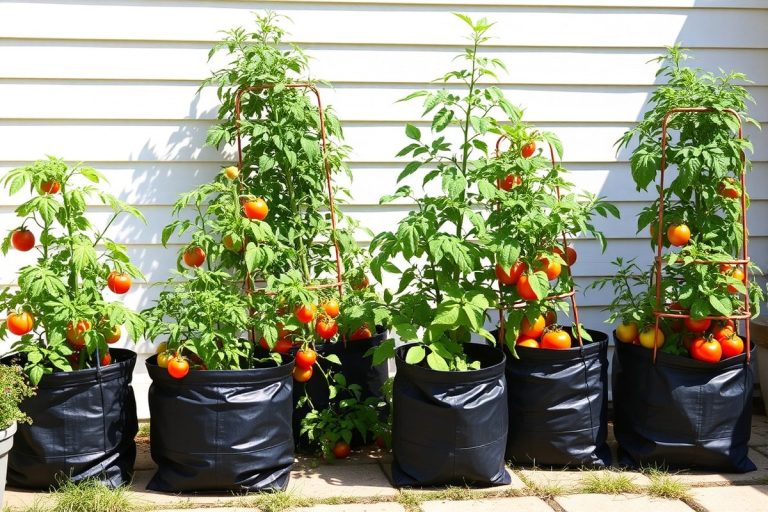
Plants like blueberries, azaleas, rhododendrons, and even tomatoes thrive with more acidic soil. Work 1 to 2 inches of peat moss into soil around these plants.
It helps them grow better. It mimics their natural habitat and boosts their growth.
Too much peat moss can make soil too acidic for some plants. Those that like neutral or alkaline soil may suffer. It can block access to calcium, magnesium, and other nutrients those plants need.
Check your garden soil’s pH before adding peat moss. Know if your plants need acidic or higher pH soil.
Peat moss stays effective in your soil for about one to two growing seasons. Over time, it breaks down and loses its acidity.
So reapplying it is necessary to keep the pH balanced for acid-loving plants. Spread 2 to 4 inches evenly and mix into the topsoil for the best effect.
Too much peat moss can stress plants that don’t like acidic soil. So always check your soil’s pH before adding it.
When and How to Add Peat Moss for Best Gardening Results
Use peat moss by mixing it into soil before planting for best results. Apply 2 to 3 inches of peat moss on garden beds.
Mix one part with two parts soil in containers. Add peat moss early in the growing season to help soil moisture and texture.
Incorporating Peat Moss into Garden Beds
Spread peat moss over your garden bed in a 2 to 3 inch layer. Mix peat moss into the top 8 to 12 inches of soil.
Use a garden fork or rototiller for this. This deep mixing helps improve water retention and break up heavy soil.
You might need to add agricultural lime if soil is acidic. Skip lime for acid-loving plants. Use a soil test first to check pH levels and nutrient needs before adding peat moss.
Follow these steps for best results:
- Test soil pH and nutrients several weeks before planting.
- Spread a 2 to 3 inch layer of peat moss over your garden bed.
- Use a garden fork or tiller to mix peat moss into soil. Work down 8 to 12 inches deep.
- Add agricultural lime if your soil pH is too low. Use this when growing plants that like neutral soil.
- Rake the soil smooth after mixing to prepare for planting.
- Plant your seeds or seedlings as usual.
Using Peat Moss in Container and Potting Mixes
Peat moss works well in containers to prevent waterlogging and improve aeration. Mix one part peat moss with two parts potting or garden soil.
This makes a balanced blend. This ratio keeps containers moist but well-drained.
Seed-starting mixes often contain peat moss because it is sterile and helps seeds retain moisture. Keep container soil slightly moist, not soggy, and water when the top inch feels dry. Avoid using too much peat moss as it can dry out faster.
Try these steps for mixing container soil:
- Measure two parts garden soil or potting soil.
- Add one part peat moss to the soil.
- Blend the peat moss and soil thoroughly by hand or in a wheelbarrow.
- Fill containers with the mix and plant as directed.
- Water lightly and monitor moisture regularly.
Adding Peat Moss for Acid-Loving Plants
Plants like blueberries and azaleas need soil on the acidic side, which peat moss helps create. You can apply peat moss at a higher rate, close to 30% of the soil volume. This adjustment helps lower pH and improve nutrient availability for these plants.
Add peat moss in the fall or early spring to allow soil to adjust before planting. Avoid adding lime in these cases, as it would neutralize acidity. Test soil pH every year to track changes and add peat moss as needed.
Peat Moss vs Sphagnum Moss: What’s the Difference?
Peat Moss vs Sphagnum Moss: What’s the Difference?
Sphagnum moss and peat moss come from the same plant but differ a lot. Peat moss forms underground after partial decay.
Sphagnum moss is the living, long-fibered moss found on the bog’s surface. Knowing this helps you pick the right one for your soil needs.
Origin and Composition Differences
Peat moss is formed from decomposed sphagnum moss buried deep in bogs. It’s usually fine and crumbly with a brown color. Sphagnum moss is the fresh, long strand-like moss you find on top of bogs.
It looks stringy and ranges from tan to green. Their age and structure affect how they work in gardening.
| Feature | Sphagnum Peat Moss | Sphagnum Moss (Long-fiber) |
|---|---|---|
| What it is | Partially decomposed peat from deeper in the bog | Peat moss comes from the top layer of living moss that has dried out. |
| Looks like | Fine, brown, crumbly | Long, stringy, tan to green strands |
| Sold as | Compressed bales, potting mix ingredient | Loose bags, liners |
| Typical use | Soil amendment, seed starting, potting mix base | Basket liners, floral work, wrapping roots and cuttings |
This table highlights the key differences you’ll see on store shelves. The shape and processing style affect how each one behaves in soil. Keep this in mind when you shop for your garden projects.
Water Retention and Soil Effects
Peat moss holds water really well due to its porous structure. It improves soil moisture while still allowing air flow and drainage.
Sphagnum moss also helps hold moisture, but it’s less common as a soil conditioner. Its fibers are better for wrapping roots or lining baskets.
Adding peat moss to soil makes it lighter and fluffier, which helps roots grow. It also keeps nutrients available longer than regular soil. Plus, warm water helps peat moss absorb moisture faster when you soak it before use.
Common Garden Applications
Peat moss is a top choice for improving garden soil, seed starting, and potting mixes. It’s lightweight and breaks down slowly to keep soil healthy for months.
Sphagnum moss is excellent for wrapping roots when transplanting or lining hanging baskets. It doesn’t mix into soil as well because of its stringy texture.
For soil conditioning, peat moss is usually better because it evenly mixes into soil. Sphagnum moss is more useful in non-soil uses like floral arrangements or moisture retention outside soil. Use peat moss to help soil hold more water.
It also improves air flow. Peat moss makes soil more acidic for better plant growth.
Environmental Impact and Sustainability Concerns with Peat Moss
Peat moss is considered non-renewable because it forms extremely slowly over thousands of years. Peat builds up about 1 mm each year. Harvesting it faster stops it from growing back.
Using peat moss draws on a resource that won’t renew anytime soon. It takes longer than a human lifetime to grow back.
Peatlands store huge amounts of carbon. They hold almost 100 times more carbon than tropical forests, says the United Nations. Harvesting or draining peat bogs releases stored carbon dioxide.
This adds more carbon to the atmosphere. This release adds to global warming rather than reducing it.
Harvesting peat moss also damages peatlands’ natural ecosystem. Taking away plant layers messes up water balance.
It also damages soil structure and slows bog recovery. This damage reduces their ability to keep storing carbon and harms local wildlife habitats.
Peat bogs grow back too slow to supply peat moss safely. Try other options to improve your soil instead. Coconut coir and rice hulls help drainage and water hold.
They don’t carry the same carbon cost as peat. These materials work well in many types of soil and gardens. They suit gardeners avoiding damage to peatlands.
Pick coconut coir or rice hulls to protect peatlands. They also lower your garden’s carbon footprint.
Use peat moss carefully by adding only small amounts. Mix it with other soil additives for best results. You can also look for peat moss labeled as sustainably harvested.
Still, truly sustainable options are rare. The best way to cut environmental harm is using peat moss sparingly. Only add it when really needed.
Best Alternatives to Peat Moss for Soil Amendment
You can use coconut coir, compost, pine bark fines, or leaf mold instead of peat moss. These materials hold water and improve soil structure while being more eco-friendly. Here’s a look at how they compare.
Coco Coir
Coco coir comes from coconut husks and holds water well, almost like peat moss. It drains better and lasts longer without compacting, so roots get air. It’s widely recommended by experts at Oregon State and Cornell.
Soak coco coir in water before adding it to soil. Use 1 part coir to 2 parts soil. Mix them well before planting.
It breaks down slower than compost but faster than peat moss. Coir costs less and ships easily compared to peat moss.
Composted Materials
Compost feeds your soil microbes and adds nutrients peat moss lacks. It breaks down faster.
So you’ll want to add compost yearly to keep soil healthy. You can use homemade compost made from kitchen scraps and garden waste.
Mix compost into soil at a 1 to 3 ratio. Adjust the amount depending on how rich you want the soil. More compost means richer soil.
Compost improves soil structure but holds less water than peat or coir. It’s the most affordable and sustainable option if you make it yourself.
Pine Bark Fines and Leaf Mold
Pine bark fines add structure and improve drainage, helpful for plants that don’t like wet soil. Leaf mold helps soil retain moisture and feeds soil life as it breaks down slowly. These materials are well-suited for garden beds and container mixes.
Use pine bark fines mixed at 20, 30% of your soil blend to aid aeration. Leaf mold can replace some peat moss in potting mixes. It tends to be lighter and less dense than peat moss.
You might need to adjust your mix. Both are natural, renewable resources with less environmental impact.
Here’s a quick comparison of these peat moss alternatives:
| Alternative | Recommended by | Notes |
|---|---|---|
| Coco Coir | Oregon State, Cornell | Closest match to peat moss for holding water and structure; drains well |
| Compost | Oregon State, Cornell | Adds nutrients and feeds microbes; breaks down faster than peat |
| Rice Hulls | Cornell | Improves drainage, especially good for container plants |
| Leaves, Wood Chips, Decomposed Manure | Oregon State | Builds soil and acts as mulch; breaks down to feed soil life |
| Perlite | Oregon State | Improves aeration; holds little water, so use with other amendments |
Alternatives like coco coir and compost provide strong moisture retention or nutrition with fewer environmental problems. Pine bark fines and leaf mold offer good soil structure and renewability. Choosing depends on your plants’ needs and cost considerations.
Common Mistakes Using Peat Moss and How to Avoid Them
Peat moss dries out quickly because it holds water like a sponge. When peat moss gets too dry, it pushes water away. This makes it hard to soak.
It won’t rehydrate easily then. You might see dry peat dust floating on the soil surface, which won’t help your plants.
Too much peat moss can cause problems. Its high acidity and low nutrient content can harm plants if overused. Peat moss soaks up nitrogen from the soil.
That can starve plants of this key nutrient. You must add fertilizer to fix this. Using more than one-third peat moss in your soil mix is risky.
It might slow down plant growth. Stick to less than one-third for best results.
Always keep peat moss moist before use. Store it in a sealed plastic bag or container to stop it from drying out.
Soak dry peat moss in water overnight before mixing it with soil. This wakes up the beneficial microbes and makes the moss easier to work with.
- Use peat moss in a soil mix no more than 30% by volume
- Moisten peat moss before adding it to your soil to prevent dust
- Store unused peat in sealed bags to keep it damp
- Rehydrate dry peat by soaking it in water for several hours
- Add nitrogen fertilizer along with peat moss to avoid plant nitrogen deficiency
- Avoid using peat moss alone; blend it with compost or garden soil
- Apply peat moss in moderate amounts to avoid overly acidic soil
Drying peat moss becomes hydrophobic, making watering tricky. It won’t absorb water well until you soak it fully. Store peat moss right and keep it moist.
This helps it hold water well. It also improves soil better that way. Taking these steps protects plants from nutrient problems and supports healthy soil life.
How Long Does Peat Moss Last and Break Down in Soil?
Peat moss breaks down slowly in soil, giving benefits for many months. Peat moss works well for about two to three years.
After that, it loses most of its structure. The breakdown rate depends on factors like soil temperature, moisture, and microbial activity.
Warmer and wetter soil speeds up decomposition, while cooler, drier conditions slow it down. You’ll notice peat moss gradually mixes into the soil and becomes less visible. Its ability to hold water and loosen soil weakens as it breaks down.
Reapply peat moss every two to three years. This keeps your soil texture and moisture good. Add fresh peat moss on top or mix it into the soil.
Work it into the top 6 inches for best results. Avoid adding too much at once to prevent overly acidic soil.
For new garden beds, start with a 2-3 inch peat moss layer. Mix it well with the native soil. After that, add a yearly top dressing of half an inch or less.
This keeps benefits without causing pH changes. Check plants’ health and soil moisture to decide when more is needed.
Test your soil pH regularly if you use peat moss often. It can lower pH over time.
Step-by-Step Action Plan to Use Peat Moss for Better Soil
Follow these clear steps to get peat moss working in your garden soil effectively. Each step shows how to add peat moss and check your soil’s improvement.
- Before planting: Test your soil’s pH and texture to see if it needs peat moss. Look for sandy or clay soil that feels dry or heavy.
- Day 1: Mix 1 to 2 inches of peat moss into soil. Work it into the top 6 to 8 inches of soil. The soil should feel crumbly and moist after mixing.
- Week 2: Water the area well to help peat moss start retaining moisture. Check if soil stays damp longer than before.
- After 1 month: Plant your seeds or seedlings. Use plants that prefer slightly acidic soil if you added peat moss.
- After 3 months: Observe plant growth and soil texture. Soil should be easier to work and hold water better.
- After 6 months: Add more peat moss if soil feels dry or compacted again. Avoid adding too much to keep nutrients balanced.
- Ongoing: Mulch with organic matter to keep peat moss from drying out. Test soil pH yearly to adjust amendments.
Frequently Asked Questions
How Does Peat Moss Affect Soil Drainage?
Peat moss improves soil drainage by loosening heavy clay soils. It creates air spaces that help water flow through instead of pooling.
Can Peat Moss Help Prevent Soil Erosion?
Yes, peat moss helps hold soil in place by improving the soil structure. It increases moisture retention which reduces runoff and soil loss.
Is Peat Moss Good for Vegetable Gardens?
Peat moss is great for vegetable gardens because it retains moisture and loosens soil. Just mix it well to avoid making soil too acidic.
Can Peat Moss Reduce Soil Compaction?
Peat moss reduces soil compaction by creating a loose, crumbly texture. This helps roots grow better and allows air and water to reach them.
Does Peat Moss Add Nutrients to Soil?
Peat moss adds little to no nutrients on its own. Its main role is improving moisture retention and soil texture. So you’ll still need fertilizers.
How Does Peat Moss Help with Seed Starting?
Peat moss provides a sterile, light medium ideal for seed starting. It holds moisture without drowning seeds, aiding germination and early growth.
Wrapping Up
Peat moss helps hold water, improves soil texture, and balances pH for better plant growth. Use it carefully and test your soil often. Start by mixing peat moss into your garden beds this week to see the difference.