What Is a Tickseed Plant? A Complete Guide for Gardeners
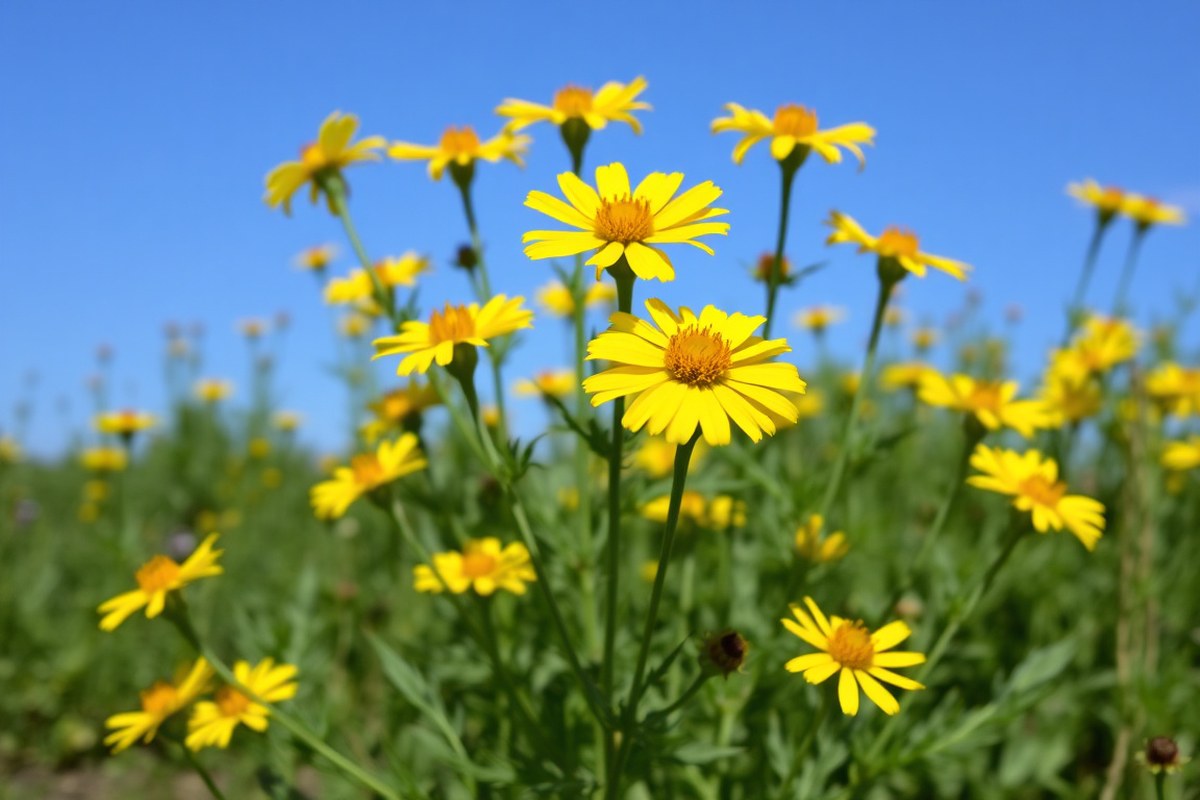
Tickseed is a flowering plant with bright yellow, daisy-like flowers. The flowers are 1 to 2 inches wide, with a round center and long, narrow petals. The plant grows mostly upright, reaching 1 to 3 feet tall depending on the type.
The name tickseed comes from its seeds, which can stick to clothing or fur like ticks. Gardeners like it for its cheerful flowers and easy care. You can start seeds indoors 6 to 8 weeks before the last frost or plant them outside after the soil warms above 55°F.
Plant tickseed in full sun for at least six hours a day. Space plants 12 to 18 inches apart to improve airflow and keep them healthy. Good air movement helps prevent disease by avoiding crowded spots.
Key Takeaways
- Tickseed has bright yellow, daisy-shaped flowers about 1 to 2 inches wide.
- Its name comes from seeds that stick to clothes like ticks.
- Grow tickseed indoors 6 to 8 weeks before the last frost date.
- Plant outdoors after the soil reaches 55°F to ensure growth.
- Space plants 12 to 18 inches apart for better airflow and health.
- Full sun exposure of six or more hours helps tickseed thrive.
What Is a Tickseed Plant and Why the Name?
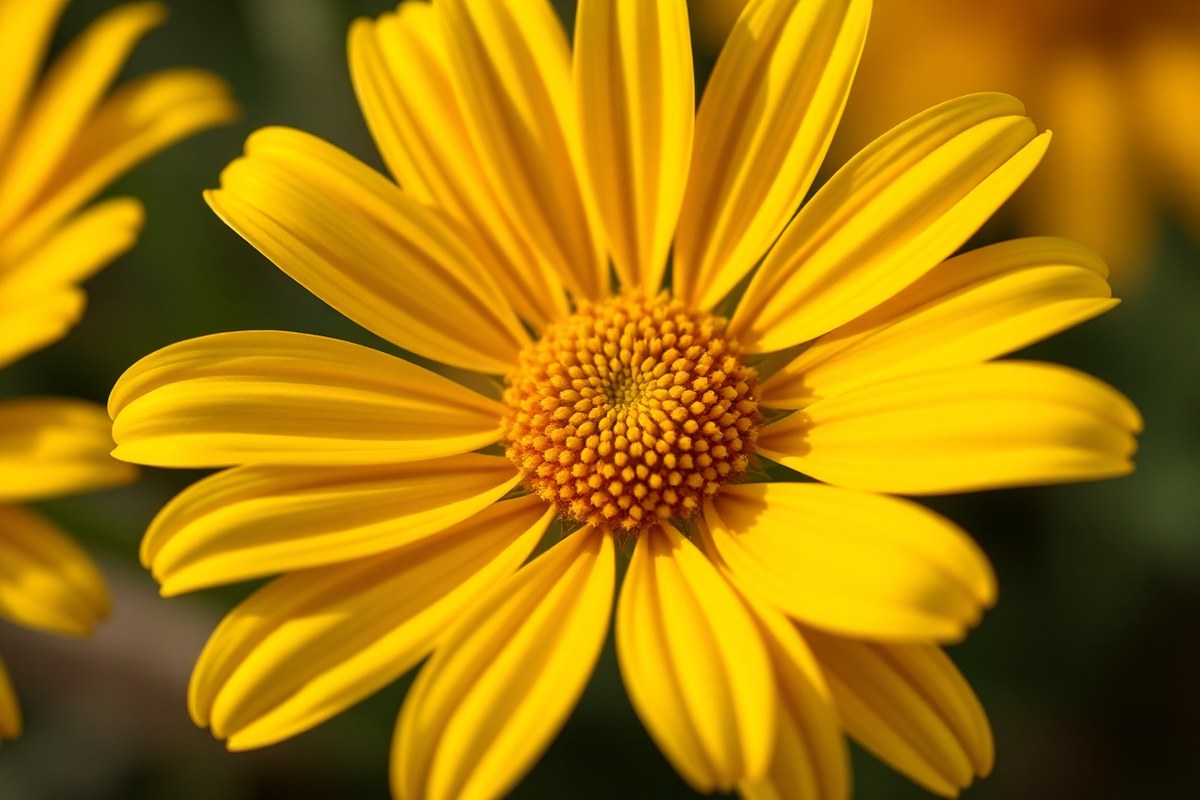
Tickseed is a common name for plants in the Coreopsis genus. These plants belong to the aster family and can be annual or perennial. They grow from 1 to 3 feet tall.
Their spread is usually 1 to 2 feet. These sizes make them good for many garden spots.
The flowers of tickseed are bright and cheerful. They usually have yellow petals that form daisy-like heads about 1 to 2 inches across.
Some varieties also have pink, red, or bi-colored petals. The center of each flower is a small disc surrounded by slender petals called ray florets.
The name “tickseed” comes from the plant’s seed shape. Its seed looks like a little black tick insect.
This unusual look gave the plant its nickname. The plant is loved for bright flowers and being easy to grow.
Main Types and Popular Cultivars of Tickseed
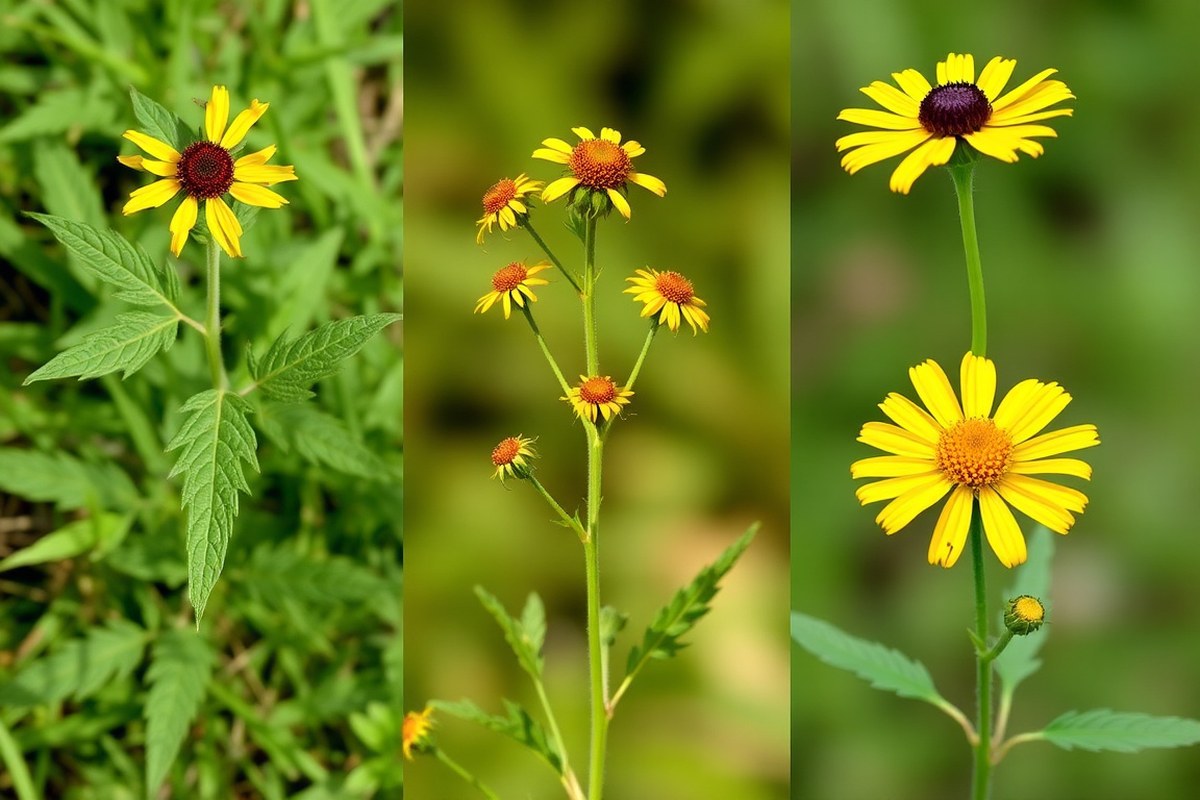
Tickseed plants belong mainly to the Coreopsis genus. Several species and cultivars vary by flower size, bloom time, and garden role. Choosing the right type depends on garden space and desired bloom traits.
Coreopsis Species Overview
Coreopsis tinctoria is the tall species, often reaching 3 feet. Its yellow daisy-like flowers bloom from summer to fall. This species suits tall borders or backdrops in the garden.
Coreopsis grandiflora is shorter and compact, growing about 1 to 2 feet tall. It has large yellow flowers and often reblooms, ideal for containers or front edges. Coreopsis lanceolata sits in the middle height range, around 18 to 24 inches.
Lanceolata blooms early in the season and fits well in mixed garden beds. Each species tolerates dry soil and deer, making them low-maintenance options.
Popular Garden Cultivars
Several Coreopsis cultivars offer unique size and bloom variations for gardeners. ‘Gold Rush’ is a type of Coreopsis tinctoria that grows a bit shorter. It blooms longer, lasting into late summer. This makes it a great plant for late-season color. ‘Early Sunrise’ belongs to grandiflora types and flowers early with semi-double yellow blooms.
‘Moonbeam’ is a favorite cultivar for small gardens. It reaches just 1 foot tall and shows pale yellow flowers with fern-like leaves. Another cultivar, ‘Creme Brulee,’ looks like ‘Moonbeam’ but grows more vigorously.
‘Golden Sphere’ stands out with its round, pom-pom shaped golden flowers. It stays compact, perfect for small spaces and containers.
| Variety | Ideal Garden Role |
|---|---|
| Coreopsis tinctoria | This tall plant is perfect for the back of garden borders. It flowers for many weeks during the growing season. You’ll get steady blooms that add height to your garden. |
| Coreopsis grandiflora | Compact, repeat-blooming, ideal for containers and front edge |
| Coreopsis lanceolata | Mid-height, early-season color, suited to mixed beds |
| Coreopsis tinctoria ‘Gold Rush’ | Slightly shorter than species, extended bloom into late summer |
| Coreopsis grandiflora ‘Early Sunrise’ | Early flowering, good for gardens needing early yellow |
| Coreopsis ‘Golden Sphere’ | Compact with double, pom-pom flowers for containers |
This table helps match tickseed types to garden goals. Choose tall types for background planting and shorter ones for containers or borders. Repeat bloomers add more color later into the season.
When to Choose Native vs. Cultivar
Native Coreopsis species naturally grow in your region and support local wildlife. They are a good choice for native plant or restoration gardens. Native species also tend to be very hardy with low care needs.
Cultivars often focus on flower form, size, or bloom timing for decorative effects. They might need a bit more attention but extend the season of interest. Use cultivars in smaller or designed gardens for specific looks.
Pick natives to encourage pollinators and biodiversity. Go with cultivars if you want garden variety and controlled size or bloom periods.
Give each tickseed plant 6 to 12 inches of space based on its mature size.
Ideal Growing Conditions for Tickseed Plants
Tickseed plants need at least six hours of direct sunlight each day. Full sun gives them the best bloom count and a healthier look. You can grow them in partial shade, but flowers might be fewer and smaller.
These plants like well-drained soil that isn’t too heavy. Sandy or loamy soil works best since it lets water pass through easily.
The soil pH should be between 6.0 and 7.5, which is slightly acidic to neutral. This helps the plant take up nutrients well.
Regular watering is important when the plants are new. Keep the soil moist but not soggy.
Once established, tickseed only needs occasional watering and can handle short dry spells. Too much water can cause root rot, so good drainage prevents this.
Tickseed grows well in USDA hardiness zones 4 through 9. These zones cover a wide range of climates from cool to warm. In colder zone 4, you should add winter mulch to protect the roots.
Plant tickseed seedlings only after the last frost. This timing lets them settle before hot weather arrives.
Daytime temperatures between 70 and 80°F help them thrive. Night temperatures from 50 to 60°F suit their rest period.
Choose containers for tickseed that are 8 to 10 inches wide and deep. Place the pots in spots that get 6 to 8 hours of direct sunlight daily. Make sure the soil drains well to prevent water from sitting in the pot.
Spacing plants 12 to 24 inches apart gives them room to grow. Crowding can reduce airflow and invite disease. Good air circulation helps tickseed avoid common problems like powdery mildew.
In high humidity areas, watch for yellowing leaves or pests like spider mites. Washing leaves with water and improving airflow can reduce issues. In drier zones, regular watering helps prevent stress and leaf drop.
How to Plant and Space Tickseed for Best Growth
Plant tickseed seeds indoors 6 to 8 weeks before the last frost. Transplant them outside only after all frost risks pass. Space plants 12 to 18 inches apart for good airflow and growth.
Starting Seeds Indoors
Start seeds under grow lights to give them a head start. This method helps your plants be ready when outdoor conditions improve. Keep the soil moist and warm, around 70°F, to encourage germination.
Follow these steps to start tickseed seeds indoors:
- Use a light, fast-draining potting mix to fill seed trays.
- Plant seeds about ¼ inch deep and cover lightly with soil.
- Water gently to moisten the soil without washing away seeds.
- Place trays under grow lights or near a sunny window.
- Keep soil temperature steady around 70°F for best sprouting.
- Thin seedlings to avoid overcrowding once they grow their first leaves.
- Harden off plants by exposing them gradually to outdoor conditions for 7, 10 days.
- Transplant outdoors after the last frost date when soil reaches at least 55°F.
Direct Sowing Outdoors
You can also plant tickseed seeds outdoors directly. Wait until all frost danger is gone and soil warms to about 55°F. This usually means planting in spring, after frost has passed.
Space your seeds or seedlings 12 to 18 inches apart. This spacing lets air flow and keeps plants healthy. Avoid planting too deep, as this can smother the seedling crown.
Container Planting Tips
Tickseed does well in containers when you provide enough space. Choose pots at least 8 to 10 inches deep and wide. Containers with drainage holes prevent root rot and keep soil healthy.
Use a loose soil mix, like loamy or sandy soil, for good drainage. Water regularly but avoid soaking; tickseed prefers moist, not wet, roots. Repot annually to refresh soil and give roots room to grow.
Basic Care and Maintenance of Tickseed Plants
Tickseed plants need watering only when the soil dries out. Overwatering can cause root problems and reduce flowering. During hot, dry spells, water deeply about once a week to keep plants healthy without waterlogging.
Use a balanced, slow-release fertilizer once in spring to support growth. You can add a light feeding in midsummer if blooms slow down. Avoid too much fertilizer as it may cause more leaves than flowers.
Deadheading means cutting off spent flowers to encourage new blooms. Check your tickseed every week, especially in summer. Snip flower stems down to the next leaf or side bud using clean garden scissors.
Some tickseed varieties bloom without deadheading. But removing old flowers helps most types stay vibrant longer.
Prune tickseed lightly in late spring or early fall to shape and remove dead stems. Dividing the plant every two to three years helps it stay vigorous. Dig up the root ball carefully.
Cut it into smaller parts. Each part should have several roots and shoots.
Dividing works best in early spring or after blooming ends. Give each division plenty of space to grow and water well until established again.
- Water deeply but only when soil feels dry about 1 inch down
- Feed once in spring with slow-release fertilizer, optional light feeding midsummer
- Deadhead spent flowers regularly by cutting below old blooms
- Prune lightly after flowering or in early spring to tidy the plant
- Divide root clumps every 2 to 3 years with a sharp spade or knife
- Space divisions widely to prevent overcrowding and promote airflow
- Watch for wilting from overwatering or drought stress
Tickseed’s spreading habit means overcrowding can happen quickly. Keep an eye for thinning or weak growth. Regular maintenance helps plants flower longer and resist common pests better.
Common Pests and Diseases Affecting Tickseed
Tickseed plants are tough but have a few pests you should watch for. Aphids can cluster on leaves and stems, sucking sap and causing distorted growth. Spider mites create tiny webs and make leaves look speckled or dry.
Some fungal diseases may show up, especially in poor airflow or wet soil. Powdery mildew appears as white powder on leaves.
Leaf spot disease causes dark spots that may enlarge and kill leaves. Root rot happens if the soil stays soggy, leading to wilting and yellowing.
- Handpick aphids or hose them off with water weekly
- Spray insecticidal soap to control aphids and spider mites
- Apply neem oil for fungal diseases and pests in early morning
- Use a fungicide if powdery mildew or leaf spot worsen
- Improve soil drainage and avoid overwatering to prevent root rot
- Thin crowded plants for better air circulation
- Mulch with 2-3 inches of organic material to keep soil healthy
Organic options like insecticidal soap and neem oil are safe and effective for most problems. Apply these every 7-10 days until issues fade. Chemical pesticides can work fast.
Use them only as a last resort. Always follow label instructions to protect pollinators.
Good drainage and sunlight help tickseed resist pests and diseases. Plant in full sun with well-drained soil and space plants 12 to 36 inches apart. Keeping plants healthy with balanced fertilizing and mulch cuts down on most problems naturally.
Propagation Methods: Growing Tickseed from Seed or Cuttings
Tickseed grows well from both seeds and cuttings, giving you flexible options for propagation. Starting from seed helps you grow many plants at once.
Cuttings create exact copies of a favorite plant. Each method has simple steps that fit different needs and schedules.
Seed Starting Process
Starting tickseed from seed begins with choosing good seeds and preparing your soil or seed tray. You can sow seeds directly outside in spring. Start seeds indoors 6 to 8 weeks before frost.
This helps young plants get a head start. Using containers lets you control conditions for better germination.
Follow this step-by-step process to start tickseed seeds indoors or in your garden:
- Select fresh seeds from healthy plants or seed packets.
- Fill seed trays or pots with a gritty, well-drained potting mix.
- Press seeds lightly onto the soil surface, do not cover deeply.
- Water gently using a misting bottle to keep soil moist, not soaked.
- Place trays where the temperature stays around 55-75°F.
- Keep soil moist by misting regularly until seedlings appear.
- Thin seedlings if they grow crowded, leaving the strongest few.
- When outdoors, transplant seedlings after the last frost to avoid cold damage.
Germination Tips
Tickseed seeds prefer warm soil within the 55 to 75°F range for fastest sprouting. Keep the soil moist but avoid soggy conditions, which can cause rot. Germination usually takes 7 to 21 days under these conditions.
Starting seeds indoors gives you a head start, especially in zones 4 to 7. Using a gritty potting mix helps drain excess water, helping to prevent seed or root rot. Let the top inch of soil dry slightly between waterings to mimic natural well-drained habitats.
Propagating by Cuttings
Tickseed can grow from cuttings, which copy the parent plant exactly and speed up flowering. Choose healthy, non-flowering stems about 4 to 6 inches long for best results. Cuttings root best when taken in spring or early summer.
After taking cuttings, remove the lower leaves. Dip the cut end in rooting hormone, if you have it. This encourages root growth.
Plant cuttings in a gritty, moist potting mix and keep them in bright but indirect light. Transplant the plants when roots have grown well.
This usually takes about 3 to 4 weeks. Moving them at this time reduces shock and helps growth.
Using Tickseed in Gardens: Pairings, Wildlife, and Overwintering
Tickseed pairs well with taller native plants like bee balm, coneflower, rattlesnake master, and aster. Plant shorter varieties like “Moonbeam” near the front of borders. This adds layers of color and texture to your garden.
It makes the border look fuller and more interesting. Using these plants together helps maintain a vibrant and balanced garden throughout the season.
This plant attracts butterflies, bees, and other pollinators, making it great for wildlife gardens. Letting tickseed go to seed offers food for finches and sparrows in winter. Choose tickseed for a natural boost to your garden’s biodiversity and steady pollinator visits.
Coreopsis has some resistance to deer, but it’s not foolproof. Deer damage is common; use early-season repellents to protect young plants. You can also put up physical barriers to keep deer away.
Taking extra steps can protect your tickseed flowers from deer. Using repellents and barriers helps keep the garden tidy. This stops deer from ruining the flower bed.
In cold USDA zone 4, protect tickseed in winter with mulch. Use a 2-inch layer of straw or pine needles. This covers the plants and shields them from frost.
Do this after the first hard freeze to shield the plant crown from freezing temperatures. In milder zones, winter protection usually isn’t needed since the plant tolerates frost better.
Put mulch on tickseed only after soil freezes. Mulching too soon traps moisture and can cause rot. Wait to keep crowns healthy through winter.
Step-by-Step Action Plan for Growing Tickseed Successfully
Follow these steps to start growing healthy tickseed plants in your garden. Check each step’s sign to see if you’re on the right track.
- Before you plant: Choose a sunny spot with well-drained soil. Your tickseed should get at least six hours of direct sunlight.
- Planting day: Space the plants 12 to 18 inches apart. This gives them room to grow and prevents crowding.
- Week 1: Water the newly planted tickseed deeply once or twice. The soil should feel moist but not soggy.
- After 2 weeks: Start a weekly feeding with a balanced, water-soluble fertilizer. Watch for healthy, green new growth.
- Month 1: Check for pests or disease signs like holes or spots on leaves. Catch problems early to control them easily.
- Every month: Deadhead spent flowers to encourage more blooms. Your plant should keep flowering for several weeks.
- End of season: Cut back old growth to prepare for winter. This helps the plant rest and regrow next spring.
Frequently Asked Questions
What Is the Lifespan of a Tickseed Plant?
Tickseed plants can live for several years. Perennial species come back each spring. Annual types finish their life cycle in one season.
They need to be replanted the next year. Proper care influences how long they thrive.
Can Tickseed Plants Tolerate Drought?
Yes, tickseed plants handle dry conditions well once established. They prefer regular watering during early growth but resist drought better than many flowers. Mulching helps retain soil moisture for healthier plants.
Are Tickseed Plants Deer Resistant?
Tickseed plants are mostly deer resistant. Deer usually don’t like their leaves or flowers. That makes them good for gardens with deer problems.
They help protect your other plants from deer. However, no plant is completely deer-proof.
Do Tickseed Plants Attract Butterflies or Bees?
Yes, tickseed flowers attract butterflies and bees. Their bright yellow, daisy-like blooms provide nectar for many pollinators. Planting tickseed supports local wildlife and garden biodiversity.
Can Tickseed Grow in Containers?
Tickseed can grow well in containers. Choose pots with good drainage and use a well-draining soil mix. Container-grown tickseed may need more frequent watering than ground-planted ones.
Are Tickseed Plants Toxic to Pets?
Tickseed plants are generally non-toxic to pets. They don’t pose a known risk to dogs or cats. Still, avoid pets eating any plant to prevent mild digestive upset.
Wrapping Up
Tickseed plants brighten gardens with long-lasting blooms and easy care. Start planting yours in a sunny spot soon. Watch how the flowers grow and enjoy your garden’s new splash of color.