How Long to Run Soaker Hose for Best Results: A Complete Guide
How long to run soaker hose is a common question for watering plants efficiently. Generally, aim to run it for 30 minutes per session. This time wets soil deeply without wasting water or causing runoff.
You can adjust the run time between 30 minutes and one hour. It depends on your soil and plant needs. Start by running it for 45 minutes.
Then check the soil moisture 6 inches down. Use this to decide if you need more time.
Keep an eye on any pooling water or soggy spots. That means you’ve run the hose too long or the soil isn’t absorbing well. Correct timing helps water soak into the root zone, keeping plants happy.
Key Takeaways
- Run your soaker hose for 30 to 60 minutes per watering session.
- Check soil moisture 6 inches deep after initial watering to adjust time.
- Water 2 to 3 times a week for steady soil moisture.
- Sandy soils need longer watering, up to 2 hours for good saturation.
- Stop watering if you see pooling water or soggy soil areas.
- Use mulch to help keep soil moist and reduce watering time.
How Long to Run a Soaker Hose for Effective Watering
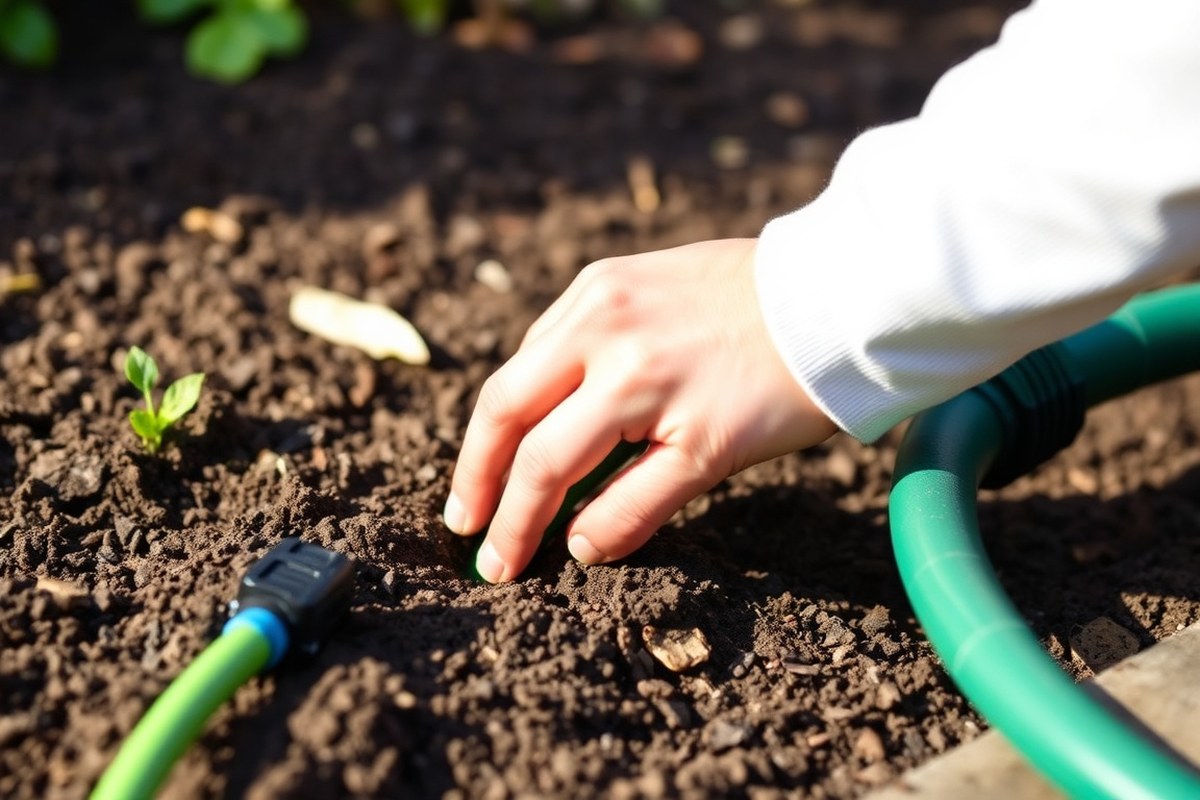
Start by running your soaker hose for about 30 minutes. This is a solid starting point for most gardens, especially if your soil is well mulched. After 30 minutes, dig 6 inches deep near the roots to check soil moisture.
The soil should feel moist but not soggy. Check the soil at this depth.
If it’s dry, add 10 to 15 more minutes. Then check again.
Typically, watering sessions last between 25 to 45 minutes to soak the root zone well. Running the hose this long encourages deep root growth and keeps plants healthier. Don’t run the hose longer than needed.
Water can pool on the surface. Runoff may also happen.
Water your garden two to three times each week during growing season. Keep this routine consistent. This schedule keeps the root zone consistently moist without overwatering.
Increase watering frequency during hot, dry spells or reduce it after heavy rains. Adjust times based on what your soil moisture checks tell you.
Sandy soils drain faster and may need longer soak times, often one to two hours. Heavy clay soils soak slowly. So shorter, slower sessions might work better to avoid runoff.
Your goal is to moisten soil deeply. Aim for a 10- to 12-inch depth. This covers most plant roots.
You just installed your soaker hose. Run it for 45 minutes in a mulched bed. Then check the root zone moisture 6 inches down.
Write down the time it took to wet the soil this deeply. Use that time for future watering sessions unless weather or soil conditions change.
How Soil Type Affects Soaker Hose Watering Duration
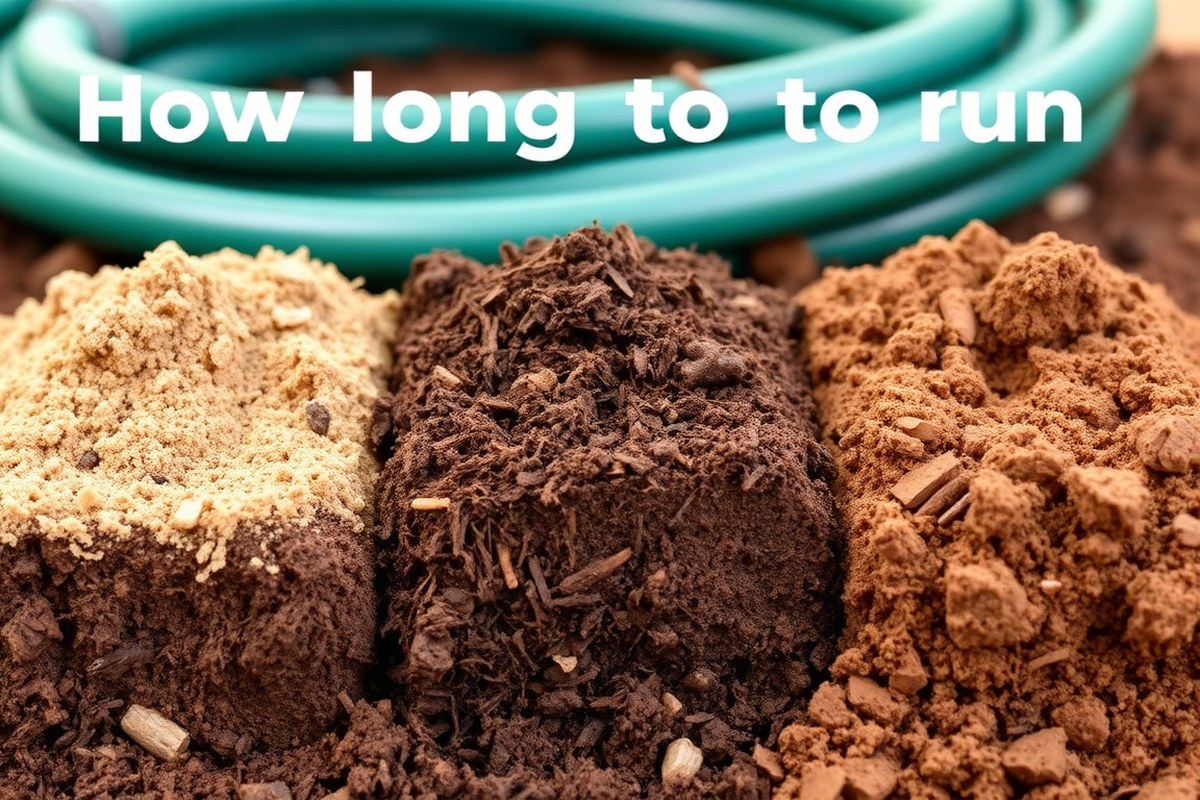
Different soil types soak up water at very different rates. Sandy soil has large particles and drains quickly. Soaker hoses need to run longer over sandy soil to get deep water to the roots.
Clay soil holds water well but drains slowly. Running a soaker hose too long on clay causes water to pool. It can also lead to hard surface crusting.
Loamy soil sits between sandy and clay. It absorbs water moderately fast and holds moisture well. So you’ll use medium run times.
Here’s a simple table to match soil types with typical soaker hose run times. Use it as a starting point, then check your soil moisture to fine-tune.
| Soil Type | Water Absorption | Recommended Run Time | What to Watch For |
|---|---|---|---|
| Sandy | Fast drainage, low moisture retention | 1 to 2 hours | Soil should be moist 6 inches deep without drying quickly |
| Loamy | Moderate drainage and moisture retention | 45 to 90 minutes | Soil stays cool and damp below surface, no muddy spots |
| Clay | Slow drainage, high moisture retention | 30 to 60 minutes | No puddling or crusting; soil surface should remain crumbly |
Running a soaker hose on sandy soil for less than an hour often leaves roots thirsty. You need to water longer to keep them moist. You want water to reach about 6 inches deep.
In clay soil, keep the hose on shorter. Too long means water pools and can drown roots.
Loamy soil is your middle ground. So aim around 45 minutes to an hour, then adjust as needed.
Test soil dampness at different depths after watering to avoid over or underwatering.
These run times depend on your garden’s exact conditions. Hot weather or raised beds with mulch might require shorter times.
Water draining fast or puddling means you should change your watering schedule. Adjust the hose timing to suit your soil.
How Weather Conditions Change Soaker Hose Run Times
Temperature, humidity, and rainfall change how long you run a soaker hose. Hot and dry days need longer watering. Cool or rainy weather calls for less or no watering.
You can increase watering time 30-50% in heat. Cut it 15-30% on cool, cloudy days.
Increasing Watering in Heat
When temperatures climb above 85°F, plants lose moisture quickly. Run your soaker hose 30-50% longer during hot spells to keep roots hydrated.
Hot, dry winds make soil dry faster. So watering every two or three days might not be enough.
Vegetables like beans and corn use more water while blooming or setting fruit. During these peak growth stages, increase watering frequency to every other day if possible. This helps avoid dry stress that can stunt growth and reduce yields.
- Extend watering times by 30-50% on hot days
- Water more often if winds are drying out soil
- Focus extra water on plants that are flowering or fruiting
- Check soil moisture daily during heatwaves
- Mulch can reduce evaporation and help keep soil moist
Adding 30-50% watering could mean 30 minutes twice a week. It might stretch to nearly an hour per session.
Or you could water more days each week. It takes extra water but prevents plants from wilting or dying in the heat.
Reducing Watering with Rainfall
Rainfall naturally waters your garden and lowers the need for soaker hose use. After rainfall, skip watering until the soil feels dry about 1 inch down. Overwatering when the soil is moist can cause root rot and fungal diseases.
Most gardens need around 1 inch of water weekly during summer, including rain. Use a rain gauge or check soil moisture to decide if watering is necessary. Provide the full text for number 3 to rewrite it properly.5 inches of rain, reduce watering by about half.
- Skip watering after significant rainfall (≥0.5 inch)
- Use a rain gauge to track natural water
- Check soil moisture 1 inch deep before watering again
- Reduce watering by 15-30% during frequent rainy days
- Avoid watering soggy soil to prevent disease
Adjusting watering based on rain saves water and helps keep plants healthy. It can also reduce your water bill noticeably over the season.
Adjusting Watering for Cool Weather
Cooler temperatures reduce evaporation and plant water needs. Lower watering times by 15-30% during spring or fall when temps are below 70°F. You can water less often or run the soaker hose for shorter periods.
High humidity slows soil drying even more, so check moisture before watering again. Seedlings and transplants still need frequent but smaller watering sessions to keep their roots moist.
- Cut watering time by 15-30% in cool weather
- Water less often but keep soil evenly moist
- Check soil moisture regularly to avoid overwatering
- Keep watering frequent but light for seedlings
- Reduce run times to about 20-25 minutes if normally 30 minutes
Too much water in cool, damp weather can cause root problems. Adjust carefully and rely on soil feel rather than a fixed schedule.
How to Test Soil Moisture and Adjust Soaker Hose Time
Moistening soil to the root zone means reaching about 6 to 12 inches deep. You want enough water in the soil where plant roots actually grow. Testing soil moisture at this depth helps you avoid wasting water or leaving plants thirsty.
Using the Finger Test
The finger test lets you check if the top soil is dry and needs watering. It only works for surface moisture and won’t show root zone wetness. Keep your finger about an inch deep in the soil near the plants.
Your finger feels dry or crumbly; run the soaker hose then. Moist soil feels cool and slightly sticky on your finger.
This tells you when to water. But follow up with deeper checks to avoid shallow watering.
Digging to Check Root Zone Moisture
Dig down after watering to see if the soil is wet 6 to 12 inches deep. You can use a trowel or a wooden dowel stick as a moisture probe. This step shows if water reached the roots or pooled only near the surface.
Here’s a simple way to do this test:
- Run the soaker hose for the set watering time, such as 30 minutes.
- Use a trowel or stick to dig 6 to 12 inches deep. Do this near your plant.
- Pull the stick out and examine the soil or stick surface for wetness.
- Look for moist, dark soil or watermarks on the stick at root depth.
- Soil is wet on top but dry at roots; water longer.
- Soil feels soggy or water drains fast; water less next time.
- Record your findings for tracking and future adjustments.
Adjusting Run Time Based on Findings
Start with 30 minutes twice a week as a baseline. After testing soil wetness, increase or decrease time by 5 to 10 minutes. Adding small increments helps avoid overwatering and water waste.
For example, if your test shows 4-inch moisture depth after 30 minutes. But roots grow 12 inches deep, try 40 minutes next time.
Check soil again the next day to see if the water reached 6 to 12 inches. Adjust again if needed, then keep a consistent schedule once you find the right time.
How Hose Length and Water Pressure Impact Run Times
Longer soaker hoses lose water pressure toward the far end. This causes uneven watering, with plants near the spigot getting more water. Experts suggest keeping hose runs about 25 feet to 100 feet long for steady flow.
Your hose longer than 100 feet won’t get enough water at the end. You can split your hose into shorter parts. Use a splitter to attach multiple hoses.
This keeps the water pressure steady. Lowering the hose length helps your garden get consistent moisture.
Water pressure from your spigot affects how fast water comes out of the hose. Too much pressure can make hoses burst or spray unpredictably. Set a pressure regulator to about 10 to 12 psi.
This helps water flow evenly. It also protects your hose from damage.
Low pressure means your soaker hose delivers water slowly. This calls for running the hose longer to give plants enough water.
Dry spots at the end mean you should shorten the hose. You can also run the hose longer to fix this.
Check your soil moisture at the far end of the soaker hose. Dry spots mean you need to shorten the hose. Running it longer can help balance the watering too.
Maintaining steady water pressure means using a pressure regulator and keeping hose lengths within recommended limits. These simple steps create uniform watering, saving water and avoiding stress on plants. Proper setup helps your whole garden thrive without guesswork.
Best Practices for Soaker Hose Placement and Scheduling
You can get the most from your soaker hose by placing it right. Space the hose well. Set a solid watering schedule.
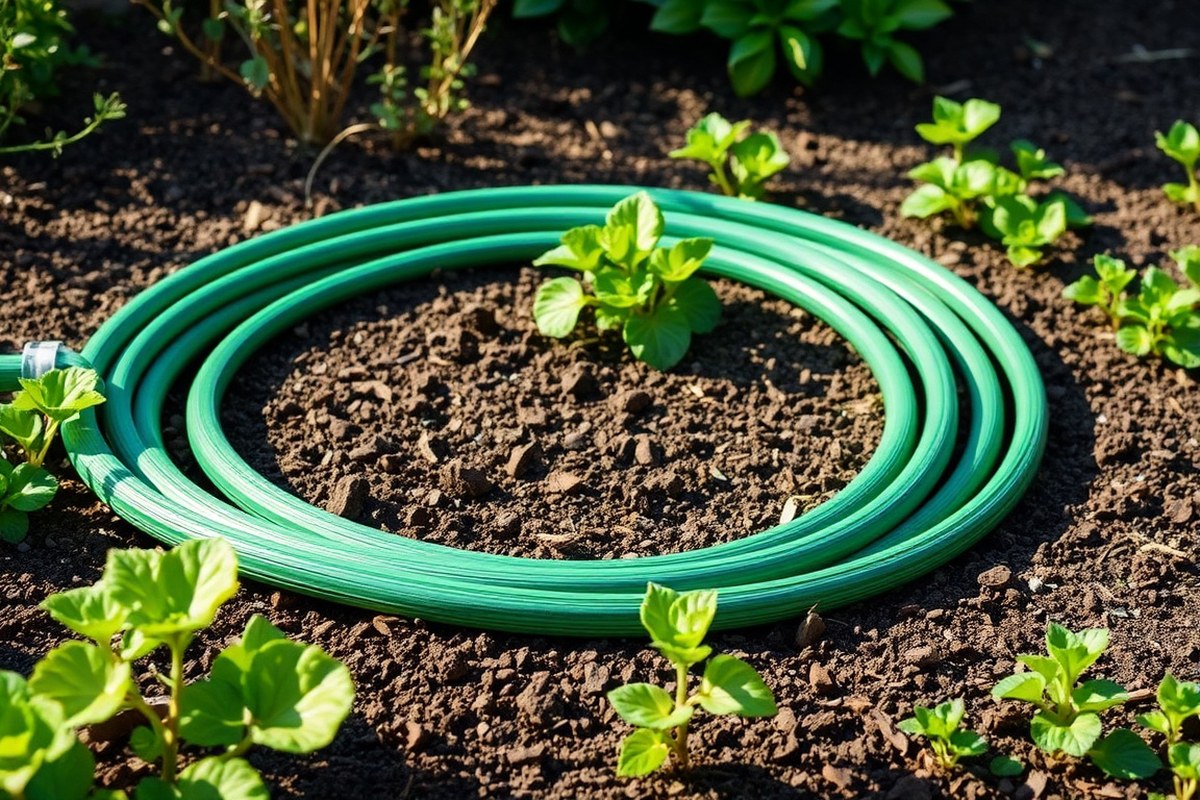
Laying the hose in a serpentine pattern covers plants evenly. Adding mulch helps the water stay in the soil where roots need it most.
Spacing Soaker Hoses Properly
Space hoses about 12 to 18 inches apart for most garden beds. This spacing lets water reach plant roots without gaps or overlap. Move hoses closer when plants grow close together to keep soil moist.
Laying the hose in a serpentine pattern pauses water flow and covers more ground. Don’t stretch a straight hose line; this causes uneven watering, especially with longer hoses. Bury hoses 2 to 3 inches below the soil to cut down evaporation and prevent damage.
Using Mulch to Retain Moisture
Covering the hose and surrounding soil with mulch holds moisture longer. Mulch reduces evaporation by blocking sun and wind from drying soil quickly.
Use organic mulches like shredded leaves or wood chips. They help keep soil cooler and reduce weeds.
The mulch layer should be 2 to 3 inches thick. This thickness protects the soil but still lets water soak in easily. Avoid piling mulch directly against plant stems to prevent rot or pests.
Setting Watering Frequency and Timing
Run soaker hoses for about 45 to 60 minutes twice a week on loamy soil. Water in the morning.
The soil absorbs water before heat causes evaporation. Avoid watering in the evening to prevent fungal disease risk.
Adjust timing based on weather, plant needs, and soil moisture. Skip watering that day when rain is expected. Check soil with a moisture meter or finger test to fine-tune your watering schedule.
- Lay hose in a serpentine pattern for even coverage
- Space hoses 12 to 18 inches apart for most vegetables
- Bury hoses 2 to 3 inches to reduce evaporation
- Cover hose with 2 to 3 inches of organic mulch
- Water for about 45, 60 minutes twice weekly on loamy soil
- Water in the morning to reduce evaporation and disease
- Adjust schedule based on weather and soil moisture checks
Common Mistakes in Soaker Hose Timing and How to Fix Them
Running your soaker hose too short can leave plants thirsty, stunting growth. Running it too long wastes water and can drown roots. Watch for soggy soil or standing water, that signals overwatering and risk of disease.
Uneven watering shows as dry patches near the hose’s end or middle. This often happens when the hose is too long and loses pressure toward the far end. You can spot this by digging a small hole along the hose to check soil moisture.
Water runoff means you’re watering too fast or too much. Sloping gardens or clay soils that don’t absorb fast cause runoff. To fix this, reduce run time or water in shorter cycles, letting soil soak between sessions.
- Inspect soil moisture every 6, 8 inches along the hose length
- Limit hose length to about 50 feet without booster pressure to keep even flow
- Set soaker hose to run 30, 60 minutes depending on soil and plant needs
- Use a timer to avoid forgetting and overwatering
- Split long hoses into shorter sections with valves to control water better
- Raise water pressure only as recommended to prevent hose damage
Check the soil every few days. You’ll know the timing is right when soil feels moist 4, 6 inches deep without puddles. Dry soil deeper than 6 inches means run time should increase.
To stop runoff, try watering twice per day for 20 minutes. This lets water soak in without washing away soil. Watching how your garden responds helps you fine-tune easily over the growing season.
Adjusting Soaker Hose Run Time for Different Plants and Growth Stages
Watering time changes with plant type and growth stage. Young seedlings need gentler watering to stay moist without drowning roots. Mature vegetables require more water as their roots grow deeper and plants become larger.
Established shrubs have deep roots. They usually need longer watering sessions. Water less often but deeply to reach the roots.
Root depth and plant species affect water needs a lot. Shallow-rooted plants dry out faster and may need shorter, more frequent watering. Deep-rooted plants do better with longer runs that soak the soil deeply.
Young plants risk root rot if overwatered. Mature plants stop growing with too little water. Different watering works for different plant ages.
Running your soaker hose for about 1 to 2 hours usually suits new seedlings. Mature vegetable beds often need around 3 to 4 hours for water to soak deeply. Established shrubs need 4 to 6 hours of watering.
They only need this a few times each week. Their roots spread deep to soak up water. Adjust these times slightly based on your soil type and weather conditions.
| Plant Type | Growth Stage | Recommended Run Time | Frequency |
|---|---|---|---|
| Vegetables | New Seedlings | 1 to 2 hours | Daily or every other day |
| Vegetables | Mature Plants | 3 to 4 hours | 3 to 4 times per week |
| Shrubs | Newly Planted | 2 to 3 hours | 2 to 3 times per week |
| Shrubs | Established | 4 to 6 hours | Once per week |
Keep an eye on your plants while you water. Seedlings showing drooping or yellowing might need less water or shorter runs. Over time, reduce watering frequency as plants grow and root systems get larger.
Water shrubs deeply but less often. This helps make roots strong. It also stops the soil surface from drying out.
Test soil moisture below the surface regularly to avoid overwatering young plants or underwatering mature ones.
Step-by-Step Action Plan for Using Your Soaker Hose
Follow these steps to set your soaker hose run time and keep plants healthy and hydrated.
- Day 1: Set the soaker hose to run for 30 minutes. Check the soil moisture 2 inches down after watering.
- Day 3: Check the soil for dampness. It should not be wet or dry. Change run time by 10 minutes if needed.
- Week 1: Look at plant leaves for wilting or yellowing. These signs show stress. Change watering if you see these signs.
- After Week 2: Water more during hot weather. Add 10 to 15 extra minutes per run. This helps stop soil from drying out.
- After Rain: Skip watering or cut time in half to prevent overwatering and root rot.
- Monthly: Check the hose for clogs or leaks and fix issues for even watering.
- Season Change: Adjust watering schedule for plant growth stage or soil moisture changes.
Frequently Asked Questions
What Is the Ideal Water Pressure for a Soaker Hose?
The best water pressure for a soaker hose is around 20 to 30 PSI. Too much pressure can cause uneven watering or hose damage. Using a pressure regulator helps maintain steady flow and protects your hose and plants.
Can a Soaker Hose Be Left on Overnight?
It’s usually not a good idea to leave a soaker hose on all night. Overwatering can happen, leading to root rot. Running it for 30 minutes to an hour ensures deep watering without wasting water.
How Often Should I Run My Soaker Hose in Hot Weather?
Running your soaker hose every day or every other day works well in hot weather. Plants lose water faster in heat, so they need more frequent watering. Always check soil moisture to avoid overwatering.
Does Soaker Hose Watering Reduce Weed Growth?
Yes, soaker hoses deliver water directly to plants, limiting surface wetting. This keeps surrounding weeds from getting water and growing as much. Still, some weeds can appear, so occasional weeding is needed.
Is It Better to Water in the Morning or Evening with a Soaker Hose?
Morning watering is best for soaker hoses because plants absorb water before heat hits. Evening watering can leave soil wet and cause fungus or disease problems. Early watering also reduces evaporation.
Can a Soaker Hose Be Used with Drip Irrigation?
Yes, you can use a soaker hose alongside drip irrigation systems. The main point is to avoid overwatering by managing both systems carefully. Combining them can improve watering efficiency in different garden zones.
Key Points to Remember
Running your soaker hose for the right time helps save water and keeps plants healthy. Start with a 30-minute run and adjust based on soil moisture and weather. Check your soil regularly to make sure your plants get just the right amount of water.