What Does Sow Seeds Mean: A Complete Guide for Beginners with Clear Steps
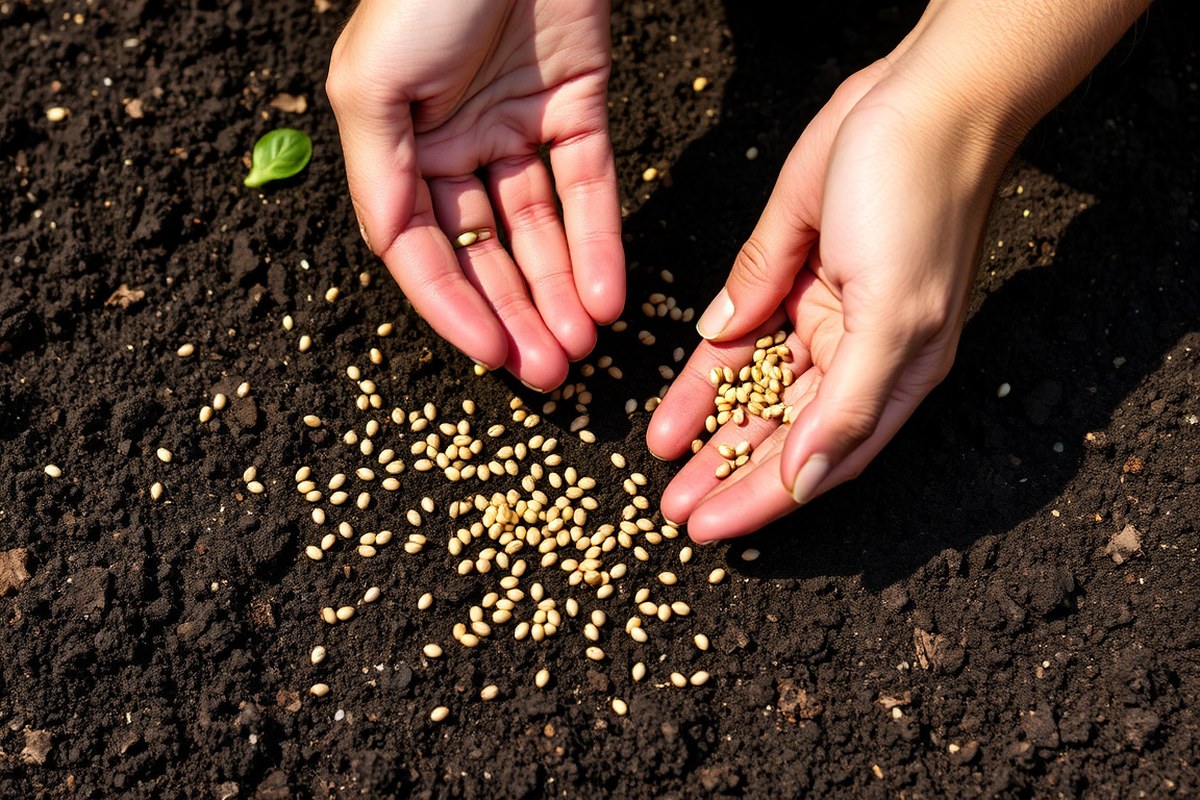
What does sow seeds mean? It means planting seeds into soil to grow plants.
You put the seeds in the ground or a container to start growth. This is the first step for any garden or crop.
Sowing seeds needs a bit of care to help them sprout. You prepare the soil or mix first. Plant seeds at the right depth.
Keep them warm and moist to help them grow. Doing these steps right makes growing plants easier and more successful.
Good soil, proper temperature, and enough sunlight matter a lot. Start by choosing a sunny spot with loose, clean soil. Avoid overcrowding seeds and keep them moist but not soaked for the best results.
Key Takeaways
- Sow means to spread or plant seeds in soil for growing plants.
- Choose a flat, sunny spot with good soil for planting seeds.
- Prepare soil by loosening it at least 6 inches deep before sowing.
- Sow seeds at a depth between 1/4 inch and 1 inch depending on type.
- Keep seeds moist and avoid direct sunlight during germination.
- Maintain temperature between 60-70°F for veggies, 75-90°F for most seeds.
What Does Sow Seeds Literally Mean in Gardening?
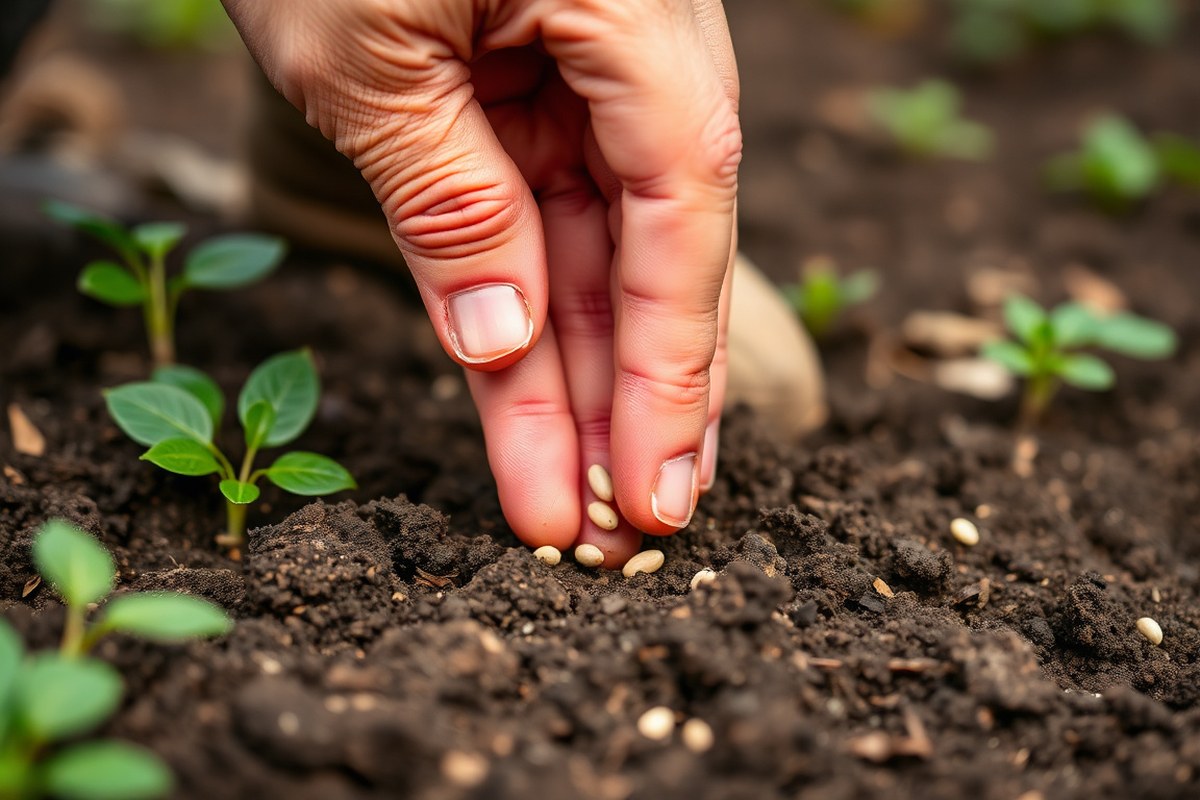
Sowing seeds in gardening means planting seeds in soil to grow plants. The process involves placing seeds either on the soil surface or slightly beneath it. Gardeners prepare the ground by loosening and clearing it before spreading seeds.
The verb “to sow” comes from old words meaning “to scatter.” It originally described spreading seeds by hand or using simple tools. Today, sowing involves careful steps to give seeds the right start for germination and growth.
You often start by loosening soil to help seeds settle in and access water. Seeds should be spaced according to their size.
Small seeds can be sprinkled widely, while larger seeds need individual spots. After sowing, covering seeds with a thin soil layer keeps them moist and protected.
Different seeds require different soil depths. But many need just a quarter to half an inch of soil over them. Some gardeners mix small seeds with sand to spread them evenly.
The soil temperature and moisture also affect how well seeds sprout. So timing the sowing matters.
How to Sow Seeds: Main Methods and Techniques Explained
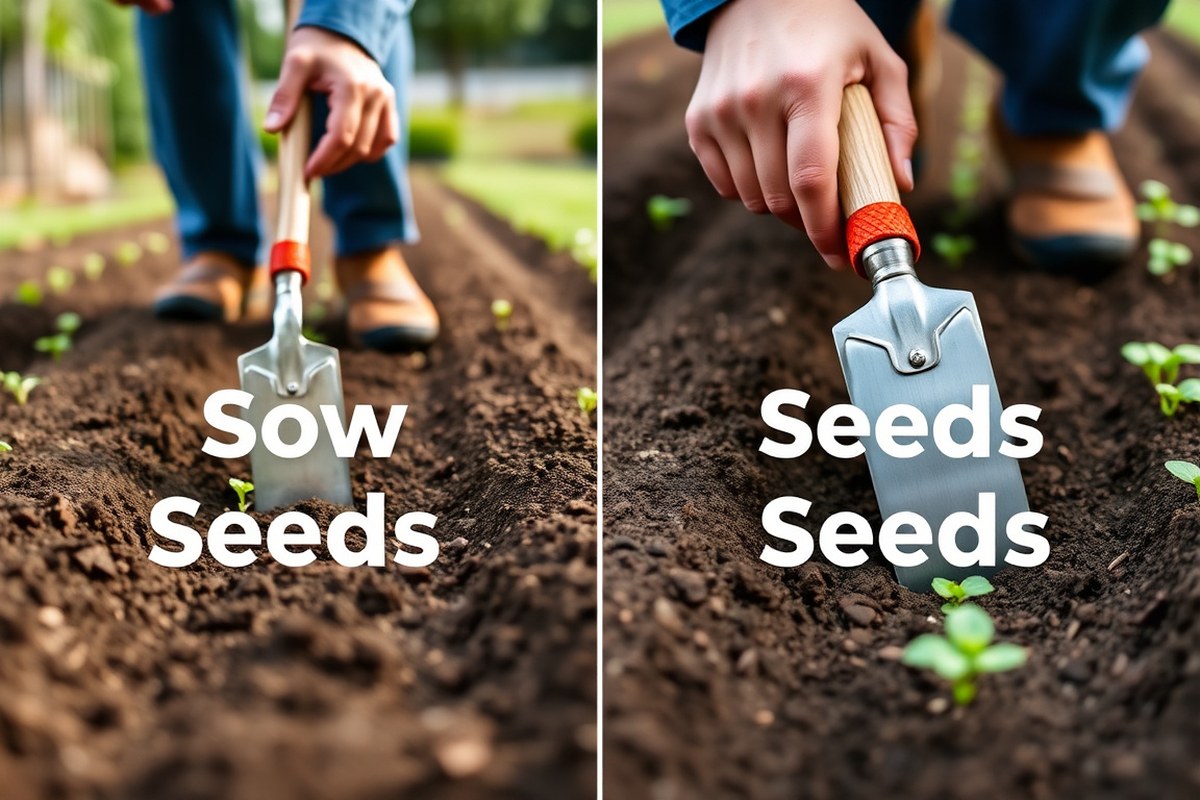
Sowing seeds starts with choosing the right method for your plants and space. Direct sowing means planting seeds straight into the garden soil where they will grow. It works best with crops that don’t like transplanting, like carrots or beans.
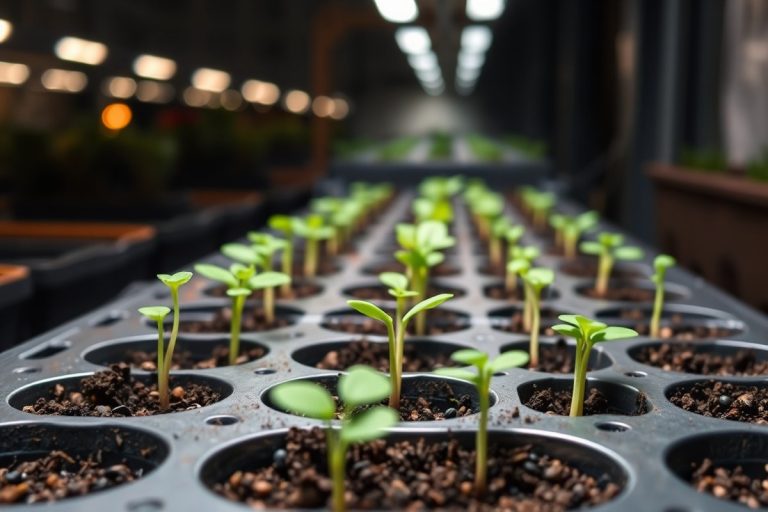
Indoor sowing uses trays or pots to start seeds inside. You control temperature, moisture, and light better this way. This works well for plants that need long growing seasons.
It’s good for plants sensitive to cold outdoors. Examples include tomatoes and peppers.
Another method is broadcast sowing, where you scatter seeds evenly across a large area. It’s good for cover crops, grasses, or wildflowers.
You don’t plant each seed in a spot. Instead, you spread them and lightly cover them with soil.
Setting up for these methods varies. For direct sowing, prepare your garden soil first. Use a small tool or your finger.
Make holes in the soil for seeds. Indoor sowing needs seed trays and a quality seed-starting mix.
You’ll also want grow lights. A heat mat can help keep soil between 75F and 90F.
Broadcast sowing requires a wide planting area and seeds. Sometimes, you’ll use a rake or harrow.
These tools cover seeds lightly with soil. This method saves time but needs good soil contact and moisture to help seeds sprout evenly.
| Method | Best For | Tools/Materials Needed | Benefits | Challenges |
|---|---|---|---|---|
| Direct sowing | Root crops, beans, peas | Garden soil, dibber or finger | No transplant shock, eco-friendly | Less control over conditions, pests |
| Indoor sowing | Tomatoes, peppers, long-season plants | Seed trays, seed starting mix, heat mat | Controlled temperature, easy care | Requires extra materials and space |
| Broadcast sowing | Cover crops, grasses, wildflowers | Seeds, rake or harrow | Quick, covers wide areas evenly | Uneven germination risk, seed waste |
Direct sowing is simple and saves money. But seeds can wash away in heavy rain. Indoor sowing lets you start plants early.
But you must transplant seedlings carefully to avoid damage. Broadcast sowing works well on large or rough areas where individual planting isn’t practical.
Always keep soil moist after sowing seeds. But not soaking wet, to prevent seed rot.
When and Where to Sow Seeds for Best Germination Results
Sowing seeds at the right time and place helps them sprout well. Seedlings grow best in warm soil with good moisture and light. Winter cold or poor soil can slow or stop germination.
Optimal Soil Temperature for Different Seeds
Most seeds germinate best when soil is between 65°F and 75°F. Cool-season veggies like lettuce and peas can sprout at 45°F to 60°F. Warm-season crops such as tomatoes need soil around 70°F to 85°F before sowing.
Use a soil thermometer to check before planting outside. If soil is too cold, seeds may rot or stay dormant. Starting seeds indoors in trays under grow lights can help control temperature.
Choosing the Right Location and Sunlight
Pick a site with well-draining soil to prevent seed rotting. Ideally, the spot should get at least six hours of sunlight daily. Seeds need warmth and light after sprouting for healthy growth.
- Avoid shady areas under trees or buildings
- Use raised beds or garden rows for better drainage
- Consider wind protection if the garden is exposed
- Clear rocks and debris to prepare smooth soil
- Place seed trays indoors near a south-facing window
This setup gives seedlings a strong start before moving outdoors. Proper light and location reduce weak, leggy growth.
Seasonal Timing and Frost Date Considerations
Check your area’s average last frost date before sowing outside. Plant cold-hardy seeds two to four weeks before frost ends. Warm-season seeds should wait until after frost passes and soil warms.
Sowing early indoors allows a jumpstart before the outdoor season. Transplant seedlings when weather becomes stable and soil stays consistently warm. This timing improves survival and yields.
Soil Preparation Tips Before Sowing Seeds
Loosen soil to about 6 inches deep to help roots spread easily. Mix in compost for nutrients and better moisture retention. Avoid heavy, compacted or poorly drained soil.
- Remove weeds and stones from the area
- Rake soil until smooth and crumbly
- Test soil moisture; it should feel damp but not wet
- Add balanced fertilizer if soil lacks nutrition
- Mark rows or spots for seed spacing according to seed packet
Prepared soil gives seeds air, warmth, and the right moisture. Poor preparation leads to patches of failed growth or slow germination.
How Deep and How Densely Should Seeds Be Sown?
Plant seeds at about two to three times their size deep. For example, a tiny lettuce seed should go about 1/8 inch deep. Larger seeds like beans need about 1/2 to 1 inch of soil cover to sprout well.
Check your seed packet for exact depth recommendations. If it’s missing, use the two-to-three-times seed size rule. Too deep, and the seed may waste energy trying to reach the surface.
Plant small seeds close together but don’t pile too many in one spot. Lightly cover them so they still get some light, which helps germination. Seeds like carrots or onions need thin soil cover and wider spacing to avoid crowding later.
Large seeds require more space to grow without competition. Dig shallow holes or furrows matching packet spacing tips, drop seeds in, then cover tightly. Too shallow planting dries seeds quickly; too deep slows sprouting or causes rot.
In containers, fill with moist seed-starting mix before sowing. Use your finger or a small stick to poke holes at the right depth.
Drop seeds in and cover gently. So they stay put but can break through easily.
For rows, dig furrows about 1/2 to 1 inch deep depending on seed size. Place seeds evenly along the trench following packet spacing. Cover with soil, then gently pat it down to keep seeds in place.
Seed tapes or mats simplify even spacing for tiny seeds. Press them into moist soil at the depth recommended. They reduce thinning work and help avoid overcrowding on small plots or containers.
Remember, improper depth or spacing often leads to weak seedlings. Planting too deep can delay or stop germination. Too shallow may leave seeds exposed and dry, reducing chances of sprouting.
How to Care for Seeds and Seedlings After Sowing
After sowing, seeds and seedlings need steady care to grow well. Watering, light, temperature, thinning, and protection all matter. Each step helps fragile young plants survive and thrive.
Watering Techniques for Seedlings
Right after sowing, water gently to moisten the soil without washing seeds away. Use a spray bottle or fine mist to avoid disturbing the soil surface. Keep the soil evenly moist but not soggy during germination.
As seedlings grow, water more deeply but less often. Check soil daily and water when the top half-inch feels dry. Overwatering can cause roots to rot or seedlings to collapse.
Young seedlings do well with consistent moisture. Avoid letting the soil dry out completely or become waterlogged. Good drainage helps keep roots healthy.
Providing Adequate Light and Warmth
Seedlings need plenty of light to grow strong and avoid becoming leggy. Indoors, put seedlings near a south-facing window.
Use grow lights 2 to 4 inches above plants. Keep lights on 12 to 16 hours daily.
Outdoor seedlings need bright, indirect sunlight at first, especially if they started inside. Avoid hot, direct sun which can scorch young leaves. Start hardening off by gradually increasing sun exposure for a week.
The best temperature for germinating seeds is between 75°F and 90°F. Lower temperatures slow growth. Use heat mats or keep seedlings in warm rooms to maintain heat consistently.
Thinning and Transplanting Seedlings
Once seedlings show their first true leaves, thinning helps avoid crowding. Thin by snipping the weaker seedlings at soil level, not pulling them out. This protects roots of the survivors.
Leave your strongest seedlings spaced according to the seed packet’s instructions for best growth. For example, beans might need 4 to 6 inches apart. Carrots can be closer.
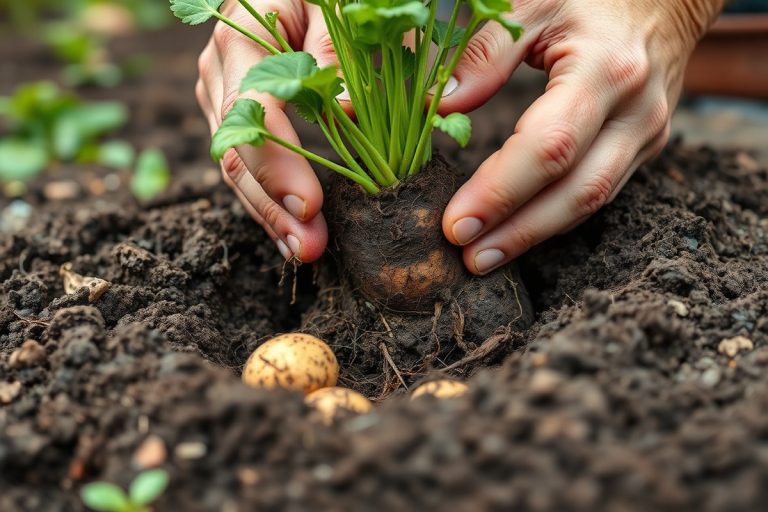
After thinning, transplant seedlings that started indoors by gently loosening soil around roots. Move them carefully to avoid root damage. Transplant on a mild day or in late afternoon.
Protecting Young Plants from Hazards
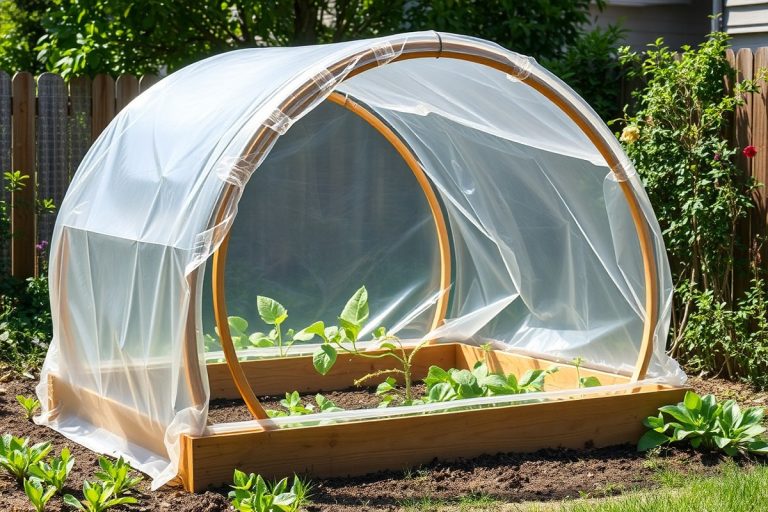
Young seedlings face many risks like pests, drying winds, and sudden temperature drops. Use fine mesh or row covers outdoors to shield them. Indoors, keep plants away from drafts and hot vents.
Check seedlings daily for signs of insect damage or disease. Remove affected leaves and treat problems early with safe products or hand-picking bugs. Avoid overcrowding to improve air circulation.
Strong winds can dry or snap seedlings. Set up temporary windbreaks if seedlings are outside. Water in the morning to give leaves time to dry before night.
- Water gently immediately after sowing with a spray bottle.
- Keep soil warm (75°F, 90°F) for best germination.
- Use grow lights indoors to prevent leggy seedlings.
- Thin seedlings by snipping weaker ones once they grow true leaves.
- Gradually expose outdoor seedlings to sunlight before transplanting.
- Protect with mesh covers against pests and harsh weather.
- Check daily for pests, water needs, and temperature changes.
Wetting seedlings too much or too little harms growth. Aim for moist, not soggy, soil to keep roots healthy.
Common Mistakes When Sowing Seeds and How to Fix Them
Planting seeds too deep or too shallow stops them from sprouting well. Check the seed packet for depth, usually two to three times the seed’s size. Use a ruler or your fingers to press seeds gently into moistened soil.
Overwatering drowns seeds or causes mold, while underwatering keeps them dry. Water the soil until it feels like a wrung-out sponge, moist but not soggy. A spray bottle works well to dampen without flooding the soil.
Poor soil prep can block roots and slow growth. Loosen soil to 6 inches deep using a shovel or spade before adding seeds. Avoid rototillers for small gardens since they can make soil too soft and damage structure.
- Check seed depth and adjust with a small stick
- Use a spray bottle to water gently and evenly
- Loosen soil well but avoid overworking it
- Keep soil moist but not soaking wet daily
- Thin seedlings after sprouting to prevent crowding
- Watch for spots or holes as signs of pests
- Remove failing seedlings to improve space and air
If seeds don’t sprout in the expected time, try replanting fresh seeds. Poor germination can happen if soil is too cold or dry. Use seed-starting mix with half perlite and half soil or peat for better drainage and airflow.
Look closely at seedlings for yellowing, spots, or holes. These signs might mean pests or diseases. Remove affected plants to protect others and consider organic treatments or insecticidal soap if problems persist.
What Does ‘Sow Seeds’ Mean Figuratively and How to Use It
The phrase “sow seeds” means to start something that will grow or develop later. It is an idiom used to talk about actions or ideas that create future results. People use it to describe planting the beginnings of success, conflict, or change.
Origins and Biblical References
The phrase comes from farming, where sowing seeds means planting them in the soil. Its figurative use dates back to biblical times. In the Bible, sowing often symbolizes planting moral or spiritual lessons that later bear fruit.
One key biblical meaning highlights the heart’s openness to God’s Word. This idea shows that what you “sow” inside yourself affects what will grow in your life. Over time, the phrase grew to mean starting any process that shapes future outcomes.
Examples in Everyday Conversation
You might hear someone say, “They sowed the seeds of doubt by spreading rumors.” It means they started feelings of doubt.
Another example is, “Her hard work sowed seeds of success.” This shows that her work is creating future success.
People use it to describe actions that have long-term effects, good or bad. Saying you “sow seeds of kindness” means your kind acts will bring positive results later. It fits well in both personal talks and professional settings.
Using ‘Sow Seeds’ in Writing and Speeches
To use “sow seeds” clearly, state what you are starting and what you expect to grow. For instance, “By sharing knowledge, you sow seeds of innovation.”
This connects effort with a future outcome. Keep the phrase simple and linked to cause and effect.
In speeches, it works well to inspire or warn. You might say, “Let us sow seeds of peace. So future generations can live without war.”
This appeals emotionally and logically. Using it too often can weaken its impact. So use the phrase sparingly for strong effect.
Best Seeds to Sow and How to Choose Them for Your Garden
Choose seeds based on your local climate, soil type, and when your growing season starts. Hardy annuals like sunflowers or marigolds are easy for beginners. You can grow them directly in garden soil.
They don’t need much special care. Your season is short. Start longer-growing seeds indoors for a head start.
Read seed packets carefully. Seed packets show the best depth to plant seeds. They also say how far apart to space them.
They tell you if you should start seeds indoors or outside. Cool-season vegetables like peas do well when planted outside.
Soil temperature should be near 45°F (7°C) for best results. They don’t like warm soil.
Buy seeds from reputable garden centers or trusted online sources to get fresh, viable seeds. Avoid packets without planting dates or clear instructions, these usually mean older or lower-quality seeds. Look for labels that note germination rates or organic certification if that matters to you.
Use this rule to decide where to plant seeds. Start seeds indoors if the plant needs 6-8 weeks. That time should be before the last frost.
Use direct sowing anytime soil is warm enough for the seed type. Tomatoes, for example, usually need 6-8 weeks indoors before transplanting outdoors after frost risk fades.
Soil moisture matters too. Keep the seedbed moist but not soggy for oxygen access during germination.
Good air circulation is important, whether inside or outside. You might see seedlings emerge in 7 to 21 days, depending on the seed.
Plant seeds at the depth shown on the packet. Too deep or shallow can stop germination.
Step-by-Step Action Plan for Sowing Seeds Successfully
Follow these simple steps to start sowing seeds with confidence. You’ll see green sprouts soon if you stick to the plan.
- Before You Start: Choose healthy seeds suited for your region and season. Check seed packets for germination rates and planting dates to ensure success.
- Day 1: Prepare your soil or seed trays by loosening the dirt and removing debris. Moist soil helps seeds settle and take root faster.
- Day 1 or 2: Sow seeds at the recommended depth and spacing from the packet. Cover lightly with soil and water gently to avoid washing seeds away.
- Day 3 to 7: Keep the soil moist but not soggy. Check daily to make sure the soil doesn’t dry out and seedlings can breathe.
- Week 2: Watch for your seedlings to emerge. Thin out crowded plants so each seedling has enough room to grow strong.
- Weeks 3 to 4: Keep watering your seedlings regularly. Start feeding them with diluted fertilizer. Only do this if the seed packet says to. Healthy leaves mean your plants are thriving.
- After 4 Weeks: Harden off your seedlings if you plan to move them outdoors. Gradually expose them to outdoor conditions for a week.
- Ongoing: Monitor for pests or diseases and act quickly. Early action keeps your garden healthy and growing.
Frequently Asked Questions
What Does It Mean to Sow Your Seeds?
It means to plant seeds in soil for growth. You begin by planting seeds into the soil.
This starts the growth of new plants. The seeds will sprout and grow over time.
What Does It Mean to Sow Seeds?
It means placing seeds in soil so they can sprout. This action starts the life cycle of a plant in your garden.
Can You Sow Seeds Indoors Before Planting Them Outside?
Yes, sowing seeds indoors before the last frost helps seedlings grow strong. This gives plants a head start before moving them outdoors.
Does Sowing Seeds Mean Always Using the Soil?
Usually, yes, but some seeds can be started in pellets or trays. The growing medium still supports germination and root growth for seedlings.
Can the Phrase “Sow Seeds” Mean Something Other Than Planting?
Yes, it also means starting ideas or actions that cause future results. It’s used metaphorically in social and emotional contexts.
Is There a Difference Between Sowing and Seeding?
Sowing means planting seeds in soil. Seeding can also mean spreading seeds by other methods. Seeding includes removing seeds from fruit and planting broadly.
The Bottom Line
Sowing seeds means starting new life in your garden and beyond. Planting with proper care leads to healthy growth and success. Take your first step by picking the right seeds today.