How Much Is a Lawn Mower? Complete Cost Guide with Smart Buying Tips
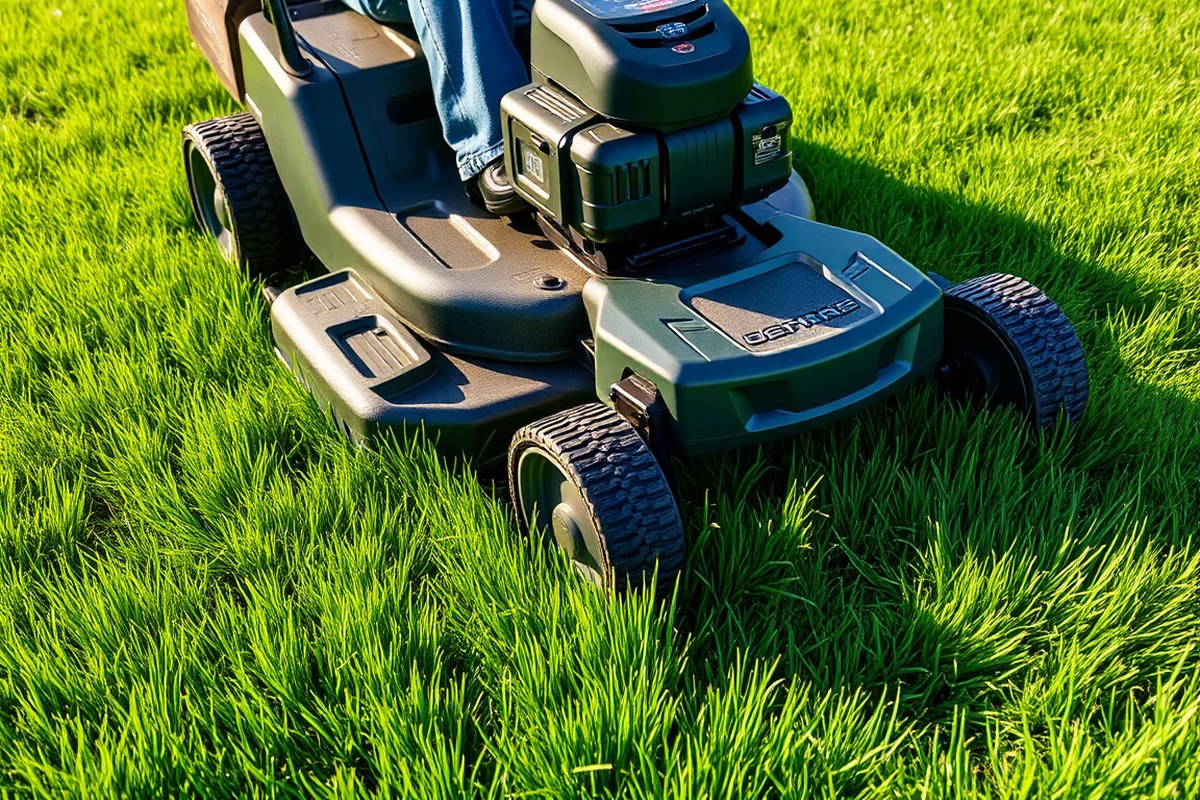
How much is a lawn mower depends on its type, size, and power source. Prices start from about $120 for a simple manual reel mower. You can also spend up to $8,500 for a commercial-grade zero-turn mower used on large properties.
The most common walk-behind mower costs around $405. Riding mowers often start near $2,800. Pick a mower that matches your lawn’s size and your time.
Cutting grass takes time, so think about how much you want to spend. A good fit makes mowing easier. Large or obstacle-heavy yards might need a riding mower or robotic type to save you time.
Look beyond the upfront price to the total cost over five to ten years. Maintenance, fuel, and battery replacements add up and can double the initial price. Think about the mower’s cost and your future expenses.
Also, consider how much work you’re willing to do. Balance price with effort for the best choice.
Key Takeaways
- Start with a manual reel mower for small lawns under 1,000 square feet.
- Walk-behind electric or gas mowers cost $300 to $500 on average.
- Riding mowers or robotic models work best for 0.5 to 1.5-acre yards.
- Expect to pay $1,500 to $2,800 for mid-size riding or robotic mowers.
- Calculate total cost including upkeep over 5, 10 years before buying.
- Maintenance and fuel raise costs of gas mowers significantly over time.
Average Lawn Mower Cost by Type and Feature
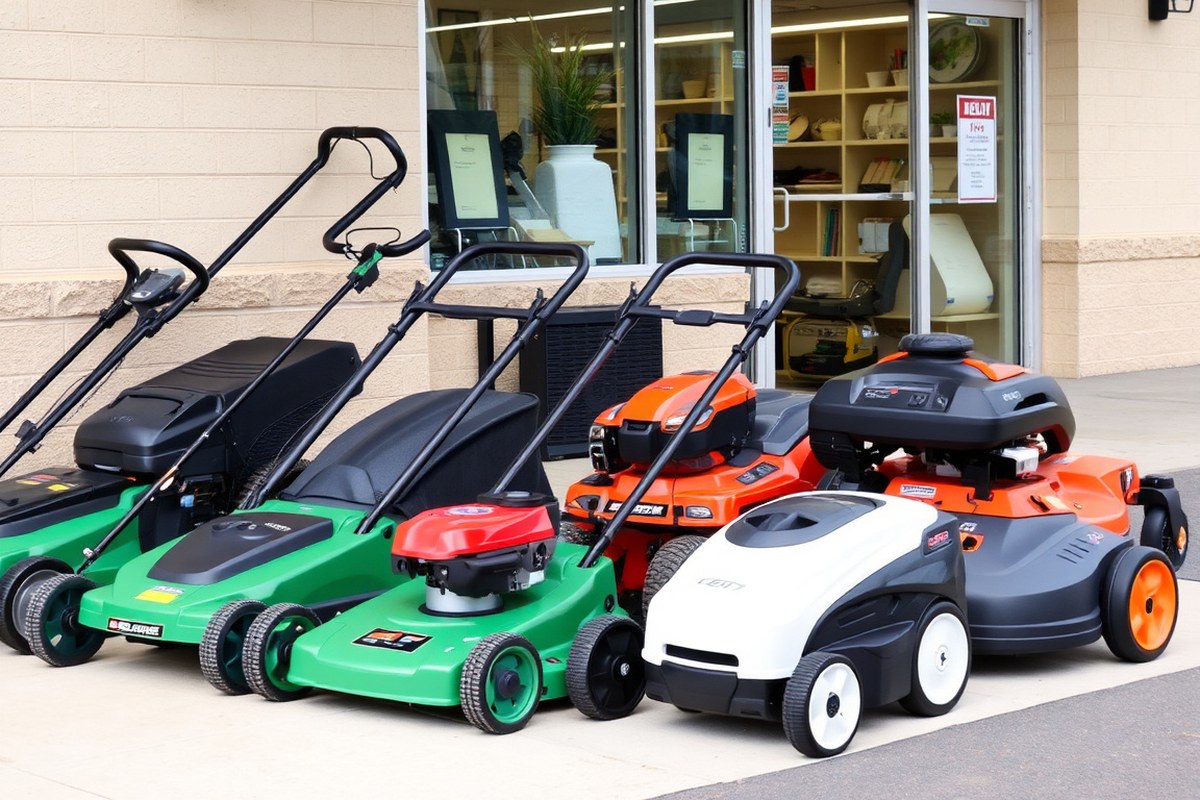
Lawn mower prices vary widely depending on the type and features. Basic manual reel mowers cost the least.
High-end zero-turn mowers and robotic models go well above $5,000. Features like self-propulsion, deck size, and power source play big roles in pricing.
Here is an easy comparison of average prices and deck sizes. It also shows ideal lawn coverage for each mower type. This will help you match your budget and lawn needs with the right model.
| Lawn Mower Type | Typical Deck Size | Price Range (2026) | Ideal Lawn Size | Power Source |
|---|---|---|---|---|
| Push Reel Mower | 14″ – 18″ | $70, $200 | Under 2,500 sq ft | Human Kinetic |
| Electric/Battery Push Mower | 20″ – 21″ | $250, $650 | 2,500 – 8,000 sq ft | 40V – 80V Lithium-Ion |
| Gas-Powered Push Mower | 20″ – 22″ | $300, $900 | 2,500 – 8,000 sq ft | 140cc – 190cc Gas |
| Self-Propelled Mower | 21″ – 22″ | $400, $1,500 | 5,000 – 12,000 sq ft | Gas / 56V+ Battery |
| Robotic Lawn Mower | N/A (automated) | $800, $5,000+ | Up to 1+ acre | Rechargeable Battery |
| Riding Mower / Lawn Tractor | 42″ – 48″ | $2,500, $5,500 | 1+ acres | Gas or Battery |
| Zero-Turn Mower | 42″ – 60″+ | $3,500, $8,500+ | 1+ acres | Gas or Battery |
Extra features can push the price higher even within the same mower type. Self-propelled versions cost more because they make mowing easier on hills. Battery power generally adds $100 to $300 over corded electric models due to better mobility.
Bigger decks on riding mowers cut grass faster but cost more. They also need more storage room.
Robotic mowers with smart tech and larger coverage areas command top dollar. Choosing your mower means balancing price with features like engine size, deck width, and power convenience.
Choosing a Mower Based on Lawn Size and Terrain
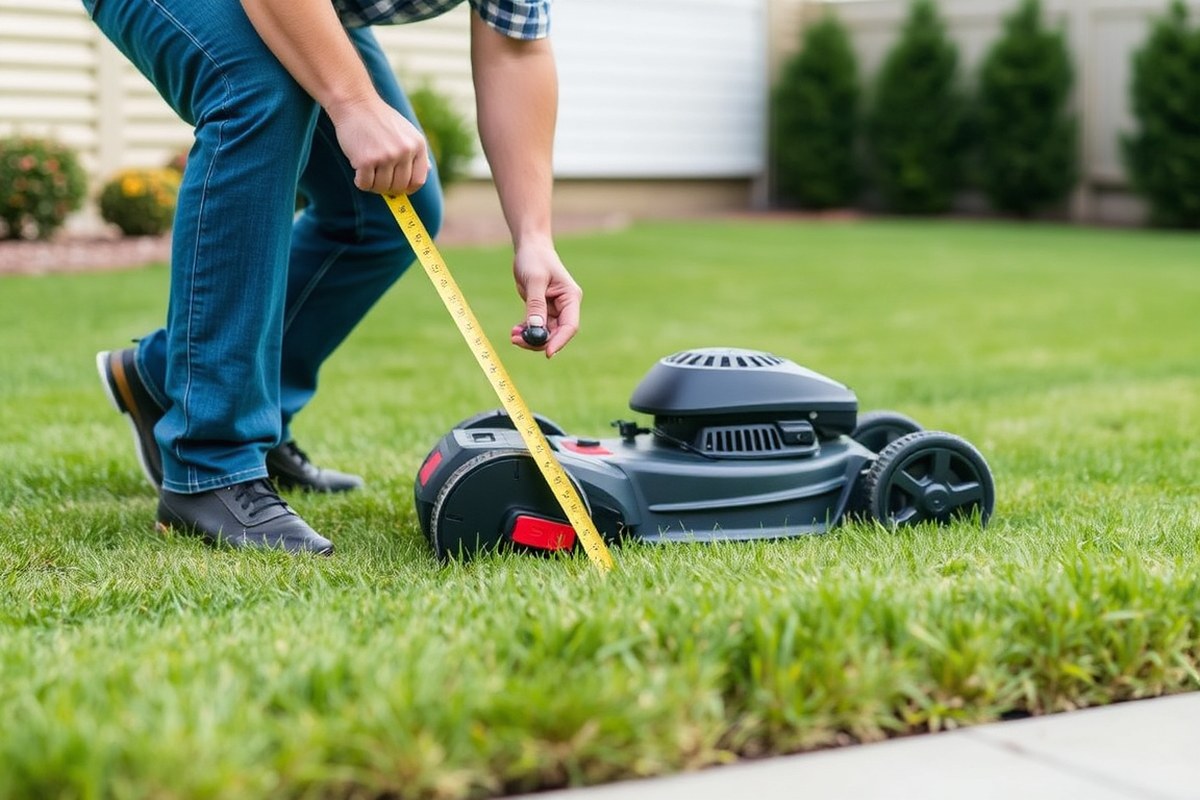
Picking the right mower depends mostly on your lawn’s size and how tricky the terrain is. Smaller lawns under 2,000 square feet work well with simple push reel or corded electric mowers. They cost $70 to $300 and fit lawns with few obstacles and flat ground.
Medium lawns up to 5,000 square feet need a bit more power and deck size. Battery or gas push mowers costing $250 to $650 handle these well. Self-propelled mowers are great for yards up to 10,000 sq ft.
They save effort by moving themselves. Prices range from $300 to $800. Rough terrain or slopes call for rear or all-wheel drive models to get better traction.
| Lawn Size | Recommended Mower Type | Expected Cost |
|---|---|---|
| Under 2,000 sq ft | Push reel or corded electric | $70, $300 |
| 2,000, 5,000 sq ft | Battery or gas push mower | $250, $650 |
| 5,000, 10,000 sq ft | Battery/gas push or self-propelled | $300, $800 |
| ¼ to ½ acre | Self-propelled or entry-level robotic | $400, $2,000 |
| ½ to 2 acres | Riding mower or lawn tractor | $2,500, $5,500 |
| 1+ acres with obstacles | Zero-turn or premium robotic | $3,500, $8,500+ |
Deck size changes how fast you cut. A 9-inch deck is tiny, perfect to trim tight corners but slow on big lawns. A 30-inch deck with an 11-15 hp motor suits medium grass areas.
Large yards benefit from decks wider than 40 inches to finish faster. Rough terrain or many obstacles often mean slower mowing no matter the deck size.
Some mowers weigh less than a suitcase. Others are as heavy as a small motorcycle. Lighter ones are easier to push on flat ground.
But heavier or self-propelled models help on slopes or uneven parts. Think about storage, too: bulky riding mowers need more space but shorten mowing time.
Consider hills and thick brush in your yard. A self-propelled or riding mower cuts more safely and with less effort in tough terrain.
Comparing Power Sources: Gas, Electric, Battery, and Robotic
The power source affects both the upfront price and running costs of your lawn mower. Gas mowers usually cost less initially but require more ongoing fuel and maintenance.
Electric and battery models cost more upfront but often need less upkeep. Robotic mowers have higher purchase prices but can save time and effort over years.
Gas-Powered Mowers Cost and Upkeep
Gas mowers typically start around $329 for a basic push model. You pay less upfront compared to electric or robotic versions. Yearly fuel costs usually run from $30 to $80.
You also spend $40 to $100 on oil, spark plugs, and filters. These costs add up through the year.
Maintenance adds up, especially for self-propelled and riding gas mowers. Those can require belt replacements and professional service costing hundreds annually. Over five years, total ownership can reach $1,800 or more for gas push mowers.
Gas engines demand seasonal work, like draining fuel and cleaning spark plugs. Skipping these tasks can cause messy breakdowns or shorter engine life. It’s worth budgeting time and money for upkeep if you pick gas.
Electric and Battery Mower Pricing and Runtime
Electric push mowers start as low as $130. But better battery models range from $600 to $1,000 upfront.
You avoid fuel costs and only pay a small electric bill, roughly $20 to $60 yearly. Battery packs last 3 to 5 years and cost $80 to $200 to replace.
Battery models provide quieter mowing and light maintenance. Runtime varies by battery size, often 30 to 60 minutes before recharge.
Charging takes a few hours. So a spare battery can help if you have a large lawn.
Corded electric mowers cost less but restrict mobility. Battery-powered versions suit medium lawns best. These work well if you want lower emissions and less hassle than gas power.
Robotic Mower Investment vs Manual Effort
Robotic mowers cost $1,490 or more upfront, placing them in the mid to high price range. Their operating cost is extremely low, just about $10 per year in electricity. They need little physical effort and maintain your lawn automatically.
Battery replacements every several years add to long-term costs. These mowers often save you money. They cost less than hiring lawn services or gas riding mowers.
You’ll see the savings over time. Robotic mowers suit tech-savvy owners with medium to large lawns.
Set it up with boundary wires and schedule mowing times. You trade upfront investment for convenience and steady lawn care without manual work. Choose this option if that fits your lifestyle and budget.
Walk-Behind vs Riding Mowers: Cost and Efficiency
Price Differences Between Walk-Behind and Riding Mowers
Walk-behind mowers typically cost between $200 and $800, depending on size and features. Riding mowers start higher, with small rear-engine types beginning around $1,800. Average riding mowers usually range from $2,500 to $5,500, reflecting their larger size and power.
The bigger cutting deck and stronger engine on riding mowers drive the price up. Walk-behind mowers have decks mostly between 13 and 25 inches wide.
Riding mowers often span 42 inches to over 60 inches. This difference influences how quickly you can mow your lawn.
Mowing Efficiency: Time and Effort Compared
Walk-behind mowers cut narrower strips, usually 14 to 22 inches wide. This means more back-and-forth passes to cover large areas. For example, mowing a half-acre with a 20-inch walk-behind might take about 2 hours.
Riding mowers cover wider areas with decks from 30 to 61 inches, cutting mowing time significantly. They also reduce physical effort since you sit down and operate with hand controls. A riding mower can cut that same half-acre lawn in less than an hour.
When Riding Mowers Are Worth the Investment
Riding mowers make sense for lawns half an acre or larger, especially if terrain is flat. They save time and reduce fatigue on these larger properties. Plus, they’re built for durability and can last 10 years or more.
Costs add up beyond the initial price. Riding mowers need more fuel, maintenance, and space. However, the time saved and ease of use often offsets these costs for bigger lawns.
Walk-Behind Mowers: Pros and Cons
Walk-behind mowers cost less upfront and are easier to store. They’re ideal for small or medium yards under half an acre. Battery-powered or gas walk-behinds provide flexibility depending on your cutting needs.
Downsides include slower mowing times and more physical effort. Steep hills or uneven ground can make push mowers harder to use. You might spend more time if your lawn is extensive or dense.
Riding Mowers: Pros and Cons
Riding mowers offer speed and ease, trimming large areas quickly while you stay seated. They handle bigger decks and tougher grass without tiring you out. Some models also support attachments like trailers or spreaders for extra yard work.
They require significant upfront investment and more storage space. Transporting a 225 kg riding mower means needing a suitable trailer or vehicle. Fuel and upkeep costs add up, but the convenience pays off on large lawns.
Calculating Total Ownership Cost over 5 to 10 Years
Knowing the full cost of owning a lawn mower means looking past the sticker price. Fuel, maintenance, repairs, and part replacements add up over time and can surprise new owners. Calculating these costs helps avoid surprise bills.
You can pick the best mower for your budget. Consider expenses over several years to plan well.
Gas mowers cost about $400 to buy but can reach $750 to $1,300 after five years. The total includes $120 to $300 yearly fuel costs. Professional maintenance adds $200 to $400 each year.
Parts like tires and blades cost $300 to $700. Battery mowers start at around $400.
Over five years, they typically cost $500 to $700. They use no fuel and need less upkeep.
Ten-year costs highlight bigger differences between mower types. Gas mowers need regular oil changes, spark plug checks, and sometimes carburetor servicing.
Battery mowers require new batteries after a few years and occasional motor checks. Riding and robotic mowers hold value longer but cost more to maintain overall.
Use this checklist and method to estimate your mower’s real cost and manage expenses effectively:
- List your mower’s purchase price as your starting number.
- Add average annual fuel costs, about $120 to $300 for gas models.
- Include yearly professional maintenance fees, typically $200 to $400.
- Estimate part replacements over your time frame, around $300 to $700 total.
- Add battery replacements if using a battery mower, usually every 3 to 5 years.
- Calculate depreciation or expected loss in value over 5 or 10 years.
- Sum all these numbers to find total ownership cost.
- Adjust for your mower’s brand, use frequency, and climate or terrain.
Keep your mower clean and sharpen blades regularly to avoid costly parts and improve performance.
Buying Used vs New Lawn Mowers: Cost and Value Comparison
Buying a used lawn mower can save you 20% to 50% compared to new models. You might find a mower in good shape for $200 to $600. New push mowers cost about $450 to $1,100.
Buying used can save you some money. These savings matter if you need a mower quickly or have a smaller budget.
Used mowers come with risks like worn parts, rust, or hidden engine issues. Maintenance may cost more if you buy without checking carefully. Mechanical problems with blades, belts, or batteries can cost $100 to $300.
These repairs may happen soon after you buy the mower. Factor this into your budget.
To avoid surprises, inspect the mower yourself or ask a trusted mechanic. Check these points before you buy:
- Engine runs smoothly with no strange noises or smoke
- Blades are sharp and free of rust or damage
- Belts and cables move easily and aren’t cracked
- Battery holds charge well if it’s electric or battery-powered
- Tires and wheels turn freely without wobbling
- Deck under the mower is clean without heavy rust
- Starter mechanism works reliably on first pull or button
Negotiating price works best when you point out needed repairs or worn-out parts. Start 10% to 20% below the asking price and show facts from your inspection. Asking about any remaining warranty or return policy can help.
A short warranty on used mowers is rare. But some sellers offer a few weeks return to test.
New mowers provide peace of mind with full warranties and the latest parts. You also get safety and fuel efficiency improvements. New battery mowers sometimes come with shared batteries.
These batteries can save you $100 to $300. You save money if you already own tools from the same brand. For heavy or uneven lawns, paying more for new models often avoids maintenance headaches later.
Timing Your Mower Purchase for Seasonal Deals and Discounts
Late summer and early fall is the best time to find mower deals. Stores often offer discounts during this period. You can save money by shopping then.
Seasonal clearance sales typically drop prices significantly during these months. Holiday promotions also provide solid deals but usually aren’t quite as deep.
Best Months for Discounts
The prime time to find discounted lawn mowers is from August through October. Retailers clear out older stock to make room for next year’s models. Prices on popular battery-powered and gas mowers can fall 20% to 40% during this period.
Buying in early fall helps you avoid the peak mowing season when demand and prices peak. In contrast, spring and early summer typically see fewer discounts.
Waiting until September or October usually helps you save the most. Patience pays off with better mower prices later in the year.
Holiday and Clearance Sales Opportunities
National holidays like Labor Day and Black Friday usually feature good mower deals. Discounts during these events often range from 10% to 25%. However, the selection may be limited compared to late-season clearance.
Clearance sales at the end of the mowing season are where you find the deepest markdowns. Many stores offer extra incentives like free shipping or store credit during October and November. Combining these can lower your final price significantly.
Using Return Policies and Price Matching
Understanding return policies protects your purchase if the mower doesn’t perform as expected. Many brands, such as Ego and Craftsman, offer 90-day returns and price matching. These policies give you flexibility if you spot a better deal soon after buying.
Not all retailers have price matching, so check each store’s rules before purchasing. Some allow free shipping and easy returns, which also save money and time. You can return an unsuitable mower within 30 to 90 days, depending on the brand.
Follow these steps to maximize savings on a lawn mower purchase:
- Set price alerts online to track discounts during August to October.
- Monitor holiday sales like Labor Day and Black Friday for additional deals.
- Compare prices across retailers and note return and price-match policies.
- Visit local stores near the season’s end to check clearance stock in person.
- Verify shipping costs and options since some models only qualify for store pickup.
- Keep receipts and understand the return window; some brands offer 90 days.
- Find a better price? Ask the store to match it before buying. This can get you a discount without extra shopping.
Features and Add-Ons That Increase Lawn Mower Price
Many features and add-ons can increase a lawn mower’s price beyond the base model. Mulching kits and baggers often cost an extra $50 to $150. They help keep your lawn tidy.
Many find the extra cost worth it. Mulching blades chop grass clippings into small pieces.
They send nutrients back into the soil. This can cut your fertilizer use up to 15% a year.
Adjustable handles usually add around $30 to $60 to the price. They let you change the height and position to reduce strain while mowing.
Smart technology like GPS guidance, obstacle detection, or app controls can add $500 or more. These are worth it if you want easy, precise lawn care without much effort.
- Twin or triple baggers: $100 to $300, great for large yards or heavy grass
- Steel front bumpers: $50 to $120, protect your mower from damage
- Wheel weights: $40 to $80, improve traction on slopes or wet grass
- Snow blades and carts: $100 to $400, turn your mower into a winter tool
- Mulching kits: $50 to $150, recycle clippings into nutrients
- Adjustable handles: $30 to $60, improve comfort for different users
- Smart tech options: $500+, add precision and automation features
Cheaper mowers without extra features are fine for small, flat lawns under a quarter acre. You can bag clippings with a basic catcher or rake them up after. Avoid spending on smart tech unless you want hands-free mowing or own complex terrain.
Heavy attachments like baggers or wheel weights add extra load. This can slow down your mower. It also causes the mower to use more fuel or battery power.
Some riders carry more than 100 kg with these extras, which impacts handling. Consider only the features you really need based on your lawn size and shape.
Don’t buy extra features just because they look cool. Think about your lawn’s size and terrain first. This helps you avoid wasting money.
Step-by-Step Action Plan for Buying Your Lawn Mower
Follow these steps to pick the right mower and get the best deal. Check your progress as you move through each phase.
- Day 1: Measure your lawn size and note terrain details. Confirm with a quick walk to spot hills and obstacles.
- Day 2: Choose your mower type based on lawn size and terrain. If your lawn is large and hilly, a riding mower suits you.
- Day 3: Decide on power source: gas, electric, battery, or robotic. Test out a demo if possible to feel the power.
- Week 1: Compare prices online for new and used models with features you want. Bookmark options offering seasonal discounts.
- Week 2: Visit local stores or dealers to try mowers in person. You’ll know it’s right when the handle and controls feel comfortable.
- Week 3: Review the total cost estimate for ownership over 5 to 10 years. Make sure maintenance fits your budget.
- Week 4: Check return policies and warranties before buying. Choose sellers offering easy returns and good coverage.
Frequently Asked Questions
How Much Is a Lawn Mower Typically?
A new lawn mower costs between $200 and $5,000. The price depends on the mower type, power source, and features you want to have.
What Is the Average Price of a Lawn Mower?
The average price ranges from $70 for a reel mower to around $900 for gas models. Electric and battery mowers usually cost $250 to $650.
Do I Have to Pick Up Dog Poop Before I Mow?
Yes, you should remove dog poop before mowing. It protects your mower from damage and keeps your lawn clean.
How Much Should You Spend on a Lawn Mower?
Spending $400 to $1,000 fits most homeowners with medium lawns. Higher-end models help if your lawn is large or has tough terrain.
What Is the Most Affordable Lawn Mower?
The most affordable mower is a manual reel model, costing about $135. It suits small lawns and has no fuel or battery needs.
Can I Use a Lawn Mower in Wet Grass?
It’s best to avoid mowing wet grass to prevent clogs and slipping hazards. Wait until the grass dries for a better cut.
Wrapping Up
Lawn mowers vary widely in price depending on type, size, and power. Focus on matching the mower to your lawn’s needs and your budget. Start by measuring your yard and exploring local options for a hands-on feel.