What Does Eucalyptus Look Like? A Complete Identification Guide with Photos
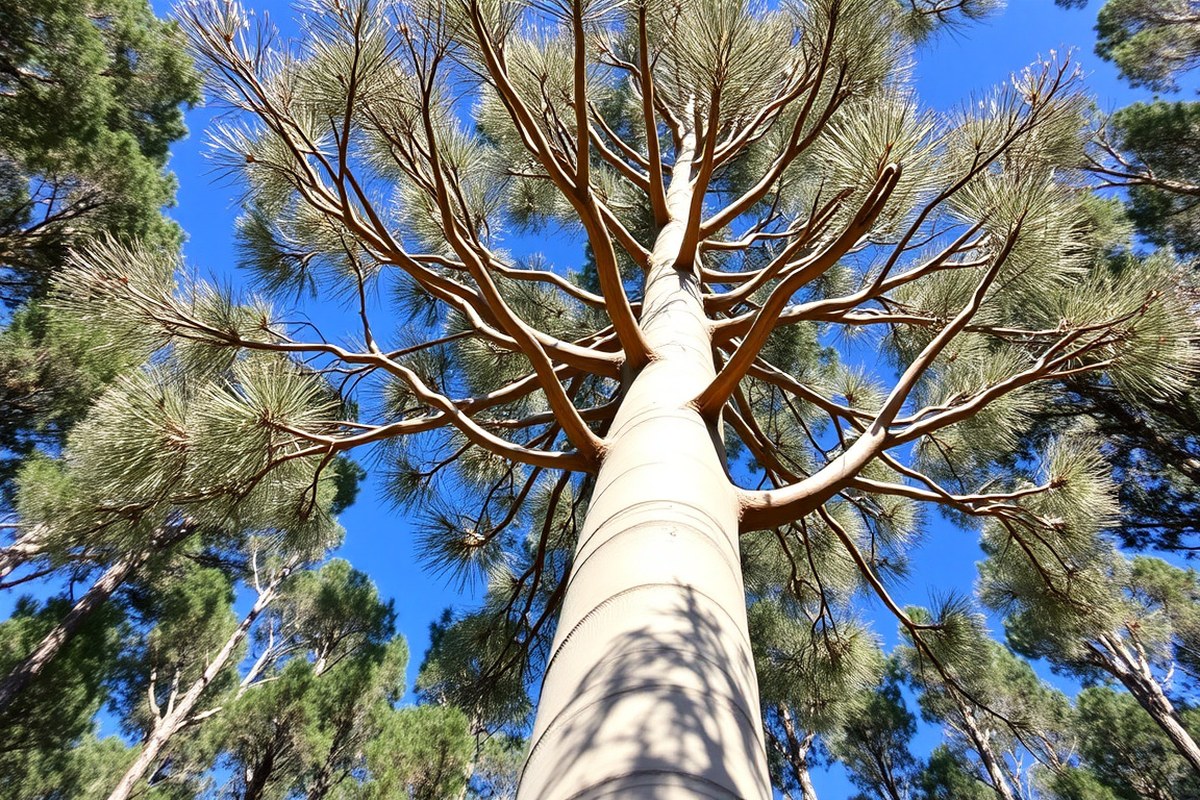
Wondering what does eucalyptus look like? These trees are usually tall and evergreen. They can grow up to 100 feet tall or even more in some species.
Their trunks grow straight and tall. Branches spread wide. They form a broad crown.
Eucalyptus leaves are long and narrow, often sharp-edged and fragrant. The bark may be smooth or fibrous. Sometimes it sheds in strips.
This shows a greenish-grey layer under it. Watch for their unique flowers too. They look like tiny white stars with five petals.
Start by spotting the smooth or shreddy bark and the lanky, pointed leaves. The strong eucalyptus scent often helps you confirm you’ve found one. These features make eucalyptus trees stand out among others in many landscapes.
Key Takeaways
- Eucalyptus trees usually grow tall, up to 100 feet or more.
- Look for straight trunks with wide-spreading branches forming a broad crown.
- Eucalyptus leaves are long, narrow, and have pointed edges.
- Bark may be smooth or shreddy, often peeling in strips.
- Unique flowers resemble small white stars with five petals.
- These trees give off a strong, distinctive scent.
What Does a Eucalyptus Tree Look Like?
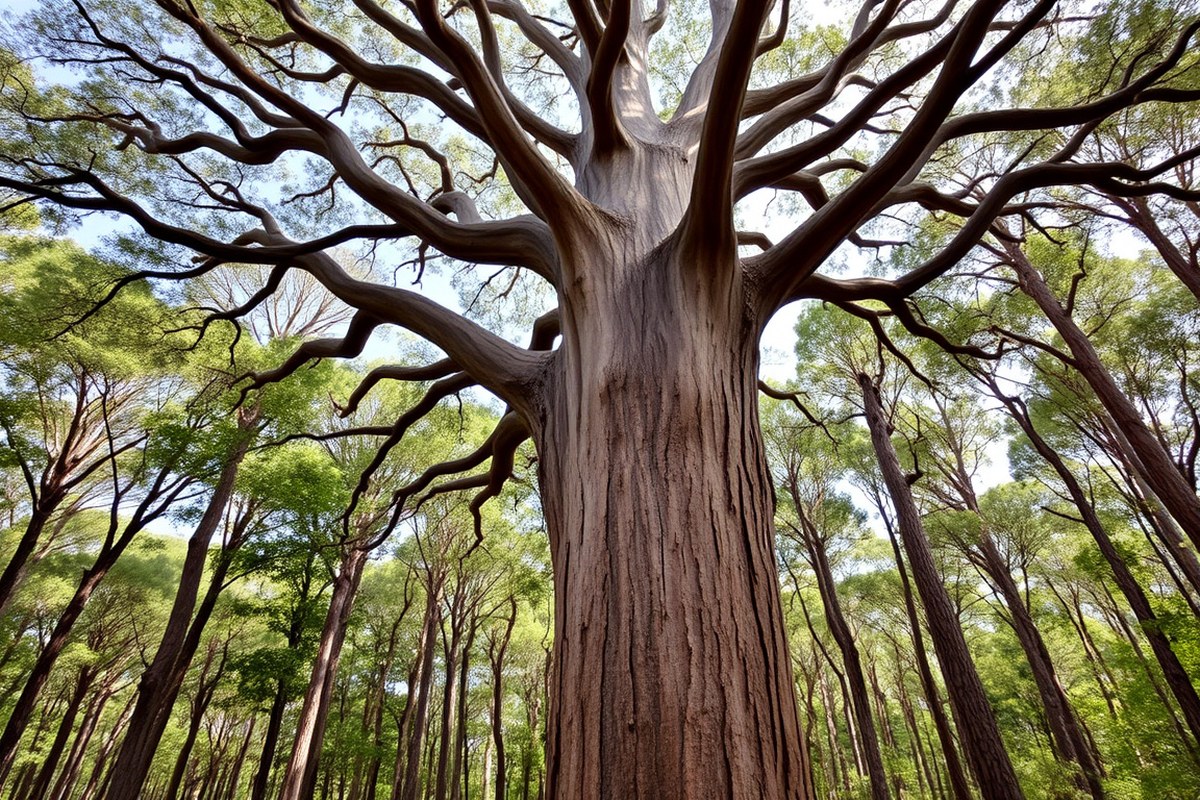
Eucalyptus trees usually have a straight trunk that can reach up to 100 feet tall. Some species even grow as tall as 300 feet, but those are rare giants. The trunk is often smooth and may shed bark in patches, revealing new layers underneath.
The shape of a eucalyptus tree typically features a dome-shaped canopy. Its branches spread wide, creating an umbrella-like cover overhead. This canopy holds many pointed, lance-shaped leaves that emit a strong, fresh scent.
Growth habits vary among eucalyptus types. Most are tall and evergreen, thriving in warm climates with well-drained soil.
Dwarf species remain much smaller, only growing 10 to 20 feet tall. These smaller kinds fit well in gardens, while bigger trees dominate wild landscapes.
How to Identify Eucalyptus Bark Types
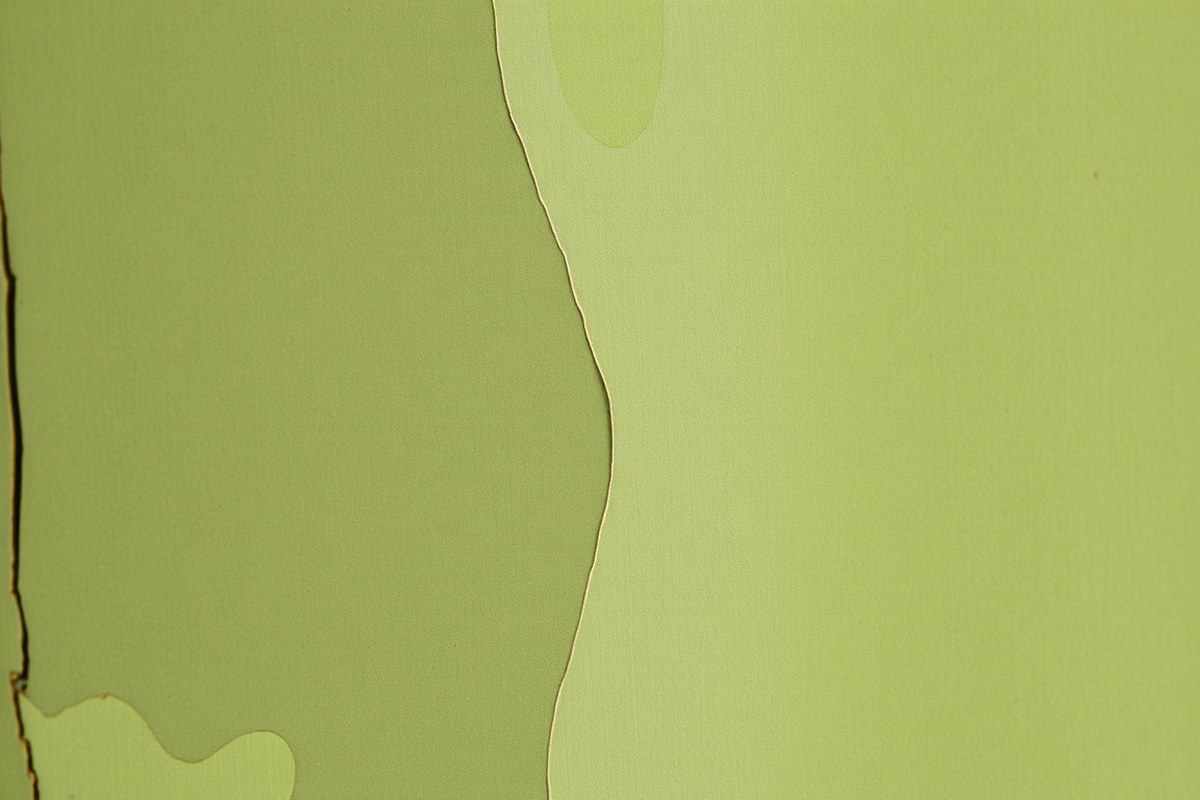
Eucalyptus bark shows up in several textures, which change as the tree grows. Young trees often have smooth bark that sheds in strips. These strips peel away, revealing a fresh greenish-grey layer beneath the surface.
Some species carry rough, fibrous bark that looks like thick strips of fabric. This bark peels back slowly, hanging partly loose like a shredded blanket left to dry. Fibrous bark feels stringy and coarse to the touch, quite different from smooth bark.
There are also types with rough, flaky bark. These flakes can be scaly and break off in small pieces.
Sometimes, the bark is rough only near the base. Upper parts stay smooth, these are called “half-barks” or blackbutts.
Peeling bark unfolds in long strips or sheets, sometimes curling as it dries. Unlike fibrous bark, peeling types look smoother and come off cleanly. You can spot the difference by touching the loose bark layers.
Look closely at these layers on the tree. This helps you see what makes each layer unique.
Identifying bark types takes a bit of patience and close observation. Start by noting the bark’s texture from base to top, since older bark may turn rougher.
Check for peeling sections, feel for fibrous strands, and look for flaky patches. Comparing these clues helps you name the species or at least narrow your choices.
Since bark changes with age, younger trees tend to have smoother surfaces. Older trees grow thicker, rougher bark over time. You can use this aging pattern to estimate a tree’s maturity.
Be careful handling loose bark, it might carry insects or irritants hidden beneath.
Recognizing Eucalyptus Leaves and Their Arrangement
Eucalyptus leaves change shape and arrangement as the tree matures. Juvenile leaves are broader and rounder than adult leaves. The adult leaves mostly look long and skinny, arranged alternately on branches.
Adult Leaf Shapes and Sizes
Adult eucalyptus leaves typically look lance-shaped or sickle-shaped. They are narrow, long, and sometimes have a slight curve. The leaves often have a shiny, waxy green surface that reflects sunlight well.
Leaf length in adult eucalyptus varies by species but usually falls between 3 and 8 inches. They feel smooth and sometimes have a leathery texture. This shape helps the tree reduce water loss and capture sunlight efficiently.
Juvenile Leaf Characteristics and Color
Juvenile eucalyptus leaves are usually rounder or more oval than adult leaves. They tend to be broader and sometimes have a blue-grey, waxy coating called glaucous. This coating acts like a sunscreen, protecting young leaves from harsh light.
Some species keep their juvenile leaves even as adults, which makes identification easier. These younger leaves often stand out because they appear softer and less glossy. Their size ranges from 1 to 4 inches wide.
This makes them look different from adults. You’ll easily notice this size difference.
Leaf Arrangement Patterns to Recognize
Most mature eucalyptus leaves grow in an alternate pattern on the branches. Each leaf grows in a different spot on the stem. They don’t grow opposite each other.
This growth pattern is called alternate leaf arrangement. This pattern allows leaves to catch more sunlight without shading each other.
A few closely related trees, like Angophora, arrange their leaves oppositely. Knowing this helps tell eucalyptus apart from similar species. Juvenile leaves usually appear opposite or clustered, adding variety to the pattern.
- Adult leaves: lance-shaped, narrow, 3-8 inches long
- Juvenile leaves: broader, rounder, blue-grey waxy coating
- Adult leaf arrangement: mostly alternate on branches
- Juvenile leaf arrangement: often opposite or clustered
- Some species keep juvenile leaves into adulthood
Recognize eucalyptus by spotting glossy, narrow adult leaves alternating on branches. Check for rounder, sometimes waxy juvenile leaves near the tips or lower branches. This difference helps you identify eucalyptus at different growth stages.
Unique Features of Eucalyptus Flowers and Fruit
Eucalyptus flowers have no petals, only stamens hidden under a cap. This cap, called an operculum, falls off as the flower opens. The flowers usually grow in clusters and the fruits look like small woody capsules.
Eucalyptus Flower Structure and Clusters
The flowers have bell-shaped clusters that stand out on the branches. Instead of petals, fluffy stamens give the flower its look. Colors vary, often white or cream, sometimes yellow or pink.
These clusters form at branch tips or leaf axils and hold many buds. Each flower bud is covered by a cap until it blooms. This clustered display helps insects and birds find the flowers easily.
Operculum: The Flower Cap
The operculum is a tough cap made from fused petals and sepals. It protects the stamens while the flower bud develops. Once ready, the operculum drops off to reveal many fine stamens inside.
This cap is key for identifying eucalyptus because related trees like Angophora lack it. Those trees show small petals instead, making their flowers look different. The presence of an operculum separates Eucalyptus from look-alikes.
Identifying Eucalyptus Fruit Capsules
After flowering, eucalyptus produce woody fruit capsules that hold seeds. These capsules are often small, round or urn-shaped, with a hard shell. They slowly open when mature to release seeds into the winds.
Fruits vary in size from about a quarter inch to an inch across, depending on species. The size and shape of these capsules help identify different eucalyptus. Look for the little valves at the top where seeds escape.
Differences Between Eucalyptus and Similar Trees
Eucalyptus, Corymbia, and Angophora trees look alike but differ in key ways. You can tell them apart by examining their leaves, bark, flowers, and fruits. These traits help gardeners and nature lovers identify the right genus in the field.
Eucalyptus leaves are usually long, narrow, and hang downwards. Corymbia leaves may be similar but often have a coarser texture. Angophora leaves are broader, more oval, and grow opposite each other, unlike eucalyptus’s alternate leaf arrangement.
Bark types also help with ID. Eucalyptus bark often peels smooth or rough, depending on species.
Corymbia bark can be tessellated or patchy, sometimes rough over the entire trunk. Angophora bark tends to be rough and flaky but rarely smooth.
| Trait | Eucalyptus | Corymbia | Angophora |
|---|---|---|---|
| Leaf Shape | Narrow, lance-shaped | Similar but coarser | Oval or broad |
| Leaf Arrangement | Alternate | Alternate | Opposite |
| Bark Texture | Smooth or rough, peels | Patchy or tessellated | Rough, flaky, not smooth |
| Flower Shape | Bud caps (operculum), clusters | Clustered, with similar caps | Showy, separate petals |
| Fruit Shape | Woody capsules, urn-shaped | Capsules often ribbed or flared | Capsules globular, less woody |
Eucalyptus flowers feature a cup-shaped cap called an operculum that falls off as the flower opens. This is a key ID trait.
Corymbia flowers also have this cap but tend to flower in dense clusters. Angophora flowers show distinct petals and sepals instead of a cap.
Fruit differences are subtle but helpful. Eucalyptus fruits are hard, woody capsules shaped like urns.
Corymbia capsules can look ribbed or flared at the opening. Angophora fruits are more rounded and less woody, looking like small balls.
Check the leaf arrangement. It helps you spot Angophora fast. This works better than checking Eucalyptus or Corymbia.
Tricky species or hybrids can confused you. Use bark texture first, then flower or fruit traits in spring or summer. Knowing these details helps you spot the right genus on your next hike or garden visit.
Variation Among Eucalyptus Species and Their Sizes
Eucalyptus species vary widely in size, from towering giants to tiny shrubs. The tallest types, like some mountain species, can grow over 100 feet (30 meters) tall. These giants create a large canopy that shades wide areas around them.
On the other hand, some eucalyptus species stay very short. Dwarf varieties like Eucalyptus vernicosa look like small, bushy plants. They only grow a few feet tall.
They have thick, leathery leaves. These plants grow close to the ground. They often live in harsh, alpine places.
Size influences other physical traits in eucalyptus plants. Taller trees usually develop thick, woody trunks and large branches to support height.
Smaller species usually have thin stems and tight shapes. This helps them survive tough places with poor soil or wind.
- Tall eucalyptus species often exceed 100 feet (30 meters).
- Dwarf species grow just 1 to 3 feet tall with dense foliage.
- Smooth-barked types shed annually, showing fresh, bright bark.
- Larger species form woody seed capsules that protect seeds.
- Small shrubs have tougher leaves to reduce water loss.
- Size affects leaf shape, bark texture, and branching style.
Recognizing size differences helps identify eucalyptus species in the wild or in gardens. A very tall tree with smooth, peeling bark is likely a mature Eucalyptus.
Meanwhile, spotting a low, dense shrub with thick leaves points to a dwarf species. These features guide your plant ID and understanding of how eucalyptus adapts to its surroundings.
Seasonal and Environmental Effects on Eucalyptus Appearance
Eucalyptus bark changes noticeably with the seasons. It sheds old outer bark in flakes or ribbons. This often shows smoother, lighter new bark underneath.
Peeling happens during warm months. It helps the tree avoid fire damage by shedding flammable bark.
Leaf color can shift depending on age and environment. Young leaves are often lighter green or bluish. Mature leaves turn darker and waxier.
Leaves look duller or have brown edges in dry conditions. This shows stress or water-saving adaptation.
Watch for visual signs of stress like curling leaves or stripped bark. These may show when the tree faces drought, pests, or poor soil.
Trees in shade or wind have smaller leaves or tougher bark. These changes help them survive better.
To help eucalyptus look healthy, keep soil moist during hot, dry spells but avoid waterlogging. Mulch around the base to retain moisture and reduce heat stress.
Notice strange leaf colors or lots of bark peeling? Check for pests or diseases soon.
Using Eucalyptus Traits for Practical Identification
To identify eucalyptus confidently, focus on four key traits: bark, leaves, flowers, and scent. Look for smooth or peeling bark. Check blue-green leaves with oil glands.
Notice the flowers and smell crushed leaves for aroma. These features help you tell eucalyptus apart even from similar trees in the wild.
Checklist for Bark, Leaves, and Flowers
Start by checking the bark’s texture and color. Eucalyptus bark may be smooth and peel off in long strips.
Some species have rough, crumbly bark instead. The leaves usually show a blue-green tint and hang vertically on the branches.
Flowers appear in clusters, often with fluffy white or cream petals forming around numerous long stamens. These features vary but are consistent enough to flag a tree as eucalyptus.
- Smooth bark that peels in strips or sheets
- Blue-green, lance-shaped leaves hanging vertically
- Leaf length typically from 3 to 6 inches
- Clusters of fluffy white or cream flowers
- Flower buds with caps that shed when blooming
- Fruit is woody and capsule-like when present
Use this checklist when you find a tree you don’t know. This helps on hikes or in gardens.
Recognizing Oil Glands and Scent
Hold a leaf up to the light to see translucent dots. These are oil glands filled with aromatic eucalyptus oils. It’s an easy step that only takes a few seconds.
Crushing a leaf releases its scent, which is fresh and minty with a strong herbal note. The smell is a reliable way to identify eucalyptus. This is useful when bark or flowers are hard to see.
Note that sun exposure and leaf age can slightly affect scent strength. Younger leaves tend to have less scent. So try a few leaves from different heights or branches.
Don’t confuse eucalyptus with bay laurels or other aromatic trees. Bay laurels have different leaf shapes and no oil glands.
Decision Rules for Confident Identification
First, check the bark. Peeling bark in long strips or smooth patches often means eucalyptus. Rough, deeply furrowed bark lowers the chances but doesn’t rule it out.
Next, inspect several leaves for the vertical hang and blue-green shade. Visible oil glands and a fresh minty scent confirm eucalyptus presence beyond doubt.
Lastly, look for flowers or flower buds with their unique fluffy stamens and cap-like tips. Flowers appearing in spring or summer confirm the tree’s ID.
- Peeling bark and vertical leaves mean look for oil glands next.
- Visible oil glands plus strong minty scent means it’s eucalyptus
- Presence of fluffy white flowers or capped buds confirms ID
- Absence of flowers means rely more on leaves and bark
- No visible oil glands or scent suggests another tree species
These steps help you avoid mistakes when identifying eucalyptus trees. They also boost your confidence with these Australian natives.
Step-by-Step Action Plan for Identifying Eucalyptus Trees
Use these steps to spot a eucalyptus tree by its key features. Follow the order and check each trait carefully.
- Start with the bark: Look closely at the trunk for smooth or peeling bark patches. Seeing mixed textures usually means you’re looking at a eucalyptus.
- Examine the leaves next: Check if the leaves are lance-shaped and hanging down. Different species show different leaf colors, so note both shape and shade.
- Check the leaf arrangement: See if leaves are arranged alternately along the branches. Opposite or whorled leaves suggest a different tree type.
- Look for flowers or fruit: Identify small clusters of buds or woody seed capsules. Their shape confirms the eucalyptus identity for many species.
- Compare with local trees: Check trees that look similar nearby. Look closely at leaf placement and bark texture differences.
- Watch seasonal changes: Visit the tree over a few weeks if you can. Flowers and fruit appear in some seasons only, helping verify the species.
- Note the environment: Recognize eucalyptus likes sunny, well-drained soil. You get a better ID if the place matches this area well.
- Use a field guide for your region: Match your observations to guide photos and notes. This confirms the species and avoids confusion.
Frequently Asked Questions
What Does Eucalyptus Bark Look Like Throughout the Year?
Eucalyptus bark changes with the seasons. The bark can be smooth, fibrous, or peel in strips. This depends on the species and the time of year.
Do All Eucalyptus Leaves Smell the Same?
No, eucalyptus leaves vary in scent by species. Most have a strong, fresh fragrance, but some smell more minty or camphor-like.
How Can You Tell Eucalyptus Flowers from Other Tree Flowers?
Eucalyptus flowers lack petals and show many thin stamens instead. They often look like small fluffy balls in white, cream, or pink.
Are Eucalyptus Trees Safe to Plant Near Homes?
Eucalyptus trees have invasive roots and shed large branches. They may cause damage and need plenty of space when planted near buildings.
Why Do Eucalyptus Leaves Change Shape as They Grow?
Young eucalyptus leaves are rounder, and mature leaves become long and narrow. This helps the tree protect itself from harsh sun and drying.
What Color Are Eucalyptus Fruits?
Eucalyptus fruits, called gumnuts, are woody and usually brown or greenish. They look like small capsules often clustered on the branches.
The Bottom Line
Eucalyptus trees have distinct bark, leaves, and fruit that help you identify them. Start by studying these features in your local area.
Take a close look at the tree you want to ID. Then, match it with trusted photos or guides.