How Much Does a Shovel Cost: Complete Guide to Prices and Features
How much does a shovel cost? The price depends on the type and quality.
Basic snow shovels usually cost between $10 and $30, making them an affordable choice. Higher-end shovels with special features or materials can cost much more.
Materials affect both price and durability. Plastic shovels are cheaper but may wear out faster. Aluminum and ergonomic shovels cost more but often last longer and feel easier to use.
Handle type also influences price. Wooden handles tend to be less expensive.
Metal or ergonomic handles usually add to the cost. The right handle can make digging easier and reduce strain.
Knowing what you need helps you pick the best shovel for your budget. Start by thinking about the task and how often you’ll use it. This approach avoids overspending on features you don’t need.
Key Takeaways
- Basic snow shovels cost about $10 to $30, fitting most budgets.
- Plastic shovels are less expensive but wear out faster than metal ones.
- Aluminum shovels range from $20 to over $100 based on size and quality.
- Ergonomic shovels cost $30 to $150, offering better comfort and control.
- Wooden handles are cheaper, while metal and ergonomic handles add price.
- A shovel’s weight and balance affect digging ease and user fatigue.
How Much Does a Shovel Typically Cost?
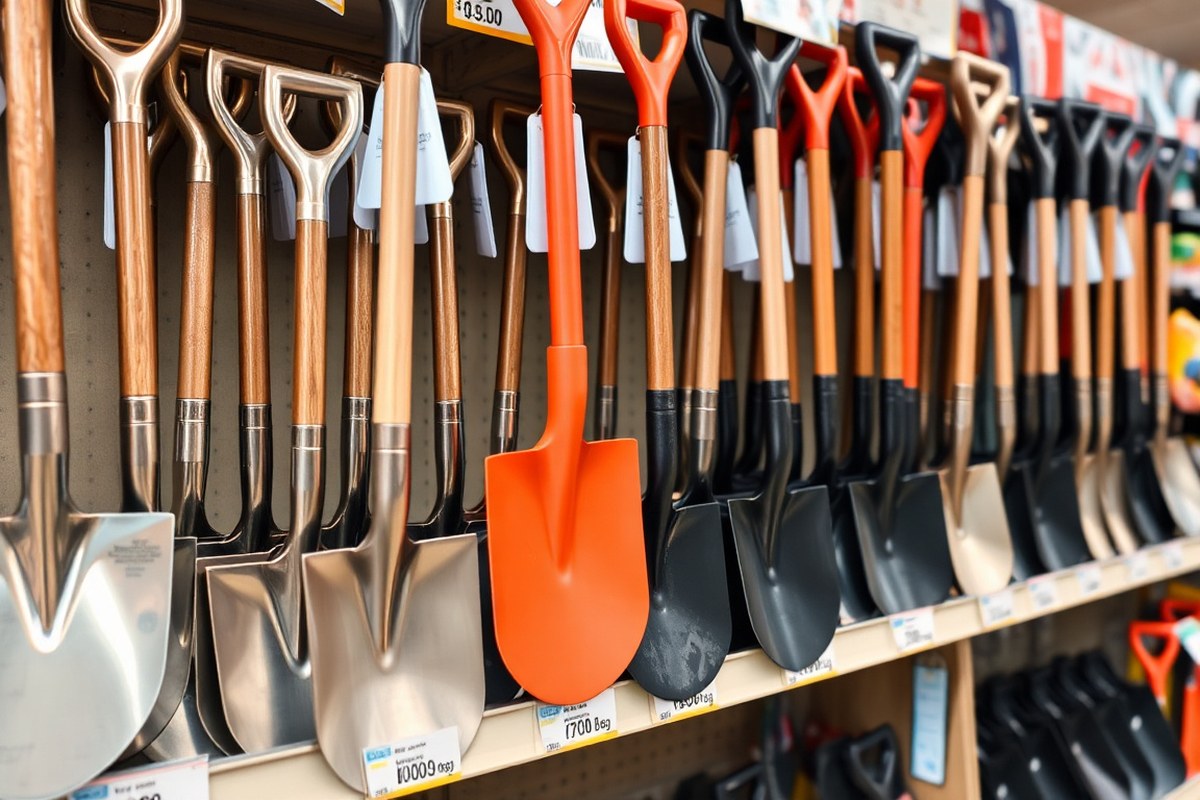
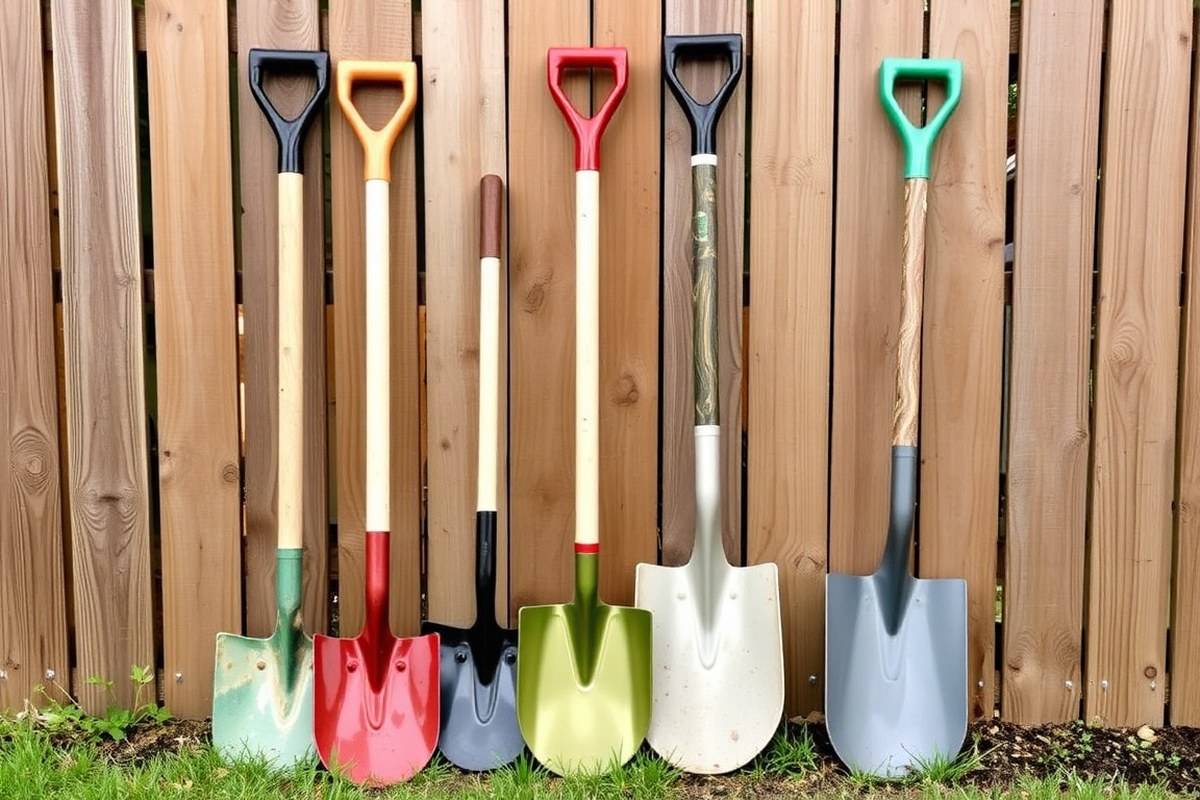
Shovels come in different types and prices depending on use and design. Basic garden shovels usually cost less than snow and specialty shovels. Snow shovels range from simple plastic models to electric ones, with very different price tags.
Average Prices for Garden Shovels
Basic garden shovels with wooden handles and steel blades cost between $15 and $40. Standard models have fixed handles and stamped steel blades. King of Spades shovels cost more because they use heat-treated aircraft-quality steel tubing.
Lower-priced garden shovels work well for light tasks like digging garden beds or turning compost. Heavier-duty options are better for tougher work like prying up stones or handling dense soil.
Typical Snow Shovel Price Ranges
Basic plastic snow shovels usually sell for $10 to $30. Aluminum snow shovels start around $20 and can reach over $100. A collapsible snow shovel costs more due to its adjustable and telescoping parts.
A collapsible shovel folds down to about 13 inches. It extends up to 30 inches when open. They fit easily in small spaces.
Standard snow shovels from Lowe’s, Home Depot, and Walmart cost around $25. They are affordable for regular snow clearing. Many people buy them yearly.
Costs of Specialty and Electric Shovels
Electric snow shovels cost about $190, much higher than manual shovels. These power tools reduce physical effort but come with higher upfront prices and require maintenance. Specialty shovels made with aircraft-quality steel cost more.
Their higher price comes from added durability and strength. They last longer under tough use.
Heavy-duty shovels for pros and enthusiasts may cost upwards of $50 to $100. These include solid steel blades and reinforced handles made for extended heavy use. The following table shows price ranges for common shovel types at typical retailers:
| Shovel Type | Price Range | Retailers | Notes |
|---|---|---|---|
| Basic Garden Shovel | $15 to $40 | Lowe’s, Home Depot, Walmart | Wood handle, stamped steel blade, fits most tasks |
| King of Spades Garden Shovel | $50 to $100+ | Online specialty stores | Aircraft-quality tubing, heat treated for strength |
| Plastic Snow Shovel | $10 to $30 | Lowe’s, Walmart, Home Depot | Lightweight, best for light snow |
| Aluminum Snow Shovel | $20 to $100+ | Lowe’s, Home Depot, Walmart | Stronger but more expensive, some collapsible models |
| Collapsible Snow Shovel | $30 to $60+ | Outdoor specialty retailers, online | Telescoping handle, packs small, adjustable blade |
| Electric Snow Shovel | About $190 | Major retailers and online | Requires power, cuts manual effort |
Prices vary mostly by shovel size, materials, and added features. Retailers like Home Depot and Lowe’s offer competitive prices on garden and basic snow shovels. Specialty shovel brands usually sell higher-quality tools at outdoor or online shops.
How Materials Affect Shovel Price and Durability
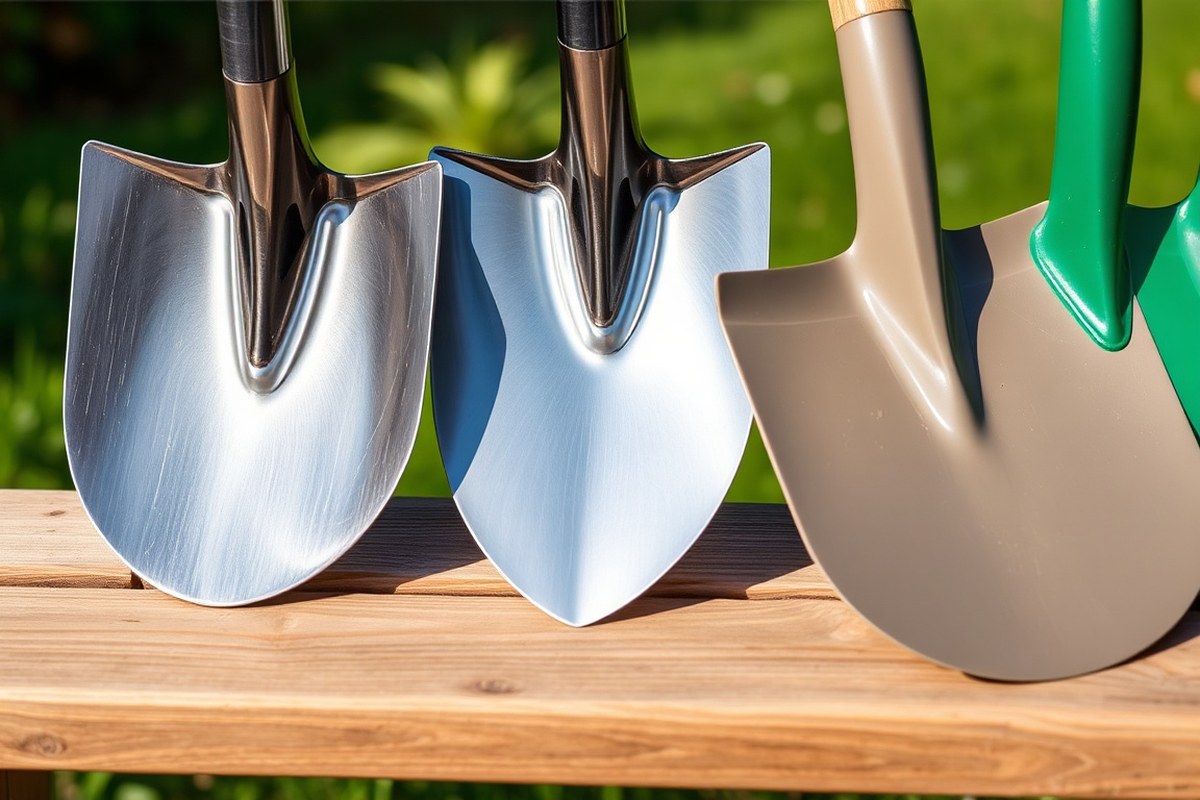
Materials drive shovel price and durability more than most other features. Steel blades cost more but last longer under tough use. Lighter materials like plastic or aluminum cut the price but reduce lifespan and strength.
Plastic Blades: Affordable but Less Durable
Plastic blade shovels cost between $20 and $85, making them the cheapest option. They weigh less than steel shovels. They work well for light tasks.
You can use them for snow or loose dirt. However, plastic breaks easily under heavy loads or sharp rocks.
Plastic shovels suit homeowners doing occasional gardening or snow removal. Avoid plastic blades if you need to pry or dig in tough soil. Expect to replace these shovels more frequently.
Aluminum Blades: Lightweight and Mid-Range
Aluminum blade shovels typically run from $20 to $60, balancing price and durability. These shovels weigh less than steel ones, easing fatigue during long use. They resist rust well but bend under heavy stress.
Aluminum shovels suit general-purpose digging and snow moving tasks. They are common among DIYers who value light weight but want better toughness than plastic offers. Avoid aluminum if you need a tool for prying rocks or heavy digging.
Steel Blades: Heavy-Duty and High Cost
Steel blades cost from about $35 up to $95 and offer the best durability. Thicker, forged blades resist bending, chipping, and wear during tough digging. The toughest shovels weigh around 3.7 to 5 pounds.
Professional-grade shovels use 14-gauge steel blades, welded to reinforced handles. These tools cost $50 to over $200, depending on handle material and features. Heavier blades suit rocky soil and frequent, hard use but tire you faster.
Choose a steel shovel if you need maximum durability for heavy-duty digging or landscaping work. They outlast lighter blades by years if you handle them properly.
| Blade Material | Typical Cost |
|---|---|
| Plastic | $20, $85 |
| Aluminum | $20, $60 |
| Steel | $35, $95 |
The blade material largely determines the shovel’s price range you’ll find in stores or online. Plastic and aluminum keep costs down but trade off strength and longevity. Steel blades push the price higher but offer years more use.
Heavier steel shovels cost more but work best for hard soil and rock. Lighter blades are easier for soft dirt or snow.
What Handle Types Influence Price and Use?
Handle types on a shovel affect both price and comfort. Wood handles cost less but feel traditional.
Fiberglass handles add durability and raise prices a bit. Ergonomic styles with D-grips or curves cost more but reduce strain during use.
Wood Handles: Classic and Affordable
Wood handles are the cheapest option, usually found on basic shovels under $30. They feel natural and absorb some shock, making digging easier on your hands. However, they can splinter or break if exposed to moisture over time.
Most wood handles measure around 48 inches, suited for general digging and planting tasks. These handles work well if you want a reliable, no-frills tool for occasional yard work. You should store them in a dry place to avoid costly replacements.
Fiberglass Handles: Durable and Mid-Range
Fiberglass handles cost more, typically adding $10 to $20 over wood versions. They resist moisture and don’t splinter like wood does. Fiberglass is strong enough for prying roots or heavy soil.
It can cause hand fatigue from vibration. Some users might feel tired after long use.
Many fiberglass handles come in two styles: a long 48-inch shaft or a shorter 30-inch D-grip. The long handle helps with use on tough digs. There are hybrid designs that reduce shock and make impacts feel softer, which protects your hands.
Compared to wood, these handles lower maintenance costs since they won’t rot or need sanding. They last longer outdoors, which helps justify their higher upfront price for regular users.
Ergonomic and D-Grip Handles: Premium Comfort
Ergonomic handles usually cost $40 to $60, reflecting their design for comfort and ease. Curved or angled handles limit wrist strain, reducing soreness after long jobs. Snow shovels with these handles are popular because they help push snow without hurting your back.
D-grip handles provide better control in tight spaces or transplanting. They tend to be shorter, which some find easier to manoeuver. Specialty shovels like the Root Slayer have stiff handles that resist bending under pressure.
- Ergonomic handles reduce injury risk during frequent use
- Curved shapes improve use and wrist position
- D-grip works best for precision tasks and transplanting
- Fiberglass or hybrid handles absorb shock better than solid fiberglass
- They cost more upfront but often reduce long-term soreness
- Maintenance costs for ergonomic handles are usually minimal
Spending more on ergonomic shovels pays off if you dig often. They help reduce hand pain.
This is especially true if your hands get sore easily. Otherwise, a quality wood or fiberglass handle fits most jobs and budgets.
Comparing Shovel Types and Their Price Differences
You’ll see clear price differences among digging, spade, and trench shovels. Digging shovels usually cost less, around $20 to $50. Spades and trench shovels often cost more than regular shovels.
They have more durable designs. These tools serve specific digging purposes.
Buying a cheap shovel might save money upfront. But it can break or wear quickly.
Cheaper models often use thinner metal or weak handles. Those breakages lead to replacing the shovel sooner, which costs more over time.
High-end shovels are better if you want long-lasting tools that work well. But for occasional digging, you might not need the most expensive shovel. A mid-range shovel often balances quality with price for hobby yard work.
| Tool | Best Use | Typical Cost |
|---|---|---|
| Digging Shovel (round or square point) | Digging holes, moving piles, loading wheelbarrows | $20 – $50 |
| Spade (flat, straight edge) | Cutting bed edges, transplanting, slicing through sod | $30 – $60 |
| Drain Spade / Trench Shovel | Narrow trenches, irrigation lines, post holes | $40 – $70 |
Digging shovels with round points are the most common and affordable for general yardwork. Spades come in handy for transplanting and clean garden edges, which needs sharper blades. Trench shovels are best for digging narrow lines.
They tend to cost more. They’re worth it if you dig trenches often.
Consider what tasks you’ll do. A $20 digging shovel can work fine if you just move soil here and there. Spending $50 or more on a trench shovel helps when digging trenches.
It also works better for detailed gardening. This avoids frustration from weak tools.
How Brand and Retail Channel Affect Shovel Prices
Brands can raise or lower shovel prices based on their reputation. Brands like Yukon Charlie’s usually cost more. They offer quality checks.
Their shovels have good warranties. Cheaper brands can save you money.
They might not last long. They work less well in tough soil or snow.
The place you buy your shovel also changes the price. Online stores like EasyDigging have better deals. They spend less on overhead.
This helps keep prices low. You’ll find more options online, which helps you compare features and prices without leaving home. Some physical stores let you touch the shovel.
This helps you check weight and balance. It’s useful to feel it.
- Buy online for a wider range and usually better prices
- Choose a reputable brand for durability and warranty support
- Local stores might charge more but let you test the shovel first
- Discount or big-box stores offer budget options but with variable quality
- Specialty outdoor shops may focus on premium brands for specific uses
Buying a snow shovel online is often cheaper and more convenient. Just watch out for shipping fees and return rules. They can add costs or hassle.
Check if the retailer offers free returns or local pickup to save extra money. Shovels like the Bully weigh 5 pounds 4 ounces.
It’s easier to judge comfort in person. Handling it yourself helps you decide.
Always check return policies when buying shovels online. So you can swap if it doesn’t fit your needs.
Different retail channels cater to different budgets and needs. Big chains might stock more budget shovels. Specialty sellers focus on higher-end or niche tools.
Choosing the right brand and store saves money. It stops you from overpaying.
It also avoids shovels that wear out fast. Pay attention to customer reviews and support options when you shop.
Estimating Total Cost: Maintenance and Lifespan of Shovels
Shovels usually last between 5 and 15 years depending on their quality and use. Cheaper shovels often wear out faster because of rust, loose joints, or splintered handles. Spending a bit more initially can reduce replacement frequency and related costs.
Maintenance isn’t included in the initial purchase price but helps extend your shovel’s life. Keeping it clean, dry, and sharpened protects the metal and prevents damage. Taking a few minutes after each use avoids buildup and corrosion that speed wear.
Here’s a maintenance checklist to keep your shovel in good shape:
- Clean off dirt and moisture after every use using a stiff brush or cloth.
- Dry the shovel thoroughly before storing it indoors or in a dry shed.
- Tighten screws or rivets annually to prevent loose handles.
- Sharpen the blade edges seasonally with a metal file for easier digging.
- Apply a thin layer of oil on metal parts to prevent rust, especially if stored outside.
- Inspect wood handles for splinters or cracks and sand or replace if needed.
- Store the shovel off the ground to avoid moisture damage and warping.
Maintenance tasks like sharpening files or applying oil cost under $15. They only take a few minutes to complete. You can do these regularly to keep your shovel sharp.
Ignoring shovel care can lead to repairs or new purchases. Budget shovels may need replacing every 1 to 3 years. Proper care can help avoid this expense.
Heavy use and harsh weather cause your shovel to wear out faster. These factors help decide how often to check your tool. Inspect your shovel regularly under these conditions.
Bent blades, cracked handles, or rust eating through metal signal shovel replacement. These signs show your shovel won’t work right anymore. Replace your shovel as soon as you spot them.
Getting a strong shovel and sticking to the care checklist saves money over the long run. This balance between buying cost and upkeep helps you choose the right model for your projects.
Choosing the Right Shovel Based on Task and Frequency
Good value shovels balance price, comfort, and task fit. Choose a shovel priced reasonably for how often you’ll use it. For occasional digging, a basic model with a sturdy handle and sharp edge works well.
High-end shovels with ergonomic grips suit daily heavy use better. Their slip-proof ABS handles ease hand strain during long work.
You only shovel once in a while. So extra features might not be worth it.
The task type shapes which features matter most. For jobs needing precise digging in tight spots, pick a shovel with a 13-inch narrow edge.
It cuts soil neatly and moves less dirt per stroke. So you get more control.
- Light snow removal: choose a lightweight plastic scoop with an ergonomic handle
- Landscaping or digging holes: select a sharp steel blade with a strong wooden or metal handle
- Car emergency kit shovel: compact, sturdy, and easy to store models work best
- Frequent heavy digging: invest in a high-end shovel with slip-proof, comfortable grips
- Tight space work: use a shovel with a narrow cutting edge for better maneuverability
Match your shovel to how often and what you do. A contractor who clears trucks every day should invest more. A homeowner needing a backup shovel can opt for a versatile, affordable type.
Check that the handle fits your grip size and comfort needs too. A good grip means less fatigue and better control. Spending $20 to $40 on a shovel is smart.
It should feel good and fit your work. This helps stop frustration while you work.
Price Variation by Location and Seasonal Demand
Shovel prices often change based on where you live. In snowy areas, stores stock extra snow shovels in winter. This can make prices go up or down.
The change depends on how many people want shovels. Rural areas might have fewer shovel options, leading to higher costs or less variety. Urban areas tend to have more competition among retailers, sometimes lowering prices.
Besides location, the season also influences shovel availability and cost. Snow shovels cost more in late fall and winter. Many buy them to clear their driveways and sidewalks.
This higher demand pushes prices up. After winter, the price can drop as stores clear out older stock. You can sometimes find good deals in early spring if you want a snow shovel off-season.
You can use a snow shovel to move mulch or soil. But doing this may wear out the shovel faster. It’s best to use it mainly for snow.
These shovels have wide, flat blades meant for snow. So they might not dig well in hard dirt or heavy materials. Spending more on a snow shovel gets you tougher materials.
These resist breaking better, especially in cold weather. That means your shovel lasts longer.
However, cheaper models can cost around $20 to $40. High-end kits with extra tools can go up to $100 or more, depending on your location.
- Check prices at local hardware stores and garden centers first
- Look online for deals but factor in shipping costs
- Buy snow shovels before the snowy season to save money
- Consider multi-use shovels if you need one year-round
- Expect higher prices in colder climates with heavy snowfall
- Compare brands and read reviews for durability in your area
Using a snow shovel on rough or rocky ground can damage it quickly. So only use it for snow or light materials.
Knowing your local climate helps you choose when and where to buy a shovel. In snowy or colder places, demand spikes during fall and winter, making prices vary sharply. Tracking sales and stocking up early gives you more choices and better prices.
Check local flyers or websites when buying nearby. This shows shovel prices for your stores and area. Prices can vary by region and store.
Step-by-Step Action Plan for Buying Your Ideal Shovel
Follow this plan to pick the right shovel for your needs and budget. Each step helps you avoid common buying mistakes.
- Before you buy: List the tasks you’ll do most, like digging or snow clearing. This focus saves money and effort later.
- Day 1: Check your local stores and online shops for price ranges. Note handle types and materials available.
- Day 2: Compare shovel weights and grips in person or by reviews. Make sure they feel comfortable for long use.
- Day 3: Look for a good brand with solid warranty and replacement parts. This often means longer shovel life.
- Week 1: Pick a shovel with the right blade shape and size for your main jobs. Confirm it matches your budget.
- Week 2: Buy your shovel during a seasonal sale. Check nearby stores. This can save you a few dollars.
- After 1 month: Clean your shovel regularly. Oil the metal parts to stop rust. This keeps it lasting longer.
- After 3 months: Review how well the shovel handles your tasks. Decide if a specialized shovel is needed next.
Frequently Asked Questions
How Much Does a Shovel Cost?
A basic shovel usually costs between $10 and $30. Prices go up if the shovel has special materials or features.
What Is the Price of a Shovel?
Shovel prices vary by type and quality but often start around $10. Getting one with a durable handle or blade may cost more.
How Much Does a Shovel Cost at Lowe’s?
At Lowe’s, a basic shovel ranges from $15 to $35. Specialty shovels or those with premium materials cost higher.
How Much Does a Shovel Cost at Walmart?
Walmart sells shovels starting between $10 and $25. Prices depend on the size, material, and design.
How Much Is a Shovel at Home Depot?
Home Depot offers shovels for about $15 to $40 on average. Electric snow shovels cost much more, around $190.
What Factors Affect the Cost of a Snow Shovel?
Snow shovel prices depend on type, material, and features like weight. Heavier steel shovels usually cost less than lightweight alloy ones.
Before You Go
Shovel prices vary widely depending on type and material. You can find a durable shovel for under $50 if you shop wisely. Start by visiting a store to handle different shovels and see what fits you best.