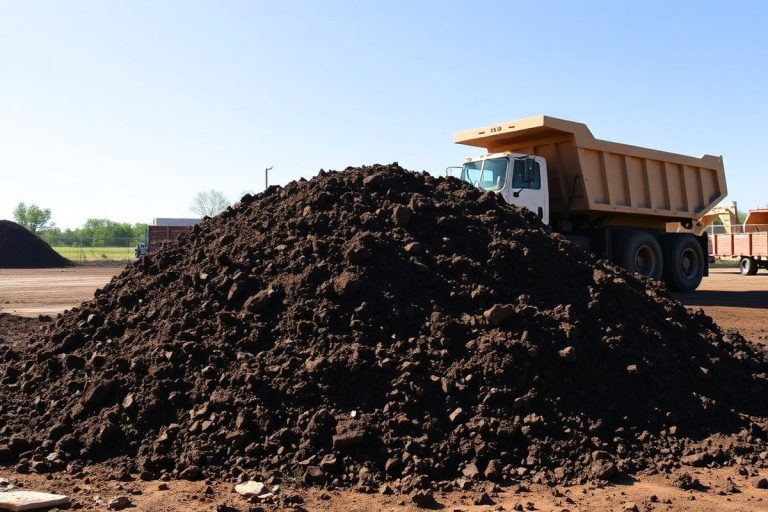
How Much Does a Yard of Topsoil Cost? A Complete Guide with Pricing & Tips
Wondering how much a yard of topsoil costs? Typically, screened topsoil ranges from $25 to $45 per cubic yard for the material alone. Delivery might add $100 to $400, depending on distance and load size.
Prices vary because topsoil type, quality, and whether it’s screened or blended all affect cost. Regional availability also plays a role, so local suppliers can differ greatly on price. Start by getting quotes that include delivery to avoid surprises later.
Bulk topsoil is cheaper per yard than bagged, but bags suit small jobs better. Remember, you usually pay extra for spreading or site prep. Plan your order carefully to keep costs efficient and avoid waste.
The cost can also rise if you need specialty topsoil, like organic or amended types. Ordering too little means extra delivery fees for a second load. Keep measurements accurate and consider quality to get the best value.
Key Takeaways
- Screened topsoil costs $25 to $45 per cubic yard before delivery.
- Delivery fees can add $100 to $400 depending on your location and order size.
- Unscreened topsoil runs about $10 to $20 per cubic yard and costs less.
- Bulk topsoil is cheaper per yard compared to bagged options for bigger projects.
- Bagged topsoil costs $2 to $5 per 40-pound bag, good for small jobs.
- Expect extra charges for spreading, labor, or site preparation services.
How Much Does a Yard of Topsoil Cost on Average?
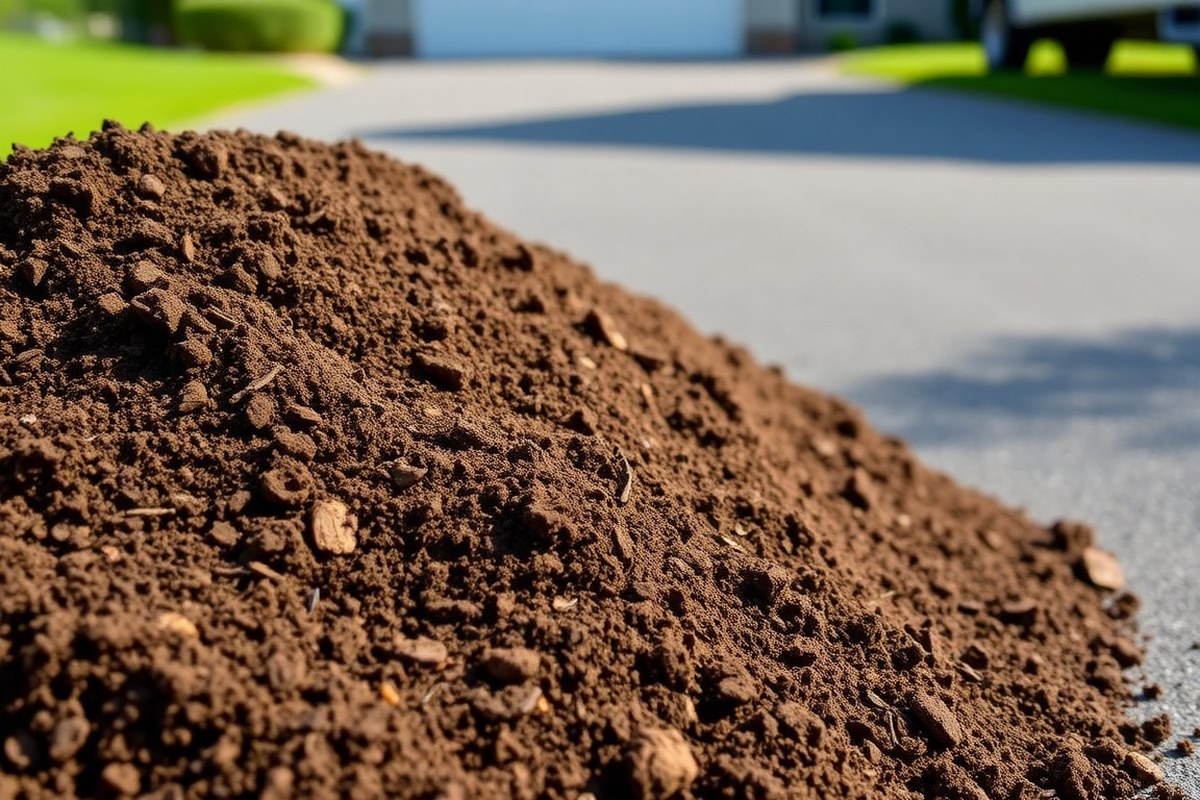
Topsoil prices vary widely depending on quality and type. On average, bulk screened topsoil costs about $20 to $50 per cubic yard.
Unscreened soil costs less, usually $10 to $25 per yard. It’s best for filling holes or leveling ground.
Bagged topsoil costs much more. Expect around $80 to $120 for the cubic yard equivalent of small bags. This is better for small projects where hauling bulk soil isn’t practical.
Premium soil mixes contain compost or organic material. They cost $35 to $70 per cubic yard.
| Topsoil Type | Cost Per Cubic Yard | Best Use |
|---|---|---|
| Unscreened Topsoil | $10, 25 | Fill, grading, non-planting use |
| Screened Topsoil (Standard) | $20, 40 | General landscaping, lawns |
| Premium Screened Topsoil | $35, 55 | Garden beds, ornamental planting |
| Blended Topsoil (with Compost) | $40, 70 | Vegetable gardens, raised beds |
| Lawn Soil Blend | $40, 80 | New lawns, sod establishment |
| Bagged Topsoil (Retail) | $80, 120 (yd³ equivalent) | Small projects, 1, 3 bags |
Screened topsoil offers a cleaner, finer texture, better for lawns or flower beds. It costs roughly twice as much as unscreened. The extra cost goes into removing rocks, sticks, and debris for better planting results.
More expensive blends combine topsoil with compost or manure. These mixes help vegetable beds grow strong and healthy plants. While pricier, they save you extra work mixing soil and nutrients yourself.
Bulk deliveries tend to lower costs. But bagged soil adds the convenience of small, easy-to-carry amounts.
What Factors Cause Topsoil Prices to Vary Across Regions?
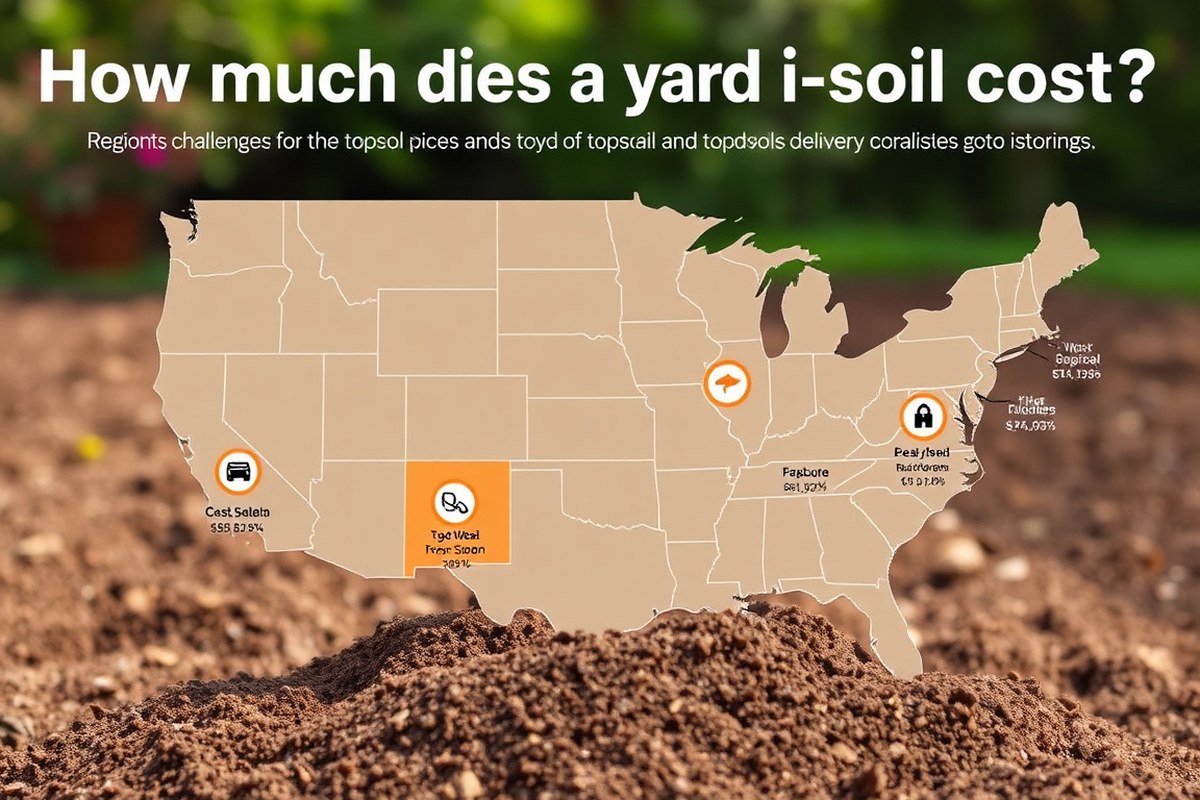
Topsoil prices change a lot depending on where you live. Coastal areas like California or New England have costly topsoil. Good organic matter is hard to find there.
This scarcity raises the price. By contrast, Midwestern states often offer cheaper soil due to abundant farmland and natural resources. This means buying topsoil in places like Iowa may cost $20 to $30 per cubic yard.
In parts of California or New York, soil quality prices vary. They cost about $40 to $50 or even more. Quality soil often means a higher price.
Soil quality itself also varies. Regions with heavy clay or sandy soil need special blends or amendments, pushing prices up.
Supply and demand play a big role in local prices. Urban spots with many landscaping jobs tend to have higher soil prices. More competition for soil and delivery trucks drives costs up.
This makes soil pricier in cities. Rural places often have cheaper topsoil but fewer sellers. Suppliers may require minimum delivery amounts for orders.
This can increase what you pay per order. Seasonal factors matter too, spring and fall may see price hikes as demand rises. Getting multiple quotes from nearby suppliers helps you spot this.
Local prices can shift 30-50% even within a single city or county. So searching online or calling several yards is worth the effort.
Checking local pricing is simple. Start by searching “topsoil suppliers near me” and note prices for screened and premium topsoil. Ask about delivery fees and minimum orders, which can double per-yard costs on small buys.
Compare costs and ask what kind of soil you’re getting. Some suppliers sell fill dirt or subsoil cheaper. But these lack nutrients and drain poorly.
Knowing your project’s needs will help you avoid overpaying for unsuitable soil. Always ask how the soil is screened or blended.
Cleaner, organic-rich soil costs more money. It also works better for gardens and lawns.
Always check the exact product and delivery details before ordering. Local prices can vary widely, so shop around.
How Delivery Charges and Logistics Impact Total Topsoil Cost
Delivery costs add a significant amount to your total topsoil price. Expect to pay between $40 and $120 per trip depending on distance and load size. Site access and prep can also raise fees if trucks face challenges unloading.
Typical Delivery Fee Ranges and What They Cover
Delivery fees usually range from $40 to $120 per load. This fee covers fuel, driver time, and unloading at your property. For small jobs, a single yard plus delivery may total $80 to $150.
Larger loads cut your per-yard price substantially. For example, 5 yards might cost $100 to $200 for soil plus $40 to $80 delivery. The total for that size often falls between $140 and $280.
Some suppliers charge a minimum fee per trip regardless of load size. This is common in urban areas, where tight spaces or traffic slow down deliveries.
Site Preparation Tips to Avoid Extra Charges
Getting your site ready before delivery keeps costs down and delivery smooth. Clear away obstacles like cars, tools, and pets to give trucks easy access. Tell the supplier about narrow paths or slopes on your property.
These can stop trucks or cause delays. Soft ground can also make unloading harder.
Here’s a quick checklist to prep your property ahead of time:
- Clear a path at least 10 feet wide for the delivery truck.
- Remove low-hanging branches or wires around the delivery route.
- Mark the drop-off spot where you want the topsoil placed.
- Check the ground is firm enough to hold the truck without sinking.
- Ensure there’s enough turn-around space for the truck to exit safely.
- Notify the supplier about any special access needs or restrictions.
Failing to prepare can lead to extra fees or even canceled deliveries. The truck may need to park farther away, doubling labor if you haul soil by hand.
How Delivery Distance Affects Pricing
Distance from the supplier matters for your delivery cost. Most companies charge extra for miles or time traveled. This fee raises your total cost the farther you live.
It depends on distance. Expect $40 to $80 for a short haul. Longer trips can climb to $150 or more.
For example, 5 yards cost $30 each, totaling $150. Add $50 delivery for 10 miles. The total cost comes to $200.
The same delivery 25 miles away may cost $100 for delivery. This pushes the total to $250. Distance matters for pricing.
Prices also vary by region. Urban areas often face higher delivery fees due to traffic and parking limits. Rural locations may have lower per-mile costs but fewer suppliers nearby.
How to Calculate How Many Yards of Topsoil You Need
Start by measuring the area for your topsoil project. Decide how deep you want to add the soil. Use these numbers to calculate yards of topsoil needed.
Then you use a simple formula to convert those measurements into cubic yards. Always add a waste factor of 5 to 15 percent to cover settling and uneven ground.
Formula for Calculating Cubic Yards Needed
First, measure the length and width of the area in feet. Multiply these two numbers to get square feet. Next, decide how deep you want the topsoil in feet.
Multiply the square feet by the depth in feet to get cubic feet of soil required. Divide this number by 27 to convert cubic feet into cubic yards.
Example Calculation for a Garden Bed
You have a vegetable garden that measures 10 feet by 20 feet. You want a 4-inch layer of topsoil for it, which equals 0.33 feet deep (4 ÷ 12 = 0.33).
Multiply 10 × 20 = 200 square feet, then 200 × 0.33 = 66 cubic feet. Divide 66 by 27. You need about 2.44 cubic yards of topsoil for the bed before waste allowance.
Adjusting Volume for Waste and Uneven Ground
Topsoil settles and sometimes spreads unevenly. Add 5 to 15 percent extra to your calculated amount for waste. For simple garden beds, 5 percent extra usually works.
For uneven lawns or major landscaping, use around 10 to 15 percent extra. This buffer ensures you don’t come up short during the project. Follow these steps to get your topsoil amount:
- Measure the project’s length and width in feet.
- Multiply length by width for total square feet.
- Decide how many inches deep topsoil needs to be added.
- Convert the depth to feet by dividing inches by 12.
- Multiply square feet by soil depth in feet for cubic feet.
- Divide cubic feet by 27 to get cubic yards.
- Add 5 to 15 percent extra for waste and settling.
- Round up to the nearest half or whole cubic yard for ordering.
Difference Between Screened, Unscreened, and Blended Topsoil
Topsoil comes in screened, unscreened, and blended types. Each type varies in price and suits different projects. Choosing the right kind depends on your budget and garden goals.
Characteristics of Screened Topsoil
Screened topsoil has debris, rocks, and clumps removed. This makes it fine-textured and ready for lawns and landscaping. It usually costs between $20 and $40 per cubic yard.
Screened soil keeps moisture because it doesn’t have big chunks in it. This soil creates a smooth base for growing grass or flowers nicely. You can expect to pay about $25 to $45 per yard for bulk screened topsoil alone.
Pros and Cons of Unscreened Topsoil
Unscreened topsoil contains rocks and organic debris. It usually costs less, around $10 to $28 per cubic yard. This option works for projects needing soil amendments added later.
You save money using unscreened soil for fill or grading. But unscreened soil isn’t best where plants need fine, uniform soil. It may slow down root growth because of the clumps and rocks.
Benefits of Compost Blended Topsoil
Blended topsoil adds 20 to 30 percent compost to the soil. This boosts nutrients and moisture retention in garden beds. It typically costs $40 to $80 per cubic yard, the highest-cost option.
For raised beds and planting areas, blended soil is the best choice. The organic matter supports plant growth without needing extra fertilizer. Premium blends run $45 to $65 or more for bulk delivery.
| Type | Price Range per yd³ | Best Use |
|---|---|---|
| Unscreened topsoil | $10, $28 | Fill, grading, projects with added amendments |
| Screened topsoil | $20, $40 | Lawns, general landscaping needing smooth soil |
| Blended topsoil with compost | $40, $80 | Garden beds, raised beds where plant growth matters |
| Premium specialty blends | $50, $90+ | Specialty planting mixes, highly dependent on supplier |
Compare prices from bulk suppliers and local yards before buying. Delivery options and soil quality will affect final costs. Use blended soil in spots where plants need long-term health support.
Avoid using unscreened soil for lawns, you’ll likely get rocks on top and uneven growth.
Bulk Versus Bagged Topsoil: Which Is Right for Your Project?
Bulk topsoil costs less per yard once you need more than half a yard. Bagged topsoil can run $10 to $50 per cubic yard.
Bulk prices often land between $20 and $42 per yard, especially in the Southeast. Buying soil in bags means paying more for convenience.
Bagged soil is handy when you need small amounts. It’s easier to handle for flower beds or container gardens without delivery fees.
Bulk soil suits larger projects, like lawn resurfacing or garden expansions. Expect delivery and possibly spreading service for bulk orders.
The decision rule is simple: buy bagged soil if you need less than 0.5 cubic yards and go bulk if you need more. Bulk soil can cut your costs by half or more. Delivery fees and local prices change the cost numbers.
| Order Size (Cubic Yards) | Bagged Cost | Bulk Cost (Delivered) | Bulk Savings |
|---|---|---|---|
| 1 | $80, 180 | $60, 130 | Modest |
| 3 | $240, 540 | $100, 200 | 50, 60% |
| 5 | $400, 900 | $150, 300 | 60, 70% |
| 10 | $800, 1,800 | $250, 500 | 70, 75% |
Choosing bulk soil means planning for delivery and space to unload. You’ll handle heavier loads but pay less per yard than with bags.
Bagged soil works best for small patches or quick fixes. Weigh these costs by your project size and how much effort you want to put in.
Additional Costs: Labor, Spreading, and Site Preparation Fees
Professional topsoil spreading usually costs between $60 and $125 per hour. This rate can include both delivery and spreading by a crew with heavy equipment.
For small jobs, you might only need a couple of hours. But bigger areas can push those fees higher.
Additional labor charges apply if you need help digging or removing soil. They also happen if you want to fix uneven spots before adding new topsoil. These steps need extra work from the crew.
Equipment fees can pop up too, especially if machines like skid steers or mini-excavators are needed. These tools often cost $50 to $150 per hour to rent when DIY isn’t an option.
Site preparation is a key step that often gets overlooked. Clearing rocks, roots, or debris can add around $100 to $300 depending on your yard’s condition. Preparing a bed for new topsoil helps avoid drainage problems and uneven settling later on.
- Labor for spreading: $60 to $125 per hour for a professional crew
- Heavy equipment rental: $50 to $150 per hour if needed
- Site prep like clearing debris or old soil: $100 to $300
- Disposal fees for removed soil or waste: $50 to $150 depending on volume
- Additional landscaping tasks such as grading: $75 to $200
You can save money by spreading topsoil yourself with simple tools. Use a wheelbarrow, rake, and shovel to move and level the soil. Start spreading topsoil from one end of your yard.
Work your way across in thin layers no thicker than 3 inches. Doing thin layers helps the topsoil settle better.
Make sure the soil is even and firm it lightly to avoid future sinking. Avoid dumping all soil in one place. Spread it to reduce clumping and dirt wash-away.
Doing this over a weekend or two can cut your labor cost to zero. But it requires several hours of physical work.
Common Topsoil Ordering Mistakes and How to Avoid Them
Ordering too little topsoil is one of the most common pitfalls. Soil settles after delivery, so order about 10% more than your calculation. This helps avoid extra delivery fees, which typically cost as much as the soil itself.
Not preparing the delivery site can lead to extra charges or delays. Clear space in your yard or driveway where heavy trucks can unload safely. Make sure the area is flat and easy to reach.
This helps avoid extra fees for moving soil by hand. Clear the spot before delivery to save effort and cost.
Errors in the order details can increase costs. Always confirm the material type, quantity, and price before finalizing. Delivery, tax, and any labor fees should be discussed upfront to avoid surprises.
- Double-check your volume calculation and add 10% extra.
- Clear obstacles like plants, furniture, or vehicles near the drop zone.
- Measure delivery spot to confirm a truck can reach it safely.
- Ask the supplier for a clear, itemized quote including all fees.
- Schedule delivery on dry days to avoid soil clumping and access issues.
- Plan where to spread the soil quickly to prevent a large pile.
One cubic yard of topsoil weighs close to one ton, depending on moisture. Consider how much room the soil will use in your yard. Mixing or sifting soil types may change how much you need and the price, so ask about this.
Confirm delivery details and the total price before ordering. Unexpected fees often come from unclear communication.
Step-by-Step Action Plan for Buying Topsoil
Follow these steps to estimate your topsoil needs and control costs effectively.
- Before You Buy: Measure your project area in feet. Convert the area to square yards by dividing by 9 to know your coverage. Check that measurements are accurate to avoid ordering too much or too little.
- Day 1: Decide on the type of topsoil you want: screened, unscreened, or blended. This affects price and quality. Pick the one that matches your project needs and budget.
- Day 2: Research local topsoil suppliers and compare prices including delivery fees. Ask about bulk versus bagged options to find the best deal. Choose a supplier with good reviews and transparent costs.
- Day 3: Find your area size first. Multiply it by the depth you want in yards. That gives the total yards of topsoil you need. Add about 10% extra for settling and compaction. Confirm your order quantities with the supplier.
- Day 4: Schedule delivery and ask about timing for spreading services if you need help. Confirm all fees before payment to avoid surprises. Arrange for labor if you plan to hire help for spreading and site prep.
- Day 5: Prepare the site by clearing debris and leveling the soil area. This step helps your new topsoil fit evenly and reduces extra labor costs later. Check that the area is ready before delivery.
- After Delivery: Inspect the delivered soil for quality. Make sure it matches what you ordered and is free from rocks or debris as promised. Contact the supplier immediately if there are issues.
Frequently Asked Questions
How Much Does a Yard of Topsoil Cost?
A yard of topsoil costs between $10 and $80 depending on the type you choose. Screened topsoil for lawns and gardens usually costs $20 to $50 per cubic yard. Premium blends with compost cost more.
How Much Will a Yard of Top Soil Cover?
One yard of topsoil covers about 100 square feet at a 3-inch depth. Coverage changes if you apply more or less soil. Calculate your project area to order the right amount.
Will Grass Grow Through 2 Inches of Topsoil?
Grass can grow through 2 inches of topsoil but may be thinner and patchy. For better results, aim for 3 to 4 inches of soil depth. This provides enough nutrients and space for roots.
What Is Screened Topsoil?
Screened topsoil is soil that’s been filtered to remove rocks and debris. It’s smooth and clean, making it good for lawns and landscaping. Screened topsoil is pricier than unscreened but easier to work with.
What Is the Best Topsoil for a Garden?
The best topsoil for a garden is a premium blend with compost. This type is rich in nutrients and holds moisture well. It helps your plants grow strong and healthy.
Can You Mix Topsoil with Existing Soil in Your Yard?
Yes, mixing topsoil with existing soil improves drainage and fertility. Blend topsoil evenly for best plant growth. Avoid just layering topsoil on top without mixing.
Key Points to Remember
Topsoil costs vary widely based on type, delivery, and location. Accurate measurements and supplier research save you money. Start by measuring your project area and asking local suppliers for detailed quotes today.