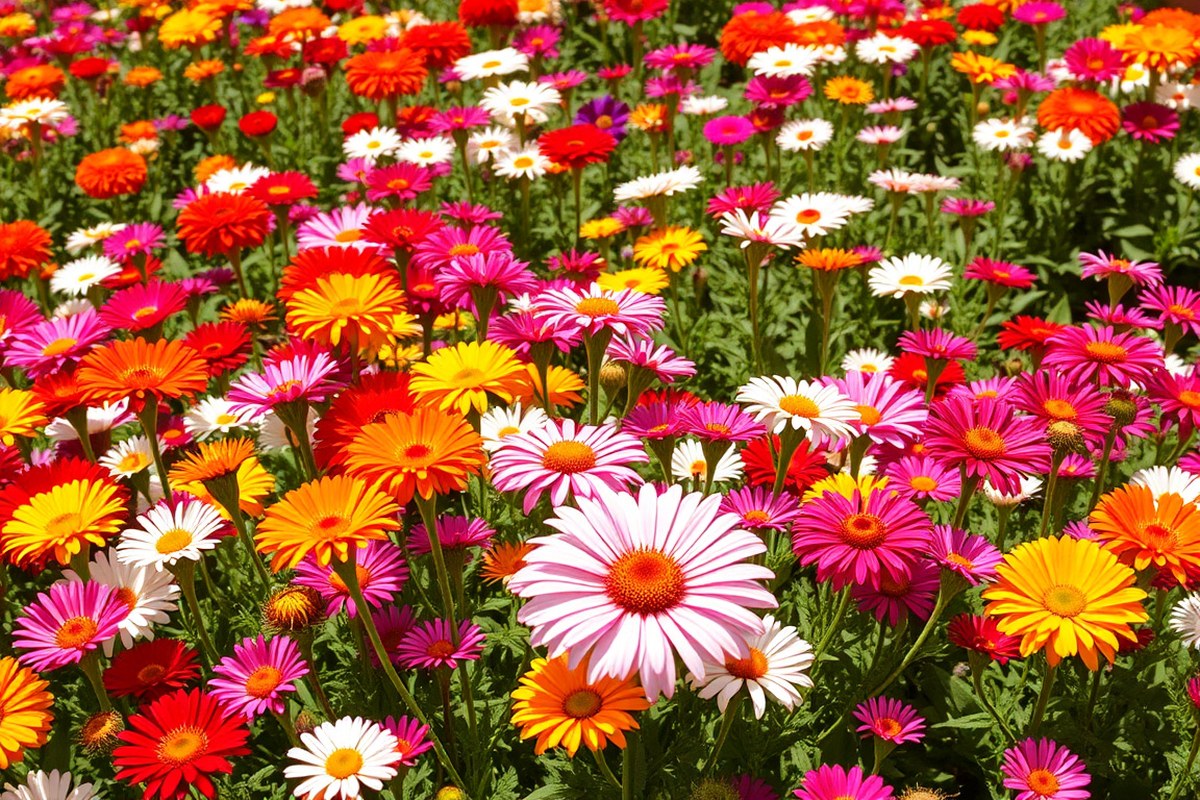
What Are Annual Plants and Flowers? A Complete Gardening Guide for Beginners
Annual plants and flowers live just one growing season each year. They start growing, produce flowers and seeds, then finish their life cycle. You have to plant new ones every spring or growing season start.
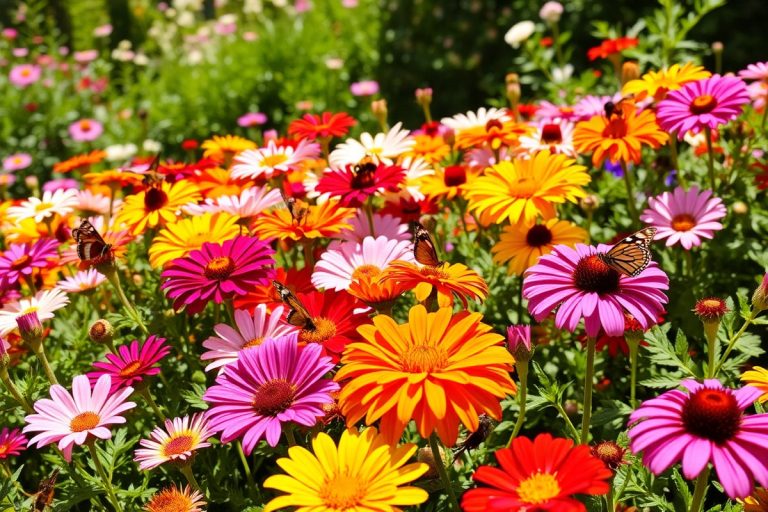
Annuals often bring quick color and vibrancy to your garden spaces. They thrive best in full sun, which means six to eight hours of direct sunlight daily. This exposure helps them grow strong and bloom fully throughout the season.
You should pick healthy seeds or seedlings suited for your specific climate zone. Checking your area’s last frost date is key to avoid winter damage. Plant in well-drained soil, which supports good root health and helps prevent disease.
Water annual plants regularly, especially during dry spells, to keep blooms vibrant. Deadheading spent flowers encourages more blooms and extends the flowering period.
Most annuals grow fast. So they fill garden beds quickly and look great all summer long.
Key Takeaways
- Annuals finish their life cycle within one growing season.
- Most annual flowers need six to eight hours of full sun daily.
- Plant annual seeds or seedlings after your area’s last frost date.
- Choose well-drained soil to help roots stay healthy.
- Sunflowers can grow from one foot to over 10 feet tall.
- Cut back overgrown annuals by 4 to 6 inches to refresh them.
What Are Annual Plants and Flowers?
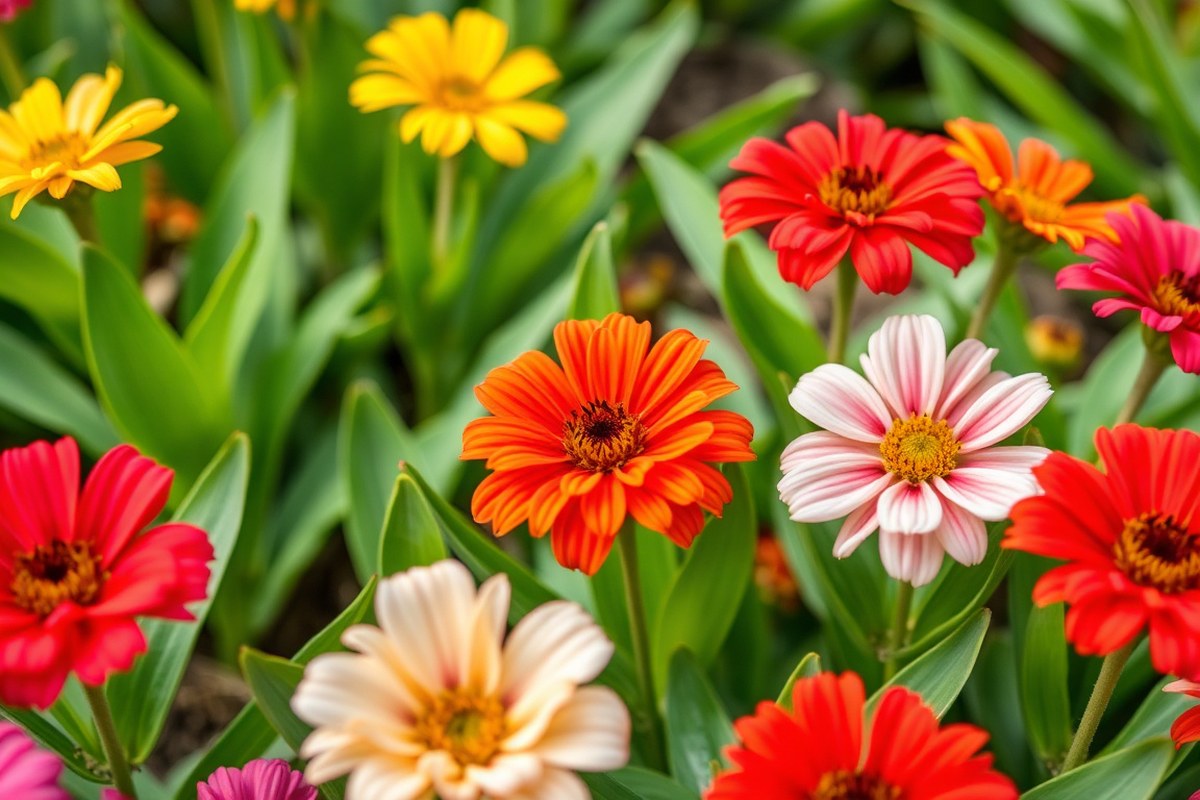
Annual plants and flowers live only through one growing season. They start from seeds, bloom, produce seeds, then die within the year. Usually, you plant them in spring or early summer and harvest by fall or frost.
Their life cycle starts when you sow the seeds or transplant seedlings. The plant grows leaves and stems. It then produces flowers.
Lastly, it develops seeds for the next generation. Once the plant finishes setting seeds, it dies, including its roots. So you’ll need to plant them again next year.
Annuals differ from perennials and biennials mainly by how long they live. Perennials grow back year after year from the same roots. Annuals do not survive winter or cold weather.
You must plant them again every season. That’s because they complete their cycle within one year.
Biennials take two years to complete their life cycle. They grow leaves the first year and bloom in the second year before dying. This life pattern makes biennials less common for seasonal flower beds compared to annuals and perennials.
Some plants called “tender perennials” act like annuals in cold climates. These plants, such as dahlias and cannas, don’t survive freezing temperatures. You can treat them as annuals or dig up their bulbs to store during winter.
Choosing annuals can add bold, colorful displays because they bloom all season long. Since annuals grow for only one season, you can plant new types every year.
This lets you change your garden’s look regularly. They’re great for experimenting and filling gaps in your garden quickly.
Common Examples of Popular Annual Flowers
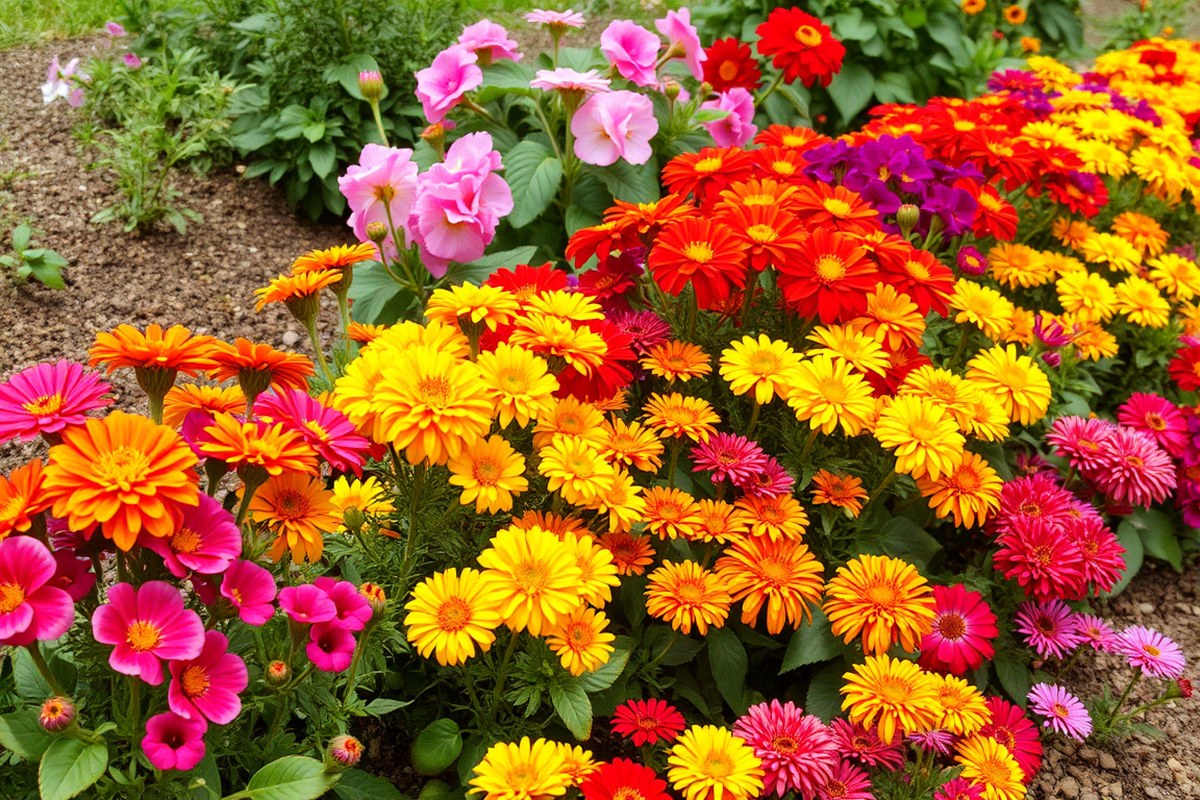
Annual flowers bloom for one growing season and bring color to your garden. They come in many shades, sizes, and shapes, offering plenty of options. Here are some common annual flowers that thrive under different conditions.
Bright Annuals for Full Sun
Many annuals love full sun and produce vibrant blossoms all season. Orange, red, yellow, and hot pink are common bloom colors for these plants. Plant them where they get at least 6 hours of sunlight daily for the best show.
Begonias like Surefire ® Begonia benariensis brighten sunny spots or partially shaded beds. Their flowers last all season long and add constant interest.
Portulaca, sometimes called flower-of-an-hour, also thrives in sun and blooms nonstop. But each flower lasts only a day.
Shade-Tolerant Annuals
Annuals that tolerate shade or partial shade are good for spots with less sun. Look for plants that flower well without full sun. These usually bloom in cooler shades like purples and pinks.
Lobelia erinus, such as Laguna ® Lobelia, grows well in partial shade. The triangular soft-green leaves blend nicely under shrubs. This plant produces many small flowers that attract bees and butterflies even in shade.
Trailing and Container-Friendly Annuals
Trailing annuals are perfect for hanging baskets, window boxes, or container edges. They often produce a steady stream of blooms while draping over container rims. They also work well mixed with upright plants for varied texture.
Calibrachoa, also known as million bells, is a favorite for containers. It blooms in colors like pink, purple, and yellow and thrives outdoors on porches or decks. Begonias also do well in pots and tolerate sun or shade.
Long-Blooming and Pollinator-Friendly Choices
Mix annuals with different bloom times to keep your garden colorful all season. Long-blooming annuals attract pollinators like bees, which helps your whole garden. Look for varieties known for nonstop flowers from spring to frost.
Portulaca’s constant bloom cycle means it offers flowers and nectar to pollinators all summer. Similarly, some begonias keep flowering through fall. You can plant annuals near vegetables and herbs to support pollinator visits.
Here’s a quick reference table to help you pick the right annuals for your garden needs:
| Plant | Bloom Time | Colors | Height | Sun Exposure | Zones (USDA) |
|---|---|---|---|---|---|
| Surefire ® Begonia benariensis | All Season | Red, Orange, Yellow | 12, 18 in | Sun or Shade | 9, 11 |
| Portulaca (Flower-of-an-Hour) | Spring to Fall | Pink, Red, Yellow, Orange | 6, 8 in | Full Sun | 10, 11 |
| Laguna ® Lobelia erinus | Mid Spring to Fall | Blue, Purple, White | 6, 10 in | Partial Shade to Full Sun | 9, 11 |
| Calibrachoa (Million Bells) | All Season | Pink, Purple, Yellow, Red | 12, 18 in trailing | Full Sun | 10, 11 |
Choose annuals based on your garden’s sunlight and space. Start with these easy, colorful options to get a lively, blooming space all season long.
Keep in mind that annual flowers need regular watering and fertilizing to bloom nonstop.
When and How to Plant Annual Flowers for Best Results
Plant your annual flowers once soil warms after the last frost date. Choose full sun spots with well-drained soil and pH near 6.3 to 6.7. Select seeds or transplants based on your climate, plant type, and garden area.
Choosing the Right Planting Time
Plant half-hardy annuals like zinnias after the danger of frost passes. They tolerate cooler air but need warmer soil to grow. Tender annuals require warm soil temperatures above 60°F and warm air before planting outside.
Start tender annual seeds indoors six to eight weeks before last frost. Transplant outdoors only after nighttime temperatures stay above 55°F. Choosing the right time avoids frost damage and ensures steady growth.
Preparing Soil and Site
Annuals thrive in full sun, meaning at least four hours of direct sunlight daily. Some, like sweet alyssums, tolerate part sun but still need bright spots. Good drainage helps prevent root rot and keeps plants healthy.
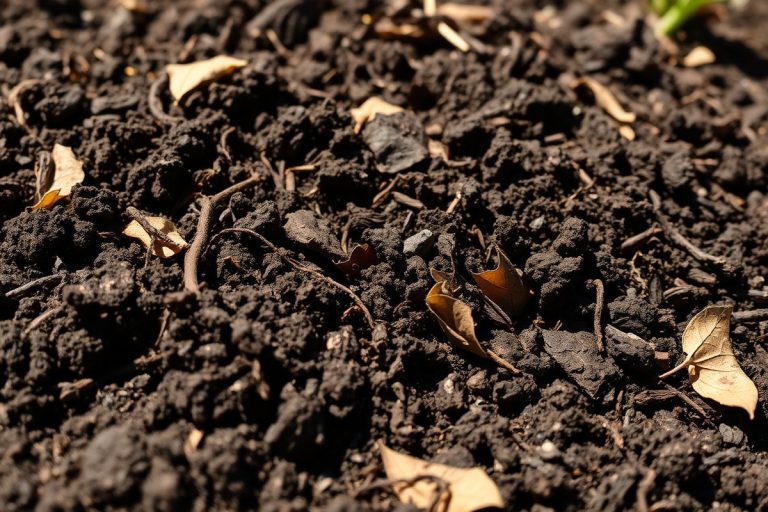
Amend soil with organic matter and add slow-release fertilizer to supply nutrients. Aim for a soil pH between 6.3 and 6.7, which suits most annuals. Avoid heavy clay or soggy soil unless improved with compost.
Starting Annuals from Seed
Starting from seed opens options beyond garden center varieties. Begin indoors in seed trays or peat pots with sterile seed-starting mix. Keep the mix moist, not wet, to avoid damping-off disease.
Provide warmth with a heating mat, especially for tender annuals that need 70° to 75°F. Thin seedlings to prevent overcrowding and transplant them when they have two sets of true leaves.
- Soak seeds overnight to soften hard coats, if needed.
- Fill trays with seed-starting mix and moisten it evenly.
- Plant seeds at the depth stated on the packet.
- Cover trays with plastic until seeds sprout to retain moisture.
- Place trays in a warm, bright spot or use grow lights.
- Water gently when the soil surface starts to dry.
- Thin seedlings by snipping extras to avoid crowding.
- Harden off seedlings outdoors gradually before transplanting.
Using Transplants and Seedlings
Buy transplants after last frost or start your own indoors if you want specific varieties. Transplants save time and get a jump on the season. Harden them off by exposing plants to outdoor conditions for seven days.
Plant transplants in holes twice the root ball size with some slow-release fertilizer. Firm soil gently and water deeply right away to settle roots. Most annuals grow best with daily sun and evenly moist soil.
How to Care for Annual Plants Throughout the Season
Most annual flowers need at least 6 hours of sunlight daily to thrive. Water them about once a week but increase frequency during hot, dry spells. Aim for moist soil, not soggy.
Water deeply once or twice weekly. Avoid frequent shallow watering.
To keep annuals blooming longer, remove dead or faded flowers regularly. This process, called deadheading, redirects the plant’s energy to new buds.
Snip off old blooms on petunias or marigolds every few days. This helps encourage more flowers continuously.
Fertilizing annuals usually requires more attention compared to perennials. Use a balanced liquid fertilizer every two to four weeks once blooming starts.
Avoid too much nitrogen as it leads to leafy growth rather than flowers. A slow-release granular fertilizer at planting also helps support long-lasting blooms.
Annual plants can attract pests like aphids, spider mites, and whiteflies. Watch for signs such as sticky leaves, discolored spots, or webbing.
Use insecticidal soap or neem oil sprayed directly on the affected parts. Cleaning up fallen leaves and debris also reduces disease and pest buildup.
Check your plants routinely throughout the season. Water when the top inch of soil feels dry. Fertilize about once a month or follow label instructions.
Deadhead spent flowers as often as needed, sometimes weekly for heavy bloomers. This simple routine keeps annuals healthy and blooming until frost ends their cycle.
Choosing Annuals for Different Garden Settings
Annuals for containers need to fit the space and provide quick color. Choose compact types like Alyssum or Rockin’ Salvia for their steady blooms and small size.
They work well in combos or mono pots on porches and patios. Make sure containers have good drainage and get 6 to 8 hours of sun daily.
Garden beds can hold larger or trailing annuals that fill space and create layers. Marigolds, Bells of Ireland, and pile wort are solid picks for adding texture and height.
You can let vining types like climbing annuals grow on trellises or spill over beds. They need regular watering and some light feeding to stay lively.
Annual flowers that attract pollinators help your garden thrive with butterflies, bees, and hummingbirds. Alyssum and Rockin’ Salvia are excellent for this purpose. You can include them near vegetable beds or fruit trees to boost pollination.
Space the flowers about 12 to 18 inches apart. This gives them enough air flow. It also helps pollinators reach them easily.
- Alyssum for containers and beds, pollinator friendly
- Rockin’ Salvia, versatile in beds and hanging baskets
- Climbing annuals for trellises or window boxes
- Marigolds, classic for beds and containers
- Bells of Ireland, adds green texture
- Pile wort, large plants good for bed backs
Keep container plants watered daily in hot weather to avoid drooping and poor flowering.
Choose plants to match your garden’s sun exposure. Most annuals need full sun to flower well.
In shady spots, pick plants suited to low light or use containers moved often for sun. Annuals change your garden look yearly and make planning fun by mixing colors and shapes.
Common Mistakes to Avoid When Growing Annual Plants
One common mistake is confusing annuals with perennials. Some plants live as perennials in warm zones but act as annuals in colder zones. If your area is outside zones 9 to 11, treat some plants as annuals.
You might think they will come back, but they often don’t. This is true even if they came back last year.
Another error is planting annuals too early or too late. Annual flowers are sensitive to frost and heat. So planting should match your local climate.
Plant frost-tender annuals only after the last frost date. Pick cold-hardy ones for early spring or fall planting. This helps your plants survive the temperature changes.
- Plant only after local frost danger passes to avoid killing tender annuals.
- Check your USDA hardiness zone to know if a plant is annual or perennial for you.
- Provide enough space so annuals don’t crowd each other and compete for nutrients.
- Water newly planted annuals daily for the first two weeks, then reduce frequency.
- Avoid over-fertilizing; follow package directions to prevent weak, leggy plants.
- Deadhead spent flowers regularly to encourage more blooms throughout the season.
- Use well-draining soil to prevent root rot common in many annuals.
Many gardeners also expect annuals to survive winter without extra effort. Most annuals die after one season. Only plants in warm climates live longer and act as perennials.
This means your local climate decides how long they last. Paying attention to your zone helps you decide when to replant or protect your flowers.
Failing to follow planting and care instructions usually leads to weak plants or no blooms. Spend time reading seed packets or plant labels for the best results. Small steps like timing, watering, and pruning will help your annuals thrive all season long.
Understanding Annual Plants Across Different Climate Zones
Climate zones affect which annuals you can grow successfully. Plants hardy in your zone can survive winters and grow again next year. Tender perennials may not survive cold winters.
You might treat them like annuals. This means replanting them every year.
Some plants are perennial where they naturally grow but become annuals in colder zones. They won’t survive freezing temperatures, so you plant them fresh each year. This is why knowing your USDA hardiness zone helps pick the right plants.
The table below shows several plants and their behavior across climate zones. You can see which zones allow perennial growth and which require annual planting.
| Plant | Perennial Zones (USDA) | Annual Zones (USDA) | Note |
|---|---|---|---|
| Paper Daisy | 9-11 | Below 9 | Grown as an annual in colder zones |
| Angelonia | 10-11 | Below 10 | Not frost tolerant; loves full sun |
| Blue Flax | 5-8 | Other zones | Often grown as annual outside perennial range |
| Fennel | 7-10 | Below 7 | Perennial in warm zones; annual elsewhere |
| Fuchsia | 8-11 | Below 8 | Perennial in native zones; annual elsewhere |
Start tender perennials indoors 6 to 8 weeks before last frost. Then transplant them outside after danger of frost ends. This helps them grow well as annuals.
Transplant outdoors after all frost concerns pass. They will flower through summer until frost kills them.
Hardy annuals differ because they can still handle colder weather and light frost. They provide color early in the season without worry about winter survival. You can plant them directly in spring without extra protection.
Propagating and Overwintering Annual Flowers
Annual flowers can be propagated easily from cuttings or seeds. Some tender annuals can also survive indoors during the winter. This helps you save money and enjoy your plants longer.
Taking and Rooting Cuttings
Many annuals root well from cuttings taken in summer or early fall. This method works great for plants like begonias, coleus, and geraniums. You can use soil or water to start the roots.
Follow these steps to take and root cuttings:
- Choose a healthy stem about 4 to 6 inches long.
- Cut just below a leaf node with clean scissors.
- Remove the lower leaves, leaving 2 or 3 at the top.
- Dip the cut end in rooting hormone (optional).
- Place the cutting in moist potting soil or a glass of water.
- Keep the soil moist or change the water regularly.
- Place in bright, indirect light but avoid direct sun.
- Check for roots in 1 to 3 weeks before transplanting.
Make sure your cutting has no flowers; they slow rooting down.
Collecting and Storing Seeds
Some annuals produce plenty of seeds you can save to grow next year. Collecting seeds is easy and costs little compared to buying new plants. Wait until seed pods or flower heads dry on the plant before gathering.
Store seeds dry in a paper envelope inside a cool, dark place. You can scatter seeds in flats or pots the following season. A small packet costs about $2 and grows many plants.
It can save you around $70 compared to nursery plants. Growing your own plants is much cheaper this way.
Indoor Care for Overwintering
You can keep tender annuals indoors during winter to extend their life. Bring plants inside before frost hits, at temperatures below 50°F. Choose a bright window or use grow lights for at least 6 hours daily.
Reduce watering during winter since growth slows down indoors. Remove dead leaves and check for pests regularly. Overwintered plants might bloom less than new ones.
They will be ready to move outside next spring. Keep them healthy to ensure they survive winter.
Step-by-Step Action Plan for Growing Annual Flowers
Start your annual flower garden with this simple timeline. Follow these steps to get your plants thriving from seed to bloom.
- Before Planting: Choose annuals suited for your climate zone to ensure they grow well.
- Week 1: Prepare your soil by loosening it and adding compost to boost nutrients.
- Day 1: Plant seeds or transplants at the recommended depth. Check seed packet instructions for details.
- Week 2: Water your plants regularly, keeping soil moist but not soggy for healthy growth.
- Weeks 3-4: Monitor plants for pests or diseases. Remove affected leaves promptly to protect your garden.
- Month 2: Deadhead spent flowers to encourage new blooms and extend the flowering period.
- During Growing Season: Fertilize plants every 3 to 4 weeks. Use a balanced fertilizer to help them grow strong.
- End of Season: Collect seeds from healthy plants at season’s end. Save seeds if you want to grow plants next year.
Frequently Asked Questions
What Defines an Annual Plant Compared to Perennials?
An annual plant grows, blooms, and dies in one season. You must replant these flowers each year for continued blooms.
Can Annual Plants Come from Bulbs Like Dahlias?
Yes, some bulbs like dahlias and cannas are grown as annuals. They’re popular in cutting gardens and mixed borders for color.
Why Do Some Perennial Flowers Grow as Annuals in Certain Climates?
Some perennials can’t survive cold winters, so they’re treated as annuals. This keeps your garden colorful without winter damage.
Are Annual Flowers Good for Attracting Pollinators?
Yes, some annuals like the firecracker plant attract hummingbirds. Planting them helps support local wildlife and adds garden interest.
Can You Grow Tropical Plants Like Mandevilla as Annuals?
Mandevilla can be grown as annuals where winters are too cold. They add bright flowers and can climb or grow as bushes.
Do Annual Flowers Need More Care Than Perennials?
Annuals need regular watering and feeding for best blooms. They grow fast but require constant attention throughout their season.
Wrapping Up
Annual plants bloom beautifully for one season, making your garden lively and colorful. Caring for them properly leads to steady growth and vibrant flowers. Start planting today by picking annuals that match your garden’s sunlight and soil.