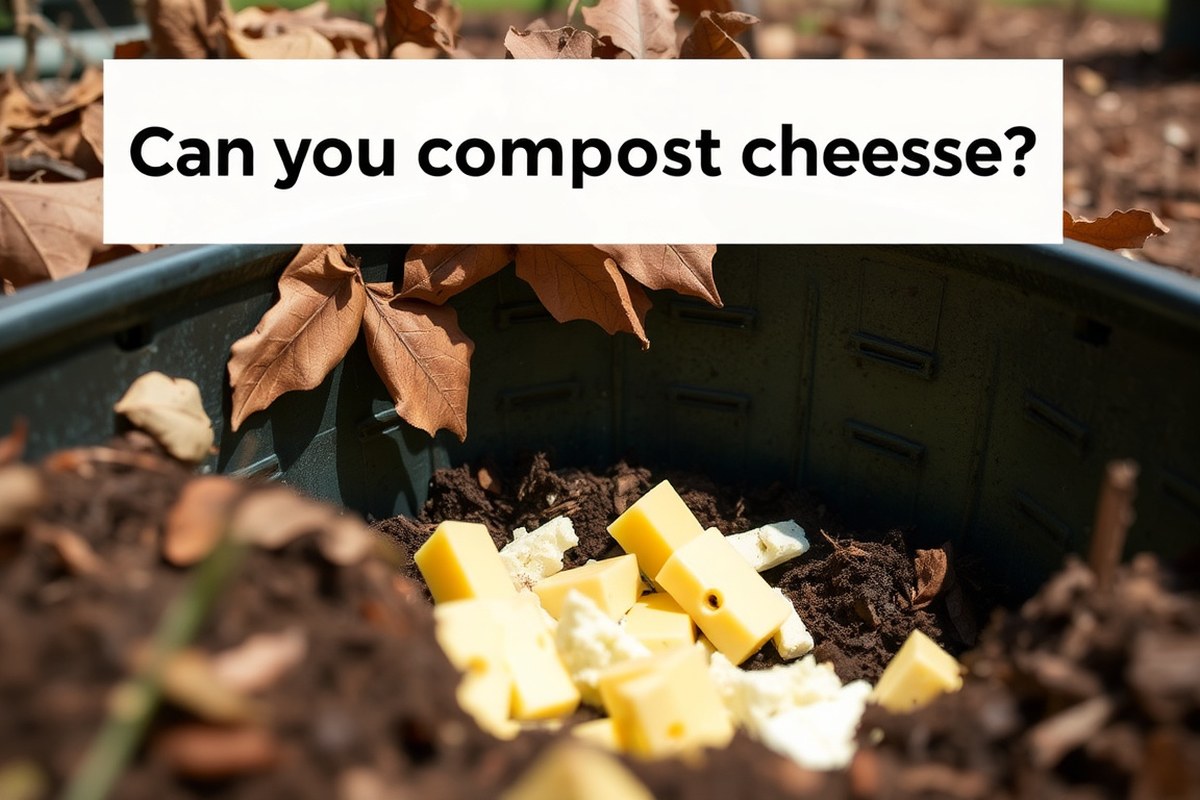
Can You Compost Cheese? A Complete Guide with Proven Methods
Can you compost cheese without causing problems? Yes, but only in small amounts and with some care.
Cheese can rot fast and attract pests if not handled right. So you need to prepare it well.
Start by limiting cheese to about 10% of your total compost volume. Bury it deeply under dry leaves or finished compost to keep pests away. Keeping your compost pile hot between 130°F and 160°F helps break down cheese quickly.
Be ready to watch your compost bin often, especially in urban areas. Animals find cheese in compost within one or two days. This happens if you don’t bury it properly.
Burying cheese well keeps animals away. Keeping the bin away from your home and seating areas also helps prevent problems.
Key Takeaways
- Limit cheese to 10% of your total compost volume to avoid problems.
- Bury cheese at least 18 inches deep under dry compost or leaves.
- Maintain a compost pile temperature between 130°F and 160°F for best breakdown.
- Place your compost bin at least 20 feet away from your home and seating.
- Check your compost often to catch pest problems early in urban areas.
- Pre-ferment cheese for up to 2 weeks before adding to your compost pile.
Can You Compost Cheese Without Problems?
Cheese can be composted at home, but only with care. It often causes slow decomposition, strong odors, and attracts pests like raccoons or rodents. These issues make many gardeners avoid adding cheese to their compost piles.
Small amounts of cheese, like 2 to 3 cups per week, are safer. Make sure your compost pile stays hot to help break it down. Hot piles reduce risks linked to cheese in compost.
That means keeping the temperature between 130°F and 160°F to break down dairy and stop pests. You also want to bury cheese deep under 18 inches of brown, dry materials. This cuts down smells and hides it from scavengers.
Place your compost bin no closer than 20 feet from your house. This space reduces odors and keeps unwanted pests away from your yard. It also helps keep your outdoor area neat and pleasant.
Avoid adding cheese to compost piles that don’t get hot. Outdoor piles that stay cool won’t break down cheese properly or safely. In that case, it’s best not to compost cheese.
If you live in a city or small lot, skip cheese in your compost. Urban areas often face smell and pest issues. Leaving out cheese prevents those problems in your compost space.
Which Types of Cheese Are Suitable for Composting?
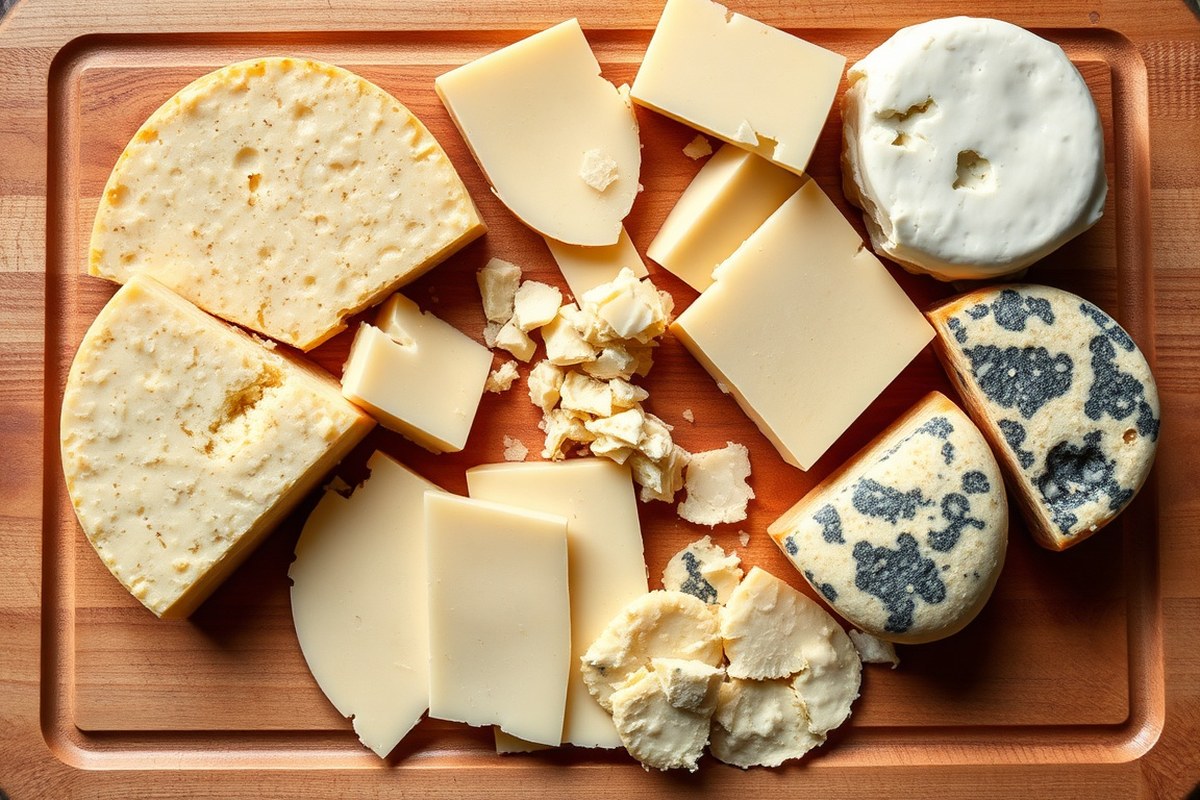
Hard cheeses like parmesan or aged cheddar can be composted. But only in small amounts. They break down slowly, taking about 4 to 6 weeks longer than softer cheeses.
Soft cheeses, like brie or cream cheese, have more moisture and fat. This makes them prone to odors and pest problems.
Processed cheeses often contain additives that do not break down well. So it’s best to avoid composting them.
Moldy or expired cheeses can be composted cautiously, as they add beneficial microbes. Still, watch closely to avoid attracting pests.
| Cheese Type | Compostability | Comments |
|---|---|---|
| Hard Cheeses (e.g., Parmesan) | Moderate | Break down slowly; compost in small amounts only. |
| Soft Cheeses (e.g., Brie) | Low | High moisture and fat; cause odors and pests. |
| Processed Cheeses (e.g., American) | Low | Additives disrupt compost; avoid adding. |
| Moldy or Expired Cheese | Moderate | Good microbes but monitor for pests. |
| Soft, Low-Fat Cheeses (e.g., Cottage) | Low to Moderate | Can be composted in very small amounts, 5% max. |
Cheese with lots of moisture and fat can attract pests. You might see raccoons or flies coming around your compost. Hard cheeses avoid this a bit but slow down your compost.
Larger compost bins handle cheese better by distributing the moisture and reducing odors. Worm composting systems can take small soft cheese scraps. But keep the portion tiny to protect worm health.
Add cheese to compost only in small amounts. Check your pile often for smells and pests.
Vegan cheeses made from nuts or soy typically break down better than processed dairy cheeses. However, check your local compost rules before adding any vegan cheese products.
Moldy cheese provides some helpful microbes but avoid using large pieces. Spread them thinly throughout the compost for more even decay.
How to Prepare Cheese for Adding to Compost
To prep cheese for composting, chop it and mix with plenty of brown materials. Bury the cheese well in the compost to stop smells and pests. Keep cheese additions small and balanced for best results.
Chopping and Portioning Cheese
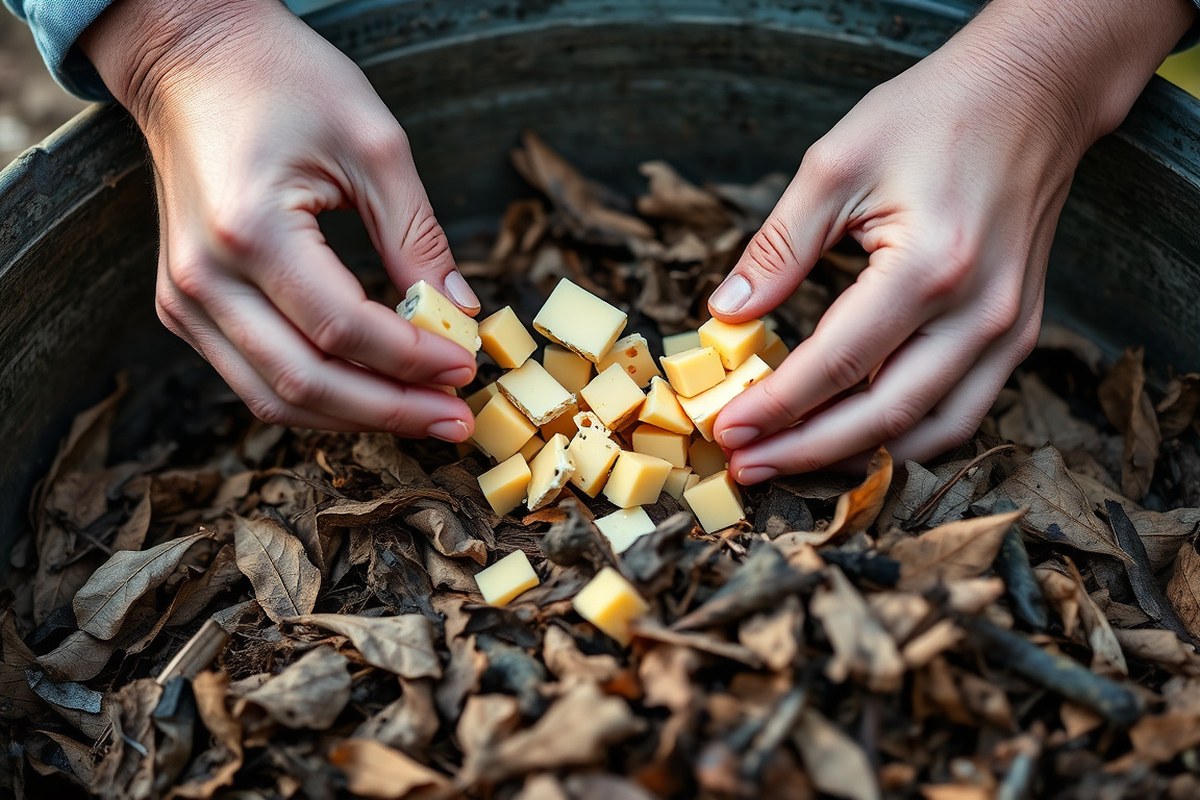
Cutting cheese into 1-inch chunks helps it break down about 40% faster. Small pieces expose more surface area to microbes that decompose it. Avoid adding large cheese chunks that take longer to rot and smell more.
Limit cheese amounts to about 10% of your compost by volume. Too much cheese can cause odors and attract pests. Smaller portions spread out across your compost will break down better and keep balance.
Mixing Cheese with Brown Materials
Mix cheese scraps with carbon-rich brown materials like dry leaves, shredded paper, or straw. Browns soak up moisture and help control odors from decomposing cheese. The ideal mix is about half cheese and half brown materials by volume.
A 4 to 6 inch layer of brown materials covers your compost. This thick layer helps soak up strong smells. Use dry leaves or straw for best results.
Using a bulking agent like coffee grounds or yard waste keeps the pile airy. More browns also balance the nitrogen-rich cheese for faster composting.
Burying Techniques to Prevent Odors and Pests
Place cheese deep inside the compost pile or bin to minimize surface smells. Bury the cheese under at least 6 inches of brown material and soil. This keeps pests like rodents and flies from finding it.
Put cheese and brown stuff in your compost. Then add one more dry brown layer on top. You can use leaves or dirt for this.
Covering it well traps odors and protects the compost’s integrity. Mixing the pile often also helps reduce smells and speeds breakdown.
Follow these steps to prepare cheese for compost:
- Chop cheese into 1-inch pieces for faster decomposition.
- Measure cheese to keep additions under 10% of total compost volume.
- Gather plenty of dry, carbon-rich brown materials like leaves or straw.
- Mix chopped cheese with an equal volume of brown materials.
- Place mixed cheese and browns deeply inside the compost pile.
- Cover with 4 to 6 inches of brown materials or soil.
- Turn or mix compost regularly to reduce odors and aid breakdown.
How Cheese Affects the Composting Process and Timing
Cheese contains fats that slow down composting because fats break down much slower than plant materials. These fats create greasy patches that block oxygen flow.
Microbes need oxygen to work fast. This leads to pockets of anaerobic decomposition, which causes unpleasant odors and slower overall breakdown.
The protein and salt in cheese add nutrients the microbes can use. But protein also encourages strong odors during decomposition. Salt can inhibit some microbes if it’s too concentrated, which may further slow the process.
Cheese can clump, which blocks air and moisture. This slows microbial activity. It makes decomposition take longer.
Composting cheese works best with hot composting methods that reach 130 to 160 degrees Fahrenheit. These temperatures speed up microbial action, breaking down fats and proteins faster. Keep moisture around 50 percent by adding water if it gets dry.
Too much water causes rot and bad smells. So balance is critical for steady composting.
Cheese usually takes several weeks to a few months to decompose in a hot compost pile. Freezing cheese breaks down its cell walls. This makes thawed cheese break down faster.
Microbes find fats and proteins easier to reach. Add cheese in small amounts to your compost.
Mix it well with leaves or other carbon materials. This speeds composting and cuts down smells.
Which Composting Methods Work Best for Cheese?
Hot composting and bokashi composting work best for cheese waste. Cold composting isn’t suited for cheese because it breaks down very slowly. Electric composters provide a convenient, small-scale option that manages cheese efficiently.
Hot Composting Benefits and Requirements
Hot composting creates high temperatures ranging from 130°F to 160°F. These temperatures break down cheese quickly and reduce pest risks. You should bury cheese scraps at least 12 inches deep to avoid odors and animals.
Hot composting needs proper balance and regular turning to keep heat and oxygen stable. Small amounts of cheese, less than 10% of your pile, are best.
Burying cheese in a hot, active three-bin system speeds decomposition. It breaks down in 8 to 10 weeks.
- Maintain compost temperature above 130°F
- Turn pile every few days for air circulation
- Bury cheese at least 12 inches deep in hot compost
- Limit cheese to 10% or less of total compost volume
- Keep large piles for consistent heat
- Use a bin system if possible for better control
Bury cheese scraps deeply and keep pile hot to avoid pests and odor.
Hot composting works well if you have enough space and time. It requires effort but produces quality compost relatively fast.
Using Bokashi and Electric Composters
Bokashi uses fermentation to pre-treat cheese and other dairy waste. Add cheese to the bokashi bucket and sprinkle bokashi bran on top. Seal the bucket tightly.
Let it ferment for about two weeks. This method controls odors and pests very well.
Electric composters use heat, grinding, and aeration to break down cheese. This happens quickly, often within hours to days.
These appliances fit in small kitchens and don’t need outdoor space or turning. They cost around $200 to $500 but make cheese composting easy and clean.
- Bokashi treats cheese before adding it to existing compost
- Electric composters finish cheese breakdown in hours to days
- Bokashi fermentation takes about two weeks sealed in a bucket
- Electric composters require power and cost several hundred dollars
- Bokashi reduces pest attraction and smells effectively
- Electric composters fit small urban homes or apartments
After bokashi fermentation, bury the pre-treated cheese in soil or compost.
Both methods keep cheese from smelling and attracting pests. Pick bokashi if you want a simple pre-treatment. Choose an electric composter for fast, all-in-one disposal.
Limitations of Cold Composting Cheese
Cold composting happens at ambient temperatures and takes months or years to break down cheese properly. This slow process lets dairy spoil and creates strong odors. Cheese waste can also attract rats, raccoons, and stray animals.
Cold composting cheese is not recommended unless you combine it with hot composting later. It’s better to avoid cold piles for cheese and use another method. Municipal composting programs usually accept cheese but home cold piles won’t handle it well.
- Very slow breakdown, often over several months
- Strong odors develop easily from decomposing cheese
- High risk of attracting pests like rats and raccoons
- Lack of high heat to kill pathogens
- Not suitable for safe, fast compost of dairy products
Don’t add cheese directly to cold compost piles; pests and smell will rise.
Cold composting suits plant material better. Keep cheese scraps in more controlled systems for best results.
Preventing Odors and Pest Problems When Composting Cheese
Cheese smells strong and can travel over 100 feet. This smell attracts pests like rats, raccoons, and opossums. They are drawn to the scent quickly.
These animals have sharp noses and seek out food sources easily. When cheese breaks down, its smell gets stronger, which makes keeping pests away a real challenge.
To reduce odors, bury cheese deep inside the compost pile. Aim for at least 12 inches deep. So it’s in the hottest core where microbes break it down fast.
Cover it with plenty of carbon-rich materials like dry leaves or shredded paper. This layer masks smells and keeps pests from finding the cheese.
- Add cheese only in small amounts to avoid strong smells
- Mix cheese with dry materials immediately after adding it
- Use a closed, secure compost bin with pest-proof latches
- Place your bin away from your house and garden beds
- Turn the compost once a week to speed decomposition
- Keep the pile moist but not soggy to control odor
- Consider using hardware cloth around your bin to block rodents
Put your bin in a sunny spot that drains well. This helps heat the pile and speeds up breakdown. It also cuts down on bad smells.
Avoid spots near fences or dense bushes where pests hide. Frequent turning keeps oxygen flowing, which also curbs bad odors that attract animals.
Even with these steps, watch out for chewing or digging signs around the bin. That means pests are still attracted.
You might need to tighten pest barriers or reduce how much cheese you add. Clean spills and scraps from outside your compost bin to avoid encouraging visits from critters.
Safety Guidelines and Limits for Adding Cheese to Compost
Limit cheese to no more than 10% of your compost pile’s total volume. Adding too much cheese can cause strong odors and attract pests. Keeping cheese scraps small and balanced with green and brown materials helps maintain a healthy compost.
Avoid composting soft, mold-ripened cheeses like brie or camembert, plus processed cheeses. These types tend to spoil quickly and increase the risk of bad smells and unwanted bacteria. Hard cheeses with low moisture are safer choices but still require limits.
Store cheese scraps securely before adding to compost. Keep the compost pile far from pets and children. This stops health risks from bacteria.
It also prevents problems from mold growth. Wash your hands well after handling cheese waste to maintain sanitation.
Monitor your compost temperature and mix it regularly. Cheese adds fats and proteins that can slow composting or create slimy layers if left alone.
Turn the compost pile often to help break down dairy. Keep the temperature between 130°F and 160°F. This helps break down dairy safely.
Never add large chunks or highly processed cheese products. They take longer to decompose, increasing the chance of runoff or smell issues. A few small pieces stirred well into your compost are easier to manage and reduce problems.
Notice bad smells or pests in your compost? Remove extra cheese from the pile.
Add more dry leaves or shredded paper. Adjust your volume accordingly to keep the compost balanced and environmentally safe.
Alternative Ways to Dispose of Cheese Waste
Cheese can be tricky to compost at home due to odors and pests. When conditions aren’t right, consider other ways to get rid of cheese waste responsibly. These methods help avoid problems while still reducing waste.
Industrial and Municipal Composting Programs
Many cities offer industrial composting where dairy products like cheese are accepted. These facilities use higher heat and controlled conditions that break down cheese without creating bad smells. Check your local waste management site for cheese guidelines.
See if they accept cheese waste. Learn how to prepare cheese for disposal.
Industrial composting often needs dairy to be separate from trash. You usually must take it to a special site. Follow their rules to help compost properly.
This method takes the hassle off your hands and reduces landfill waste and methane emissions. It costs little or nothing to participate, but you must follow local rules carefully.
Food Waste Disposal Alternatives
Cheese waste can be handled by options besides composting. Some methods reduce smells and keep pests away. These can be better for your home.
Landfill trash is the easiest but least eco-friendly since it creates methane. Garbage disposals can handle dairy if your plumbing allows it. But avoid oils and large chunks.
Here are some alternatives to composting cheese at home:
- Drop off at municipal compost sites that accept dairy
- Use garbage disposals for small amounts of soft or melted cheese
- Seal cheese waste in compostable bags before trash disposal
- Freeze and add cheese waste to outdoor compost piles gradually
- Wrap cheese tightly and dispose in regular trash to prevent pests
- Mix cheese waste with carbon-rich materials like dry leaves before composting
Each method has tradeoffs in effort, cost, and environmental impact. Think about your local options and the volume of cheese waste you generate.
Upcycling and Donation Opportunities
Expired cheese doesn’t always have to be thrown away. Some kinds can be used creatively in cooking to avoid waste. Old hard cheeses can go in sauces or soups.
Use only if mold is just on the surface. Cut off surface mold before cooking.
Donating cheese is usually not an option if it’s past its sell-by date. Food banks and shelters typically only accept unopened and safe-to-eat items. You can check with local organizations about their policies before offering food donations.
Don’t donate cheese that smells sour or has visible mold, it’s unsafe for others.
Step-by-Step Action Plan for Composting Cheese
Start by preparing your cheese properly before adding it to your compost. Follow these steps to keep things safe and odor-free.
- Before adding cheese: Cut it into small pieces about 1 inch or less. This helps it break down faster without attracting pests.
- Day 1: Mix the cheese pieces into the middle of your compost pile. Check that the pile stays moist but not wet.
- Week 1: Turn or aerate your compost pile every few days. Watch for any bad smells and add brown materials like shredded paper if needed.
- Week 2: Keep your compost temperature around 130°F to 150°F to kill bacteria. Use a compost thermometer for accuracy.
- Week 3: Monitor for pests like rodents or flies. If you see any, add more carbon-rich materials or use a closed compost bin.
- Week 4 and beyond: Allow the compost to cure until it looks dark and crumbly. Avoid adding more cheese until this batch is finished.
Frequently Asked Questions
Can You Compost Cheese in a Cold Compost Pile?
Cheese breaks down very slowly in cold piles and can attract pests. Compost cheese best in a hot pile. Keep it between 130°F and 160°F. This helps it break down faster and stops animals from digging.
Is It Okay to Compost Cheese with Mold on It?
Moldy cheese can be composted but with extra caution. Watch for pests and bury it deeply to reduce odors and animal interest.
Can Cheese Rind Be Composted Safely?
You can compost natural cheese rinds if you bury them well. Wax-coated rinds might not break down properly in your compost. Check the rind type before adding it to your pile.
Does Shredded Cheese Compost Faster Than Whole Pieces?
Shredded cheese breaks down faster because it has more surface area. Cutting it up helps speed the composting process and reduces the risk of pests.
Should You Avoid Composting Processed Cheese?
Processed cheese contains additives that can disrupt microbial activity. It’s best to skip processed cheese and stick with small amounts of natural cheese.
How Much Cheese Can a Typical Home Compost Handle at Once?
Limit cheese to no more than 10% of your compost volume. Adding too much cheese can create greasy spots and slow the overall breakdown.
Key Points to Remember
You can compost small amounts of cheese safely by following simple steps. Always keep an eye on pests and smell. Start with small pieces in your compost and keep things well balanced.