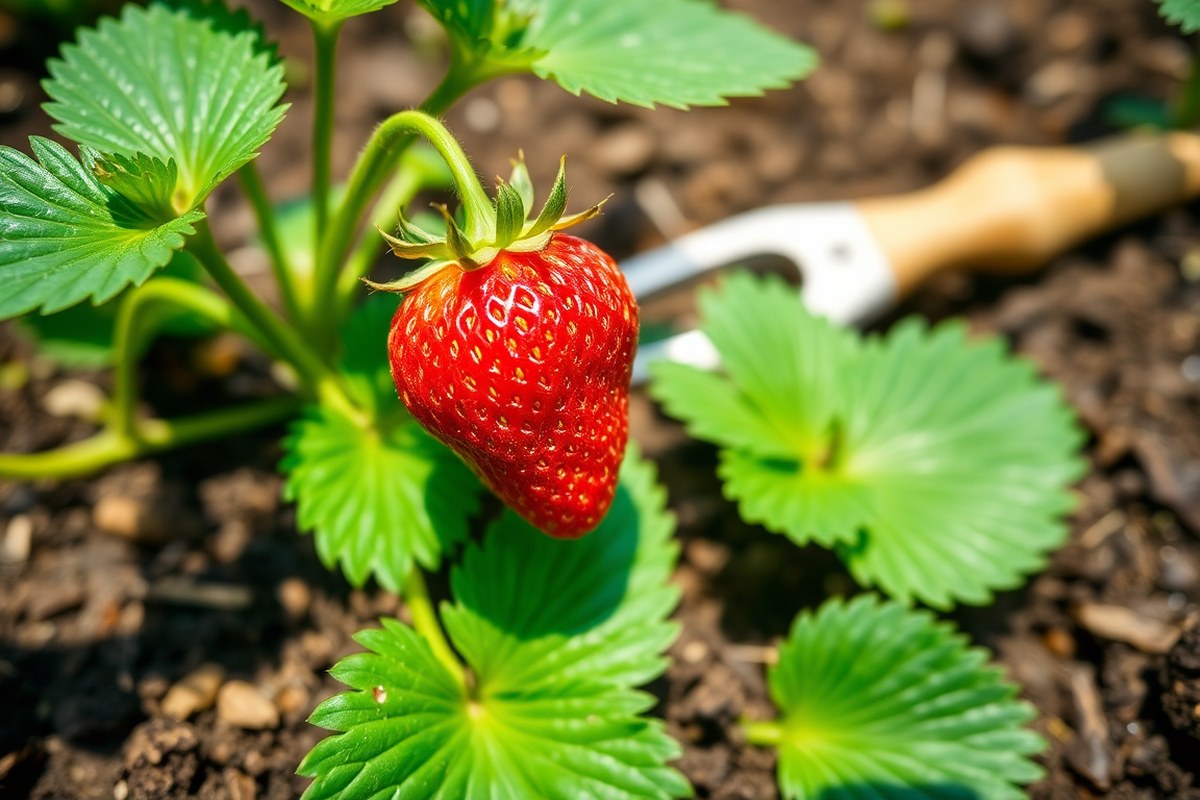
Can You Plant a Strawberry and Grow a Plant? A Complete Guide with What Works
Can you plant a strawberry and grow a plant? Yes, but not directly from the fruit itself. The strawberry you buy in the store has seeds on the outside.
But just planting the berry won’t work well. Instead, you need to extract those seeds and prepare them properly first.
Strawberry seeds need cold treatment, called stratification, to sprout. You can chill them in the fridge or freezer for about a month before planting. This trick mimics winter conditions and helps seeds break their dormancy.
Strawberry plants also spread through runners or crowns. These ways can be easier to grow. They help you get new plants without seeds.
You can start with runners or crowns to get fruit faster. They grow more quickly than starting from seeds.
Choose these if you want quicker results. Whatever you choose, keep the soil moist and give the young plants plenty of sunlight.
Key Takeaways
- Strawberries don’t grow by planting whole fruit directly in soil.
- Extract seeds and chill them 3-6 weeks before germinating.
- Plant seeds in sterile seed-starting mix for best results.
- Strawberry plants also grow well from runners and crowns.
- Give plants 6 to 10 hours of sunlight daily to thrive.
- Keep soil moist but avoid overwatering young seedlings.
Can You Plant a Strawberry Fruit to Grow a Plant?
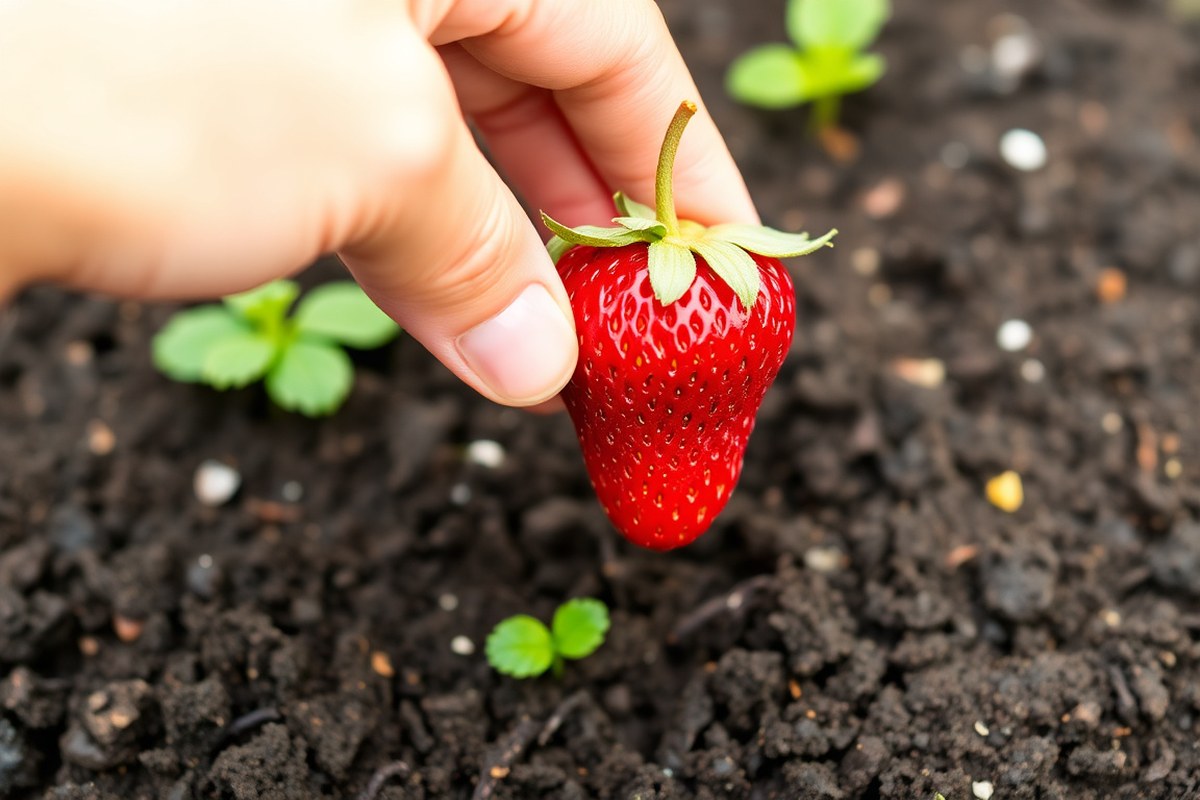
You cannot plant a whole strawberry fruit and grow a new plant from it. The fruit itself will rot in the soil instead of sprouting roots. Strawberries are fleshy fruits with seeds on their surface.
They are not bulbs or tubers. Those have growth buds inside, but strawberries do not.
The tiny seeds on the outside are what you need. They grow new strawberry plants.
Each seed, called an achene, holds the genetic material for a new strawberry plant. To successfully grow strawberries, you must harvest these seeds from the fruit and plant them separately.
Many people mistakenly think you can just plant a strawberry and get a plant. This is not true.
Planting a whole strawberry leads to rotting, not growth. The seeds must be removed, cleaned, and planted in good seed-starting soil to germinate.
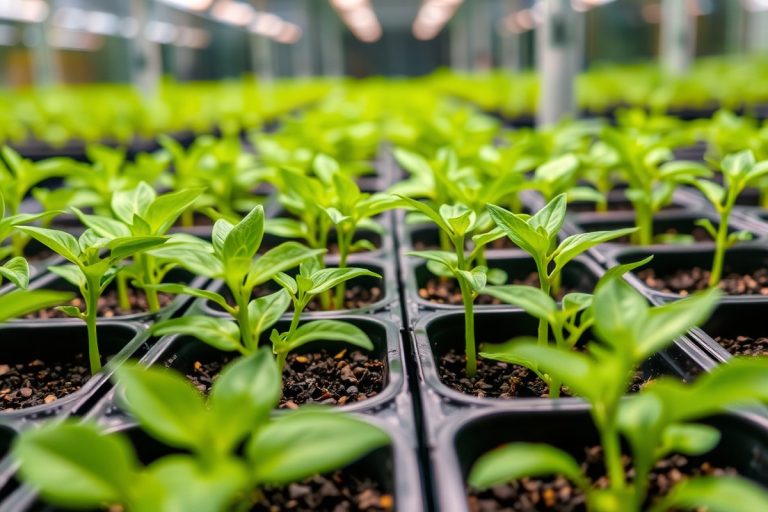
Growing strawberries from seeds requires patience and preparation. Once you extract the seeds, you start them in trays with a sterile mix.
Keep the soil moist and warm to help the seeds sprout. This method costs less than buying plug plants and lets you watch strawberries develop from scratch.
Alternatively, strawberry plants spread naturally using runners, which form new daughter plants from the original. That is a faster way to multiply strawberries than seeds.
Runners root into new plants quickly. Seeds take weeks to grow into a seedling strong enough to transplant.
So, planting whole strawberries won’t give you new plants. You need the seeds or runners for new growth. You can remove the seeds from the fruit.
Plant them correctly. This lets you grow fresh strawberry plants from fruit. Just dropping whole strawberries in the soil means they will decompose without producing new plants.
How to Extract and Prepare Strawberry Seeds for Planting
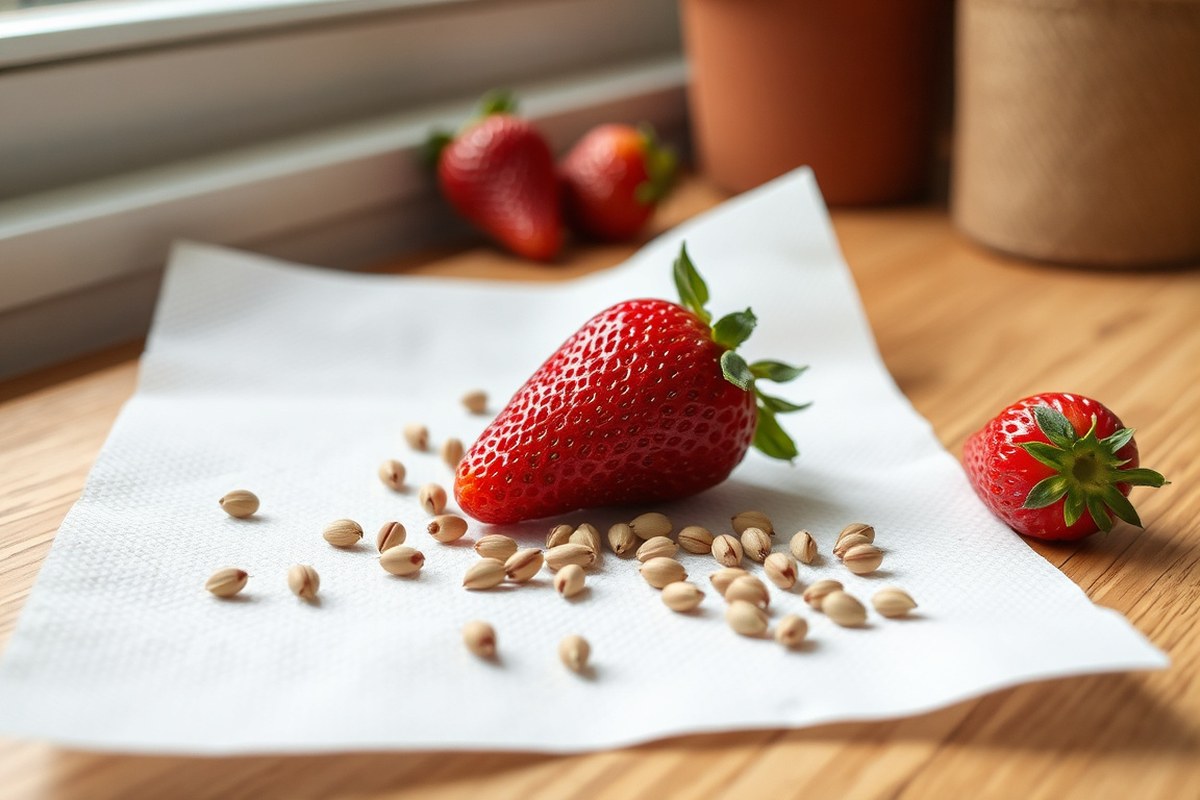
You can grow a strawberry plant from seeds by carefully harvesting and preparing them. Extract seeds from fresh berries, clean them, dry properly, and cold-store before sowing. These steps help improve germination and plant health.
Choosing the Right Strawberries for Seeds
Pick fresh, ripe strawberries with no bruises or rot. Healthy fruit have the best seeds for growing strong plants. Choose berries from plants known to do well in your garden.
June-bearing types are great if you want large harvests once a year. Day-neutral strawberries provide fruit all summer. Use only fully ripe fruit for seed extraction.
Cleaning and Separating Seeds from Flesh
Press the strawberry lightly and wash the pulp through a fine strainer. This helps keep the small seeds apart from the soft fruit without harm. Use cool water only, since heat may harm seed growth.
Spread the wet seeds on a paper towel or fine mesh screen. Let seeds dry at room temperature for about 3 to 5 days. They need to be firm and fully dry before storage or planting.
- Wash ripe strawberries to remove dirt and bugs.
- Mash berries gently using a fork or your fingers.
- Pour the mash into a fine mesh sieve or cheesecloth.
- Rinse with cool water while rubbing to separate seeds from pulp.
- Collect seeds trapped by the sieve or cloth.
- Transfer seeds to a paper towel or mesh to dry.
- Maintain room temperature in a dry, ventilated space.
- Check that seeds feel dry and firm after 3 to 5 days.
Don’t rush drying. Wet seeds can develop mold and lose viability.
Stratification: Refrigeration Process
Strawberry seeds benefit from cold stratification before planting. This mimics winter’s chilling to break seed dormancy and improve germination rates. Usually, 2 to 4 weeks of refrigeration works well.
Place dry seeds in a moist paper towel inside a sealed plastic bag. Store the bag in the refrigerator at 34°F to 41°F (1°C to 5°C). Avoid freezing seeds as this can harm them.
After stratification, plant seeds in seedling trays or pots. Sow on moist soil surface and keep warmth around 60°F to 70°F for sprouting. Germination can take 1 to 6 weeks depending on conditions.
Methods to Grow Strawberry Plants from Seeds, Runners, or Crowns
Strawberries grow well from seeds, runners, or bare root crowns. Each method differs in speed, ease, and effort. Your choice depends on your gardening goals and patience.
Growing from Strawberry Seeds
Growing strawberries from seeds involves extracting them from ripe berries. You pick healthy, ripe strawberries and clean the tiny seeds off the fruit’s surface. This method is harder and takes longer.
Usually, seedlings grow for three to four months. Then they are big enough to move outdoors.
Seed-starting needs patience and careful care to keep seeds moist but not soaked. You’ll get genetic diversity, meaning new plants might vary from the parent. This suits gardeners who enjoy experimenting and don’t mind waiting for fruit.
Propagating Using Runners (Stolons)
Runners, or stolons, are horizontal stems sprawling from the main strawberry plant. These runners root themselves into the soil, forming new plants that are clones of the parent. This method is faster, with new plants ready to transplant after about four to six weeks.
It’s an easy, inexpensive way to multiply your strawberries while keeping the same fruit variety. You’ll need to clip and train runners regularly to prevent plants from overcrowding. Runners suit gardeners who want a quick and reliable start with proven plants.
Planting Bare Root Crowns
Bare root crowns are the most common way to start strawberry plants. A crown is the main stem base of the plant. It has roots but no leaves.
There are no stems above the ground yet. You plant these crowns in your garden or containers.
Space them 18 to 24 inches apart. Crowns grow faster than seeds.
This method usually gives fruit in the first season. It also takes less effort than growing from seeds.
Crowns are best for gardeners wanting reliable fruit quickly, using healthy, vigorous plants from nurseries. Planting in spring or fall works well, keeping plants outside in sunny spots.
| Method | Speed to Plant | Effort Level | Genetic Result | Best For |
|---|---|---|---|---|
| Seeds | 3-4 months before transplant | High (seed prepping, care) | Genetically diverse (variable plants) | Experimental gardeners, patience |
| Runners (Stolons) | 4-6 weeks before transplant | Medium (training, clipping) | Clonal copies (same as parent) | Quick multiplication, same variety |
| Bare Root Crowns | Immediate planting | Low (plant and maintain) | Clonal copies (nursery selected) | Fast fruiting, reliable start |
Seeds produce diverse plants but take the longest time and extra work. Runners give fast, identical plants but need some upkeep. Bare root crowns offer quick fruit with the least hassle.
Choose seeds if you like growing from scratch. Pick runners or crowns for quick, dependable harvesting.
Ideal Growing Conditions for Healthy Strawberry Plants
Strawberry plants grow best in slightly acidic soil with plenty of sunlight and consistent watering. They need enough space to spread out and a moderate temperature range between 50°F and 80°F. Following these conditions helps your strawberry plant produce juicy fruit efficiently.
Soil Type and pH Requirements
Strawberries prefer soil that is well-drained and rich in organic matter. Aim for a soil pH between 5.5 and 6.8, which is slightly acidic. Testing your soil with a kit shows if you need lime.
Lime raises soil pH. Sulfur lowers it if pH is too high.
Adding compost or aged manure improves soil texture and fertility. Good soil supports strong roots and healthy fruit development. Avoid heavy clay or waterlogged soil because it can cause root rot and poor growth.
Sunlight Needs for Best Growth
Your strawberry plants need 6 to 10 hours of direct sunlight every day. Choose a sunny spot in your garden or on your balcony to meet this. At least 8 hours of full sun is ideal for flowering and ripening fruit.
Less sun can reduce fruit size and yield. Too much shade also encourages disease. Plants without enough light look leggy and produce fewer berries.
Watering Guidelines to Stay on Track
Water well at planting to help roots get established. After that, keep the soil moist but not soggy. Strawberries generally need about one inch of water a week, including rainfall.
Water early in the day to let leaves dry and prevent fungal issues. Avoid overhead watering if you can. Use drip irrigation or a soaker hose close to the soil.
Proper Spacing and Planting Distance
Give each strawberry plant about 12 to 18 inches of space to spread. Crowding causes poor air flow, which leads to diseases and weak growth. Space rows about 3 to 4 feet apart to allow for walking and harvesting.
Leaving enough room lets runners grow and new plants form naturally. Pinching runners early helps plants focus on fruit.
Do this for plants under one year old to work best. This spacing also keeps plants easier to manage and pick berries from.
Temperature Effects on Flowering and Fruiting
Strawberries grow well in temperatures between 50°F and 80°F. Cooler nights help flowers set fruit. But frost below 30°F can damage blossoms. Cover plants with blankets or frost cloths during unexpected cold snaps in spring.
Warm weather boosts ripening. But too much heat over 85°F slows growth and reduces berry quality.
In hot climates, provide some afternoon shade or mulch to keep roots cool. Consistent moderate temperatures support a healthy harvest all season.
Timeline from Planting Strawberry Seeds to Harvest
Strawberry seeds usually take one to six weeks to sprout. You can help by covering them with a plastic wrap or dome. This keeps the seeds warm and moist, helping them start faster.
After germination, the seedlings grow steadily for about two to three months. Keep seedlings in bright, indirect light during this stage. Make sure the soil is moist but not soaked.
Check regularly to avoid drying out or soggy soil. Seedlings with several true leaves are ready for bigger pots.
They can also be planted outside once they look strong. Healthy growth is key before moving them.
Plants grown from seeds generally won’t produce fruit until their second growing season. While it can feel like a long wait, this allows the plants to mature fully.
The flowers usually appear in spring or early summer of the next year. Fruit will follow about four to six weeks after the blossoms show.
Starting seeds indoors in early February will usually have them sprouting by mid-March. That means about five to six weeks for germination. Timing depends on warmth and care.
Seedlings will then grow through May. By next spring, around April or May of the following year, you should see flowers. The first ripe strawberries will be ready by June or July.
Runners often bear fruit in the first summer after planting. Usually, this takes about 60 days from when you plant them. They grow fruit faster than seeds do.
Runners are better for quicker fruit but don’t let their long stems dry out before planting. Always keep them moist and plant them promptly.
Removing blooms for six weeks lets seed-grown everbearers grow bigger. This helps the plants put energy into leaves and roots first. Later fruit harvests become bigger and better.
How to Care for Young Seedlings and Established Strawberry Plants
Water strawberry plants once or twice a week, giving about 1 inch each time. Morning watering helps leaves dry quickly, reducing disease risk. Avoid splashing water on the fruit to prevent rot and pests.
Use a balanced fertilizer with an N-P-K ratio like 10-10-10 before fruiting begins. Switch to a low-nitrogen fertilizer once berries form to encourage bigger, tastier fruit. Apply fertilizer every four to six weeks during the growing season.
Cut off most runners to keep the plant’s energy on fruit production. Let only one or two runners grow if you want new baby plants for next year. Removing runners helps the main plant get bushier and produce more berries.
- Water morning, 1 inch weekly, avoid wetting fruit
- Use balanced fertilizer before fruit, low nitrogen after
- Cut off runners in the first year, keep a few if propagating
- Prune dead or yellow leaves for air flow and health
- Protect plants with frost covers when temperatures drop below 28°F
- Use netting or barriers to keep birds and pests away
- Mulch around plants to keep soil moist and prevent weeds
Keep an eye on your plants for insects like aphids and slugs. Use organic insecticidal soap or handpick pests to avoid chemicals. Cover plants with frost cloth when cold nights arrive.
Use sheets if frost cloth isn’t available. Protect your plants especially when temperatures drop below 28 degrees Fahrenheit.
Mulching helps keep soil moist and temperatures stable. Straw or pine needles work well as mulch and reduce weed growth. Prune dead leaves in early spring to improve air circulation and stop diseases from spreading.
Growing Strawberries in Containers vs Garden Beds: Benefits and Challenges
Strawberries grow well in both containers and garden beds. But each option has pros and cons. Containers suit small spaces like decks or patios.
Use pots at least 12 inches wide and 8 inches deep with compost-enriched potting soil. These containers drain better, preventing “wet feet,” which strawberries dislike.
Raised beds and in-ground gardens offer more space for roots and runners. Raised beds improve drainage and warm up faster in spring. Garden beds need loose, well-draining soil with added organic matter.
Soil pH should be slightly acidic, between 5.5 and 6.8. If your soil is alkaline, containers filled with compost are a better choice.
Sunlight needs are the same for all setups. Strawberries require 6 to 8 hours of direct sun to produce juicy fruits. Container plants dry out faster, so water them daily in hot weather.
Garden beds and raised beds need less frequent watering but still must stay moist. Mulching helps retain soil moisture and reduce weeds in both situations.
Fertilizing also differs a bit. Use a balanced, slow-release fertilizer in garden beds or raised beds at planting.
In containers, feed strawberries every three weeks using liquid fertilizer diluted to half strength. Container soil lacks nutrients over time, so extra feed keeps plants strong and productive.
One challenge with containers is limited root space, which can reduce harvest size. Replant or refresh soil every 1 to 2 years to avoid weak growth. Strawberry plants spread wide in garden beds.
So give them 12 to 18 inches apart. This spacing helps runners root and fill the space, increasing your yield.
Containers can be easier to protect from pests and weeds. Garden beds need more monitoring for slugs, birds, and soil pests.
Raised beds help with pest control and are easier to reach than in-ground gardens. Both types benefit from netting or row covers during fruiting to keep birds away.
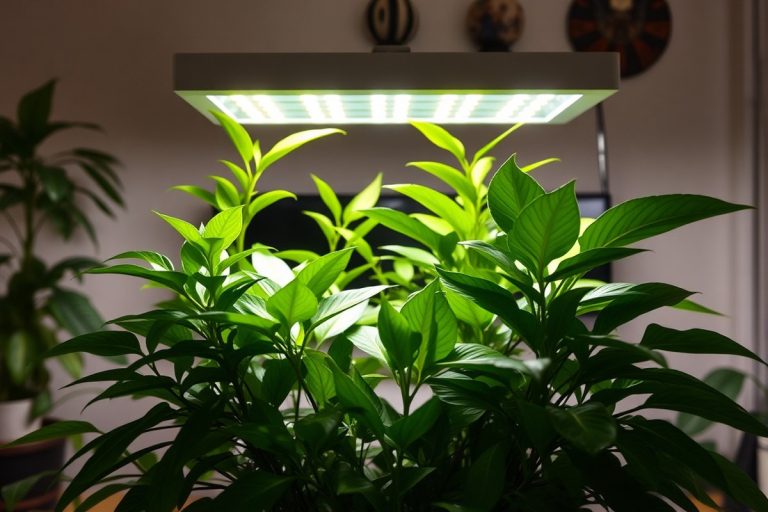
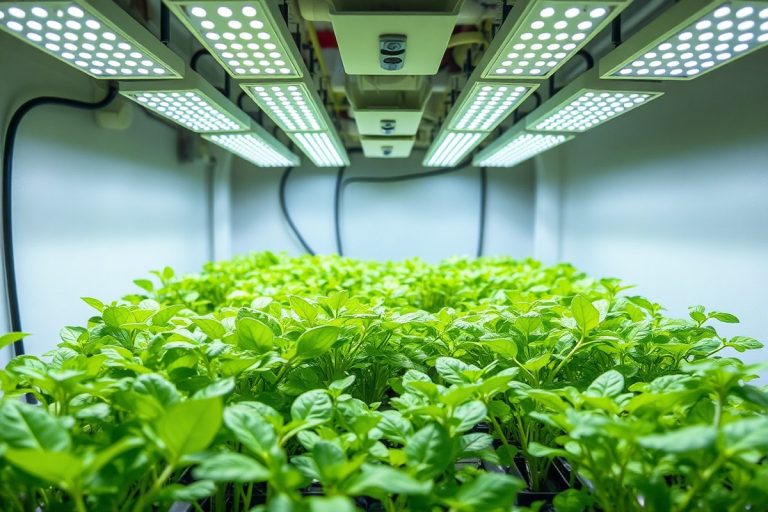
Growing strawberries indoors in containers is possible with bright windows or grow lights. The limited space means smaller plants and fewer berries.
But you get fresh fruit year-round. Either way, make sure plants get enough sun and keep soil evenly moist for best results.
Common Mistakes When Growing Strawberries and How to Fix Them
Planting whole strawberries usually won’t grow new plants. The seeds must be separated first. They also need to be prepared properly for growth.
The fruit’s flesh can rot or mold before the seeds get a chance to sprout. Clean the strawberry seeds before planting.
Then let them dry completely. This helps them germinate better.
Strawberry seeds often fail to sprout because of improper temperature or poor seed quality. Seeds grow best between 60°F and 75°F. Keep the soil moist but not soggy.
A warm spot is key for germination. Planting seeds too deep or letting the soil dry out delays growth or stops it completely.
Overwatering is a common mistake that causes root rot and fungal diseases. Using well-draining soil and watering only when the top inch feels dry helps prevent this.
Likewise, underfeeding your plants leads to weak growth and few berries. Feed plants monthly with a balanced 10-10-10 fertilizer starting four weeks after planting.
Strawberry plants may not fruit if there is too much shade. Too much nitrogen fertilizer can also stop fruiting. Both slow down flower and fruit production.
Give your plants at least 6 hours of sunlight daily. Cut back fertilizer if leaves grow but no flowers.
Diseases like leaf spot and powdery mildew cause spots or white powder. Root rot can make plants wilt. Watch for these signs.
Remove affected leaves to control disease. Space plants for good airflow.
Water only at the base to keep leaves dry. Fungicides may be necessary if problems persist.
- Always separate and clean seeds before planting
- Plant seeds shallowly, no more than 1/8 inch deep
- Keep soil moist but not soaking wet
- Use well-draining soil to avoid waterlogging
- Feed plants with balanced fertilizer every 4 weeks
- Give plants 6+ hours of sunlight daily
- Remove diseased leaves and improve air flow
Never plant a whole strawberry hoping it will root; it usually rots before sprouting.
Step-by-Step Action Plan to Grow Strawberries from Seeds
Follow these steps for a clear path to plant strawberries and grow healthy plants successfully.
- Before you start: Extract seeds from fresh strawberries by gently rubbing them off the fruit. Make sure seeds are dry before planting.
- Day 1: Sow seeds on moist seed-starting mix and cover lightly with soil. Place in a warm spot with indirect sunlight.
- Week 1: Keep soil moist but not wet. Look for tiny sprouts as a sign seeds are germinating.
- After 3 weeks: Move seedlings somewhere brighter. Give them 8-10 hours of light each day. Use grow lights if natural light is weak. Thin seedlings if crowded.
- After 6 weeks: Transplant seedlings into larger containers or garden beds. Choose fertile, well-drained soil with good sun.
- Weeks 7-12: Water plants regularly and feed with balanced fertilizer. Watch for runners to root and spread.
- Months 4, 6: Harvest your first strawberries when berries turn fully red. Monitor plants for pests or diseases and protect as needed.
Frequently Asked Questions
Can You Plant a Whole Strawberry to Grow a Plant?
No, planting a whole strawberry won’t grow a plant. The fruit will rot instead of sprouting roots. You need to extract and plant the seeds for new growth.
Are Strawberry Seeds Inside the Fruit or on the Surface?
Strawberry seeds are on the outside of the fruit, not inside. You can carefully remove them for planting. The tiny seeds cover the berry’s surface.
How Long Does It Take for Strawberry Seeds to Sprout?
Strawberry seeds usually sprout in 1 to 3 weeks. Keep the soil moist and warm for better germination. Seed-starting trays work well for this.
Can You Plant a Strawberry Crown to Grow a New Plant?
Yes, strawberry crowns can grow into new plants. The crown is the part where leaves and roots grow from. It’s a common way to start strawberries.
Is It Better to Grow Strawberries from Seeds or Runners?
Growing from runners is easier and faster than seeds. Runners are clones of the parent plant and mature quickly. Seeds take longer and need more care.
What Spacing Is Best When Planting Strawberry Plants?
Plant strawberries 12 to 18 inches apart in rows about 30 inches apart. Proper spacing helps avoid crowding and disease. This allows roots to develop well.
Key Points to Remember
You can grow strawberries from the fruit’s seeds, but it takes patience and care. Start by extracting seeds properly, then follow a steady routine. Now, get your seeds out and begin planting today.