Do Hyacinths Spread? A Complete Guide to How They Multiply Naturally
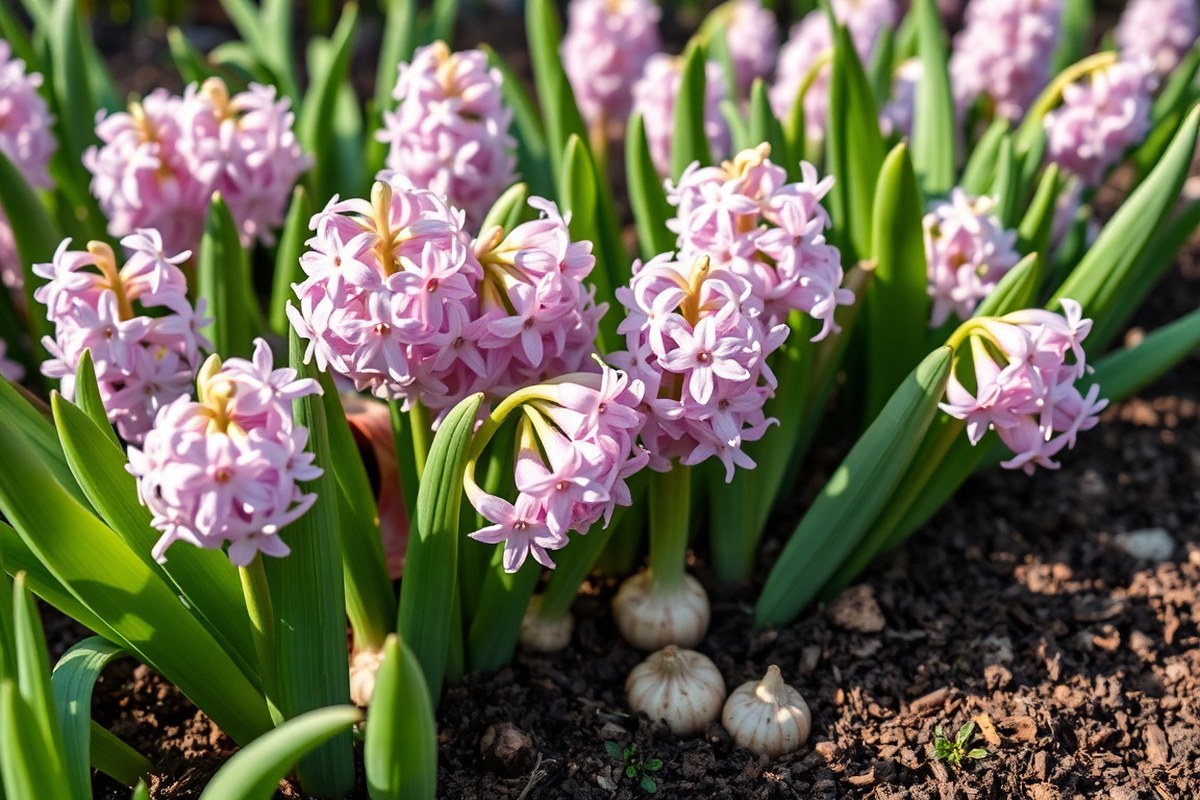
Do hyacinths spread naturally in your garden? Yes, they do, but mostly through their bulbs rather than seeds. Leaving the bulbs in the ground lets them multiply for several years.
Their lifespan in one spot is usually three or four years. After that, they start to fade out.
Hyacinths spread by producing offsets, which are smaller bulbs attached to the main one. Plant bulbs 4 to 6 inches deep.
This gives them space to grow and multiply. Remember, spacing them about 3 to 6 inches apart helps prevent overcrowding and encourages better spread.
Hyacinths need cool temperatures between 35 and 48 degrees. They require this for at least 10 weeks. This chilling period triggers flowering and supports bulb growth.
Watch soil temperature closely. If disease appears, don’t plant there for three years.
Key Takeaways
- Hyacinth bulbs multiply naturally if left undisturbed for several years.
- Plant bulbs 4 to 6 inches deep with 3 to 6 inches spacing to encourage spread.
- Hyacinths need at least 10 weeks of chilling at 35-48°F to bloom well.
- Offsets from parent bulbs are the main way hyacinths spread, not seeds.
- Avoid planting hyacinths in infected soil for three years to prevent disease.
- Hyacinths rarely live longer than 3 or 4 years in the same spot.
Do True Hyacinths Naturally Spread over Time?
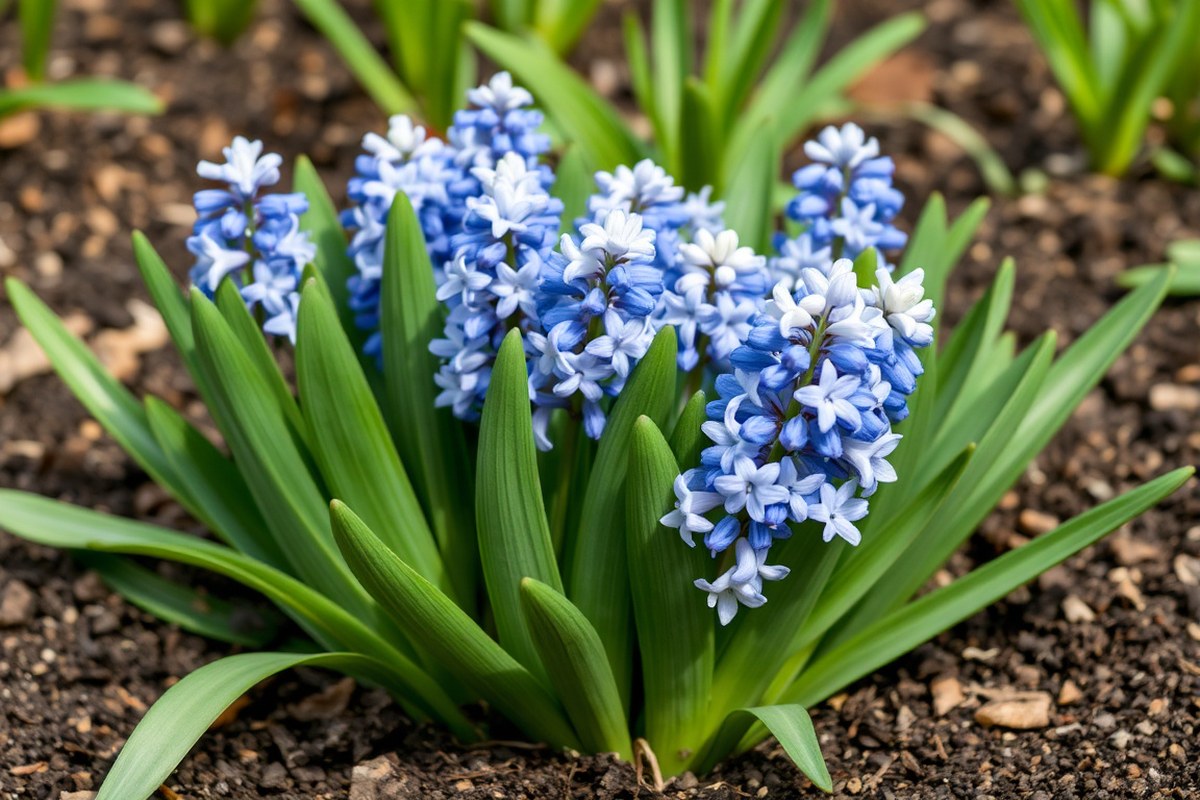
True hyacinths do spread naturally, but quite slowly. A single bulb produces a cluster of bulbs over five to six years.
It usually grows five to eight bulbs in that time. These bulbs stay close together, usually within the original planting spot.
The bulbs spread underground by making offsets, or small new bulbs, beside the parent bulb. This process requires patience since noticeable spread takes several seasons. You won’t see a big clump quickly unless you separate bulbs yourself.
Hyacinth bulbs generally live and multiply for about three to four years before their flowering weakens. You can leave bulbs in the ground each year. They survive winter if soil stays below 60°F. This winter rest helps bulbs come back strong in spring.
You can dig up bulbs after a few years to spread hyacinths faster. Separate the offsets and plant them in new spots, either in the garden or pots.
Digging up bulbs every two to three years speeds up bed growth. This builds a larger bed quicker than natural spread.
Plant bulbs 4 to 6 inches deep and 3 to 6 inches apart. This space allows natural multiplication. Avoid overcrowding, which can stunt bulb growth and reduce flowering.
Plant bulbs in fall, six to eight weeks before frost. Good soil drainage helps bulbs grow healthy.
How Hyacinths Spread: Bulbs, Offsets, and Seeds Explained
Bulbs and Offsets: The Main Way Hyacinths Multiply
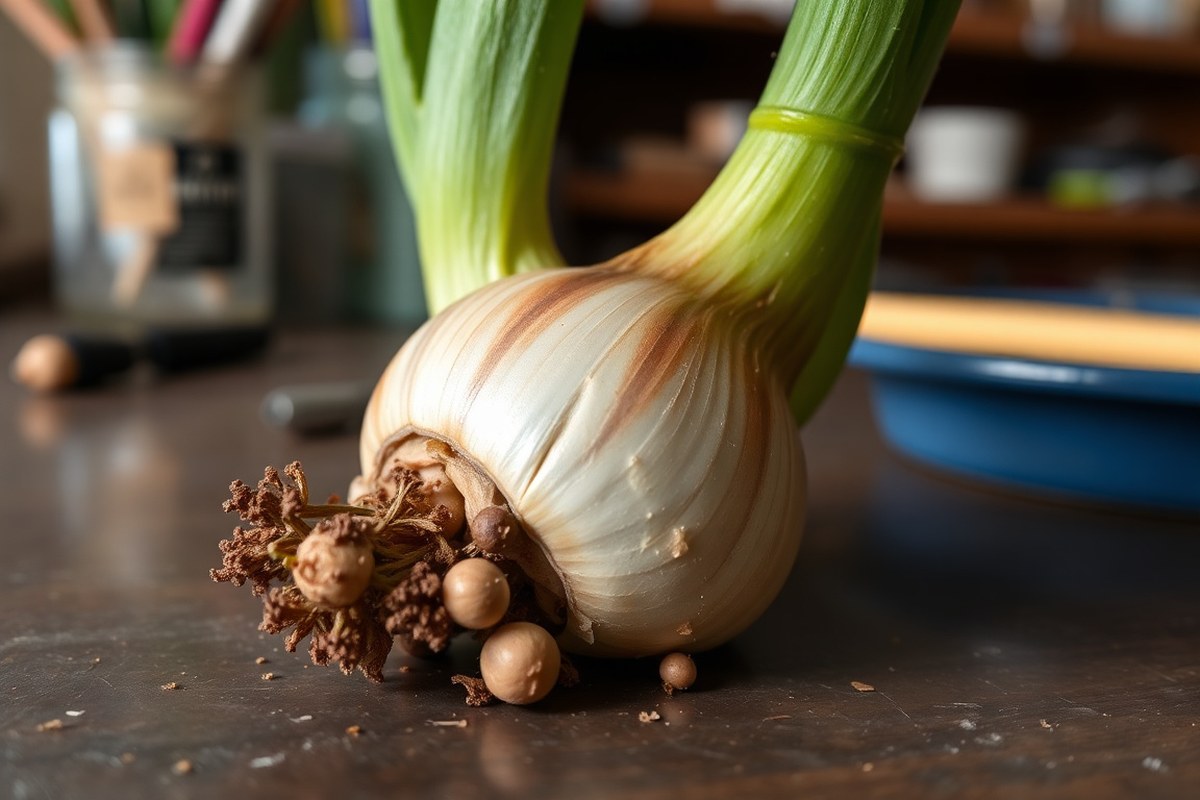
Hyacinths mostly spread by growing new bulbs called offsets. Each year, the parent bulb creates smaller bulblets around its base. These offsets can be dug up and replanted to make new plants.
This method keeps the plants true to the parent. So you get the same flowers.
It takes about 2 to 3 years for offsets to grow big enough to flower well. Gardeners often separate these bulbs in the fall or after flowering.
Bulblets: Tiny Bulbs That Develop Along the Bulb
Besides offsets, hyacinths form bulblets on the bulb’s basal plate. Bulblets are smaller than offsets but can still grow into full plants. They grow slowly and may take several seasons under good soil and drainage.
Good drainage helps because waterlogged soil can damage the basal plate. This damage stops bulblets from forming well. You can increase bulblet production by keeping soil well-drained and loose.
Seed Spread: Not a Major Actor for Hyacinths
Hyacinths do produce seeds, but these seeds rarely spread the plants widely. Seedlings take much longer to flower, often 5 years or more. Many home gardeners do not rely on seeds because of the slow growth.
To try growing from seed, plant them in small trays with loose soil. Keep them moist and patient, as seed-based spread is slow and unpredictable. Seedlings may also vary from the parent plant’s appearance.
Why Vegetative Reproduction Matters More
Vegetative reproduction ensures hyacinths stay true to parent traits. Bulbs and offsets multiply steadily every year without changing flower color or form. This gives gardeners reliable results.
Seed spread might add diversity but takes much longer to establish. Most garden hyacinth populations grow because gardeners move bulbs and offsets around. This is faster and easier than waiting for seeds to grow.
How to Encourage Bulb Multiplication Yourself
Dig up bulbs every 3 to 4 years to separate offsets and bulblets. Let them dry for a day, then replant them 4 to 6 inches deep. Space bulbs 5 to 6 inches apart to give offsets room to grow.
Use well-drained soil to protect the bulbs’ basal plate tissue. Avoid wet spots in summer to prevent decay. Healthy offsets signal good conditions, they look firm and feel heavy.
Don’t leave bulbs crowded or in poorly draining soil. It slows offset growth and can kill bulbs.
True Hyacinths vs. Grape Hyacinths: Differences in Spreading Behavior
True hyacinths and grape hyacinths spread differently in gardens. True hyacinths grow slowly and rarely naturalize far from where you plant them. Grape hyacinths spread quickly and can form large clusters over time.
Growth Speed Comparison
Grape hyacinths spread faster because they multiply by underground bulbs called offsets. They can creep outward naturally year after year. True hyacinths mainly grow from bulbs but produce offsets more slowly.
Heirloom true hyacinths like Roman hyacinths multiply more easily than modern varieties. Some garden centers sell modern hyacinths that don’t multiply much at all. This causes confusion when gardeners expect rapid spread like with grape hyacinths.
Naturalization and Invasiveness
Grape hyacinths often naturalize in gardens and lawns, forming expanding carpets over several seasons. You’ll notice new plants popping up farther from the original clump each year. True hyacinths rarely spread widely or become invasive.
Gardens with grape hyacinths can see fast expansion, requiring careful management. True hyacinths tend to stay tidy and do not self-seed freely. Their slow spread makes them better for contained displays without risk of taking over.
Ideal Uses in Garden Settings
Use grape hyacinths for naturalizing and ground cover where spreading is welcome. They work well in large beds or under trees where they can multiply freely. True hyacinths suit borders, containers, and spots where you want concentrated color and scent.
True hyacinths offer bold colors and strong fragrance but require less space over time. Heirloom varieties serve well if you want some multiplication but still want control. Plant true hyacinths close to paths or doors to enjoy their scent up close.
Here is a table summarizing their differences:
| Feature | True Hyacinths (Hyacinthus orientalis) | Grape Hyacinths (Muscari spp.) |
|---|---|---|
| Botanical Relation | Not related to grape hyacinths | Different genus, unrelated to true hyacinths |
| Spreading Speed | Slow; offsets form gradually over years | Fast; clumps expand noticeably each season |
| Naturalization Ability | Rarely naturalizes or self-seeds in gardens | Commonly naturalizes and forms carpets |
| Multiplying Varieties | Heirlooms like Roman multiply better | Most varieties multiply easily |
| Garden Use | Great for borders, containers, small clumps | Ideal for ground cover and naturalizing |
| Maintenance | Lower; less risk of uncontrolled spread | Higher; often requires management to control |
Choosing between these depends on how much space you want the plants to cover. Grape hyacinths deliver fast naturalizing, while true hyacinths stay controlled and concentrated. Think about your garden’s size and your patience before planting either.
How Planting Depth, Spacing, and Soil Conditions Affect Spread
Planting hyacinth bulbs at the right depth helps bulbs stay healthy and spread well. Set them 2 to 3 inches (5 to 7.5 cm) deep, covering them with fresh, loose soil. This depth keeps bulbs safe from frost.
It also keeps moisture steady. Both help bulbs and offsets grow underground.
Spacing bulbs properly is key for good air circulation and room to multiply. Leave about 4 inches between bulbs. Crowding bulbs may cause them to rot.
They also compete for nutrients. This slows spread and weakens flowers.
Soil type also affects how well hyacinth bulbs multiply and spread. Choose well-drained soil that’s loose and crumbly, allowing water to move through without pooling. Waterlogged or heavy clay soils can cause bulbs to rot.
Adding sand or compost helps soil drainage. It also improves soil texture. This gives bulbs better conditions to grow.
- Plant bulbs 2 to 3 inches deep with the pointed end up.
- Space bulbs about 4 inches apart to avoid crowding.
- Choose loose, well-drained soil with some organic matter.
- Avoid soggy spots or places with standing water.
- Improve heavy soils by mixing in sand or compost before planting.
- Replant separated offsets each autumn to encourage multiplication.
- Begin watering when green shoots appear, and reduce after blooming.
Adjust planting depth based on your climate and soil. In colder areas, plant bulbs a bit deeper for extra frost protection.
Shallow planting in warm, well-drained sites lets shoots emerge easier. Watch for bulbs that shift or look dry, which means replanting might help.
Regular care matters, too. Dig up bulbs every few years, separate the small offshoots, and replant both.
This helps keep the patch vigorous and spreads hyacinths more quickly than leaving bulbs untouched. Consistent soil and space give your bulbs room to thrive and multiply naturally.
How Climate Zones Influence Hyacinth Naturalization and Lifespan
Hyacinths grow best in temperate zones with cold winters and warm springs. In these zones, bulbs get the chill they need to bloom well every year. Bulbs left in the ground usually survive and naturalize without much trouble.
In warmer climates like USDA Zones 8 and above, hyacinths struggle. They often don’t get enough cold to bloom well every year. Without cold, flower growth isn’t reliable.
Gardeners in these areas must lift bulbs every year and store them in a cool place. An unheated garage or cold basement works well for this to mimic winter chill.
Natural spread happens slowly, with mature bulbs producing small offsets. These offsets bloom after one or two years and slowly increase the number of plants. In colder zones, this natural multiplication leads to a nice naturalized look over time.
Warm zones don’t give hyacinth bulbs proper vernalization. This slows how fast bulbs spread and shortens their life in soil. Bulbs left in warm soil often don’t last as long.
Hyacinths planted there stay healthier if dug up yearly, dried, and stored for fall replanting. This process costs little beyond time and some storage space but improves bloom quality.
While grape hyacinths spread easily in grass and fit most U.S. Zones, true hyacinths need more care for naturalization. Letting hyacinths naturalize in temperate zones is safe.
But watch for bulb rot and grey mold in damp soils. Proper soil drainage and planting in fall reduce these risks.
Protect bulbs from excess moisture to avoid rot and extend their lifespan in the garden.
Methods to Encourage Hyacinth Bulb Multiplication and Spread
To boost hyacinth bulb multiplication, take active steps like scoring, scooping, and timed lifting of offsets. These methods stimulate bulblet growth and let you spread your plants further in the garden. Dividing bulbs every few years also helps keep clumps healthy and encourages new growth.
Bulb Scoring Technique
Scoring means cutting the basal plate of the hyacinth bulb. This encourages new bulblets to form around the cut area. Garden.org notes this is common with large-headed modern hyacinths that don’t increase easily on their own.
Use a clean knife to cut across the bulb bottom. Make the cut about 1/8 inch deep and shallow. This helps prepare the bulb properly for planting or dividing.
Avoid cutting too deep or damaging the center. The wound signals the bulb to produce bulblets near the cut, multiplying your plants over time.
Scooping Bulbs to Stimulate Bulblets
Scooping slightly hollows the basal plate to create room for bulblets. This method works well combined with scoring. It can increase the number of offsets forming each season.
Carefully remove a small section of the basal plate without going too deep. This encourages the bulb to grow offshoots in the hollow space. Be gentle to keep the bulb healthy and able to regrow normally.
Timing for Replanting Offsets
Lift hyacinth bulbs after their foliage dies back fully, usually late spring. This timing avoids damaging the bulbs while they’re growing underground. You’ll often find clusters of offsets attached to mature bulbs by this time.
Separate the offsets gently and store them in a cool, dry spot until fall planting. Plant them in mid to late fall, after the first frost but before the ground freezes. This lets the offsets establish roots before winter and bloom next spring.
Dividing and Storing Bulbs
Hyacinth clumps grow crowded after a few years, so divide them. You dig up the bulbs and pull apart new small bulbs called offsets. Then plant these in fresh soil to grow more plants and keep them healthy longer.
Store bulbs off-season in a dry, cool place around 50°F to 60°F. Remove soil and let bulbs dry a few days before storage. Proper storage keeps them firm and ready to plant again in autumn.
- Wait until after hyacinth foliage dies back in late spring.
- Dig up bulbs gently to avoid damage.
- Use a clean knife to score or scoop the basal plates.
- Separate offsets attached to mother bulbs carefully.
- Dry bulbs for a few days in a cool, dry place.
- Store bulbs at 50°F to 60°F until fall planting time.
- Plant bulbs in mid to late fall after the first frost.
- Water bulbs thoroughly after planting to help root growth.
Controlling and Managing Hyacinth Spread in Gardens and Lawns
Hyacinths can spread in gardens and lawns but rarely become invasive like some other plants. Grape hyacinths spread faster than true hyacinths because they produce many small offsets and self-seed freely. They can overtake smaller plants in mixed borders or grass areas.
This happens especially where you don’t want them. Watch for this spread to keep your garden tidy.
Controlling spread means managing how densely hyacinths grow and where they stay. Thin clumps every 4 to 5 years to stop overcrowding. Dig up bulbs after their leaves have died back.
This gives your plants space and keeps them healthy. Remove young offsets and plant them in fresh soil.
Space them about 4 inches apart for enough growing room. This helps prevent your plants from crowding each other.
Hyacinths planted in pots don’t spread like they do in the ground. Containers limit bulb multiplication and seed dispersal. Plant grape hyacinths in pots to control their spread.
Pots keep them from taking over borders or lawns. This is a simple way to manage their growth. In the ground, regular checking and removal of seedlings help keep them in check.
- Plant bulbs 4 to 6 inches deep, spaced 4 inches apart
- Thin crowded clumps every 4 or 5 years by dividing bulbs
- Pull out unwanted seedlings before they mature and spread
- Constrain grape hyacinths to pots if you want strict control
- Use tin can sleeves around bulbs to keep vermin away
- Allow naturalization only in designated areas like cutting gardens
- Regularly monitor planted areas in spring and late summer
Plant extra hyacinths in spots where spreading is no problem, like cutting gardens. Some gardeners use containers or raised beds for easier control.
Pay attention after late summer rains when grape hyacinths start new leaf growth. Prompt action then can reduce unwanted spread.
Keeping hyacinths under control requires some effort. You’ll need to check your planting spots each year and divide bulbs on schedule.
That saves space and lets younger bulbils thrive. Without thinning, clumps become overcrowded, which weakens flowering and causes bulb decline over time.
Common Mistakes That Hinder Hyacinth Spreading and How to Fix Them
Planting hyacinth bulbs too deep or too shallow slows their growth. Aim for a depth about three times the bulb’s height. For most bulbs, this means 6 to 8 inches deep, depending on size.
Planting too shallow exposes the roots. Too deep buries them beyond reach for sprouting.
Spacing bulbs too close cuts down air and soil flow around them. Leave 4 to 6 inches between each bulb so they have space to multiply.
Overcrowding causes smaller bulblets or weak flowering. When planting in tight garden beds or containers, pick fewer bulbs and spread them evenly.
- Plant bulbs 6 to 8 inches deep for proper root development
- Space bulbs 4 to 6 inches apart to avoid overcrowding
- Deadhead flowers promptly but leave leaves to yellow fully
- Avoid cutting back leaves too early to promote bulb growth
- Keep soil moist but well-drained to prevent bulb rot
- Scoop or score large bulbs before storing to encourage offsets
- Maintain a moderate fertilizer plan, low in nitrogen, high in phosphorus
Deadheading hyacinth flowers helps tidiness but cutting leaves early halts bulb feeding. Leaves store energy for the next year’s bloom as they turn yellow and die. Pull off flowers but wait until leaves are fully yellow before trimming back.
Storing or preparing bulbs incorrectly stops bulblets from forming. Cutting or scooping old bulbs gently encourages small bulbs to sprout from their bases. You can get up to 60 tiny bulblets in one year.
They give you many new plants to grow. This method helps your garden expand quickly. Handle carefully to avoid damage.
Cut back hyacinth foliage only after it has fully yellowed to protect bulb energy stores.
Moist soil is key, but soggy dirt invites rot, which kills bulb growth. Water deeply once a week during dry spells but ensure good drainage in flowerbeds or pots. Mulching helps maintain steady moisture and temperature, protecting bulbs through seasons.
Step-by-Step Action Plan to Help Your Hyacinths Spread
Follow these steps to encourage healthy spread and multiplication of your hyacinths. Check each step to see if your plants are growing as expected.
- Before Planting: Choose well-drained, fertile soil in full or partial sun. You’ll see vibrant, strong bulbs ready to grow.
- Planting Time (Fall): Plant bulbs 4 to 6 inches deep, spacing 4 to 6 inches apart. Bulbs should feel firm and show no signs of rot.
- First Spring: Water bulbs moderately when growth appears but avoid soggy soil. Look for shoots pushing up through the soil.
- Spring Bloom: Let flowers die back naturally after blooming. You’ll notice leaves stay healthy and feed the bulb for next year.
- After Blooming (Late Spring): Pull off dead flower heads to stop seeds from spreading. This helps control how much the plant spreads. Bulbs should still look firm with green leaves.
- End of Growing Season: Dig and separate offsets if bulbs cluster tightly. You’ll find small bulblets attached to the main bulbs.
- Fall Replanting: Plant healthy bulbs and offsets in new places or the same spot. Make sure to leave enough space between each bulb. Growth next spring will confirm successful transplant.
- Year-Round: Monitor soil moisture and avoid overwatering to prevent bulb rot. Healthy foliage means you are managing well.
Frequently Asked Questions
Do Hyacinth Bulbs Come Back Every Year?
Hyacinth bulbs usually return for 3 to 4 years in one spot. They grow well if you leave them undisturbed in the ground.
Dig up and divide bulbs every few years to keep blooms strong. Use fresh soil and give the bulbs plenty of space.
What Is the Lifespan of a Hyacinth?
Most hyacinth bulbs last about 3 to 4 years in the garden before their blooms fade. Divide hyacinth clumps every 3 or 4 years to help them last longer. Then, plant them in fresh soil for best growth.
How Many Hyacinth Bulbs Should You Plant Together?
Plant hyacinth bulbs about 3 to 6 inches apart to allow growth. Crowded bulbs tend to slow their spread and cut flowering.
Are Hyacinths Better in Pots or Ground?
Both work well. But planting hyacinths in the ground gives them more room to spread naturally.
Pots may restrict root growth and limit natural spreading. So space and soil quality matter.
How Do Hyacinths Multiply?
Hyacinths multiply mainly by producing offsets, small bulbs that grow around the original bulb. Leaving them in the soil to bloom each year encourages this natural multiplication underground.
Do True Hyacinths Spread Like Grape Hyacinths?
No, true hyacinths don’t spread as easily as grape hyacinths, which naturalize quickly in grass. True hyacinths multiply slowly, so expect to divide them every few years. This helps you control their spread in your garden.
The Bottom Line
Hyacinths do spread mostly through bulbs and offsets, not seeds. Controlling depth, spacing, and soil helps manage this. Start by planting bulbs properly this fall to see good spread next spring.