How Deep Does a Raised Bed Need to Be? The Complete Guide with Practical Tips
How deep does a raised bed need to be? Most plants do well with beds 12 to 18 inches deep. This depth gives roots enough space to grow and access nutrients.
You can start with 12 inches. This depth suits most vegetables. Adjust the depth based on what you want to plant.
Shallow-rooted plants only need about 6 inches of soil. Deep-rooted plants like carrots or parsnips benefit from 18 to 24 inches. Raised beds on concrete need to be deeper.
Aim for 12 to 18 inches deep. This helps with drainage and root health.
Use a soil mix for best results. About 40% topsoil, 40% compost, and 20% drainage material works well. Adding this mix improves your bed a lot.
Don’t forget soil settles over time. So expect the soil depth to reduce slightly after a while. A little extra depth helps maintain growth over the season.
Key Takeaways
- Use 12 to 18 inches of soil depth for most vegetable raised beds.
- Shallow-rooted plants need only about 6 inches of soil depth.
- For root vegetables, build beds 18 to 24 inches deep.
- On concrete or pavement, keep bed depth at least 12 inches for drainage.
- Mix 40% topsoil, 40% compost, and 20% drainage material in your soil.
- Expect soil to settle; add extra depth initially for better growing space.
How Deep Should a Raised Bed Be for Most Plants?
The standard depth for most raised beds ranges from 12 to 18 inches. This depth covers the root needs of most vegetables and common garden plants. Most vegetable roots grow 6 to 12 inches deep.
Twelve inches of soil usually suits healthy roots. This depth supports good growth.
There isn’t a one-size-fits-all depth because roots of different plants vary in length. Leafy greens like lettuce and spinach need only 6 to 8 inches of soil. Larger plants like tomatoes and carrots grow roots near 18 inches deep.
They need deeper beds to thrive. This gives them space.
The 12-to-18-inch range often fits well because it balances soil volume, moisture retention, and root space. Beds shallower than 12 inches dry out quickly and limit plant choices. Beds deeper than 18 inches add weight, cost, and extra soil but benefit deep-rooted crops.
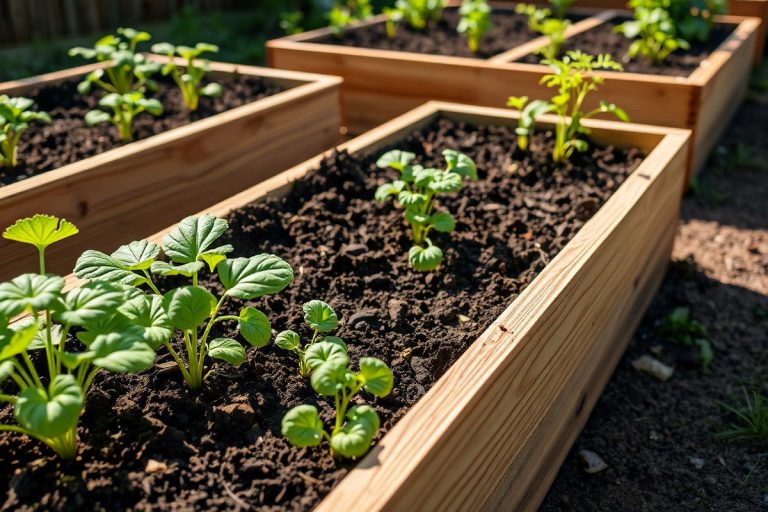
You can build a 12-inch deep raised bed using stacked lumber. Look for standard 2×6 boards or kits at garden centers. These are good options.
Deeper beds require more soil, which costs more. Expect about one cubic foot more soil for every six inches of depth.
Plan your budget accordingly. Good drainage and soil quality are key to letting roots use this space well.
Building over bare soil lets roots extend deeper. So you might skip extremely deep beds. On concrete or paved surfaces, at least 12 inches of good soil is critical.
Adding a few extra inches helps plants develop stronger stems and fruits. It also helps soil hold moisture better during hot days. This leads to healthier plants.
Raised Bed Depth Differences by Plant Type
Raised bed depth depends on the plants you want to grow. Shallow-rooted greens need less soil than root vegetables or perennials. Picking the right depth helps roots grow strong and plants thrive.
Leafy Greens and Herbs Depth Needs
Leafy greens like lettuce and spinach only need about 6 to 8 inches of soil depth. This shallow depth helps plants grow quickly. It also makes harvesting easy.
You can harvest multiple times each season. Herbs such as basil and parsley also do well in 8 to 12 inches of soil.
A raised bed with 6 to 8 inches of soil works well. It suits quick crops. Small herb gardens grow nicely, too.
Mint needs extra care though, like barriers to stop it from spreading aggressively. A shallower bed here saves you soil and effort, especially if space is limited.
Root Vegetables and Tubers Depth Needs
Root vegetables like carrots and parsnips require at least 12 to 18 inches of loose soil. This depth gives their roots room to grow deep and straight without bending or cracking. Potatoes and longer-rooted beets thrive in 18 inches or more to develop large, healthy tubers.
Shorter root varieties can manage with closer to 12 inches. But you risk smaller yields.
A common mistake is using shallow soil that stunts root growth and reduces harvest size. A deeper bed also holds moisture better, which helps roots stay healthy during dry spells.
Perennials and Shrubs Depth Recommendations
Perennials like asparagus, artichokes, and rhubarb need deep soil. They require at least 18 inches for long-term growth. This depth helps them thrive over time.
They develop thick, deep root systems that store nutrients for many seasons. A deeper bed also improves drainage and reduces problems from compacted soil over time.
Plant perennials with at least 18 inches of deep soil. This applies when planting on hard surfaces like concrete. Make sure the soil depth is enough.
This depth helps roots spread and stays moist longer, which is important for perennial success. Plan beds bigger than 2 feet deep for best results with many perennials.
| Plant Type | Common Examples | Depth That Works Well | Why This Depth Helps |
|---|---|---|---|
| Leafy Greens and Quick Crops | Lettuce, Rocket, Spinach, Radish | 20 to 30 cm (8, 12 in) | Shallow roots; quick growth cycles |
| General Vegetables | Beetroot, Peas, Beans, Chard | 25 to 40 cm (10, 16 in) | Better moisture retention and root space |
| Root Crops | Carrots, Parsnips, Long-root Beet Varieties | 30 to 45 cm (12, 18 in) | Allows full root development without obstruction |
| Perennials | Asparagus, Artichokes, Rhubarb | 45 cm+ (18 in+) | Supports thick, deep root systems for long-term growth |
Adjusting your raised bed depth matches your plant needs. Less depth suits fast, shallow roots; more depth fits deeper roots and perennials.
Don’t underestimate how much root space plants need, too shallow soil can stunt growth fast.
How Surface Type Influences Raised Bed Depth
Raised beds on native soil can be shallower than those on hard surfaces. Beds on concrete or pavement need to be deeper for proper drainage and root growth. Soil drainage and root space are the main concerns when deciding bed depth by surface type.
Depth for Beds over Native Soil
Raised beds on native soil usually need about 12 to 18 inches of soil depth. Plant roots can spread beyond the bed walls by growing into the native soil below. This extra root space reduces pressure on the bed’s soil depth.
Loosening native soil under the bed improves drainage and root growth. You don’t need to fill the bed very deep on soil.
Roots can grow down naturally into the ground below. This helps plants access more space without extra soil inside the bed.
Depth for Beds over Concrete or Pavement
Beds on concrete or pavement need 12 to 18 inches of soil. It’s better to fill them 18 to 24 inches deep. This deeper soil lets roots grow well and plants stay healthy.
Without soil beneath, roots can’t spread downwards naturally. Plants depend completely on the soil inside the raised bed.
This means the bed soil must support all root growth. Shallow beds on hard surfaces cause drainage problems and heat stress on roots.
Better drainage in deep beds avoids waterlogging and root rot. Deep beds cost more due to the larger soil volume needed but prevent many growing issues.
| Surface Type | Minimum Soil Depth | Recommended Depth | Drainage Concern |
|---|---|---|---|
| Native Soil | 12 inches | 12, 18 inches | Roots can penetrate native soil; moderate drainage |
| Concrete/Pavement | 12, 18 inches | 18, 24 inches | Drainage must rely on soil mix; heat risk |
| For Root Vegetables Over Hard Surfaces | 20 inches | 20, 24 inches | Extra depth prevents root deformity and stagnation |
This table highlights how surface type changes your raised bed’s soil depth needs. Hard surfaces always require deeper beds mainly for drainage and healthy root growth.
Excavating Under Raised Beds to Increase Depth
You can dig native soil below your raised bed to add depth without adding more soil. This method saves money when filling heavy soil is costly.
It also helps if your bed sits on natural soil below. You can use less soil in the bed and still grow plants well.
Loosening the soil down 6 to 12 inches helps roots expand and water drain better. Avoid compacting the native soil below or digging too deep, which can cause drainage issues.
Calculating Soil Volume and Cost by Raised Bed Depth
Multiply the length, width, and depth of your bed in feet. This calculation shows how much soil you will need. Keep the measurements in feet for accuracy.
Convert the depth from inches to feet by dividing by 12. This volume will tell you how many cubic feet of soil to get.
A bed that’s 4 feet by 8 feet and 12 inches deep equals 32 cubic feet. This comes from multiplying 4 times 8 times 1 foot depth. This helps you know the soil volume needed.
At 6 inches deep, this same bed requires 4 × 8 × 0.5 = 16 cubic feet. Soil costs depend on volume. Bulk soil often sells by the cubic yard, which is 27 cubic feet.
When calculating cost, know the price per cubic yard and convert your needed soil volume. A 4-by-8 bed at 12 inches needs about 1.2 cubic yards (32 ÷ 27).
Multiply that by your soil price to estimate expenses. More depth means more soil and higher cost, but better space for roots.
Follow these steps to compute soil volume and cost for your raised bed:
- Measure the bed’s length and width in feet.
- Convert the depth from inches to feet by dividing by 12.
- Multiply length × width × depth (in feet) for cubic feet.
- Divide cubic feet by 27 to get cubic yards needed.
- Check your local soil price per cubic yard.
- Multiply cubic yards by soil price to estimate cost.
- Adjust calculations if your bed size or depth changes.
For example, a 4×4-foot bed at 18 inches deep equals 4 × 4 × 1.5 = 24 cubic feet, or about 0.89 cubic yards. Soil costs about $40 for each cubic yard. You’ll spend around $36 for your raised bed soil.
This estimate helps you budget for soil costs. This method helps you plan soil needs for 6, 12, 18, or 24-inch depths easily.
Common Raised Bed Depth Mistakes and How to Fix Them
Many gardeners set their raised bed too shallow. This makes roots crowd the soil surface. Shallow beds can cause water to pool, leading to root rot and mold issues.
Plants depend entirely on the soil inside your bed. So shallow soil limits root growth and moisture retention.
Too much depth or densely packed soil also causes issues. Excess soil can become compacted, restricting roots and reducing oxygen.
Overly deep beds may hold excess moisture, drowning roots or inviting pests. You want a balance that suits your plants while keeping soil loose.
Fixing depth problems means adjusting soil volume and quality. The double-dig method loosens the native soil beneath your bed. This allows plant roots to grow deeper.
It improves soil drainage and root access. Drainage improvements like adding gravel or sand can stop pooling. Sometimes adding more organic matter boosts soil health and structure.
- Avoid beds less than 6 to 8 inches deep for most veggies
- Use loose, well-draining soil to prevent root suffocation
- Build beds at least 12 inches deep for root-heavy plants
- Amend compacted soil with compost and sand
- Check drainage if your bed sits on concrete or poor soil
- Top off shallow beds rather than overfilling with dense soil
- Use the double-dig method to improve native soil beneath
Adding the right soil depth and structure lets roots spread fully. This means stronger plants and better harvests.
Pay close attention to your bed’s soil feel: soft but not swampy. No crust on top.
Too shallow beds cause water pooling and root rot. Add more good soil or improve drainage to fix it quickly.
How Soil Composition Affects Required Bed Depth
Use a soil mix with at least 50% topsoil. Add 30% compost too. This mix helps keep raised beds fertile.
Adding organic matter like shredded leaves or peat moss improves texture and retains moisture. Use at least 12 inches of this mix in your bed.
It supports healthy roots. It also keeps water steady.
Better soil means you can have shallower beds. Aim for 12 to 15 inches deep. Rich soil keeps nutrients and water well.
Poor or sandy soil needs more depth. This gives roots more room to grow.
It also stops water from draining too fast. In those cases, going deeper than 18 inches can really benefit plant growth.
Add 2 to 3 inches of coarse gravel or small rocks. Put it at the raised bed’s bottom. This stops waterlogging.
This layer helps excess water drain without soaking the entire soil, which can cause root rot. When adding drainage material, pile soil mix deeper.
Keep your planting zone about 12 inches or more. This ensures good root space.
Remember to add extra soil for settling. Soil and compost compress over time. Expect about 20 to 30% shrinkage in first months.
Plan your soil depth accordingly. Start with 15 to 18 inches of soil mix.
After settling and adding mulch, you’ll still have enough depth. Without this, beds can become too shallow.
Some gardeners try filling gaps with lightweight trash or bottles to save soil. But this reduces root space and limits healthy growth. Using a proper soil and drainage setup is worth the extra material cost.
Good soil costs about $30 to $50 per cubic yard. This usually fills a 4×8 foot bed that’s 12 to 15 inches deep.
In well-prepared beds, roots spread easily. Plants stay healthier longer. The soil holds moisture during hot days.
Poorly mixed or shallow beds force plants to work harder and produce less. Change soil depth and mix based on what you grow.
Also think about your local climate. This gives the best results.
Practical Tips for Building and Maintaining Deep Raised Beds
Building deep raised beds takes good soil, moisture help, and nutrient refresh. You’ll need to plan for enough soil depth and add nutrients yearly. Managing moisture well helps plants grow strong and healthy.
Deep beds need attention to soil layers and watering habits. You also want a strong frame that keeps soil from washing out or collapsing.
Filling Deep Beds Affordably
Deep beds require a lot of soil, which can get expensive fast. Using hugelkultur techniques at the bottom cuts soil costs by 30 to 50 percent. Place logs and wood debris first, then cover with compost and topsoil.
This method improves fertility and retains moisture longer. Avoid materials that break down slowly or add plastic particles. Your raised bed should be full of nutrient-rich, natural matter from bottom to top.
- Start with logs or branches for hugelkultur base
- Add a layer of compost on top of wood
- Fill the rest with quality topsoil and organic matter
- Use soil calculators to measure volume and needs
- Consider mixing in aged manure or leaf mold
- Avoid cheap fill like construction debris or plastics
For beds deeper than 18 inches, hugelkultur offers long-term benefits and cuts planting costs. You’ll create a lively, well-draining soil profile without buying as much soil upfront.
Annual Soil Refresh Tips
Deep beds need new nutrients each year to keep plants growing strong. Add compost and organic fertilizer every spring to feed your soil. Spread 2 to 3 inches of compost on top and mix it into the soil well.
Deep beds often require less weeding, but monitoring soil health is key. Every year, check for soil compaction and aerate if needed. Avoid disturbing layers deeply to protect soil life and structure.
- Apply a 2-3 inch compost layer each spring
- Use balanced organic fertilizers suited to your plants
- Loosen compacted soil with a broad fork or hand tool
- Remove any weeds or plant debris
- Rotate crops yearly to manage nutrient demands
Refreshing soil yearly supports healthy roots and avoids nutrient depletion. You keep good soil moisture and fertility without having to rebuild beds regularly.
Watering and Drainage Management
Deep raised beds hold moisture better. So water 20 to 30 percent less often than shallow ones. Still, good drainage matters most to avoid root rot.
Heavy clay soil needs raised beds at least 18 inches deep. This depth helps water drain better for your plants.
Place beds where they get morning sun for faster surface drying. Adding organic matter improves drainage and aeration, reducing water pooling. Mulch the top to keep soil moist and reduce temperature swings.
- Water deeply but less often to encourage strong roots
- Keep beds raised above surrounding soil for runoff
- Use mulch like straw or shredded leaves
- Test soil drainage after heavy rain to adjust depth
- Avoid compacting soil when watering or walking on beds
Proper watering and drainage help your plants thrive in deep soil. Good control limits disease and keeps roots healthy through the growing season.
Choosing Bed Depth for Accessibility and Gardening Comfort
The depth and height of your raised bed change how you garden. Taller beds at 24 to 36 inches cut back strain. They also help if you have mobility issues.
You can garden more comfortably with these heights. Taller beds let you tend plants without bending too much.
They make long outdoor sessions much easier. You can harvest without hurting your back.
Soil depth is part of this height. But remember, the bed’s frame adds extra height. Common beds use two 2×6 boards stacked, giving about 11 inches of soil depth.
Add more layers for less bending. You could also get a tall kit.
Some kits have 32-inch high walls for easier gardening. But that means mixing and buying more soil, so expect higher costs.
Width matters too for comfort. Don’t make beds wider than 4 feet. This stops you from stepping inside the bed.
It keeps everything in reach without stretching. This keeps soil firm and plants safe. Keep tall beds under 3 feet wide.
This size helps you reach all parts easily. It reduces strain when you work in your raised bed.
Extra-tall beds pay off most when you have health issues or want to garden while seated. They need more soil, sometimes twice as much, and cost more upfront. But the ease of access and less pain for your back might be worth it.
Put beds where you can refill soil easily. Mulch them well to keep moisture longer. This helps plants grow deeper roots without drying out.
Check your raised bed soil depth every season to keep plants healthy and root space clear.
Step-by-Step Action Plan for Choosing Raised Bed Depth
Follow this simple plan to pick the best raised bed depth for your garden. It matches your plants, soil, and gardening needs.
- Before you start: List the plants you want to grow. Check their root depth needs from seed packets or trusted sources.
- Day 1: Measure your surface type, like concrete or grass. Note if you need drainage adjustments for shallower beds.
- Day 2: Decide your soil mix or get a soil test. Pick a soil depth that fits your plant roots and soil quality.
- Week 1: Build your raised bed to the chosen depth. Use sturdy materials and secure corners for long-term use.
- Week 2: Fill the bed with your prepared soil mix. Level the surface and water lightly to settle it.
- Month 1: Plant starter seeds or seedlings. Watch how well roots grow and adjust watering for soil depth.
- Month 2: Check plant growth and soil moisture. Fix issues like shallow roots by adding more soil or loosen compaction.
- Seasonally: Add compost or mulch on top. Keep soil healthy and your bed depth consistent for next crops.
Frequently Asked Questions
Can I Make My Raised Bed Deeper Than 24 Inches?
Yes, but deeper beds need better drainage and more soil. Too much depth can trap water and harm roots.
Does Raised Bed Depth Affect Soil Temperature?
Yes, deeper beds warm slower but stay cooler longer in summer. This can protect roots from cold or heat stress.
How Does Raised Bed Depth Impact Watering Needs?
Deeper beds hold more water but may dry unevenly. You might need to adjust watering frequency accordingly.
Is a Deeper Raised Bed Harder to Maintain?
Yes, deeper beds require more soil and careful mixing. They can be heavier to manage for planting and harvesting.
Can Raised Beds Be Too Shallow for Certain Crops?
Yes, shallow beds under 6 inches don’t support deep roots well. Plants like carrots and potatoes need more depth.
Do Shallow Raised Beds Save Money on Soil?
Yes, less soil is needed, but you might limit plant choices. Consider what you want to grow first.
Final Thoughts
Choosing the right raised bed depth depends mainly on your plant choices and soil. Keep your beds deep enough for roots but comfortable to access. Start by listing your plants and checking their root needs today.